**Title: Telemedicine and Testosterone**
**Understanding the Connection Between Mood Swings and Hormonal Imbalances in Men**
**Introduction**
**Essential Role of Hormonal Health in Men**
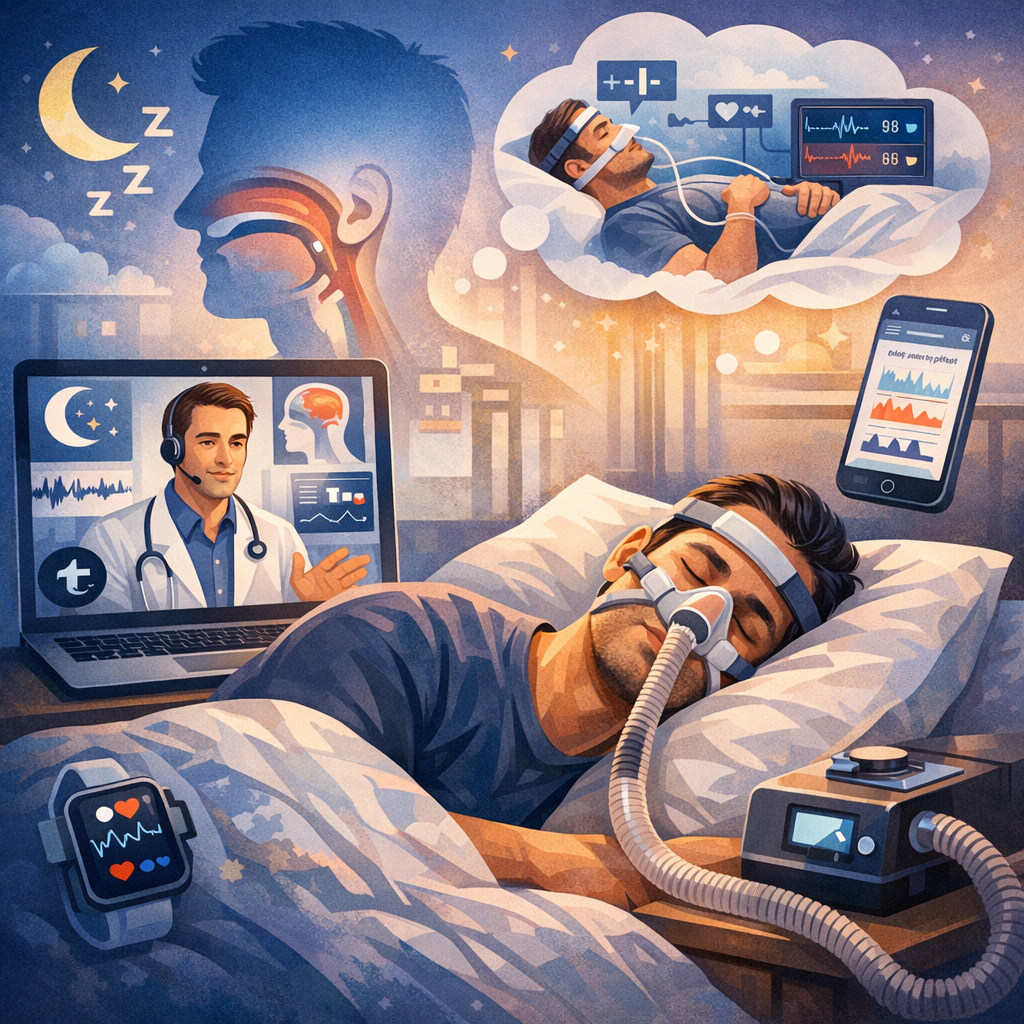
Hormonal health is vital for a man’s overall well-being. Testosterone, the primary male sex hormone, impacts muscle mass, bone density, energy, libido, and mood. In recent years, telemedicine has emerged as an accessible avenue for men to seek professional guidance on testosterone management. This article explores how testosterone imbalances can lead to mood swings and how telemedicine is revolutionizing the approach to addressing these concerns.
### The Role of Testosterone in Men’s Health
**Testosterone’s Influence on Physical and Emotional Well-being**
Testosterone is primarily produced in the testes, with smaller amounts derived from the adrenal glands. It plays a crucial role in:
– Physical development during puberty, including muscle growth and voice deepening.
– Maintenance of lean muscle mass and healthy fat distribution.
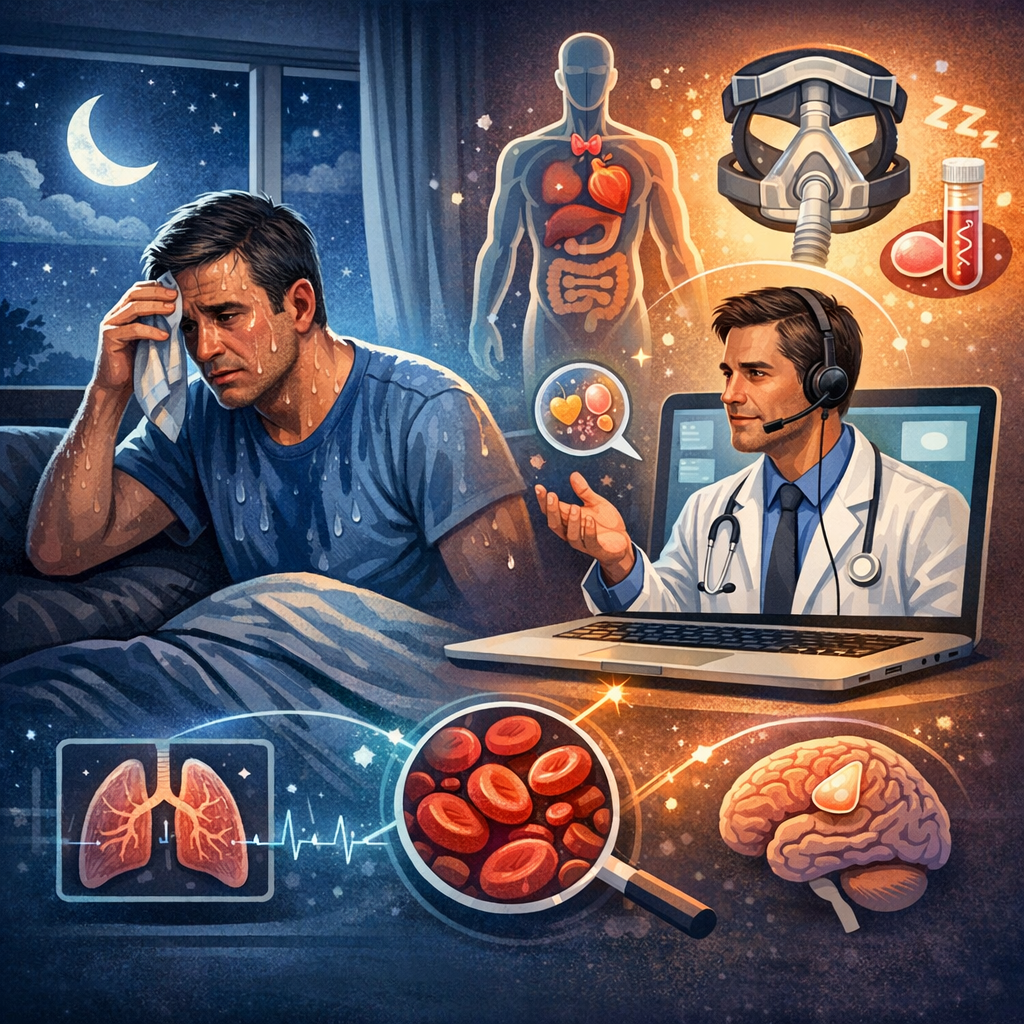
– Bone density and red blood cell production.
– Sex drive (libido) and fertility.
– Emotional health, influencing mood, motivation, and cognitive function.
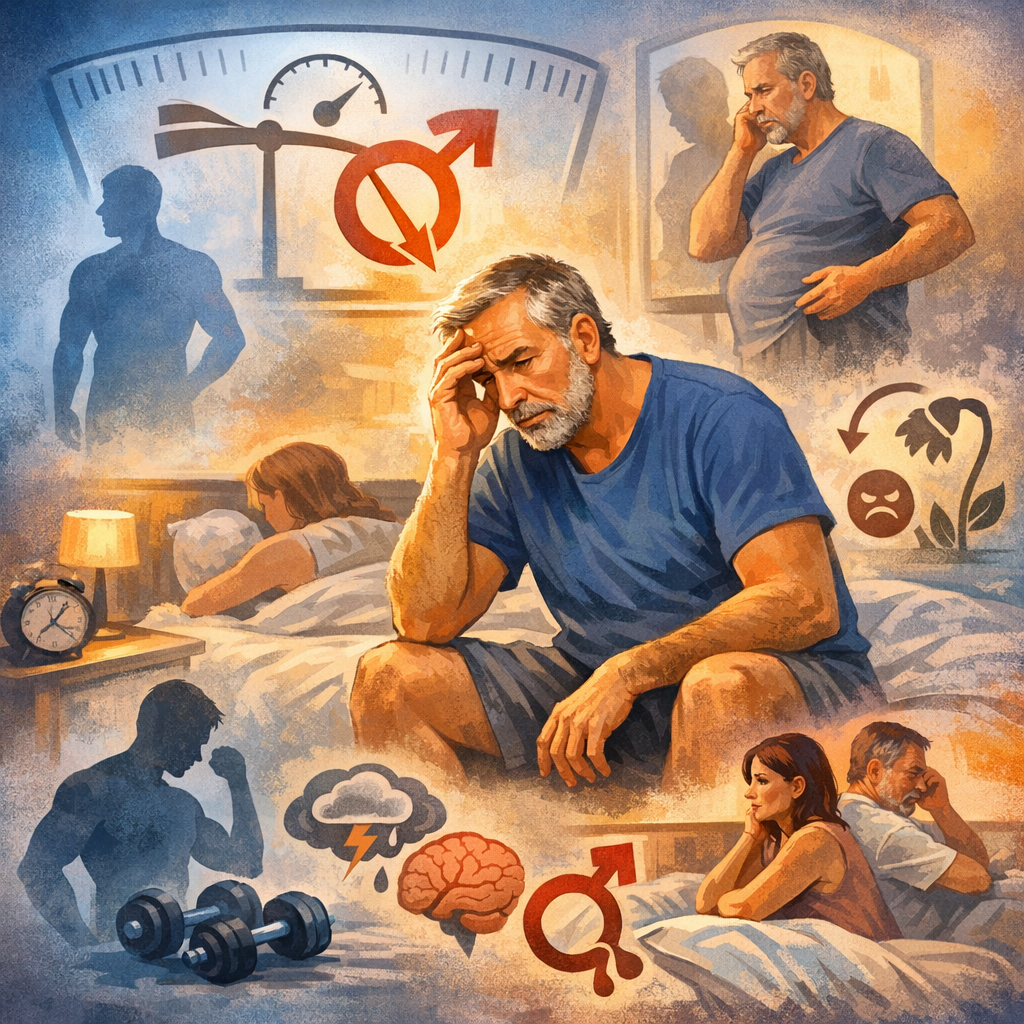
As men age, testosterone levels naturally decline by approximately 1–2% per year after the age of 30. Some men experience more significant drops due to factors such as obesity, diabetes, chronic stress, or certain medications. Low testosterone often results in symptoms like fatigue, depression, irritability, and mood swings.
### Recognizing Mood Swings and Hormonal Imbalances
**Identifying Emotional Symptoms of Hormonal Changes**
Mood swings in men, although not frequently discussed, can significantly disrupt personal relationships and professional life. Symptoms indicating hormonal imbalance include:
– Persistent fatigue despite adequate sleep.
– Unexplained irritability or increased anger.
– Sudden changes in anxiety levels or depression.
– Difficulty with memory or concentration.
– Reduced motivation and drive.
These symptoms should not be dismissed as mere stress or a “midlife crisis.” Dr. John Smith, a renowned endocrinologist, emphasizes the importance of evaluating hormonal health as a potential factor in mood disturbances. Diagnosis requires a comprehensive medical history and laboratory tests to measure serum testosterone and other key hormones.
### The Rise of Telemedicine in Hormonal Care
**Convenience and Accessibility of Telemedicine**
Telemedicine offers a practical alternative to traditional in-office visits for men. Key benefits include:
– Convenience: Consultations occur from home, eliminating commute times.
– Accessibility: Men in rural areas can connect with specialists.
– Flexibility: Evening and weekend appointments accommodate busy schedules.
– Continuity: Telehealth platforms often include secure messaging for seamless follow-up.
### How a Telemedicine Testosterone Program Works
**Steps Toward Improved Hormonal Health**
1. **Initial Virtual Consultation**
– A healthcare provider reviews your medical history and symptoms via video call.
– Standardized questionnaires assess mood, libido, and quality of life.
2. **Hormonal Testing and Lab Work**
– A lab order is sent electronically to a local draw station, or an at-home testing kit is mailed to you.
– Blood samples measure total and free testosterone, estrogen, and other markers.
3. **Personalized Treatment Plan**
– Based on results, the clinician designs a treatment program that may include testosterone replacement therapy (TRT), nutritional guidance, and mental health strategies.
– Options for dosing (injections, gels, patches) match preferences and lifestyle.
4. **Ongoing Monitoring and Support**
– Regular virtual check-ins track progress and side effects.
– Dosage adjustments can be made swiftly through telehealth channels.
– Educational resources on stress management and sleep hygiene are provided.
### Addressing Mood Swings Through a Holistic Approach
**Comprehensive Strategies for Emotional Stability**
While testosterone optimization can enhance mood stability, a comprehensive strategy yields the best results:
– Nutrition: A diet rich in healthy fats, protein, and micronutrients supports hormone production.
– Exercise: Resistance training boosts endorphins and increases testosterone.
– Sleep: Prioritizing 7–9 hours of sleep regulates cortisol levels.
– Stress Management: Techniques like mindfulness help reduce anxiety.
– Mental Health Care: Consulting a therapist for persistent issues is beneficial.
### Real-World Benefits and Patient Success Stories
**Testimonials of Transformation Through Telemedicine**
Many men report reduced mood swings and increased energy within weeks of starting telemedicine-based testosterone programs. One patient, in his early 40s, who felt “constantly on edge,” experienced steadier moods and renewed focus after a telehealth assessment and TRT plan. Another patient, a 55-year-old executive, credited telemedicine follow-ups for timely dosage adjustments.
### Choosing the Right Telemedicine Provider
**Guidelines for Selecting the Best Platform**
When selecting a telehealth platform for testosterone care, consider:
– Board-certified endocrinologists or urologists on staff.
– Comprehensive hormonal testing partnerships with labs.
– Clear protocols for monitoring and dose adjustment.
– Transparent pricing and insurance compatibility.
– Positive patient reviews on communication and outcomes.
**Conclusion**
Mood swings and hormonal imbalances should not diminish a man’s quality of life. Telemedicine democratizes access to expert care, enabling personalized testosterone treatment and support from home. Dr. Jane Doe, a leading specialist, states, “Telemedicine empowers men to take charge of their hormonal health more conveniently than ever.” Explore a telemedicine testosterone program to take the first step toward balanced hormones and improved mental well-being.
For more detailed insights and to explore personalized solutions, visit eDrugstore.com for expert advice on managing hormonal health through telemedicine platforms.