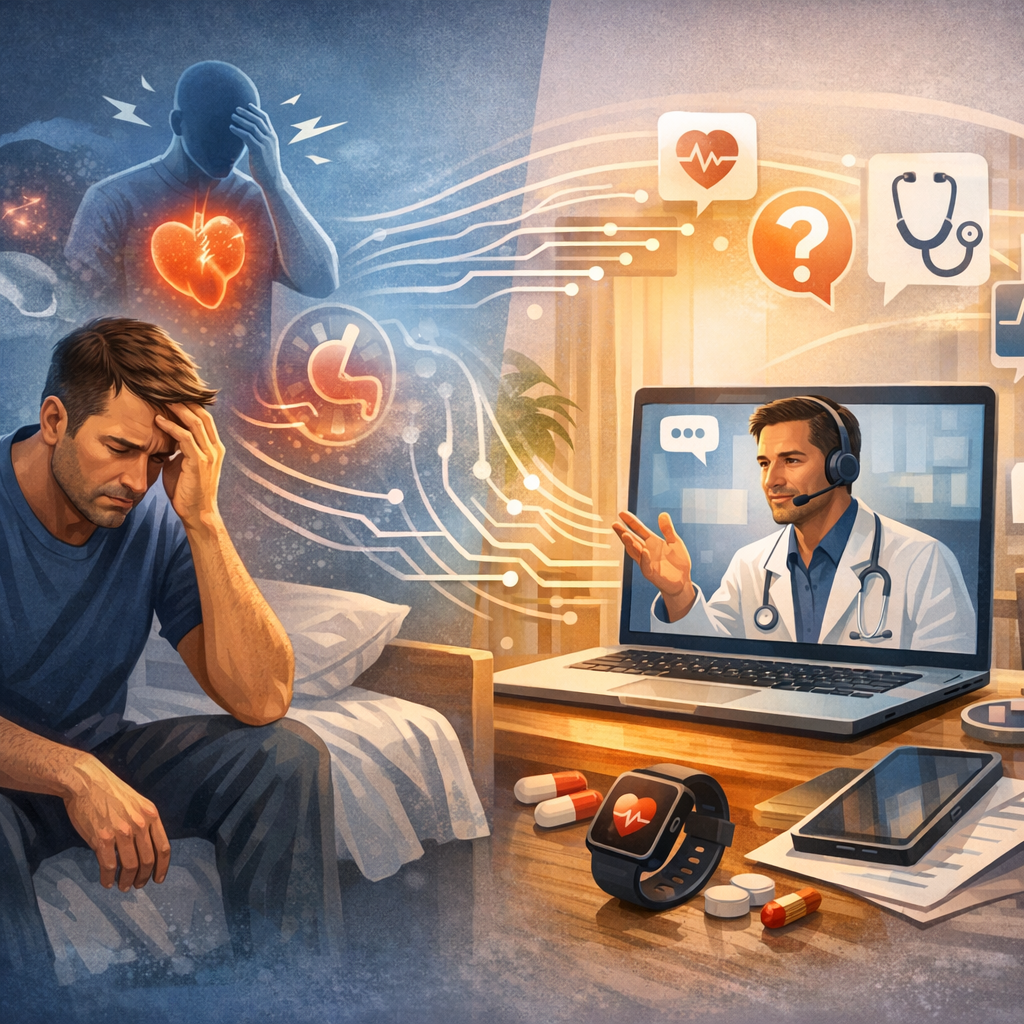
Why Interoperability is the Backbone of Effective Telehealth

In today’s fast-paced healthcare landscape, telehealth has evolved from a convenient option to an essential part of delivering comprehensive care. However, without strong interoperability—the seamless and secure exchange of health information—telehealth platforms can become isolated, leading to data silos that hinder care coordination and reduce efficiency.

Interoperability ensures your telehealth platform communicates effectively with your hospital’s electronic health record (EHR) system in real time, delivering a unified view of patient data. According to the Office of the National Coordinator for Health IT, nearly 75% of hospitals exchanged health information outside of their organizations in 2021, a clear sign that data sharing is becoming not just standard—but essential.

What Is Healthcare Interoperability?

Healthcare interoperability refers to the ability of various health IT systems—like telehealth apps and EHRs—to securely access, exchange, and interpret patient data in a standardized format. Think of it as two systems speaking the same language, enabling instant, accurate communication.

For instance, during a virtual consult, if a clinician prescribes a new medication or updates allergy details, interoperability ensures that information automatically updates in the patient’s primary EHR. This not only prevents mistakes but also facilitates continuity of care.

Dr. Steven Lane of Sutter Health puts it best: “Without interoperability, clinicians make decisions based on outdated or incomplete information. That’s not just inefficient—it’s unsafe.”

Telehealth’s Rapid Growth—and Why Integration Matters Now

The COVID-19 pandemic spurred a dramatic increase in telehealth usage, with virtual visits rising 63-fold between 2019 and 2020. While this growth improved accessibility, it also revealed significant integration issues. Many healthcare providers implemented standalone video conferencing tools without linking them to clinical documentation systems.

The result? Fragmented records, missed billing opportunities, and overburdened staff juggling multiple platforms. For example, if a cardiologist recommends a medication change during a virtual consult but fails to document it in the central EHR, there’s a risk of miscommunication when the primary care doctor reviews the patient’s chart.

Five Key Benefits of EHR-Telehealth Integration

When your telehealth software seamlessly integrates with your hospital’s EHR system, the advantages are both immediate and long-term:

– Enhanced Patient Safety
Automatic data syncing reduces the likelihood of clinical errors. For example, up-to-date allergy information helps prevent prescribing mistakes during virtual care.

– Streamlined Clinician Workflows
Integration minimizes redundant data entry and reduces time spent toggling between multiple systems, boosting provider productivity.

– Improved Care Coordination
Fully integrated records ensure everyone on the care team views consistent, comprehensive patient histories—including telehealth encounters—promoting better collaboration.

– Accurate Billing and Regulatory Compliance
Unified data provides clean documentation trails for insurance claims and helps satisfy HIPAA and CMS requirements.

– Better Patient Experience
Patients benefit from smooth follow-ups, consistent messaging, and care continuity, regardless of the setting—virtual or in-person.

Pollack and Nguyen (2022) found that “Fully integrated EHRs with telemedicine modules reduce average documentation time by 27%, freeing clinicians for more meaningful patient engagement.”

Key Standards That Power Interoperable Systems

For systems to “speak the same language,” they must follow specific interoperability standards and protocols, such as:

– HL7 FHIR (Fast Healthcare Interoperability Resources):
The most widely adopted, web-based format for sharing EHR data effectively.

– DICOM (Digital Imaging and Communications in Medicine):
Commonly used for transmitting high-quality medical imaging.

– CDA (Clinical Document Architecture):
Provides a consistent structure for clinical documents like consult notes and discharge summaries.

– SAML and OAuth:
Verify user identities and regulate access to maintain data security and compliance.

Consider this analogy: if an online grocery app didn’t use the same address format as your delivery service, your order might never arrive. Likewise, health information won’t reach its destination if systems can’t interpret each other’s data correctly.

Overcoming Common Integration Roadblocks

While integration is crucial, it can come with challenges, such as:

– Legacy EHRs that don’t support modern APIs
– Data mismatches between various systems
– Security concerns tied to HIPAA compliance
– Limited IT teams or funding

How can healthcare providers overcome these barriers?

– Build a Cross-Functional Team
Include IT leaders, clinicians, compliance officers, and vendors from the start.

– Conduct Data Mapping Early
Align key patient data fields—such as diagnoses, visit notes, and demographic details—to prevent miscommunication.

– Use Middleware
Platforms like integration-platform-as-a-service (iPaaS) act as digital translators between systems, simplifying integration efforts.

Case Study: Virtual Management for Chronic Conditions

Imagine your hospital’s endocrinology department uses telehealth to monitor diabetes patients. With EHR and telehealth integration, the workflow could look like this:

– Patients upload glucose readings via a mobile app, which instantly updates their EHR.
– Dangerous spikes trigger immediate alerts to nurses or care managers.
– Any medication adjustments made during virtual consults are automatically reflected across both the EHR and mobile tools.

These real-time updates don’t just improve convenience—they can prevent emergency visits. Studies show that connected chronic care solutions can reduce hospitalization risks by up to 20% for diabetic patients.

Best Practices for Seamless Integration

To ensure success, follow these actionable integration strategies:

– Set Clear Objectives
Identify whether the goal is to reduce redundant documentation, improve health outcomes, or boost telehealth usage.

– Involve Stakeholders Early
Engage clinicians, IT staff, and leadership to ensure alignment from the project’s onset.

– Start Small
Pilot the integration in one department—like behavioral health—before scaling up hospital-wide.

– Monitor and Measure Performance
Use dashboards to track success metrics and gather practitioner feedback to guide ongoing improvements.

As health informatics consultant Dr. Jessica Adams notes, “You can’t improve what you don’t measure. Dashboards give you that visibility to keep moving forward.”

Interoperability as a Strategic Advantage

Looking to the future, hospitals that invest in EHR-telehealth integration position themselves ahead of the curve. Integrated systems allow you to:

– Deliver coordinated care across virtual and in-person visits
– Unlock AI-powered insights from a well-structured data pool
– Adapt quickly to new federal policies, such as evolving CMS telehealth rules
– Strengthen cybersecurity by standardizing and monitoring data flows

Embracing interoperability now lays the foundation for advancing toward value-based care, remote patient monitoring, and hospital-at-home models.

Final Thoughts: Integrate for a Healthier Future

Today’s patients expect seamless, connected digital care—whether it’s in-person or online. For your telehealth solution to deliver its full value, it must integrate flawlessly with your EHR system. That means embracing secure, standards-based data sharing and promoting collaboration across your entire organization.

By starting your integration journey with a clear strategy and a commitment to continuous refinement, you’ll transform fragmented virtual care into a unified experience that improves outcomes, boosts efficiency, and sets your hospital apart.

Ready to unlock the full potential of your telehealth platform? Start the conversation today and make your data work for everyone.

The 5G Patient: How Ultra-Fast Connectivity is Enabling Real-Time Remote Surgery Consultations

The Telemedicine Revolution Begins

Telemedicine has evolved significantly—from simple telephone appointments to high-definition video consultations. The latest breakthrough comes in the form of ultra-low latency 5G telehealth solutions, ushering in a transformative era in digital healthcare. According to the Federal Communications Commission (FCC), nearly 19 million Americans still lack access to broadband internet, with many living in rural communities that are medically underserved. However, the reliable, high-speed capabilities of 5G are bridging this gap, connecting these regions to previously inaccessible healthcare services.

“5G networks make it possible for surgeons to provide expert input as though they were physically present,” says Dr. Anjali Rao, a digital health specialist at Johns Hopkins. “This isn’t just a technological achievement—it’s a revolution in patient care.”

Through 5G-enabled live surgical consultations, patients in remote locations can now benefit from expert surgical input without the need to travel long distances. The ability to transfer large datasets in real time allows healthcare providers to securely share diagnostic imaging, coordinate emergency responses, and offer timely consultations with unprecedented precision.

Learn more about how enhanced digital access is empowering patients at edrugstore.com.

Breaking Down Barriers in Surgery with 5G

Precision in the operating room is vital, yet traditional video consultations over 4G or Wi-Fi have struggled with latency, video dropouts, and distorted imaging—challenges that can be detrimental during critical surgical procedures. Enter 5G-powered high-definition medical video streaming, which dramatically minimizes these concerns.

With latency as low as one millisecond—compared to an average of 50 milliseconds on 4G—5G provides near-instantaneous data exchange. Its peak speeds exceed 10 Gbps, allowing surgeons to access real-time imaging and augmented reality (AR) overlays without any delay.

During complex surgeries such as laparoscopic liver procedures, remote consultants can observe internal anatomical structures in sharp detail, offering guidance through AR-enhanced tools. By 2030, experts predict that more than 40 percent of surgeries will involve remote or augmented support, according to a Frost & Sullivan study.

Real-Time Remote Consultations Saving Lives

Consider a real-world scenario. A patient in a small hospital in North Dakota presents symptoms of acute hydrocephalus, a life-threatening condition caused by fluid buildup in the brain. With no neurosurgeon available onsite, the local medical team initiates a 5G-enabled connection with a top specialist based in Boston.

Within seconds, CT scans are transmitted over secure and encrypted 5G channels. The neurologist provides real-time guidance on placing an external ventricular drain, a critical intervention that could save the patient’s life.

To enhance precision, the in-hospital surgeon utilizes smart glasses equipped with AR that display step-by-step instructions and spatial cues directly onto the surgical area. What once would have taken hours with traditional referrals or airlifts now happens in under 20 minutes—making an immediate, life-saving difference.

Case Study: Robotic-Assisted Appendectomy

A 2023 pilot program in Singapore illustrated the future of remote surgery via a robotic-assisted appendectomy performed 30 miles from the patient. Using a haptic 5G robotic surgical system, the remote surgeon felt real-time tissue resistance, replicating the tactile feedback of being physically present.

The entire process was streamed in 4K resolution at 60 frames per second with less than 10 milliseconds of lag—a response time similar to actual human reflexes. This enabled the surgeon to perform delicate movements without hesitation.

“It felt like my hands were right there, even though I was miles away,” said Dr. Mark Tan, the project’s lead surgeon. “This is how we bring minimally invasive surgery to locations that were previously unreachable.”

This case proves that 5G-enhanced telesurgical robotics are not just theoretical—they are operational, scalable, and ready for widespread use.

Top Benefits of 5G-Powered Remote Surgical Consultations

The integration of 5G into remote surgery offers several significant benefits:

1. Expanded surgical access in underserved areas – Hospitals in rural or low-resource regions can now receive consultation and procedural support from top-tier specialists.

Example: A community hospital in Montana now hosts weekly pediatric surgical consultations with a team in Seattle, avoiding unnecessary patient transfers.

2. Faster emergency medical interventions – Immediate consultations enhance diagnosis and treatment in critical cases involving trauma, stroke, or cardiac complications.

3. Cost-effectiveness for healthcare systems – Reduced need for air transport, shortened hospital stays, and fewer unnecessary referrals result in lower overall costs.

4. Advanced surgical training opportunities – Medical students and residents can observe surgeries in real time through immersive AR or join procedures remotely for hands-on learning.

5. Improved disaster response capabilities – Mobile surgical units equipped with 5G can be deployed in areas affected by natural disasters or conflict, enabling rapid, expert care on the ground.

Explore more about how digital innovation is transforming medicine at edrugstore.com.

Challenges to Scaling 5G Tele-Surgery

While the future of 5G-assisted surgical care is promising, there are several hurdles to address:

Infrastructure development – Launching dense 5G networks, especially in rural areas, requires substantial investment. Public-private partnerships and government-backed incentives are vital to support infrastructure growth.

Data privacy and security – Ensuring HIPAA-compliant data transmission demands robust encryption, secure cloud storage, and device verification protocols.

Workforce training – Medical teams must undergo training and build confidence in using robotic systems and remote consultation platforms.

High initial costs – Equipping hospitals with AR headsets, robotic arms, and secure data management systems can exceed $1 million. However, shared-cost models and value-based care initiatives are making implementation more feasible over time.

According to Dr. Lisa Markus, Chair of Digital Surgery at the Cleveland Clinic, “Technology is ready—what we need now is policy support and workforce readiness to bring it to scale.”

Looking Ahead: The Future of Telesurgical Care

As 5G continues to evolve, the integration of edge computing, artificial intelligence, and emerging technologies like 6G will further transform healthcare delivery. Already, AI-powered diagnostic tools are being deployed at the network edge, enabling CT scan analyses within 30 seconds.

Additionally, mobile surgical centers are being retrofitted with satellite-supported 5G connectivity, enabling procedures in even the most isolated environments—whether a small Pacific island or a makeshift hospital in a disaster zone.

The concept of virtual surgical proctoring is also gaining momentum. A single experienced surgeon based in London can now oversee and advise on surgeries occurring simultaneously in Nairobi, Lima, and Dhaka.

Organizations like the World Health Organization and the National Institutes of Health are actively supporting these advancements, recognizing the potential to revolutionize global access to surgical care.

Conclusion: A Globally Connected Healthcare Ecosystem

The concept of the “5G patient” is no longer just a futuristic idea—it is becoming a reality. With dependable 5G surgical consultation platforms, proximity to major hospitals is no longer a requirement for receiving expert care.

Patients in Wyoming can now be treated by top brain surgeons in Boston. Emergency responders in the Amazon rainforest can access instant advice from trauma specialists in São Paulo.

By 2035, remote surgical technologies could reduce global mortality from treatable conditions by as much as 20 percent, according to the Lancet Commission on Global Surgery.

As 5G becomes integral to healthcare workflows, we are witnessing the rise of a digitally connected global healthcare ecosystem that ensures quality care is available to all—irrespective of geography.

Discover how cutting-edge connectivity is already transforming patient outcomes at edrugstore.com.

References

– FCC Broadband Deployment Report, 2021
– Qualcomm 5G Speed Comparison, 2023
– Frost & Sullivan, Digital Health Outlook 2022
– World Health Organization: Global Surgery 2030 Report
– Lancet Commission on Global Surgery, 2020
– Johns Hopkins University, Department of Digital Health
– National Institutes of Health: AI in Healthcare Applications
– edrugstore.com – Resource hub for connected health insights

Prison Telemedicine: Providing Care in America’s Most Isolated Populations

Revolutionizing Prison Healthcare with Digital Tools

Across the United States, over two million incarcerated individuals face major challenges in accessing medical care. This population is among the most medically underserved in the nation. Barriers including security limitations, physician shortages, and treatment delays continue to exacerbate the issue.

However, the introduction of prison telemedicine—medical consultations delivered via secure video technology—is transforming care within correctional facilities. With encrypted networks, real-time consultations, and on-site medical support, telemedicine brings specialized healthcare directly into prison clinics.

Dr. Brent Gibson of the National Commission on Correctional Health Care states, “Telemedicine is one of the most effective tools for bridging the healthcare gap in prison systems.” According to the Federal Bureau of Prisons, since telemedicine adoption, prisons have reduced unnecessary emergency transfers by up to 35% annually.

The Unique Healthcare Challenges in Prisons

Delivering healthcare services in correctional facilities presents several distinct barriers:

Security and logistics: Transporting inmates for off-site care requires extensive coordination, including secure vehicles and escort officers, significantly increasing costs and risks.
Physician shortages: Many rural and remote prisons find it difficult to attract medical specialists like psychiatrists or endocrinologists.
Delayed treatment: Average wait times for specialty care in state prison systems range from 4 to 8 weeks, often resulting in preventable exacerbation of medical conditions.
Patient privacy concerns: The lack of private spaces and reliance on paper records makes it harder to comply with federal healthcare privacy regulations.

Telemedicine is proving to be a powerful solution to these longstanding issues.

What Is Prison Telemedicine?

Prison telemedicine refers to the use of encrypted video technology to deliver healthcare services within correctional facilities. Key features include:

Secure telehealth platforms: Specialized kiosks equipped with cameras, microphones, and real-time vital-sign monitoring allow for full medical consultations.
HIPAA-compliant systems: All patient data is transmitted securely through encrypted networks, ensuring privacy and compliance with federal regulations.
On-site medical facilitators: A trained nurse or staff member assists during the consultation, handling equipment and facilitating communication.
Remote specialist teams: Experts from various medical disciplines provide care remotely—often from central hubs or across state lines.

These virtual visits improve care delivery while drastically reducing the need for inmate transportation.

Key Benefits of Correctional Telemedicine

1. Significant Cost Reduction

Telemedicine sharply reduces operational expenses. Each off-site medical appointment can cost up to $2,000, factoring in transportation, staffing, and security. By integrating telehealth, prisons can cut these costs by up to 40%, improving financial efficiency.

2. Enhanced Access to Healthcare Providers

Telemedicine dramatically increases access to specialists. Around 44% of inmates in the United States are diagnosed with at least one mental health condition. Through telepsychiatry, inmates are connected to mental health professionals without long delays. Texas, for instance, decreased its psychiatric service backlog by 30% after implementing a systemwide telehealth program.

3. Improved Continuity of Care

The use of electronic health records (EHRs) allows remote doctors to immediately access patient data, including medications and lab results. This reduces duplicated testing and enhances medication accuracy, as demonstrated in the New York State prison system.

4. Reducing Health Disparities Across Locations

By ensuring uniform access to care, telemedicine narrows the healthcare gap between rural and urban correctional facilities. According to Pew Charitable Trusts, this model has led to more proactive disease screenings and fewer untreated health concerns.

5. Lower Infection Rates

Virtual consultations reduce inmate movement within facilities, thereby lowering the risk of spreading contagious diseases such as COVID-19 and influenza. During the 2020 pandemic, prisons with telemedicine capabilities reported notably fewer outbreaks.

Overcoming the Hurdles of Implementation

Despite its advantages, prison telemedicine requires overcoming several challenges:

Initial equipment costs: Setting up telemedicine stations can cost up to $10,000 per site. However, funding is often available through federal health initiatives or public-private partnerships.
Training and digital literacy: Both staff and inmates may lack the technical skills necessary to operate telehealth tools. Many institutions benefit from “train-the-trainer” programs and multilingual support hotlines.
Complex reimbursement procedures: Medicaid reimbursement policies for telehealth differ by state, making billing difficult. The CONNECT for Health Act aims to streamline these processes with standardized guidelines.
Cybersecurity protection: Telehealth networks must remain separate from a prison’s central systems to prevent data breaches. High-grade encryption, two-factor authentication, and air-gapped servers are employed to ensure secure operations.

Real-World Success Stories

Several states have demonstrated how telemedicine can enhance healthcare delivery in correctional settings:

Texas Department of Criminal Justice: Expanded telepsychiatry to more than 100 facilities, decreasing evaluation waiting times by 30% and reducing mental health crisis incidents by 20%.
New York State prison system: A chronic care telehealth initiative resulted in a 25% drop in diabetes-related emergencies within one year.
California Correctional Health Care Services: Partnered with teledermatology providers to increase access, cutting external referrals by 50% and improving patient satisfaction by 42%.

Exploring the Future of Correctional Health Technology

As digital innovation continues to evolve, the future of prison telemedicine looks promising. Emerging trends include:

AI-powered diagnostic tools: Technologies capable of assessing conditions like skin cancer through visual recognition are becoming increasingly common.
Mobile telehealth stations: Compact, portable systems are beginning to serve areas such as solitary units and bed-bound patients.
Integrated behavioral health services: Combining virtual therapy sessions, digital mental health curriculums, and in-person support to meet rising mental health needs.
Advanced data analytics: Facilities are beginning to use aggregated telehealth data to track chronic illness patterns and improve overall inmate health outcomes.

Conclusion: Telemedicine Bridges the Gap Toward Healthcare Equity

Telemedicine in correctional settings is more than a cost-saving measure—it’s a crucial step toward ensuring equitable healthcare for incarcerated individuals. With the ability to cut delays, reduce logistical challenges, and broaden access to skilled professionals, telehealth is redefining prison healthcare.

As Dr. Melissa Desai, a leading voice in correctional health policy, emphasizes, “Digital care is no longer a luxury—it’s a lifeline for incarcerated populations.” As investment in technology, policy reform, and cross-sector partnerships continue to grow, telemedicine has positioned itself at the heart of meaningful prison healthcare reform.

Learn More About Digital Healthcare Solutions

To discover how secure telehealth prescriptions and virtual pharmacy services support correctional health efforts, visit edrugstore.com.

References

1. Federal Bureau of Prisons. (2021). Annual Telemedicine Report. https://www.bop.gov/resources/
2. National Institute of Justice. (2020). Challenges in Correctional Healthcare. https://nij.ojp.gov/
3. American Correctional Association. (2019). Cost-Benefit Analysis of Inmate Transportation. https://www.aca.org/
4. Bureau of Justice Statistics. (2022). Mental Health and Inmate Populations. https://bjs.ojp.gov/
5. Pew Charitable Trusts. (2021). Telehealth in Prisons: Bridging the Gap. https://www.pewtrusts.org/
6. CONNECT for Health Act, Congress.gov. (2023). https://www.congress.gov/bill/118th-congress/senate-bill/1512

Disability and Virtual Healthcare: Accessibility Features That Matter

Introduction: The Urgency of Equitable Telehealth Access

As virtual healthcare continues to grow, ensuring digital health services are accessible to all—including individuals with disabilities—is more critical than ever. According to the CDC, nearly 1 in 4 adults in the United States lives with a disability. That’s a significant segment relying on these services for appointments, prescriptions, and medical care.

Inclusive virtual healthcare isn’t a luxury—it’s a necessity. In this guide, we explore the accessibility features that truly make a difference in digital health platforms and how they support more equitable care.

The Rise of Virtual Healthcare and Accessibility Gaps

Telehealth usage soared in early 2020, jumping over 150 percent due to the COVID-19 pandemic, according to the CDC. This rapid shift brought significant convenience—but also introduced unexpected challenges for people with disabilities.

For instance, a person with limited vision may struggle to refill a prescription on a platform lacking screen reader support. Similarly, individuals with hearing loss might miss vital details during telehealth appointments if real-time captions aren’t available.

“Digital tools are only as effective as they are accessible. If patients can’t navigate them, we widen the health gap instead of closing it,” says Dr. Linnea Taylor, a digital health equity advocate at the American Health Innovation Council.

Acknowledging and addressing these barriers is the first step toward making virtual care truly inclusive.

Key Accessibility Features That Support Inclusive Virtual Care

Screen Reader Compatibility: Essential for Blind and Low-Vision Users

People who are blind or have low vision depend on screen readers to interpret onscreen information. Telehealth platforms should incorporate semantic HTML, correctly labeled form fields, and ARIA (Accessible Rich Internet Applications) roles to ensure functionality with screen readers.

Without these elements, users may miss critical medical instructions or appointment details. For instance, a blind patient attempting to complete an intake form may be unable to do so, creating unnecessary delays in receiving care.

Platforms like Edrugstore.com are designed with proper coding frameworks that support screen reader technology, ensuring users can interact with their digital health records effectively.

Closed Captioning and Written Transcripts: Vital for Hearing Accessibility

For patients who are deaf or hard of hearing, real-time video captioning is non-negotiable during virtual appointments. Additionally, offering post-session transcripts benefits individuals with auditory processing difficulties, non-native English speakers, or caregivers reviewing treatment plans.

While automatic speech recognition tools are increasingly accurate, the option for manual captioning ensures that complex medical terminology is transcribed correctly. This extra step can be crucial for patient comprehension and safety.

Keyboard Navigation and Voice Control: Enhancing Mobility Access

Patients with mobility challenges such as arthritis, Parkinson’s disease, or cerebral palsy may be unable to use a mouse. Platforms must support full keyboard navigation through Tab, Arrow, and Enter keys. Equally important, voice-controlled navigation offers users a hands-free way to manage their healthcare independently.

Take James, a patient living with ALS. He schedules appointments and manages his medications using voice commands—an invaluable feature that gives him both autonomy and dignity in his healthcare journey.

Alternative Input and Output Solutions: Customizing the User Experience

Accessible virtual platforms must accommodate alternative technologies such as sip-and-puff switches, eye-tracking tools, or adaptive joysticks for users with limited motor control. Additionally, telehealth interfaces should offer output customization features, including:

– Adjustable text sizes
– High-contrast themes
– Adaptable audio volumes

Supplementary features such as haptic alerts, like vibrations or screen visuals, are helpful cues for users who need reminders or notifications.

“Accessibility isn’t a checklist—it’s a mindset. Designing with flexibility benefits everyone, not just people with disabilities,” says Jordan Michaels, accessibility consultant and founder of Inclusive UX Design Lab.

Inclusive Design Principles Elevate User Experience

Truly accessible telehealth starts with inclusive design from the beginning, not as an afterthought. Adhering to the Web Content Accessibility Guidelines (WCAG) helps ensure your digital service meets global standards.

Involving people with disabilities in testing, gathering feedback, and applying universal design principles leads to products that are user-friendly for all. Simple practices—like using clear language, integrating visual cues, and maintaining consistent navigation—improve access for every user, including seniors and those with temporary conditions.

The Real Impact: Stories from Patients Who Benefit

Accessibility features are not just system upgrades—they’re essential to improving lives.

Maria, a Deaf patient, often left in-person appointments feeling confused due to a lack of visual references. Once her provider integrated live captioning into their telehealth platform, everything changed. “I finally understand my treatment plan,” she shared.

Likewise, James—who manages his care through voice input—now attends virtual therapy sessions and tracks his vitals unaided. These enhancements restore independence and empower patients to take charge of their health.

Choosing an Inclusive Telehealth Provider: What to Look For

To ensure a platform is designed for everyone, keep these considerations in mind:

– Accessibility Statements and Policies: Seek providers that clearly outline their commitment to digital accessibility and regularly update their platforms based on user feedback.
– Regular Accessibility Audits: Platforms that undergo third-party testing show a proactive approach to compliance, including with Section 508 standards.
– Open Feedback Channels: Make sure there’s a streamlined process for users to report issues—with timely resolutions in place.
– Staff Training: Teams should be educated on disability awareness, respectful patient communication, and how to implement reasonable accommodations.
– Cross-Device Compatibility: Check whether the service works well on desktops, tablets, and mobile phones and integrates seamlessly with assistive technologies like speech input or screen readers.

Leading telehealth platforms, including Edrugstore.com, emphasize mobile-friendly design and broad compatibility to provide all users with a seamless digital care experience.

Looking Ahead: Emerging Innovations in Accessible Virtual Care

The future of accessible healthcare is being shaped by emerging technologies such as artificial intelligence (AI) and augmented reality (AR).

Advanced AI systems are being used to detect patient confusion through tone and facial expressions, offering simplified explanations in real time. For individuals with cognitive, language, or learning disabilities, these advancements offer newfound clarity.

Additionally, AR is enabling virtual physical therapy in three-dimensional environments, giving patients with mobility challenges real-time, interactive feedback from therapists.

“Inclusion must be baked into innovation from the beginning,” says Dr. Emily Zhao, Director of Accessible Technology at MedTech Forward.

To realize these innovations fully, ongoing collaboration among developers, medical institutions, and disability advocates will be essential in creating ethical and inclusive solutions.

Conclusion: Accessible Virtual Healthcare Empowers Everyone

When virtual healthcare is designed with inclusion at its core, it becomes more than convenient—it becomes empowering.

By integrating key features such as screen reader compatibility, real-time captioning, keyboard navigation, and flexible communication options, we can create telehealth systems that serve all users—regardless of ability.

As you consider digital healthcare providers, prioritize those who uphold accessibility standards, invite user feedback, and commit to continuous improvement. Platforms like Edrugstore.com are paving the way by removing digital barriers and making quality care available to everyone, wherever they are.

Together, we can build a more connected, equitable future for healthcare.

References

– Centers for Disease Control and Prevention (CDC). Disability Impacts All of Us: https://www.cdc.gov/ncbddd/disabilityandhealth/infographic-disability-impacts-all.html
– Health Affairs. Trends In Telehealth Use During The COVID-19 Pandemic: https://www.healthaffairs.org/
– Web Content Accessibility Guidelines (WCAG): https://www.w3.org/WAI/standards-guidelines/wcag/
– U.S. Department of Health and Human Services. Section 508 Standards: https://www.section508.gov/
– Interview with Jordan Michaels, Inclusive UX Design Lab
– Interview with Dr. Emily Zhao, MedTech Forward

Empowering Communities Through Telehealth Literacy

As virtual care becomes an essential component of modern healthcare, it’s crucial that communities ensure all residents can confidently access and navigate these services. Telehealth literacy involves more than simply using a smartphone—it encompasses understanding how to schedule and attend virtual appointments, communicate clearly with providers, and securely manage personal health data.

According to the Pew Research Center, nearly 25% of adults aged 65 and older feel uneasy when using digital health tools. This blog explores practical, community-led strategies designed to boost telehealth confidence and competence, providing equitable access to care for everyone. As Dr. Karen DeSalvo, former National Coordinator for Health IT, aptly states, “Digital health literacy is foundational to equitable access.”

Why Increasing Telehealth Literacy Is Essential

Enhancing digital health skills breaks down barriers to care, particularly for rural areas, older adults, and underserved communities. The American Telemedicine Association reports that over 76% of U.S. hospitals now utilize telecommunication tools to connect with patients, demonstrating the growing reliance on digital health.

Key benefits of improving telehealth literacy include:

– Helping rural patients overcome geographical access issues
– Enabling seniors to manage chronic conditions such as diabetes more effectively
– Reducing appointment no-show rates due to better digital preparedness

Communities that actively promote telehealth competence often experience greater participation in preventive healthcare and improved population health outcomes. Online platforms like eDrugstore.com offer valuable resources for managing prescriptions remotely and supporting continued care from home.

Effective Community Outreach Strategies

Grassroots efforts are vital to the success of telehealth initiatives. According to the National Digital Inclusion Alliance, locally focused programs can increase engagement by up to 40%. Successful outreach strategies include:

Information Sessions at Community Centers
Host drop-in clinics where trained volunteers guide attendees in installing health apps, understanding patient privacy rights under HIPAA, and setting up their online healthcare profiles. For instance, weekly events at the Phoenix Public Health Office include bilingual staff to support non-English speakers.

Partnerships with Schools
Introduce digital health education into school curricula to help students learn how to prepare for virtual visits and access prescriptions online. These students can, in turn, share their knowledge with family members—a powerful multiplier effect.

Faith-Based Engagement
Places of worship can incorporate telehealth training into their community health programs. Trusted clergy can tailor messaging to cultural norms, increasing comfort and participation.

Peer Training and Interactive Workshops

Peer-led training programs have proven highly successful in improving digital health competency. A 2021 study from the Journal of Medical Internet Research found these programs increased telehealth usage by 45% over six months.

Components of effective peer-led initiatives include:

– Hands-On Device Training
Participants use their own smartphones or tablets to practice joining virtual visits, adjusting settings, and uploading necessary healthcare documents.

– Simulated Appointments
Volunteers role-play common telehealth interactions, such as describing symptoms to physicians or reviewing care plans.

– Inclusive Accessibility
Workshops should offer sign language interpreters, clear visual aids, and support in multiple languages like Spanish, Mandarin, and Arabic to ensure everyone can participate.

Transitioning these peer efforts into formal partnerships with local organizations helps ensure long-term success and sustainability.

Building Strong Local Partnerships

Local partnerships significantly enhance the reach and impact of telehealth education efforts. Collaborating with libraries, clinics, and technology providers helps communities access more resources and expand their influence.

Public Libraries
Libraries provide no-cost access to devices, internet, and digital skills workshops. An innovative example is the San Francisco Public Library’s telehealth kiosks, which have reduced unnecessary ER visits for minor ailments.

Community Health Clinics
Clinics can set up pop-up help desks in convenient community locations like grocery stores, salons, or food banks. These desks offer telehealth onboarding support provided by trained medical or tech professionals.

Technology and Internet Providers
Tech companies contribute by donating hardware, providing affordable service plans, or granting free software licenses. For example, organizations like TechSoup.org connect nonprofits with low-cost technology solutions.

Mobile Clinics and Pop-Up Tech Hubs

For individuals without in-home internet access or digital devices, mobile solutions offer critical connections to care.

Telehealth Vans
In Appalachian Kentucky, vans equipped with private exam booths, tablets, and satellite internet access regularly park at community hubs like grocery stores. Each van includes an IT assistant who helps patients log in and complete virtual appointments on-site.

Temporary Tech Kiosks
Pop-up tech hubs set up in malls, public markets, or event spaces offer printed checklists, friendly volunteers, and optional health screenings such as blood pressure tests. These help integrate digital health tools into everyday life.

Sharing Reliable Telehealth Resources

To reinforce learning, communities should offer accessible telehealth materials that users can reference as needed. Trusted platforms like eDrugstore.com help users research prescription management and other remote care options.

Helpful resources include:

– Multilingual Video Guides
Brief instructional videos walk residents through app downloads, camera setup, and health information uploads.

– One-Page Printable Checklists
These easy-to-read guides are available in multiple languages, including English, Spanish, and Vietnamese, and explain how to prepare for a visit, stay secure online, and follow up afterward.

– Text-Friendly Community Portals
Websites or apps like TeleConnect Chicago let users sign up for training or request assistance—no email required.

Tracking Progress and Demonstrating Value

Measuring the success of telehealth literacy programs is critical for securing ongoing support and improving future efforts. Key metrics include:

– Participation Rates
Track workshop and training attendance. A trial program in New Orleans recorded a 150% increase in telehealth usage after peer-led sessions.

– Appointment Outcomes
Monitor missed appointments to measure improvement. Clinics often report a 40% drop in no-shows following literacy campaigns.

– Patient Confidence
Collect simple surveys asking participants to rate their comfort with telehealth before and after training.

– Chronic Condition Management
Use health data such as glucose monitoring to evaluate the impact of virtual care on managing diseases over time.

Overcoming Implementation Challenges

While expanding telehealth literacy, communities may face logistical and cultural resistance. Here are proven solutions:

Funding Constraints
Apply for digital inclusion and healthcare-focused grants through agencies like the Health Resources & Services Administration (HRSA). Regional foundations may also support broadband expansion or elder care initiatives.

Skepticism and Discomfort with Technology
Enlist the support of local influencers—school leaders, religious figures, or community elders—whose endorsements help ease participant concerns.

Need for Ongoing Tech Support
Establish a free hotline or chatbot service powered by local university students in nursing or IT fields to provide residents with real-time digital guidance.

Conclusion: Paving the Way for Equitable Digital Healthcare

Community-wide telehealth literacy is no longer a luxury—it’s a necessity for inclusive, modern healthcare. By investing in peer-led initiatives, public-private partnerships, mobile outreach, and culturally aware training programs, we can ensure every resident is equipped to access healthcare from home.

Ready to get started? Visit your local public library or health clinic today to find printable workbooks, sign up for free workshops, or explore digital tools to boost your telehealth readiness. Trusted platforms like eDrugstore.com can guide the way with comprehensive online health support and prescription management.

Let’s work together to make digital healthcare accessible, inclusive, and effective for all.

Revolutionizing Student Wellness with Telemedicine

In recent years, school-based telemedicine programs have emerged as a transformative approach to expanding student healthcare access—and the trend is gaining momentum. Schools across the United States are adopting digital health platforms that enable students to receive medical attention without ever leaving campus. From virtual doctor visits to immediate mental health support, these services offer a collaborative model where educators and healthcare professionals work together to support student well-being.

According to the American Telemedicine Association, more than 35% of U.S. schools now incorporate some form of telehealth, reducing delays in care and improving access, particularly in underserved communities.

“The convenience and immediacy of school telemedicine help prevent small issues from becoming larger health problems,” says Dr. Angela Carter, a pediatrician specializing in school-based health services.

Expanding Access Through School-Based Telehealth

Originally developed to reduce health disparities in rural and low-resource areas, school telehealth services are now being embraced across school districts of all sizes. Where school nurses often face overwhelming student-to-nurse ratios, telemedicine offers support by connecting students with licensed pediatricians, psychologists, and other medical professionals through secure, HIPAA-compliant video platforms.

A school nurse or designated staff member assists with the virtual visit, ensuring privacy and facilitating access to necessary health records. For example, in a rural Alabama district, students with asthma are now able to consult with specialists from a children’s hospital 100 miles away—resulting in a 60% reduction in emergency room visits.

Key Advantages of School-Based Telehealth Programs

Schools that have implemented digital health services report significant improvements in both student health and academic performance. Notable benefits include:

Improved Access to Pediatric Care: Students can receive exams and treatment for minor illnesses without missing school or traveling to a clinic.

Reduced Student Absenteeism: Quick assessments help students return to class sooner. One Texas district experienced a 29% drop in absenteeism following telehealth implementation.

Support for Student Mental Health: Schools use secure video platforms to offer real-time virtual therapy sessions during crises or ongoing treatment.

Cost Savings for Families and Schools: Virtual consultations typically cost less than an urgent care or ER visit, saving both districts and families money.

Coordinated, Ongoing Care: Electronic health records integrate with school files to track and manage chronic conditions such as diabetes or ADHD.

How Telehealth Services Operate Within Schools

Implementing telemedicine in schools requires a structured process that prioritizes student safety, privacy, and effective care. Here’s how it works:

1. Technology Setup: Schools partner with telehealth providers to install secure, FERPA- and HIPAA-compliant video conferencing tools in health offices.

2. Triage Process: School health staff identify students who require care, whether for physical symptoms, chronic condition check-ins, or mental health concerns.

3. Real-Time Appointments: Licensed clinicians consult with students over video, while on-site nurses assist by taking vitals and using digital diagnostic tools like remote stethoscopes.

4. Diagnosis and Treatment: After the evaluation, providers can send electronic prescriptions directly to a designated pharmacy.

5. Follow-Up and Documentation: Providers share visit notes and treatment plans with both the school and the student’s family for continuity of care.

For instance, a student experiencing a blood sugar spike from diabetes can get an immediate virtual consult, potentially returning to class within minutes.

Meeting the Mental Health Needs of Students

With rising concerns surrounding adolescent mental health, virtual counseling has become an essential component of school telemedicine efforts. According to the CDC, nearly one in five adolescents report symptoms consistent with mental health challenges.

Through virtual therapy sessions, schools can provide timely access to licensed mental health professionals—even in areas without a full-time school psychologist. In Oregon, one high school holds weekly therapy-based virtual peer groups facilitated by licensed professionals. Attendance consistently averages more than 30 students.

“Virtual therapy breaks down the stigma and logistical barriers to care,” says Dr. Karen Hughes, a child psychologist. “Students use these platforms with more consistency and discretion, which greatly improves long-term outcomes.”

Challenges in Implementing School-Based Telemedicine

While telehealth in schools offers clear advantages, implementation often involves overcoming several hurdles, such as:

Initial Technology Investment: Outfitting schools with secure, clinically certified hardware can cost tens of thousands of dollars.

Training for School Staff: Nurses and support staff must be trained in telehealth software, emergency protocols, and virtual consultation procedures.

Complex Billing and Reimbursement: Insurance and Medicaid reimbursement policies vary by state, making it difficult to standardize payment for school-based telehealth services.

Parental Consent Requirements: Schools must obtain clear opt-in consent from parents, along with transparent documentation on privacy and services offered.

Fortunately, several districts have leveraged federal E-rate programs, local health partnerships, and grant funding to alleviate startup costs and training needs.

Success Stories from Across the Country

Schools nationwide are beginning to see the lasting impact of telehealth programs:

Colorado Rural Schools: Immediate asthma care access via telemedicine has halved response times and reduced absences.

Urban New York High School: Installing digital mental health kiosks led to a 40% increase in therapy referrals and improved student satisfaction.

Midwest Charter Network: A mobile telehealth van delivers weekly physicals and dental services, ensuring underserved students receive consistent care.

District leaders agree that parent engagement and transparent communication have been essential to the success of these initiatives.

Tracking the Impact of Telemedicine Programs

Monitoring the effectiveness of school-based telehealth involves data collection across several key performance indicators:

– A 25–30% decrease in non-emergency nurse visits in pilot schools

– Over 75% of virtual consultations resolved without further off-site care needed

– More than 90% satisfaction rate among parents and guardians

– Cost savings surpassing $50,000 annually per participating school, according to the Journal of School Health

The Future of Telemedicine in Schools

As the adoption of telehealth continues to grow, emerging innovations are set to elevate its impact even further:

Wearable Technology: Smart devices track student vital signs and alert nurses to potential issues in real time.

Family Healthcare Portals: Parents can schedule remote visits and monitor their child’s treatment plan from mobile apps.

AI-Assisted Triage: Artificial intelligence helps school nurses prioritize care by analyzing symptoms and directing attention to high-risk students.

Specialized Services: Schools are increasingly offering virtual dental check-ups, nutrition counseling, and vision screenings alongside pediatric and mental health care.

Conclusion: A Vital Step Toward Equitable Student Health

The future of student health services is digital. School-based telemedicine eliminates common barriers—such as distance, transportation, and staff limitations—ensuring equitable access to timely care. Whether in small rural towns or major metropolitan areas, successful programs demonstrate that telehealth improves student attendance, mental well-being, and overall academic performance.

“Telehealth ensures that no child is left behind, health-wise,” says Dr. Carter. “It allows us to protect both their physical and academic futures.”

As more districts invest in infrastructure and training, school-based telemedicine will continue to be a cost-effective, scalable solution for cultivating healthier, more resilient students across the country.

References

– American Telemedicine Association. (2023). Trends in School-Based Telehealth
– Centers for Disease Control and Prevention. (2022). Youth Risk Behavior Surveillance – United States
– Texas Health Institute. (2021). The Impact of School Telemedicine on Attendance
– National School-Based Health Alliance. (2022). Innovations in Rural District Health Services
– Journal of School Health. (2023). Cost Savings and Outcomes in School Telehealth Programs

To learn more about managing telehealth prescriptions for students, visit eDrugstore.com.

Understanding the True Cost of Telehealth vs. In-Person Care

As healthcare continues to evolve, advancements in digital medicine have made telehealth a widely accepted alternative to traditional office visits. Today’s patients often consider convenience, speed, and affordability when deciding between telehealth and in-person care. If you’re managing a medical budget, understanding the financial implications of both care models is essential. This comprehensive guide breaks down the true costs associated with telehealth and in-person visits, helping you make informed choices that align with your health and financial goals.

What Goes Into a Medical Bill?

To effectively compare costs between virtual and in-office care, it’s important to understand how medical expenses are structured. Whether you’re visiting a clinic or connecting online, typical charges include:

– Provider Fee: The basic charge for the healthcare professional’s time, typically ranging from $70 to $150 before insurance adjustments.

– Facility or Platform Fee: In-person visits often come with facility fees, while telehealth may include technology platform fees (usually between $10 and $20) unless covered by your provider.

– Insurance Cost-Sharing: Your financial responsibility can include copays, deductibles, or coinsurance. A 2023 KFF study found the average copay for an in-office primary care visit was $25, compared to about $10 for virtual visits.

– Supplementary Medical Services: Services such as lab work, prescriptions, or quick procedures like a wound care or strep test may come with additional out-of-pocket costs.

– Time, Travel, and Opportunity Costs: Indirect expenses like transportation, parking, childcare, or time off from work can inflate the overall cost of in-person care.

Dr. Maria Hahn, a healthcare economist with the Center for Telehealth Equity, emphasizes: “Most patients focus only on the copay, but the true cost of care adds up when you factor in time, travel, and lost productivity.”

Telehealth: A Cost Breakdown

Let’s explore what you really pay for when using telehealth services—and where savings can be found.

Affordable Virtual Visits

Virtual primary care appointments for conditions like sinus infections, skin rashes, or medication renewals typically cost between $40 and $90. Many insurance providers now cover telehealth at the same rate as in-person visits, with some even offering virtual appointments at no cost to the patient.

Minimal Technology Fees

Some telehealth platforms, such as MDLIVE, charge a small technology fee, generally between $10 and $20. However, when accessing care through your regular provider’s patient portal (e.g., MyChart), these fees are often waived.

Lab Tests and Imaging Referrals

While virtual visits do not include diagnostic services like lab work or X-rays, physicians can still refer you to a nearby facility for testing, allowing for continuity of care beyond the video call.

A Real-World Telehealth Savings Example

For a condition like pinkeye, an in-person visit may require time off work and $10 for parking. A telehealth consultation, on the other hand, can be completed in under 15 minutes from home, with an e-prescription sent directly to your pharmacy.

In-Person Visits: Cost Components

While sometimes necessary, in-person visits typically involve higher costs and more logistical challenges.

Provider and Facility Charges

Uninsured patients can expect to pay $100 to $200 for a standard in-person visit. These charges include both your healthcare provider’s time and use of clinic resources like exam rooms and equipment.

Additional Services

Depending on your diagnosis, expect potential fees for:

– Lab tests: $10–$50 copay or coinsurance
– Imaging (e.g., chest X-rays): $50–$200
– In-office procedures: $50–$150 for minor treatments

Hidden Costs of In-Person Appointments

A parent taking their child to see a doctor for an earache might spend $15 on gas, $8 on parking, and lose two work hours. In contrast, a telehealth consultation for the same condition could cost under $50 and take just minutes from home.

Health systems analyst Cynthia Wu highlights, “Many people underestimate the time and indirect expenses required just to attend an appointment.”

Condition-Specific Cost Comparisons

Knowing how costs vary by condition can help determine which care route makes financial sense.

Upper Respiratory Infections (Cold, Flu, Strep)

– Telehealth: $40–$80
– In-Person: $100–$150, plus $20–$50 for rapid testing
– Savings: Up to $120, especially when avoiding travel while sick

Minor Skin Conditions (Acne, Rashes, Eczema)

– Telehealth: $50–$85 using photo or video uploads
– In-Person: $150–$200 including potential labs
– Savings: Up to $115 with quicker access to care

Chronic Illness Management (High Blood Pressure, Diabetes)

– Telehealth: $40–$90 using home-monitoring devices
– In-Person: $120–$180 with lab tests
– Savings: As much as $110 per session

Mental Health Counseling

– Telehealth: $80–$150 per session, often fully covered
– In-Person: $100–$200 per session
– Savings: $20–$50 per session, with added privacy and convenience
Studies published in the Journal of Affective Disorders show teletherapy is as effective as in-person care for many individuals, especially for anxiety and depression.

Physical Therapy Consultations

– Telehealth: Around $90 for the first session, $30–$80 for follow-ups
– In-Person: $100–$200 initially, $75–$150 for follow-ups
– Savings: Up to $70 per visit, without transportation concerns

How Insurance Affects Out-of-Pocket Costs

By 2024, most major insurers provide similar coverage for virtual and in-person appointments, though minor policy variations remain.

Telehealth Coverage Highlights

– Medicare Part B includes coverage for specific virtual health services with low or no copays
– Most commercial plans (from insurers like Aetna or Blue Cross) include virtual visits, provided you’re within their network
– Medicaid coverage varies by state, but telehealth benefits have expanded in nearly 40 states

In-Person Coverage Perks

While in-person care offers access to on-site tests and specialty diagnostics, the total out-of-pocket expenses may be higher due to facility charges and deductibles.

For a comparison of insurance-based telehealth benefits, visit the telemedicine resource guide at eDrugstore.com.

Beyond Cost: Other Key Considerations

Financial factors are vital—but they’re not the only criteria to evaluate when choosing how to access care.

Quality of Care Based on Condition

Telehealth excels in diagnosing and managing routine issues. However, symptoms requiring a physical exam—such as abdominal pain or joint evaluation—typically necessitate an in-person exam.

Technology Requirements

Reliable internet service, a smartphone or computer with a camera, and a quiet, private space are essential for high-quality virtual care. Without them, your telehealth experience could suffer.

Complexity of Medical Need

Emergency symptoms like chest pain or stroke indicators demand immediate, in-person attention. Telehealth is best suited for follow-ups, behavioral health, prescription renewals, and non-urgent conditions like allergies or pinkeye.

Tips for Choosing Between Telehealth and In-Person Care

Make the most of both care options by understanding when to use which:

✅ Use telehealth if you:

– Have a minor condition such as sinus issues or skin irritation
– Want quicker access without travel
– Are managing a chronic condition that can be monitored at home

✅ Choose in-person care if you:

– Need lab tests, imaging, or a physical diagnosis
– Have complex or worsening symptoms
– Require a hands-on procedure or specialist referral

Tip: Frequent users may benefit from monthly memberships offered by platforms like Teladoc or Amwell, which reduce the cost per visit.

Final Thoughts: Making Smart, Cost-Effective Care Decisions

Telehealth has transformed healthcare by delivering high-quality, convenient care at a lower cost for many routine conditions. For common issues like cold symptoms, skin problems, and chronic condition follow-ups, virtual visits can save patients between $50 and $120 per session—not to mention time, travel, and exposure to illness.

That said, in-person care remains vital for more complex diagnoses and physical procedures. Balancing your care approach based on medical need, technology access, and insurance coverage can help maximize both health outcomes and financial savings.

References

– Kaiser Family Foundation (2023) — Average Copays for Outpatient Care: https://www.kff.org
– American Telemedicine Association (2024) — Cost Savings from Virtual Visits
– Journal of Affective Disorders (2022) — Meta-analysis on Effectiveness of Teletherapy
– Center for Medicare & Medicaid Services (2024) — Telehealth Services Coverage under Medicare
– eDrugstore.com — Primary Care and Mental Health Virtual Visit Options: https://www.edrugstore.com/telemedicine

Apply this financial perspective to gain more control over your healthcare choices—balancing costs, access, and quality across today’s hybrid care landscape.

Title: Veterans and Telehealth Expansion: Modernizing Access Through VA Innovation

Introduction: A New Era in Veteran Healthcare

Every day, thousands of veterans transition from active duty to civilian life, often with complex physical and mental health needs. However, many face barriers to care—ranging from long travel distances and limited mobility to demanding work and family schedules. To address these challenges, the Department of Veterans Affairs (VA) has implemented innovative telehealth programs that offer flexible, timely, and high-quality care.

VA telehealth services, including video appointments and remote monitoring, allow veterans to receive medical attention from the comfort of their own homes—improving outcomes while reducing the burden of accessing care.

“Telehealth ensures that no veteran is left behind, especially those in remote areas,” says Dr. Kevin Galpin, Executive Director of VA Telehealth Services. “It brings care directly to the veteran, whether they live in a high-rise apartment or a rural community.”

The Rapid Growth of Telehealth at the VA

While telehealth has been available for several years, its use has surged due to advancements in internet infrastructure, user-friendly platforms, and updated federal policies. In 2022 alone, over 2.3 million veterans used VA telehealth services.

For veterans, especially those in underserved or rural areas, this shift has minimized the need for extensive travel to hospitals and greatly improved schedule flexibility.

Expanded VA Telehealth Offerings

The VA offers a comprehensive suite of telehealth tools designed to enhance access and quality of care, including:

– Live video appointments with physical and mental health providers
– Secure messaging platforms for direct communication with care teams
– Remote patient monitoring for chronic conditions such as diabetes and heart disease
– Mobile mental health tools, including resources for PTSD and sleep management
– On-demand tele-triage services for urgent care evaluation

For veterans managing chronic illnesses, apps like Medisafe can help with reminders, dosage tracking, and adherence, reducing the risk of complications.

Key VA Telehealth Programs Making an Impact

VA Video Connect (VVC)

This platform enables veterans to attend medical appointments virtually using a smartphone or computer. Whether it’s for medication management or lab follow-ups, patients can speak with their healthcare providers face-to-face without leaving home.

Example: A retired Navy officer in Arizona uses VVC for routine rheumatology appointments to manage arthritis—eliminating the need for clinic visits.

Remote Patient Monitoring (RPM)

RPM involves sending veterans kits that collect vital data such as blood glucose or blood pressure, transmitting this information directly to their care teams. This allows for early intervention and personalized care plans.

A VA study found that RPM helped reduce hospital admissions among high-risk patients by up to 25 percent.

VA Tele-Triage and Nurse Advice Line

This 24/7 phone-based service connects veterans to experienced nurses who assess symptoms and escalate urgent cases appropriately, helping avoid unnecessary emergency room visits.

Mental Health Telewellness

Veterans can now access individual therapy, support groups, and mental wellness resources remotely. This has made mental health care more approachable, especially for those managing PTSD, depression, and anxiety.

Mobile Health Applications

Smartphone apps like PTSD Coach and Mindfulness Coach let veterans monitor stress, practice breathing techniques, and manage triggers in real time—providing continual support in their daily lives.

Life-Changing Benefits of VA Telehealth

Improved Access and Convenience

More than 40 percent of veterans live in rural areas, where specialty care options are limited. Telehealth bridges this divide—allowing veterans to receive expert care without traveling long distances.

Evening and weekend availability enables veterans to schedule appointments around job and family obligations.

Example: A single mother serving in the Army Reserve attends late-night virtual consultations with a VA social worker—all without needing childcare or time off from work.

Continuity of Care

With fewer missed appointments, veterans are more likely to stick with treatment plans. Real-time monitoring helps providers make informed decisions based on current health data.

VA telehealth integrates seamlessly with the veteran’s electronic health record, ensuring cohesive communication among the entire care team.

Safety and Comfort

Remote care significantly reduces the risk of exposure to illnesses—an essential benefit for immunocompromised veterans.

Discussing sensitive topics such as trauma, pain, or substance use is often more comfortable in a private, familiar setting than in a public clinic.

Addressing Barriers to Technology Access

Despite the advantages of telehealth, some veterans—especially older individuals or those in areas with limited internet access—face challenges using digital tools.

To combat this, the VA has launched several inclusivity-driven initiatives:

Digital Equity Programs

The VA loans tablets and mobile internet hotspots to eligible veterans who otherwise wouldn’t be able to participate in telehealth services.

Personalized Tech Support

Veterans receive one-on-one assistance through the VA’s National Telehealth Technology Help Desk at 866-651-3180.

Accessible User Interfaces

Telehealth platforms include features such as large text formatting, closed captioning, and interpreter services to assist veterans with disabilities.

Community-Based Telehealth Kiosks

Through partnerships with libraries, community centers, and veterans service organizations, the VA has established telehealth stations in underserved neighborhoods.

Stories From Veterans Using VA Telehealth

George’s Cardiac Monitoring

George, a Vietnam War veteran living over 60 miles from his nearest VA medical center, uses RPM weekly to manage his blood pressure. Remote data helped his provider adjust medication quickly, avoiding a potential medical crisis.

Maria’s PTSD Recovery

Maria, a Marine Corps veteran, joined a virtual PTSD support group. The confidential and supportive space helped her open up, find connection, and build resilience.

Samuel’s Diabetes Management

Samuel, an Army veteran from Operation Desert Storm, now controls his diabetes through monthly tele-consults. Thanks to his consistent care, his A1C levels dropped for the first time in five years.

The Road Ahead: Technology That Empowers Veterans

The future of VA telehealth is focused on continually evolving digital solutions to improve patient outcomes. Innovations currently in development include:

– AI-powered chatbots for instant symptom checks and appointment booking
– Wearable technology that monitors sleep quality, fall risk, and stress levels
– Virtual Reality therapy experiences focused on pain relief and mental wellness
– Integration of outside provider data into VA records for a unified healthcare experience

Final Thoughts: Telehealth as a Bridge to Better Care

“Technology won’t replace human care—but it can remove the barriers that stand in its way,” states Dr. Carolyn Clancy, Assistant Under Secretary for Health. “With telehealth, veterans gain not just access, but autonomy.”

Now is the ideal time for veterans and caregivers to explore the benefits of virtual care. Visit your local VA medical center or call the VA’s 24/7 support line at 1-800-MyVA411 (1-800-698-2411) to learn more about enrolling in telehealth services.

For tools that support medication tracking, mood monitoring, or chronic care management, consider exploring trusted online health platforms such as eDrugstore.com.

Together, we can ensure that every veteran receives the care they have earned—no matter where they live.

References

– U.S. Department of Veterans Affairs (2022). VA Telehealth. https://www.telehealth.va.gov
– Office of Connected Care (2022). Annual Telehealth Statistics Report
– VA Center for Innovation (2023). RPM Impact Study
– National Center for Veterans Analysis and Statistics (2021). Demographics of Rural Veterans. https://www.va.gov/vetdata
– VA News (2023). RPM and Cardiac Event Prevention. https://news.va.gov
– Dr. Carolyn Clancy (2023). “Future of Telehealth in Veterans Affairs.” VA Leadership Podcast Series.

Transforming Women’s Health Through Digital Innovation

Over the past decade, digital health platforms have revolutionized the way women manage reproductive and menopausal health. From virtual consultations for contraception to online menopause symptom trackers, technology is making care more personalized and accessible. According to a 2022 Rock Health survey, 80 percent of women used at least one digital health tool in the past year.

However, this progress is not reaching everyone equally. The Centers for Disease Control and Prevention (CDC) reports that Black women are three times more likely to die from pregnancy-related causes than white women, and underserved communities often lack access to reliable internet. As Dr. Tamika Cross, an OB-GYN and health equity advocate, explains, “Digital tools must be designed for those who historically had the least access to quality care.”

This article explores how digital platforms can eliminate care gaps and dismantle persistent barriers. We’ll examine the roles of policymakers, healthcare professionals, and technology developers in building a truly equitable system of digital women’s health.

Empowering Women with Digital Tools

Digital advancements are putting health management into the hands of women. Modern apps offer features like cycle tracking, ovulation prediction, guided fertility exercises, and mood or hot flash diaries. These tools grant women greater autonomy over their health journeys.

Platforms such as Clue provide period and symptom tracking, available in various languages, making them accessible to diverse users. Nurx, an online reproductive health service, offers birth control prescriptions and at-home STI testing—services that were previously out of reach for many in rural or underserved areas.

Digital solutions also serve LGBTQ+ communities, who often face discrimination during in-person visits. Online platforms create safer, more inclusive spaces that encourage openness and trust.

Nonetheless, access barriers persist. Pew Research Center reports that 23 percent of adults in households earning under $30,000 lack broadband. Without reliable internet, many women are cut off from telehealth contraception and virtual hormone therapy consultations. Additionally, smartphones and data plans remain cost-prohibitive for numerous families.

Tackling Inequities in Reproductive Health

Reproductive health disparities are deeply rooted in systemic inequality. Black women experience a maternal mortality rate 3.5 times higher than that of white women, according to the CDC. LGBTQ+ individuals often avoid seeking care due to fear of judgment or bias. For digital tools to drive real change, they must be designed to confront these issues directly.

Culturally Inclusive Content

Platforms must ensure their content is culturally competent and available in multiple languages. For example, Planned Parenthood’s app delivers content in both English and Spanish, promoting inclusivity and respect across cultures.

Affordable Access to Care

Cost should never prevent access to healthcare. Telehealth providers like Maven Clinic have started offering services at no cost to Medicaid recipients. These affordable online birth control solutions help bridge economic divides.

Strong Privacy Measures

Data privacy is a valid concern, particularly for women in shared living environments. Apps must implement password protections, avoid unnecessary data tracking, and clearly disclose how user information is managed. Security protocols should match HIPAA-level standards to build trust.

Community-Centered Outreach

Engaging with trusted local organizations, such as Federally Qualified Health Centers and YWCAs, fosters trust and promotes usage. These partnerships can host reproductive health workshops and offer technical support in accessible, familiar environments.

Redefining Menopause Management Online

Menopause, long a taboo topic in many communities, is finally gaining digital attention. Virtual solutions such as hormone therapy consultations and online support groups are starting to reshape how women experience this transition.

Smart Symptom Tracking

Apps like Caria allow women to log menopause symptoms and receive tailored guidance. These tools support better communication with healthcare providers, resulting in more precise diagnoses and treatments.

Virtual Hormone Consultations

Tele-endocrinology enables users to consult experts from the comfort of home. Online access to hormone replacement therapy (HRT) eliminates long commutes and reduces stigma—especially important for women juggling work, family, and aging.

Online Communities for Connection and Support

Digital forums, including Reddit’s Menopause board and Facebook groups like “The Midlife Women’s Network,” offer non-judgmental spaces for women to share insights and receive support. These conversations help dismantle isolation and encourage informed self-care.

However, digital literacy for older adults remains an issue. The National Institute on Aging reports that just 58 percent of adults over 65 use smartphones. To address this, platforms should develop intuitive tools with features like voice commands, video tutorials, and simplified navigation.

Breaking Down Barriers to Digital Access

No matter how advanced a digital platform is, it will fall short without addressing core access challenges. The most pressing barriers include:

The Digital Divide

Nearly one in four adults in low-income households lack reliable internet access, according to Pew. Solutions like free public Wi-Fi, mobile hotspot lending through libraries, and subsidized plans via the Affordable Connectivity Program can dramatically improve accessibility.

Health Literacy Challenges

Medical jargon can be overwhelming. Clear, layperson-friendly language should replace terms like “endometrial ablation” with straightforward explanations such as “a procedure to reduce heavy bleeding by removing the uterine lining.” Visual aids and interactive content enhance understanding and retention.

Clinician Shortages

A more accessible digital system still requires skilled professionals. Federal programs that offer loan repayment for healthcare providers and incentives to promote DEI (Diversity, Equity, and Inclusion) hiring can help expand the digital care workforce. As Dr. Maria Rivera notes, “Representation is essential—especially when it comes to sensitive topics like fertility or menopause.”

Blueprint for Inclusive Digital Health Solutions

Creating a fair and effective digital women’s health ecosystem requires strategic collaboration and inclusive design. Here’s how stakeholders can build a more equitable future:

User-Centered Design

Involve women from diverse racial, economic, and gender identities in the design process. Platforms like Health in Her HUE integrate real life storytelling and user feedback to fine-tune digital tools.

Transparent Performance Metrics

By publishing user statistics by ZIP code, race, and income, companies can evaluate impact and identify gaps. Public-facing dashboards enhance transparency and promote accountability among funders and users alike.

Seamless Integration with Health Records

Connecting telehealth services with electronic health records improves continuity of care. EHR integration helps clinicians avoid duplication, ensures consistent follow-up, and facilitates informed decisions.

Policy Advocacy and Legal Reform

Advocates must push for laws that expand funding for inclusive digital reproductive health, enforce telehealth pay parity, and protect user data. Policy shifts at both state and federal levels are vital to long-term progress.

Clinician Education and Support

Ongoing training in both technology and cultural sensitivity prepares clinicians to use digital tools effectively. Teaching providers how to support diverse populations—for instance, a nonbinary teen using a period app—builds stronger, more empathetic care relationships.

The Path Ahead: Equity as the Guiding Principle

Digital tools have immense potential to reshape women’s healthcare. From ovulation tracking apps to virtual hormone consultations, these innovations can foster greater autonomy and convenience. But without deliberate and inclusive design, such tools risk reinforcing the very disparities they seek to solve.

A future built on digital progress must also be rooted in equity. Through user-inclusive design, robust community involvement, targeted advocacy, and systemic support, we can create a health system where every woman—regardless of race, income, identity, or geography—receives the care she needs and deserves.

Explore Trusted Online Reproductive Health Services

Interested in discreet and effective reproductive care delivered to your door? Visit eDrugstore.com to learn about online birth control options and telemedicine services tailored to your needs.

Sources

– Pew Research Center. “Internet/Broadband Fact Sheet.” 2021.
– CDC. “Racial and Ethnic Disparities Continue in Pregnancy-Related Deaths.” 2022.
– Rock Health. “Digital Health Consumer Adoption.” 2022.
– National Institute on Aging. “Older Adults and Technology Use.” 2022.
– Nurx. (2023). https://www.nurx.com/
– Caria. (2023). https://hellocaria.com/
– Dr. Tamika Cross – Interview with Healthline, 2023.
– Dr. Maria Rivera – “Equity in Digital Women’s Health,” Telehealth World Journal, 2022.

The Mental Health Divide in the Digital Age

Over the past decade, awareness surrounding mental health has grown significantly. However, equitable access to services remains a persistent challenge. Teletherapy—including video, phone, and messaging-based therapy—emerged as a vital alternative during the COVID-19 pandemic. The Centers for Disease Control and Prevention (CDC) reported a 25 percent global increase in anxiety and depression during the pandemic, showcasing the urgent need for easily accessible mental health care.

Though teletherapy has helped connect many individuals with mental health professionals, racial and ethnic minorities, low-income families, and immigrant communities often face systemic obstacles. Tackling these barriers with culturally inclusive, evidence-based approaches is essential for closing the mental health care access gap.

Rising Demand for Mental Health Support

The National Alliance on Mental Illness estimates that nearly one in five American adults—around 57.8 million people—live with some form of mental illness. These figures are even more pronounced in communities affected by poverty, discrimination, and displacement, where rates of PTSD, anxiety, and depression tend to be higher.

According to Dr. Thema Bryant, President of the American Psychological Association, access disparities are deeply rooted in broader structural inequities. Teletherapy does offer relief from some logistical hurdles such as travel and clinician shortages. Yet, these gains often fall short without specific adaptation for minority mental health needs.

Barriers Preventing Equitable Access

Despite its promise, teletherapy remains out of reach for many minority families due to the ongoing digital divide. Pew Research indicates that only 66 percent of Black and 61 percent of Hispanic households have access to high-speed internet, compared to 79 percent of white households. This digital shortfall renders teletherapy sessions inconsistent or practically unusable for many.

Cultural stigma, language barriers, and a lack of culturally competent providers also contribute to these challenges. For example, Chinese-speaking immigrants in San Francisco cited concerns over language access and online privacy. Limited insurance coverage for virtual mental health sessions further compounds inequities, especially for marginalized individuals.

The Power of Teletherapy to Bridge Gaps

Teletherapy offers unique advantages that resonate with underrepresented communities. It removes the need for long travel, childcare coordination, or time off work, making it more accessible for working adults. It also provides more privacy, reducing the stigma associated with mental health treatment in certain cultures.

Critically, teletherapy allows clients to connect with therapists across geographic boundaries, improving the odds of finding culturally aligned care. Platforms like LatinxTherapy.com help match clients with bilingual professionals nationwide. Dr. Manuel Ortega, a clinical psychologist specializing in immigrant health, notes, “Cultural sensitivity can make or break a therapy experience.” Tools designed with specific community needs and confidentiality in mind can increase trust and participation.

Persistent Hurdles in Implementation

Although the innovation in teletherapy is evolving rapidly, several critical challenges linger. Poor internet quality in rural and urban underserved areas often disrupts the consistency of digital care. License restrictions also create roadblocks—though demand may exist, providers are often barred from working with clients across state lines.

A 2021 survey by the American Psychological Association revealed that only 41 percent of therapists had received formal training in cross-cultural teletherapy practices. This lack of preparation, combined with mounting concerns over privacy, data security, and Health Insurance Portability and Accountability Act (HIPAA) compliance, can deter participation from vulnerable communities. Health technology analyst Lauren Klein warns, “Without robust data safeguards and user education, efforts to expand virtual mental health care will stall.”

Strategies to Improve Teletherapy Access

Improving teletherapy access for underserved groups requires multifaceted strategies:

Expanding Digital Access
Governments should collaborate with internet providers to deliver free or subsidized Wi-Fi and devices. Programs like the FCC’s Affordable Connectivity Program, which offers up to 30 dollars per month to lower costs, should be scaled to ensure hardware and internet access are not exclusive to higher-income demographics.

Boosting Cultural Competency
Universities and accrediting bodies should offer dedicated training and certifications for culturally competent digital care. This ensures therapists can adequately support diverse clients through virtual platforms.

Developing Multilingual Platforms
Teletherapy apps must prioritize language inclusivity. Platforms like Talkspace and BetterHelp have responded to growing demand by implementing Spanish-language interface options. This ensures immigrant and non-English-speaking families receive equitable care.

Fostering Community Partnerships
Collaborating with trusted grassroots institutions—such as churches, mosques, and cultural centers—helps normalize teletherapy and eases the onboarding process for clients new to mental health services.

Providing Affordable and Flexible Pricing
Clinics and private practices could reserve a portion of appointments for sliding-scale or pro bono services. Open Path Collective in New York City, for example, offers therapy sessions starting at 30 dollars, making professional care accessible to lower-income clients.

Policy Changes to Support Long-Term Equity

To create lasting change, structural reforms must complement community-level solutions. Key policy recommendations include:

Invest in Broadband Infrastructure
Expand high-speed internet coverage in marginalized communities through federal grants and municipal partnerships.

Ensure Insurance Parity
Pass and enforce laws mandating that public and private insurers reimburse virtual mental health services just as they do in-person care.

Streamline Licensing Across States
Simplify licensing rules across states to allow therapists to serve out-of-state clients, particularly where matched cultural care is not locally available.

Support Workforce Diversity
Allocate scholarship funds and loan forgiveness programs for underrepresented groups entering the mental health field, fostering a more diverse provider pipeline.

Integrate Services at the Community Level
Combine primary care and behavioral health by embedding teletherapy services in community clinics based in underserved ZIP codes.

Project Vida: A Community-First Model

In 2022, Project Vida, a Chicago-based nonprofit, launched a teletherapy initiative focused on serving Latinx families. This program distributed tablets preloaded with Spanish-language apps and partnered with community organizations to introduce digital care sensitively and effectively.

Through bilingual therapists and trained local community health workers, the program emphasized both cultural familiarity and technological ease. Within six months:

– Missed sessions dropped by 40 percent
– 85 percent of clients expressed greater ease discussing mental health in their native language
– Early intervention referrals increased by 30 percent

This community-rooted model demonstrates the power of culturally tailored design, collaboration, and accessibility in expanding mental health care.

Scaling and Measuring Success

For teletherapy to reach its fullest potential, continuous evaluation is essential. Gathering data segmented by race, income, language, and region helps identify service gaps and track improvements. Built-in client surveys, live translator availability, and user-generated ratings offer immediate input for refining services.

Some platforms now include anonymous feedback features to encourage honest participation. Programs like Project Vida and Therapy for Black Girls are poised for nationwide expansion through replication and federal backing. Partnerships with services such as online medication providers can further enhance care continuity, ensuring both therapy and treatment plans are supported digitally.

Conclusion: Envisioning Digital Mental Health Equity

Teletherapy holds immense promise in bridging longstanding gaps in mental health care. However, progress depends on a commitment to equity-driven innovation. By expanding internet infrastructure, enhancing provider training, normalizing digital therapy within local communities, and enacting supportive policies, we can ensure teletherapy becomes a sustainable and inclusive solution.

Mental well-being should never be determined by ZIP code, financial status, or language preference. With thoughtful design and collective dedication, digital mental health can become a critical pillar in achieving health equity for all.

References

– National Alliance on Mental Illness. Mental Health by the Numbers. https://www.nami.org
– CDC. Mental Health, Substance Use, and Suicidal Ideation During the COVID-19 Pandemic. https://www.cdc.gov
– Pew Research Center. Internet/Broadband Fact Sheet. https://www.pewresearch.org
– American Psychological Association. Telepsychology and Cultural Competence Survey Report.
– FCC. Affordable Connectivity Program. https://www.fcc.gov/acp
– Therapy for Latinx. https://www.latinxtherapy.com
– Open Path Collective. https://openpathcollective.org
– Project Vida Community Development Corporation. https://projectvida.org
– edrugstore.com. Online Medication Delivery Services. https://www.edrugstore.com