Introduction: The Global Rise of Telehealth and Prescription Challenges

As telehealth solutions expand across the globe, more patients are embracing virtual healthcare from providers beyond their own countries. Through secure digital platforms, international care has become more accessible, offering remote consultations, diagnoses, treatment plans, and even prescriptions across borders. While this global connectivity improves convenience and access, prescribing medication internationally brings significant legal, logistical, and regulatory hurdles.

This article explores the key challenges and practical solutions associated with cross-border prescribing, helping providers and patients navigate the complexities of international telehealth.

“International telemedicine is no longer futuristic—it is the frontier of modern care. But with that comes the need for careful planning and legal compliance,” says Dr. Alicia Marlowe, Telehealth Policy Advisor at the Center for Health Innovation.

Global Demand: Why Patients Are Turning to International Telehealth

As the demand for healthcare grows more global, many patients now seek virtual medical consultations with international providers due to affordability, access, and quality of care.

– Telehealth continues to grow: A McKinsey report found that global telehealth adoption rose by 38% following the COVID-19 pandemic and has continued to climb.
– Enhanced access to specialists: People in remote or underserved regions benefit by connecting with top-tier doctors in other countries.
– Cost-effective solutions: Many patients look internationally to resolve health issues at reduced prices. For instance, American patients frequently obtain more affordable prescriptions by using global services such as eDrugstore.com.

This trend is transforming healthcare delivery, making it crucial to implement safe and regulated systems for cross-border prescriptions.

Understanding Licensing and Legal Challenges

Treating international patients requires compliance with diverse legal frameworks. Medical professionals must understand licensing laws, jurisdictional limitations, and drug-related restrictions.

Healthcare Licensing Requirements Across Borders

One of the most common legal issues in cross-border prescribing involves licensure:

– Licensure differs by region: In the United States, telehealth providers must be licensed in the patient’s home state. Similarly, countries like Germany, Australia, and Canada place jurisdiction-specific licensure conditions on foreign doctors.
– Restrictions on drug types: Many regulatory bodies prohibit or restrict remote prescriptions of certain medications, notably controlled substances. Some drugs require in-person evaluations or additional authorizations.

For example, a U.S.-based psychiatrist could be legally barred from prescribing SSRIs to a patient in Japan if they lack the required local certification or approval.

Prescription Formatting and Drug Classification Differences

Even when practitioners are legally licensed, formatting and classification issues can pose complications.

– Variance in drug schedules: A sleep medication that is over-the-counter in one country may be a controlled substance elsewhere. This can require additional documentation or approvals.
– Prescription formats vary: While digital e-scripts are accepted in many countries, others still require physical paperwork. Providers must adopt systems—like certified e-prescribing platforms—to ensure prescriptions meet country-specific requirements.

For instance, an Indian physician prescribing Modafinil to a U.S. patient may find the prescription invalid unless it is issued by someone registered with the Drug Enforcement Administration (DEA) using approved U.S. guidelines.

Patient Data Sharing and Privacy Regulations

Managing healthcare data across borders involves strict privacy rules and compliance protocols:

– Privacy laws vary globally: The European Union’s General Data Protection Regulation (GDPR) and Canada’s Personal Information Protection and Electronic Documents Act (PIPEDA) require that patients give informed consent before their health data can be shared internationally.
– Patient consent is critical: Best practices include providing comprehensive privacy disclosures, explaining how patient data will be handled, stored, and protected.

A German patient using a U.S.-based telehealth platform must be presented with GDPR-compliant data disclosures and offer consent before their information crosses into international servers.

Supply Chain Complications in Prescription Fulfillment

Fulfilling international prescriptions can be logistically complex—even when the prescription is legally valid. From drug availability to customs issues, providers must anticipate a wide range of obstacles.

Medication Access and Local Drug Availability

Prescribed medications in one country may not be accessible or authorized in another:

– Limited local stock: Certain medications prescribed abroad might not be produced or approved in the patient’s home country. Providers must research local formularies to identify equivalent alternatives.
– Customs and import issues: Shipments can be delayed or denied by border authorities, especially if they involve controlled substances or injectable medications.

For example, testosterone prescribed in Canada might be held or rejected by Indian customs if the proper certifications aren’t included.

Working with Reputable Local Pharmacies

To avoid problems with prescription fulfillment, healthcare providers should collaborate with licensed and trustworthy pharmacies in the patient’s country:

– Partner with local experts: Verified pharmacy partners—such as those featured on eDrugstore.com—ensure compliance and proper medical guidance.
– Additional requirements may apply: Some countries ask for supplementary documentation, such as physician registration proof or notarized prescription copies.

Cultivating partnerships with legitimate local pharmacies helps prevent counterfeit medications, ensures patient safety, and improves treatment effectiveness.

Addressing Language and Cultural Differences

Accurate communication is vital when prescribing medications internationally:

– Break language barriers: Translation errors or misunderstandings about dosage and usage can lead to health complications. Use professional interpreters or translated medical instructions.
– Mind cultural context: In many societies, specific medications may carry social or cultural stigma. Tailor educational materials to match cultural norms and language fluency to improve patient acceptance and adherence.

Consider a U.S. physician prescribing an antidepressant to a patient in rural Vietnam: offering instructions in Vietnamese and addressing cultural sensitivity can significantly impact compliance and therapeutic success.

Understanding Liability and Legal Risk in Global Telemedicine

Delivering healthcare across borders presents unique legal risks and insurance concerns. Medical providers must proactively manage potential liabilities.

– Insurance policy limits: Traditional malpractice insurance may not extend internationally unless specific global riders are purchased. Providers should verify and update their policies as needed.
– Jurisdictional ambiguity: In the event of a dispute or negative outcome, it’s often unclear which country’s legal system takes precedence. Setting clear legal and arbitration terms in patient agreements helps manage this uncertainty.

“Telehealth providers should include liability limits, governing law clauses, and patient consent specifics in every cross-border agreement,” explains Lisa Nguyen, a digital health law expert with GlobalMediLaw Group.

Best Practices for Safe and Compliant Cross-Border Prescribing

For healthcare professionals engaging in international telemedicine, adherence to best practices ensures compliance, patient safety, and service reliability.

Design a Global Compliance Framework

– Monitor international regulations: Maintain an up-to-date regulatory matrix that details licensing requirements, prescription standards, data privacy rules, and pharmacy regulations for each target country.
– Implement efficient procedures: Develop internal guidelines and workflows that streamline cross-border prescription approvals and patient verification.

Utilize Advanced Telehealth and e-Prescribing Tools

– Use certified platforms: Choose telemedicine software and e-prescribing systems that automatically adjust for regional regulations and requirements.
– Automate verification: Integrate tools that check provider credentials against licensing databases in the patient’s jurisdiction.

Strengthen Local Collaborations

– Build in-country alliances: Work closely with licensed regional clinics and healthcare providers to share responsibility and stay aligned with local laws.
– Partner with verified pharmacies: Choose accredited pharmacies with experience in handling international e-scripts.

Commit to Ongoing Education and Compliance Auditing

– Continuous staff training: Offer regular updates and workshops on international telehealth laws and evolving prescription guidelines.
– Conduct internal reviews: Audit consent forms, prescriptions, and patient records on a routine basis to ensure adherence to legal and ethical standards.

Conclusion: Embracing Borderless Healthcare with Confidence

Cross-border telehealth prescribing is revolutionizing global access to care, but it comes with regulatory, logistical, and cultural challenges. To provide safe and compliant international care, providers must understand country-specific legal landscapes, prescribe responsibly according to local guidelines, and collaborate with reputable partners.

By leveraging intelligent e-prescribing software, maintaining proper insurance coverage, ensuring data protection, and bridging cultural and language divides, healthcare professionals can confidently deliver high-quality care across borders.

As telemedicine policy evolves globally, proactive adherence to international standards will be the cornerstone of sustainable, borderless healthcare delivery.

References

– McKinsey & Company: Telehealth post-COVID usage statistics, 2023
– European Commission: GDPR regulations on cross-border health data
– Canadian Government: PIPEDA personal health data guidelines
– U.S. Drug Enforcement Administration (DEA): Controlled substance registry information
– GlobalMediLaw Group: Cross-border healthcare legal advisories
– eDrugstore.com: Online prescription fulfillment and legality information

For more information on legal international prescription services, visit eDrugstore.com.

Introduction: The Need for Swift Action in Telehealth Emergencies

Telehealth and virtual care platforms have transformed how people access healthcare. A smartphone or computer now connects individuals—whether they live hours from the nearest clinic or juggle hectic daily schedules—with clinicians in moments. These platforms excel in managing chronic conditions and mental health support, but there are limitations. When acute symptoms arise—like chest pain or signs of a stroke—traditional in-person care remains essential.

To bridge this gap, leading healthcare systems are implementing the Emergency Protocol Matrix for telehealth escalation. This structured, step-by-step system ensures that patients exhibiting potentially life-threatening symptoms are quickly directed to onsite care. In this article, we explore how to build and deploy this critical safety net while using technology to improve speed, accuracy, and patient outcomes.

Why the Emergency Protocol Matrix Is Vital

Bridging the Gap Between Virtual and Physical Care

Telemedicine is highly effective for many kinds of care—chronic disease follow-ups, mental health counseling, or handling minor ailments. A 2022 CDC report found that more than 37 percent of U.S. adults used telemedicine that year, especially for chronic condition management. However, virtual visits can’t replace physical examinations or laboratory diagnostics when facing high-risk symptoms. That’s why a clearly defined emergency protocol is crucial.

An effective escalation matrix guides remote teams through predetermined paths when red-flag symptoms arise. Whether it’s calling 911, referring someone to the emergency department, or scheduling a same-day in-person visit, these protocols close the gap between remote assessments and hands-on intervention.

Protecting Patients and Reducing Legal Risks

Without consistent guidelines, telehealth providers may hesitate to escalate—or escalate too late. Many patients also minimize worrying symptoms to avoid hospital visits. According to Dr. Linda Mitchell, a telemedicine clinical operations director, “Clear escalation protocols reduce the decision-making burden on providers while ensuring patients receive the right care at the right time.”

Moreover, institutions adopting these protocols report tangible benefits. For instance, a Johns Hopkins evaluation showed a 25 percent reduction in escalation delays within a year of implementing such a system.

Identifying the Red Flags That Warrant Escalation

Creating a Symptom-Based Escalation System

The foundation of the Emergency Protocol Matrix lies in identifying critical symptoms—commonly called “red flags”—that signal medical emergencies. These should be developed by a multidisciplinary clinical team and tailored to the patient population’s specific medical risks and geographic challenges.

Examples of Essential Red-Flag Categories

Cardiovascular Emergencies: Crushing chest pain, shortness of breath, lightheadedness, or fainting—especially for older men and post-menopausal women.

Neurological Threats: Sudden confusion, facial drooping, slurred speech, or one-sided weakness—classic indicators of a stroke.

Infectious Disease Alerts: Fevers over 104°F, suspected sepsis symptoms like low blood pressure and mental confusion, or rapidly spreading skin infections.

Obstetric Concerns: Decreased fetal movement after 28 weeks, sharp abdominal pain, or vaginal bleeding.

Pediatric Emergencies: Seizures, inconsolable crying with dehydration signs, or severe feeding refusal.

Each symptom should be assigned an urgency tier, such as:

– Immediate: Response within 5 minutes
– Emergent: Response within 2 hours
– Urgent: Response within 4–6 hours

These prioritizations help remote clinical staff handle triage with greater confidence and accuracy.

Designing the Emergency Protocol Matrix

Creating a Practical and Actionable Reference Tool

An effective matrix includes three straightforward components for each red-flag scenario:

A. Trigger Event or Symptom
B. Recommended Action
C. Target Response Time

Sample Matrix Entries

– New chest pain radiating to the left arm → Call 911 immediately → Response within 5 minutes
– Infant under 2 years with dry mouth and sunken eyes → Schedule urgent pediatric visit; advise hydration → Response within 4 hours
– Sudden facial droop and slurred speech → Activate stroke protocol and notify stroke center → Response within 30 minutes

By adhering to predetermined instructions, remote healthcare personnel can act without hesitation. As Jason Reyes, RN and virtual care coordinator explains, “Think of the matrix like an airport runway guide—it tells you which lane to follow when time is critical.”

Technology: The Key to Implementing the Protocol at Scale

Seamless Integration Across Platforms

To maximize effectiveness, the Emergency Protocol Matrix should be integrated directly into existing EHR and telehealth platforms. This minimizes human error and helps automate crucial decision points during high-stress situations.

Essential Technological Features

– Smart Documentation Prompts: When a provider enters a red-flag keyword like “slurred speech,” the EHR triggers the relevant stroke response pathway.
– One-Click Urgent Referrals: Automatically schedule in-person assessments, sending medical records ahead electronically to reduce lag time.
– Escalation Hotlines: Private phone lines are established to coordinate real-time communication with ER teams and other frontline responders.

According to Dr. Amanda Cho, Chief Medical Information Officer at a leading telehealth group, “Technology isn’t about replacing clinical judgment—it’s about reinforcing accuracy and speed when it matters most.”

Training Your Team for Real-World Readiness

The Importance of Ongoing Staff Preparation

A protocol is only as useful as the team trained to deploy it. Successful implementation relies on regular, hands-on training and simulation exercises.

Training Elements That Deliver Results

– Interactive Learning Modules: Equip clinicians, care coordinators, and schedulers with hands-on case walkthroughs using real scenarios.
– Simulation Drills: Conduct quarterly sessions replicating emergencies such as pediatric seizures or obstetric crises.
– Team-Based Feedback: After each drill, gather input to refine the protocol for clarity and usability.

To ensure full situational preparedness, simulations should test the entire escalation process—from initial symptom reporting to EMS coordination and hospital handoff.

Case Study: Stroke Protocol in Action

How One Protocol Helped Save a Life

During a routine telehealth session, a 68-year-old man reports slurred speech and right arm weakness. Using the Emergency Protocol Matrix, the provider immediately follows these steps:

1. Flags the symptoms as stroke indicators.
2. Consults the matrix: Activates stroke pathway, contacts local stroke center, and arranges a 30-minute arrival window.
3. Uses integrated EHR tools to schedule a STAT neurological evaluation and notifies the receiving hospital’s stroke team.
4. Informs the patient’s daughter to either drive him or request EMS transport immediately.

Thanks to the protocol, the patient receives clot-dissolving medication within just 45 minutes—well within the recommended three-hour treatment window. This highlights how a structured emergency matrix supports faster, smarter decisions for remote patients in need of urgent care.

Measuring Impact and Improving Over Time

Key Metrics That Indicate Success

To ensure the matrix continues delivering value, ongoing evaluation is vital. Consider tracking the following indicators:

– Time from red-flag identification to in-person arrival
– Percentage of cases properly escalated
– Clinical outcomes such as stroke recovery time or infection resolution
– Satisfaction surveys from both patients and healthcare providers

For example, the University of California, San Francisco found a 40 percent reduction in ER delays among tele-presenting stroke patients after implementing their matrix system.

Conclusion: Building a Safer, Smarter Telehealth Future

A robust Emergency Protocol Matrix transforms virtual healthcare into a safer, more reliable system. By clearly defining high-risk signs, setting timely responses, integrating tools into existing platforms, and rigorously training your team, telehealth providers can respond swiftly when minutes count.

As healthcare continues to blend digital and physical channels, one truth remains: timely escalation can mean the difference between life and death. With well-crafted emergency protocols, healthcare systems can ensure their remote patients still get the right care—right on time.

References

1. Centers for Disease Control and Prevention (CDC). Telemedicine Use Among Adults: United States, 2022.
2. Johns Hopkins Medicine. Telehealth Escalation Protocol Reduces Delay in Emergency Transfers. 2022.
3. University of California, San Francisco. Telemedicine Response Efficiency Study. 2023.
4. Expert Insights: Dr. Linda Mitchell; Dr. Amanda Cho; Jason Reyes, RN.
5. edrugstore.com – Telemedicine Information Portal (https://www.edrugstore.com/blog/telemedicine)

Digital Dosing: AI-Powered Medication Adjustment Based on Real-Time Patient Data

Revolutionizing Medication Management Through Real-Time Data

In traditional healthcare settings, medication dosage changes typically occur only during periodic clinic visits. This delay can leave patients over- or under-medicated for extended periods. However, the advent of real-time medication adjustment using artificial intelligence (AI) is transforming this outdated model. By interpreting physiological metrics—such as heart rate, glucose levels, and sleep patterns—alongside behavioral and environmental inputs, AI systems now offer daily or even hourly dosing recommendations.

According to a 2023 Deloitte report, over 60% of healthcare professionals believe AI will play a pivotal role in enhancing personalized care within the next five years.

Dr. Meera Patel, MD, a digital health specialist at Stanford University, shares, “Rather than relying on old lab reports, we can now adjust medications in near real-time based on a patient’s current data.” This evolution fits well within the broader shift toward customized treatment solutions. Online platforms like eDrugstore.com are also advancing this trend by improving medication access alongside real-time health technologies.

The Shift from Generalized to Personalized Medication Plans

Historically, medication guidelines were crafted using population-wide data from controlled trials. While this approach served as a solid foundation, it lacked the ability to adapt to individual patients’ rapidly changing health needs. The introduction of electronic health records (EHRs) and telehealth technologies added some improvements, but dosage adjustments continued to rely on infrequent lab results and patient-reported symptoms.

Today, AI-driven platforms can evaluate live data streams and deliver proactive medication recommendations. For instance, a patient using a continuous glucose monitor may experience nightly blood sugar spikes. With AI analysis, dose adjustments can be recommended within hours—eliminating the need to wait weeks for lab review.

What Is Digital Dosing?

Digital dosing refers to the automatic adjustment of medication dosages through AI analysis of real-time health data. This system takes into account a variety of inputs such as sleep patterns, biometric fluctuations, lifestyle changes, and patient-reported symptoms. The AI then offers dynamic dosing advice through mobile apps or clinician dashboards.

For example, a Parkinson’s patient might log symptoms like tremors in an app. A wearable detects motor changes, prompting the AI to recommend adjusting L-Dopa before symptoms escalate. A 2022 study published in Nature Medicine found that digital dosing systems reduced adverse drug reactions by over 30% among diabetic patients—reaffirming its potential to improve outcomes.

Core Components of an AI-Powered Digital Dosing Platform

A fully operational digital dosing platform includes several key components:

– Continuous Monitoring Devices: Tools like smartwatches, sensor patches, and home diagnostic kits track critical metrics around the clock.
– Data Integration Layer: Combines inputs from EHRs, wearable technology, and app-based logs into a cohesive interface.
– AI Engine: Analyzes large volumes of data to detect patterns and generate personalized dosing recommendations.
– Decision Support Interface: Offers clear dosage suggestions, alerts, and confidence indicators to both patients and healthcare providers.
– Feedback Loop: Continuously refines its algorithms based on patient responses and outcomes.

“Machine learning is evolving at remarkable speed,” says Dr. Arjun Reddy, lead data scientist at MIT’s AI Health Lab. “With each case, the models get better at predicting safer and more effective treatments.”

How AI Enhances Personalized Dosing

Artificial intelligence is at the core of intelligent medication adjustment. Its ability to identify detailed patterns in complex datasets allows for precision that traditional methods cannot match. Key applications include:

– Supervised Learning: Predicts patient outcomes using historical health data. For example, understanding how a specific dose will impact blood pressure.
– Reinforcement Learning: Tests virtual medication adjustments in simulated environments to forecast real-world effects.
– Explainable AI: Transparently presents the reasoning behind recommendations, increasing trust among providers and patients alike.

Such technologies empower platforms like eDrugstore.com to integrate cutting-edge treatment options while ensuring transparency and compliance with healthcare regulations.

Reliable Sources of Real-Time Patient Data

Digital dosing platforms depend on an array of cost-efficient and scalable data sources:

1. Wearable Devices: Track real-time biometrics such as glucose levels, physical activity, and cardiac rhythms.
2. Mobile Health Apps: Monitor medication adherence, mental health indicators like mood, pain levels, and dietary patterns.
3. Home Diagnostic Tools: Devices such as at-home ECGs or HbA1c tests help provide key health metrics without visiting a clinic.
4. Environmental Monitors: Data regarding pollution, allergens, and temperature prove essential, especially for chronic respiratory patients.
5. Electronic Health Records: Offer baseline medical history and enable context-aware decision-making.

These tools collectively enable AI systems to make timely and precise medication decisions.

The Major Benefits of Digital Dosing

Digital dosing offers transformative advantages in clinical care, including:

– Personalized Treatment: AI tailors each dose to an individual’s biometric and lifestyle data, enhancing efficacy and safety.
– Improved Medication Adherence: Real-time feedback increases engagement and commitment. A 2022 study by McKinsey showed a 25% increase in adherence with the use of AI-based dosing tools.
– Reduced Hospital Visits: Early interventions help prevent serious health flare-ups and emergency room visits.
– Accelerated Dose Titration: Patients can experience faster relief as dosages adjust in hours instead of weeks.
– Population-Level Insights: Anonymized aggregated data reveals emerging patterns in drug efficacy and side effects.

Modern pharmacies like eDrugstore.com complement these systems with built-in adherence features such as automatic refills and virtual consultations.

Challenges in Implementing Digital Dosing

Despite its promise, digital dosing faces several critical hurdles:

– Data Privacy: Protecting sensitive health data requires robust encryption and adherence to laws like HIPAA.
– Model Bias: If AI systems are trained on non-diverse datasets, they may underperform across different populations, highlighting the need for inclusive data inputs.
– Clinical Integration: Successful deployment depends on interoperability with current healthIT workflows to avoid overwhelming clinicians with alerts.
– Patient Usability: Technology must be intuitive and accessible, especially for elderly patients or those in remote areas.
– Regulatory Compliance: Digital dosing tools must undergo rigorous FDA approval to assure safety and effectiveness.

“Gaining user trust requires transparency, inclusivity, and evidence,” emphasizes Dr. Cheryl Williams, policy advisor at the FDA’s Digital Health division.

The Future of AI-Guided Medication Management

The potential of digital dosing is expanding rapidly across medical specialties. In oncology, AI-enabled infusion pumps are already adjusting chemotherapy doses in real time based on patients’ lab results. In mental health, mood-tracking apps could soon help fine-tune antidepressant treatments.

Advancements in pharmacogenomics will allow AI systems to incorporate genetic information, making treatment more precise than ever. Integrated closed-loop systems—originally developed for diabetes management—may evolve into comprehensive platforms for automated medication management.

Leading digital pharmacies like eDrugstore.com are well-positioned to adopt these technologies, offering patients seamless, tech-enabled care that supports even complex therapeutic regimens.

Conclusion: Embracing the Future of Personalized, AI-Driven Therapies

By leveraging real-time data and the power of artificial intelligence, digital dosing is poised to redefine how healthcare professionals manage medications. From minimizing side effects to fast-tracking therapeutic outcomes and reducing costs, this technology marks a significant leap in personalized medicine.

While questions surrounding data security, algorithmic bias, and integration hurdles remain, early adopters will gain a competitive edge in delivering better, more responsive healthcare.

As Dr. Meera Patel succinctly puts it, “We’re entering a new era, where medication no longer follows a protocol—it follows the patient.”

Further Exploration

Discover how modern online pharmacies like eDrugstore.com are integrating digital tools to enhance accessibility, support adherence, and bring real-time medication management to users everywhere.

References

– Deloitte Insights. (2023). “AI in Healthcare: Forecast and Analysis.”
– Nature Medicine. (2022). “Digital Dosing Effective in Diabetes Management.”
– McKinsey & Company. (2022). “Patient Engagement with AI-Based Monitoring Tools.”
– U.S. Food and Drug Administration. (2023). “Regulatory Considerations in Digital Therapeutics.”
– Stanford Digital Health Program. (2022). Interview with Dr. Meera Patel.
– MIT AI Health Lab. (2023). “Machine Learning in Medication Management.”

The Compounding Pharmacy Connection: Custom Medications in the Telehealth Era

Revolutionizing Healthcare Through Telehealth

The rapid expansion of telehealth is transforming how patients access medical care. With virtual consultations, remote monitoring, and digital prescriptions, healthcare has become more accessible and convenient than ever before. However, despite these advancements, many individuals still face challenges when it comes to finding medications that meet their specific needs.

This is where compounding pharmacies come into play. These specialized pharmacies fill the crucial gaps left by mass-produced medications by creating customized formulations tailored to individual patients. According to the Alliance for Pharmacy Compounding, approximately 30 million compounded prescriptions are filled annually in the United States. As Dr. Amanda Lee, a board-certified telehealth internist, emphasizes, “Custom medications are pivotal for patients whose conditions or allergies don’t allow for one-size-fits-all treatments.” In today’s telehealth landscape, this partnership ensures personalized care continues beyond the screen.

The Rise and Role of Telehealth

Telehealth usage has surged by nearly 3,000% since 2019, driven by technological advancements, regulatory changes, and evolving patient expectations (CDC, 2021). Services such as video consultations, mobile health apps, and smart health devices now empower healthcare providers to diagnose and treat patients without requiring them to leave their homes.

Despite this progress, most prescription medications are still delivered in standard doses and formats—such as tablets, capsules, or creams—that may not suit every individual. In some cases, patients need dose adjustments or allergen-free formulations that aren’t available off the shelf. Compounding pharmacies solve this issue by working closely with telehealth providers to create custom medications and deliver them directly to patients’ doors. Visit eDrugstore.com to explore personalized pharmaceutical solutions designed for your unique health needs.

What Are Compounding Pharmacies?

A compounding pharmacy is a licensed facility where pharmacists craft personalized medications by modifying dosages, ingredients, and forms. This process is especially beneficial for individuals who:

– Suffer from allergies to common drug additives like dyes, lactose, or preservatives
– Require unique or reduced dosages
– Struggle with traditional pill ingestion and need alternative delivery forms

For instance, a child with autism may be unable to take a tablet and instead require a flavored liquid version of a medication. Similarly, an elderly individual with kidney complications may need a lower dosage than what’s commercially offered. Compounding pharmacists follow rigorous safety protocols, working in accordance with United States Pharmacopeia (USP) standards such as USP <795> for non-sterile compounds and USP <797> for sterile preparations, while maintaining close communication with prescribing telehealth professionals.

Advantages of Integrating Compounded Medications into Telehealth

Personalized Dosing for Better Treatment

For patients living with chronic conditions like thyroid disorders, diabetes, or renal disease, precise dosing is critical. Rather than splitting pills—which risks incorrect dosing—patients can benefit from meticulously crafted medications tailored to their specific requirements.

Alternative Delivery Methods

Individuals who have difficulties swallowing, such as seniors or those with dysphagia, can opt for liquid medications, creams, suppositories, or even medicated lollipops for children. These alternatives not only provide comfort but can also improve drug absorption.

Allergy-Free Formulations

Nearly 19 million Americans experience adverse reactions to ingredients like gluten, lactose, dyes, or artificial preservatives (FARE, 2020). Compounded medications eliminate these allergens, resulting in safer and more effective treatment options.

Improved Taste and Palatability

For children, pets, or others who find standard medication flavors unappealing, compounding pharmacists can customize the taste with options like grape, cherry, or even peanut butter (for veterinary use). According to Dr. Jason Miller, PharmD, custom formulations have been shown to increase medication adherence by up to 60% in pediatric and elderly patients.

Seamlessly Integrating Compounding into Telehealth Workflows

Blending compounding capabilities with telehealth platforms creates a fully integrated care experience. Here’s a typical workflow:

– During a virtual appointment, the physician identifies the need for a custom medication.
– The prescription is securely sent to a licensed compounding pharmacy.
– The pharmacist reviews the order, verifies it with the physician when needed, and begins preparation.
– The final product is safely packaged and shipped to the patient’s home, often within just 2–3 business days.

Patients receive detailed instructions with their medication and have access to ongoing support from pharmacists or nursing staff, facilitated through the telehealth platform. This model eliminates the need for in-person pharmacy trips while maintaining high standards for safety and quality.

Enhancing Patient Adherence and Health Outcomes

Receiving medication in the right dosage and format can significantly improve a patient’s ability to follow treatment plans. Research published in the Journal of Managed Care & Specialty Pharmacy found that improved adherence led to a 25% decrease in hospital admissions among patients with chronic conditions.

Custom medications are especially indispensable in areas such as:

– Pediatrics, where tailored dosages are often required
– Oncology, due to the highly individualized nature of cancer treatment
– Veterinary care, as animal species vary widely in tolerance and dosage needs

The combination of telehealth delivery and personalized medication minimizes waste, maximizes compliance, and supports better health outcomes overall.

Regulatory and Safety Protocols in Compounded Medications

Safety and regulation are foundational elements of compounding pharmacy operations. These pharmacies are governed by federal and state regulatory bodies, along with USP guidelines, to ensure that each formulation meets pharmaceutical-grade standards.

To maintain safety and efficacy, compounded medications must be:

– Produced using validated protocols
– Documented with full transparency
– Quality-tested for potency, stability, and, when applicable, sterility

Telehealth providers also have regulatory responsibilities. They must obtain patient consent when prescribing compounded drugs and must clearly communicate the distinctions between these and conventional medications. The FDA requires that compounded medications differ from commercially available products unless there is a well-documented medical necessity. Collaboration between doctors and pharmacists guarantees that any concerns—from dosage adjustments to side effects—are addressed promptly.

Modern online pharmacies such as eDrugstore.com also provide real-time order tracking, refill reminders, and expiration alerts, all aimed at ensuring patients have consistent, reliable access to their treatments.

Envisioning the Future of Personalized, Digital Healthcare

As technology continues to evolve, so does the relationship between telehealth and compounding pharmacies. Innovations such as artificial intelligence (AI), wearable health monitors, and real-time data analysis are beginning to shape a more advanced model of personalized medicine.

In the near future, AI may guide physicians in designing highly specific prescriptions based on genetic profiles, medical history, and lifestyle. Meanwhile, wearable devices might alert pharmacists to real-time changes in a patient’s health metrics—automatically informing dose adjustments for optimal treatment.

Additionally, virtual pharmacy platforms will likely feature live pharmacist consultations, instant refill alerts, and seamless medication tracking—all accessible from a mobile device at home. The future of healthcare is not only digital—it’s handcrafted to each individual, with compounding pharmacies paving the way.

Conclusion: A New Era of Holistic, Tailored Care

The synergy between telehealth services and compounding pharmacies represents a breakthrough in personalized medicine. By offering virtual consultations coupled with customized treatments, healthcare providers can deliver care that is both convenient and uniquely tailored to each patient.

As regulations adapt and digital health tools become more sophisticated, the bond between telehealth and compounding will only strengthen. Patients stand to benefit from fewer side effects, easier medication administration, and better treatment success rates. With this momentum, the future of healthcare is becoming truly individualized—right down to the last milligram.

Resources and References

– CDC. “Trends in the Use of Telehealth During the Emergence of the COVID-19 Pandemic.” 2021
– FDA. “Compounding and the FDA: Questions and Answers.” 2022
– United States Pharmacopeia. “USP General Chapter <795> & <797>”
– FARE. “Facts and Statistics.” 2020
– Alliance for Pharmacy Compounding. “Compounding Pharmacy Industry Overview”
– Journal of Managed Care & Specialty Pharmacy. “Impact of Medication Adherence on Healthcare Costs and Outcomes”
– eDrugstore.com – Explore medications customized for your health, from your home

Visit eDrugstore.com to discover how compounded medications can be safely and conveniently delivered to your door.

Remote Patient Monitoring: When Your Vital Signs Become Continuous Data Streams

Real-Time Healthcare is Here to Stay

Healthcare is no longer limited to occasional doctor visits. Thanks to innovations in remote care, providers can now access live updates about patients’ health. This transformation, driven by advanced technology like wearable heart-rate monitors and smart glucometers, allows clinicians to intervene early, helping prevent serious health issues before they escalate.

“Remote monitoring is shifting care from reactive to proactive. This is a major step forward in managing chronic diseases,” says Dr. Lisa Marino, a digital health expert at Stanford Health.

This article explores how remote patient monitoring (RPM) works, the technology that powers it, its benefits and challenges, and what lies ahead for this game-changing healthcare innovation.

From Periodic Appointments to Continuous Monitoring

Traditionally, a doctor’s insight was based on scheduled check-ups and patient-reported symptoms. Between visits, doctors often lacked critical information about a patient’s daily health patterns.

Today, continuous at-home monitoring is reshaping this system. Devices like Bluetooth-enabled blood pressure monitors and smartwatches automatically gather and send vital health data to care teams. This constant feed allows for quicker responses to changes in a patient’s condition.

For example, in heart failure patients, a sudden weight increase—captured by a smart scale—might indicate fluid retention. If caught early, interventions can be made before symptoms worsen.

Remote monitoring is made possible by several groundbreaking innovations:

– Compact wearable sensors that track metrics even while you sleep
– Reliable wireless networks that instantly connect medical tools to care portals
– Cloud computing and AI programs that analyze vast amounts of health data to identify warning signs

To gain more insight into how home-based health technologies are revolutionizing care, visit edrugstore.com for expert perspectives.

The Technology Behind Remote Health Monitoring

Every RPM system relies on smart technology working in synchronized layers. Here’s how these integrated systems function:

1. Data Collection
Patients use advanced wearables like pulse oximeters or ECG patches to monitor indicators such as oxygen saturation or heart rhythm regularly.

2. Secure Data Transmission
Information is transmitted using encrypted, privacy-compliant networks, ensuring adherence to regulations like HIPAA in the U.S. and GDPR in the EU.

3. Advanced Analytics and Alerts
AI and machine learning detect patterns and identify data that suggests potential medical issues. These programs can alert healthcare providers before symptoms arise.

4. Provider Workflow Integration
Real-time dashboards give physicians and nurses instant access to a patient’s health data. This allows for timely adjustments to treatment plans, virtual consultations, or dispatching in-home care.

The Advantages of Remote Patient Monitoring

As RPM becomes more common, patients and health systems are seeing both health and financial improvements. Below are some major benefits:

Early Detection and Fewer Hospital Admissions

RPM enables medical teams to recognize problems early, leading to faster treatment. One study in Mayo Clinic Proceedings found that heart failure patients using RPM experienced a 50% reduction in hospital readmissions.

Truly Personalized Medical Care

With access to long-term health data, care is no longer based on one-off visits. Doctors can analyze trends to tailor treatment based on what works specifically for the patient.

Stronger Patient Involvement

Many RPM apps provide patients with progress updates, medication reminders, and health tips. Dr. Joshua Lee of Emory University explains, “When patients see their numbers improve, they naturally stay more engaged.”

Significant Cost Savings

Fewer emergency room visits and shorter hospital stays lower overall healthcare spending. A McKinsey report estimates that remote monitoring could save the U.S. over $250 billion annually.

The Ongoing Challenges of RPM

While RPM offers exciting possibilities, it also presents hurdles that must be overcome:

Information Overload and Alert Fatigue

Too many alerts—often without immediate relevance—can lead to care team burnout. Systems must improve at highlighting only the most critical issues.

Integration with Health Record Systems

Many RPM platforms don’t fully sync with electronic health records (EHRs). Universal standards like FHIR (Fast Healthcare Interoperability Resources) help, but more work is needed for seamless data sharing.

Bridging the Digital Divide

Not every patient has access to smartphones or reliable internet. Vulnerable groups—including seniors and rural residents—may struggle with the technology. Offering digital literacy training and loaned devices can help make RPM more inclusive.

Navigating Regulatory Uncertainty

Policies around insurance reimbursements, medical device approvals, and data privacy are still evolving. As legislation catches up, clearer guidelines will shape how RPM grows.

To explore safe access to digital healthcare and prescription services, visit edrugstore.com.

The Future of Remote Monitoring: Smarter, More Predictive Care

Future RPM systems will become increasingly intelligent. AI-driven predictive analytics can spot early signs of deterioration, change in behavior, or risk well before symptoms emerge.

For instance, in diabetes care, AI may use data from glucose monitors, meal logs, and fitness trackers to detect a potential drop in blood sugar. This identifies emergencies before they happen.

Emerging trends include:

In-Home Diagnostic Testing

New home-based test kits—for conditions like respiratory infections, kidney function, and cholesterol—are bringing hospital-quality care right to your living room.

Smart Consumer Wearables Become Medical Tools

Fitness trackers are evolving to include approved medical features such as ECG and oxygen monitoring. Soon, your smartwatch could detect irregular heart rhythms and inform your doctor automatically.

Value-Based Care Supported by RPM

Healthcare systems are shifting from fee-for-service to value-based care, focusing on outcomes. RPM supports this model by reducing costs and improving health markers through real-time monitoring.

Conclusion: A Healthier Future, One Device at a Time

Remote patient monitoring is revolutionizing how care is delivered. By turning vital signs into continuous data streams, providers can intervene sooner, personalize care, and improve patient involvement.

“RPM is not just a tech upgrade—it’s a whole new way of delivering care,” says Dr. Tina Merino of Mount Sinai Hospital.

While challenges like data management, access inequality, and integration remain, growing support from insurers and health policymakers signals a bright future ahead.

Wondering if remote patient monitoring is right for you? Talk to your doctor about the options. If you’re managing a long-term health condition, consider tools like mobile ECGs or medication tracking apps. You can also browse trusted online pharmacies, such as edrugstore.com, for home-based devices and prescription services.

With the right combination of technology and support, you can take control of your health—anytime, anywhere.

References

1. Mayo Clinic Proceedings. (2021). Remote Monitoring and Hospital Readmissions. https://www.mayoclinicproceedings.org
2. McKinsey & Company. (2020). The Power of Virtual Health. https://www.mckinsey.com/industries/healthcare
3. HealthIT.gov. Understanding Interoperability in Healthcare. https://www.healthit.gov
4. Stanford Health Interview with Dr. Lisa Marino, Digital Health Specialist, 2023
5. Emory University Health Tech Report, 2022, Interview with Dr. Joshua Lee
6. Journal of mHealth. Predictive Analytics in RPM. https://www.thejournalofmhealth.com
7. EDrugstore.com. (2024). Exploring Remote Prescriptions and At-Home Care Devices. https://www.edrugstore.com

Introduction: Telehealth’s Role in Modern Controlled Substance Prescribing

The rise of telehealth and easy access to prescriptions has significantly transformed modern healthcare. Through digital technologies, patients can now consult with physicians remotely, receiving treatment without ever leaving their homes. However, prescribing controlled substances online introduces strict regulatory requirements.

The U.S. Drug Enforcement Administration (DEA) enforces stringent rules regarding the prescription of controlled medications via telemedicine. These regulations especially affect Schedule II–V drugs, which are known for their potential for abuse, and therefore require thorough oversight. Healthcare providers must ensure compliance with these rules to maintain patient safety while delivering effective digital care.

A 2023 study by the National Institutes of Health reported that 41% of Americans used telehealth during the COVID-19 pandemic, emphasizing the platform’s growing importance.

“When prescribing controlled substances over the internet, providers must treat every telehealth encounter as if it’s happening in person—from documentation to risk assessment,” says Dr. Linda Barrett, Director of Compliance at the American Telemedicine Association.

Understanding Controlled Substances and Their Classifications

The Controlled Substances Act (CSA) categorizes drugs into five schedules based on their accepted medical use and risk of dependency or abuse:

– Schedule I: High abuse potential with no accepted medical use (e.g., heroin, LSD)
– Schedule II: High potential for abuse with legitimate medical use under severe restrictions (e.g., oxycodone, fentanyl)
– Schedule III: Moderate to low physical dependence risk (e.g., anabolic steroids, ketamine)
– Schedule IV: Low risk of abuse (e.g., Xanax, Valium)
– Schedule V: Minimal abuse potential and limited narcotics (e.g., low-dose codeine cough syrups)

Given the danger of misuse, the DEA enforces strict regulations on Schedule II–V medications. The goal is to balance the legitimate need for medical care with the prevention of substance abuse and diversion.

For example, a patient requiring ADHD medications such as Adderall (a Schedule II drug) must undergo additional screening due to its high risk of dependency, even during a remote consultation.

Navigating the DEA Regulatory Framework

The DEA outlines three core principles for prescribing controlled substances online: registration, validation, and security. Each principle plays a key role in ensuring compliance.

1. DEA Provider Registration Requirements

Healthcare providers must be registered with the DEA in the state where they practice and often in the state where the patient resides. Depending on state laws, both federal and local licenses may be required.

For more information on state-by-state licensure, providers can explore resources such as eDrugstore.com’s licensure guide.

Tip: When practicing across state lines, verify the regulations in each state to remain compliant and avoid legal repercussions.

2. Guidelines for Issuing Valid Prescriptions

Valid prescriptions for controlled substances must meet several criteria:

– A legitimate medical purpose must exist
– A doctor-patient relationship must be established, typically through an initial in-person exam or a compliant telehealth session
– Detailed patient documentation, including diagnosis and treatment strategy, is necessary

The Ryan Haight Online Pharmacy Consumer Protection Act of 2008 prohibits the prescription of Schedule II drugs via the internet without an in-person exam unless certain exceptions apply.

For instance, under specific exemptions, a psychiatrist working within a hospital’s approved telemedicine network may prescribe a Schedule II antidepressant without a preceding in-person evaluation, provided the patient is located in an accredited clinical facility.

3. Electronic Security Standards and Recordkeeping

To guard against fraud and misuse, electronic prescribing platforms must follow stringent DEA-approved protocols. These include:

– Multifactor authentication to confirm prescriber identity
– Secure electronic signatures on prescriptions
– Retaining prescribing records for a minimum of two years
– Performing regular inventory reviews and audits

“Unauthorized access to medical systems is a top concern. That’s why multi-layered cybersecurity and strict login protocols are essential,” says James Curtis, Chief Security Officer at MedRxCloud, a certified EPCS provider.

The Role of Telemedicine in Controlled Substance Prescriptions

Telemedicine has expanded healthcare access to rural populations, underserved regions, and patients with mobility issues. However, prescribing controlled substances via telehealth comes with specific legal and clinical hurdles.

Meeting the In-Person Exam Requirement

Under the original Ryan Haight Act, patients seeking controlled medications needed to be examined in person. Exceptions emerged during the COVID-19 public health emergency:

– The DEA temporarily waived the in-person requirement, permitting the prescription of controlled substances via telemedicine if other regulations were strictly followed
– The SUPPORT Act of 2018 introduced permanent telehealth expansions, though the DEA has not finalized its new framework as of 2024

During the pandemic, the American Medical Association reported a 68% increase in telehealth prescriptions for Schedule II–V substances, highlighting the surge in online care delivery.

Electronic Prescribing of Controlled Substances (EPCS)

EPCS platforms allow providers to electronically prescribe Schedule II–V medications in compliance with DEA regulations. Legal EPCS use requires platforms to:

– Employ multifactor authentication for each prescription
– Maintain detailed audit logs for every transaction
– Meet DEA standards under regulation 21 CFR Part 1311

eDrugstore.com only works with certified EPCS-compliant pharmacies, ensuring maximum patient safety and provider protection.

Best Practices for Ensuring DEA Compliance

To safely prescribe controlled substances online, healthcare providers should implement the following best practices:

Keep Licenses and Registrations Current

Verify that all prescribing professionals have valid DEA registrations and state licenses. Maintain digital copies and set reminders for renewals.

Implement Strong Patient Identification Tools

Use verification technologies like biometric ID and integration with state databases to prevent identity theft and illegal prescriptions.

Thorough Documentation

Keep comprehensive records, including medical histories, examination results, treatment justifications, and reasons for any changes in dosage. Use a structured documentation template to enhance efficiency.

Train Staff Regularly

Schedule quarterly training sessions covering DEA regulations, digital security protocols, and updates on telehealth prescribing rules.

Conduct Internal Prescribing Audits

Regularly review your controlled substance prescribing data. Look for outliers like frequent opioid refill requests or unusual dosage increases.

“If you’re not auditing your own records, the DEA will do it for you—and it won’t be a courtesy call,” warns Jeffrey Brenner, JD, a healthcare attorney at Brenner Legal Group.

Common Challenges in Online Controlled Substance Prescribing

Even with compliance systems in place, several challenges remain:

– Regulatory Uncertainty: As DEA guidelines evolve, providers must remain adaptable and proactive in updating practices
– Technological Limitations: Not all telehealth platforms support EPCS infrastructure; choose systems that are DEA-approved
– Patient Misunderstandings: Patients may expect immediate access to restricted medications; educate them on safety protocols and legal restrictions
– Diversion and Fraud Risks: Online systems are vulnerable to abuse without careful monitoring; use PDMPs to track refill histories and prevent misuse

Conclusion: Achieving Safe and Legal Online Prescribing

Telemedicine has revolutionized healthcare access, benefiting millions—especially in remote or underserved areas. However, prescribing controlled substances online involves navigating a complex legal and ethical framework.

Providers must prioritize DEA registration, adopt certified EPCS platforms, verify patient identities, and maintain meticulous documentation. With proper training, technology, and attention to detail, healthcare professionals can ensure both patient safety and regulatory compliance.

To learn more about safe and legal online prescribing, consult trusted resources like eDrugstore.com.

References

1. DEA Diversion Control Division: Electronic Prescribing of Controlled Substances – 21 CFR 1311
2. U.S. Department of Justice. (2008). Ryan Haight Online Pharmacy Consumer Protection Act
3. American Medical Association. (2021). COVID-19 Telehealth Trends and Controlled Substances
4. SUPPORT for Patients and Communities Act (H.R. 6), 2018
5. National Institute on Drug Abuse. (2023). Prescription Drug Trends and Statistics
6. eDrugstore.com. (2024). Online Pharmacies & EPCS Compliance Guide
7. Brenner, J. (2022). Legal Risks in Telehealth: A Compliance Manual for Online Prescribers

Home Diagnostic Kits: Laboratory-Quality Testing in Your Living Room

Introduction: Revolutionizing Personal Health Monitoring

Thanks to advancements in healthcare technology and the rising demand for convenience, consumers now have access to laboratory-quality home diagnostic testing kits. These innovative tools empower individuals to monitor key health indicators—such as blood glucose levels, cholesterol, hormone fluctuations, and infectious diseases—right from the comfort of home.

A report by Grand View Research valued the global at-home diagnostic testing market at $5.5 billion in 2022, with expectations of an 8.5% compound annual growth rate through 2030. This surge reflects a growing shift toward self-managed healthcare.

“As we continue to see decentralization in healthcare, tools like home test kits are bridging the gap between clinical oversight and patient empowerment,” says Dr. Alicia Grover, primary care physician and digital health expert.

In this article, we’ll explore how these tests work, outline popular types, highlight their benefits and downsides, and share tips for ensuring accurate results from the comfort of your home.

The Rise of Convenient and Personalized Testing

Over the past decade, the healthcare experience has evolved dramatically thanks to digital monitoring, telehealth services, and personalized diagnostics. While smartwatches track fitness data, home test kits go deeper—allowing users to analyze blood, hormone levels, and even screen for infections.

The COVID-19 pandemic further accelerated this trend. According to Pew Research Center, 59% of U.S. adults either used or were open to trying a home-based COVID-19 test in 2021. Such widespread use helped normalize self-testing across various health concerns.

Regulatory bodies like the U.S. Food and Drug Administration (FDA) and the European Medicines Agency (EMA) have approved a growing number of consumer-use tests. Many are even CLIA-waived, meaning they meet specific criteria for accuracy and safety for over-the-counter use.

How Home Diagnostic Kits Deliver Clinical-Grade Results

Today’s home diagnostic kits rely on biochemical assays similar to those found in professional laboratories—refined for safe consumer use. Here’s how they generally work:

– The user collects a biological sample, like blood from a finger prick, saliva, urine, or a swab.
– The test uses reagents that react with specific molecules such as hormones or antigens, producing a visible readout like a color change or line.
– Many modern kits include digital readers or smartphone apps that deliver accurate results in as little as 5 to 30 minutes.

For instance, an at-home COVID-19 antigen test often uses a nasal swab and delivers results via a color strip in about 15 minutes if viral proteins are detected.

Most Popular Types of At-Home Diagnostic Tests

With ongoing improvements in health technology, consumers can now choose from a wide variety of home testing kits. Here’s a breakdown of the most common categories:

Infectious Disease Tests

– COVID-19 rapid antigen and antibody kits
– Influenza A/B testing swabs
– HIV self-tests (e.g., OraQuick, an FDA-approved option)

Chronic Disease Management

– At-home blood glucose monitors with Bluetooth syncing
– Cholesterol testing kits such as CardioChek for lipid tracking

Hormone and Fertility Monitoring

– Ovulation prediction kits (track LH hormone surges)
– Saliva-based cortisol and testosterone levels

Allergy and Food Sensitivity Kits

– Allergy tests measuring immunoglobulin E (IgE) responses
– Food intolerance kits using IgG markers (consult a healthcare provider regarding accuracy and interpretation)

General Wellness and Nutrient Panels

– Vitamin D and B12 level tests to identify common deficiencies
– Kidney health urine tests measuring protein and creatinine

Looking for FDA-approved home diagnostics? Visit eDrugstore.com for a curated selection of trusted health kits.

What Makes a Home Test Reliable?

Not all home test kits are created with the same level of precision. To ensure laboratory-grade results, the most reliable products are validated against gold-standard lab methodologies. Look for these essential factors:

– FDA approval or CE certification (Europe)
– Availability of clinical validation studies from the manufacturer
– CLIA waiver designation for U.S. retail distribution
– Positive user reviews and third-party performance comparisons

“Consumer diagnostics should enhance—not replace—professional care,” notes Dr. Emily Tran, molecular pathologist. “Even if a test claims 95% accuracy, it should be interpreted alongside symptoms and medical history.”

Major Benefits of At-Home Testing

When used properly, home diagnostic kits can provide significant advantages, including:

Convenience and Time Savings

Check your health metrics at your own pace—many kits give results in less than 20 minutes without the need to visit a clinic.

Confidential Testing

Testing for sensitive conditions such as sexually transmitted diseases (STDs) can be done privately from home.

Early Detection and Proactive Care

Regular use of these kits helps detect anomalies before symptoms develop, allowing for earlier intervention.

Cost Efficiency

By eliminating the need for office visits, lab fees, and transportation, these kits offer a cost-effective approach to health monitoring.

Increased Engagement

Tracking personal health metrics over time can motivate healthier choices and improve adherence to lifestyle modifications or medication regimens.

For instance, studies indicate that people who regularly self-monitor their blood glucose are more likely to achieve optimal A1C levels.

Potential Drawbacks and Key Considerations

While convenient, home health test kits also come with limitations. Keep in mind the following:

Proper Sample Collection is Critical

An insufficient or improperly handled sample can skew results, so follow instructions carefully.

Some Results May Require Expert Interpretation

While a positive ovulation result is straightforward, interpreting cholesterol readings or hormonal levels may need medical input.

Regulatory Differences by Region

Not every test is approved in all countries—check local availability and guidelines.

Storage and Environmental Factors Matter

Heat, humidity, or exposure to contaminants can interfere with test accuracy.

Mental Health Considerations

Discovering a positive result, such as for HIV or cancer markers, can be emotionally distressing. It’s advisable to have access to professional guidance for support.

For follow-up care or licensed telehealth services, visit eDrugstore.com to explore your options.

Best Practices for Reliable At-Home Test Results

Use the following tips to ensure your home diagnostics yield the most accurate and actionable results:

1. Read the full instructions before beginning.
2. Choose a quiet, clean, well-lit space to perform your test.
3. Follow timing guidelines precisely—being even five minutes off can affect accuracy.
4. Calibrate digital devices using the included control tools when necessary.
5. Track your results over time to identify trends rather than relying on a single data point.
6. Dispose of lancets, swabs, and other materials per local health safety standards.

Pro Tip: Many kits include QR codes that link to video tutorials. Watching these in advance can increase confidence and reduce user error.

Conclusion: Empower Your Health Journey from Home

With the rise of at-home diagnostic kits, laboratory-level testing has become accessible for everyday users. Although they are not a replacement for comprehensive medical evaluations, these tests offer timely insights that can enhance self-care and promote early intervention.

Whether you’re managing a chronic condition, tracking fertility, or screening for infections, choosing reliable kits and using them correctly can turn your home into a proactive health hub.

Explore vetted, doctor-recommended home health solutions at eDrugstore.com to take control of your well-being—one accurate test at a time.

References

1. Grand View Research (2023). At-Home Testing Kits Market Report
2. Pew Research Center (2021). Americans’ Experiences with COVID-19 Testing
3. U.S. Food and Drug Administration. CLIA Waiver by Application Decision Summary
4. WebMD (2022). Do At-Home Medical Tests Work?
5. Tran, E. (2022). Expert Panel on Consumer Diagnostics. Journal of Laboratory Medicine
6. eDrugstore.com (2024). Expert Guidance for FDA-Certified Home Testing Kits

Smart Pill Bottles and Adherence Tracking: The IoT Revolution in Medication Management

Addressing the Growing Problem of Medication Nonadherence

Medication adherence continues to be one of the most pressing challenges in modern healthcare. The World Health Organization estimates that nearly 50% of patients with chronic illnesses fail to take their medications as prescribed. This behavior contributes to poor health outcomes, elevated rates of hospitalization, and approximately $290 billion in avoidable healthcare expenses annually. Fortunately, the expansion of the Internet of Things (IoT) in healthcare is paving the way for innovative solutions. Smart pill bottles equipped with adherence tracking capabilities utilize advanced sensors and cloud connectivity to monitor medication intake, send dose reminders via apps or text messages, and alert caregivers or healthcare providers if doses are missed. According to Dr. Lisa M. Kornbluth, a digital health expert at Stanford University, “Connected devices like smart pill bottles are bridging the gap between prescribed treatment and real-world medication adherence.” In this article, we explore how these devices are transforming medication management and fostering better engagement among patients and healthcare providers.

Understanding the Impact of Nonadherence

Medication nonadherence includes behaviors such as skipping doses, taking incorrect amounts, or stopping a medication prematurely. This issue extends far beyond patient inconvenience—it’s a public health crisis. For instance, patients with high blood pressure who stray from their dosing schedule face a significantly increased risk of stroke or heart attack. For individuals with diabetes, missing insulin or oral medications can lead to serious complications such as kidney disease or limb amputation. Financially, the consequences are vast, with nonadherence contributing an estimated $290 billion in annual U.S. healthcare costs, as reported by the New England Health Institute. While traditional tools like pillboxes and alarm clocks offer limited assistance, they lack real-time tracking and intelligent feedback. This is where IoT-driven solutions like smart pill bottles step in to offer true innovation.

The Role of IoT in Modern Medication Management

Thanks to advancements in IoT technologies, managing medications has become smarter and more efficient. Today’s smart pill bottles are specifically designed for individuals managing chronic conditions. These devices incorporate sensor-equipped lids, internal weight measurement, Bluetooth or Wi-Fi connectivity, and real-time data synchronization. Every time the bottle is opened, usage details are securely logged and synced to a cloud-based platform. This enables proactive interventions. For example, if a patient frequently misses doses, app reminders can escalate to caregiver alerts. Dr. Alan Chung, Chief Innovation Officer at HealthTech Analytics, explains, “We’re moving from passive monitoring to active engagement. These devices allow for timely interventions that can prevent health complications before they arise.” This enhanced feedback loop directly benefits individual patients and overall health systems.

Top Features of Smart Pill Bottles

Automated Dose Tracking

Smart pill bottles automatically log every time a bottle is opened. Some models include internal scales or compartments to confirm whether a pill has been removed—avoiding false readings. This data is instantly uploaded to a secure cloud platform for analysis.

Example: If a patient refills a bottle but fails to take a pill, the system will detect this and avoid logging it as a dose taken—ensuring accuracy.

Personalized Medication Reminders

Push notifications are sent to users at scheduled times. For individuals without smartphones, reminders can be delivered via text messages or automated calls. The frequency and timing of these alerts adapt based on the user’s adherence patterns.

Example: If a patient often misses weekend doses, the system adapts accordingly and notifies care managers for further intervention.

Real-Time Missed Dose Alerts

Smart bottles provide escalating notifications for missed doses. These alerts can be pushed to the user, caregivers, or even the patient’s healthcare provider. Additionally, integration with Electronic Health Records (EHRs) allows seamless updates to a patient’s profile—particularly useful for high-risk patients who need close monitoring.

Pro Tip: Pair your smart pill bottle with a medication management app like Medisafe for increased visibility and coordination.

Detailed Adherence Analytics

These platforms offer visual dashboards showing weekly and monthly adherence trends. Predictive modeling can identify patients at higher risk of nonadherence, enabling preventative outreach. Graphical insights also support informed and meaningful conversations between doctors and patients.

With these tools, physicians can rely on factual data instead of simply asking, “Did you take your meds today?”

Empowering Patients with Data and Support

Smart medication tracking empowers patients to take control of their health. Visual indicators, such as a “green streak” for consistently taken doses, serve as positive reinforcement. Patients become more aware of routine timing and can receive personalized suggestions, like spacing out doses safely or combining medications when appropriate. A study published in the Journal of Medical Internet Research found medication adherence improved by 22% when users received smart reminders.

Enhancing Caregiver Support and Peace of Mind

Remote monitoring features offer significant relief for caregivers and family members managing a loved one’s treatment from a distance. Seniors with cognitive conditions like Alzheimer’s or Parkinson’s benefit from extra oversight, while caregivers receive immediate notifications when a dose is missed—a crucial safety net for aging patients.

Boosting Clinical Outcomes Through Precision

Healthcare providers benefit greatly from these technologies. Accurate data logs support informed treatment choices, help track medication side effects, and eliminate guesswork in dose adjustments. For example, if a patient’s blood pressure remains high despite declared adherence, a physician can review the actual intake history before modifying prescriptions. A 2022 Mayo Clinic study reported a 17% reduction in emergency room visits among heart failure patients monitored using smart pill bottle data.

Reducing Healthcare Cost Through Improved Adherence

When patients follow their medication plans, the need for emergency care decreases. Conditions are managed more effectively, and hospital readmission rates are reduced. According to research featured in the Annals of Internal Medicine, even a modest 10% improvement in medication adherence can result in annual savings of up to $8,000 per patient for healthcare providers and insurers.

Real-World Examples of Smart Pill Bottle Applications

Chronic Disease Management

Integrated health systems, such as Kaiser Permanente, have implemented smart pill bottles in pilot programs. These initiatives have demonstrated up to a 30% increase in timely medication intake for patients with chronic conditions such as diabetes and hypertension.

Clinical Trial Compliance

Pharmaceutical companies increasingly rely on smart pill bottles during clinical trials to monitor medication adherence among participants. This ensures more accurate trial results and supports faster regulatory approval from entities like the FDA.

Post-Hospital Discharge Monitoring

Healthcare institutions, including the Cleveland Clinic, are supplying smart bottles to patients upon discharge. This early intervention approach reduces preventable 30-day hospital readmissions—an important metric under Medicare reimbursement guidelines.

The Future of Smart Pill Technology

Smart pill bottles are continuing to evolve. The next generation is expected to feature compact designs, longer-lasting batteries, and more advanced artificial intelligence. Machine learning algorithms may soon provide personalized reminders based on individual habits—prompting patients when they are most likely to respond. These systems will likely integrate seamlessly with wearable devices, such as Fitbit, as well as telehealth platforms. Ultimately, smart pill bottles will serve as a key component of a unified digital health ecosystem that connects at-home care, clinical management, and hospital systems in real time.

Conclusion: A Smarter Way to Stay Healthy

Smart pill bottles represent more than just convenient gadgets—they are reshaping healthcare by making medication management more efficient, accurate, and connected. By empowering patients, supporting caregivers, and enhancing clinical decision-making, these devices are already driving meaningful improvements in patient outcomes and reducing healthcare costs. The IoT revolution in medication adherence is no longer a concept of tomorrow—it’s transforming lives today.

References

– World Health Organization. “Adherence to Long-Term Therapies: Evidence for Action,” 2023
– New England Health Institute. “Nonadherence: $290 Billion Problem,” 2023
– Journal of Medical Internet Research. “Effectiveness of Smart Reminders,” Vol. 25, No. 7, 2022
– Mayo Clinic Proceedings. “Digital Adherence Monitoring in Heart Failure Patients,” 2022
– edrugstore.com – Medication and Digital Health Support Resources

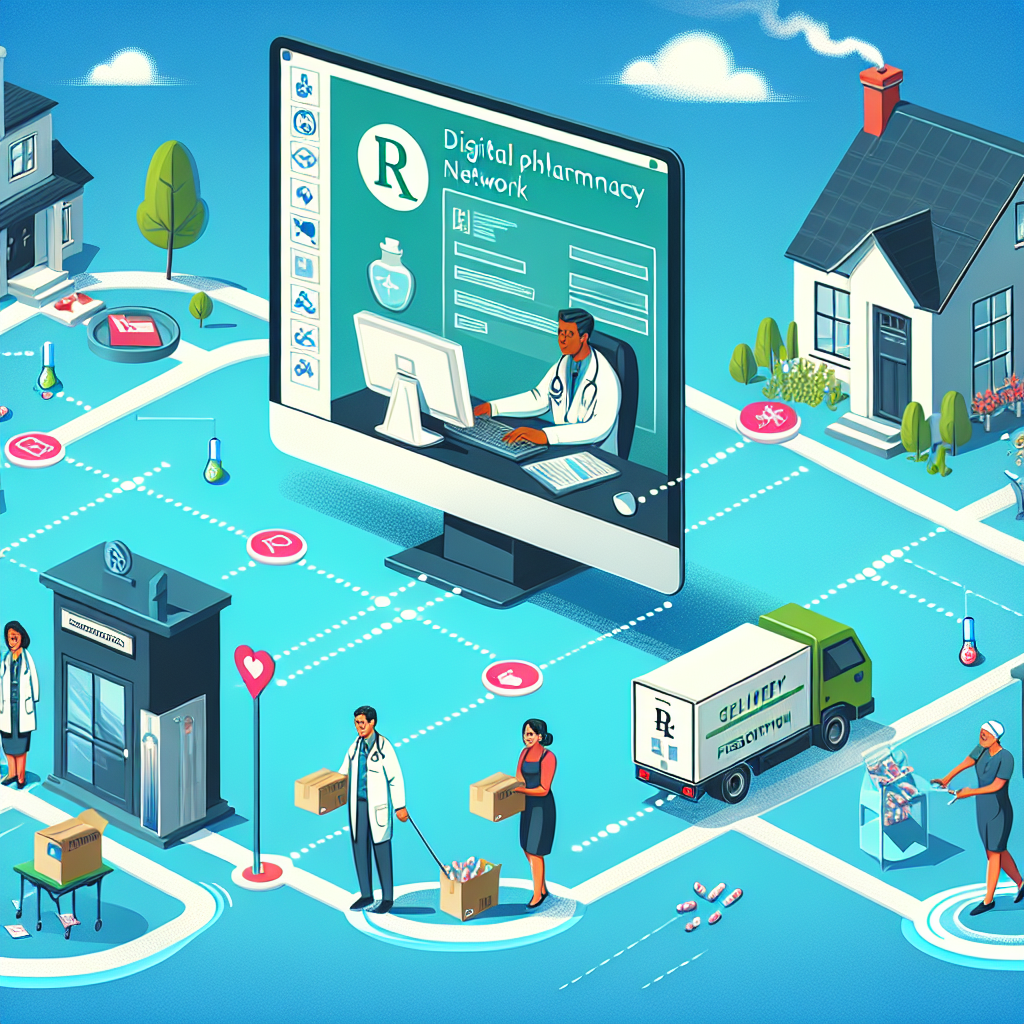
The Digital Pharmacy Network: How E-Prescriptions Travel From Doctor to Doorstep

Welcome to the Future of Healthcare

In today’s fast-paced digital world, healthcare is evolving rapidly. One major advancement is the rise of the digital pharmacy network for e-prescriptions. This system replaces the outdated paper method with efficient, secure digital communication between your doctor and the pharmacy.

According to the 2022 Surescripts National Progress Report, over 94% of prescriptions in the U.S. are now transmitted electronically—a significant improvement in both accuracy and accessibility.

“Electronic prescribing has transformed how we care for patients by improving access and reducing medication errors,” explains Dr. Maria Jenkins, a digital health consultant.

In this article, you’ll discover how e-prescriptions go from your doctor’s computer to your doorstep, the technology that powers it all, and why this system is revolutionizing the way we receive healthcare.

What Is the Digital Pharmacy Network?

The digital pharmacy network for prescriptions is a connected system made up of healthcare providers, pharmacies, insurers, and secure technology platforms. It ensures that your prescription travels safely and quickly from your doctor’s office to the pharmacy—and ultimately, to you.

For example, imagine your doctor prescribes medication for high blood pressure. Instead of handing you a paper slip, they enter the prescription into an electronic health record (EHR). From there, it is securely routed to your preferred pharmacy—including online pharmacies like edrugstore.com.

Core Components of the Digital Pharmacy Network:

– Electronic Health Records (EHRs): Where your doctor inputs your prescription.
– Connectivity Gateways: Secure digital pathways that send prescriptions to pharmacies.
– Pharmacy Management Systems: Software that receives and processes prescriptions at the pharmacy.
– Delivery Partners: Includes mail-order pharmacies and courier services for home delivery.

Step-by-Step: How Your E-Prescription Reaches You

It may seem complex, but the process is designed for speed and safety. Here’s a closer look:

Step 1: Prescription Entry

Your healthcare provider enters prescription details—drug name, dosage, refills, and instructions—into the EHR system.

Step 2: Secure Transmission

The prescription is formatted according to national digital standards (such as the NCPDP SCRIPT protocol), encrypted, and sent through a secure digital gateway to your selected pharmacy.

Step 3: Pharmacy Review

At the pharmacy, the digital system performs safety checks for allergic reactions or drug interactions. A pharmacist then reviews it for accuracy.

Example: If you are allergic to penicillin and your doctor prescribes a related antibiotic like amoxicillin, the system flags it before the medication is dispensed.

Step 4: Fulfillment and Notification

The pharmacy prepares your medication, adds labeling, and makes it available for pickup or delivery. You’ll receive a text message or app alert when it’s ready.

Online services like edrugstore.com can deliver your prescription discreetly right to your front door.

Step 5: Refill Management

Digital pharmacy systems allow for easy refills through web portals, apps, or calls. Plus, you’ll often receive automated reminders to help you stay on schedule with your medications.

Why Digital Prescriptions Benefit Everyone

E-prescribing does more than speed up the process—it improves safety, reduces errors, and enhances the overall patient experience.

For Patients

– Easy and fast prescription access without managing paper forms.
– Faster pickup or home delivery—over 70% of prescriptions are processed within 10 minutes electronically.
– Real-time status updates and price info.
– Automated reminders for medications and refills to improve adherence.

For Providers

– Increased efficiency—no need to send prescriptions via phone or fax.
– Fewer mistakes—e-prescribing can reduce medication errors by up to 66%, according to a study by JAMA.
– Better data tracking for patient outcomes and adherence.

For Pharmacies

– Faster processing reduces wait times and frees staff to focus on patient care.
– Smarter inventory control based on real-time medication demand.
– Tools to boost customer engagement via apps, email, and loyalty programs.

Protecting Your Privacy and Prescription Data

A common concern is whether e-prescribing is secure. The answer is yes. The security of digital prescription systems is a top priority and is supported by strict regulations.

– Encryption: All data is encrypted to protect confidentiality.
– Authentication: Only authorized medical professionals can access prescriptions, thanks to secure login systems and multi-factor authentication.
– Audit Trails: Every action is logged automatically, ensuring accountability.
– Compliance: In the U.S., these systems follow HIPAA regulations; European systems comply with GDPR standards.

“Digital health platforms are now more secure than ever before, thanks to advances in encryption and real-time monitoring,” says Alan Trent, a cybersecurity expert at MedLock Systems.

Explore how trustworthy online pharmacies like edrugstore.com keep your medical data private and secure.

What’s Ahead: The Future of E-Prescribing

Technology is moving fast—and the digital pharmacy network is evolving with it. Here’s what to expect in the coming years:

Telehealth Integration

You can now have an online appointment and receive your prescription within minutes—often before your virtual visit ends.

AI-Powered Recommendations

Artificial intelligence systems help doctors select the best medications for you by using your medical history and clinical research.

Blockchain Health Records

Blockchain technology is emerging as a secure way to store and share medical records, including prescriptions, with minimal risk of tampering.

Robotics and Drone Delivery

Pharmacies are beginning to use robots and even drones to deliver medications efficiently, especially in rural or hard-to-reach areas.

Example: Walgreens has piloted automated kiosks that dispense prescription refills within minutes—no pharmacist required.

Final Thoughts: A Smarter Way to Manage Medications

From reducing errors to making it easier to stick to your treatment, the digital pharmacy network technology for prescriptions has transformed how we access medicine. What used to take hours or days now happens quickly—and with much greater accuracy and safety.

“Digital prescribing brings us closer to a future where personalized care is not just possible—it’s the norm,” says Dr. Laila Patel, a health tech advisor.

Next time you need a prescription, consider using a digital option. Whether you choose to pick it up in person or have it delivered using a private and secure service like edrugstore.com, your medication experience will be faster, safer, and more convenient.

References

– Surescripts. (2022). National Progress Report on E-Prescribing. https://surescripts.com/news-center/national-progress-report
– JAMA Network. (2019). Effect of Electronic Prescribing on Medication Error Rates.
– HealthIT.gov. (2023). E-Prescribing and Health IT.
– IBM Cloud. (2023). How AI is Used in Healthcare.
– edrugstore.com. About Us: Safe & Discreet Online Prescriptions. https://www.edrugstore.com

The Language Barrier Solution: Real-Time Translation Technology in Global Telehealth

Breaking the Communication Divide in Digital Healthcare

As virtual healthcare rapidly evolves, a crucial challenge demands attention: language differences. These barriers often obstruct clear communication between doctors and patients in global telehealth environments. According to the World Health Organization (WHO), language issues contribute to healthcare disparities in up to 30% of cases involving foreign-born patients (WHO, 2021). Fortunately, recent innovations in real-time speech translation are revolutionizing virtual medical care—bridging communication gaps and creating more equitable, accurate patient experiences.

“As healthcare becomes more digital, we must confront linguistic inequality with ethical tech solutions,” says Dr. Laila Ochoa, a digital health strategist. “Automation can’t replace human nuance, but it can bridge urgent gaps—especially during emergencies.”

The Communication Crisis in Virtual Health Visits

Traditional telehealth relies heavily on effective verbal interaction. But what happens when understanding breaks down due to language?

In remote consultations, clinicians can’t rely on body language or vocal tone to gauge patient comprehension. For multilingual visits, this becomes a serious concern. Though human interpreters are often used, they’re expensive and may not always be available on short notice.

Consider a clinic managing care for 50 different languages each week. Interpreter costs can exceed $10,000 monthly, excluding delays caused by interpreter scheduling—delays that can prove critical in emergency scenarios (Healthcare Financial Management Association, 2022).

How Real-Time Translation Technology Works in Medical Settings

Real-time translation combines several AI-driven technologies to create seamless communication. These include:

– Automatic Speech Recognition (ASR): Captures and transcribes spoken words.
– Natural Language Processing (NLP): Interprets grammar, context, and tone.
– Machine Translation (MT): Converts transcribed speech into the target language.
– Text-to-Speech (TTS): Converts translated text into natural-sounding audio.

This process happens in real time, enabling interactive conversations between providers and patients. Advanced platforms may even offer on-screen subtitles and translated summaries to improve clarity.

Google Health’s AI interpreter, for instance, supports more than 25 medical languages. A nurse speaking English can instantly understand her Swahili-speaking patient through real-time textual and auditory translation—and vice versa.

Top Benefits of Real-Time Translation in Global Telehealth

Enhanced Accessibility and Inclusivity

– Breaks down persistent communication barriers for immigrants, refugees, and travelers.
– Supports cross-border virtual care by providing access in multiple languages, making care internationally scalable.

Cost-Saving Capabilities

– Substantially reduces costs associated with on-demand human interpreters, which average $49 per session in the U.S.
– Scalable AI tools can manage thousands of simultaneous sessions at minimal additional expense (Harvard Health Publishing, 2023).

Faster, More Convenient Care

– Provides immediate language support during time-sensitive care.
– Can be integrated into widely used platforms like Zoom, Teladoc, and hospital apps, easing staff adaptation and minimizing workflow disruption.

Better Clinical Outcomes

– A study in the Journal of Medical Internet Research revealed a 23% reduction in misdiagnoses among multilingual patients using AI translation tools.
– Improved patient comprehension leads to better adherence to care plans and increased patient satisfaction.

Essential Considerations Before Implementing Translation AI

Ensuring Clinical Accuracy

Accurate translation in medical contexts is essential. Some tools lack precision with clinical terms, increasing the risk of miscommunication. Dr. Samuel Cheng of Stanford Health AI Lab cautions, “Always choose platforms trained on medical datasets. Misinterpretations—like confusing ‘hypertension’ with ‘nervous tension’—can have serious repercussions.”

Healthcare providers should opt for platforms such as DeepL Medical or Microsoft Azure Healthcare Bot that are designed to handle clinical terms, medications, and procedural content.

Data Privacy and Regulatory Compliance

AI-powered platforms must comply with data protection laws. In the U.S., HIPAA compliance is mandatory for any translation software used in healthcare. Look for vendors that provide encryption and comprehensive Business Associate Agreements (BAAs). For European contexts, ensure alignment with GDPR.

Platforms like MediTranslate and AMN Healthcare offer privacy-first enterprise solutions tailored to healthcare needs.

Real-Life Success Stories of Translation AI in Healthcare

Barcelona Community Clinic

Struggling with high no-show rates among North African patients, the clinic adopted real-time Spanish-Arabic translation capabilities. Results within six months included:

– 45% reduction in appointment no-shows
– 92% patient satisfaction scores
– 60% decrease in rescheduled visits due to miscommunication

Midwestern U.S. Hospital’s Triage Service

A hospital integrated Spanish-English real-time translation into its after-hours nurse triage line. Impact included:

– 30% drop in unnecessary ER visits
– Boosted nurse confidence when evaluating Spanish symptom narratives
– 14% increase in prompt patient follow-ups

These cases demonstrate how blending AI translation with human care results in measurable improvements in care delivery and patient trust.

Current Limitations and the Path Forward

Present-day translation systems are not without flaws. Key limitations include:

– Inaccurate handling of regional dialects (e.g., differences between Mexican and Cuban Spanish)
– Misinterpretation of culturally specific idioms or expressions
– Voice recognition errors resulting in false positives

Experts recommend a hybrid model that uses machine translation as an initial layer with the option to escalate complex cases to human interpreters—particularly crucial for care involving nuanced emotional or consent-related communication.

The future holds exciting possibilities: neural language models are being trained on massive health-specific datasets, allowing for improved comprehension of medical nuances, tone, and cultural context. Emerging technologies may even predict translation errors by flagging inconsistencies in patient symptoms versus verbal descriptions.

Best Practices for Healthcare Providers

Effective implementation relies on training, monitoring, and patient feedback. Consider these best practices:

– Provide training videos and simulation exercises for clinical staff.
– Integrate dashboards that allow translation reviews for accuracy audits.
– Administer patient surveys post-consultation to assess translation quality.
– Always have human interpreters available for sensitive discussions or legal consent.

Tip: For pediatric cases or mental health consultations—where emotional tone is paramount—use machine-assisted translation supplemented by human review.

The New Era of Equitable Care

Real-time translation in virtual healthcare is more than a convenience—it is transforming how medical services are delivered across cultural and language divides. By implementing AI-powered language tools, care providers can offer inclusive services to millions of non-native speakers, reducing disparities and improving outcomes.

“Care shouldn’t depend on your language,” says Dr. Marisol Herrera, a telehealth policy advisor. “With the right technology, health equity becomes a practice—not just a promise.”

For healthcare organizations extending their reach across borders, investing in real-time medical translation tools is both a sound financial strategy and a powerful step toward more ethical, accessible care.

References

– World Health Organization (2021). Health of Migrants Report
– Healthcare Financial Management Association (2022). Telehealth Cost Analysis Report
– Journal of Medical Internet Research (2023). Real-Time AI Translation in Virtual Health: A Meta-Review
– Harvard Health Publishing (2023). Cost-Saving Technologies in Digital Clinics
– Expert interviews: Dr. Laila Ochoa, Dr. Samuel Cheng, Dr. Marisol Herrera
– edrugstore.com (2024). Multilingual Telehealth Tools and Compliance Platforms

Ready to publish. Let us know if you’d like this transformed into a downloadable white paper or infographic next.