

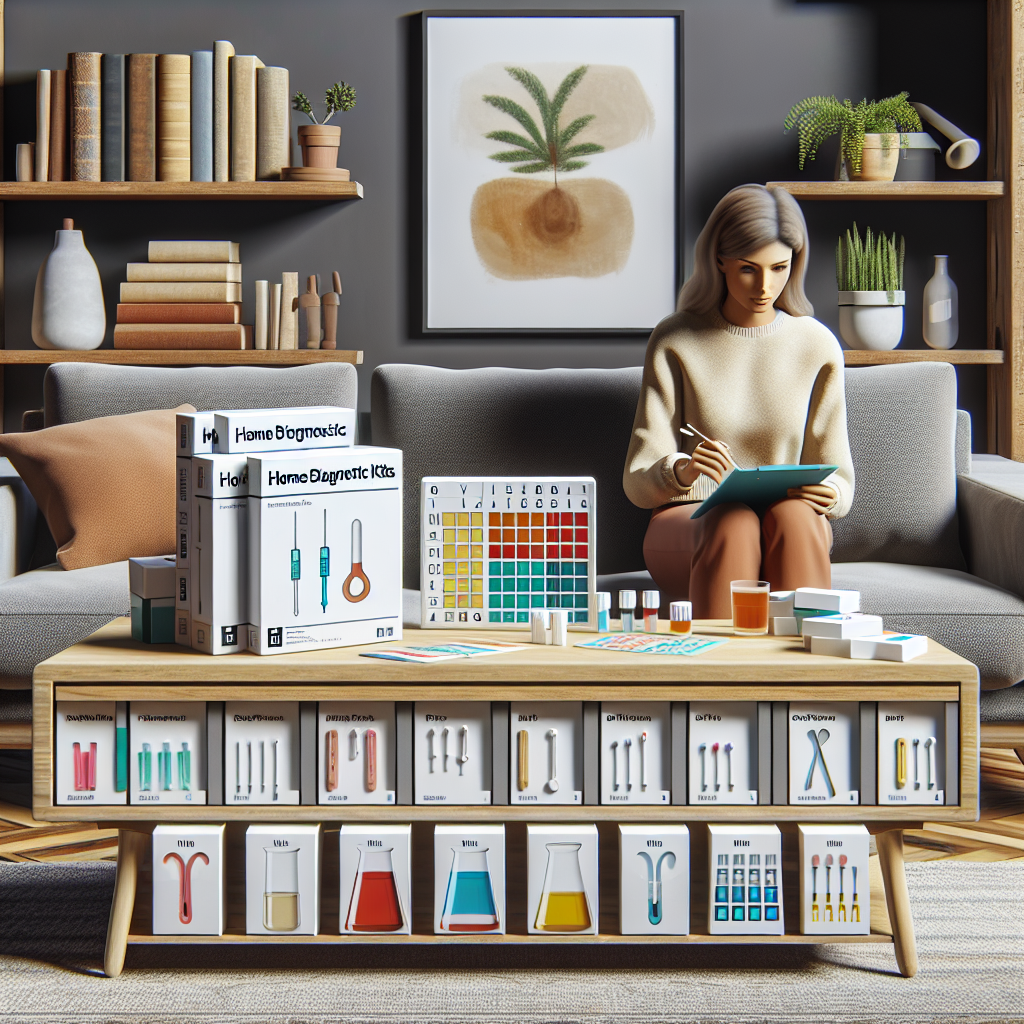
Home Diagnostic Kits: Laboratory-Quality Testing in Your Living Room
Introduction: Revolutionizing Personal Health Monitoring
Thanks to advancements in healthcare technology and the rising demand for convenience, consumers now have access to laboratory-quality home diagnostic testing kits. These innovative tools empower individuals to monitor key health indicators—such as blood glucose levels, cholesterol, hormone fluctuations, and infectious diseases—right from the comfort of home.
A report by Grand View Research valued the global at-home diagnostic testing market at $5.5 billion in 2022, with expectations of an 8.5% compound annual growth rate through 2030. This surge reflects a growing shift toward self-managed healthcare.
“As we continue to see decentralization in healthcare, tools like home test kits are bridging the gap between clinical oversight and patient empowerment,” says Dr. Alicia Grover, primary care physician and digital health expert.
In this article, we’ll explore how these tests work, outline popular types, highlight their benefits and downsides, and share tips for ensuring accurate results from the comfort of your home.
The Rise of Convenient and Personalized Testing
Over the past decade, the healthcare experience has evolved dramatically thanks to digital monitoring, telehealth services, and personalized diagnostics. While smartwatches track fitness data, home test kits go deeper—allowing users to analyze blood, hormone levels, and even screen for infections.
The COVID-19 pandemic further accelerated this trend. According to Pew Research Center, 59% of U.S. adults either used or were open to trying a home-based COVID-19 test in 2021. Such widespread use helped normalize self-testing across various health concerns.
Regulatory bodies like the U.S. Food and Drug Administration (FDA) and the European Medicines Agency (EMA) have approved a growing number of consumer-use tests. Many are even CLIA-waived, meaning they meet specific criteria for accuracy and safety for over-the-counter use.
How Home Diagnostic Kits Deliver Clinical-Grade Results
Today’s home diagnostic kits rely on biochemical assays similar to those found in professional laboratories—refined for safe consumer use. Here’s how they generally work:
– The user collects a biological sample, like blood from a finger prick, saliva, urine, or a swab.
– The test uses reagents that react with specific molecules such as hormones or antigens, producing a visible readout like a color change or line.
– Many modern kits include digital readers or smartphone apps that deliver accurate results in as little as 5 to 30 minutes.
For instance, an at-home COVID-19 antigen test often uses a nasal swab and delivers results via a color strip in about 15 minutes if viral proteins are detected.
Most Popular Types of At-Home Diagnostic Tests
With ongoing improvements in health technology, consumers can now choose from a wide variety of home testing kits. Here’s a breakdown of the most common categories:
Infectious Disease Tests
– COVID-19 rapid antigen and antibody kits
– Influenza A/B testing swabs
– HIV self-tests (e.g., OraQuick, an FDA-approved option)
Chronic Disease Management
– At-home blood glucose monitors with Bluetooth syncing
– Cholesterol testing kits such as CardioChek for lipid tracking
Hormone and Fertility Monitoring
– Ovulation prediction kits (track LH hormone surges)
– Saliva-based cortisol and testosterone levels
Allergy and Food Sensitivity Kits
– Allergy tests measuring immunoglobulin E (IgE) responses
– Food intolerance kits using IgG markers (consult a healthcare provider regarding accuracy and interpretation)
General Wellness and Nutrient Panels
– Vitamin D and B12 level tests to identify common deficiencies
– Kidney health urine tests measuring protein and creatinine
Looking for FDA-approved home diagnostics? Visit eDrugstore.com for a curated selection of trusted health kits.
What Makes a Home Test Reliable?
Not all home test kits are created with the same level of precision. To ensure laboratory-grade results, the most reliable products are validated against gold-standard lab methodologies. Look for these essential factors:
– FDA approval or CE certification (Europe)
– Availability of clinical validation studies from the manufacturer
– CLIA waiver designation for U.S. retail distribution
– Positive user reviews and third-party performance comparisons
“Consumer diagnostics should enhance—not replace—professional care,” notes Dr. Emily Tran, molecular pathologist. “Even if a test claims 95% accuracy, it should be interpreted alongside symptoms and medical history.”
Major Benefits of At-Home Testing
When used properly, home diagnostic kits can provide significant advantages, including:
Convenience and Time Savings
Check your health metrics at your own pace—many kits give results in less than 20 minutes without the need to visit a clinic.
Confidential Testing
Testing for sensitive conditions such as sexually transmitted diseases (STDs) can be done privately from home.
Early Detection and Proactive Care
Regular use of these kits helps detect anomalies before symptoms develop, allowing for earlier intervention.
Cost Efficiency
By eliminating the need for office visits, lab fees, and transportation, these kits offer a cost-effective approach to health monitoring.
Increased Engagement
Tracking personal health metrics over time can motivate healthier choices and improve adherence to lifestyle modifications or medication regimens.
For instance, studies indicate that people who regularly self-monitor their blood glucose are more likely to achieve optimal A1C levels.
Potential Drawbacks and Key Considerations
While convenient, home health test kits also come with limitations. Keep in mind the following:
Proper Sample Collection is Critical
An insufficient or improperly handled sample can skew results, so follow instructions carefully.
Some Results May Require Expert Interpretation
While a positive ovulation result is straightforward, interpreting cholesterol readings or hormonal levels may need medical input.
Regulatory Differences by Region
Not every test is approved in all countries—check local availability and guidelines.
Storage and Environmental Factors Matter
Heat, humidity, or exposure to contaminants can interfere with test accuracy.
Mental Health Considerations
Discovering a positive result, such as for HIV or cancer markers, can be emotionally distressing. It’s advisable to have access to professional guidance for support.
For follow-up care or licensed telehealth services, visit eDrugstore.com to explore your options.
Best Practices for Reliable At-Home Test Results
Use the following tips to ensure your home diagnostics yield the most accurate and actionable results:
1. Read the full instructions before beginning.
2. Choose a quiet, clean, well-lit space to perform your test.
3. Follow timing guidelines precisely—being even five minutes off can affect accuracy.
4. Calibrate digital devices using the included control tools when necessary.
5. Track your results over time to identify trends rather than relying on a single data point.
6. Dispose of lancets, swabs, and other materials per local health safety standards.
Pro Tip: Many kits include QR codes that link to video tutorials. Watching these in advance can increase confidence and reduce user error.
Conclusion: Empower Your Health Journey from Home
With the rise of at-home diagnostic kits, laboratory-level testing has become accessible for everyday users. Although they are not a replacement for comprehensive medical evaluations, these tests offer timely insights that can enhance self-care and promote early intervention.
Whether you’re managing a chronic condition, tracking fertility, or screening for infections, choosing reliable kits and using them correctly can turn your home into a proactive health hub.
Explore vetted, doctor-recommended home health solutions at eDrugstore.com to take control of your well-being—one accurate test at a time.
References
1. Grand View Research (2023). At-Home Testing Kits Market Report
2. Pew Research Center (2021). Americans’ Experiences with COVID-19 Testing
3. U.S. Food and Drug Administration. CLIA Waiver by Application Decision Summary
4. WebMD (2022). Do At-Home Medical Tests Work?
5. Tran, E. (2022). Expert Panel on Consumer Diagnostics. Journal of Laboratory Medicine
6. eDrugstore.com (2024). Expert Guidance for FDA-Certified Home Testing Kits