**Understanding the Silent Signs of Hypertension in Men Through Remote Blood Pressure Monitoring**
**Introduction to Hypertension: The Silent Killer**
High blood pressure, often termed “the silent killer,” affects approximately one in three adults in the United States, according to the Centers for Disease Control and Prevention (CDC). Many men are unaware of their high blood pressure levels for extended periods because symptoms can be subtle or absent until severe complications develop. Dr. James Lee, a cardiologist at the Health Heart Institute, states, “Hypertension doesn’t always come with a warning. Most patients learn about their condition after significant damage is done.” When symptoms like headaches, dizziness, or chest pain appear, significant harm to the arteries, kidneys, or heart may already be occurring. Remote blood pressure monitoring provides a cutting-edge approach to detecting silent signs early, enabling men to proactively manage their cardiovascular health before a crisis occurs.
**Why Hypertension Often Goes Unnoticed in Men**
Many men might perceive themselves as healthy even when their systolic or diastolic pressures are perilously high. Unlike acute illnesses with evident warning signs, chronic hypertension may not affect everyday life for months. Busy schedules and infrequent doctor visits often contribute to this lack of awareness. Many men tend to postpone routine health checkups, prioritizing work and family responsibilities over health screenings. Cultural attitudes might also play a role, with some perceiving acknowledging a health problem as a weakness. Dr. Alan Carter from Men’s Health Clinic observes, “There’s still a ‘tough it out’ mentality among many male patients.” Additionally, blood pressure readings taken only in clinical settings can be misleading due to masked or white-coat hypertension, a condition where home and clinic readings differ.
**Recognizing the Silent Signs of Hypertension**
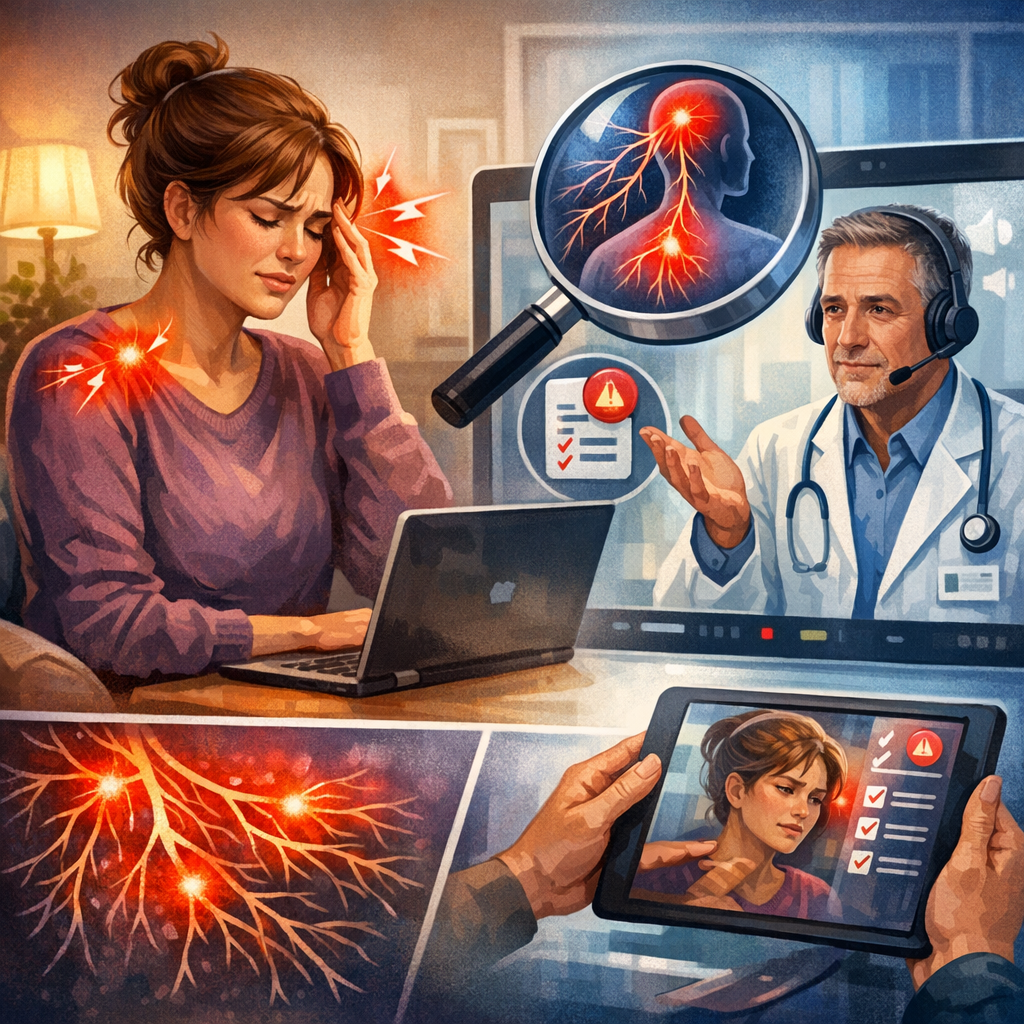
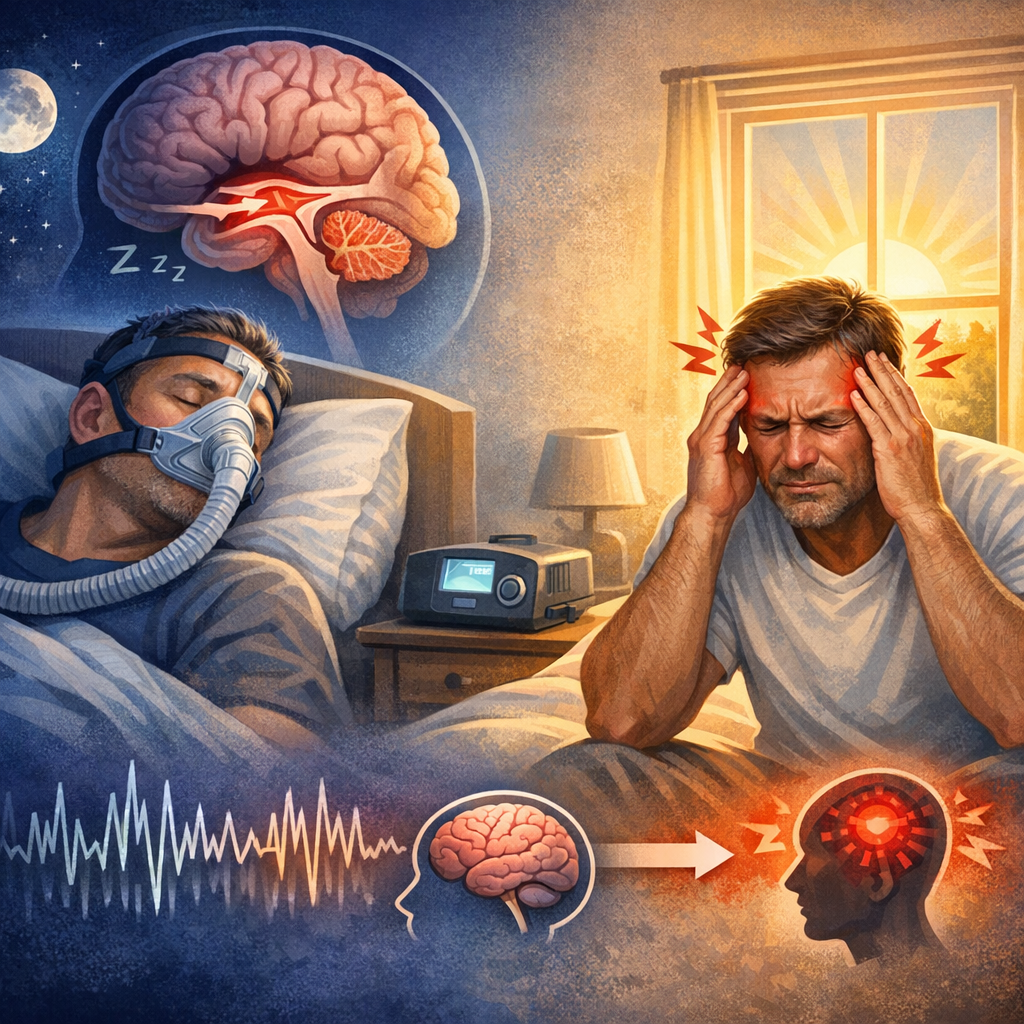
Beyond classic symptoms such as severe headaches, nosebleeds, and vision problems, early indicators of hypertension can be subtle. Men should be attentive to signs like fatigue and reduced exercise tolerance, where feeling unusually exhausted after normal activities might indicate compromised cardiovascular function. Consistent morning headaches should also be noted as a potential sign of elevated blood pressure. If shortness of breath occurs during routine activities like walking up a single flight of stairs, it’s crucial to have your blood pressure checked. Heart palpitations or irregular heartbeats may also indicate increased pressure or stress on the heart muscle. While facial flushing can accompany blood pressure spikes, it is not diagnostic on its own.
**Embracing Remote Blood Pressure Monitoring**
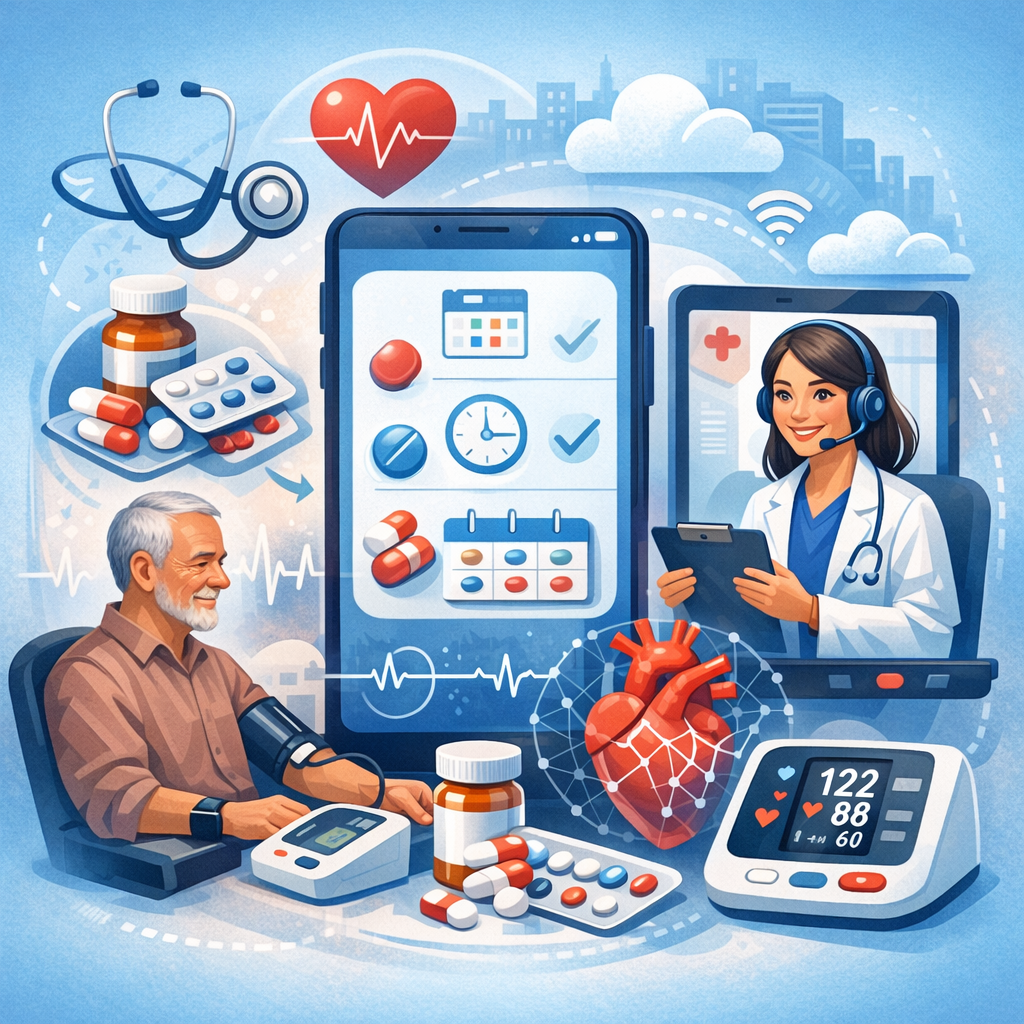
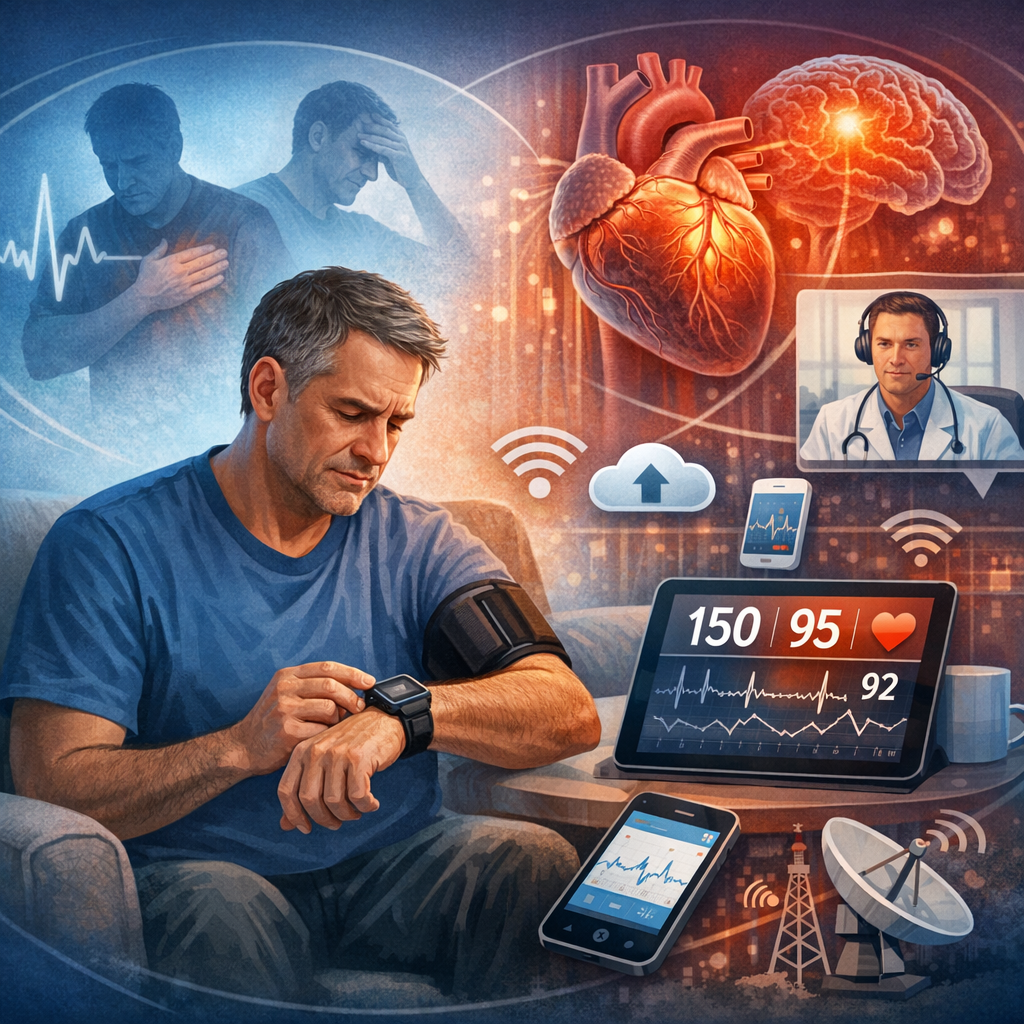
Remote blood pressure monitoring (RBPM) involves using at-home or portable devices to record readings and transmit data to healthcare providers. A digital cuff or wearable sensor measures blood pressure at specific intervals or on-demand, syncing readings via Bluetooth to a smartphone app. Collected readings are encrypted and uploaded to secure, cloud-based platforms, allowing doctors to access real-time trends through dedicated portals. The system generates alerts if readings exceed preset thresholds, urging patients to contact their healthcare provider or adjust lifestyle factors. Moreover, remote monitoring can be combined with telehealth, allowing providers to review trends, adjust medications, and offer guidance without needing an office visit.
**The Benefits of Remote Monitoring for Men**
Remote monitoring acts as an early detection system for hypertension. Dr. Susan Martin of the National Hypertension Association asserts, “Regular home readings reveal day-to-day fluctuations and help identify masked or white-coat hypertension.” By personalizing medications and providing lifestyle advice based on real-world data, healthcare providers can create individualized treatment plans. This approach boosts patient engagement; men who actively track their readings become more invested in managing their stress, diet, and exercise. Early detection of dangerous patterns through remote monitoring reduces the risk of severe complications, such as heart attacks, strokes, and kidney damage.
**How to Begin Remote Monitoring**
To start with remote monitoring, choose a clinically validated device. Look for blood pressure cuffs or wearables approved by regulatory bodies like the FDA or CE. Read user reviews and confirm device compatibility with your smartphone to ensure a smooth experience. Set clear measurement guidelines by aiming for consistency—measure at the same times each day, in the morning and evening, after sitting quietly for a few minutes. Sync and share data via the manufacturer’s app, ensuring your healthcare provider has access to your data. Alongside your doctor, establish alert thresholds and discuss actions to take if readings consistently exceed set targets. Combine monitoring with lifestyle changes, such as reducing sodium intake, engaging in at least 150 minutes of moderate exercise weekly, limiting alcohol, quitting smoking, and managing stress through meditation or counseling.
**Success Stories: Real Men, Real Results**
Consider the story of John, 52, who managed high-stress deadlines alongside irregular doctor visits. Through remote monitoring, he discovered he had masked hypertension, with normal readings in clinics but dangerously high ones at home. He successfully lowered his readings by adjusting his medications, reducing caffeine, and practicing yoga, without needing emergency care. Similarly, Mike, 45, an avid runner, believed himself immune to hypertension until at-home measurements revealed nocturnal blood pressure spikes. By modifying his evening routine, reducing late-night workloads, and improving sleep hygiene, Mike was able to enhance his nighttime pressures and maintain peak performance in marathons.
**Conclusion: Taking Control of Your Heart Health**
Hypertension can remain unnoticed until a medical emergency arises, but remote blood pressure monitoring bridges the gap between clinic visits, helping unveil silent signs and empowering men to engage proactively with their heart health. By combining accurate at-home measurements with expert medical oversight, men can detect early warning signals, adjust lifestyle factors, and collaborate closely with their healthcare providers to prevent long-term damage. If you haven’t checked your blood pressure recently or suspect it may be higher than it should be, consider discussing remote monitoring with your healthcare provider. Early action can save lives.
**References**
1. Centers for Disease Control and Prevention. High Blood Pressure Facts. [CDC](https://www.cdc.gov).
2. National Hypertension Association.
3. Health Heart Institute.
4. Men’s Health Clinic.