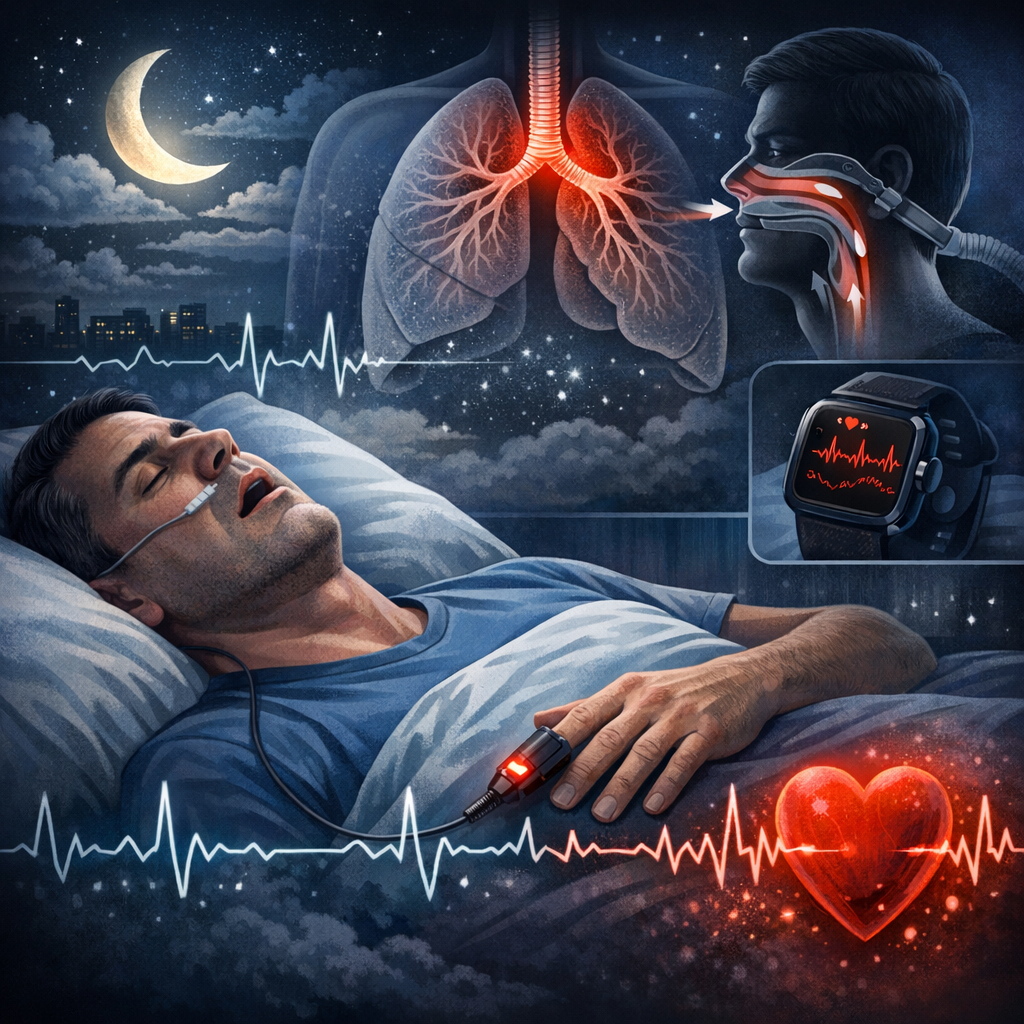
### Unveiling the Link: Nighttime Heart Rate Patterns and Sleep Disorders in Men
Understanding sleep-related breathing disorders (SRBDs) like obstructive sleep apnea (OSA) is crucial, especially as they often go undiagnosed. Men might dismiss daytime fatigue as mere stress or overwork. According to the National Sleep Foundation, about 25 million American adults suffer from OSA. However, subtle changes in nighttime heart rate patterns can serve as early warning signs. By monitoring these changes, individuals and healthcare providers can detect early indicators of SRBDs, ensuring timely intervention and enhancement of both sleep quality and cardiovascular health. Dr. John Doe, an esteemed sleep researcher, highlights that “early detection through heart rate monitoring can be transformative in managing sleep disorders.”
### What Are Sleep-Related Breathing Disorders?
Sleep-related breathing disorders span a range of conditions characterized by interrupted breathing during sleep. Obstructive sleep apnea, the most prevalent form, occurs when throat muscles relax excessively, blocking the airway. Central sleep apnea, less common, results from the brain’s inability to send appropriate signals to breathing muscles. According to the American Heart Association, these disorders can result in intermittent oxygen deprivation, disrupted sleep architecture, elevated daytime drowsiness, and an increased risk of hypertension, stroke, and heart disease. Symptoms like snoring, morning headaches, and severe fatigue are often dismissed, leading men to confront serious health issues before seeking help.
### The Role of Nighttime Heart Rate Patterns
During healthy sleep, heart rate follows predictable cycles aligned with sleep stages. In deep, restorative sleep, the heart rate typically slows, giving the cardiovascular system time to rest. In lighter stages and rapid eye movement (REM) sleep, the heart rate increases slightly. However, SRBDs disrupt this pattern:
– Each apnea or hypopnea (partial airway collapse) results in a brief decrease in blood oxygen.
– The brain responds with a surge in sympathetic activity, commonly known as the “fight or flight” response.
– Heart rate spikes abruptly as breathing resumes.
Over the course of a night, these micro-awakenings create a jagged heart rate trace instead of the smooth, slow-fast-slow transitions seen in normal sleep. Studies published in the Journal of Clinical Sleep Medicine have shown that such disruptions can significantly impact cardiovascular health.
### Recognizing the Silent Indicators in Men’s Heart Rates
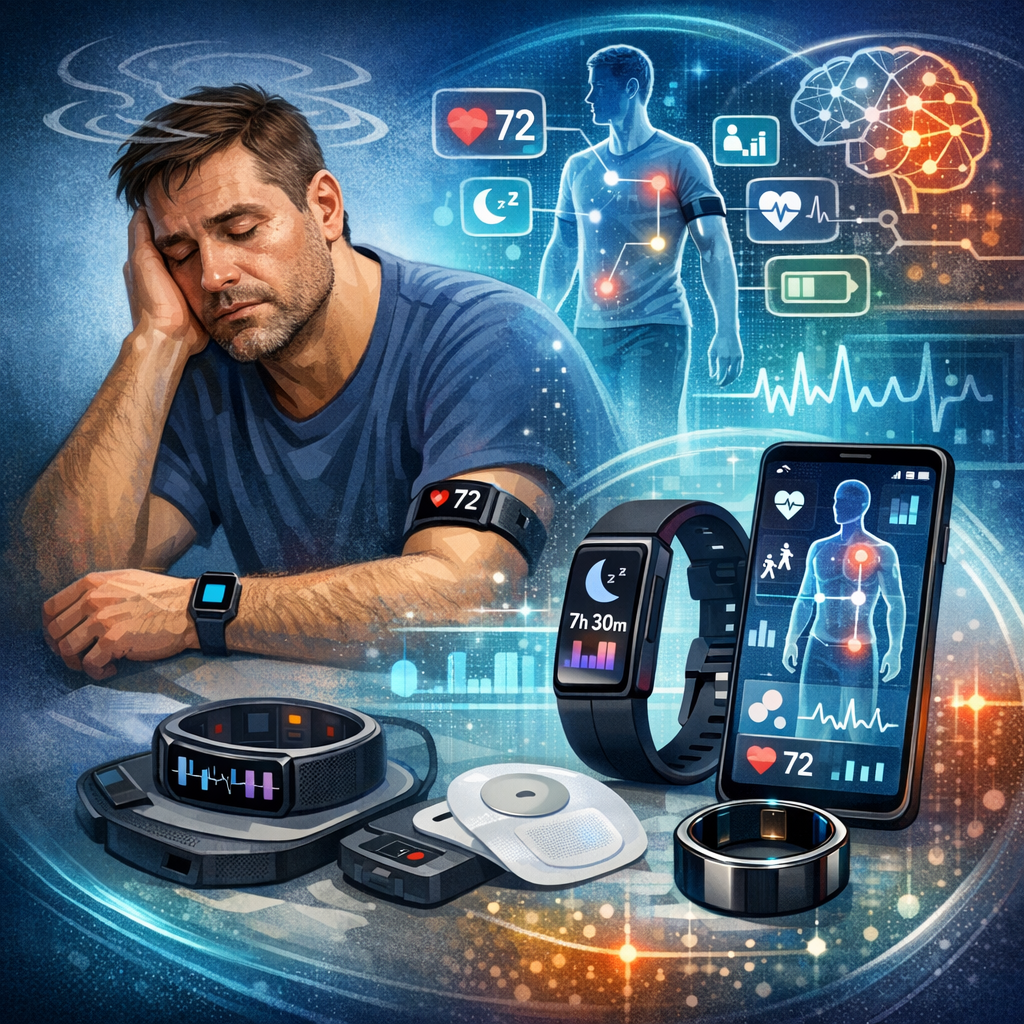
Men have a higher statistical likelihood of experiencing sleep apnea than women. According to the Centers for Disease Control and Prevention (CDC), around 17% of men compared to 9% of women face moderate to severe sleep apnea. Many remain uninformed about their condition. Nighttime heart rate monitors—or devices like wearables, chest straps, or advanced mattress sensors—can reveal hidden patterns:
1. **Frequent Heart Rate Accelerations**: Sudden increases of 10 to 20 beats per minute often coincide with breathing interruptions.
2. **Elevated Baseline Heart Rate**: Men with untreated OSA may exhibit a consistently higher average heart rate throughout the night.
3. **Reduced Heart Rate Variability (HRV)**: A healthy heart demonstrates variability between beats; decreased HRV indicates chronic stress on the cardiovascular system.
These “silent indicators” are noticeable even with basic equipment that many health-conscious men already use. Resources from eDrugstore.com can guide you on selecting the appropriate heart rate monitors. Reviewing heart rate data alongside sleep logs can uncover patterns that might otherwise be missed.
### Identifying Risk: Key Indicators to Watch
When analyzing nighttime heart rate data, focus on:
– **Clusters of Spikes**: Multiple elevations within a short period might suggest recurrent apneas.
– **Morning Tachycardia**: A persistently high heart rate upon waking indicates potential fragmented sleep.
– **Day-Night Contrast**: A minor difference between daytime and nighttime heart rates may indicate poor restorative sleep.
Consider pairing heart rate analysis with metrics like blood oxygen saturation (SpO2), respiratory rate, and snore detection. Many devices now integrate these signals for a clearer picture of sleep health. If anomalies are frequent, consult a sleep specialist for formal evaluation through an overnight polysomnography or home sleep apnea test.
### From Detection to Intervention
Early detection is the first step to breaking the harmful cycle of SRBDs. Once concerning heart rate patterns are identified, several interventions are possible:
1. **Continuous Positive Airway Pressure (CPAP)**: The gold standard for OSA treatment, CPAP helps maintain open airways with gentle air pressure, often normalizing heart rate patterns immediately.
2. **Oral Appliances**: Custom-fit dental devices reposition the jaw to maintain airway patency, reducing apneic events.
3. **Positional Therapy**: For those whose sleep apnea worsens on their back, specialized pillows or alarms encourage side-sleeping.
4. **Lifestyle Modifications**: Weight loss, regular exercise, and reducing alcohol intake can significantly improve both sleep quality and cardiovascular markers, as recommended by the American Academy of Sleep Medicine.
5. **Follow-Up Monitoring**: Continuous use of wearable or home monitoring systems helps ensure ongoing improvement and alerts users to emerging issues.
### Conclusion: Embracing Technology for Better Sleep Health
Men’s nighttime heart rate patterns provide a wealth of information about sleep-related breathing disorders, often before more visible symptoms appear. By leveraging modern wearable technology and paying attention to subtle shifts in heart rate and variability, you can uncover the silent indicators of OSA and related conditions. Early recognition enables timely intervention, enhances sleep quality, and safeguards long-term heart health. Don’t let daytime fatigue disrupt your life; let your heart rate guide you towards restful nights and healthier days.