

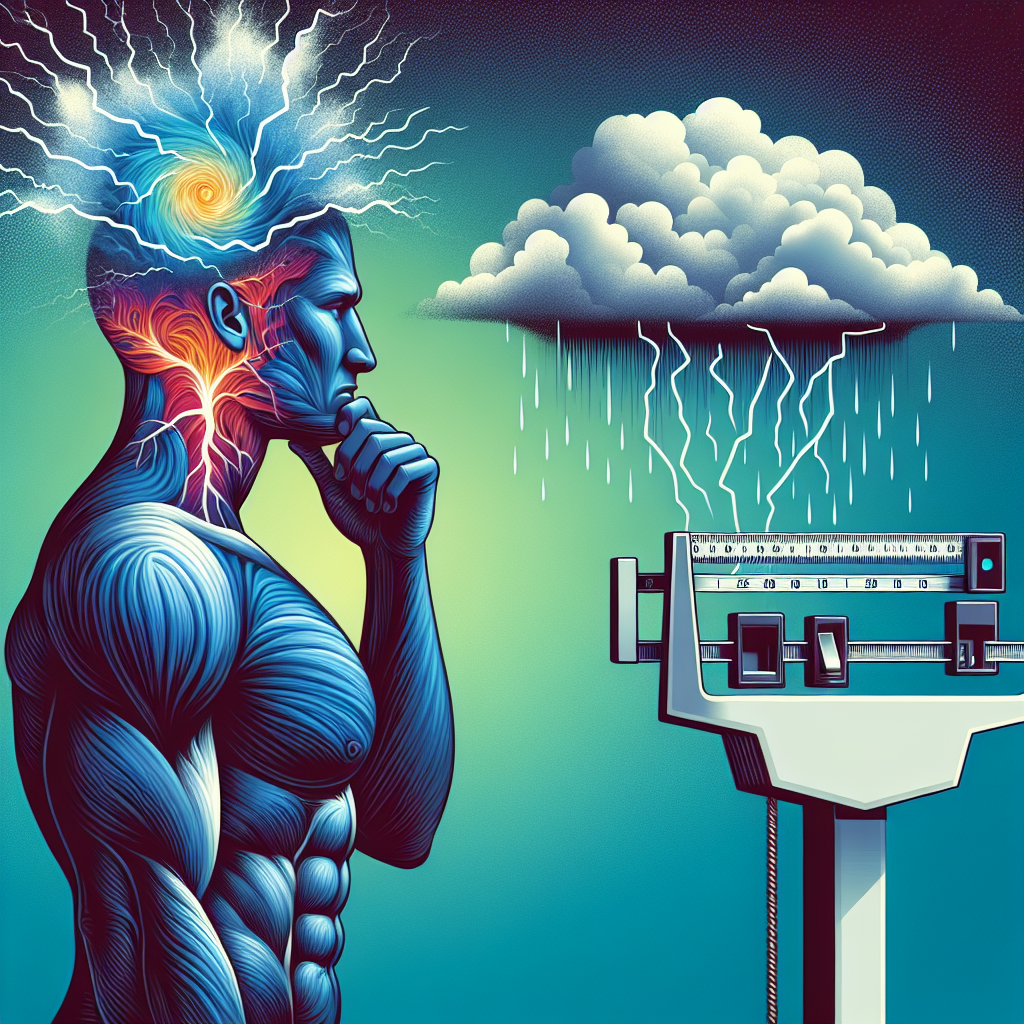
Decoding the Link Between Emotional Stress and Unexplained Weight Fluctuations in Men’s Health
**Introduction**
Unveiling the Hidden Culprit: Emotional Stress and Weight Fluctuations
Unexplained weight gain or loss can be a bewildering experience, especially when you are otherwise healthy and maintaining your regular routine. For many men, emotional stress is an often-overlooked factor contributing to these weight changes. In this article, we will explore how stress affects the body, why men may be particularly vulnerable to stress-induced weight fluctuations, and practical strategies to regain control. Whether you are a fitness enthusiast, a busy professional, or simply someone interested in understanding your body better, this guide will equip you with the knowledge needed to decode the complex relationship between stress and weight.
Understanding the Stress–Weight Connection
When you experience stress, your body activates the “fight-or-flight” response, releasing hormones such as cortisol and adrenaline to prepare you for perceived threats. While this response is lifesaving in short bursts, chronic stress from factors like work pressures, family responsibilities, or financial worries can result in a prolonged elevation of stress hormones. This can disrupt your metabolism, appetite, and energy levels, possibly leading to unexplained weight gain or loss. According to research published in “Psychosomatic Medicine,” individuals with higher stress levels have a 33% greater risk of significant weight gain.
The Role of Hormones in Weight Regulation
Cortisol, commonly known as the “stress hormone,” plays a crucial role in weight management:
– **Increased Appetite**: Elevated cortisol levels can heighten your desire for high-calorie, “comfort” foods that are rich in sugar and fat.
– **Fat Accumulation**: Cortisol can encourage fat storage, particularly around the abdomen, leading to an “apple-shaped” body.
– **Muscle Breakdown**: High cortisol levels can lead to muscle breakdown, slowing your metabolic rate, and making it harder to burn calories.
Adrenaline, released alongside cortisol during acute stress, can temporarily suppress appetite and boost calorie burning. However, once the surge of adrenaline fades, your body may overcompensate with increased hunger.
Behavioral Factors Influencing Weight Changes
Stress impacts not only hormonal balance but also behavior, which can exacerbate weight fluctuations:
– **Emotional Eating**: Many men cope with stress by turning to snacks, alcohol, or fast food. These choices may provide short-term comfort but are often calorie-dense and nutrient-poor.
– **Irregular Meal Patterns**: Stress can disrupt meal schedules, leading to skipped breakfasts or late-night eating binges.
– **Decreased Physical Activity**: Fatigue, lack of motivation, or limited free time can interfere with exercise routines, reducing overall calorie expenditure.
– **Sleep Disturbances**: Stress often affects both the quantity and quality of sleep, altering hunger hormones like ghrelin and leptin, which can prompt increased eating and fat storage.
Why Men May Be More Susceptible to Stress-Related Weight Changes
While stress affects everyone, certain factors make men particularly vulnerable to weight fluctuations:
– **Cultural Stigma Around Emotions**: Societal norms often discourage men from expressing emotional vulnerability. Instead of seeking support, stressed men may internalize feelings, exacerbating hormonal imbalances over time.
– **Work-Centric Lifestyles**: High-pressure careers and long hours are common sources of chronic stress for men, often leaving little time for self-care.
– **Preference for Quick Fixes**: Men may be inclined towards crash diets or extreme workouts to manage weight, risking potential rebound weight gain.
Practical Strategies for Managing Stress and Weight
1. **Develop a Balanced Nutrition Plan**
– **Focus on Whole Foods**: Prioritize fruits, vegetables, lean proteins, and healthy fats to stabilize blood sugar and curb cravings.
– **Consistent Meal Scheduling**: Aim for three balanced meals and occasional snacks to maintain steady energy levels.
2. **Incorporate Stress-Reduction Techniques**
– **Mindful Breathing**: Practice 5–10 minutes of deep, diaphragmatic breathing daily to lower cortisol levels.
– **Meditation or Guided Imagery**: Engaging in brief sessions can calm the nervous system and improve focus.
– **Progressive Muscle Relaxation**: Tense and release muscle groups to relieve physical tension linked to stress.
3. **Maintain Consistent Physical Activity**
– **Strength Training**: Develop lean muscle mass, which boosts your resting metabolic rate.
– **Cardiovascular Exercise**: Activities like running, cycling, or swimming help burn calories and reduce stress hormones.
– **Movement Breaks**: Take brief walks or stretch during work breaks to counter sedentary periods.
4. **Prioritize Quality Sleep**
– **Establish a Nighttime Routine**: Dim the lights, reduce screen time, and set a consistent bedtime to signal to your body that it’s time to rest.
– **Create a Sleep-Friendly Environment**: Keep your bedroom cool, dark, and quiet. Consider blackout curtains or white-noise machines if necessary.
5. **Build Emotional Resilience**
– **Foster Social Connections**: Share your experiences with trusted friends or family to lighten your emotional load.
– **Seek Professional Support**: Therapists, counselors, or life coaches can offer coping strategies tailored to your needs.
When to Seek Medical Attention for Unexplained Weight Changes
If you implement these strategies yet continue to experience significant weight changes—more than 5% of your body weight over a month—or if you notice symptoms like persistent fatigue, digestive issues, or mood disturbances, consult a healthcare professional. They can rule out underlying medical conditions such as thyroid disorders, diabetes, or gastrointestinal issues and guide you toward effective treatment.
**Conclusion**
Emotional stress and unexplained weight fluctuations are tightly interwoven in men’s health. By understanding the hormonal and behavioral pathways driving these changes, you can take proactive steps to rebalance your body and mind. From adopting a nutrient-rich diet and consistent exercise routine to practicing mindfulness and seeking support, small daily habits can yield lasting benefits. As Dr. Robert Lustig, a renowned endocrinologist, observes, “It’s not just about calories in and out—it’s about nurturing your overall well-being.” Start today, and decode the stress–weight link for a healthier tomorrow.
**References**
1. Epel, E. S., et al. (2001). Stress and Body Shape: Stress-Induced Cortisol Secretion is Consistently Greater Among Women with Central Fat. Psychosomatic Medicine.
2. National Institute of Mental Health. (2021). Stress. Retrieved from [NIMH](https://www.nimh.nih.gov/health/topics/stress)
3. Lustig, R. H. (2012). Fat Chance: Beating the Odds Against Sugar, Processed Food, Obesity, and Disease.