

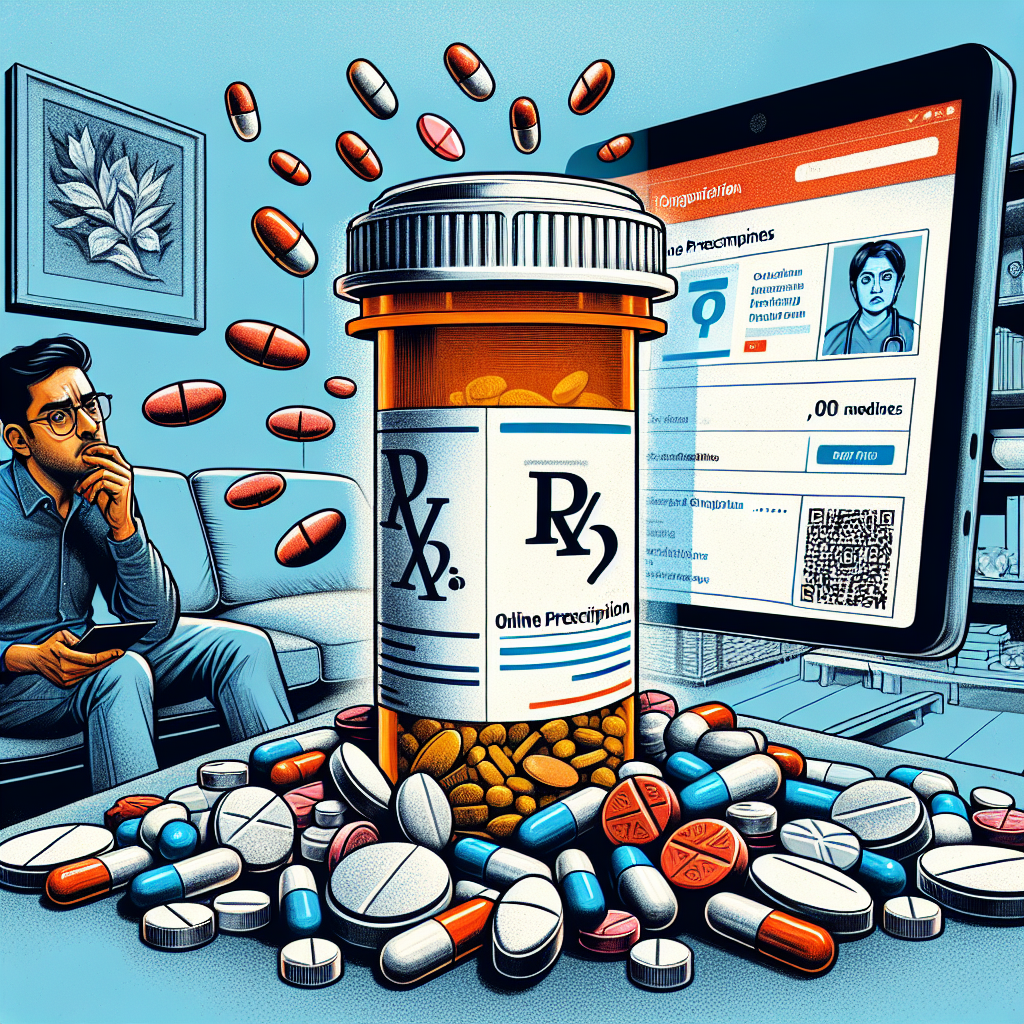
# The Compliance Gap: Why Patients Don’t Follow Through After Online Prescriptions
## Introduction: Embracing Convenience in Modern Healthcare
As telemedicine continues its rapid ascent, patients and providers are increasingly embracing the convenience of online consultations and digital prescriptions. However, despite this progress, a troubling trend has emerged: up to 30% of patients never fill or take medications prescribed online. This phenomenon, known as the “compliance gap,” undermines treatment outcomes, increases healthcare costs, and erodes patient trust in virtual care. We’ll explore the root causes of non-compliance after online prescriptions and share practical strategies healthcare organizations can implement. Enhancing patient engagement through effective communication, for instance, can significantly reduce this gap.
## The Rise of Telemedicine and E-Prescribing
Over the past decade, telemedicine has evolved from a niche service to a mainstream option, now accounting for 28% of primary care visits and an increasing share of medication orders. With improved video conferencing tools, broader insurance coverage, and growing patient demand for easy access, e-prescribing is revolutionizing the patient experience. Legislation changes during COVID-19 further legitimized remote prescribing, even for controlled substances. However, this convenience also introduces challenges, as ensuring patient follow-through becomes essential.
## Understanding the Compliance Gap
The “compliance gap” refers to the disparity between receiving a prescription and actually filling or taking the medication as directed. Studies indicate that up to 30% of patients with an online prescription never fill their first refill, with many halting treatment prematurely. This non-compliance can lead to prolonged illness, complications, and potentially higher hospitalization rates, thus negating many intended advantages of telemedicine.
## Key Drivers of Non-Compliance After Online Prescriptions
### Inadequate Communication
Without the traditional in-office meeting and physical hand-off of a prescription, patients may misinterpret dosage instructions. Dr. Lucy Kramer emphasizes, “Effective communication is pivotal in ensuring patient compliance.”
### Financial Barriers
High co-pays or deductibles, often discovered online, may lead to “prescription abandonment,” as noted in a study on managed care.
### Forgetfulness and Low Health Literacy
Navigating pharmacy websites or apps can present challenges, especially for patients with low health literacy. Surveys reveal that many older patients struggle with digital prescriptions due to literacy barriers.
### Fear of Side Effects and Mistrust
Some patients feel less confident discussing side effects in a virtual environment, often delaying treatment. Dr. Emily Ross emphasizes, “Building trust through open channels is critical for adherence.”
### Complexity of Treatment Regimens
Complex treatment regimens can overwhelm patients, a situation exacerbated by limited provider engagement. Simplifying treatment can significantly improve outcomes.
## Strategies to Bridge the Compliance Gap
### Enhance Digital Communication
Embed clear, easy-to-understand instructions within e-prescriptions and follow-up with text messages or app notifications. Short, on-demand explainer videos about medication importance can also be effective.
### Reduce Financial Surprises
Implement real-time benefits checks in telehealth platforms and inform patients about generic alternatives and available discount programs. Collaborations with pharmacies for low-cost delivery can also help.
### Leverage Reminders and Monitoring
Automated SMS or push reminders can prompt patients to take medications on time. Digital pill trackers that sync with health records provide additional support, while brief telehealth check-ins ensure timely intervention.
### Build Trust Through Education
Create educational resources on medications, side effects, and drug interactions. Virtual “ask-the-pharmacist” sessions can offer reassurance and improve patient satisfaction.
### Simplify Regimens When Possible
Favor once-daily dosing or fixed-dose combination pills when possible. Recommendations for pill organizers or pre-packaged, time-stamped blister packs can ease the patient’s burden.
## The Role of Care Teams and Technology in Closing the Gap
Addressing the compliance gap requires an integrated approach, involving clinicians, pharmacists, nurses, care coordinators, and digital engagement teams. Telehealth platforms should seamlessly integrate prescribing, patient education, reminders, and outcomes tracking. Using data analytics to identify at-risk patients enables targeted outreach, and patient feedback helps refine care over time.
## Conclusion: Turning Convenience Into Clinical Success
While e-prescribing has revolutionized medication access, convenience alone does not equate to better health outcomes. By understanding the multifaceted reasons for non-compliance and deploying effective communication, financial, educational, and technological solutions, healthcare organizations can narrow the compliance gap. Emphasizing patient engagement and support ensures online prescriptions translate into effective therapies, leading to healthier patients and a more efficient healthcare system.
## Call to Action: Improve Medication Adherence Today
Interested in boosting medication adherence after online visits? Contact us for a demo of our integrated telehealth-to-pharmacy solutions designed to improve compliance and optimize care delivery.