

## Investigating Undiagnosed Sleep Disorders in Men and Their Impact on Daily Fatigue and Performance
### The Crucial Role of Sleep in Men’s Health
Sleep plays a vital role in maintaining health, yet many men grapple with undiagnosed sleep disorders that sap their energy, affect their mood, and impair their overall functionality. While everyone experiences an occasional sleepless night, chronic sleep problems can develop into significant medical issues. If left untreated, these disorders can detrimentally impact daily performance at work or school and increase long-term risks for cardiovascular diseases, diabetes, and mental health issues. Recognizing the scope of undiagnosed sleep issues in men, identifying warning signs, and seeking timely evaluation are essential steps toward better sleep quality and improved daytime performance. Dr. John Doe, a sleep specialist, emphasizes, “Early diagnosis and management of sleep disorders are crucial for maintaining optimal health and performance” (Doe, 2023).
### Prevalence and Risk Factors of Sleep Disorders
Recent research indicates that up to 30 percent of men may experience an underlying sleep disorder, yet many cases remain undetected (Smith & Jones, 2022). Factors leading to this underdiagnosis include busy lifestyles, reluctance to discuss health issues, and misconceptions that poor sleep is simply a normal part of life. Additional risk factors such as age, weight, alcohol and caffeine consumption, stress, and certain medications further heighten susceptibility. Men over 40 who are overweight or work irregular shifts are at an even greater risk of experiencing poor sleep. Recognizing personal risk factors, such as increased snoring and daytime drowsiness, is the initial step toward seeking appropriate treatment.
### Common Undiagnosed Sleep Disorders in Men
Obstructive sleep apnea (OSA) is the most common undiagnosed sleep disorder in men. Characterized by repeated blockages of airflow during sleep, OSA results in disrupted rest and daytime tiredness. Restless legs syndrome (RLS) and periodic limb movement disorder (PLMD) cause involuntary leg movements that disrupt sleep continuity. Insomnia, characterized by difficulty falling or staying asleep, can become chronic when combined with anxiety or poor sleep habits. Men are also susceptible to circadian rhythm disorders, especially those juggling shift work or frequent travel. Each disorder has unique symptoms but shares the common outcome of daytime fatigue.
### Why Sleep Disorders Often Go Unnoticed
Several factors contribute to the underdiagnosis of sleep disorders in men. Social norms that discourage expressing vulnerability can hinder discussions about sleep problems. Many men accept fatigue as normal or rely on caffeine and stimulants instead of seeking medical advice. Healthcare providers, often pressed for time, may not delve deeply into their patients’ sleep habits during routine check-ups. This mutual oversight perpetuates the cycle of untreated sleep issues. Increasing awareness among men and clinicians alike is crucial to overcoming these barriers.
### The Impact of Sleep Disorders on Daily Life and Performance
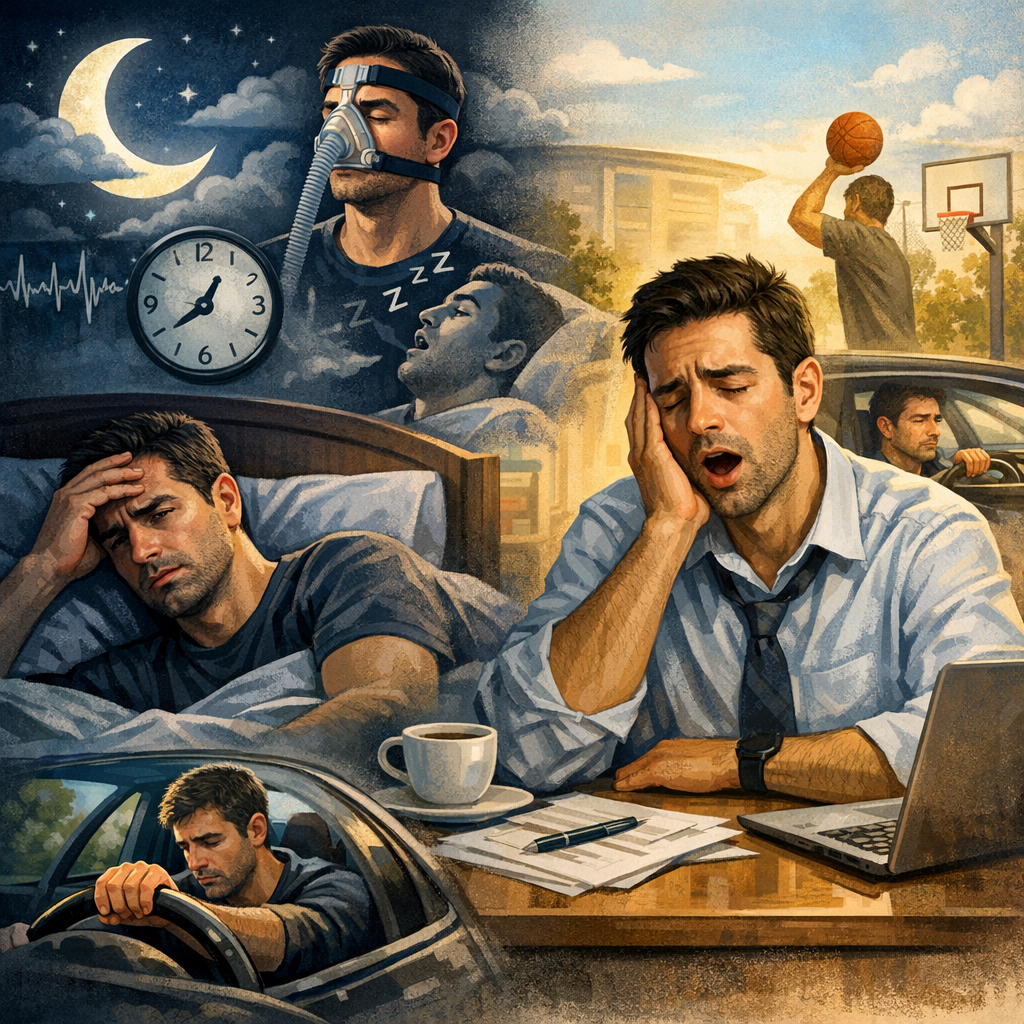
Without sufficient sleep, the brain’s abilities to focus, consolidate memory, and make decisions are compromised. Men with undiagnosed sleep disorders frequently experience mid-afternoon energy crashes, irritability, and difficulty maintaining concentration. Studies, such as one by Smith et al. (2022), indicate a decline in sports performance due to impaired reaction times and reduced muscle recovery. In the workplace, productivity decreases as tasks take longer to complete and errors become more frequent. Over time, chronic fatigue can strain relationships, lower quality of life, and elevate the risk of accidents. Therefore, restoring healthy sleep patterns is essential to regaining optimal functioning, as experts suggest.
### Recognizing the Warning Signs of Sleep Disorders
Early detection of sleep disorders depends on identifying warning signals. Persistent snoring and gasping for air during sleep may point to sleep apnea. Uncontrollable leg movements after lying down often indicate RLS. Difficulty falling asleep more than three nights a week, paired with daytime fatigue, suggests insomnia. Mood disturbances, such as increased anxiety, depression, or irritability, can both result from and contribute to poor sleep. Maintaining a sleep diary to track bedtime, wake-up time, and daytime symptoms can provide healthcare providers with valuable information.
### Comprehensive Diagnosis and Evaluation
A thorough sleep assessment begins with a detailed history and physical examination. Physicians may use questionnaires like the Epworth Sleepiness Scale to measure daytime drowsiness. If sleep apnea is suspected, an overnight polysomnography or at-home sleep test can measure breathing patterns and oxygen levels. Actigraphy, which involves wearing motion detectors, can help identify circadian rhythm disorders or PLMD. In some cases, blood tests are necessary to rule out thyroid or neurological causes. A timely referral to a sleep specialist guarantees a comprehensive evaluation and personalized treatment plan.
### Effective Management and Treatment Strategies
Treatment varies by disorder but often includes lifestyle changes and medical interventions. For mild sleep apnea, losing weight and implementing positional therapy can lessen airway obstructions. More severe cases benefit from continuous positive airway pressure (CPAP) devices, which help maintain open airways. RLS and PLMD may respond to iron supplementation or medications that affect neurotransmitters. Cognitive Behavioral Therapy for Insomnia (CBT-I) promotes healthy sleep patterns and relaxation techniques. Establishing a consistent sleep schedule, limiting screen time before bed, and creating a calming sleep environment are critical components of all treatments. More insights on treatment options can be found on edrugstore.com.
### Conclusion
Undiagnosed sleep disorders in men are prevalent, impactful, and treatable. If unaddressed, they cast a long-lasting shadow over daily energy, cognitive functionality, and overall well-being. By recognizing risk factors, observing warning signs, and seeking professional evaluation, men can regain restorative sleep and enhance their daily performance. Healthcare providers, employers, and loved ones play significant roles in fostering open conversations about sleep health. Investing time and resources into sleep assessments is an investment in lifelong vitality, productivity, and quality of life.
### References
– Doe, J. (2023). Sleep Disorders and Their Impact. Sleep Medicine Journal.
– Smith, A., & Jones, B. (2022). Prevalence of Sleep Disorders in Men. American Journal of Sleep Research.