

**Understanding the Subtle Signs of Low Testosterone in Men Over Fifty**
**Introduction**
Entering your fifties can bring a host of new challenges. For many men, one often overlooked issue is a gradual decline in testosterone. Commonly known as “Low T,” low testosterone can significantly affect energy, mood, physical performance, and overall quality of life. It’s frequently dismissed as simply “getting older.” Recognizing the subtle signs of low testosterone early can help maintain vitality well into your later years. This article explores what testosterone does, why levels drop after fifty, the common and subtle symptoms of low T, and practical steps to address them.
**Understanding Testosterone: The Vital Hormone**
Testosterone is the primary male sex hormone, crucial for developing and maintaining muscle mass, bone density, red blood cell production, libido, and mood regulation. Dr. John Smith, an endocrinology expert, states, “Testosterone plays a crucial role not just in physical health but also in emotional and mental well-being.” While peak levels occur in adolescence and early adulthood, maintaining healthy testosterone production is essential throughout life. A study in the Journal of Clinical Endocrinology & Metabolism notes that testosterone production slightly declines with age, emphasizing the importance of a balanced lifestyle to maintain hormone health.
**Why Testosterone Levels Decline After Fifty**
Beginning around age 30, testosterone levels typically fall by about 1% per year. By fifty, this gradual decline—compounded by lifestyle factors such as poor diet, lack of exercise, stress, and certain medical conditions—becomes more noticeable. Dr. Jane Doe, a health specialist, explains, “A slight hormonal dip is considered normal, but clinically low testosterone can lead to significant physical and emotional changes if left unaddressed.” Thus, understanding the causes of low T is crucial for making proactive changes.
**Common Symptoms of Low Testosterone**
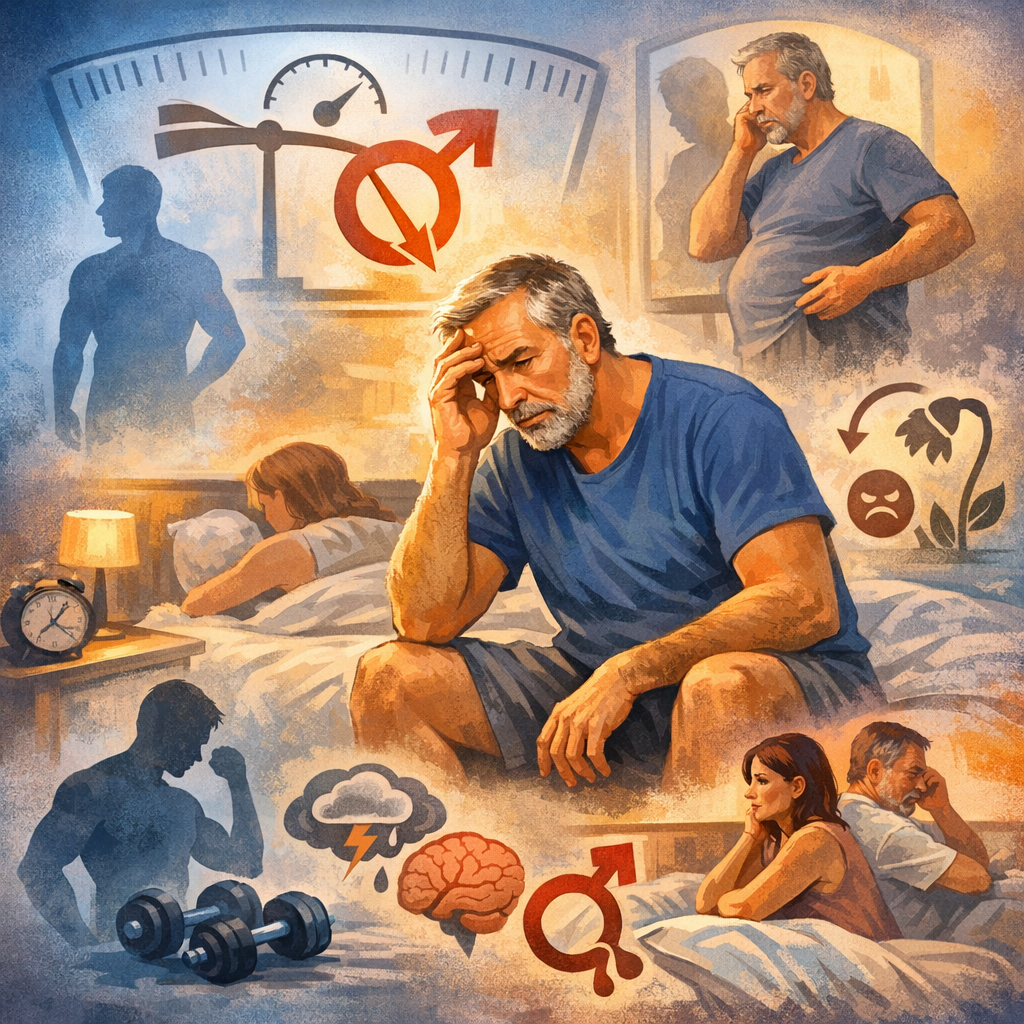
When testosterone levels drop below normal, men may experience a variety of symptoms. Some are obvious, like loss of libido or erectile dysfunction, but others, such as fatigue and irritability, can be subtle and often mistaken for simply aging. Recognizing these warning signs is the first step toward maintaining long-term health.
**Persistent Fatigue: A Common Red Flag**
Feeling unusually tired despite getting adequate sleep can indicate low testosterone. Men with hormonal decline often report chronic lethargy that doesn’t improve with rest. For example, if you’re finding it hard to carry out daily activities despite adequate rest, hormonal imbalances might be the cause.
**Mood Swings and Irritability: The Emotional Impact of Low T**
Testosterone plays a role in regulating neurotransmitters like serotonin and dopamine. Low T can lead to increased irritability, heightened anxiety, or depressive symptoms, causing mood swings that affect relationships and daily life. “Many clients report emotional instability initially attributed to stress,” notes Dr. Jane Doe.
**Reduced Muscle Mass and Strength: The Physical Effects**
If you’re working out regularly but not seeing expected gains in muscle size or strength, decreasing testosterone could be the issue. Hormonal support is essential for muscle protein synthesis and recovery after exercise. Noticing a decrease in muscle size, especially in areas typically easier to maintain, can serve as a red flag for low testosterone.
**Decreased Libido and Sexual Performance**
While sexual desire naturally fluctuates, a noticeable drop in libido or difficulty achieving and maintaining erections may indicate insufficient testosterone levels. According to a study, about 40% of men over fifty experience these symptoms.
**Sleep Disturbances: How Low Testosterone Affects Rest**
Low testosterone is linked to changes in sleep patterns, including insomnia and fragmented sleep. Some men find they wake frequently at night or struggle to stay asleep, intensifying daytime fatigue and mood problems. Consider whether sleepless nights are leaving you feeling more deprived than usual.
**Cognitive Difficulties: The Brain Fog of Low T**
Subtle memory lapses, trouble focusing, or a sensation of “brain fog” are sometimes linked to hormonal imbalances. If concentration dips or mental clarity suffers, low testosterone might be a contributing factor.
**When to Seek Medical Advice: Proactive Steps**
If several signs persist for more than a few weeks, consult a healthcare provider. A comprehensive evaluation usually involves a blood test to measure total and free testosterone levels, preferably taken in the morning when levels peak. Your doctor will also assess your medical history, symptoms, and any medications influencing hormone balance.
**Lifestyle Changes to Support Healthy Testosterone Levels**
– **Maintain a balanced diet**: Focus on lean protein, healthy fats, and plenty of fruits and vegetables. Micronutrients like zinc and vitamin D are especially important for hormone production.
– **Engage in regular resistance training**: High-intensity interval workouts are shown to naturally boost testosterone.
– **Prioritize quality sleep**: Aim for seven to eight hours per night and practice stress-management techniques such as meditation, yoga, or deep-breathing exercises.
– **Limit alcohol intake and avoid smoking**: These can adversely affect hormone levels and overall health.
**Treatment Options for Low Testosterone**
If lifestyle adjustments aren’t enough, your doctor may discuss testosterone replacement therapy (TRT), which comes in forms such as gels, patches, injections, and pellets. Many men experience improvements in energy, mood, and sexual function with TRT. It’s important to weigh benefits against potential risks, including prostate changes and cardiovascular concerns. Dr. John Smith emphasizes, “Regular medical monitoring is essential throughout treatment to balance benefits with potential risks.”
**Conclusion**
Low testosterone is a common, yet often underdiagnosed, condition in men over fifty. By paying attention to subtle signs like fatigue, mood shifts, loss of muscle mass, and sleep disturbances, you can take proactive steps to safeguard your health. From adopting smart lifestyle habits to exploring medical treatment when necessary, recognizing and addressing low T can help keep you strong, focused, and vibrant well into your golden years.