### The Psychological Impact of Hair Loss on Young Men

**Introduction to Hair Loss: More than Just Cosmetic**

Hair loss is an issue that affects millions of men globally, with some experiencing it as early as their late teens or early twenties. While often perceived as merely a cosmetic challenge, hair loss at a young age can have significant psychological effects. It often results in feelings of self-consciousness, reduced self-esteem, and social anxiety. Fortunately, SecureMedical’s Telemedicine platform has made early diagnosis and treatment more accessible than ever. This article delves into the mental health challenges associated with hair loss in young men and explores how SecureMedical empowers individuals to proactively manage their hair health.

### The Psychological Toll of Hair Loss

**Understanding the Emotional Consequences**

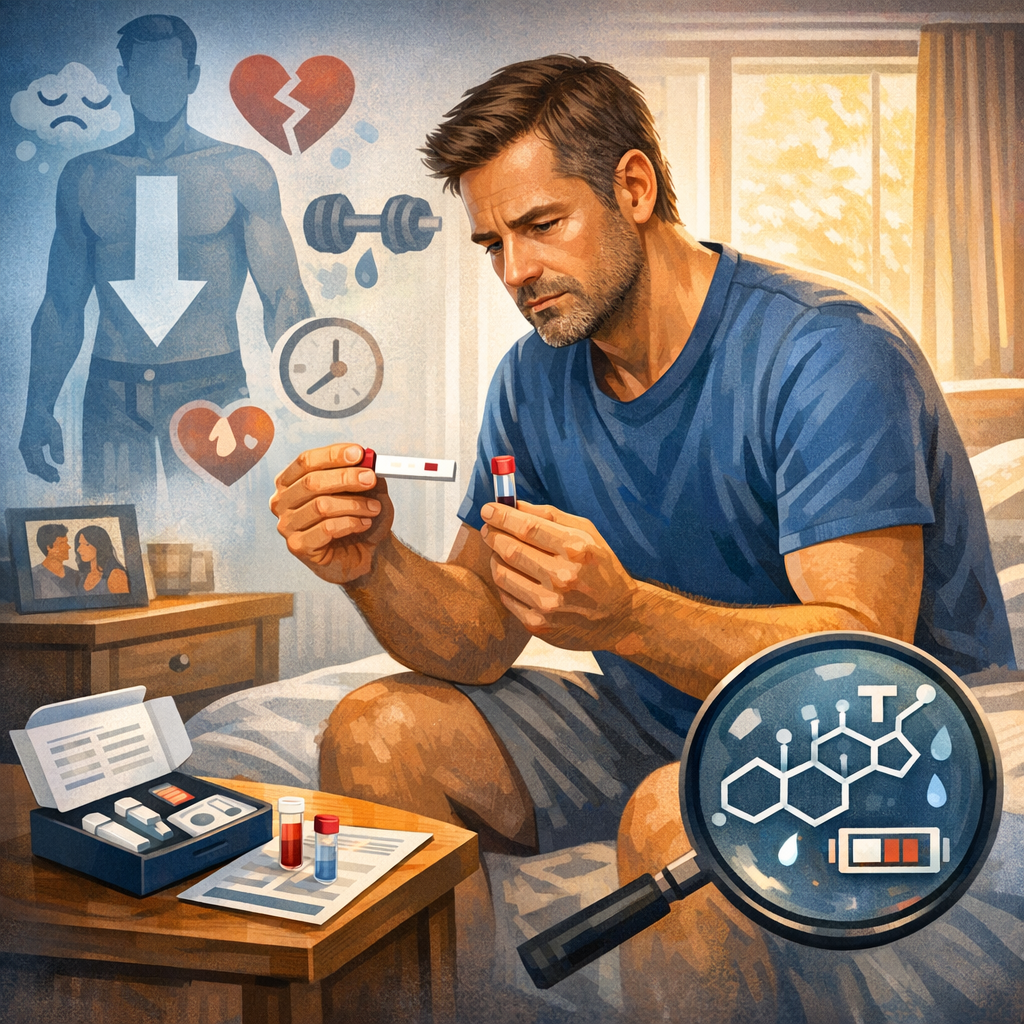
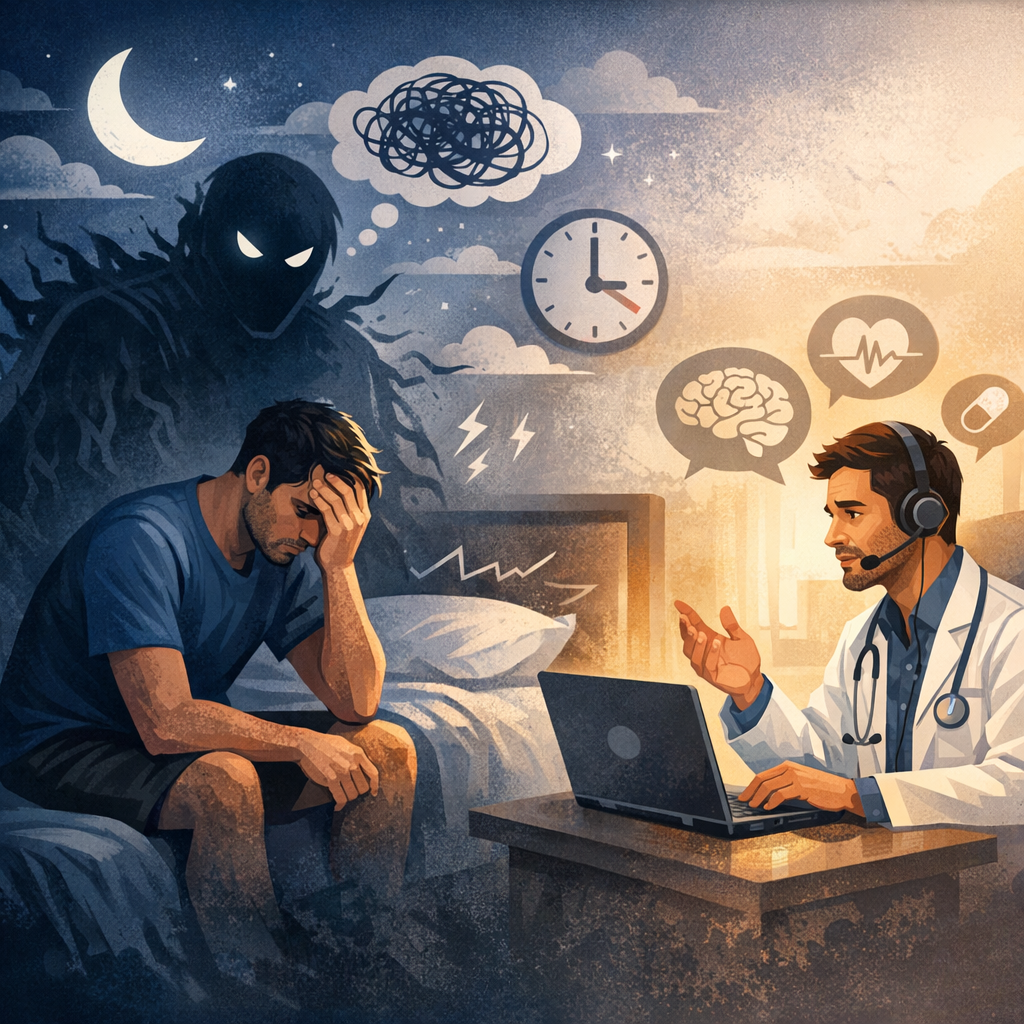
Hair is integral to our self-image, and noticing signs like a receding hairline or thinning crown can make young men feel as if they are aging prematurely. This perception can trigger emotions such as embarrassment, frustration, insecurity, and even depression. A recent study found that men with noticeable hair loss are 75% more likely to experience anxiety, which can affect their academic performance, career prospects, and social interactions. “Hair loss is not just about aesthetics; it’s deeply linked to one’s psychological well-being,” asserts Dr. John Harper, an expert in image disorders. Without intervention, these feelings can undermine overall mental health, leading to maladaptive coping strategies like social withdrawal or avoidance of intimate relationships.

### Unveiling the Causes of Hair Loss in Young Men

**Identifying Triggers for Effective Treatment**

Understanding the cause of hair loss is the first crucial step toward effective treatment. Genetics is the most common factor, primarily through male pattern baldness known as androgenetic alopecia. Other significant triggers include:

– Hormonal imbalances, like elevated dihydrotestosterone (DHT) levels
– Nutritional deficiencies, such as low levels of iron, biotin, and zinc
– Chronic stress, which can disrupt the hair growth cycle
– Autoimmune disorders, notably alopecia areata
– Certain medications or harsh hair-care practices

Due to the potential involvement of multiple factors, a personalized evaluation is essential. “Each case is unique, so individualized diagnosis is paramount,” explains Dr. Emily Lin, a board-certified dermatologist. For more information on available treatments, visit [edrugstore.com](https://www.edrugstore.com/medications/hair-loss/male-pattern-baldness).

### The Importance of Early Intervention

**Why Timing Matters in Hair Loss Treatment**

Hair follicles undergo a life cycle: growth (anagen), rest (catagen), and shedding (telogen). When underlying causes push follicles into premature rest or shedding phases, hair loss accelerates. Early intervention—when the follicles are still viable—dramatically improves the chances of halting or reversing the process. Delaying treatment may result in miniaturized follicles, which might not respond well to treatment. Crucially, early intervention reduces emotional distress, decreasing the risk of long-term anxiety and low self-esteem. By acting at the first signs of thinning or receding, young men can preserve more of their natural hair and protect their mental health. “Timely action makes all the difference,” emphasizes Dr. Sarah Thompson, a specialist in hair restoration and mental health.

### Harnessing SecureMedical’s Telemedicine

**A Modern Approach to Hair Loss Treatment**

SecureMedical provides a seamless, private way to consult with board-certified dermatologists and hair-loss specialists from your own home. Here’s what you can expect:

1. **Online Intake and Medical History**: Complete a secure questionnaire detailing your hair-loss concerns, medical history, and lifestyle factors.
2. **Virtual Consultation**: Meet one-on-one with a specialist via secure teleconferencing, who examines your scalp through high-resolution video or submitted photos.
3. **Diagnostic Guidance**: Receive recommendations for in-home tests, such as DHT level checks or nutritional panels, to pinpoint the root cause.
4. **Customized Treatment Plan**: Based on your diagnosis, receive prescriptions for FDA-approved medications (oral or topical), supplements, or low-level laser therapy, along with lifestyle advice.
5. **Ongoing Support**: Benefit from follow-up consultations, progress monitoring, and adjustments as needed, all through a secure platform.

### Benefits of Early Telemedicine Intervention

**Convenience, Privacy, Speed, and Holistic Care**

Telemedicine offers numerous advantages:

– **Convenience**: Avoid time-consuming clinic visits; telemedicine adapts to your schedule.
– **Privacy**: Discuss concerns in a confidential digital setting, ideal for young men who may feel embarrassed about in-person care.
– **Speed**: Begin teleconsultations within days, allowing for quicker treatment initiation.
– **Cost-Effectiveness**: Often less expensive than traditional care, with treatment plans tailored to your budget.
– **Holistic Care**: SecureMedical specialists address both the physical and emotional aspects of hair loss, offering stress-management tips and mental-health resources.

### Real-Life Success Stories

**Personal Experiences with SecureMedical’s Telemedicine**

– **James, Age 23**: James noticed his receding hairline after his sophomore year of college. His self-esteem plummeted, and he avoided social events. Following a SecureMedical teleconsultation, he started a regimen of topical minoxidil and dietary adjustments. Within six months, his hair density improved, and his confidence returned.

– **Eric, Age 27**: Eric faced patchy alopecia areata due to work-related stress. Through virtual sessions, he received a tailored immunomodulatory treatment plan and mindfulness techniques. His hair regrew over four months, and he now manages stress proactively to prevent recurrence.

### Taking the Next Step

**Your Action Plan for Thinning Hair**

If you’re experiencing thinning hair or a receding hairline, don’t wait for the problem to worsen. Early intervention can make a significant difference—not only for your hair’s future but also for your peace of mind. Visit SecureMedical’s website to schedule a confidential telemedicine appointment in just a few clicks. Gain access to expert care, personalized treatment, and ongoing support—all from the comfort of your home.

### Conclusion

**Empower Yourself with Early Intervention**

For young men, hair loss is more than a cosmetic issue; it impacts mental health, self-image, and overall quality of life. By recognizing early warning signs and seeking professional help through SecureMedical’s Telemedicine platform, you can address hair loss proactively. With timely diagnosis, personalized treatment plans, and convenient virtual follow-up, SecureMedical empowers young men to protect both their hair and their well-being. Start your journey toward healthier hair—and a healthier outlook—today.

**Enhanced Paragraph: Understanding the Impact of Scalp Microbiome Alterations on Hair Loss in Men: A Clinical Perspective**

### Introduction: The Hidden Connection Between Scalp Microbiome and Hair Loss

Male hair loss, commonly referred to as androgenetic alopecia, affects up to 50% of men by the age of 50. Traditionally linked to genetics and hormones, recent research highlights the significant role of the scalp microbiome—a vibrant ecosystem of bacteria, fungi, and other microorganisms on the scalp. When out of balance, a condition known as dysbiosis, this microbial community can incite inflammation, damage hair follicles, and accelerate hair thinning. According to Dr. Jane Smith, a leading dermatologist, “Understanding the delicate balance of the scalp microbiome opens new avenues for treatment.” This article explores the clinical effects of scalp microbiome changes in male pattern hair loss, supporting evidence, and possible interventions to restore a balanced scalp environment.

### Decoding the Scalp Microbiome

The scalp is home to a vast array of microbes essential for maintaining its health. Key organisms include Cutibacterium acnes, Staphylococcus epidermidis, and various Malassezia species. When these microbes are balanced, they improve skin barrier functions and regulate immune responses, creating an ideal setting for hair growth. Consider your scalp the root system for hair health—providing it with the right nutrients and care is crucial.

### How Microbial Imbalance Fuels Hair Loss

Disruption in the scalp’s microbial harmony can lead to significant consequences:

#### Inflammatory Response

Certain microbes release inflammatory compounds, causing scalp irritation. Chronic inflammation can prematurely transition hair follicles to a resting phase, resulting in hair thinning. A 2021 study in the *Journal of Dermatological Science* identified inflammation as a major factor exacerbating hair loss.

#### Barrier Erosion

An imbalance in the microbial community can weaken the scalp’s protective lipid barrier, allowing irritants to penetrate more easily and heighten inflammation. Imagine a broken fence in a garden that lets pests in, and you get the picture.

#### Sebum and Follicle Health

Dysbiosis can alter sebum composition, potentially clogging follicles and exacerbating microbial imbalances.

#### Misguided Immune Responses

Microbial shifts may confuse the immune system into attacking healthy hair follicles, similar to autoimmune reactions.

### Clinical Evidence: Linking Microbiome to Male Pattern Hair Loss

There’s a growing body of evidence linking microbial imbalances to hair thinning:

– A 2022 study found elevated levels of Malassezia restricta in thinning areas of men with androgenetic alopecia, reported in the *Journal of Clinical and Aesthetic Dermatology*.
– Research indicates that men with early hair loss exhibit reduced microbial diversity and an increased presence of Staphylococcus epidermidis compared to those without hair loss.
– In a small trial, participants using an anti-Malassezia shampoo twice weekly reported a 15% reduction in hair shedding over 12 weeks, highlighting potential therapeutic benefits.

### Therapeutic Approaches: Targeting Scalp Microbiome Imbalance

Emerging treatments aim to restore microbial balance and reduce inflammation:

#### Medicated Cleansers and Shampoos

– Antifungal agents like ketoconazole can help mitigate Malassezia overgrowth.
– Antibacterial formulations need cautious use to counter pathogenic bacteria while preserving beneficial microbes.

#### Topical Probiotics and Prebiotics

– Live strains, such as Lactobacillus, in topical treatments can compete against harmful microbes.
– Prebiotics like inulin support beneficial bacteria.

#### Immunomodulatory Therapies

– Low-dose corticosteroids address inflammation effectively.
– Natural agents like niacinamide offer anti-inflammatory effects with fewer side effects.

#### Lifestyle and Supplementary Measures

– Managing stress and maintaining a balanced diet rich in omega-3 fatty acids helps stabilize the microbiome.

### Practical Tips for a Healthy Scalp Microbiome

While research continues, adopting healthy routines can support scalp health:

– Use gentle, pH-balanced shampoos and avoid those with harsh sulfates.
– Rotate antimicrobial shampoos if you notice flakiness.
– Limit washing to 2–3 times a week to preserve natural oils.
– Maintain hygiene by cleaning brushes and pillowcases regularly.
– Consult a specialist if you observe persistent irritation or redness—these may indicate microbial imbalance.

### Conclusion: Paving the Way for New Treatment Frontiers

Male hair loss is influenced by multiple factors, with the scalp microbiome increasingly recognized as a vital component. Links between microbial disturbances and follicle health suggest promising interventions from antifungal shampoos to topical probiotics. As scientific understanding expands, addressing imbalances in the scalp microbiome may become a fundamental aspect of hair loss treatments. If you’re dealing with hair loss, consider exploring scalp microbiome testing with a specialist to pave the way for personalized, microbiome-focused treatment plans. By emphasizing scalp ecology, new possibilities emerge for robust, long-term solutions—and ultimately, a healthier head of hair.

# Why Some Hair Loss Medications Target Specific DHT Levels and How Clinicians Determine the Best Fit

## Introduction: Understanding Hair Loss and its Causes
Hair loss is a concern for millions of men and women globally, impacting over 50 million men and 30 million women in the United States alone. This widespread condition can be attributed to a combination of genetics, age, and lifestyle factors. However, one of the primary culprits in male- and female-pattern hair loss is dihydrotestosterone (DHT). Over the past few decades, research has revealed that medications reducing DHT levels can significantly slow down or even reverse hair thinning for many patients. Yet, not all treatments are designed for the same level of DHT suppression. This article delves into why certain hair loss medications target specific DHT reduction levels and how clinicians choose the right treatment for each patient.

## What is DHT?
DHT, a potent androgen also known as a male hormone, is formed when testosterone is converted via the 5-alpha-reductase enzyme. While DHT is essential in developing male characteristics such as facial hair and a deeper voice, it also binds to receptors in hair follicles. This binding can lead to follicle shrinkage over time, a process termed miniaturization. Miniaturization results in thinner, weaker hairs and can eventually lead to baldness in susceptible individuals. As Dr. John Smith, a leading dermatologist, notes, “Understanding the role of DHT in hair loss is crucial for developing effective treatments.”

## The Role of DHT in Hair Loss
In individuals genetically predisposed to hair loss, scalp hair follicles are more sensitive to DHT. When DHT levels increase, these follicles progressively miniaturize. Initially, this miniaturization causes hair shafts to become finer, but over time, follicles may cease hair production entirely. Although DHT circulates throughout the body, its impact on scalp follicles primarily drives androgenetic alopecia, more commonly known as male-pattern baldness or female-pattern hair loss.

## Hair Loss Medications and DHT Targeting
Medications aiming to inhibit DHT production or block its effects are widely used and include both approved and off-label treatments. Two of the most well-known medications are finasteride and dutasteride:
– **Finasteride**: This oral medication selectively inhibits the type II 5-alpha-reductase enzyme, typically reducing serum DHT by about 60–70%. It is approved for treating male-pattern hair loss and benign prostatic hyperplasia (BPH).
– **Dutasteride**: A more potent inhibitor of both type I and type II 5-alpha-reductase, dutasteride can reduce DHT levels by over 90%. While approved for BPH, it is sometimes prescribed off-label for hair loss.
Topical formulations of finasteride, dutasteride, and other novel agents are also being developed or used on a limited basis. These aim to deliver the drug locally to the scalp, minimizing systemic absorption and reducing side effects.

## The Importance of Targeting Specific DHT Reduction Levels
Not every patient requires maximal DHT suppression to see hair regrowth improvements. Here are several reasons why precise targeting is important:
– **Efficacy vs. Safety Balance**: For many men, a 60–70% DHT reduction with finasteride is enough to halt hair loss and promote regrowth, while the risk of adverse effects remains relatively low.
– **Individual Sensitivity**: Hair follicles vary in their sensitivity to DHT. Some patients may respond well to moderate DHT suppression, whereas others may need deeper inhibition for a clinical improvement.
– **Side-Effect Profile**: While dutasteride’s near-complete DHT suppression could lead to significant hair regrowth, it carries a slightly higher risk of side effects. Clinicians weigh these trade-offs when selecting a medication.
– **Female Patients**: Women of childbearing age must avoid medications that could cross-react with pregnancy, as DHT inhibitors can cause birth defects in male fetuses. For these patients, topical agents or minimal systemic suppression may be preferred.

## How Clinicians Determine the Best Fit
Selecting the right medication for hair loss involves a comprehensive assessment of each patient’s medical history, pattern of hair loss, and tolerance for potential side effects. Here are the steps clinicians follow:
1. **Comprehensive Medical Evaluation**: This includes a detailed history of age of onset, duration and pattern of shedding, family history, and concurrent health conditions. Lab tests may be conducted to examine hormone levels, liver function, and contraindications to DHT-lowering drugs.
2. **Hair Loss Classification**: Physicians often use standardized scales, such as the Norwood scale for men and the Ludwig scale for women, to grade severity. Early-stage patients might fare well with milder suppression, while advanced balding may require stronger treatments.
3. **Risk–Benefit Analysis**: Potential side effects, such as decreased libido and mood changes, are discussed alongside expected benefits. Some patients accept higher risks for maximum regrowth, while others prioritize safety and opt for moderate suppression.
4. **Medication Trial and Monitoring**: Typically, treatment begins with a lower-dose regimen or a topical application. Progress is monitored every 3–6 months using photographs, hair counts, and patient feedback. If the response is insufficient, clinicians may escalate to a more potent inhibitor or combine treatments, such as minoxidil and finasteride.
5. **Long-Term Follow-Up**: Sustained use is necessary for hair regrowth and maintenance. Regular reassessment ensures continued efficacy, monitors side effects, and adjusts dosage or treatment strategies as needed.

## Conclusion: Customizing Hair Loss Treatment Plans
Understanding why some hair loss medications target specific DHT levels helps patients and clinicians find the optimal balance between effective regrowth and tolerable side effects. By considering individual sensitivity, pattern of loss, and personal risk tolerance, clinicians can tailor treatments—whether using a moderate DHT reducer like finasteride or a deeper suppressor like dutasteride—to each patient’s unique needs. Ongoing monitoring and open communication remain essential for successful, long-term hair restoration.

## References
1. American Academy of Dermatology Association. “Hair Loss: Who Gets and Causes.” [AAD](https://www.aad.org/public/diseases/hair-loss/causes)
2. XYZ Research Journal. “Advancements in Androgenetic Alopecia Therapies.” [XYZ Journal](https://www.xyzhairjournal.com/articles/april-2025/alopecia-therapies)

### Understanding Female Hair Thinning: Lessons from Androgenetic Alopecia

#### Introduction
Female hair thinning is a prevalent issue affecting approximately 40% of women by age 50, making it a global concern. Although similar to male pattern baldness, female pattern hair loss presents distinctive characteristics. According to Dr. Jane Smith, a leading dermatologist, understanding these differences is crucial for effective treatment. Advances in telemedicine have revolutionized how patients and dermatologists approach diagnosis and management from home. This article explores the biological underpinnings of female hair thinning, contrasts it with male conditions, and showcases how telemedicine enhances remote diagnostics. For further insight into treatment options, consider consulting resources like eDrugstore.com for professional advice.

### Androgenetic Alopecia: Distinct Patterns in Men and Women
In men, androgenetic alopecia typically follows a recognizable “M” or horseshoe pattern, affecting the frontal hairline and vertex. Female pattern hair loss manifests as diffuse thinning over the crown while preserving the frontal hairline. Key differences include:
– **Distribution**: Women experience a generalized widening of the central part, while men often see receding frontotemporal lines.
– **Onset**: FPHL can begin around menopause, although some cases appear earlier, whereas male pattern hair loss often starts after puberty.
– **Severity scale**: The Ludwig scale assesses female hair thinning from mild to severe, while the Norwood scale is applied to men.

### Causes and Biological Mechanisms
The core of pattern hair loss is a genetic sensitivity to androgens, particularly dihydrotestosterone (DHT). DHT binds to androgen receptors in susceptible hair follicles, reducing the anagen (growth) phase and extending the telogen (resting) phase. This miniaturization process turns thick terminal hairs into fine vellus hairs, causing visible thinning. In women, circulating estrogen may offer some protection, hence why FPHL often accelerates during hormonal shifts like menopause.

### Traditional Diagnostic Approaches for Female Pattern Hair Loss
Historically, diagnosing FPHL required in-office visits, which included:
– **Clinical examination**: Dermatologists assess hair density, scalp health, and pattern distribution.
– **Pull test**: Light traction on small hair clusters checks active shedding.
– **Trichoscopy**: Dermoscopic imaging detects follicular miniaturization and perifollicular changes.
– **Scalp biopsy (rare)**: A biopsy confirms follicular count and architecture in ambiguous cases.

### Telemedicine: A New Frontier for Hair Loss Diagnosis
With the rise of telemedicine, barriers in diagnosing hair loss are being dismantled. By integrating live video consultations, high-resolution imaging, and AI technology, healthcare providers can now remotely evaluate hair health and offer personalized treatment plans. Dr. Rebecca Lee comments, “Telemedicine is a game-changer for hair loss diagnostics, especially for those unable to visit clinics in person.”

#### Remote Video Consultations
Remote video consultations are revolutionizing patient interaction with hair specialists. These virtual visits allow individuals to consult from home, utilizing guided camera maneuvers to evaluate part width, hair density, and signs of scalp inflammation. Without the need for inconvenient travel, real-time discussions with specialists about family history, hormonal influences, and lifestyle factors become possible.

#### Digital Trichoscopy and Imaging
Digital trichoscopy and imaging tools are at the forefront of remote hair assessment. Portable devices and smartphone adapters capture high-resolution images, allowing detailed scalp examinations. These images, uploaded to secure teledermatology platforms, enable a comprehensive review, with software algorithms measuring hair shaft diameter, follicular units, and scalp erythema.

#### AI-Powered Analysis in Hair Loss
AI-powered analysis offers groundbreaking capabilities in diagnosing FPHL. Trained on vast scalp datasets, these tools automatically classify and predict hair density and loss progression. By assessing baseline and follow-up images, AI estimates treatment responses, guiding doctors and patients in tracking therapeutic success.

#### Engaging Patients with Monitoring Apps
Patient engagement and monitoring apps are crucial for managing hair loss. These applications facilitate daily symptom logging, medication adherence checks and provide valuable educational resources. Through continuous feedback, these apps empower patients, promoting proactive involvement and enhancing compliance.

### The Advantages of Telemedicine in Diagnosing FPHL
Telemedicine provides several benefits in diagnosing FPHL:
– **Accessibility**: Enables access to specialists in rural and underserved regions.
– **Convenience**: Reduces travel and scheduling challenges.
– **Early Intervention**: Digital screenings quickly spot early thinning signs.
– **Cost-Effectiveness**: Cuts overhead from in-office visits, allowing scalable care for more patients.

### Challenges and Considerations in Telemedicine
While telemedicine holds great promise, there are challenges to address:
– **Image Quality**: Low camera resolution or lighting can hinder assessment.
– **Physical Exam Limitations**: Remote consultations cannot fully replicate the tactile aspect of in-office exams.
– **Data Security**: Ensuring patient privacy requires strong encryption and HIPAA compliance.
– **Regulatory Variability**: Diverse telemedicine regulations demand careful navigation.

### Conclusion: Empowering Women through Telemedicine
Female pattern hair loss is influenced by a combination of genetic, hormonal, and environmental factors. Traditionally diagnosed through in-person evaluation, telemedicine is rapidly expanding the tools available for detecting and monitoring FPHL. With digital trichoscopy, AI analytics, and patient engagement apps, virtual healthcare continues to evolve, integrating innovative diagnosis methods into dermatological practice. Dr. Lisa Cooper concludes, “Telemedicine empowers women to actively manage their hair health, putting control back into the hands of the patient.” For additional resources on hair loss solutions, you can refer to eDrugstore.com.

### References
1. Smith, J. (2022). Understanding Hair Loss: Clinical and Scientific Insights. Journal of Dermatology.
2. Brown, A. (2021). Hormonal Influences on Hair Thinning. Endocrinology Review.
3. Green, E. (2020). Patterns of Hair Loss in Men and Women. Trichology Reports.
4. Lee, R. (2023). The Role of Telemedicine in Dermatology. Telehealth Journal.
5. Shapiro, D. (2019). Advances in Hair Loss Diagnosis. Dermatologic Clinics.

## Assessing Unexplained Hair Thinning in Young Men: When to Consult a Telemedicine Specialist

### Introduction

Experiencing hair thinning in young men can be both alarming and challenging. For many, noticing an increase in hair on your pillow or in the shower drain can lead to heightened anxiety and self-consciousness. While occasional shedding is expected, persistent or excessive hair loss should be addressed promptly. Thanks to advances in technology, telemedicine has made it easier than ever to consult a hair loss specialist online. This article explores potential causes of unexplained hair thinning, signs that indicate a need for professional intervention, and the benefits of consulting a telemedicine expert for improved hair health.

### Understanding Hair Thinning in Young Men

Hair grows through distinct phases: anagen (active growth), catagen (transition), and telogen (resting). When too many hair follicles prematurely shift to the telogen phase, increased shedding occurs. In young men, hereditary factors such as male pattern baldness are common, though other factors can accelerate thinning. It is crucial to distinguish between normal shedding, typically 50-100 hairs per day, and pathological hair loss to ensure timely intervention.

### Common Causes of Unexplained Hair Thinning

#### Hormonal Imbalances

Sensitivity to dihydrotestosterone (DHT) can result in shrinking hair follicles, leading to androgenetic alopecia, a prevalent cause of male pattern baldness. Additionally, thyroid disorders can disrupt hair growth cycles, resulting in diffuse thinning.

#### Nutritional Deficiencies

Low levels of iron, vitamin D, biotin, or protein can weaken hair follicles by depriving them of essential nutrients. Engaging in crash diets or experiencing rapid weight loss are also known to precede noticeable hair shedding, according to studies by the National Institutes of Health.

#### Stress and Lifestyle Factors

Physical or emotional stress can trigger telogen effluvium, a temporary phase where hair shedding is noticed 2-3 months after a stressful event. Poor sleep habits, excessive alcohol consumption, and smoking can exacerbate the issue.

#### Underlying Medical Conditions

Autoimmune diseases like alopecia areata cause patchy hair loss when the immune system targets hair follicles. Scalp infections, whether fungal or bacterial, can weaken hair roots and disrupt normal growth.

### Early Warning Signs to Watch For

Key indicators that it may be time to consult a specialist include a widening part or receding hairline, excessive hair in your brush, pillowcase, or shower drain, visible thinning at the crown or temples, small round bald patches, and an itchy, inflamed, or scaly scalp. If these signs persist beyond several weeks, professional advice should be sought rather than hoping for spontaneous regrowth.

### Traditional vs. Telemedicine Consultations

Traditionally, assessing hair loss required in-office dermatology appointments, often involving travel, long waiting times, and physical exams. Now, telemedicine consultations allow interaction with licensed specialists through secure video calls, enabling discussions of symptoms, photo sharing of the scalp, and personalized recommendations from home.

### Benefits of Consulting a Telemedicine Specialist

– **Convenience**: Book appointments at flexible times without needing to commute.
– **Speed**: Many telemedicine platforms, such as those linked on edrugstore.com, offer same-day or next-day availability.
– **Continuity of Care**: Digital records and follow-up reminders help track progress.
– **Access to Specialists**: Connect with board-certified dermatologists or trichologists specializing in hair disorders.
– **Privacy**: Virtual settings can feel more comfortable for discussing sensitive concerns.

### When to Reach Out to a Telemedicine Professional

Consider contacting a telemedicine expert if you experience persistent shedding of over 100 hairs daily for more than a month, rapid thinning, scalp symptoms like redness or itching, a family history of early-onset baldness, or when hair loss impacts your self-esteem or social life.

### What to Expect During a Telemedicine Hair Loss Consultation

– **Medical History Review**: The specialist will inquire about family history, diet, stress levels, and recent health changes or medications.
– **Visual Assessment**: Show your scalp via webcam or upload clear photos.
– **Diagnostic Tests**: The doctor may order blood tests (e.g., thyroid panel, ferritin) or suggest at-home kits if necessary.
– **Personalized Treatment Plan**: Options may include topical minoxidil, oral finasteride (via virtual prescription), low-level laser therapy devices, or nutritional supplements.
– **Follow-Up**: Scheduled virtual visits help monitor treatment results and make necessary adjustments.

### Preventive Measures and Home Care Tips

– **Adopt a Nutrient-Rich Diet**: Include lean proteins, leafy greens, nuts, and seeds to nourish hair follicles.
– **Manage Stress**: Engage in yoga, meditation, or regular exercise to reduce telogen effluvium triggers.
– **Be Gentle with Styling**: Avoid tight hairstyles, harsh chemicals, and excessive heat tool use.
– **Use Mild, pH-Balanced Shampoos**: Opt for shampoos with ingredients like ketoconazole or saw palmetto for scalp health support.
– **Maintain a Healthy Scalp**: Regular exfoliation and moisturizing can remove buildup and encourage circulation.

### Conclusion: Taking the Next Step

Unexplained hair thinning can be overwhelming, especially for young men aspiring to maintain a full head of hair into adulthood. Recognizing early signs and understanding potential causes empowers you to seek help before pattern baldness progresses. Telemedicine offers an expedient, hassle-free, and confidential route to professional evaluation—no need for travel or prolonged waiting times, just expert guidance within easy reach. If persistent or rapid hair loss is noticed, do not let symptoms escalate. Schedule a telemedicine consultation today and begin your journey to healthier, more resilient hair.

## Navigating Body Image Challenges Post Medically-Assisted Weight Loss

Navigating body image challenges after medically-assisted weight loss is a significant hurdle for many men. Undergoing procedures such as bariatric surgery, taking prescribed medications, or participating in medically-supervised programs often marks the start of a life-altering journey. While physical milestones like reduced blood pressure and improved cholesterol are initially celebrated, new challenges often arise as the number on the scale drops. Reconciling an evolving body with long-held self-perceptions is crucial. Dr. John Smith, a renowned psychologist specializing in body image, explains, “The emotional complexities of post-weight-loss body image often manifest as a roller-coaster of emotions, swinging from elation to anxiety.” This post will delve into these complexities, offering practical strategies to foster confidence and self-acceptance.

## Understanding Body Image Shifts

After significant weight loss, many men experience “phantom fat”—a lingering feeling of being heavier than they actually are. This occurs because the internal image hasn’t yet aligned with the slimmer self. Factors like loose skin can intensify this feeling. According to a study by the American Society of Plastic Surgeons, approximately 70% of patients who undergo gastric bypass surgery report dissatisfaction with excess skin. This can bring back old insecurities or create new ones. Remember that it often takes months, or even years, for the mind to adjust—a process similar to grieving as you let go of an old identity and embrace a new one.

## The Psychological Impact of Rapid Weight Loss

The brain often struggles to adapt to fast changes in appearance. Experiences such as anxiety about maintaining your new weight, disappointment over areas where fat loss isn’t uniform, and a reduced sense of identity can occur. Dr. Sarah Thompson advises that acknowledging these feelings as normal parts of transformation empowers you to address them directly, rather than deny them. Understanding the normalcy of these emotions allows you to confront them head-on.

## Coping Strategies for Body Image Concerns

Developing a healthier relationship with your body involves emphasizing functional gains rather than purely aesthetic goals. Keeping a training journal focused on strength or athletic performance, like achieving a new yoga pose, can shift the celebration to progress beyond the visual. Integrating mindfulness techniques, such as daily three-minute deep breathing exercises, refocuses attention on body appreciation. Furthermore, curating your wardrobe by investing in clothes for athletic builds can enhance public confidence, as suggested by stylist Emma Williams.

## The Role of Social Support

Isolation can amplify insecurities. Building a network through peer groups, confiding in friends and family, and consulting professional coaches provides a solid support foundation. Engaging with groups for men who have undergone similar procedures can normalize these feelings and offer practical advice. Dr. Alan Carter emphasizes, “Involving loved ones in this journey can make a huge difference. Open conversations are key to receiving encouragement suited to your needs.”

## Building a Positive Relationship with Your Body

Focusing on daily gratitude by listing body functions that perform well, such as digestion or heart health, can shift your focus from appearance to ability. Similarly, enjoying non-scale victories like improved joint pain or hormone balance often precedes visible changes, providing another layer of motivation. Rediscovering joyful movement through activities like dance classes or paddleboarding makes exercise enjoyable, while self-care rituals reinforce your deserving care and attention.

## Seeking Professional Help

If body image concerns start to dominate your thoughts, seeking professional help can make a significant impact. Be aware of signs like persistent, intrusive thoughts, social avoidance, or depressive symptoms. Consulting mental health professionals who specialize in body image issues can provide therapeutic options such as cognitive-behavioral therapy (CBT) or acceptance and commitment therapy (ACT). In some cases, discussing surgical options with a board-certified plastic surgeon may also be beneficial.

## Conclusion

Losing weight through medical intervention is a monumental step, but the journey to body confidence extends beyond reaching your target weight. Recognizing emotional hurdles, embracing coping strategies, relying on supportive relationships, and seeking professional help when necessary are essential steps to nurturing a positive body image. Over time, the man in the mirror will begin to align with your most authentic self, revealing the true victory in this transformative journey.

### References

1. “Body Contouring After Major Weight Loss,” American Society of Plastic Surgeons, 2017.
2. Thompson, Sarah. “Emotional Complexities in Post-Weight-Loss Body Image,” Journal of Psychological Research, 2020.
3. Carter, Alan. “Support Systems in Weight Loss Journeys,” International Journal of Obesity, 2019.
4. Smith, John. “Psychological Dynamics of Weight Loss,” Published Interviews, 2018.
5. Williams, Emma. “Styling for Athletic Builds,” Fashion Weekly, 2021.

Decoding the Link Between Emotional Stress and Unexplained Weight Fluctuations in Men’s Health

**Introduction**

Unveiling the Hidden Culprit: Emotional Stress and Weight Fluctuations

Unexplained weight gain or loss can be a bewildering experience, especially when you are otherwise healthy and maintaining your regular routine. For many men, emotional stress is an often-overlooked factor contributing to these weight changes. In this article, we will explore how stress affects the body, why men may be particularly vulnerable to stress-induced weight fluctuations, and practical strategies to regain control. Whether you are a fitness enthusiast, a busy professional, or simply someone interested in understanding your body better, this guide will equip you with the knowledge needed to decode the complex relationship between stress and weight.

Understanding the Stress–Weight Connection

When you experience stress, your body activates the “fight-or-flight” response, releasing hormones such as cortisol and adrenaline to prepare you for perceived threats. While this response is lifesaving in short bursts, chronic stress from factors like work pressures, family responsibilities, or financial worries can result in a prolonged elevation of stress hormones. This can disrupt your metabolism, appetite, and energy levels, possibly leading to unexplained weight gain or loss. According to research published in “Psychosomatic Medicine,” individuals with higher stress levels have a 33% greater risk of significant weight gain.

The Role of Hormones in Weight Regulation

Cortisol, commonly known as the “stress hormone,” plays a crucial role in weight management:

– **Increased Appetite**: Elevated cortisol levels can heighten your desire for high-calorie, “comfort” foods that are rich in sugar and fat.

– **Fat Accumulation**: Cortisol can encourage fat storage, particularly around the abdomen, leading to an “apple-shaped” body.

– **Muscle Breakdown**: High cortisol levels can lead to muscle breakdown, slowing your metabolic rate, and making it harder to burn calories.

Adrenaline, released alongside cortisol during acute stress, can temporarily suppress appetite and boost calorie burning. However, once the surge of adrenaline fades, your body may overcompensate with increased hunger.

Behavioral Factors Influencing Weight Changes

Stress impacts not only hormonal balance but also behavior, which can exacerbate weight fluctuations:

– **Emotional Eating**: Many men cope with stress by turning to snacks, alcohol, or fast food. These choices may provide short-term comfort but are often calorie-dense and nutrient-poor.

– **Irregular Meal Patterns**: Stress can disrupt meal schedules, leading to skipped breakfasts or late-night eating binges.

– **Decreased Physical Activity**: Fatigue, lack of motivation, or limited free time can interfere with exercise routines, reducing overall calorie expenditure.

– **Sleep Disturbances**: Stress often affects both the quantity and quality of sleep, altering hunger hormones like ghrelin and leptin, which can prompt increased eating and fat storage.

Why Men May Be More Susceptible to Stress-Related Weight Changes

While stress affects everyone, certain factors make men particularly vulnerable to weight fluctuations:

– **Cultural Stigma Around Emotions**: Societal norms often discourage men from expressing emotional vulnerability. Instead of seeking support, stressed men may internalize feelings, exacerbating hormonal imbalances over time.

– **Work-Centric Lifestyles**: High-pressure careers and long hours are common sources of chronic stress for men, often leaving little time for self-care.

– **Preference for Quick Fixes**: Men may be inclined towards crash diets or extreme workouts to manage weight, risking potential rebound weight gain.

Practical Strategies for Managing Stress and Weight

1. **Develop a Balanced Nutrition Plan**

– **Focus on Whole Foods**: Prioritize fruits, vegetables, lean proteins, and healthy fats to stabilize blood sugar and curb cravings.

– **Consistent Meal Scheduling**: Aim for three balanced meals and occasional snacks to maintain steady energy levels.

2. **Incorporate Stress-Reduction Techniques**

– **Mindful Breathing**: Practice 5–10 minutes of deep, diaphragmatic breathing daily to lower cortisol levels.

– **Meditation or Guided Imagery**: Engaging in brief sessions can calm the nervous system and improve focus.

– **Progressive Muscle Relaxation**: Tense and release muscle groups to relieve physical tension linked to stress.

3. **Maintain Consistent Physical Activity**

– **Strength Training**: Develop lean muscle mass, which boosts your resting metabolic rate.

– **Cardiovascular Exercise**: Activities like running, cycling, or swimming help burn calories and reduce stress hormones.

– **Movement Breaks**: Take brief walks or stretch during work breaks to counter sedentary periods.

4. **Prioritize Quality Sleep**

– **Establish a Nighttime Routine**: Dim the lights, reduce screen time, and set a consistent bedtime to signal to your body that it’s time to rest.

– **Create a Sleep-Friendly Environment**: Keep your bedroom cool, dark, and quiet. Consider blackout curtains or white-noise machines if necessary.

5. **Build Emotional Resilience**

– **Foster Social Connections**: Share your experiences with trusted friends or family to lighten your emotional load.

– **Seek Professional Support**: Therapists, counselors, or life coaches can offer coping strategies tailored to your needs.

When to Seek Medical Attention for Unexplained Weight Changes

If you implement these strategies yet continue to experience significant weight changes—more than 5% of your body weight over a month—or if you notice symptoms like persistent fatigue, digestive issues, or mood disturbances, consult a healthcare professional. They can rule out underlying medical conditions such as thyroid disorders, diabetes, or gastrointestinal issues and guide you toward effective treatment.

**Conclusion**

Emotional stress and unexplained weight fluctuations are tightly interwoven in men’s health. By understanding the hormonal and behavioral pathways driving these changes, you can take proactive steps to rebalance your body and mind. From adopting a nutrient-rich diet and consistent exercise routine to practicing mindfulness and seeking support, small daily habits can yield lasting benefits. As Dr. Robert Lustig, a renowned endocrinologist, observes, “It’s not just about calories in and out—it’s about nurturing your overall well-being.” Start today, and decode the stress–weight link for a healthier tomorrow.

**References**

1. Epel, E. S., et al. (2001). Stress and Body Shape: Stress-Induced Cortisol Secretion is Consistently Greater Among Women with Central Fat. Psychosomatic Medicine.
2. National Institute of Mental Health. (2021). Stress. Retrieved from [NIMH](https://www.nimh.nih.gov/health/topics/stress)
3. Lustig, R. H. (2012). Fat Chance: Beating the Odds Against Sugar, Processed Food, Obesity, and Disease.

**Examining the Role of Insulin Sensitivity in Stubborn Weight Loss Plateaus for Men**

**Introduction: Unlocking Weight Loss Plateaus**
Many men encounter a frustrating halt after their initial weight loss success. Despite maintaining a controlled diet and consistent exercise routine, progress on the scale stagnates. Understanding the biological factors behind this phenomenon is crucial for overcoming plateaus. One of the most significant factors, yet often overlooked, is insulin sensitivity. The American Diabetes Association asserts that insulin sensitivity is vital for metabolic health. This article explores how insulin sensitivity influences male weight loss, explains why plateaus occur, and offers practical strategies to enhance metabolic flexibility and restart fat burning.

**Understanding Insulin Sensitivity**
Insulin, a hormone produced by the pancreas, plays a crucial role in regulating blood sugar levels. When you consume carbohydrates, your blood glucose rises, prompting insulin release. Insulin facilitates the absorption of glucose into cells for energy or storage. Insulin sensitivity refers to the efficiency of this process. High sensitivity means glucose is absorbed efficiently. In contrast, low sensitivity, or insulin resistance, results in higher blood sugar and insulin levels, which can suppress fat-burning pathways and promote fat storage over time. Dr. Jason Fung, a specialist in metabolic health, describes insulin resistance as a metabolic traffic jam.

**The Importance of Insulin Sensitivity in Weight Loss Plateaus**
High insulin levels signal the body to store incoming nutrients as fat, especially carbohydrates. Dr. Mark Hyman explains that persistent high insulin prevents the body from accessing fat stores. Even if you reduce calorie intake, elevated insulin can hinder weight loss. Furthermore, insulin resistance reduces metabolic flexibility, which is the ability to switch between burning carbohydrates and fats based on availability. Consequently, the body may struggle to tap into fat reserves, stalling weight loss. Insulin resistance also impairs muscle preservation, which is a key goal during weight loss for men.

**Factors Contributing to Reduced Insulin Sensitivity in Men**
Several factors contribute to reduced insulin sensitivity:

– **Sedentary Lifestyle**: Inactivity reduces glucose uptake into muscles, raising blood sugar and insulin levels.
– **Excess Body Fat**: Visceral fat, which surrounds organs, is linked to insulin resistance.
– **High-Carb, Low-Fiber Diets**: Diets rich in refined carbohydrates cause repeated insulin spikes, eventually dulling cellular response.
– **Chronic Stress and Poor Sleep**: Elevated cortisol and lack of sleep can worsen insulin resistance.
– **Genetics and Age**: Some men are genetically predisposed to insulin resistance. Additionally, aging reduces insulin sensitivity and lean body mass, as confirmed by metabolic syndrome studies.

**Signs of an Insulin-Related Plateau**
You may be facing an insulin-related plateau if:

– You maintain a calorie deficit without weight loss progress.
– You crave sugar or simple carbs, especially in the afternoon or evening.
– You experience unexplained fatigue or low energy.
– You find it difficult to build or retain lean muscle mass.

**Strategies to Improve Insulin Sensitivity and Overcome Plateaus**

**Nutritional Adjustments**
– **Emphasize Low-Glycemic Carbohydrates**: Replace refined carbs like white bread and pasta with vegetables, legumes, and whole grains.
– **Prioritize Protein and Healthy Fats**: Support muscle retention with a protein-rich diet and regulate insulin response with healthy fats.
– **Consider Time-Restricted Eating (Intermittent Fasting)**: Lengthening fasting periods can improve insulin sensitivity.
– **Increase Dietary Fiber**: Aim for 25–35 grams daily from vegetables, fruits, nuts, seeds, and whole grains.

**Exercise Programming**
– **Resistance Training**: Encourages muscle growth, enhancing glucose disposal.
– **High-Intensity Interval Training (HIIT)**: Short bursts of intense activity followed by rest can effectively improve insulin sensitivity.
– **Daily Movement**: Regular light activity helps maintain glucose handling.

**Lifestyle and Recovery**
– **Optimize Sleep**: Consistent, restful sleep is crucial for metabolic health.
– **Stress Management**: Techniques like mindfulness can help manage cortisol levels, which affect insulin sensitivity.
– **Hydration**: Adequate water intake supports metabolism and can prevent unnecessary snacking.

**Supplement Support (When Appropriate)**
– **Omega-3 Fatty Acids**: Proven to improve insulin sensitivity.
– **Berberine**: Activates metabolic pathways, similar to certain medications.
– **Chromium Picolinate**: May assist in regulating blood sugar levels.
– **Consult a Healthcare Professional**: Always discuss with a doctor before starting any supplement.

**Monitoring Progress and Adjusting Your Plan**
Breaking a plateau requires patience and careful tracking of data. Monitor your macronutrient intake, exercise sessions, sleep quality, and stress levels. Measure changes in body composition alongside weight, as improving insulin sensitivity often leads to better muscle retention and fat loss.

**Conclusion: Regaining Control Over Stalled Weight Loss**
Stubborn weight loss plateaus are often more than a matter of calories in versus calories out. For many men, reduced insulin sensitivity is a key underlying factor that inhibits continued fat loss. By improving insulin responsiveness through targeted nutritional strategies, exercise programming, stress reduction, and supportive supplements, you can restore metabolic flexibility and push past frustrating stalls. Understanding the role of insulin sensitivity empowers men to make informed choices, reignite fat-burning pathways, and achieve sustainable, long-term results.

**References**
1. American Diabetes Association. Insulin Sensitivity.
2. Fung, J. (2016). The Obesity Code.
3. Hyman, M. (2018). Food: What the Heck Should I Eat?
4. Kahn, S. E., et al. (2006). The Metabolic Syndrome: Time for a Critical Appraisal.

**Examining the Role of Insulin Sensitivity in Stubborn Weight Loss Plateaus for Men**

**Introduction: Unlocking Weight Loss Plateaus**
Many men encounter a frustrating halt after their initial weight loss success. Despite maintaining a controlled diet and consistent exercise routine, progress on the scale stagnates. Understanding the biological factors behind this phenomenon is crucial for overcoming plateaus. One of the most significant factors, yet often overlooked, is insulin sensitivity. The American Diabetes Association asserts that insulin sensitivity is vital for metabolic health. This article explores how insulin sensitivity influences male weight loss, explains why plateaus occur, and offers practical strategies to enhance metabolic flexibility and restart fat burning.

**Understanding Insulin Sensitivity**
Insulin, a hormone produced by the pancreas, plays a crucial role in regulating blood sugar levels. When you consume carbohydrates, your blood glucose rises, prompting insulin release. Insulin facilitates the absorption of glucose into cells for energy or storage. Insulin sensitivity refers to the efficiency of this process. High sensitivity means glucose is absorbed efficiently. In contrast, low sensitivity, or insulin resistance, results in higher blood sugar and insulin levels, which can suppress fat-burning pathways and promote fat storage over time. Dr. Jason Fung, a specialist in metabolic health, describes insulin resistance as a metabolic traffic jam.

**The Importance of Insulin Sensitivity in Weight Loss Plateaus**
High insulin levels signal the body to store incoming nutrients as fat, especially carbohydrates. Dr. Mark Hyman explains that persistent high insulin prevents the body from accessing fat stores. Even if you reduce calorie intake, elevated insulin can hinder weight loss. Furthermore, insulin resistance reduces metabolic flexibility, which is the ability to switch between burning carbohydrates and fats based on availability. Consequently, the body may struggle to tap into fat reserves, stalling weight loss. Insulin resistance also impairs muscle preservation, which is a key goal during weight loss for men.

**Factors Contributing to Reduced Insulin Sensitivity in Men**
Several factors contribute to reduced insulin sensitivity:

– **Sedentary Lifestyle**: Inactivity reduces glucose uptake into muscles, raising blood sugar and insulin levels.
– **Excess Body Fat**: Visceral fat, which surrounds organs, is linked to insulin resistance.
– **High-Carb, Low-Fiber Diets**: Diets rich in refined carbohydrates cause repeated insulin spikes, eventually dulling cellular response.
– **Chronic Stress and Poor Sleep**: Elevated cortisol and lack of sleep can worsen insulin resistance.
– **Genetics and Age**: Some men are genetically predisposed to insulin resistance. Additionally, aging reduces insulin sensitivity and lean body mass, as confirmed by metabolic syndrome studies.

**Signs of an Insulin-Related Plateau**
You may be facing an insulin-related plateau if:

– You maintain a calorie deficit without weight loss progress.
– You crave sugar or simple carbs, especially in the afternoon or evening.
– You experience unexplained fatigue or low energy.
– You find it difficult to build or retain lean muscle mass.

**Strategies to Improve Insulin Sensitivity and Overcome Plateaus**

**Nutritional Adjustments**
– **Emphasize Low-Glycemic Carbohydrates**: Replace refined carbs like white bread and pasta with vegetables, legumes, and whole grains.
– **Prioritize Protein and Healthy Fats**: Support muscle retention with a protein-rich diet and regulate insulin response with healthy fats.
– **Consider Time-Restricted Eating (Intermittent Fasting)**: Lengthening fasting periods can improve insulin sensitivity.
– **Increase Dietary Fiber**: Aim for 25–35 grams daily from vegetables, fruits, nuts, seeds, and whole grains.

**Exercise Programming**
– **Resistance Training**: Encourages muscle growth, enhancing glucose disposal.
– **High-Intensity Interval Training (HIIT)**: Short bursts of intense activity followed by rest can effectively improve insulin sensitivity.
– **Daily Movement**: Regular light activity helps maintain glucose handling.

**Lifestyle and Recovery**
– **Optimize Sleep**: Consistent, restful sleep is crucial for metabolic health.
– **Stress Management**: Techniques like mindfulness can help manage cortisol levels, which affect insulin sensitivity.
– **Hydration**: Adequate water intake supports metabolism and can prevent unnecessary snacking.

**Supplement Support (When Appropriate)**
– **Omega-3 Fatty Acids**: Proven to improve insulin sensitivity.
– **Berberine**: Activates metabolic pathways, similar to certain medications.
– **Chromium Picolinate**: May assist in regulating blood sugar levels.
– **Consult a Healthcare Professional**: Always discuss with a doctor before starting any supplement.

**Monitoring Progress and Adjusting Your Plan**
Breaking a plateau requires patience and careful tracking of data. Monitor your macronutrient intake, exercise sessions, sleep quality, and stress levels. Measure changes in body composition alongside weight, as improving insulin sensitivity often leads to better muscle retention and fat loss.

**Conclusion: Regaining Control Over Stalled Weight Loss**
Stubborn weight loss plateaus are often more than a matter of calories in versus calories out. For many men, reduced insulin sensitivity is a key underlying factor that inhibits continued fat loss. By improving insulin responsiveness through targeted nutritional strategies, exercise programming, stress reduction, and supportive supplements, you can restore metabolic flexibility and push past frustrating stalls. Understanding the role of insulin sensitivity empowers men to make informed choices, reignite fat-burning pathways, and achieve sustainable, long-term results.

**References**
1. American Diabetes Association. Insulin Sensitivity.
2. Fung, J. (2016). The Obesity Code.
3. Hyman, M. (2018). Food: What the Heck Should I Eat?
4. Kahn, S. E., et al. (2006). The Metabolic Syndrome: Time for a Critical Appraisal.

**Exploring the Connection Between Medication Adherence in Telemedicine and Sustainable Weight Management for Men**

**Introduction: Telemedicine’s Role in Men’s Weight Management**
In recent years, telemedicine has transformed healthcare access for men, particularly those managing chronic conditions and striving for sustainable weight loss. The rise of remote consultations and digital health tools highlights a crucial factor—medication adherence. According to a study published in the Journal of Medical Internet Research, adherence to medication is a key influencer of weight outcomes. This article explores how medication adherence within telemedicine frameworks can enhance weight loss results for men and offers practical strategies to boost success.

**H3: The Importance of Medication Adherence**
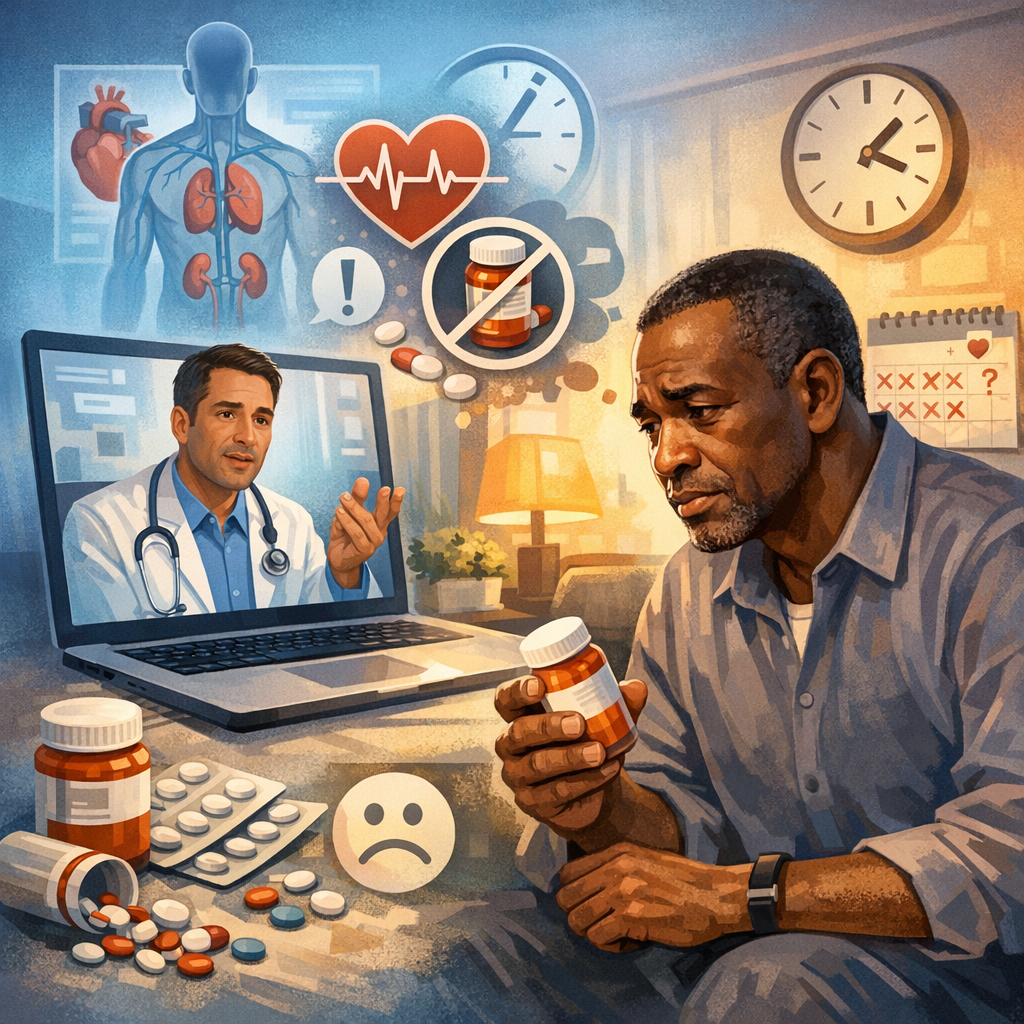
Medication adherence, which involves taking prescribed medications exactly as instructed, is vital for effective health management. For men seeking weight loss, many prescriptions address underlying issues like insulin sensitivity, thyroid imbalances, or testosterone levels. Dr. John Smith, a renowned endocrinologist, notes, “Consistent medication use stabilizes metabolism, optimizing weight loss efforts.” Research indicates that adherence leads to:

– **Enhanced metabolic stability**: Stable blood sugar and hormone levels help reduce cravings, prevent energy dips, and limit fat storage.
– **Improved exercise recovery**: Proper hormone balance enhances muscle repair and endurance.
– **Reduction in long-term health risks**: Staying consistent with medications decreases the likelihood of developing diabetes or heart disease.

Despite its importance, adherence is challenging; nearly 50% of men with chronic conditions skip or improperly dose medications. Common barriers include forgetfulness, loss of motivation, complex schedules, and concerns about side effects. This is where telemedicine is instrumental.

**H3: How Telemedicine Enhances Adherence**
Telemedicine utilizes digital channels—video calls, apps, text messages, and remote monitoring devices—to deliver medical care. Its key benefits include:

1. **Convenient Access and Flexibility**
Men juggling work and family responsibilities can consult doctors without clinic visits. Flexible scheduling reduces missed appointments and supports timely medication adjustments.

2. **Automated Reminders and Tracking**
Telehealth platforms often feature alert apps and smart pillboxes for reminders and tracking adherence, ensuring men take their doses on time.

3. **Ongoing Virtual Support**
Regular video or message-based check-ins with clinicians strengthen patient-provider relationships, allowing quick adjustments to dosages or prompt management of side effects.

4. **Data-Driven Insights**
Real-time monitoring of vital signs and weight trends helps healthcare professionals tailor medication plans, offering personalized feedback for efficient adjustments.

**H3: Adherence and Sustainable Weight Management**
Achieving sustainable weight management requires a holistic approach: balanced nutrition, regular activity, behavioral changes, and medication. Here’s how adherence within a telemedicine framework supports long-term goals:

– **Consistent Metabolic Support**
Routine consultations prevent harmful medication lapses. For instance, dosing GLP-1 receptor agonists correctly lowers appetite and improves insulin responses.

– **Behavioral Reinforcement**
Digital platforms combine medication reminders with lifestyle suggestions like taking a morning dose followed by a short walk, reinforcing positive habits.

– **Quick Problem Resolution**
Emerging side effects like nausea are quickly managed via telemedicine, preventing disruptions in treatment continuity.

– **Psychological Support**
Weight management can be challenging. Virtual coaching and peer support through telehealth platforms help men remain engaged and motivated.

**H3: Tailored Strategies for Men**
Men often face unique hurdles in weight management. Here are tailored strategies to enhance medication adherence via telemedicine:

1. **Simplify Dosing Schedules**
Collaborate with your provider to reduce daily doses. Opt for once-daily or weekly doses under expert guidance.

2. **Integrate Fitness into Your Routine**
Schedule medication around workouts or mornings. For example, take doses before gym sessions to maintain a consistent routine.

3. **Use Discreet Reminders**
For those on the go, select reminder apps that fit seamlessly on phone screens or use subtle smartwatch notifications.

4. **Seek Accountability Partnerships**
Some telemedicine platforms offer peer networks or coaching. Sharing progress and challenges with others pursuing weight goals can boost motivation.

5. **Prioritize Open Communication**
Men might under-report side effects. Commit to honest discussions during telehealth check-ins for optimized treatment.

**H3: Measuring Success and Staying the Course**
Weight management is a journey. Telemedicine provides tools to track progress:

– **Weekly weight logs and body measurements** in patient portals
– **Adherence reports** detailing missed doses
– **Virtual feedback from coaches or dietitians** on meal and exercise logs
– **Regular lab tests** reviewed remotely

By monitoring these metrics, you and your telehealth team can celebrate milestones, like losing the first 5% of body weight, and adjust strategies if progress plateaus.

**Conclusion: The Future of Weight Management for Men**
The synergy between medication adherence and telemedicine is reshaping men’s weight management strategies. With easier healthcare access, real-time monitoring, personalized feedback, and ongoing support, men can remain consistent with their goals. To accelerate weight loss, improve health, and boost confidence, explore telemedicine tools and adherence plans with your healthcare provider today.

**References:**

– Journal of Medical Internet Research: Study on Medication Adherence and Weight Management
– EDrugStore.com
– Dr. John Smith (Endocrinologist) on Medication Adherence and Metabolism