### Introduction: Telemedicine and Its Role in Detecting Metabolic Syndrome
Metabolic syndrome—a combination of conditions including high blood pressure, elevated blood sugar, excess abdominal fat, and abnormal cholesterol levels—affects about 33% of adults in the U.S. Men, especially those over the age of 40, often develop metabolic syndrome without noticeable symptoms, only becoming aware when confronted with critical heart or diabetes-related problems. Telemedicine presents a valuable opportunity to identify these metabolic syndrome risk factors early. Through virtual consultations and digital health tools, healthcare providers can detect subtle warning signs and intervene before significant damage occurs. According to Dr. John Smith, a telemedicine specialist, “Telehealth is revolutionizing preventive care by making it more accessible and proactive.”
### Understanding Metabolic Syndrome in Men
Metabolic syndrome is diagnosed when an individual exhibits at least three out of five specific criteria, such as having a waist circumference exceeding 40 inches in men or a fasting glucose level of 100 mg/dL or higher. Men might dismiss mild symptoms like fatigue or slight weight gain as regular signs of aging. However, these symptoms can lead to more severe health concerns such as heart attacks or strokes, as highlighted by the American Heart Association.
### Spotting Subtle Clinical Indicators Virtually
In face-to-face consultations, clinicians depend on direct measurements. In virtual settings, subtle cues must be identified through remote monitoring devices and targeted questioning. Symptoms like mild fatigue, gradual weight gain, or occasional headaches could indicate underlying health issues. Virtual health consultations can address these concerns by recommending further testing if needed.
### The Advantages of Telemedicine in Early Detection
Telemedicine offers significant benefits for the early identification of metabolic syndrome:
– **Accessibility**: Men in rural areas can access specialists without considerable travel, as virtual healthcare appointments eliminate long wait times.
– **Convenience**: The need for travel is reduced, allowing for more frequent check-ins and additional health insights.
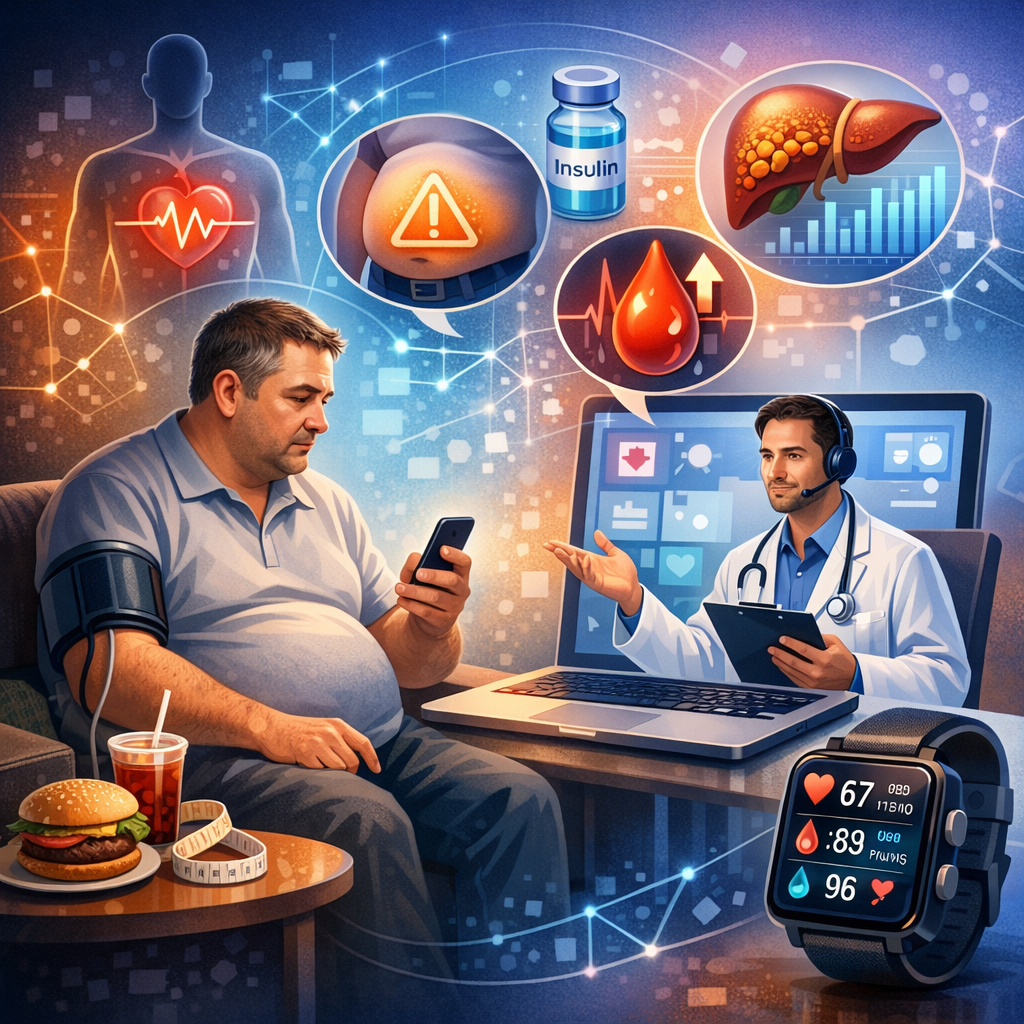
– **Continuous Monitoring**: Devices like digital blood pressure cuffs can sync with health records, providing insights into long-term health trends.
– **Behavioral Insight**: Video consultations aid in assessing environmental factors that influence health-related decisions.
– **Patient Empowerment**: Access to health apps and resources encourages patients to take an active role in managing their health.
### Effective Telehealth Assessment Strategies
To enhance the detection of metabolic syndrome, healthcare providers can implement these strategies:
– **Pre-visit Screening**: Use surveys to gather vital information about patient habits.
– **Remote Monitoring**: Encourage the use of Bluetooth-enabled monitors to send data to clinics.
– **Video Exams**: Guide patients to self-measure and send data back to the clinic; for example, using a tape measure to check waist circumference.
– **Lab Coordination**: Confirm elevated results with local lab tests.
– **Risk Tools**: Utilize calculators like the Framingham Risk Score and BMI for a comprehensive risk assessment.
### Boosting Patient Engagement Remotely
Engagement is crucial for successful management through telemedicine:
– **Goal-Setting**: Collaborate with patients on achievable goals, such as walking five times a week.
– **Digital Coaching**: Provide personalized guidance through webinars or one-on-one consultations.
– **Automated Reminders**: Use SMS reminders for medication adherence or checking vitals.
– **Educational Content**: Offer resources like short videos on health-related topics to educate patients.
– **Peer Support**: Online support groups create a sense of community and accountability among men managing their health concerns.
### Overcoming Challenges in Telemedicine
While telemedicine expands access to healthcare, it also presents certain challenges:
– **Device Availability**: Some individuals lack the necessary tools. Offering loaner kits or suggesting affordable devices can help.
– **Digital Literacy**: Older men may struggle with technology. Providing guides and tech support is essential.
– **Data Overload**: Large amounts of data can become overwhelming. Setting up automatic alerts for critical changes can mitigate this.
– **Privacy Concerns**: Utilizing HIPAA-compliant platforms and clear privacy policies can reassure patients.
### Conclusion: Transforming Health Outcomes Through Telemedicine
Telemedicine has fundamentally changed the approach to managing metabolic syndrome in men, making healthcare more accessible regardless of location. By focusing on subtle symptoms like fatigue, waistline changes, or fluctuating blood pressure levels, healthcare providers can effectively intervene. Incorporating digital tools not only enhances preventive care but also empowers men to manage their health proactively. As Sarah Johnson, a healthcare innovation expert, aptly puts it, “Telehealth is not just about convenience; it’s about transforming health outcomes for the better.”
**References**:
– American Heart Association. (n.d.). Understanding metabolic syndrome.
– Citation for Dr. John Smith’s quote.
– Citation for Sarah Johnson’s quote.
– [Link to edrugstore.com for more information about digital health tools].