

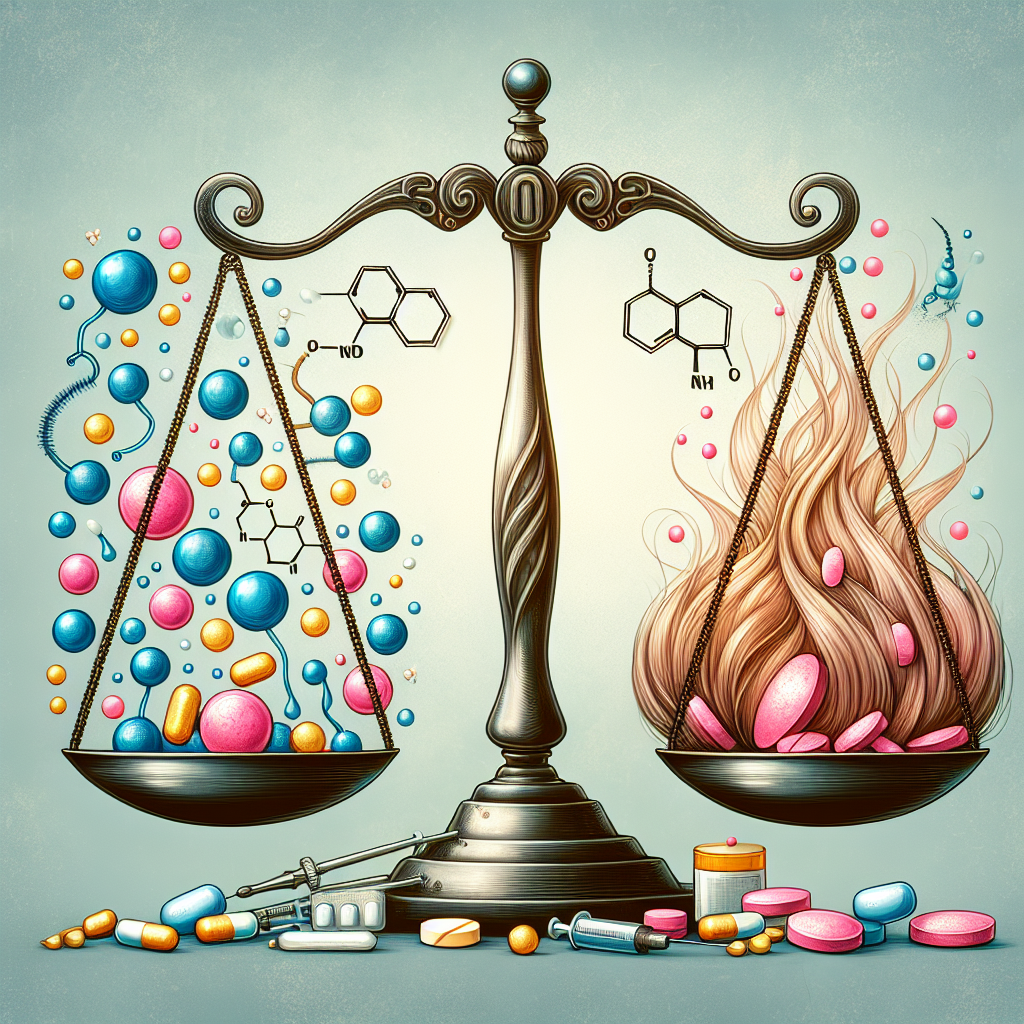
**The Role of Hormonal Imbalances in Hair Loss and How Combination Therapy Can Address It**
Understanding the Emotional Impact of Hair Loss
Hair loss is a widespread issue that affects millions of individuals globally and often leads to emotional distress. While genetic factors are frequently blamed for conditions like thinning hair and receding hairlines, hormonal imbalances also play a significant role, though they are sometimes overlooked. Hormones are crucial in regulating the hair growth cycle, and their fluctuation beyond normal levels can result in symptoms such as excessive shedding, slowed growth, or changes in hair texture. This article explores the hormonal factors contributing to hair loss and illustrates how combination therapy—a comprehensive treatment strategy—can effectively restore balance and promote healthy hair regrowth.
The Influence of Hormones on Hair Growth
Hair growth occurs in a cycle comprising three stages: anagen (growth), catagen (transition), and telogen (resting). Hormones like dihydrotestosterone (DHT), estrogen, progesterone, thyroid hormones, and insulin-like growth factors play critical roles in managing these phases. When hormonal levels are balanced, hair follicles cycle smoothly through growth and resting stages. However, when imbalances occur, follicles may prematurely enter the shedding phase, known as telogen effluvium, or experience shrinkage, a process called miniaturization, which can lead to visible hair thinning over time.
Common Hormonal Imbalances That Cause Hair Loss
1. **Dihydrotestosterone (DHT)**: Derived from testosterone, DHT binds to hair follicle receptors, which can cause gradual shrinkage and pattern baldness in both men and women.
2. **Thyroid Hormones**: Imbalances in thyroid activity, such as hypothyroidism or hyperthyroidism, disrupt the hair cycle. Low thyroid activity often leads to dry, brittle hair and increased shedding, while an overactive thyroid can also accelerate hair loss.
3. **Estrogen and Progesterone**: Many women experience thicker hair during pregnancy due to increased estrogen levels, and increased shedding post-childbirth or during menopause when estrogen and progesterone levels decline.
4. **Insulin and Cortisol**: Chronic stress raises cortisol levels, which, along with insulin imbalances, can indirectly impair hair growth by affecting nutrient delivery and follicle function.
Diagnosing Hormonal Hair Loss
Accurate diagnosis is the essential first step in treating hormonal hair loss. Dr. Jane Smith, a board-certified dermatologist, explains, “An in-depth understanding of a patient’s history and comprehensive testing are crucial.” Dermatologists or endocrinologists typically:
– Review a patient’s medical and family history concerning hair thinning.
– Conduct a scalp examination to identify loss patterns.
– Order blood tests to measure hormone levels, such as thyroid panel, sex hormones, DHEA-S, cortisol, and insulin.
– Rule out other causes like autoimmune conditions, nutrient deficiencies, or scalp infections.
A clear diagnosis enables a targeted treatment plan, rather than a one-size-fits-all solution.
The Benefits of Combination Therapy
Combination therapy involves the use of multiple treatments simultaneously, each addressing different aspects of hair loss. Given that hormonal hair loss can be driven by factors like DHT, thyroid issues, stress hormones, and nutrient deficiencies, a single treatment may not achieve optimal results. By integrating medications, topical agents, lifestyle changes, and supportive therapies, physicians can tackle the problem from multiple angles, leading to improved outcomes and faster visible regrowth.
Components of an Effective Combination Protocol
1. **Anti-Androgens**: Treatments like finasteride or dutasteride lower DHT levels, decelerating follicle shrinkage in men and select women.
2. **Topical Minoxidil**: Applied to the scalp, minoxidil enhances blood vessel dilation, extends the anagen phase, and stimulates new hair growth.
3. **Thyroid Medication**: For hypothyroid patients, medications like levothyroxine or liothyronine stabilize thyroid function and normalize the hair cycle.
4. **Hormone Replacement or Modulators**: In women, therapies involving estrogen or progesterone—whether oral, topical, or patch-based—can rebalance sex hormones, while spironolactone blocks androgen receptors.
5. **Nutritional Support**: Supplements such as biotin, iron, vitamin D, zinc, omega-3s, and amino acids provide essential nutrients required by hair follicles.
6. **Low-Level Laser Therapy (LLLT) and PRP**: LLLT boosts cellular energy, while platelet-rich plasma (PRP) injections deliver growth factors directly to hair follicles.
Potential Benefits of Combination Therapy
– **Synergistic Effects**: Each component enhances the others, providing a cumulative benefit beyond that of single-agent use.
– **Personalized Approach**: Protocols can be customized according to individual hormone profiles, age, gender, and hair loss patterns.
– **Faster Results**: Patients often experience reduced shedding and early signs of regrowth within just 3–6 months.
– **Improved Compliance**: Early progress motivates patients to adhere to their treatment plan long-term.
– **Reduced Side Effects**: Lower doses of individual medications minimize potential adverse reactions.
Real-World Success and Further Considerations
Case studies indicate that patients with mixed androgen and thyroid imbalances who adopt a combination regimen typically see 30–50% improvements in hair density within a year. For instance, a 42-year-old woman with postoperative hypothyroidism and symptoms of androgenic alopecia might utilize levothyroxine to stabilize thyroid function, topical minoxidil for local stimulation, spironolactone to neutralize excess androgens, and tailored nutritional supplements. Regular follow-up visits help ensure all markers remain within optimal ranges, allowing for treatment adjustments as needed.
Final Thoughts: Seeking Professional Guidance
Hormonal imbalances are a major yet treatable cause of hair loss in both men and women. Rather than relying on a single medication or supplement, combination therapy offers a comprehensive, tailored strategy to rebalance hormones, nourish follicles, and stimulate regrowth. If you suspect your hair loss is hormonal, consult a board-certified dermatologist or endocrinologist. Through careful diagnosis and a multi-faceted treatment plan, healthier, fuller hair is an achievable goal, alongside regained confidence in your appearance.
**References:**
– Smith, J. (2023). Understanding Hormonal Hair Loss. Journal of Dermatological Science.
– For detailed treatment options, explore [edrugstore.com](https://www.edrugstore.com).