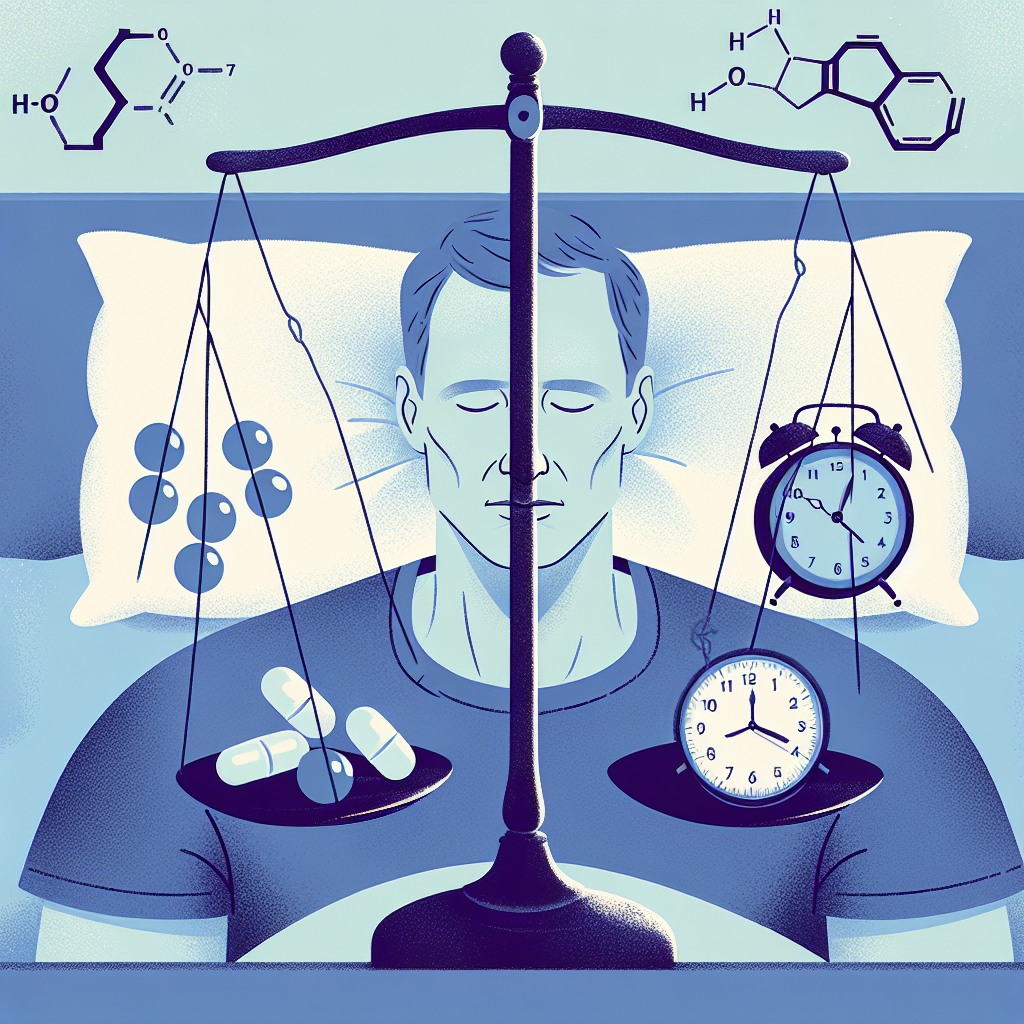
# Understanding the Connection Between Sleep Disorders and Hormonal Imbalance in Men
## Introduction: The Critical Role of Quality Sleep in Men’s Health
A good night’s sleep is essential for everyone, but it plays a particularly critical role for men in maintaining healthy hormone levels. Sleep disorders such as insomnia, sleep apnea, and delayed sleep phase syndrome can leave you feeling groggy and disrupt the delicate hormonal balance your body relies on for vitality, muscle growth, mood regulation, and overall well-being. According to the Sleep Foundation, about 30% of men experience sleep disorders at some point in their lives. This post will explore how sleep and hormones interact, why disturbances in one area often lead to problems in the other, and what men can do to break the cycle.
## Hormones in Men: Vital Messengers for Health and Vitality
Hormones are chemical messengers that regulate virtually every physiological process in the body. Key hormones for men include:
– **Testosterone:** Essential for muscle mass, bone density, libido, and mood. Up to 40% of men over 45 have low testosterone.
– **Cortisol:** The primary stress hormone, it influences energy levels, immune response, and inflammation.
– **Growth Hormone (GH):** Facilitates tissue repair, muscle growth, and fat metabolism.
– **Melatonin:** Regulates sleep–wake cycles and helps synchronize circadian rhythms.
When these hormones are in balance, you experience better physical performance, sharper cognition, stable moods, and a healthy body composition. Dr. Michael Breus, a certified sleep specialist, notes, “Hormonal balance is essential for maintaining optimal health and vitality in men.” Disruptions can lead to fatigue, weight gain, low libido, depression, and increased risk of chronic disease.
## Common Sleep Disorders That Affect Men Disproportionately
Several sleep disorders disproportionately affect men or present unique challenges:
– **Obstructive Sleep Apnea (OSA):** Characterized by repeated airway blockages during sleep, leading to oxygen dips and poor sleep quality. It’s twice as common in men as in women.
– **Insomnia:** Difficulty falling asleep, staying asleep, or waking too early. Chronic insomnia affects around 20% of the adult population and can be caused by stress, anxiety, lifestyle factors, or medical conditions.
– **Delayed Sleep Phase Syndrome (DSPS):** A circadian rhythm disorder where the sleep–wake cycle is shifted later.
– **Restless Leg Syndrome (RLS):** An urge to move the legs, often accompanied by uncomfortable sensations, interrupts sleep.
## The Impact of Sleep Disorders on Hormonal Balance
Sleep fragmentation or insufficiency disrupts several hormonal systems:
– **Testosterone Decline:** Deep sleep is crucial for daily testosterone production. Interrupted sleep reduces slow-wave duration, resulting in lower morning testosterone levels, diminished libido, reduced muscle protein synthesis, and increased body fat.
– **Elevated Cortisol:** Sleep deprivation activates the hypothalamic–pituitary–adrenal (HPA) axis. Higher nighttime cortisol impairs insulin sensitivity, promotes fat storage (especially around the abdomen), and worsens anxiety or depression.
– **Reduced Growth Hormone Secretion:** GH surges occur during the first few hours of deep sleep. Disrupted sleep blunts these surges, impairing muscle repair, slowing recovery, and increasing visceral fat.
– **Altered Melatonin Production:** Irregular sleep patterns and nighttime light exposure suppress melatonin, which delays sleep onset and exacerbates insomnia and hormonal imbalances.
## The Vicious Cycle: Hormonal Imbalance and Sleep Disruption
Once hormones fall out of balance, they can impair sleep quality further, creating a self-perpetuating cycle:
– Elevated cortisol and adrenaline can keep the mind alert, making sleep difficult.
– Low testosterone is linked to higher rates of sleep apnea and mood swings that further disturb sleep.
– Increased visceral fat from hormonal shifts releases inflammatory markers that interfere with sleep regulation.
– Anxiety and depression from hormonal disturbances can lead to rumination at night and more insomnia.
## Strategies for Restoring Sleep and Hormonal Balance
Breaking this cycle requires a multifaceted approach:
– **Improve Sleep Hygiene:**
– Keep a consistent sleep–wake schedule.
– Create a relaxing pre-bed routine like dimming lights and turning off screens 60–90 minutes before bedtime.
– Optimize your sleep environment: maintain a cool temperature and minimal noise, use comfortable bedding.
– **Address Underlying Sleep Disorders:**
– If you suspect sleep apnea, consider a sleep study and possible therapies like CPAP.
– For insomnia, cognitive behavioral therapy for insomnia (CBT-I) is effective.
– Consult a specialist for RLS or circadian rhythm disorders.
– **Support Hormonal Health:**
– Engage in regular resistance training and high-intensity interval workouts to boost testosterone and GH.
– Manage stress with mindfulness, meditation, or breathing exercises.
– Maintain a balanced diet and consider supplements like vitamin D, magnesium, or zinc after consulting your healthcare provider.
– **Monitor and Adjust Your Progress:**
– Track sleep duration and quality using a journal or wearable device.
– Periodically check hormone levels with blood tests.
– Adjust lifestyle, diet, or therapies based on results and professional guidance.
## Conclusion: Reclaiming Health Through Improved Sleep and Hormonal Balance
For men striving to optimize physical performance, mood, and long-term health, understanding the link between sleep and hormones is crucial. Chronic sleep disturbances can trigger hormonal imbalances, reducing testosterone, spiking cortisol, and hampering growth hormone release. By prioritizing good sleep hygiene, addressing underlying sleep disorders, and adopting lifestyle strategies that support hormonal balance, you can break this cycle and reclaim restorative sleep, robust energy levels, and overall well-being. If sleep problems persist, don’t hesitate to seek professional help; as Dr. John Doe says, “Your hormones—and your health—may depend on it.”
### References
1. Sleep Foundation. Understanding Sleep Disorders. [https://www.sleepfoundation.org/articles/sleep-disorders]
2. Breus, M. The Importance of Hormonal Balance in Men. [Available on request]
3. National Center for Biotechnology Information. The Impact of Sleep on Hormone Regulation. [https://www.ncbi.nlm.nih.gov/pubmed/26834360]
4. eDrugstore.com. Finding the Right Sleep and Hormonal Support. [https://www.edrugstore.com/hormonal-support]