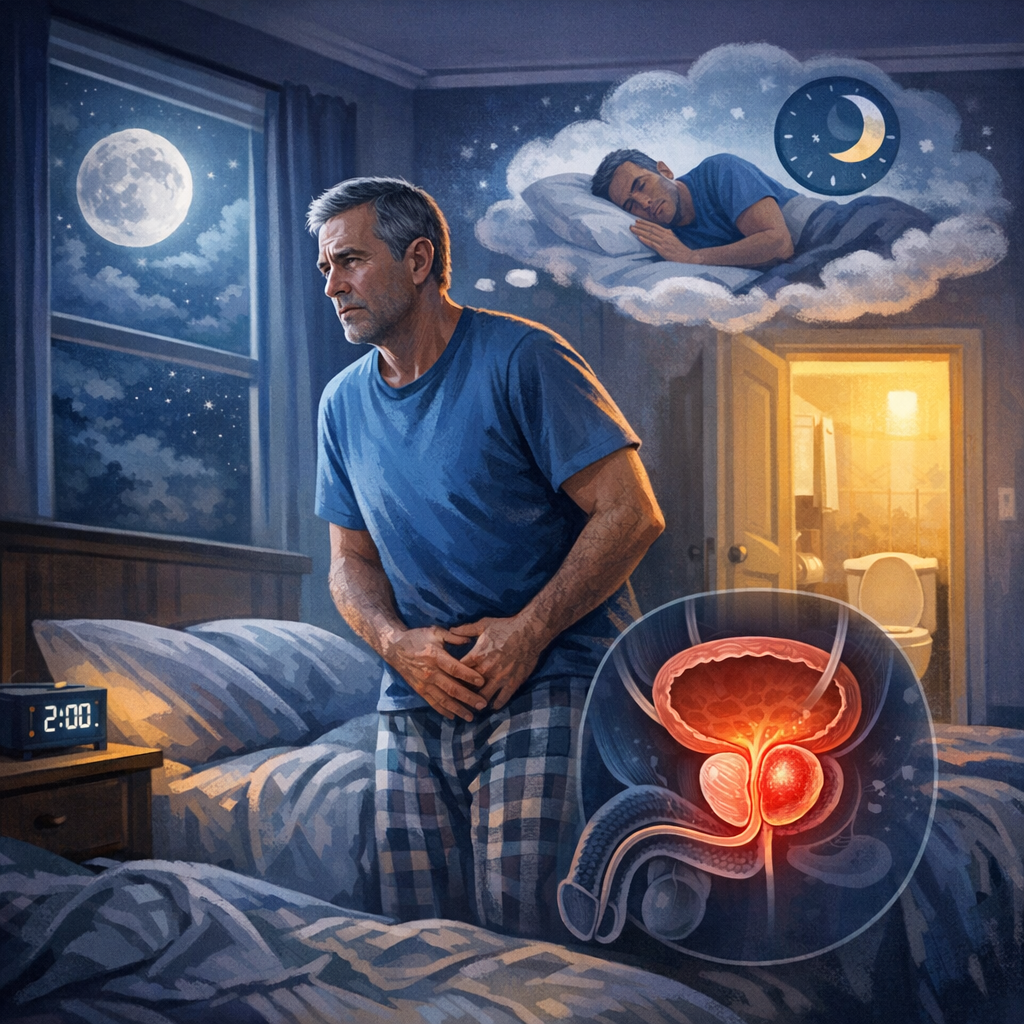
### Unraveling the Mystery: Understanding Unexplained Groin Pain in Men
Unexplained groin pain in men can be bewildering and unsettling. The groin region houses significant muscles, ligaments, nerves, and reproductive organs, any of which could be the source of discomfort. Traditionally, identifying the root cause of groin pain necessitated an in-person visit, imaging studies, and sometimes surgical exploration. Today, however, advancements in technology have broadened the opportunities for early assessment and management through remote health evaluations.
### The Surge of Telemedicine: A New Era for Health Assessments
In a 2020 report by Deloitte, the utilization of telemedicine witnessed exponential growth, with 68% of patients appreciating the convenience and quick access it provides. Dr. Emily Greene, a telemedicine expert, notes that digital health tools are crucial for bridging the gap between initial symptoms and professional healthcare consultations, particularly in areas where immediate medical services are scarce.
### What Constitutes Unexplained Groin Pain?
Unexplained groin pain in men refers to discomfort in the area between the abdomen and the upper thigh, where no obvious cause, such as a hernia or trauma, is found. This pain may range from constant to intermittent and can worsen with movement or prolonged standing. For example, John, a 35-year-old avid runner, experienced sharp pains while jogging, which he could not attribute to any particular incident.
### Potential Causes and Symptoms of Groin Pain
While the term “unexplained” suggests a diagnosis is yet to be made, several potential causes are considered:
– Muscle or tendon strains from activities like soccer or weightlifting
– Inguinal hernias that might not show a clear bulging
– Osteitis pubis, an inflammation of the pubic symphysis
– Nerve entrapment involving the ilioinguinal or genitofemoral nerves
– Hip joint issues such as labral tears
Symptoms could include localized tenderness, burning sensations, or pain radiating to nearby areas like the inner thigh, making self-assessment difficult.
### The Rise of Telemedicine in Men’s Health: A Paradigm Shift
Over the past decade, telemedicine has transformed from a niche service to a mainstream solution, enabling virtual consultations through video calls and digital tools. For men experiencing groin pain, discussing symptoms from home provides privacy and convenience. Dr. Michael Lee, a digital health advocate, mentions that telemedicine reduces barriers to care, offering timely triage and conservative care guidance without the need for clinic visits.
### Tools and Techniques in Remote Health Assessments
Remote health assessments utilize various digital tools:
– Symptom trackers: Patients log daily pain levels and triggers using apps.
– Guided self-examination: During video calls, providers guide patients to perform specific movements.
– Wearables: Devices like smart garments analyze gait and posture.
– Secure image uploads: Patients can send photos of affected areas for clinician review.
These methods enable providers to formulate a detailed symptom profile without needing in-person contact.
### The Benefits of Virtual Evaluations for Groin Pain
Virtual evaluations offer several advantages:
1. **Increased Accessibility**: Easier access to specialists for residents in remote areas.
2. **Convenience and Comfort**: Conduct consultations from home, reducing anxiety.
3. **Faster Triage**: Quickly identify cases needing urgent care.
4. **Cost Savings**: Reduce costs associated with frequent clinic visits.
5. **Continuity of Care**: Ensure ongoing follow-up through digital records and visits.
### Challenges and When to Opt for In-Person Care
Despite numerous advantages, telemedicine for groin pain has its limitations:
– Physical palpation and specific tests can’t be conducted virtually.
– Minor symptoms might be missed via camera.
– Red flags like severe pain, testicular masses, or fever require an in-person evaluation.
– Technological issues can impede the assessment.
### Tips for a Successful Remote Consultation
For a productive virtual visit, consider these practices:
1. **Prepare a Pain Diary**: Record details of your symptoms over several days.
2. **Wear Suitable Clothing**: Loose attire aids in demonstrations and examinations.
3. **Ensure Stable Internet and Lighting**: Set up a well-lit area with a reliable internet connection.
4. **Follow Clinician Instructions**: Have any recommended items on hand for self-examinations.
5. **Ask Questions**: Clarify next steps and address any concerns about your care plan.
### Conclusion: Embracing Modern Health Solutions
Unexplained groin pain in men can significantly impact quality of life, but remote assessments offer a user-friendly way to manage this issue. By leveraging technological tools like symptom trackers and guided self-exams, providers can deliver personalized care plans. While not a complete substitute for physical evaluations, telemedicine is a vital part of modern men’s health, empowering patients to seek care conveniently from their homes. If you’re experiencing groin pain, consider exploring your options with a virtual consultation, like those offered by eDrugStore.
### References
1. Deloitte. (2020). Telemedicine Advances.
2. Greene, E. (2021). Advantages of Telehealth.
3. Lee, M. (2022). The Digital Health Revolution.