When it comes to men’s health, few topics are as overlooked — yet as important — as prostate wellness. The prostate, a small gland about the size of a walnut, plays a critical role in reproductive and urinary function. But as men age, this gland is often affected by natural hormonal shifts, inflammation, and lifestyle factors that can lead to discomfort, disrupted sleep, or frequent bathroom trips.

The Hidden Impact of Prostate Changes

By age 50, nearly half of men experience some form of prostate enlargement, and that number climbs to 90% by age 80. While many men assume urinary frequency or poor flow are “just part of getting older,” these symptoms can be managed — and often prevented — with the right nutritional support and daily habits.

Factors that can impact prostate health include:

  • Low mineral intake, particularly zinc and selenium, which are essential for prostate function
  • Hormonal imbalance, such as excess DHT (a testosterone byproduct) that contributes to enlargement
  • Oxidative stress, which damages prostate cells over time
  • Poor circulation, limiting the delivery of nutrients and oxygen to the gland

The Role of Nutrition and Plant Sterols

Emerging research suggests that diet plays a major role in prostate wellness. Foods rich in antioxidants — such as pomegranate, tomatoes, and green tea — help combat cellular damage, while plant sterols have been shown to support healthy prostate size and comfort.
However, most diets don’t provide concentrated doses of these nutrients daily, which is where targeted supplements come into play.

Introducing ProstaJet by PeakBody

ProstaJet is a men’s health supplement formulated to address multiple aspects of prostate and urinary wellness. Rather than focusing on just one ingredient, it uses a comprehensive 15-ingredient blend that supports both comfort and long-term gland function.

Key highlights include:

  • Complete Prostate Support:
    ProstaJet features the BetaRexin™ Proprietary Sterol Blend (1,050mg) — a science-backed mix of plant sterols that helps maintain normal prostate size and function, supporting greater urinary comfort and confidence.
  • Enhanced Urinary Health:
    Its mineral complex combines zinc, selenium, and six additional trace elements that help reduce nighttime bathroom trips and improve overall rest quality.
  • Antioxidant & Cellular Protection:
    The Polyphenol Synergistic Blend (300mg) with grape seed, pomegranate, and quercetin provides powerful antioxidant defense, helping to protect prostate cells from oxidative stress over time.

Why Consistency Is Key

Prostate health is not a quick fix — it’s about daily support and cumulative benefits. Taking ProstaJet consistently helps maintain stable levels of its active nutrients in your system, creating a long-term foundation for wellness.

Most users report noticeable improvements in urinary flow and nighttime comfort within 2–3 weeks, with continued progress after the first month.
For best absorption, experts recommend taking the three-capsule serving once daily with a meal that contains healthy fats.

ProstaJet Daily – Prostate Health Support

Original price was: $29.00.Current price is: $14.50.

A Preventative Approach to Men’s Wellness

Just as cardiovascular health benefits from daily exercise and nutrition, prostate health thrives on preventive care. Maintaining balance before symptoms arise can help men avoid more significant issues down the line.

Simple lifestyle habits that complement ProstaJet include:

  • Staying hydrated
  • Limiting caffeine and alcohol
  • Exercising regularly
  • Incorporating foods rich in lycopene, zinc, and antioxidants
  • Getting regular checkups and PSA screenings

The Bottom Line

Prostate wellness isn’t just about aging — it’s about living fully and confidently. Whether you’re addressing mild urinary symptoms or simply taking a proactive stance on men’s health, a well-rounded supplement like ProstaJet by PeakBody can make a meaningful difference.

With its blend of plant sterols, minerals, and antioxidants, ProstaJet offers men a natural, science-driven way to support long-term prostate function and overall vitality.

Why Interoperability is the Backbone of Effective Telehealth

In today’s fast-paced healthcare landscape, telehealth has evolved from a convenient option to an essential part of delivering comprehensive care. However, without strong interoperability—the seamless and secure exchange of health information—telehealth platforms can become isolated, leading to data silos that hinder care coordination and reduce efficiency.

Interoperability ensures your telehealth platform communicates effectively with your hospital’s electronic health record (EHR) system in real time, delivering a unified view of patient data. According to the Office of the National Coordinator for Health IT, nearly 75% of hospitals exchanged health information outside of their organizations in 2021, a clear sign that data sharing is becoming not just standard—but essential.

What Is Healthcare Interoperability?

Healthcare interoperability refers to the ability of various health IT systems—like telehealth apps and EHRs—to securely access, exchange, and interpret patient data in a standardized format. Think of it as two systems speaking the same language, enabling instant, accurate communication.

For instance, during a virtual consult, if a clinician prescribes a new medication or updates allergy details, interoperability ensures that information automatically updates in the patient’s primary EHR. This not only prevents mistakes but also facilitates continuity of care.

Dr. Steven Lane of Sutter Health puts it best: “Without interoperability, clinicians make decisions based on outdated or incomplete information. That’s not just inefficient—it’s unsafe.”

Telehealth’s Rapid Growth—and Why Integration Matters Now

The COVID-19 pandemic spurred a dramatic increase in telehealth usage, with virtual visits rising 63-fold between 2019 and 2020. While this growth improved accessibility, it also revealed significant integration issues. Many healthcare providers implemented standalone video conferencing tools without linking them to clinical documentation systems.

The result? Fragmented records, missed billing opportunities, and overburdened staff juggling multiple platforms. For example, if a cardiologist recommends a medication change during a virtual consult but fails to document it in the central EHR, there’s a risk of miscommunication when the primary care doctor reviews the patient’s chart.

Five Key Benefits of EHR-Telehealth Integration

When your telehealth software seamlessly integrates with your hospital’s EHR system, the advantages are both immediate and long-term:

– Enhanced Patient Safety
Automatic data syncing reduces the likelihood of clinical errors. For example, up-to-date allergy information helps prevent prescribing mistakes during virtual care.

– Streamlined Clinician Workflows
Integration minimizes redundant data entry and reduces time spent toggling between multiple systems, boosting provider productivity.

– Improved Care Coordination
Fully integrated records ensure everyone on the care team views consistent, comprehensive patient histories—including telehealth encounters—promoting better collaboration.

– Accurate Billing and Regulatory Compliance
Unified data provides clean documentation trails for insurance claims and helps satisfy HIPAA and CMS requirements.

– Better Patient Experience
Patients benefit from smooth follow-ups, consistent messaging, and care continuity, regardless of the setting—virtual or in-person.

Pollack and Nguyen (2022) found that “Fully integrated EHRs with telemedicine modules reduce average documentation time by 27%, freeing clinicians for more meaningful patient engagement.”

Key Standards That Power Interoperable Systems

For systems to “speak the same language,” they must follow specific interoperability standards and protocols, such as:

– HL7 FHIR (Fast Healthcare Interoperability Resources):
The most widely adopted, web-based format for sharing EHR data effectively.

– DICOM (Digital Imaging and Communications in Medicine):
Commonly used for transmitting high-quality medical imaging.

– CDA (Clinical Document Architecture):
Provides a consistent structure for clinical documents like consult notes and discharge summaries.

– SAML and OAuth:
Verify user identities and regulate access to maintain data security and compliance.

Consider this analogy: if an online grocery app didn’t use the same address format as your delivery service, your order might never arrive. Likewise, health information won’t reach its destination if systems can’t interpret each other’s data correctly.

Overcoming Common Integration Roadblocks

While integration is crucial, it can come with challenges, such as:

– Legacy EHRs that don’t support modern APIs
– Data mismatches between various systems
– Security concerns tied to HIPAA compliance
– Limited IT teams or funding

How can healthcare providers overcome these barriers?

– Build a Cross-Functional Team
Include IT leaders, clinicians, compliance officers, and vendors from the start.

– Conduct Data Mapping Early
Align key patient data fields—such as diagnoses, visit notes, and demographic details—to prevent miscommunication.

– Use Middleware
Platforms like integration-platform-as-a-service (iPaaS) act as digital translators between systems, simplifying integration efforts.

Case Study: Virtual Management for Chronic Conditions

Imagine your hospital’s endocrinology department uses telehealth to monitor diabetes patients. With EHR and telehealth integration, the workflow could look like this:

– Patients upload glucose readings via a mobile app, which instantly updates their EHR.
– Dangerous spikes trigger immediate alerts to nurses or care managers.
– Any medication adjustments made during virtual consults are automatically reflected across both the EHR and mobile tools.

These real-time updates don’t just improve convenience—they can prevent emergency visits. Studies show that connected chronic care solutions can reduce hospitalization risks by up to 20% for diabetic patients.

Best Practices for Seamless Integration

To ensure success, follow these actionable integration strategies:

– Set Clear Objectives
Identify whether the goal is to reduce redundant documentation, improve health outcomes, or boost telehealth usage.

– Involve Stakeholders Early
Engage clinicians, IT staff, and leadership to ensure alignment from the project’s onset.

– Start Small
Pilot the integration in one department—like behavioral health—before scaling up hospital-wide.

– Monitor and Measure Performance
Use dashboards to track success metrics and gather practitioner feedback to guide ongoing improvements.

As health informatics consultant Dr. Jessica Adams notes, “You can’t improve what you don’t measure. Dashboards give you that visibility to keep moving forward.”

Interoperability as a Strategic Advantage

Looking to the future, hospitals that invest in EHR-telehealth integration position themselves ahead of the curve. Integrated systems allow you to:

– Deliver coordinated care across virtual and in-person visits
– Unlock AI-powered insights from a well-structured data pool
– Adapt quickly to new federal policies, such as evolving CMS telehealth rules
– Strengthen cybersecurity by standardizing and monitoring data flows

Embracing interoperability now lays the foundation for advancing toward value-based care, remote patient monitoring, and hospital-at-home models.

Final Thoughts: Integrate for a Healthier Future

Today’s patients expect seamless, connected digital care—whether it’s in-person or online. For your telehealth solution to deliver its full value, it must integrate flawlessly with your EHR system. That means embracing secure, standards-based data sharing and promoting collaboration across your entire organization.

By starting your integration journey with a clear strategy and a commitment to continuous refinement, you’ll transform fragmented virtual care into a unified experience that improves outcomes, boosts efficiency, and sets your hospital apart.

Ready to unlock the full potential of your telehealth platform? Start the conversation today and make your data work for everyone.

The 5G Patient: How Ultra-Fast Connectivity is Enabling Real-Time Remote Surgery Consultations

The Telemedicine Revolution Begins

Telemedicine has evolved significantly—from simple telephone appointments to high-definition video consultations. The latest breakthrough comes in the form of ultra-low latency 5G telehealth solutions, ushering in a transformative era in digital healthcare. According to the Federal Communications Commission (FCC), nearly 19 million Americans still lack access to broadband internet, with many living in rural communities that are medically underserved. However, the reliable, high-speed capabilities of 5G are bridging this gap, connecting these regions to previously inaccessible healthcare services.

“5G networks make it possible for surgeons to provide expert input as though they were physically present,” says Dr. Anjali Rao, a digital health specialist at Johns Hopkins. “This isn’t just a technological achievement—it’s a revolution in patient care.”

Through 5G-enabled live surgical consultations, patients in remote locations can now benefit from expert surgical input without the need to travel long distances. The ability to transfer large datasets in real time allows healthcare providers to securely share diagnostic imaging, coordinate emergency responses, and offer timely consultations with unprecedented precision.

Learn more about how enhanced digital access is empowering patients at edrugstore.com.

Breaking Down Barriers in Surgery with 5G

Precision in the operating room is vital, yet traditional video consultations over 4G or Wi-Fi have struggled with latency, video dropouts, and distorted imaging—challenges that can be detrimental during critical surgical procedures. Enter 5G-powered high-definition medical video streaming, which dramatically minimizes these concerns.

With latency as low as one millisecond—compared to an average of 50 milliseconds on 4G—5G provides near-instantaneous data exchange. Its peak speeds exceed 10 Gbps, allowing surgeons to access real-time imaging and augmented reality (AR) overlays without any delay.

During complex surgeries such as laparoscopic liver procedures, remote consultants can observe internal anatomical structures in sharp detail, offering guidance through AR-enhanced tools. By 2030, experts predict that more than 40 percent of surgeries will involve remote or augmented support, according to a Frost & Sullivan study.

Real-Time Remote Consultations Saving Lives

Consider a real-world scenario. A patient in a small hospital in North Dakota presents symptoms of acute hydrocephalus, a life-threatening condition caused by fluid buildup in the brain. With no neurosurgeon available onsite, the local medical team initiates a 5G-enabled connection with a top specialist based in Boston.

Within seconds, CT scans are transmitted over secure and encrypted 5G channels. The neurologist provides real-time guidance on placing an external ventricular drain, a critical intervention that could save the patient’s life.

To enhance precision, the in-hospital surgeon utilizes smart glasses equipped with AR that display step-by-step instructions and spatial cues directly onto the surgical area. What once would have taken hours with traditional referrals or airlifts now happens in under 20 minutes—making an immediate, life-saving difference.

Case Study: Robotic-Assisted Appendectomy

A 2023 pilot program in Singapore illustrated the future of remote surgery via a robotic-assisted appendectomy performed 30 miles from the patient. Using a haptic 5G robotic surgical system, the remote surgeon felt real-time tissue resistance, replicating the tactile feedback of being physically present.

The entire process was streamed in 4K resolution at 60 frames per second with less than 10 milliseconds of lag—a response time similar to actual human reflexes. This enabled the surgeon to perform delicate movements without hesitation.

“It felt like my hands were right there, even though I was miles away,” said Dr. Mark Tan, the project’s lead surgeon. “This is how we bring minimally invasive surgery to locations that were previously unreachable.”

This case proves that 5G-enhanced telesurgical robotics are not just theoretical—they are operational, scalable, and ready for widespread use.

Top Benefits of 5G-Powered Remote Surgical Consultations

The integration of 5G into remote surgery offers several significant benefits:

1. Expanded surgical access in underserved areas – Hospitals in rural or low-resource regions can now receive consultation and procedural support from top-tier specialists.

Example: A community hospital in Montana now hosts weekly pediatric surgical consultations with a team in Seattle, avoiding unnecessary patient transfers.

2. Faster emergency medical interventions – Immediate consultations enhance diagnosis and treatment in critical cases involving trauma, stroke, or cardiac complications.

3. Cost-effectiveness for healthcare systems – Reduced need for air transport, shortened hospital stays, and fewer unnecessary referrals result in lower overall costs.

4. Advanced surgical training opportunities – Medical students and residents can observe surgeries in real time through immersive AR or join procedures remotely for hands-on learning.

5. Improved disaster response capabilities – Mobile surgical units equipped with 5G can be deployed in areas affected by natural disasters or conflict, enabling rapid, expert care on the ground.

Explore more about how digital innovation is transforming medicine at edrugstore.com.

Challenges to Scaling 5G Tele-Surgery

While the future of 5G-assisted surgical care is promising, there are several hurdles to address:

Infrastructure development – Launching dense 5G networks, especially in rural areas, requires substantial investment. Public-private partnerships and government-backed incentives are vital to support infrastructure growth.

Data privacy and security – Ensuring HIPAA-compliant data transmission demands robust encryption, secure cloud storage, and device verification protocols.

Workforce training – Medical teams must undergo training and build confidence in using robotic systems and remote consultation platforms.

High initial costs – Equipping hospitals with AR headsets, robotic arms, and secure data management systems can exceed $1 million. However, shared-cost models and value-based care initiatives are making implementation more feasible over time.

According to Dr. Lisa Markus, Chair of Digital Surgery at the Cleveland Clinic, “Technology is ready—what we need now is policy support and workforce readiness to bring it to scale.”

Looking Ahead: The Future of Telesurgical Care

As 5G continues to evolve, the integration of edge computing, artificial intelligence, and emerging technologies like 6G will further transform healthcare delivery. Already, AI-powered diagnostic tools are being deployed at the network edge, enabling CT scan analyses within 30 seconds.

Additionally, mobile surgical centers are being retrofitted with satellite-supported 5G connectivity, enabling procedures in even the most isolated environments—whether a small Pacific island or a makeshift hospital in a disaster zone.

The concept of virtual surgical proctoring is also gaining momentum. A single experienced surgeon based in London can now oversee and advise on surgeries occurring simultaneously in Nairobi, Lima, and Dhaka.

Organizations like the World Health Organization and the National Institutes of Health are actively supporting these advancements, recognizing the potential to revolutionize global access to surgical care.

Conclusion: A Globally Connected Healthcare Ecosystem

The concept of the “5G patient” is no longer just a futuristic idea—it is becoming a reality. With dependable 5G surgical consultation platforms, proximity to major hospitals is no longer a requirement for receiving expert care.

Patients in Wyoming can now be treated by top brain surgeons in Boston. Emergency responders in the Amazon rainforest can access instant advice from trauma specialists in São Paulo.

By 2035, remote surgical technologies could reduce global mortality from treatable conditions by as much as 20 percent, according to the Lancet Commission on Global Surgery.

As 5G becomes integral to healthcare workflows, we are witnessing the rise of a digitally connected global healthcare ecosystem that ensures quality care is available to all—irrespective of geography.

Discover how cutting-edge connectivity is already transforming patient outcomes at edrugstore.com.

References

– FCC Broadband Deployment Report, 2021
– Qualcomm 5G Speed Comparison, 2023
– Frost & Sullivan, Digital Health Outlook 2022
– World Health Organization: Global Surgery 2030 Report
– Lancet Commission on Global Surgery, 2020
– Johns Hopkins University, Department of Digital Health
– National Institutes of Health: AI in Healthcare Applications
– edrugstore.com – Resource hub for connected health insights

For many men, discussions about prostate health don’t start until symptoms become impossible to ignore — frequent nighttime trips to the bathroom, weak urinary flow, or lingering discomfort that disrupts daily life. Yet, prostate issues are far more common than most realize, and prevention often starts long before symptoms appear.

The Overlooked Challenge of Aging

As men age, the prostate gland — a small, walnut-shaped organ responsible for producing seminal fluid — tends to enlarge. This natural change, known as benign prostatic hyperplasia (BPH), affects millions of men worldwide. While it’s not cancerous, it can cause frustrating urinary symptoms like:

  • Frequent urges to urinate, especially at night
  • Difficulty starting or maintaining urination
  • A feeling of incomplete bladder emptying
  • Interrupted sleep and reduced quality of life

These symptoms might seem minor at first, but over time they can affect confidence, energy, and even relationships. The key to long-term comfort and vitality lies in supporting prostate function early — before problems escalate.

A Smarter Approach to Prostate Support

That’s where targeted nutrition comes in. The prostate relies on essential minerals and plant compounds to maintain its health, yet modern diets often fall short in providing these nutrients consistently.

ProstaJet® by PeakBody was developed to fill that gap. This advanced formula combines minerals, sterols, and antioxidants that work together to promote normal prostate size and support healthy urinary function.

  • Complete Prostate Support: Features the BetaRexin™ Proprietary Sterol Blend (1,050mg) to help maintain optimal prostate structure and comfort.
  • Enhanced Urinary Health: Zinc, selenium, and trace minerals help reduce frequent urination — especially at night — so you can enjoy uninterrupted rest.
  • Cellular Protection: A Polyphenol Synergistic Blend (300mg) of grape seed, pomegranate, and quercetin provides antioxidant defense to protect prostate cells over time.

ProstaJet Daily – Prostate Health Support

Original price was: $29.00.Current price is: $14.50.

Small Steps, Big Impact

Prostate wellness isn’t just about supplements — it’s about adopting a proactive lifestyle. Regular exercise, maintaining a healthy weight, staying hydrated, and eating antioxidant-rich foods like tomatoes and berries all contribute to long-term prostate health. But when daily nutrition falls short, ProstaJet provides the comprehensive support your body needs to stay balanced and confident.

In the world of sexual wellness, confidence is everything. Whether you’re preparing for an intimate moment or winding down afterward, maintaining proper hygiene isn’t just about cleanliness — it’s about respect for yourself and your partner. Unfortunately, many people underestimate how easily sweat, bacteria, and residue can build up in sensitive areas, leading to discomfort, irritation, or even unpleasant odors that can ruin the mood.

The Hidden Problem with Everyday Hygiene

Traditional soaps, tissues, and even regular body wipes often fall short when it comes to intimate care. They may contain harsh ingredients, dry out the skin, or fail to fully remove bacteria in delicate areas. On top of that, intimacy doesn’t always happen at home — spontaneous moments can arise anywhere, leaving you without access to proper cleaning supplies.

That’s where being prepared makes all the difference.

The Simple Solution for Anytime, Anywhere Cleanliness

PeakBody® Before and After Wipes were designed to meet that need. Each wipe is individually wrapped for convenience, ensuring you can discreetly carry them wherever you go — whether you’re heading to a date, the gym, or traveling. Formulated for gentle cleansing, these wipes help keep your private areas fresh and ready for romance without irritation or strong scents.

Use them before intimacy for a clean, confident start — and after to remove any sweat or residue, leaving you comfortable and refreshed. It’s a small habit that makes a major difference in how you feel.

Peakbody Before and After Wipes 50 pack

Original price was: $19.00.Current price is: $16.15.

Why It Matters

Good intimate hygiene doesn’t just protect you from infections or discomfort — it also strengthens trust and connection in relationships. Knowing you’re clean helps eliminate self-consciousness, allowing you to focus on pleasure and emotional connection instead of worry.

And because PeakBody wipes are compact and individually sealed, they’re the perfect solution for modern lifestyles that value both spontaneity and hygiene.

The Modern Struggle with Intimacy

In today’s fast-paced world, maintaining a vibrant sex life often takes a backseat to demanding careers, family responsibilities, and the constant pull of digital distractions. A 2024 Kinsey Institute survey revealed that over 60% of long-term couples experience a decline in sexual satisfaction, with stress, mismatched schedules, and lack of novelty cited as major barriers. This erosion of intimacy can strain emotional connections, leaving partners feeling isolated or unfulfilled.

A Simple Solution for Rekindling Connection

Rekindling passion doesn’t require extravagant efforts or time-intensive getaways. Research from the Journal of Sex Research shows that couples who prioritize mutual pleasure and open communication see up to a 40% boost in relationship satisfaction. Innovative tools designed for shared exploration can bridge the gap between routine and romance, offering a low-pressure way to reignite that spark.

Introducing the Daisy Duo Sex Toy

The Daisy Duo Sex Toy Remote Control, crafted by Made for eDrugstore, is a game-changer for couples seeking to enhance their intimate moments. Priced at an accessible $29 per dose, this couples’ G-spot enhancer uses patented pressure technology to deliver immediate, noticeable results from the first use. Its compact, discreet design makes it perfect for seamless integration into your routine, whether at home or on a quiet getaway.

Comfort and Control for Shared Pleasure

Crafted from medical-grade silicone, the Daisy Duo ensures maximum comfort for sessions up to 20 minutes, allowing couples to explore without discomfort. The remote control feature adds an element of playful interaction—handing over control fosters anticipation and trust, turning intimate moments into a shared adventure. Its quiet operation ensures complete privacy, so you can focus on connection without worry.

Why It Works for Couples

The Daisy Duo isn’t just about physical enhancement; it’s about fostering emotional closeness. Couples using similar tools report stronger bonds, with post-play conversations flowing more naturally. The device’s focus on G-spot stimulation encourages mutual exploration, making it a versatile addition to any couple’s toolkit. Pair it with open dialogue or a quick couples’ exercise to amplify its impact.

A Step Toward Stronger Bonds

In 2025, with hybrid work blurring life’s boundaries and global uncertainties adding stress, prioritizing intimacy is more than self-care—it’s a relationship lifeline. The Daisy Duo Sex Toy isn’t a cure-all, but it’s a practical, innovative step toward rediscovering joy and vulnerability together. Ready to revive your connection? One click of the Daisy Duo’s remote could spark your next chapter of closeness.

You eat your vegetables. You take your vitamins. You might even splurge on organic groceries. Yet despite your best efforts, there’s a good chance your body is quietly starving for something essential: trace minerals.

Recent research suggests that approximately 90% of Americans are deficient in one or more vital minerals—a staggering statistic that reveals a fundamental problem with our modern food system and lifestyle. But before you resign yourself to popping more pills or overhauling your entire diet, it’s worth understanding what’s really happening and why the solution might be simpler than you think.

The Invisible Crisis in Our Soil

The mineral deficiency epidemic didn’t happen overnight. Decades of intensive farming practices have systematically depleted our soil of essential nutrients. A landmark study comparing the nutritional content of crops from 1950 to 1999 found significant declines in protein, calcium, phosphorus, iron, and other minerals across 43 different fruits and vegetables.

What this means is sobering: even if you’re eating a balanced diet rich in whole foods, you’re likely getting far fewer minerals than your grandparents did from the exact same foods.

Beyond agriculture, our modern water filtration systems—while excellent at removing contaminants—also strip away beneficial minerals that humans historically obtained from natural water sources. Add to this our increasing reliance on processed foods, and you have a perfect storm for widespread mineral deficiency.

Why Trace Minerals Matter More Than You Think

Unlike vitamins, which often get top billing in health conversations, minerals tend to fly under the radar. But these micronutrients are involved in virtually every biological process in your body.

Magnesium alone participates in over 300 enzymatic reactions. Zinc is critical for immune function and wound healing. Selenium supports thyroid health. Chromium helps regulate blood sugar. And that’s just scratching the surface—your body requires dozens of trace minerals working in concert to maintain optimal health.

When these minerals are in short supply, the effects cascade throughout your system. You might experience:

  • Persistent fatigue that no amount of sleep seems to fix
  • Brain fog and difficulty concentrating
  • Weakened immune response
  • Muscle cramps or weakness
  • Mood imbalances
  • Suboptimal metabolism

Peakbody Trace Mineral Drops Daily

Original price was: $24.00.Current price is: $12.00.

The insidious thing about mineral deficiency is that it rarely announces itself with dramatic symptoms. Instead, you might just feel… off. Not sick enough to warrant a doctor’s visit, but not thriving either.

The Supplementation Dilemma

Recognizing the deficiency is one thing; addressing it effectively is another challenge entirely.

Traditional mineral supplements often contain only a handful of the most well-known minerals in isolated forms. While better than nothing, this approach misses the complexity of how minerals work in nature—in precise ratios and combinations that your body recognizes and absorbs efficiently.

Pills and capsules also require your digestive system to break them down, which can be problematic if your gut health is already compromised (a common issue when you’re mineral deficient). And let’s be honest: adding yet another handful of supplements to your morning routine isn’t exactly convenient or sustainable.

A More Natural Approach

This is where liquid mineral supplementation enters the picture—and why products like Peakbody Trace Mineral Drops have gained traction among health-conscious consumers looking for practical solutions.

The concept is elegantly simple: concentrated ionic minerals in liquid form that you add to your drinking water. This delivery method offers several advantages. The minerals are already in ionic form, meaning they’re ready for your body to absorb without extensive digestive processing. You can customize the dosage easily. And perhaps most importantly, you’re restoring minerals to water—essentially recreating what nature intended before modern filtration stripped them away.

The low-sodium formulation is particularly noteworthy, as many mineral solutions can be unpleasantly salty or interfere with blood pressure management.

Beyond Supplementation: A Holistic Strategy

Of course, no supplement—liquid or otherwise—should be viewed as a magic bullet. The most effective approach to addressing mineral deficiency combines multiple strategies:

Improve your soil connection: When possible, source produce from farms practicing regenerative agriculture, which actively rebuilds soil mineral content. Farmers markets are often a good starting point for finding these growers.

Diversify your diet: Different foods concentrate different minerals. Sea vegetables, for instance, are mineral powerhouses. Nuts, seeds, legumes, and shellfish also tend to be mineral-rich.

Optimize absorption: Minerals compete with each other and with other dietary components for absorption. For example, phytates in grains can bind minerals, while vitamin D enhances calcium absorption. Understanding these interactions helps you time your meals and supplements strategically.

Address gut health: Even with adequate mineral intake, poor gut health can prevent proper absorption. Supporting your microbiome through fermented foods, prebiotics, and probiotics creates the foundation for nutrient utilization.

Consider water quality: If you drink reverse osmosis or distilled water exclusively, you’ve removed both contaminants and beneficial minerals. Remineralizing your water—whether through commercial products, adding a pinch of sea salt, or using mineral drops—can make a meaningful difference.

The Bottom Line

The mineral deficiency epidemic is real, widespread, and consequential for long-term health. But unlike many modern health challenges, this one has relatively straightforward solutions that don’t require dramatic lifestyle overhauls or expensive interventions.

Whether you choose liquid mineral drops like those from PeakBody, focus on soil-rich foods, or employ a combination of approaches, the key is recognizing that mineral status deserves as much attention as any other aspect of your nutrition.

Your body’s roughly 60 trillion cells are conducting an intricate symphony of chemical reactions every second. Give them the minerals they need to perform, and you might be surprised at how much better you feel—sharper thinking, steadier energy, more resilient immunity, and that elusive sense of vitality that seems increasingly rare in our modern world.

Sometimes the most profound health improvements come not from adding something exotic or complex, but from restoring something fundamental that was quietly missing all along.

Why Female Pleasure Deserves the Spotlight

For decades, conversations around sexual health often centered on reproduction, fertility, and prevention. While these topics are important, they left out one essential part of the discussion: pleasure. Today, women are rewriting the narrative, embracing sexual wellness as a vital part of self-care, confidence, and relationships.

Pleasure isn’t just about indulgence — it’s linked to mental health, reduced stress, improved sleep, and even stronger immune function. Despite these benefits, many women still face barriers to exploring their sexual health openly, ranging from social stigma to lack of information.


The Shift Toward Sexual Wellness Products

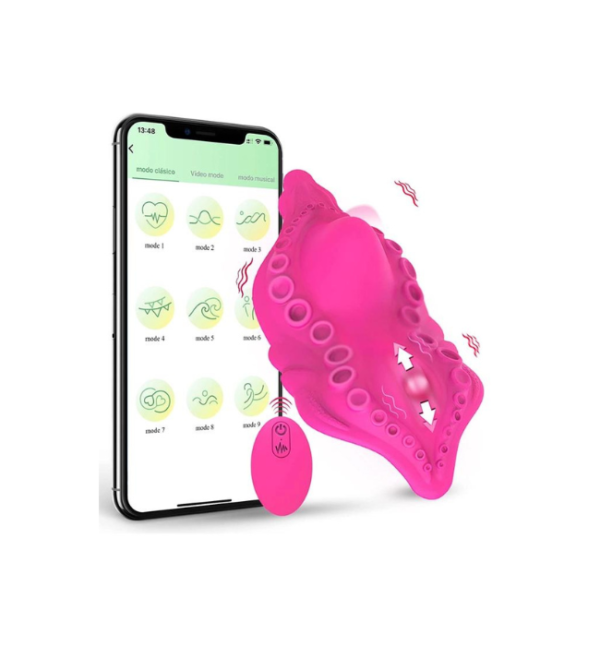
As the conversation broadens, more women are seeking tools that empower them to embrace their sexuality comfortably and discreetly. From lubricants and massage oils to advanced vibrators, sexual wellness products are becoming mainstream. Among the most innovative in recent years are wearable vibrators — discreet, remote-controlled devices that combine convenience with powerful stimulation.


Wearable Vibrators: Discretion Meets Desire

Unlike traditional vibrators, wearable options are designed for on-the-go pleasure. They can be worn under clothing, controlled via remote, and tailored to different intensities. This allows women to integrate self-pleasure into daily life without the need for privacy or bulky devices.

Key advantages include:

  • Discreet design — slim and lightweight, made to fit comfortably.
  • Hands-free experience — no cords or manual adjustments required.
  • Remote control capability — solo or partner play from across the room.
  • Confidence boost — knowing you’re in control of your own pleasure anytime.

Octopuss Tickler Reusable

Original price was: $39.00.Current price is: $33.15.

Introducing the Octopuss Tickler Reusable by eDrugstore

Among the latest innovations in this space is the Octopuss Tickler Reusable, also known as the Octopussy Women’s Vibrator. This product combines comfort, technology, and playful design to create an experience that’s both intimate and empowering.

  • Clitoral-Focused Stimulation: Specifically designed to target sensitive areas for maximum pleasure.
  • Wearable Panty Design: Slip it on beneath your clothing and enjoy stimulation wherever you go.
  • Remote Control: Perfect for solo use or for spicing things up with a partner.
  • Reusable & Durable: Eco-friendly design allows for repeated enjoyment without the need for constant replacements.
  • Discreet Power: Powerful vibrations in a compact device, providing pleasure without drawing attention.

Why Products Like the Octopuss Tickler Matter

Sexual wellness is not just about intimacy with a partner; it’s also about self-discovery and empowerment. Tools like the Octopuss Tickler help women:

  • Explore their bodies in new ways.
  • Build confidence in their own pleasure responses.
  • Share experiences with partners, enhancing communication and trust.
  • Break free from outdated stigmas about female sexuality.

For many women, owning and using a vibrator is not just about physical release — it’s about claiming ownership of their pleasure and wellbeing.


The Link Between Sexual Wellness and Overall Health

Studies show that regular sexual activity — whether alone or with a partner — offers measurable health benefits:

  • Stress Relief: Orgasms release oxytocin, lowering cortisol levels.
  • Improved Sleep: Dopamine and endorphins promote relaxation.
  • Pelvic Floor Health: Stimulation increases blood flow and strengthens muscles.
  • Boosted Mood: Pleasure can help regulate emotional balance and self-esteem.

By integrating products like the Octopuss Tickler into wellness routines, women are not just enhancing intimacy; they’re actively supporting mental and physical health.


Destigmatizing Pleasure

One of the biggest barriers to sexual wellness remains stigma. Too often, women feel guilt or embarrassment about owning vibrators. Yet the reality is that these products are tools — just like yoga mats, supplements, or skincare products — designed to support wellbeing.

The more openly society talks about sexual health, the more women can embrace products like the Octopuss Tickler without shame, knowing they’re making a choice that prioritizes both pleasure and health.


Final Thoughts: Confidence Through Pleasure

Women’s sexual wellness is more than a trend — it’s a movement toward balance, empowerment, and self-love. The Octopuss Tickler Reusable by eDrugstore represents this shift, offering women a discreet, powerful, and fun way to connect with themselves and their partners.

From reducing stress to enhancing intimacy, wearable vibrators are proving that pleasure is an essential part of wellness — and it’s here to stay.

The Overlooked Power of Breath

Breathing is something most of us don’t think about until it becomes difficult. Yet our lungs are central to nearly every aspect of health — fueling the body with oxygen, filtering out toxins, and supporting energy levels throughout the day.

When lung capacity is reduced, whether from lack of exercise, smoking, or age-related decline, the effects ripple across the body. Fatigue, poor sleep, and reduced endurance during workouts are just a few of the common struggles.


Common Challenges to Lung Health

1. Smoking and Respiratory Irritation

Even light smoking can reduce lung elasticity, making breathing less efficient. Over time, this can lead to shortness of breath during daily activities and exercise.

2. Sedentary Lifestyle

Modern lifestyles often mean long hours at desks and limited physical movement. Without regular activity, lung capacity may decline, making even simple activities feel tiring.

3. Sports and Performance Plateaus

Athletes and fitness enthusiasts may hit a wall when their breathing can’t keep up with their training intensity. Without strong lungs, endurance and recovery suffer.

4. Sleep and Breathing

Poor breathing habits can also disrupt sleep, leaving people groggy, unrefreshed, and low on energy.


The Link Between Breathing and Performance

Every cell in the body relies on oxygen. Efficient breathing delivers more oxygen to muscles, brain tissue, and vital organs — leading to sharper focus, more stamina, and better recovery after physical activity.

Improving lung capacity doesn’t just benefit athletes. It helps everyday people:

  • Walk longer distances without fatigue
  • Sleep more soundly
  • Feel more energetic at work or school
  • Reduce the stress load on the heart

Training the Lungs Like a Muscle

Just like any muscle group, the lungs and diaphragm can be trained. Breathing exercises are a proven way to:

  • Strengthen respiratory muscles
  • Expand lung capacity
  • Improve oxygen exchange efficiency
  • Build endurance over time

Simple techniques, such as deep belly breathing, paced breathing, or using resistance devices, can help people improve tolerance to physical exertion and manage breathlessness.


A Natural Tool for Building Lung Strength

This is where devices like the Endurance Trainer by PeakBody come in. Designed as a sturdy breathing exerciser, it provides gentle resistance when inhaling and exhaling, essentially “training” the lungs to work harder.

By practicing with the Endurance Trainer regularly, users may experience:

  • Increased exercise tolerance — run, lift, or play sports with less fatigue.
  • Gradual performance improvement — build stamina step by step.
  • Support for those who smoke or are rebuilding lung health — regain control of breathing.
  • Better sleep and relaxation — improved lung function often translates to more restful nights.

Unlike medication or invasive treatments, it’s a natural, hands-on way to strengthen one of the body’s most essential systems.


Lifestyle Habits for Stronger Lungs

Beyond tools like the Endurance Trainer, several lifestyle choices can maximize respiratory health:

  • Stay Active: Aerobic exercise like walking, swimming, or cycling naturally improves lung efficiency.
  • Eat for Lung Health: Antioxidant-rich foods (berries, leafy greens) help reduce inflammation.
  • Practice Posture: Slouching compresses the lungs, while standing tall supports better breathing.
  • Limit Exposure to Irritants: Avoiding smoke, pollutants, and chemical fumes protects long-term capacity.
  • Mindful Breathing: Meditation and yoga breathing exercises improve oxygen exchange and reduce stress.

The Bigger Picture: Breathing as the Foundation of Wellness

From energy and endurance to sleep and stress management, lung health is often the missing link in wellness. While most people focus on diet and exercise, few consider how much their breath influences performance and daily vitality.

Adding structured breathing exercises into a routine can unlock hidden potential — whether it’s an athlete shaving seconds off their sprint, or someone simply wanting to climb stairs without feeling winded.


Final Thoughts

Breathing better means living better. Strengthening lung capacity doesn’t just improve athletic performance; it enhances sleep, energy, and resilience in everyday life.

For those looking for extra support, the PeakBody Endurance Trainer offers a simple, effective way to take control of respiratory health. Combined with smart lifestyle habits, it can help anyone — from athletes to everyday individuals — experience the benefits of stronger, more efficient breathing.

Why Hormonal Health is Central to Women’s Wellness

For women, hormones are the silent drivers behind everything from energy and mood to skin clarity and long-term reproductive health. When estrogen, progesterone, and testosterone are in harmony, the body tends to function smoothly. But when these levels swing out of balance, the effects can show up in disruptive ways — monthly discomfort, unexpected skin issues, fatigue, or even mood swings that feel impossible to control.

As women move through different life stages — puberty, menstruation, pregnancy, perimenopause, and menopause — their hormone patterns shift dramatically. Supporting these natural changes can make the difference between simply coping and truly thriving.


Common Women’s Health Concerns Linked to Hormonal Imbalance

1. PMS and Monthly Discomfort

Premenstrual Syndrome (PMS) affects nearly 75% of women at some point in their lives. Symptoms like bloating, irritability, breast tenderness, and cramps can be triggered by fluctuations in estrogen and progesterone. For some, these changes may also bring about mood dips or increased anxiety before a cycle begins.

2. Menopause and Perimenopause

The transition into menopause is marked by a natural decline in estrogen. Hot flashes, night sweats, disrupted sleep, and mood swings are common experiences during this stage. For many women, the physical symptoms can also influence confidence, productivity, and overall quality of life.

3. Skin and Complexion

Hormones can affect the skin at any age. Estrogen fluctuations may lead to breakouts in younger women or dryness and dullness in women approaching menopause. Hormonal acne, in particular, is often tied to how the body metabolizes estrogen.

4. Mood and Energy Levels

Estrogen has a direct influence on neurotransmitters like serotonin and dopamine. When levels are balanced, women often feel energized and emotionally stable. But when estrogen metabolism is skewed, the result can be fatigue, brain fog, or irritability.


The Role of Estrogen Metabolism

Not all estrogen acts the same way in the body. Some forms, when broken down, are considered “protective,” supporting mood, energy, and cellular health. Other forms are considered “harmful” when they accumulate, as they can worsen PMS, menopause symptoms, and skin concerns.

Supporting the body in breaking down estrogen into its beneficial metabolites is key to maintaining balance — and this is where nutrition and supplementation come in.


DIM: A Natural Compound for Hormonal Balance

Diindolylmethane (DIM) is a compound that naturally occurs when the body digests cruciferous vegetables such as broccoli, cauliflower, kale, and Brussels sprouts. DIM has been studied for its unique ability to influence how the body metabolizes estrogen.

By encouraging the production of “good” estrogen metabolites and reducing the dominance of harmful ones, DIM helps:

  • Support stable moods
  • Ease PMS and menopause discomfort
  • Improve skin clarity
  • Promote long-term hormonal health

Eating large amounts of cruciferous vegetables daily can provide DIM, but reaching the levels studied for hormonal support is difficult through diet alone. This is why many women turn to supplements like PeakBody DIM200.


Lifestyle Habits That Support Hormonal Balance

While supplements like DIM200 can play a role, overall lifestyle also matters when addressing women’s health concerns. A holistic approach combines several strategies:

  • Nutrition: Balanced meals rich in fiber, lean proteins, healthy fats, and cruciferous vegetables help regulate hormones.
  • Movement: Regular exercise promotes circulation, reduces stress, and supports hormonal balance.
  • Stress Management: High stress elevates cortisol, which can throw off estrogen and progesterone. Practices like yoga, meditation, or breathwork can help.
  • Sleep: Adequate rest allows the body to repair and regulate hormones naturally.
  • Hydration: Staying hydrated supports metabolism and cellular function, both crucial for hormone health.

Where PeakBody DIM200 Fits In

For women who want to go beyond lifestyle adjustments, PeakBody DIM200 provides a simple, concentrated way to support estrogen metabolism. Each capsule contains 200mg of DIM — a clinical-strength dosage designed to produce real results.

How DIM200 can help women:

  • During PMS: Reduces bloating, mood swings, and skin breakouts tied to estrogen fluctuations.
  • During Menopause: Helps ease hot flashes, mood shifts, and night sweats by supporting a smoother transition.
  • For Skin: Balances estrogen to reduce hormonal acne and encourage clearer skin.
  • For Energy & Mood: Supports healthy neurotransmitter function for improved focus and mental clarity.

DIM200 Daily – Hormone Balance Support for Women & Men

Original price was: $29.00.Current price is: $14.50.

A Note for Men Too

Although the focus here is women’s health, DIM isn’t just for women. Men also benefit from maintaining an optimal testosterone-to-estrogen ratio. For men, DIM200 may support energy, muscle tone, and long-term prostate health.


Real-World Benefits: What Women Notice Most

Women who consistently use DIM200 as part of their wellness routine often report:

  • Fewer PMS symptoms month to month
  • Reduced frequency or severity of hot flashes
  • Smoother skin with fewer breakouts
  • More consistent energy throughout the day
  • Improved mood stability

These outcomes stem from DIM’s natural ability to shift estrogen metabolism in the right direction, promoting balance rather than masking symptoms.


Taking Charge of Your Hormonal Health

Women’s health is complex, but the key to feeling better often comes down to balance. While medications and hormone replacement therapies exist, many women seek natural approaches to support their body’s rhythms.

PeakBody DIM200 represents one such option — a supplement designed to amplify what nature already provides. By combining lifestyle adjustments with targeted support, women can take meaningful steps toward improved comfort, energy, and vitality.


Final Thoughts

Hormonal health affects everything from mood to skin to long-term wellness. Concerns like PMS, menopause discomfort, and hormonal acne are common, but they don’t have to be overwhelming. With natural support, it’s possible to restore balance and thrive through every stage of life.

Whether you’re looking to ease monthly discomfort, smooth the transition into menopause, or simply maintain a healthy sense of vitality, DIM200 by PeakBody offers a trusted, plant-based way forward.