How Blockchain Is Changing the Way We Protect Health Data
In today’s digital world, protecting personal health information is more important than ever. Between 2020 and 2023, over 80 million medical records were exposed in U.S. data breaches (HIPAA Journal, 2023). Fortunately, new technology is giving patients more control and better protection.
A tool called blockchain could revolutionize how our health records are stored and shared. Using **blockchain for health data security**, your medical history can be stored in a way that is private, trustworthy, and practically impossible to tamper with.
What Is Blockchain and Why Is It Important?
To understand how blockchain helps, let’s break it down.
Blockchain is a **decentralized digital ledger**. It records transactions—like updates to your health data—in “blocks” that are connected in a chain. Each block contains information, a time stamp, and a link to the previous block. Once information is added, it cannot be altered without changing every block that follows it. That would require control over thousands of computers, which is nearly impossible.
“Blockchain ensures data integrity like nothing before it,” says Dr. Lucia Park, a cybersecurity expert at Stanford Health Tech.
Unlike traditional databases that are stored in a single server, blockchain data is shared across many computers (called nodes) around the world. This makes it extremely secure and resilient.
The Weak Points in Today’s Health Record Systems
Before exploring how blockchain can help, it’s useful to understand where today’s health data systems fall short.
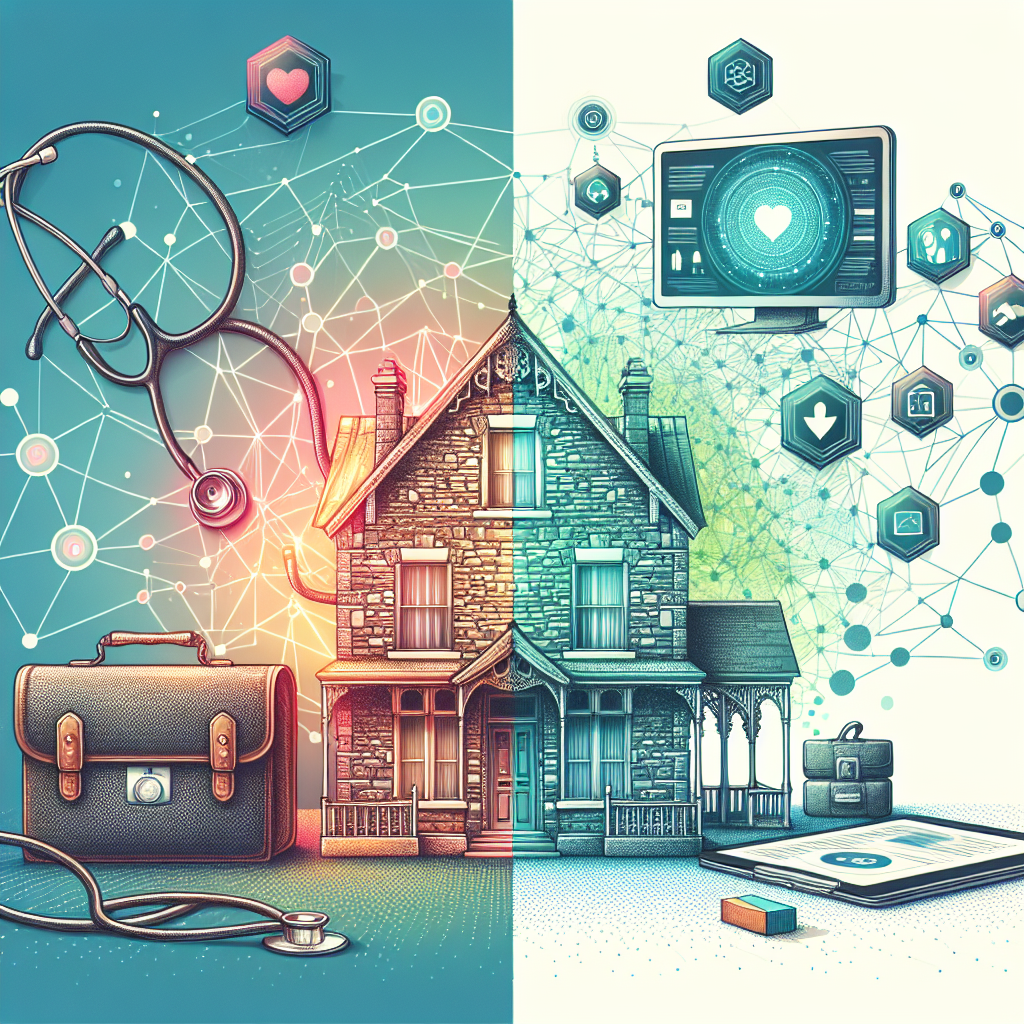
Most hospitals rely on **centralized electronic health record (EHR) systems**. While convenient, these systems come with serious risks:
– Single Points of Failure: If a hospital’s main server crashes or is hacked, your medical records could be exposed or lost.
– Data Silos: Different health providers often use separate systems. This can cause delays, repeated tests, and unreliable communication.
– Limited Patient Control: Most patients don’t know who has access to their records or how their information is being used.
“Patients often lack control and transparency over how their data is accessed,” notes Dr. Henry Zhao, Chief Innovation Officer at Meditech Global.
How Blockchain Keeps Medical Records Secure
Here’s how **blockchain protects medical data** better than traditional systems:
1. Decentralization
Instead of storing your data in a single place, it’s copied across a network of computers. If one location is breached or fails, the others still keep the data intact.
For example, if a hacker targets one hospital’s system, they can’t alter your health records unless they hack all the other systems holding copies. Since the data doesn’t match, fake changes won’t be accepted.
2. Immutability
Each change to your record is time-stamped and permanently recorded. This makes changes traceable and prevents anyone from secretly altering your information.
3. Encryption and Private Keys
Your health data is protected with special encryption. Only people with the right digital key—like a secure personal code—can read or access your records. You decide how long someone can access your data and when to remove their access.
Interested in protecting your health info? Visit edrugstore.com to explore user-friendly privacy tools.
4. Smart Contracts
Smart contracts are automatic agreements saved on the blockchain. For instance, you can set a rule allowing your heart specialist to read your EKG results for 30 days—without filling out any more paperwork.
Why Blockchain Benefits Patients Like You
Here’s how **blockchain improves patient data control** and your healthcare experience:
More Privacy and Power
With blockchain, you manage access to your data. Every time someone reviews your records, it’s securely logged and visible to you.
Better Communication Between Doctors
All your healthcare providers can access the same updated record. This is especially helpful if your general doctor, specialist, and lab are working together.
Quick Emergency Access
In an emergency, a doctor can quickly and securely find vital information like your allergies or current medications—even if you are unconscious.
For example, if you’re in a car crash and rushed to the hospital, doctors can immediately learn your blood type and current medications. This information could save your life.
Permanent, Reliable Records
Your medical history stays safe, even if your doctor retires or a hospital changes its system. You won’t lose important health data again.
How Blockchain Is Already Being Used in Healthcare
Here are some real-life examples of how **real-world blockchain in healthcare** is already improving patient outcomes:
Estonia’s National Health Database
Estonia uses blockchain to manage health data for all its citizens. Patients use a digital ID system to check their records. Every time someone accesses or changes those records, it’s securely logged. Unauthorized access has been nearly eliminated in the country (e-Estonia, 2023).
MediLedger Boosts Drug Safety
While it’s mainly used to track drugs through the supply chain, **MediLedger’s blockchain system** can also be adapted to track medical records securely using similar technology (MediLedger, 2023).
Medicalchain for Virtual Doctor Visits
Medicalchain is a telemedicine service using blockchain to store accurate, tamper-proof consultation records. Patients communicate with doctors online with complete confidence that their sessions are secure (Medicalchain, 2024).
Challenges to Full Adoption of Blockchain
Blockchain is powerful, but bringing it to every hospital and clinic isn’t easy. Here’s why progress takes time:
Privacy Laws and Regulations
In places like the U.S. and Europe, strict laws control how personal health data is used. Blockchain systems must follow these rules, including HIPAA and GDPR standards.
Different Systems, One Goal
Hospitals and healthcare providers use many different data formats. For blockchain to work everywhere, systems need to be able to connect and share information. Progress is being made, but it’s a big task.
Scalability and Expenses
Blockchain stores data across many computers. While this improves security, it also increases costs and power use. Some experts are working on hybrid models—mixing public and private blockchain technologies—to improve performance and reduce expenses.
“Blockchain won’t replace current EHRs overnight, but it will make them better,” says Sandra Patel, lead architect at HealthIT Now.
What You Can Do Right Now
Even though blockchain may not be at your local hospital just yet, you can still prepare for the future:
Learn More
Follow updates through trusted sources like Health Affairs Journal and the HIMSS healthcare technology conference. These platforms highlight the latest blockchain trials and tools.
Talk to Your Healthcare Provider
Next time you visit your doctor, ask if they are involved in any **blockchain health pilot programs**. Just raising the topic can help speed up adoption at your clinic.
Protect Your Digital Profile
Use strong passwords, two-factor authentication, and avoid oversharing personal health information online. Even without blockchain, these steps can protect you now.
The Future of Your Health Data Is in Your Hands
Blockchain isn’t just about new technology—it’s about giving you more control, more privacy, and better health care. With **blockchain empowering patients with secure healthcare data**, you gain the ability to see who accesses your records, ensure that your data isn’t changed without your permission, and rely on complete, long-lasting records.
Already, places like Estonia and platforms like Medicalchain are showing that blockchain in healthcare works. As a patient, you have the opportunity to support this positive change. Stay informed, ask your doctors about it, and make sure your digital life is protected.
Healthcare is evolving—and you’re part of the transformation.
References
– HIPAA Journal. (2023). Healthcare Data Breach Statistics. https://www.hipaajournal.com/healthcare-data-breach-statistics/
– e-Estonia. (2023). How Estonia Leads the World in Digital Governance. https://e-estonia.com/solutions/healthcare/
– Medicalchain. (2024). Revolutionizing Health Data Storage. https://medicalchain.com
– MediLedger. (2023). Ensuring Safety in the Pharma Supply Chain. https://mediledger.com/
– HealthIT Now. (2023). Interview with Sandra Patel, Blockchain Architect. https://healthitnow.org/interviews/
Need secure prescription support? Visit edrugstore.com for tools that protect your health information while delivering safe, reliable service.