

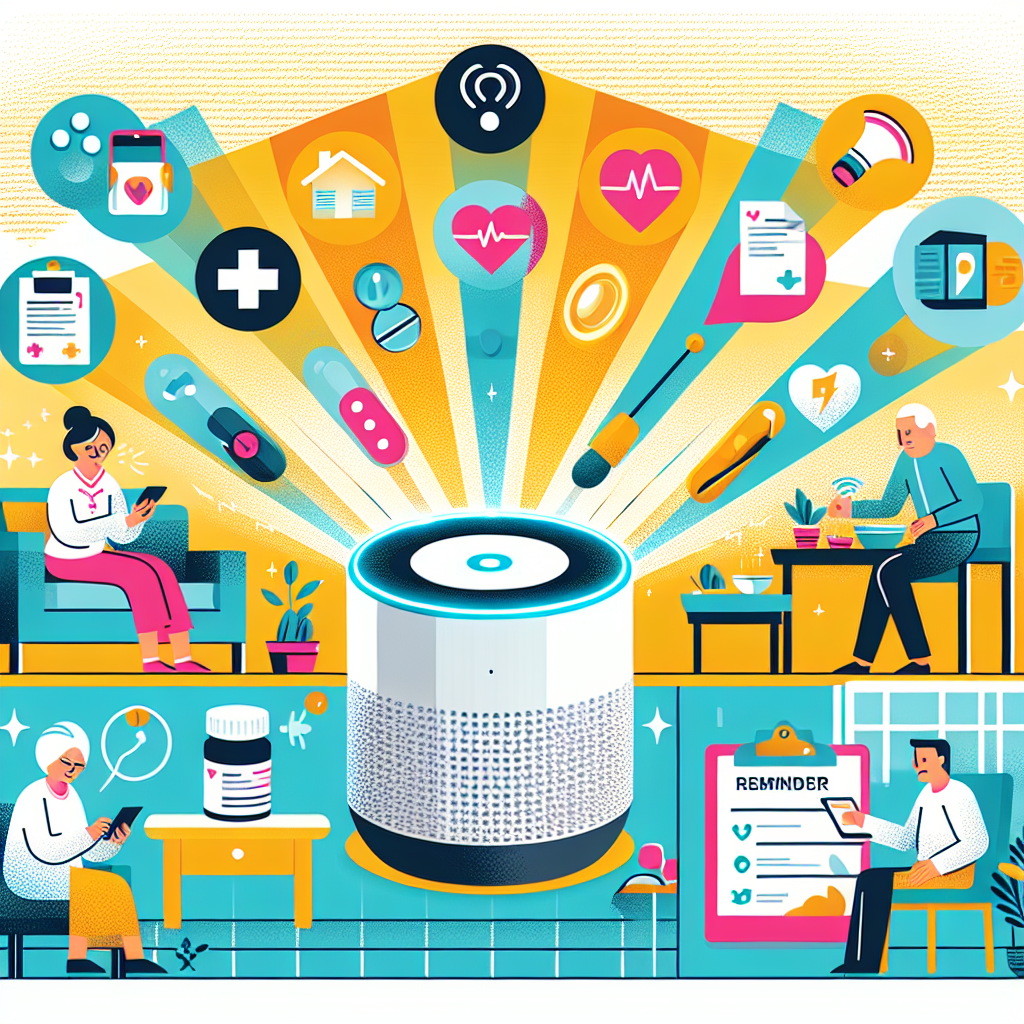
Voice-Activated Health: Leveraging Smart Speakers for Medication Reminders and Symptom Tracking
Introduction: A New Era in Home Healthcare
Smart speakers have evolved far beyond simple tasks like playing music or checking the weather. Today, they are playing a vital role in delivering healthcare right at home. With voice-activated technology, users can now effortlessly manage their health—whether it’s tracking symptoms or receiving timely medication alerts. This innovation offers hands-free convenience while being mindful of privacy and security. As of 2023, nearly 38% of adults in the United States own a smart speaker (Pew Research, 2023), making this a widely accessible solution. Whether you’re caring for a family member or managing your own chronic condition, voice-activated health tools can improve health outcomes and simplify daily routines.
The Growing Impact of Voice-Enabled Healthcare
Smart home technology is rapidly expanding, and healthcare is one of the most promising areas of impact. Devices like Amazon Echo, Google Nest, and Apple HomePod are now equipped with voice capabilities that streamline health management. According to research published in JMIR mHealth and uHealth, the use of natural language processing allows these devices to accurately interpret health-related commands, making them easy to use for all age groups.
According to Dr. Emily Chen, a digital health specialist at Stanford University, “Voice interfaces lower the barrier to accessing healthcare tools, particularly for older adults or individuals with mobility challenges.”
For caregivers, older adults, or anyone with physical limitations, voice-activated systems provide a reliable, frustration-free solution for health monitoring and task reminders.
Reliable Medication Reminders Through Voice Technology
One of the most crucial aspects of managing chronic health conditions is adhering to prescribed medication schedules. Unfortunately, studies from the World Health Organization indicate that nearly 50% of individuals with chronic illnesses fail to take their medication as directed, which can lead to complications and preventable hospitalizations.
Voice-activated reminders can change that. For example, you could simply say:
“Alexa, remind me to take my diabetes medication at 9 AM every morning.”
Here’s how smart speakers can enhance medication adherence:
– Personalized scheduling for different medications and dosage times
– Verbal confirmation prompts, such as “Did you take your medicine?” with a log entry for your answer
– Escalation alerts that notify a caregiver via text or email if a dose is missed
Most voice-activated platforms are designed with data security in mind and comply with privacy regulations, including HIPAA, utilizing end-to-end encryption to keep your information safe.
A caregiver shared with eDrugstore.com, “We use Alexa for nightly reminders. My mother hasn’t missed a dose since we set it up, and I get an alert if she forgets. It’s been a game-changer.”
Easy Symptom Tracking with Voice Commands
Monitoring symptoms is essential in managing chronic conditions, but manually recording this information can be tedious. Voice technology simplifies the process. Instead of typing into your phone or writing in a journal, users can simply say:
– “Google, log my headache at intensity six”
– “Siri, record my blood sugar as 150”
– “Alexa, note that I feel anxious today”
These inputs are recorded into a secure digital log and can be synced with third-party health platforms like Apple Health, MyFitnessPal, or even your clinical patient portal. These logs are valuable tools for doctors, allowing real-time access to trends that help tailor treatment plans.
For example, consistent recordings of elevated blood pressure may prompt your doctor to adjust your medication or recommend lifestyle changes sooner.
Protecting Your Health Data: Tips for Safe Usage
While smart speakers offer significant benefits, it’s essential to ensure your information stays secure. Here are steps to protect your data:
1. Confirm Developer Credentials
Use only applications or voice skills developed by recognized health technology companies or healthcare institutions.
2. Understand Data Permissions
Review what data each skill accesses, where it’s stored, and who has access.
3. Set Up User-Specific Controls
Many devices support voice recognition profiles and PINs to ensure only authorized users can interact with sensitive health features.
4. Keep Software Updated
Regularly updating your device ensures security patches are applied to close potential vulnerabilities.
Cybersecurity expert Maria Lopez with HealthTech USA emphasizes, “Transparency in what data is collected, stored, and shared is crucial for building user trust in medical voice technology.”
eDrugstore.com is one such platform offering trusted resources and education on digital medication management tools.
Building a Voice-Enabled Health Routine at Home
Starting a health-focused routine using a smart speaker is easier than you might think. Follow these simple steps:
Step 1: Choose a Compatible Device
Look for smart speakers that support secure data handling and have integration capabilities with health applications.
Step 2: Enable Health-Related Voice Skills
Browse the device’s application center, locate the healthcare section, and activate relevant skills for medication tracking, blood pressure logging, or emotional check-ins.
Step 3: Customize Daily Commands
Use natural phrases for your speaker to follow. Try saying, “Remind me to take my insulin after lunch,” or “Log symptoms when I say ‘Symptom A.’”
Step 4: Test the System
Run a few voice commands and see where the entries are saved—whether in an app or a linked health record—so you understand how it functions.
For added safety, you can create conditional routines like, “If I miss my 8 PM dose, alert my spouse.”
Looking Ahead: AI and Personalized Care Horizons
The future of voice-enabled healthcare is rapidly advancing with the help of artificial intelligence. These improvements will drive better personalization, earlier detection, and seamless connectivity across devices. Coming innovations may include:
– Predictive alerts that detect changes in voice tones or reported symptoms and offer early intervention
– Guided audio therapy, such as mindfulness practices or cognitive behavioral therapy, based on daily check-ins
– Full integration with wearable tech—allowing smartwatches, glucose monitors, or pill dispensers to sync with the speaker, offering a unified health dashboard at home
Deloitte predicts that enhanced voice AI may reduce emergency visits by up to 30% through real-time health monitoring and proactive suggestions.
Conclusion: Begin Your Voice-Activated Health Journey
Voice-activated tools powered by smart speakers are transforming the way individuals manage health at home. These platforms provide a practical, secure, and intelligent way to keep track of medications, monitor symptoms, and communicate with healthcare providers. With AI-driven personalization and integration with wearable devices, the future is increasingly connected and proactive.
There has never been a better time to start. Choose a smart speaker, enable trustworthy health applications, and take the first step toward a safer, more convenient approach to your well-being.
For more digital health resources and tools to support medication adherence, visit eDrugstore.com.
References
– Pew Research Center (2023). Voice Assistant Use and Smart Speakers in the U.S.
– World Health Organization (WHO) (2021). Adherence to Long-Term Therapies
– JMIR mHealth and uHealth (2022). Voice Assistants in Healthcare: A Systematic Review
– Deloitte Insights (2023). The Future of AI in Consumer Health
– eDrugstore.com – Medication Adherence Resources: https://www.edrugstore.com/