

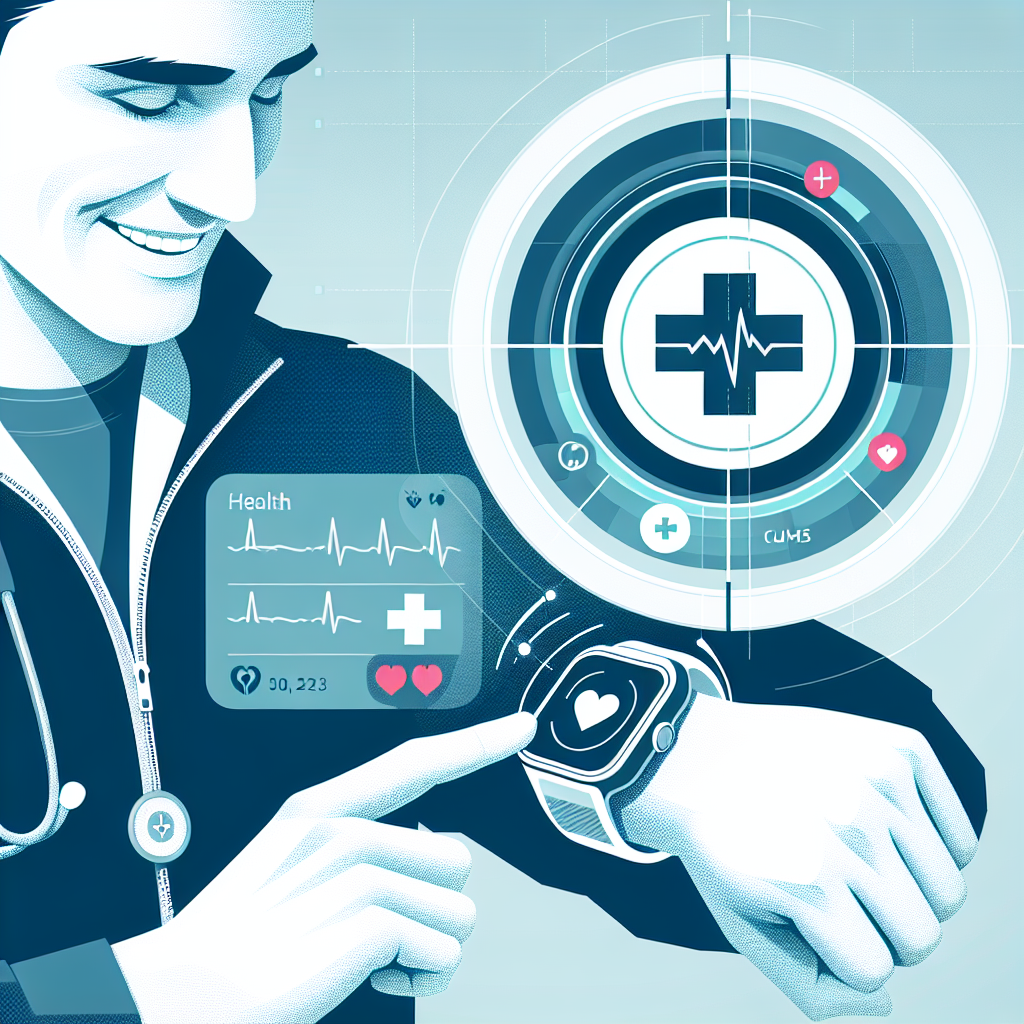
Smartwatches as Life-Saving Health Tools
Imagine a smartwatch alerting you to a heart issue before you even feel the symptoms—then sending that data directly to your doctor. This is now reality, not science fiction. Thanks to the rise of clinical-grade wearable health monitors, modern smartwatches have evolved far beyond tracking steps. These advanced devices are empowering individuals with real-time insights and enabling healthcare professionals to deliver more effective and timely interventions.
“Smart wearables are closing the gap between patients and physicians in ways we never thought possible,” says Dr. Andrea Kim, a digital health specialist at Johns Hopkins University.
The Transformation of Wearable Health Devices
Over the past decade, wearable health technology has made remarkable progress. Initially, devices like the early Fitbit could only track basic parameters such as steps and sleep. Today’s advanced wearable medical devices offer features including:
– Electrocardiograms (ECGs)
– Blood oxygen saturation (SpO₂)
– Heart rate variability (HRV)
– Continuous temperature tracking
– Blood pressure estimation
These improvements are powered by enhanced sensors, longer battery life, and sophisticated chips. A report from Deloitte showed that over 320 million health wearables were sold in 2022 alone—a number that’s consistently rising.
Machine learning now helps interpret this data, turning raw numbers into meaningful health insights. For instance, the Apple Watch Series 8 can detect atrial fibrillation and includes an FDA-cleared ECG sensor.
What Separates Clinical-Grade Data from Everyday Stats?
You might wonder: how is the data from your smartwatch different from diagnostics used in hospitals? The key is whether the device meets stringent medical standards. For data to qualify as FDA-cleared remote monitoring technology, it must:
– Be highly accurate, with minimal error rates compared to hospital-grade equipment
– Pass rigorous regulatory testing from agencies like the FDA or CE
– Offer continuous monitoring to catch issues regular checkups might miss
– Sync seamlessly with Electronic Health Records (EHRs) using standards like HL7 and FHIR
For example, the Withings ScanWatch is CE-cleared in Europe for ECG and SpO₂ tracking, making it suitable for actual medical assessments.
“Traditional diagnostics give a snapshot. Wearables provide a movie,” says Dr. Rakesh Patel, Director of Digital Health at Stanford Medicine.
Vital Health Metrics Tracked by Smart Wearables
The best smartwatches for medical monitoring now track life-critical measurements that once required a clinic or hospital visit. These include:
– ECG and Heart Rhythm: Devices like the Apple Watch and Fitbit Sense detect arrhythmias such as atrial fibrillation and tachycardia in real time.
– Oxygen Saturation (SpO₂): Watches like the Garmin Venu 3 help monitor oxygen levels, particularly beneficial for individuals with asthma or respiratory illnesses.
– Blood Pressure Monitoring: Select regions offer blood pressure estimates through optical sensors and artificial intelligence, such as those available in the Galaxy Watch.
– Continuous Glucose Monitoring (CGM): Tools like Abbott’s FreeStyle Libre or the Dexcom G7 allow diabetics to track glucose levels in real time, reducing the risk of dangerous highs or lows.
– Respiratory Rate and Body Temperature: Subtle fluctuations in these metrics, tracked by many Fitbits, can indicate illness, stress or early infection signs.
For example, someone with asthma may receive a notification if their SpO₂ drops below 92%, prompting a doctor visit before symptoms worsen.
How Wearables Are Revolutionizing Healthcare Delivery
The full potential of wearables is unlocked when they integrate with long-term care. Remote monitoring has proven to reduce hospital readmission rates by nearly 20% for heart failure patients, according to the American Heart Association.
Here are real-world uses for clinical telehealth wearables:
– Cardiac Aftercare: Devices transmit heart rate and ECGs post-surgery, enabling timely interventions.
– Diabetes Management: Real-time glucose data helps patients and doctors make better decisions around insulin delivery.
– Respiratory and Sleep Disorders: Some wearables now detect signs of sleep apnea and offer early alerts to both patients and physicians.
– Post-Surgery Monitoring: Devices can track movement and wound area temperature to identify potential infections.
– Public Health Research: Aggregated, anonymous wearable data assisted researchers in tracking COVID-19 symptoms and regional outbreaks.
Wearables are especially valuable in underserved areas. Platforms like edrugstore.com empower patients by offering telehealth consultations and savings on prescriptions from the comfort of their homes.
Keeping Your Health Data Safe and Accurate
Collecting such sensitive information raises important concerns about privacy and security. High-standard HIPAA-compliant wearable technology includes:
– End-to-end encryption of all transmitted health data
– Multi-factor authentication to prevent unauthorized access
– Informed consent tools so users control their data sharing
– Transparent, bias-free algorithms that are inclusive across all demographics
Agencies like the FDA and MHRA continue to monitor wearable tech even after its release, ensuring that it remains both safe and effective.
“Device validation and inclusivity are no longer optional—they’re essential,” emphasizes Dr. Lauren Hughes, a clinical informatics advisor at UCLA Health.
The Future: AI and Telehealth Integration
The horizon of wearable tech promises exciting advancements through AI-powered remote care platforms. Soon, we can expect:
– Predictive artificial intelligence that identifies health issues before symptoms develop—like detecting a fever trend before you feel ill
– Doctor dashboards that integrate wearable data for a fuller health picture
– AI-powered wellness coaches offering helpful reminders for hydration, exercise, or medication
– Mobile apps paired with inexpensive wearable devices that allow rural doctors to screen for conditions such as pregnancy complications or diabetes
In rural India, for example, healthcare workers now use smart wristbands with AI to detect risky pregnancies, providing lifesaving intervention well before complications arise.
Final Thoughts: Your Wearable as a Personal Health Ally
The next-generation wearable health monitors have reshaped personal healthcare. These aren’t just workout gadgets anymore—they’re potential lifesavers. With clinical-grade features, real-time tracking, and integration into professional healthcare systems, your smartwatch might just be the first medical opinion you consult.
So the next time you fasten your watch, remember—you’re arming yourself with a powerful, round-the-clock healthcare tool.
References
1. Deloitte. (2023). The Future of Wearable Technology. Industry Trends Report
2. U.S. Food and Drug Administration. (2022). Digital Health Policies and Practices. fda.gov
3. Patel, R. (2022). Integrating Wearables into Clinical Practice. Stanford Medicine Journal of Innovation
4. Kim, A., & Hughes, L. (2023). Ethical AI in Health Tech. Johns Hopkins Health Review
5. eDrugstore. (2024). Affordable Prescriptions and Telehealth Services. https://www.edrugstore.com
6. American Heart Association. (2021). Remote Monitoring and Heart Failure Care Outcomes. Circulation