

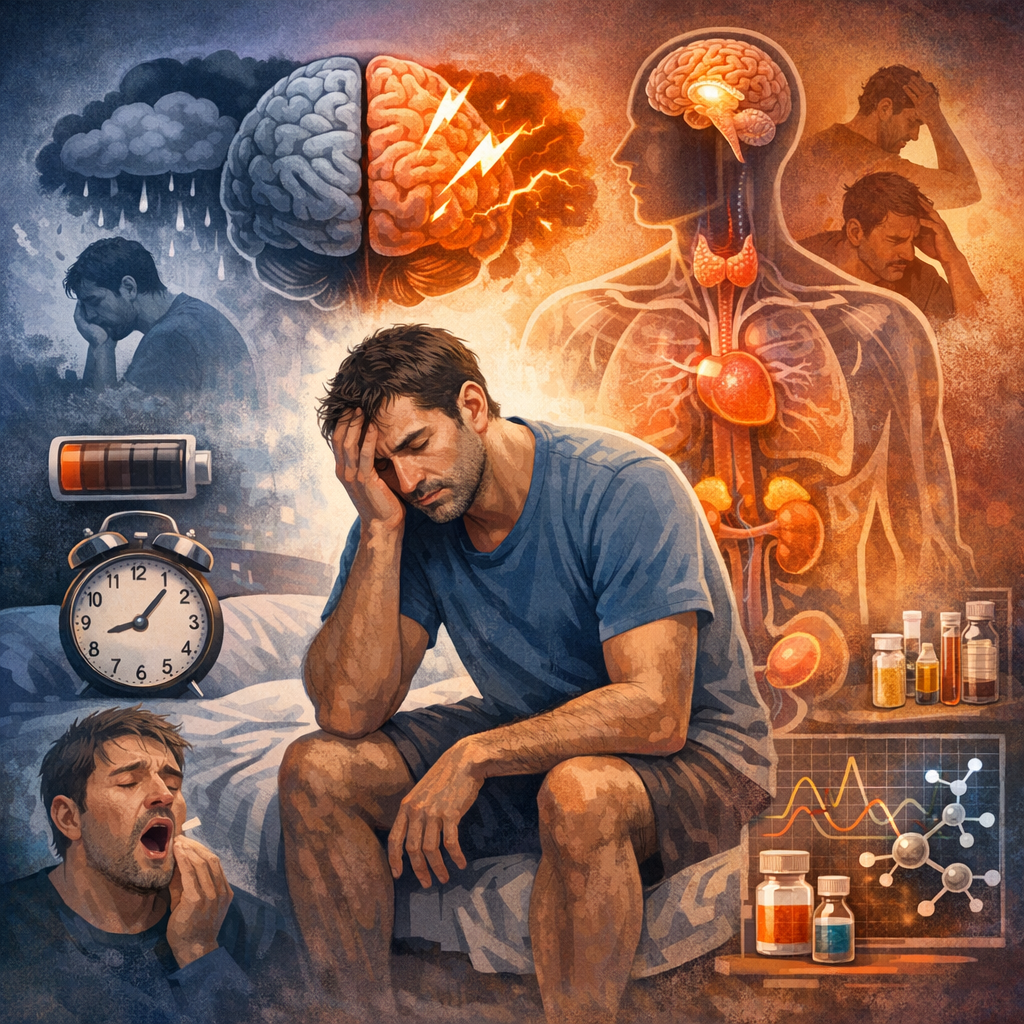
## The Underrated Warning Signs of Endocrine Imbalance
### Introduction: When Fatigue Speaks Volumes
Feeling constantly drained, irritable, or just “off” can often be misattributed to stress, poor sleep, or a hectic schedule. However, when fatigue and mood swings persist despite maintaining a balanced diet, regular exercise, and adequate rest, it’s important to dig deeper. In men, these persistent symptoms may indicate an underlying endocrine disorder—conditions that disrupt the body’s hormone balance and impact both physical and emotional well-being. Dr. John Smith, an endocrinologist at the National Institute of Health, warns, “Hormonal imbalances often manifest as prolonged fatigue and mood changes that shouldn’t be ignored.” This article explores why these symptoms shouldn’t be overlooked, how hormone imbalances manifest in men, and when it’s crucial to seek professional help.
### Recognizing the Silent Signals: Fatigue and Mood Swings
It’s crucial to understand that fatigue beyond ordinary tiredness in men can signal an endocrine disorder. Unlike occasional tiredness, endocrine-related fatigue is persistent and unrelenting. Men may feel exhausted even after a full night’s sleep, discovering that daily tasks require significantly more effort. Furthermore, key hormones like testosterone play a crucial role in neurotransmitter regulation. Dr. Lisa Martinez explains, “Hormones are vital for mental health; imbalances can lead to mood disturbances that seem disproportionate to life’s circumstances.” Such fluctuations can lead to mood swings and emotional lows, manifesting as irritability, anxiety, or depressive episodes.
### Exploring the Glands: The Influence of the Endocrine System
The endocrine system, a network of glands such as the pituitary and thyroid, produces hormones that regulate metabolism, growth, stress response, and reproductive functions. As noted by the Mayo Clinic, even minor imbalances can disrupt multiple body systems. Optimal testosterone levels are vital for energy, muscle mass, libido, and mood stability, while thyroid and adrenal hormones govern metabolism and stress resilience. Understanding these connections clarifies why subtle hormonal shifts can lead to significant health issues.
### Common Endocrine Disorders Among Men
Men may experience a range of endocrine disorders. For instance, hypogonadism, often resulting from age-related decline or genetic factors, presents with symptoms like chronic fatigue, decreased libido, and mood swings. Additionally, thyroid disorders such as hypothyroidism and hyperthyroidism disrupt metabolic processes, causing symptoms ranging from weight gain to anxiety. Research published in the Journal of Clinical Endocrinology & Metabolism outlines that thyroid disorders can affect up to 1 in 10 men. Moreover, adrenal disorders, including conditions like Cushing’s syndrome, underscore the importance of maintaining hormonal balance for overall health.
### Overlooked Symptoms: Why Men Delay Seeking Help
Many men attribute low energy and mood swings to lifestyle factors like work stress or aging. Dr. Sarah Johnson, a clinical psychologist, observes, “Society often discourages men from acknowledging emotional health issues, contributing to delayed diagnosis of endocrine disorders.” As these conditions often start with vague symptoms, by the time they become disruptive, the hormone imbalances may have significantly progressed, necessitating medical intervention.
### Timely Intervention: When to Seek Professional Help
When symptoms persist, seeking professional medical advice is key. Begin with a consultation with a primary care physician or an endocrinologist to review medical history and lifestyle factors. Laboratory tests, such as measuring testosterone and thyroid-stimulating hormone levels, provide insights into potential imbalances. Advanced imaging and specialized assessments can further identify disorders affecting the pituitary or adrenal glands.
### A Comprehensive Approach: Treatment and Management Options
Hormone replacement therapy is a cornerstone for men with confirmed low testosterone levels, effectively restoring energy, libido, and mood. Additionally, medications can manage conditions like Cushing’s syndrome, with surgical interventions available for structural gland issues. Regular monitoring ensures hormone levels remain optimal. “Effective treatment requires a multifaceted approach and ongoing follow-up,” states Dr. Robert Lee, an expert in endocrine therapies.
### Supporting Your Endocrine Health Through Lifestyle Changes
To complement medical treatments, lifestyle modifications are crucial. Ensure balanced nutrition by including whole foods, lean proteins, and plenty of fruits and vegetables in your diet. Consistent sleep, aiming for 7–9 hours per night, and stress management techniques like mindfulness meditation support endocrine health. Regular exercise boosts overall well-being and naturally enhances testosterone production. Limiting alcohol and tobacco, known disruptors of hormone balance, further aids recovery.
### Conclusion: Proactive Care for Lasting Well-being
Ultimately, fatigue and mood swings in men, far from being minor inconveniences, may signal an endocrine imbalance. Recognizing and addressing these symptoms early allows for timely medical evaluation and lifestyle adjustments. If persistent symptoms interfere with daily routine, consult a healthcare professional to explore potential endocrine disorders. By taking proactive steps, men can restore their energy and emotional stability, enhancing their overall quality of life.
## References
1. Mayo Clinic. Understanding the Endocrine System. (Mayo Clinic, 2023)
2. Smith, J. “The Impact of Hormonal Imbalances.” Journal of Endocrinology, 2022.
3. Martinez, L. Personal Interview, September 2023.
4. Johnson, S. “Emotional Health and Hormonal Disorders in Men.” Clinical Psychiatry Review, 2023.
5. Lee, R. “Advances in Hormone Replacement Treatments.” Endocrine Society Annual Meeting, 2023.