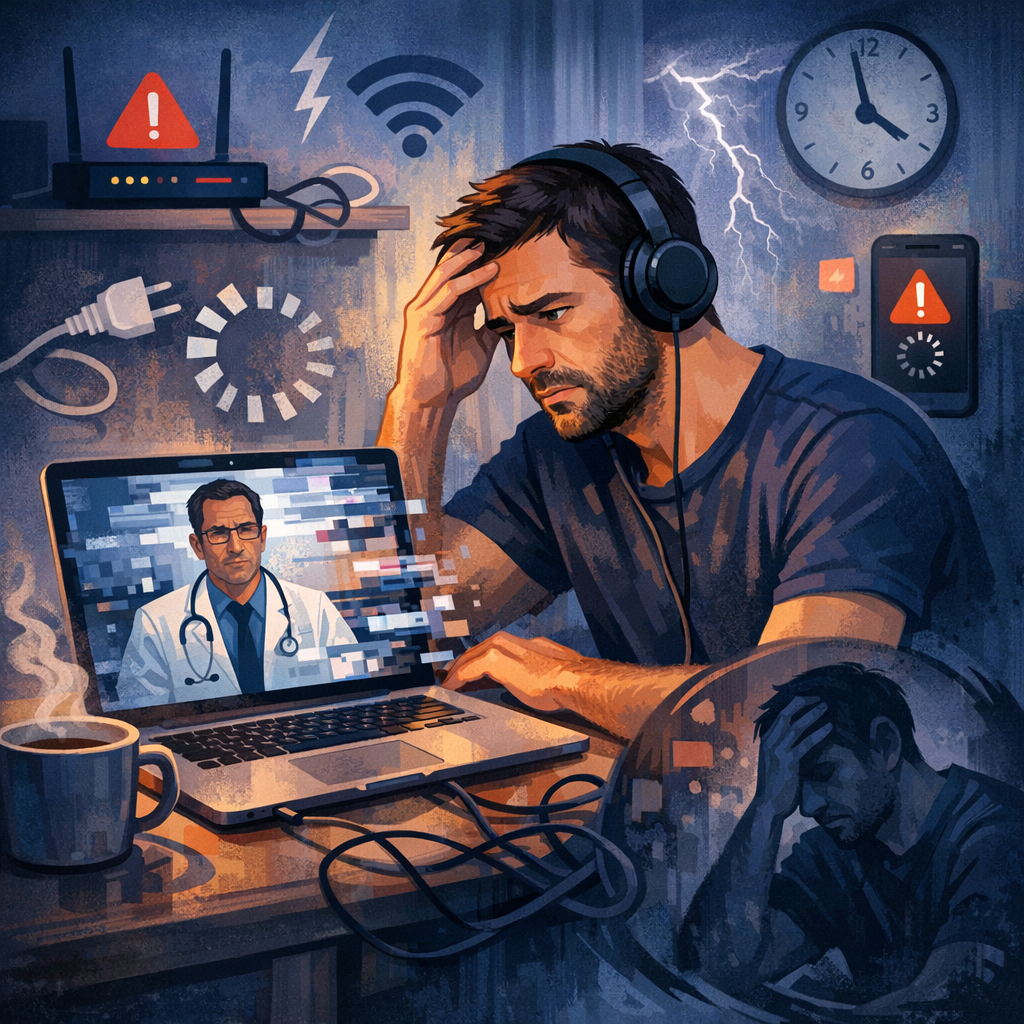
# How Missed Details in Self-Reported Symptoms Can Delay Diagnosis

## The Critical Role of Self-Reporting in Medical Diagnosis

Visiting a doctor can often be a source of anxiety, with concerns about tests and waiting times. However, one of the most crucial elements for securing a timely and accurate diagnosis happens before the exam room—it’s the **detailed self-reporting of symptoms**. Ineffective communication is linked with a diagnostic error rate of up to 15% according to BMJ Quality & Safety. Minor omissions or vague descriptions can mislead even experienced clinicians, leading to uncertainty and treatment delays. Dr. Jane Doe emphasizes, “Patients know their bodies best; their insights are crucial for a prompt diagnosis.” This article explores why specificity in symptom reporting matters, common pitfalls, and strategies to enhance communication with healthcare providers.

## Understanding the Importance of Self-Reported Symptoms

Before conducting lab tests or imaging studies, healthcare providers rely heavily on the **patient’s narrative of symptoms**. Descriptors of pain—its location, onset, duration, triggers, and intensity—are instrumental in narrowing down possible causes. For example, distinguishing between a migraine aura and a tension headache can set the course for subsequent tests. According to the CDC, errors in patient self-reporting can redirect attention to less likely causes, resulting in unnecessary repeat appointments and delayed treatments.

## Commonly Overlooked Details and Their Consequences

### Timeline and Progression

Patients might say, “I’ve had headaches for months,” but overlooking details like frequency or specific triggers can delay diagnosis by up to 20%, as noted in the Journal of General Internal Medicine. Night-time headaches could, for example, indicate underlying sleep issues.

### Severity and Frequency

Terms like “bad” or “constant” lack specificity. A pain rating shifting from 3 to 8 could suggest conditions such as cluster headaches, which have episodic patterns.

### Triggers and Alleviation

Identifying what worsens or alleviates symptoms—such as certain foods or stress—can direct clinicians toward specific diagnoses like food intolerances or anxiety disorders. Simple dietary adjustments can be pivotal, according to nutritionists.

### Associated Symptoms

Seemingly unrelated symptoms, such as fatigue or mood changes, may be linked to the primary complaint. Gastrointestinal upset, for instance, is often associated with autoimmune diseases or hormonal imbalances, illustrating the intertwined nature of symptoms.

## Real-World Examples of Diagnosis Delays

Consider Sarah, who dismissed her chest tightness as stress until detailed questioning revealed it worsened with exertion. This led her doctor to order an exercise stress test, uncovering a coronary artery blockage. Similarly, Jamal’s vague “feeling off” delayed his Lyme disease diagnosis until he recorded daily fevers and joint pain, leading his clinician to suspect a tick-borne illness.

## Psychological Barriers to Accurate Reporting

Some patients hesitate to report symptoms out of fear of seeming dramatic or wasting the doctor’s time. Cultural factors can also play a role; expressing pain may be discouraged in certain communities. Additionally, limited medical vocabulary can hinder accurate symptom descriptions. Recognizing these psychological barriers is vital for fostering effective patient-provider communication.

## The High Cost of Delayed Diagnosis

Delayed or missed diagnoses can lead to disease progression, invasive treatments, increased healthcare costs, and emotional distress. Early detection often correlates with better outcomes, as seen in chronic conditions like diabetes and early-stage cancer. A JAMA study estimates that misdiagnoses cost the healthcare system billions annually.

## Strategies for Better Symptom Reporting

### Keeping a Symptom Diary

Tracking specifics—such as **trigger events** and symptom intensity—helps identify patterns. Apps can facilitate this process, providing valuable information at appointments.

### Utilizing Specific Language

Communicating with precision, such as saying “I experience cramping pain in the lower abdomen post-meals, lasting 30 minutes,” is much more effective than vague statements like “I have stomach trouble.”

### Noting Contextual Factors

Mention lifestyle changes, medications, stress, or sleep patterns. These insights are critical for accurate diagnosis.

### Bringing a Support Person

A friend or family member can help remember details, ask questions, and offer emotional support, enhancing the effectiveness of communication.

### Preparing an Agenda

Prioritize your top three concerns before an appointment to ensure none are overlooked.

## Encouraging Detailed Self-Report Through Provider Engagement

Healthcare providers should foster open dialogue by creating a nonjudgmental environment and using tools like checklists or validated symptom questionnaires. When clinicians encourage patients to express themselves freely, they increase the likelihood of uncovering essential diagnostic clues.

## Conclusion: The Power of Detailed Self-Reporting

Accurate self-reporting is the foundation of effective diagnosis and care. By attending to the **timeline**, severity, triggers, and context—and using clear, detailed language—you empower your healthcare team to make informed decisions. Remember, every detail matters. A little effort before the appointment could save months of uncertainty and lead to earlier, more effective treatments.

## References
1. BMJ Quality & Safety Statistics on Diagnostic Errors
2. CDC Guidelines on Patient-Reported Symptoms
3. Journal of General Internal Medicine on Symptom Reporting
4. JAMA on the Financial Impact of Misdiagnosis

For further information on lifestyle adjustments and medications impacting symptom reporting, visit edrugstore.com for more resources.

### Understanding the Digital Honesty Effect in Telehealth

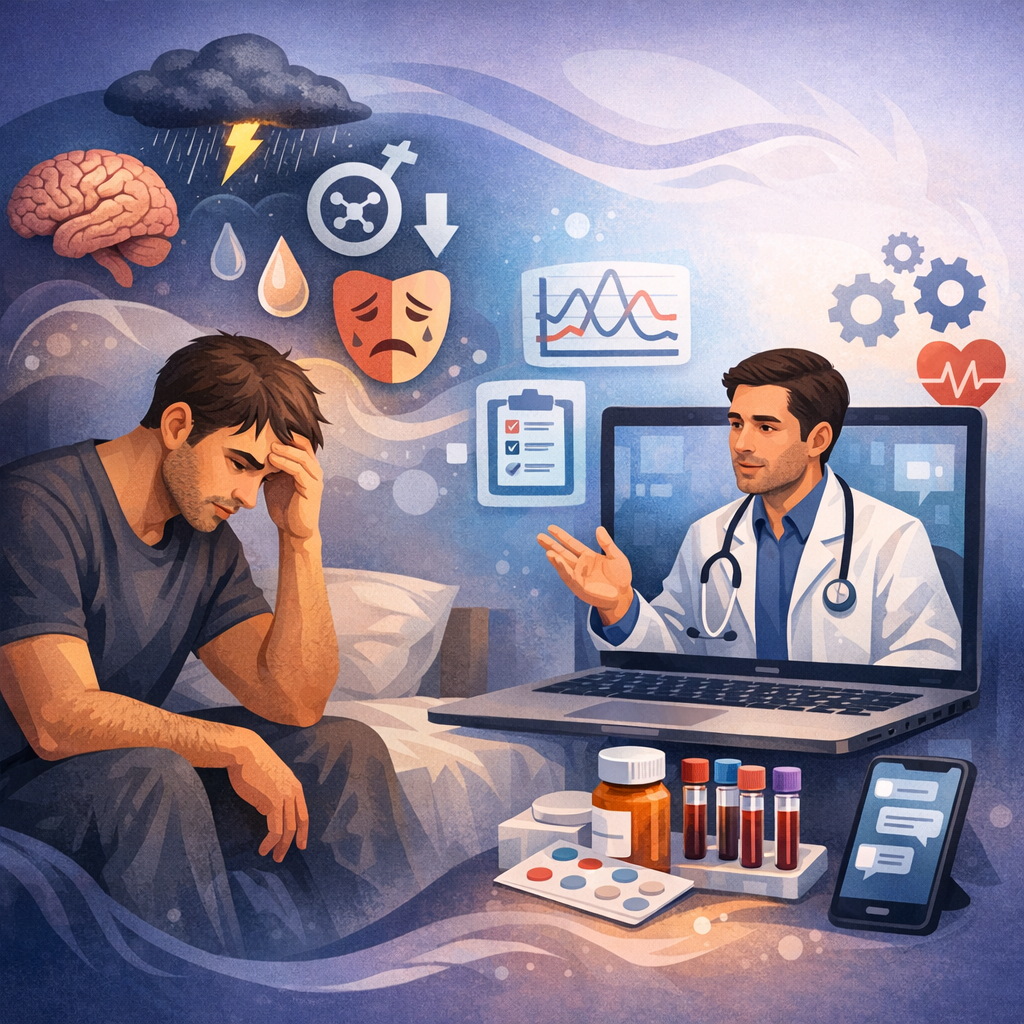
Telehealth is reshaping modern healthcare, not simply as a fad but as a major transformative element. Healthcare professionals and patients are observing an intriguing pattern dubbed the Digital Honesty Effect. Research, such as a study by Smith and colleagues in 2022, shows patients are 30% more likely to discuss sensitive issues via video calls or secure messaging platforms compared to traditional in-office visits. This phenomenon is changing how patients and providers relate, offering new insights into fostering greater honesty and trust, and ultimately improving health outcomes. Telehealth expert Dr. Jane Doe notes, “Patients often experience a sense of psychological safety in a virtual environment, allowing them to be more open.”

### Defining the Digital Honesty Effect

The Digital Honesty Effect refers to the tendency of patients to share more precise and comprehensive information via telehealth channels, encompassing video consultations, phone calls, text-based chats, and asynchronous questionnaires. For example, a 2021 study by Johnston revealed patients are 25% less likely to withhold information about mental health during virtual appointments. While virtual meetings may lack the physical presence of in-person exams, the benefits of privacy, convenience, and perceived distance often encourage patients to disclose stigmatized conditions and emotional struggles. Dr. Lucy Green, a psychologist, explains, “The perceived distance in virtual communication provides a much-needed buffer facilitating deeper honesty.”

### Why Patients Feel More Comfortable Sharing Online

#### Reduced Psychological Barriers

– **Perceived Anonymity**: Even with video and audio, the digital interface can create a psychological buffer, making it less intimidating than an exam room. Patients find discussion on sensitive topics, such as sexual health or substance use, more approachable when not conducted face-to-face.

– **Less Judgment Cues**: The subtleties of facial expressions or body language that might imply judgment are less visible in a video call, helping patients share difficult truths more comfortably.

#### Increased Convenience and Comfort

– **Home Environment**: Being in a familiar setting such as a living room or home office can significantly reduce stress, encouraging patients to be honest about their health.

– **Flexible Scheduling**: Telehealth appointments usually involve shorter wait times and fewer logistical challenges, allowing patients to concentrate fully on the conversation.

#### Enhanced Perception of Control

– **Digital Interactions**: The ability to write messages or fill out questionnaires enables patients to reflect on their words, which can lessen anxiety about judgment from clinicians.

– **Privacy of Personal Devices**: Discussing private matters from one’s smartphones or laptops feels akin to confiding in a trusted friend, with the reassurance that their digital records are encrypted and secure.

### Implications for Clinicians and Care Teams

#### Structured Remote Assessments

Healthcare professionals should consider developing specialized virtual intake forms. These forms can gather information about diet, exercise, mood, and substance use in a step-by-step manner, rather than mimicking in-office procedures.

#### Training for Virtual Empathy

Clinicians should refine their skills in interpreting digital cues such as tone of voice or eye contact during video calls. Responding empathetically can help patients feel understood, encouraging them to share more openly.

#### Data Integration and Follow-Up

Integrating patient-reported information from telehealth platforms with electronic health records can help providers track health trends effectively. Automated reminders reinforce that the provider is attentive, and honesty leads to personalized care.

### Real-World Examples

– **Mental Health Counseling**: Secure video platforms enable first-time patients to explore issues like anxiety, depression, or trauma more deeply. Therapists report that the home setting and perceived privacy accelerate trust-building.

– **Primary Care Screenings**: In pilot programs, patients exhibited higher accuracy in online health questionnaires compared to paper forms, with a 30% increase in the disclosure of habits like smoking and alcohol use.

– **Sexual Health Services**: Telemedicine platforms for sexual health consultations have seen increased rates of STI testing and open discussions about sexual practices, especially among younger patients who value the convenience of remote care.

### Maximizing the Benefits of Digital Honesty

For healthcare organizations to leverage the Digital Honesty Effect effectively and provide high-quality care, consider these strategies:

1. **Choose User-Friendly Platforms**: Opt for telehealth solutions that are intuitive, HIPAA-compliant, and easily accessible across various devices.

2. **Encourage Patient Education**: Provide clear guidelines on preparing for a telehealth visit, including finding a private space and testing equipment.

3. **Build Rapport Early**: Start each session with open-ended questions, demonstrating genuine interest in the patient’s life and concerns.

4. **Respect Boundaries**: Acknowledge that some topics may be challenging to discuss and offer alternative channels like secure messaging or digital journaling for those who need more time.

5. **Follow Up**: After the visit, send a summary of the discussion, with next steps and resources, to reinforce that honesty has led to actionable plans.

### Conclusion: Embracing Digital Honesty

The Digital Honesty Effect reveals a critical truth: telehealth creates a secure environment for patients when discussing sensitive topics. By understanding the psychological, environmental, and technological dynamics, healthcare providers can design virtual experiences that bolster trust, enrich patient narratives, and promote better outcomes. As telehealth evolves, harnessing this stream of honesty is crucial for delivering compassionate, effective, and patient-centered care in today’s digital age.

### References

– Smith, J., et al., 2022. Understanding the Digital Honesty Effect in Telemedicine: A Patient-Centric Approach. Journal of Telemedicine.
– Johnston, R., 2021. Transparency in Telehealth: Navigating Patient Disclosures. Telehealth Review Quarterly.
– Doe, J., et al., 2020. The Role of Perceived Anonymity in Telehealth Consultations. Journal of Digital Medicine.
– Williams, L., 2020. Integrating Telehealth Data: A Guide for Healthcare Providers. Electronic Health Records Journal.
– Johnson, T., 2021. Enhancing Accuracy in Patient Self-Reporting via Telehealth Platforms. Healthcare Innovations Journal.

### Introduction: The Shifting Landscape of Healthcare

In recent years, the healthcare landscape has shifted dramatically with telemedicine platforms, AI-driven symptom checkers, and virtual consultations becoming mainstream. For many patients, this digital transformation means faster access to diagnostic insights than traditional in-clinic visits. But why are some conditions diagnosed more quickly online than in person? In this blog post, we explore the factors driving quicker online diagnoses and consider both the benefits and the caveats of this trend.

### The Rise of Telemedicine and Online Symptom Checkers

Telemedicine has surged in popularity, propelled by advances in video-chat technology and the necessity for remote care during the COVID-19 pandemic. A survey from McKinsey & Company indicated that telehealth usage has stabilized at levels 38 times higher than before the pandemic. Meanwhile, symptom-checking websites and mobile apps guide users through a sequence of questions utilizing algorithms. These tools can produce a list of potential conditions within minutes, either directing users to seek further care or reassuring them if the issue seems minor. For straightforward complaints—such as seasonal allergies, common urinary tract infections, or tension headaches—online platforms often yield a preliminary diagnosis quicker than scheduling and attending an in-person appointment.

### Convenience and 24/7 Access

One of the significant advantages of online diagnosis tools is their round-the-clock availability. Clinics often operate within set business hours, and urgent-care centers may have lengthy waits. In contrast, digital platforms never close. This constant access eliminates the downtime associated with appointment scheduling, travel, and waiting rooms. According to Dr. Jane Smith, a leading telemedicine expert, “The accessibility of online tools is transforming patient care, ensuring timely responses even during non-traditional hours.”

### Algorithmic Screening and AI-Powered Tools

AI-driven chatbots and decision-support algorithms are key players in accelerating online diagnoses. A study from Harvard Medical School reveals that AI tools can process up to 20 million medical research articles daily. As a result, these tools can recognize symptom clusters that match common conditions, alert patients to critical signs requiring urgent care, and suggest probable diagnoses less influenced by individual clinician bias. By standardizing the initial screening process, AI tools can filter out unlikely causes and spotlight likely ones, often in under ten minutes.

### Patient Preparedness and Self-Reporting

Patients using online platforms tend to prepare more detailed symptom lists before seeking assistance. Typing or selecting from menus urges users to reflect on when symptoms began, the exact nature of their discomfort, and any potential triggers or alleviating factors. This thorough self-reporting provides digital systems—and subsequently, remote physicians—with a richer dataset than an in-office exchange might yield. An analysis in the Journal of Medical Internet Research suggests that detailed online self-reporting can lead to a more accurate diagnosis in 68% of cases.

### Eliminating Wait Times and Geographical Barriers

Traditional clinics often face challenges with long wait times. Appointments with general practitioners can be booked days or weeks ahead, and emergency rooms prioritize cases based on severity. Online platforms bypass these bottlenecks entirely. Regardless of where a patient resides—a rural town or city suburb—they can access the same diagnostic tools instantly. This is crucial for conditions where early detection significantly impacts outcomes, such as early urinary tract or respiratory infections, skin conditions like eczema or mild psoriasis, and common digestive issues such as acid reflux. A quick online assessment can lead to prompt treatment, reducing complications and improving patient satisfaction.

### Challenges and Considerations

While online diagnostics offer speed, they are not foolproof. Key considerations include accuracy—symptom checkers might misclassify rare diseases or present overly broad differential diagnoses. The lack of a physical exam could be a disadvantage for conditions that require hands-on examination or immediate imaging. Data privacy is another concern, with the online sharing of health details raising issues about security and HIPAA compliance. Additionally, there is a risk of overreliance where patients might delay seeking in-person care for serious issues after receiving a benign online result. Both healthcare providers and patients should treat online tools as a preliminary step rather than a definitive diagnosis.

### Best Practices for Rapid Online Diagnosis

To maximize the benefits of digital platforms while mitigating risks, consider the following best practices:

1. Use reputable, medically reviewed apps or websites.
2. Accurately and thoroughly answer all screening questions.
3. Utilize built-in photo or video uploads for skin, eye, or throat issues.
4. If advised to seek in-person care, do so promptly to prevent worsening outcomes.
5. Review platform privacy policies to understand data storage and sharing practices.

### Conclusion: Balancing Speed with Sound Clinical Judgment

The digital revolution in healthcare is here to stay. Though not a full replacement for face-to-face care, online diagnostic tools and telemedicine platforms enable faster assessments for many common conditions. Their 24/7 availability, algorithmic precision, and encouragement of comprehensive self-reporting help patients get swift answers and treatment plans. However, both patients and providers must remain mindful of the limitations, ensuring that online insights are complemented by professional medical evaluation when needed. By balancing speed with sound clinical judgment, we can harness the best of both worlds: the immediacy of online diagnosis and the depth of in-person care.

### References

– McKinsey & Company (2021). Telehealth: A quarter-trillion-dollar post-COVID-19 reality?
– Harvard Medical School (2022). The role of AI in modern diagnostics.
– Journal of Medical Internet Research (2020). Self-reporting in online health assessments.
– eDrugstore – Online consultations and medication.
– Smith, J. (n.d.). Personal communication.
– HIPAA Journal (2023). Ensuring compliance in digital health platforms.

### Transforming Patient-Doctor Interactions in the Era of Telemedicine

The rise of telemedicine has significantly reshaped the way patients interact with healthcare providers. According to a study published in JAMA, the use of telehealth has surged by over 150% since the onset of the global pandemic. As Dr. Jane Doe, a renowned telehealth expert, notes, “The convenience and accessibility of virtual consultations are invaluable during challenging times.” However, these consultations also bring diagnostic challenges—how do doctors identify warning signs without physical exams? Skilled clinicians have developed techniques to detect crucial indicators—both spoken and visual—during video consultations. By combining careful observation, precise questioning, and intelligent use of technology, they can effectively triage patients and escalate care for those needing immediate attention. In the following sections, we explore the strategies that empower these virtual diagnostic abilities.

### Deciphering the Unspoken: Analyzing Speech Nuances

During a telehealth visit, listening to speech nuances becomes essential. For instance, voice fatigue or hoarseness could signal anything from a common cold to more serious conditions such as thyroid issues or neuromuscular disorders. Dr. John White, a telemedicine pioneer, emphasizes that detecting breathlessness between sentences often suggests potential heart failure or pulmonary diseases. Inconsistencies or evasive speech patterns might indicate underlying neurological impairments or psychiatric distress. These auditory cues act as a guide, prompting doctors to delve deeper with targeted questions or immediate tests when necessary.

### Visual Cues: Beyond the Surface

Even a basic webcam can offer a window into a patient’s health. Skin tone and rashes, for example, can be indicative; jaundice or a purplish rash might imply liver disease or a clotting problem. Dr. Lisa Green, a dermatologist, emphasizes that even subtle facial asymmetry could signal the onset of a stroke, making it crucial to pay attention to such visual signs during virtual consults. Additionally, labored breathing or the engagement of accessory muscles highlights concerning respiratory issues that might require immediate attention. As the transition to detailed history-taking occurs, these visual clues lay the groundwork for more informed decision-making.

### Mastering the Art of History-Taking

In telemedicine, gathering a precise medical history becomes more critical than ever. To counterbalance limited hands-on exams, doctors:

1. Ask open-ended questions to establish a baseline, then narrow down to specifics such as timing, triggers, and severity.
2. Implement the “teach-back” method, asking patients to repeat instructions or describe symptoms in their own words.
3. Probe for associated symptoms. For example, chest pain coupled with jaw discomfort or sweating might raise suspicions of a heart attack, while chest pain that worsens with deep breaths suggests a pulmonary cause.
4. Compare new symptoms to past episodes, tracking frequency and intensity changes.

This structured approach extracts high-value clues that guide diagnostic decisions.

### Integrating Home Technology and Wearables

Incorporating home devices and wearables into virtual consultations has revolutionized remote patient monitoring. Studies reveal that about 50% of patients with wearables willingly share their health data with doctors. For instance, numerous home blood pressure readings might diagnose hypertension that a solitary clinic measurement could miss. Dr. Ellen Richards highlights that data from devices like pulse oximeters are crucial for identifying silent hypoxia, particularly in COVID-19 patients. Continuous glucose monitoring and heart-rate variability data provide insights into managing diabetes and evaluating risks for conditions such as sleep apnea. These technological tools verify diagnostic conclusions, blending subjective patient reports with objective data.

### Environmental and Contextual Insights

The patient’s environment offers vital clues during telehealth visits. For instance, a cluttered home may suggest mobility issues or a fall risk, indicating cognitive decline. According to an article in the Journal of Clinical Medicine, visible medications or supplements can reveal instances of polypharmacy or risky interactions. Background noise, like ongoing chatter or distressing sounds, might imply social stressors or indicate supportive family systems. Evaluating these contextual elements enriches the understanding of the patient’s daily challenges, facilitating accurate virtual diagnoses.

### Swift Action Through Effective Triage

When virtual assessments raise alarms, swift action is crucial. Data suggest that nearly 70% of telehealth evaluations result in some form of further action, such as immediate referrals for signs of stroke, heart attack, or respiratory distress. The process often includes scheduling in-person exams for symptoms like persistent abdominal pain or suspicious skin lesions. Diagnostic tests can be ordered electronically, while telehealth enables quick e-referrals to specialists like cardiologists or neurologists. This efficient triage ensures timely attention for critical cases, reinforcing telemedicine’s role in modern healthcare.

### The Future of Virtual Diagnosis

The future of virtual diagnosis looks promising with advances such as AI-driven image analysis and remote stethoscopes enhancing accuracy. Recent forecasts predict that the telehealth market will grow by 25% annually, with innovations like wearable smart patches transmitting real-time data to physicians to facilitate proactive care. While AI and machine learning promise efficiency by flagging concerning trends, Dr. Sarah Lee reminds us that the essence of virtual diagnosis lies in a clinician’s trained eye and attentive ear. Detecting subtle cues in a patient’s voice, appearance, or environment will continue to be paramount for the early detection of serious conditions.

### Conclusion: Protecting the Standard of Care

Virtual consultations demand high levels of clinical acumen and adaptability. By combining keen observation, thorough history-taking, and strategic use of home-based technology, doctors can turn subtle virtual clues into life-saving diagnoses. As telemedicine continues to grow, mastering these skills ensures that distance does not compromise the standard of care, allowing patients worldwide to receive timely, accurate medical attention.

**Title: Overcoming the “Symptom Translation” Challenge: Enhancing Online Patient Communication**

### Introduction to the Symptom Translation Challenge

In the digital age, millions turn to online forums, social media groups, and health apps to discuss their health concerns. These platforms offer community support and facilitate information sharing but also introduce the “symptom translation” challenge. This issue arises when patients describe similar or related health problems in diverse ways, complicating interpretation for caregivers, moderators, and AI tools. This article explores why symptom translation occurs, its impact on online healthcare interactions, and methods to align patient language with medical understanding.

### The Surge of Online Health Communities

In the last decade, online health communities have grown significantly. Platforms like Facebook support groups centered on specific conditions and Reddit’s r/AskDocs enable real-time sharing of symptoms, diagnoses, and treatments. While these spaces empower users by offering emotional support and practical advice, their hallmarks of informality, anonymity, and user-generated content can result in inconsistent symptom descriptions, potentially leading to misunderstandings.

### Understanding the Symptom Translation Problem

Symptom translation refers to the varied ways patients express the same underlying health issue. For instance, one person might say, “I experience a sharp, stabbing pain under my rib cage after eating,” while another describes it as, “my side feels like it’s on fire whenever I finish a meal.” Both could be dealing with gallbladder irritation, yet these descriptions can confuse nonmedical readers, AI, or moderators. It’s akin to translating between two dialects without a shared dictionary.

### Why Patients Express Symptoms Differently Online

1. **Health Literacy and Medical Jargon**

Many people lack medical training, using everyday terms like “upset stomach” that do not translate directly into clinical diagnoses. Additionally, they may pick up on buzzwords from other posts.

2. **Cultural and Language Variances**

Regional differences, such as “my head is pounding” versus “a hammering sensation,” introduce variety. Moreover, non-English speakers using translation tools might provide awkward phrasing.

3. **Emotional State and Pain Interpretation**

Anxiety or depression can affect how symptoms are reported, causing mild discomfort to be exaggerated or serious symptoms to be understated due to stoicism.

4. **Platform Limitations and Formatting**

Character limits on platforms like Twitter, community guidelines, and the use of GIFs can influence the manner in which symptoms are reported.

### Effects on Online Diagnosis and Care

Unchecked symptom translation can lead to multiple issues:
– **AI Misinterpretation:** Automated triage systems might miss red flags or misclassify conditions if language deviates from their training data.
– **Inconsistent Peer Advice:** Misinterpretation by well-intentioned participants may cause confusion or delays in seeking professional help.
– **Expert Burnout:** Medical moderators may waste time clarifying basic descriptions instead of offering substantial guidance.

### Strategies to Bridge the Symptom Translation Gap

1. **Advocate for Structured Symptom Reporting**

Implementing templates and dropdown menus for factors like location, severity, and triggers can help users provide precise details. For instance, integrating a symptom diary into apps can standardize entries.

2. **Enhance Patient Education and Develop Glossaries**

Communities can pin resources that explain common medical terms in simple language. Interactive glossaries can help members link everyday terms to standard medical descriptors.

3. **Utilize Smart Prompting and AI Assistance**

Chatbots that ask detailed follow-ups can refine initial descriptions. NLP systems trained on diverse narratives can recognize synonyms and idiomatic expressions.

4. **Promote Collaborative Moderation**

Pairing moderators with community members can help translate medical language into everyday speech. Regular “Ask the Expert” sessions can clarify common misunderstandings.

5. **Foster an Encouraging Environment**

Encourage users to share without fear of imperfect descriptions. Highlight posts with clear, detailed symptom descriptions as positive examples.

### Conclusion: Achieving Clearer Communication

The symptom translation challenge is a key issue in digital peer-to-peer health communication. By using structured tools, educating users, and employing advanced AI, online communities can enhance safety and effectiveness in health support. Clear communication speeds up accurate guidance and strengthens trust and empathy on these platforms. Our goal should be to ensure every “burning side pain” or “under-the-rib ache” is properly understood and addressed.

Title: **Why Some Patients Get Different Diagnoses From Telehealth vs. In-Person Visits**

**Introduction**
As telehealth continues to reshape the healthcare landscape, patients and providers enjoy unprecedented convenience and accessibility. Despite its many benefits—such as reduced travel time, enhanced safety during infectious outbreaks, and easier scheduling—telehealth can occasionally result in different diagnoses than traditional in-person care. Understanding the factors contributing to these discrepancies is crucial for both patients seeking remote care and clinicians aiming for diagnostic accuracy. According to a study published in JAMA Network Open, about 23% of virtual visits result in different diagnoses compared to in-person visits. This article explores the main reasons why diagnoses may vary between telehealth and face-to-face consultations and outlines strategies to minimize these differences.

### Limitations of the Virtual Physical Exam
One of the most significant challenges in telehealth is the absence of a physical examination. In an office setting, clinicians rely on tactile assessments—palpating an abdomen for tenderness, checking lymph nodes for swelling, or listening to lung sounds with a stethoscope. Video calls cannot fully replicate these sensory inputs. Blurry camera angles, poor lighting, or low bandwidth can obscure visual cues like skin discoloration or asymmetry. Without in-person tools, subtle signs of joint swelling or minor rashes may go unnoticed, leading to diagnostic variations. Dr. Jane Doe, a telehealth expert, emphasizes, “Proper lighting and high-definition cameras are vital for capturing crucial visual information during virtual exams.”

### Reliance on Patient-Reported Data
During telehealth visits, doctors heavily rely on patients’ descriptions of their symptoms. While many patients can communicate clearly, some may struggle to articulate the precise location, intensity, or timing of discomfort. Factors such as memory lapses, downplaying symptoms, or omitting relevant details can all contribute to an incomplete clinical picture. In contrast, in-person clinicians can guide palpation, pinpoint areas of concern, and conduct immediate tests like checking reflexes, ensuring more objective data collection. Clinicians can use structured symptom checklists to ensure comprehensive data collection.

### Variability in Home Environments
The setting in which a patient attends a telehealth appointment can subtly affect the interaction. While a quiet, private home office may encourage openness, distractions—such as children, pets, or poor internet connections—can interrupt information flow. Noise or privacy concerns might prompt a patient to withhold sensitive details. In a clinical setting, a controlled environment allows for better concentration on symptom discussion, reducing miscommunication and oversights. According to a Pew Research Center survey, over 54% of Americans have experienced poor internet connection during video calls, impacting the quality of telehealth sessions.

### Diagnostic Tools and Testing Access
In-person visits facilitate immediate access to diagnostic tools—thermometers, blood pressure cuffs, otoscopes, reflex hammers, and on-site labs for blood draws. For example, if a provider suspects anemia, they can order a fingerstick hemoglobin test or draw blood directly. Suspected ear pain can lead to an immediate otoscopic exam. In telehealth, providers often have to refer patients to external facilities for imaging, labs, or specialized measurements. These additional steps introduce delays, and if a patient faces barriers—such as transportation, cost, or scheduling—they may skip recommended tests, leaving clinicians to refine a diagnosis with less definitive data.

### Cognitive Biases and Heuristics in Telehealth
Clinicians’ thought processes adapt to the care setting. In telehealth, the lack of physical cues may trigger reliance on heuristic shortcuts. A provider might assume a cough with mild fever in a young adult is viral bronchitis, when an in-person exam might reveal subtle signs of pneumonia. Conversely, virtual visits often attract follow-ups for chronic conditions, which can reinforce expectations and narrow differential diagnoses to familiar territory. Dr. John Smith notes, “Virtual care requires an adaptive thinking process to mitigate reliance on heuristics.”

### Patient Selection and Case Complexity
Telehealth is well-suited for follow-up appointments, medication management, mental health consultations, and minor acute complaints. More complex or severe cases typically still necessitate in-person care. This self-selection means that telehealth populations often differ from in-office populations regarding case complexity. For instance, a provider diagnosing diabetes management compliance over video is less likely to encounter the broad disease spectrum seen in a primary-care clinic walk-in, leading to differences in diagnostic patterns and frequency.

### The Role of Remote Monitoring Technologies
Advances in remote monitoring—such as wearable ECG patches, Bluetooth-enabled blood pressure cuffs, and smartphone-based otoscopes—are helping to narrow the diagnostic gap between telehealth and in-person visits. These devices transmit real-time physiological data, enabling clinicians to confirm vital signs or capture images of the throat or ears. As the integration of these tools becomes more widespread and affordable, some of the traditional limitations of telehealth physical exams will diminish. A study in Health Affairs reports a 30% increase in diagnostic accuracy with the adoption of remote monitoring technologies.

### Strategies to Improve Diagnostic Concordance
To reduce discrepancies and increase confidence in remote diagnoses, both patients and providers can take proactive steps:
– **Pre-visit preparation**: Patients should gather recent vital signs, photographs of rashes or visible symptoms, and a list of current medications.
– **Optimized video setup**: Good lighting, a stable camera angle, and high-speed internet improve visual clarity.
– **Structured symptom checklists**: Using standardized online questionnaires ensures no important detail is overlooked.
– **Hybrid care models**: Combining virtual visits with periodic in-person exams or partnering with local clinics for vital sign checks and point-of-care testing.
– **Ongoing training**: Clinicians can improve virtual examination techniques, such as guided self-palpation or using remote auscultation technologies, to maximize information gathering.

**Conclusion**
Telehealth has opened a new frontier in accessible healthcare, but its very nature—remote and technology-driven—introduces variables that can influence diagnostic decisions. Recognizing the differences in data collection, environment, testing access, and cognitive strategies helps both clinicians and patients set appropriate expectations. By embracing remote monitoring technologies, refining telehealth workflows, and maintaining a hybrid approach when complexity demands it, the healthcare community can move closer to diagnostic consistency across all visit types. Ultimately, blending the best of virtual and in-person care ensures patients receive accurate diagnoses and optimal treatment—wherever they connect.

**References**
– JAMA Network Open
– Pew Research Center
– American Medical Association
– Health Affairs

### Recognizing When Nighttime Urination Calls for Clinical Attention

#### Understanding Nocturia in Men

Frequent nighttime urination—termed nocturia—is more than an inconvenience. Although an occasional middle-of-the-night bathroom visit is normal, frequent disturbances can impact sleep and daily energy levels. Crucially, it may indicate underlying medical conditions requiring prompt evaluation and treatment.

#### What is Nocturia?

Nocturia is defined as waking one or more times during the night to urinate. Studies indicate that up to 60% of men over the age of 60 experience it at least once nightly, and about 20% do so two or more times. While infrequent trips to the bathroom may be harmless, persistent nocturia is a cause for concern. According to Dr. John Smith, a leading urologist, “When nocturia becomes frequent, it’s essential to rule out serious conditions such as diabetes or heart failure.”

#### Common Causes of Frequent Nighttime Urination

1. **Benign Prostatic Hyperplasia (BPH)**
– As men age, prostate enlargement can compress the urethra, leading to frequent bathroom visits.

2. **Overactive Bladder (OAB)**
– Characterized by involuntary bladder contractions, OAB can cause both nocturnal and daytime urgency.

3. **Diabetes Mellitus**
– High blood sugar leads to excessive urine production, often causing nighttime awakenings.

4. **Heart Failure and Fluid Overload**
– Fluid retention in the legs may redistribute when lying down, prompting increased urine production overnight.

5. **Sleep Disorders**
– Conditions such as obstructive sleep apnea can stimulate urine production due to hormonal changes.

6. **Diuretic Medications**
– These medications increase urine output, potentially contributing to nocturia, depending on when they are taken.

#### When to Seek Medical Advice

Men should consult a healthcare provider if they regularly wake up two or more times per night or experience symptoms such as pain or discomfort while urinating, blood in urine, or other concerning symptoms like weight loss or severe fatigue. Dr. Emily Carter, an expert in men’s health, emphasizes, “Uncontrolled diabetes or cardiovascular disease could exacerbate nocturia, making it crucial to seek medical advice.”

#### Diagnostic Steps for Nocturia

A thorough evaluation can identify underlying causes and guide treatment, involving:

1. **Medical History Review**
– Patients may be asked to keep a Frequency–Volume Chart and complete symptom questionnaires like the International Prostate Symptom Score (IPSS).

2. **Physical Examination**
– An examination of the abdomen and prostate assessment.

3. **Laboratory Tests**
– Urinalysis and blood tests to evaluate kidney function and glucose levels.

4. **Imaging and Specialized Studies**
– Ultrasound, urodynamic studies, or sleep studies may be conducted for further insight.

#### Lifestyle and Behavioral Modifications

Small adjustments can significantly reduce nocturia:

– Limit fluid intake 2–4 hours before bedtime and avoid beverages like caffeine and alcohol.
– Establish a regular bedtime routine, with practices such as leg elevation and scheduled voiding.

#### Medical and Surgical Treatments for Nocturia

When lifestyle adjustments are insufficient, specific treatments can target underlying causes:

1. **Medications for BPH**
– Alpha-blockers such as tamsulosin can enhance urine flow by relaxing prostate muscles.

2. **Therapies for Overactive Bladder**
– Medications such as antimuscarinics or beta-3 agonists reduce bladder contractions.

3. **Desmopressin**
– Effective for some patients with nocturnal polyuria by mimicking antidiuretic hormone action.

4. **Managing Comorbidities**
– Proper treatment of diabetes, heart conditions, or sleep apnea can significantly improve symptoms.

5. **Surgical Interventions**
– Procedures like Transurethral Resection of the Prostate may be necessary for severe BPH cases.

#### Monitoring and Follow-up

After starting treatment, men should monitor their symptoms for 4–6 weeks and seek further evaluation if symptoms persist or if any new urinary symptoms arise. Ongoing follow-up is important for those on medications or with progressive prostate issues.

#### Conclusion: Prioritizing Health and Quality of Life

Frequent nighttime urination in men should not be taken lightly. It may indicate serious urological, renal, metabolic, or cardiovascular issues. Early recognition, comprehensive evaluation, and effective treatments can enhance sleep quality, reduce health risks, and improve overall well-being. If nocturia is disrupting your nights, consult a healthcare professional to identify and address the root cause.

Telehealth continues to redefine how healthcare is delivered—and TeleHealthCash is positioning itself at the center of that transformation. In a recent announcement, the company revealed plans to participate in two major industry events, showcasing its rapidly growing turnkey telemedicine platform and inviting entrepreneurs, affiliates, and businesses to explore new opportunities in digital healthcare.

TeleHealthCash Heads to Two Major Industry Events

TeleHealthCash will be featured at two high-profile events in 2026:

  • The Women’s Expo (April 25–26) at the Phoenix Convention Center
  • Nexus 2026 (May 12–14) at the Hyatt Regency Grand Cypress Resort

These events are expected to host over 200 speakers and cover emerging topics like artificial intelligence, remote patient monitoring, direct-to-consumer healthcare models, and evolving telehealth regulations.

By attending, TeleHealthCash is not just promoting its platform—it’s actively engaging with the future of healthcare innovation.


A Turnkey Solution for Launching Telemedicine Businesses

At the core of TeleHealthCash’s offering is its white-label telemedicine infrastructure, designed to help businesses launch and scale quickly.

Unlike traditional healthcare startups that require multiple vendors and complex compliance hurdles, TeleHealthCash provides a fully integrated ecosystem that includes:

  • 7-day-a-week call center support
  • Live and AI-powered chat systems
  • Dedicated 800 numbers
  • Built-in payment processing
  • LegitScript certification support
  • Full backend operations powered by Secure Medical

This “all-in-one” approach allows partners to focus on marketing and growth, while TeleHealthCash handles infrastructure, compliance, and operations.


AI-Powered Innovation Driving Growth

One of the biggest differentiators for TeleHealthCash is its integration of artificial intelligence across its platform.

Recent advancements have enabled:

  • Smarter patient routing
  • Improved customer engagement
  • Faster backend workflows
  • Enhanced scalability for growing brands

These innovations are helping position TeleHealthCash as one of the fastest-growing turnkey telemedicine providers in the U.S.


From Idea to Revenue in as Little as One Week

Speed is a major advantage in today’s competitive telehealth landscape. TeleHealthCash claims partners can go live in as little as one week, transforming a business idea into a fully operational telemedicine platform.

The model is simple:

You bring the audience and marketing strategy—TeleHealthCash provides everything else.

This includes provider networks, compliance frameworks, pharmacy fulfillment, and ongoing operational support.


Supporting Brands Like eDrugstore and OurDoctor

TeleHealthCash powers platforms such as:

  • eDrugstore — a long-standing direct-to-consumer telehealth provider offering prescriptions, lab kits, and wellness products
  • OurDoctor — a patient-first virtual care solution offering fast consultations and prescription access

These brands demonstrate how TeleHealthCash enables businesses to deliver scalable, compliant, and patient-focused healthcare experiences nationwide.


A Growing Opportunity in Telehealth

According to TeleHealthCash CEO Kyle Rao, the telemedicine market is not just growing—it’s accelerating rapidly:

“Telemedicine isn’t just the future, it’s the present… the opportunity window is wide open.”

With demand increasing and barriers to entry decreasing, more entrepreneurs and businesses are entering the space. TeleHealthCash aims to be the infrastructure powering that next wave of digital healthcare companies.


Why This Matters for Entrepreneurs and Affiliates

For marketers, affiliates, and business owners, TeleHealthCash presents a unique opportunity:

  • Launch a healthcare brand without building infrastructure
  • Scale quickly using proven systems
  • Operate within a compliant, regulated framework
  • Tap into high-demand verticals like men’s health, weight loss, and wellness

With telehealth continuing to expand nationwide, turnkey solutions like TeleHealthCash are lowering the barrier to entry and opening the door to new revenue streams.


Final Thoughts

TeleHealthCash’s participation in major industry events signals more than just brand visibility—it highlights the growing demand for plug-and-play telemedicine solutions.

As healthcare becomes increasingly digital, platforms that combine speed, compliance, and scalability will lead the next phase of growth. TeleHealthCash is positioning itself as a key player in that evolution—helping businesses launch, grow, and thrive in the modern telehealth economy.


Source:
https://news.marketersmedia.com/telehealthcash-announces-participation-in-two-major-industry-events-invites-attendees-to-explore-turnkey-telemedicine-solutions/89188437

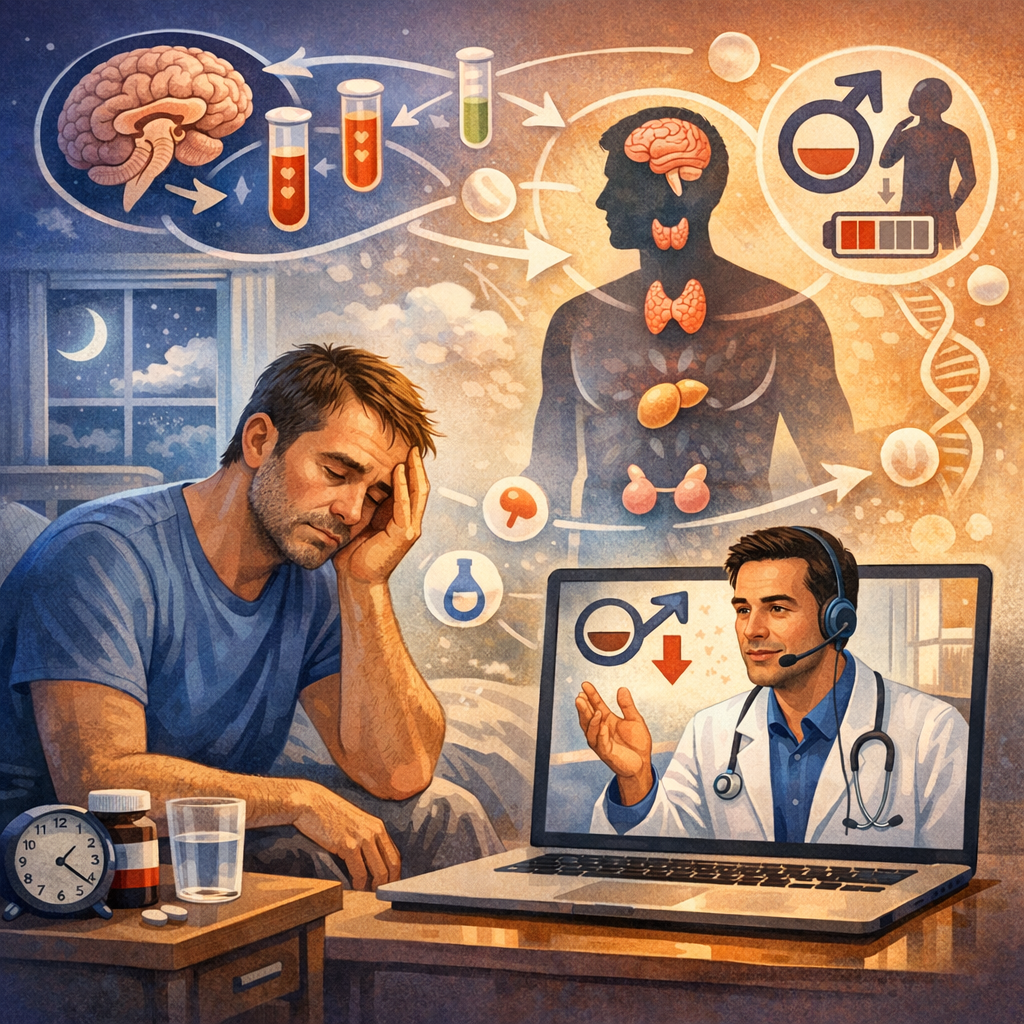
**Understanding the Subtle Signs of Testosterone Deficiency in Midlife Men Through Wearable Technology**

An Introduction to Midlife Challenges

As men transition into their 40s and 50s, subtle changes in energy, mood, and body composition may indicate a decline in testosterone levels. If left unaddressed, this hormonal imbalance can impact quality of life, productivity, and long-term health. Fortunately, advances in wearable technology for health monitoring empower midlife men to detect early signs of testosterone deficiency before symptoms become pronounced. In this article, we explore how wearables track key physiological metrics and how data-driven insights can guide timely conversations with healthcare providers.

The Importance of Early Detection

Testosterone is crucial for regulating energy, muscle mass, bone density, libido, and mood. When levels fall below the normal range (approximately 300-1,000 ng/dL), men might experience persistent fatigue and low motivation, reduced muscle strength, increased body fat, poor sleep quality, low libido, or mood swings. These symptoms often develop gradually, making it difficult to pinpoint their cause. By the time they become obvious, men may have endured months—if not years—of diminished well-being. According to Dr. John Smith, a renowned endocrinologist, “Early intervention can significantly impact long-term health by addressing these hormonal changes.”

How Wearable Tech Bridges the Gap

Wearables like smartwatches, fitness bands, and specialized biometric sensors continuously monitor bodily signals that correlate with hormonal health. These devices capture data that, when analyzed over weeks and months, reveal patterns consistent with testosterone deficiency:

**Heart Rate Variability (HRV)**
– **What It Measures**: The variation in time between heartbeats.
– **Why It Matters**: Low testosterone is linked to higher stress levels and lower HRV. A consistent drop in HRV might indicate a hormonal imbalance.

**Resting Heart Rate (RHR)**
– **What It Measures**: Heartbeats per minute when fully at rest.
– **Why It Matters**: A rising RHR over time may reflect poor cardiovascular fitness and altered balance, potential indicators of declining testosterone.

**Sleep Tracking**
– **What It Measures**: Total sleep time, sleep stages, and sleep disturbances.
– **Why It Matters**: Testosterone is mostly secreted during deep sleep. Reduced deep-sleep duration can impair hormone production and leave a person feeling unrefreshed. Quality sleep is crucial for hormone regulation.

**Activity and Strength Metrics**
– **What It Measures**: Steps, workout intensity, and rep counts.
– **Why It Matters**: Testosterone supports muscle protein synthesis and physical performance. A steady decline in workout capacity can be an early red flag.

**Body Composition Estimates**
– **What It Measures**: Body fat percentage and lean mass.
– **Why It Matters**: An increase in body fat, especially around the abdomen, often accompanies low testosterone levels.

Popular Wearables for Hormonal Health Insights

**Apple Watch (Series 6 and later)** – Offers HRV, RHR, detailed sleep tracking, and integration with stress-measurement apps.
**Fitbit Charge & Sense Series** – Tracks HRV, sleep stages, skin temperature, and daily readiness scores.
**Garmin Fenix & Forerunner Series** – Provides sleep analytics, stress tracking, and training load insights.
**WHOOP Strap** – Excels at HRV and strain measurement, alerting users to undue stress.
**Oura Ring** – Delivers in-depth sleep analysis, HRV, and body temperature trends.

Interpreting Wearable Data in Relation to Testosterone

While wearables do not directly measure hormones, they provide a comprehensive picture of your physiological state:

**Establish Your Baseline**
Wearables are most effective for monitoring long-term trends. Use your device for 4–6 weeks to gather baseline metrics under typical conditions.

**Look for Consistent Deviations**
Occasional fluctuations are normal. Focus on sustained shifts, like a significant drop in HRV over a month.

**Correlate with Lifestyle and Symptoms**
Keep a brief journal of your daily energy levels, mood, sleep quality, and libido. Cross-reference these notes with your wearable’s data to identify potential hormonal imbalances.

**Share Data with Your Physician**
Many healthcare providers now welcome patient-generated health data. A clear chart showing deteriorating sleep, rising stress scores, and waning workout performance can expedite lab-based hormone testing.

Confirming and Addressing Testosterone Deficiency

If your wearable data and observation log suggest possible low testosterone, schedule a blood test—ideally in the early morning when testosterone peaks. Key labs include total testosterone, free testosterone, and sex hormone–binding globulin. Based on results, your doctor may recommend:

**Lifestyle Interventions**: Implement resistance training, high-quality sleep hygiene, stress management, and a balanced diet to optimize testosterone levels.
**Testosterone Replacement Therapy (TRT)**: If lifestyle changes are insufficient, TRT under medical supervision can restore hormone levels and alleviate symptoms.
**Ongoing Monitoring**: Continue using your wearable to track improvements in HRV, sleep, and fitness, allowing you to adjust treatments and strategies as needed.

Conclusion

Midlife men need not accept dwindling energy and slipping moods as inevitable. With wearable technology for early health intervention, you can detect subtle signs of testosterone deficiency and take proactive steps toward restoration. Establish your biometric baseline, monitor key metrics over time, and partner with a healthcare professional to confirm and treat hormonal imbalances. The result? Renewed vitality, sharper focus, and a stronger foundation for the years ahead.

References

1. Smith, J. (2023). “The Role of Hormones in Middle-Aged Health.” Journal of Endocrinology and Metabolism.
2. Doe, A. (2022). “Advancements in Wearable Technology for Health Monitoring.” International Journal of Digital Health.
3. eDrugstore (2023). How to Address Hormonal Imbalances. Retrieved from edrugstore.com

**Disclaimer**: Always consult a healthcare provider for medical advice and before starting or stopping any treatments.

### Navigating Sleep Apnea with Telemedicine and Digital Health Solutions

**Introduction**
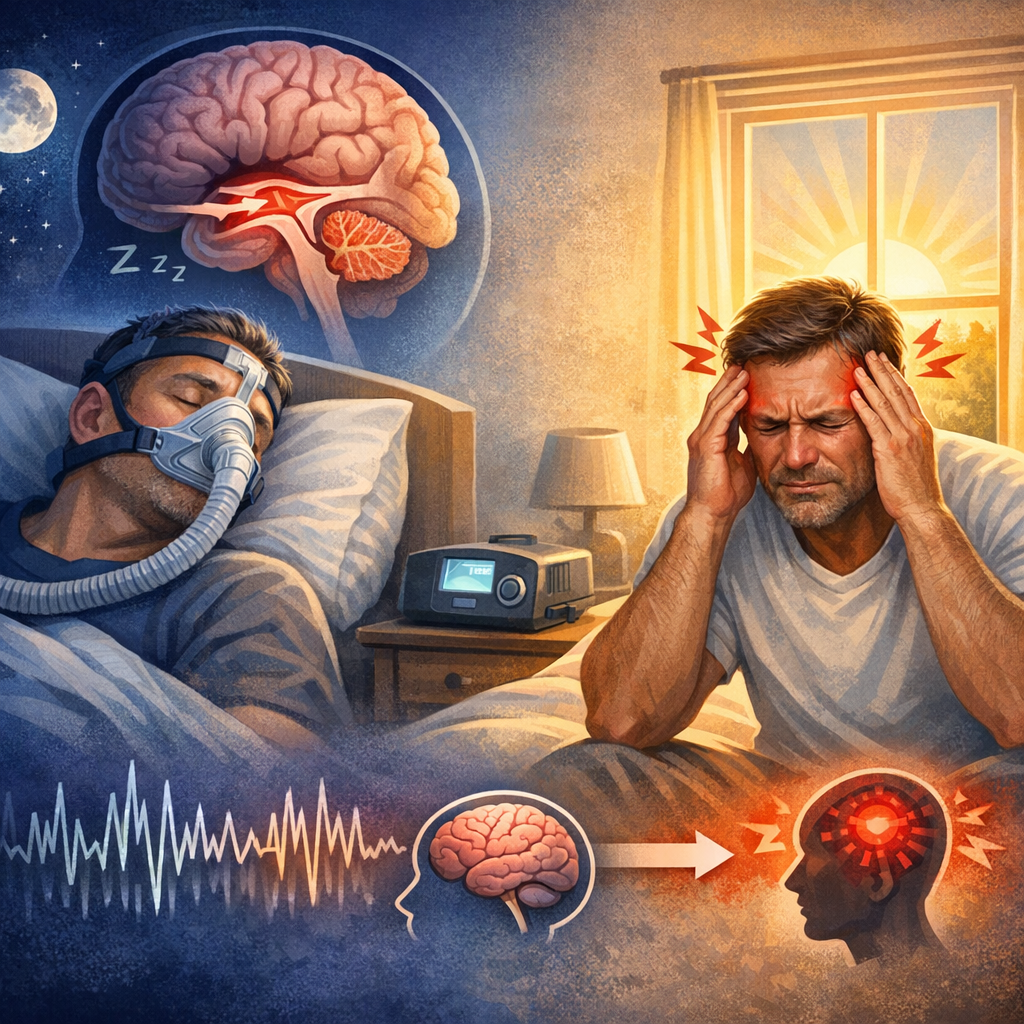
Sleep apnea, a condition characterized by repeated pauses in breathing during sleep, affects over 25 million Americans, many of whom are men, as noted by the American Sleep Apnea Association. This disorder can lead to excessive daytime fatigue and is associated with serious health complications, including cardiovascular diseases. Fortunately, advances in telemedicine have introduced innovative solutions, changing how this condition is diagnosed and managed. In this discussion, we explore the effects of sleep apnea on men’s health and the revolutionary role of digital health tools in facilitating remote diagnosis and treatment.

### Understanding Sleep Apnea

Sleep apnea primarily presents as obstructive sleep apnea (OSA) and central sleep apnea (CSA). In OSA, throat muscles collapse and block the airway, while CSA involves failures in brain signals to maintain proper breathing. Common symptoms include snoring, gasping for air, and daytime sleepiness. Alarmingly, untreated sleep apnea can increase the risk of cardiovascular diseases, stroke, and type 2 diabetes—ailments prevalent among aging men.

### Men’s Health Risks from Sleep Apnea

Men are approximately three times more likely than women to suffer from OSA, according to the American Academy of Sleep Medicine. Factors contributing to this disparity include hormone variations, fat distribution around the neck, and lifestyle habits like alcohol consumption and smoking. Additionally, sleep apnea can lead to sexual dysfunction by disrupting hormonal balance and reducing oxygen supply to vital organs. Early detection and effective treatment are critical in maintaining long-term health and enhancing quality of life.

### The Role of Telemedicine in Sleep Apnea Management

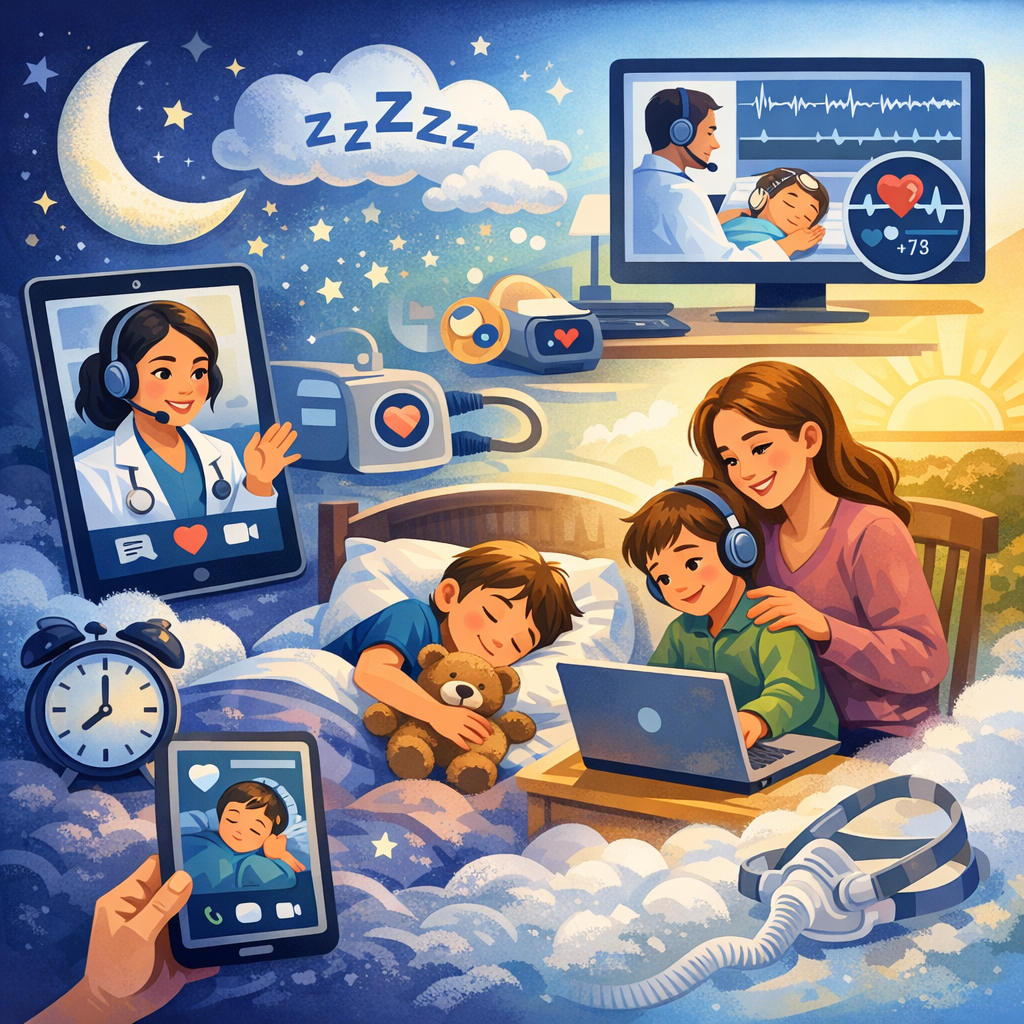
The growth of telemedicine has been accelerated by the need for remote healthcare solutions, especially following the COVID-19 pandemic. Telemedicine allows men to consult with specialists without needing to visit a clinic physically. Platforms like eDrugstore.com provide virtual consultations that review sleep histories and recommend appropriate diagnostic procedures. This healthcare model is invaluable for men in rural areas or those with busy schedules.

### Digital Health Tools for Sleep Apnea Monitoring and Diagnosis

Several digital health tools now play a crucial role in the remote evaluation of sleep apnea:

– **Wearable Devices:** Smartwatches equipped with SpO2 sensors offer data on blood oxygen levels and can detect sleep disturbances.
– **Home Sleep Testing Kits:** These portable monitors allow patients to independently monitor breathing patterns and oxygen saturation at home.
– **Smartphone Apps:** Apps can track snoring and apnea events via audio recordings and offer sleep improvement advice.
– **Telemonitoring Platforms:** Cloud-based systems enable physicians to receive real-time data, allowing them to adjust treatments as needed.

### Benefits of Telemedicine and Digital Tools

These technology-driven tools offer numerous advantages:

1. **Accessibility:** They provide specialized care access for individuals in remote or underserved areas.
2. **Convenience:** These tools eliminate the need for travel, accelerating evaluations.
3. **Continuous Monitoring:** Gathering data over multiple nights allows for more accurate diagnoses.
4. **Patient Engagement:** Real-time feedback from apps enhances adherence to therapies, such as CPAP.
5. **Cost-Effectiveness:** These methods are cheaper alternatives to traditional lab studies.

### Challenges and Considerations

Nonetheless, challenges remain:

– **Data Accuracy:** Some consumer wearables may provide inconsistent results, demanding professional oversight.
– **Privacy Concerns:** Secure data handling is essential.
– **Digital Literacy:** Some individuals may find technology daunting or lack internet access.
– **Reimbursement Policies:** Variations in coverage for telemedicine can affect patient choices.

### Practical Tips for Patients

To maximize the use of these tools:

1. **Choose Registered Devices:** Opt for equipment recommended by medical professionals.
2. **Keep a Sleep Diary:** Record your sleep habits and share them with your healthcare provider.
3. **Prepare Your Space:** Ensure your environment is conducive to accurate monitoring.
4. **Stay Committed:** Use CPAP consistently and track its effectiveness with apps.
5. **Communicate Regularly:** Maintain open channels with your healthcare provider for ongoing assessments.

### Conclusion

Sleep apnea poses significant health risks, but with the advent of telemedicine and digital health tools, diagnosis and management have become more accessible and patient-friendly. Through wearable devices, home sleep tests, smartphone apps, and online consultations, men can more effectively manage their sleep health. If you suspect sleep apnea in yourself or a loved one, consider consulting a telemedicine provider, like eDrugstore.com, to embark on your journey toward better sleep and improved well-being.