Telehealth in Multiple Languages: Beyond Translation to Culturally-Specific Care Delivery
Inclusive Healthcare in a Digital World
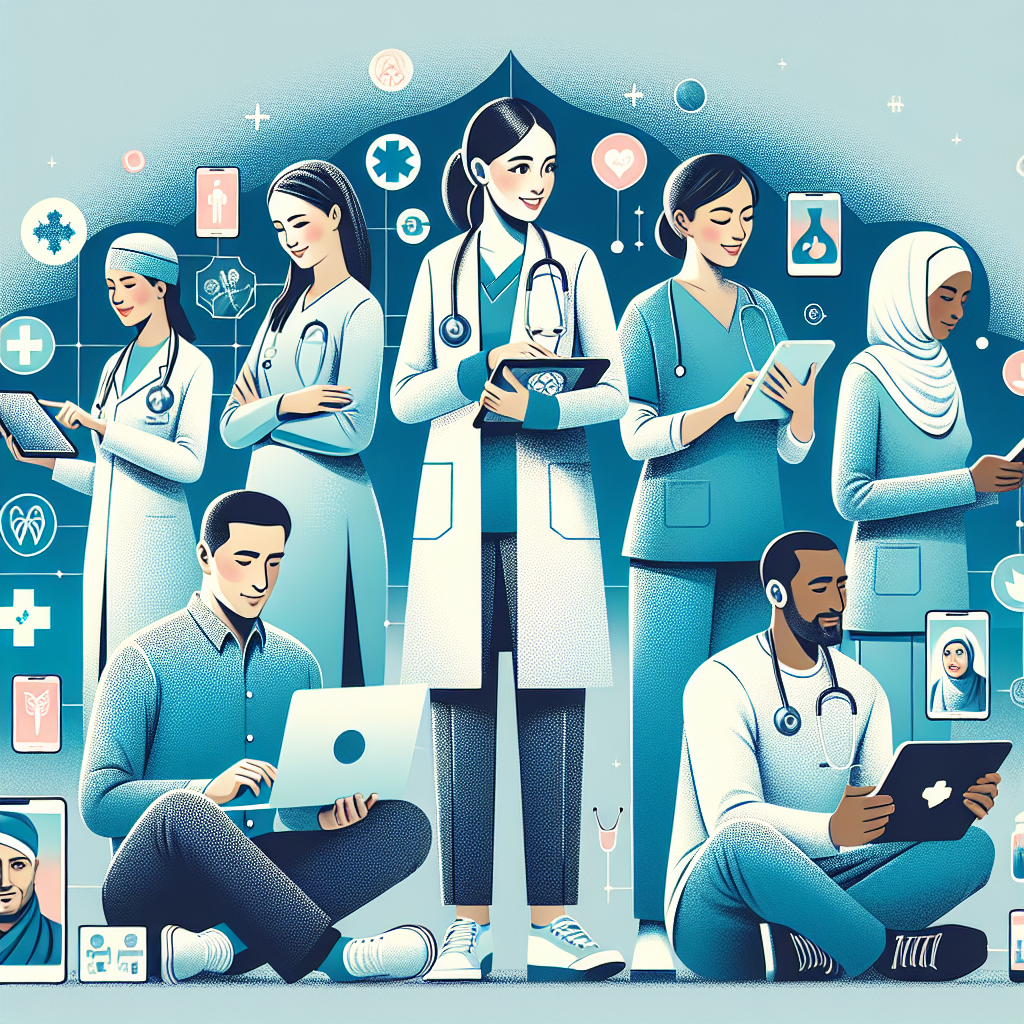
As telehealth platforms continue to expand, delivering access to health services in multiple languages is more important than ever. In the United States alone, over 67 million residents speak a language other than English at home—a number echoed worldwide. But offering translated forms or interfaces is merely the starting point.
To deliver meaningful, effective care, it’s essential that services are not only linguistically appropriate but also culturally sensitive. Cultural awareness in healthcare involves considering a patient’s values, communication norms, beliefs, and community traditions. As Dr. Carmen Alvarez from Johns Hopkins School of Nursing says, “Language is the opening door, but culture is the foundation. Without both, you haven’t built trust.”
Let’s explore how providers and health tech platforms can go beyond basic translation to create truly inclusive and culturally resonant telehealth experiences.
The Telehealth Boom and the Language Diversity Challenge
The COVID-19 pandemic sparked a surge in virtual care adoption, with telehealth visits in the U.S. increasing by 154% in the early months of the pandemic—a trend that continues. However, this digital evolution has spotlighted a key challenge: supporting patients who speak diverse languages.
With over 25% of U.S. households communicating in languages other than English—and even higher percentages in states such as California—healthcare systems must do more than translate. Without culturally appropriate digital care, patients are more likely to:
– Misinterpret medical recommendations
– Experience barriers adhering to treatment plans
– Develop distrust in healthcare providers
Translation is just the starting block. To truly support equitable virtual care, telehealth platforms must evolve into culturally adaptive systems.
Why Cultural Context Matters More Than Translation
Literal translations may miss cultural nuances that significantly impact patient care. For example, in some Latinx communities, emotional distress may be expressed through physical symptoms—a phenomenon called somatization. This can easily lead to misdiagnosis if the provider lacks cultural awareness.
To create trust and understanding, providers should adapt:
– Intake forms with regionally understood expressions
– Appointment reminders delivered in respectful tones
– Educational resources that reflect cultural values and norms
For instance, mental health videos for Vietnamese elders might prioritize themes of family unity and emotional harmony over clinical terminology. Ensuring materials are culturally aligned boosts both comprehension and trust.
Building Multilingual Telehealth Platforms That Connect
Effective multilingual telehealth platforms must deliver more than basic language options. Studies from the Office of Minority Health show that incorporating cultural context improves patient adherence rates by up to 28%.
A culturally inclusive telehealth system should feature:
– Keywords and services like “culturally relevant health education,” “multilingual telehealth interface,” and “on-demand language interpreter”
– User-friendly multilingual interfaces for easier platform navigation
– Built-in video interpreters or three-way language support calls
– Visual content that includes familiar community leaders and recognizable cultural symbols
– Smart language detection that automatically pairs patients with preferred-language providers
For example, an Arabic-speaking patient could be connected with a fluent provider or live translator based on system settings, leading to better engagement and health outcomes.
Training Providers in Cultural Competence and Humility
Technology alone can’t guarantee culturally competent care. Medical professionals must also be equipped to interact respectfully with patients from diverse backgrounds.
Training clinicians in cultural humility—a dynamic process of self-reflection and openness—can dramatically enhance care quality. A study in the Journal of General Internal Medicine saw a 24% improvement in clinical communication and diagnostic accuracy following such training.
Essential areas for clinician development include:
– Identifying and addressing personal biases
– Understanding traditional healing practices or alternative medicines used in various cultures
– Practicing inclusive communication through open-ended, culturally sensitive questions
– Respecting community-based decision-making processes, which are essential in many Native American, Latinx, and Asian cultures
For instance, many Hmong families defer health decisions to respected elders. Recognizing these cultural norms can greatly improve patient trust and treatment adherence.
Designing Care with Communities, Not Just for Them
The most effective telehealth solutions are created with input from the communities being served. Engaging patients during the design phase ensures platforms meet real-world needs and preferences.
Community co-design might include:
– Hosting focus groups to understand preferred communication methods (e.g., text vs. email alerts)
– Validating imagery to ensure cultural appropriateness (e.g., modest clothing or spiritual icons)
– Fine-tuning language for formality in languages where tone matters (e.g., addressing adults with “usted” rather than “tú” in Spanish)
As one successful example, a Minnesota-based telehealth project learned that Somali patients were uncomfortable with anatomical diagrams unless segmented by gender. Adjusting this detail helped improve engagement and patient comfort.
Case Study: Virtual Diabetes Care for Latinx Seniors
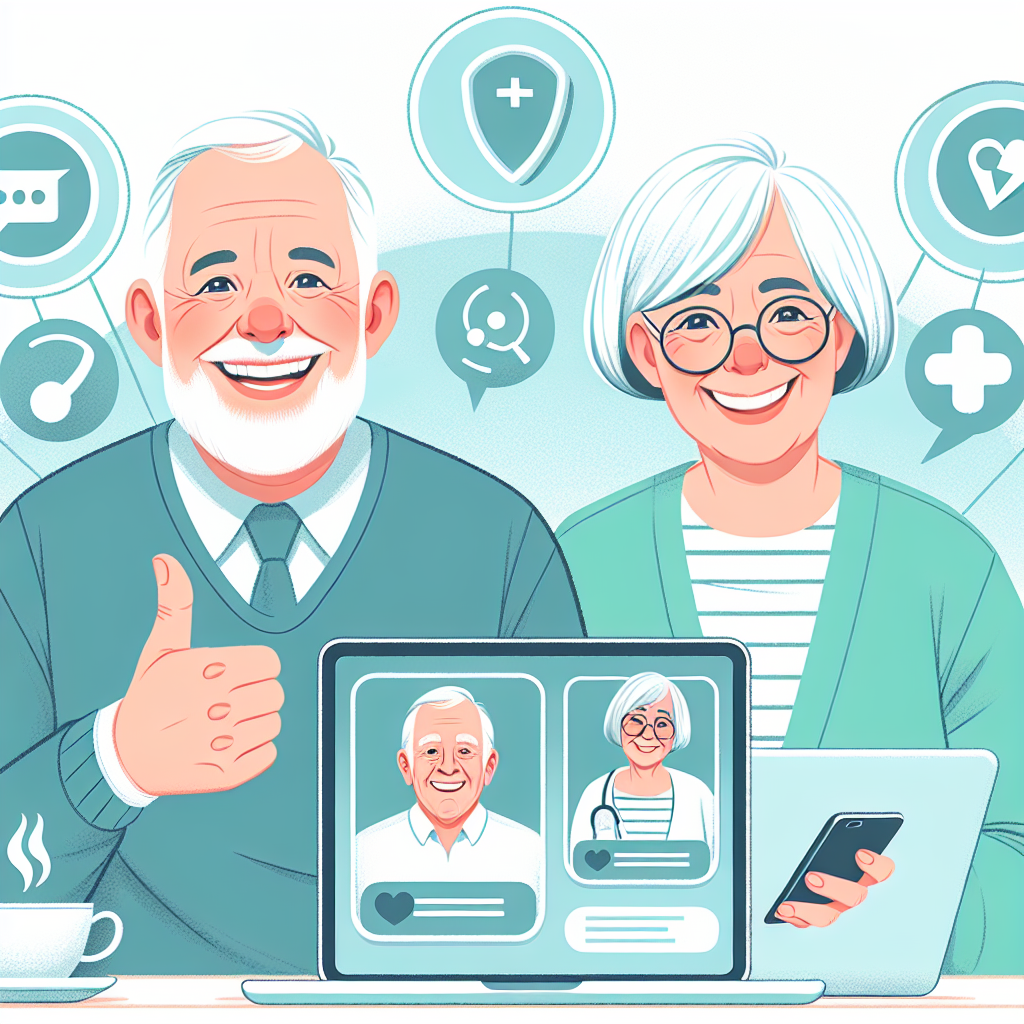
A Texas-based telehealth program demonstrates how culturally tailored care improves outcomes. Designed for Spanish-speaking seniors with diabetes, the program included:
– Group consultations led by bilingual community health workers
– Cooking demos featuring traditional dishes adapted for diabetes-friendly nutrition
– Personalized appointment calls using respectful and affectionate terms like “doña” and “don don”
The results:
– A 30% boost in appointment attendance
– A 19% improvement in blood sugar control
– High satisfaction levels, with participants reporting they felt more “seen and heard”
This case emphasizes that when cultural needs are addressed, telehealth doesn’t just treat—it connects on a human level.
Tracking Success Through Measurable Metrics
To ensure culturally adapted telehealth systems continue to work as intended, healthcare organizations must monitor progress through meaningful KPIs. Suggested metrics include:
– Completion rates of patient portals by language
– Appointment no-show and cancellation rates sorted by spoken language
– Satisfaction surveys and Net Promoter Scores (NPS) broken down by cultural group
– Medication adherence and readmission rates among those using translated resources
These insights allow healthcare providers to refine systems over time and ensure ongoing equity in healthcare accessibility.
Addressing Real-World Challenges to Inclusivity
Designing and maintaining inclusive telehealth solutions comes with hurdles:
– Budget limitations may restrict access to live interpreters. Consider partnerships with universities or nonprofits to expand access affordably.
– Variability in digital literacy can limit platform use. Offer support through tutorials, in-person onboarding, or phone-based guidance in multiple languages.
– Serving dozens of languages isn’t always immediately viable. Prioritize based on demographic data—for example, start by addressing the top 10 languages spoken among your patient base and expand from there.
One rural Arizona clinic first implemented Navajo and Spanish support, addressing over 80% of their non-English speakers before expanding to others like Hopi and Quechua in subsequent phases.
The Future of Care Is Culturally Connected
Telehealth has created new possibilities to serve communities far and wide. But for it to be effective, virtual care must be both reachable and relevant.
As Dr. Anita Chandra of RAND Health notes, “Equity in healthcare delivery is not created by technology—it’s created by intention.”
By focusing on:
– Inclusively designed platforms
– Clinician cultural training
– Ongoing collaboration with patient communities
…healthcare organizations can provide digital health experiences that don’t just meet patients where they are, but truly make them feel understood.
This is the future of equitable, compassionate healthcare.
Further Reading and Resources
– U.S. Census Bureau (2020). Language Spoken at Home.
– Beach, M. C., et al. (2005). Cultural Competency: A Systematic Review. Journal of General Internal Medicine.
– Office of Minority Health (2022). Think Cultural Health.
– RAND Corporation (2023). Health Equity and Technology Use.
– Pew Research Center (2021). Hispanic Trends and Tech Adoption.
– eDrugstore.com – Telehealth and Health Tech Insights
Explore additional tools and guides for inclusive digital care at eDrugstore.com.