Las Vegas, NV — January 12, 2026Secure Medical, a trusted leader in digital healthcare services with more than 27 years of operational experience, today announced it will showcase its innovative TelehealthCash white-label telehealth solutions at Affiliate Summit West 2026, January 12–14 at Caesars Palace Hotel and Casino in Las Vegas.

The company’s presence at one of the largest affiliate marketing events in the world will highlight new opportunities for affiliates, entrepreneurs, and brands to enter and scale in the booming telehealth market by launching fully branded telehealth businesses powered by Secure Medical’s infrastructure.

TelehealthCash: Turnkey Branding and Telehealth Business Solutions
Through the TelehealthCash platform, select partners can build customized telehealth enterprises across high-demand categories including urgent care, mental health, lifestyle medications, emergency services, and pet care. These white-label solutions enable businesses to launch quickly using proven systems already trusted by patients nationwide.

Secure Medical’s offerings also extend beyond telehealth services to include family-oriented medical travel kits and a range of practical medical devices aimed at enhancing daily wellness and quality of life.

Seamless Experience for Patients and Partners
Patients using TelehealthCash-powered platforms can connect with licensed physicians across the United States and receive prescribed medications and products — including same-day delivery — providing a seamless, modern healthcare experience. Meanwhile, partners benefit from a fully supported backend that includes technology, provider networks, pharmacy fulfillment, regulatory compliance, and operational support, while retaining control over branding, marketing, and growth strategy.

Visit Secure Medical at Affiliate Summit West
Attendees of Affiliate Summit West are invited to visit Booth 108 for live demonstrations and to explore how Secure Medical’s white-label telehealth solutions can be integrated into existing business models or serve as the foundation for new healthcare ventures.

About Secure Medical
Secure Medical has been a trusted provider of scalable healthcare solutions for over 27 years, delivering compliant systems across multiple telehealth verticals. Through the TelehealthCash platform, the company empowers partners to build, brand, and grow telehealth businesses using high-performance frameworks and infrastructure.

Learn more: For the full press release and additional details, visit the official version at https://www.newsfilecorp.com/release/280060

Understanding the Emergency Red Button in Remote Monitoring Systems

In today’s always-connected business landscape, remote monitoring has become a vital component for managing critical infrastructure. Whether in smart manufacturing facilities or healthcare systems, these tools are designed to instantly detect and report anomalies. However, when alerts are missed or ignored, the consequences can range from costly downtime to life-threatening emergencies. This is where the “Emergency Red Button” comes into play — an advanced escalation protocol that guarantees urgent issues don’t slip through the cracks.

Why Escalation Protocols are Essential

While remote monitoring systems automate the identification of threats, human response remains a critical component. A 2023 study by the Ponemon Institute revealed that 68% of IT downtime incidents were a direct result of missed or delayed alerts. Failures like these can occur when:

– Emails are lost in cluttered inboxes
– Text messages are received during off-hours and overlooked
– Phone calls don’t reach the intended personnel

To prevent such missteps, automated escalation systems are employed. The Emergency Red Button exemplifies this approach by:

– Prioritizing alerts based on real-time severity assessments
– Distributing alerts to on-call staff according to shift schedules
– Moving unacknowledged alerts up the chain of command within minutes
– Creating a full audit trail to support compliance and post-event accountability

According to Jenna Morales, a cybersecurity strategist at the Technology Risk Council, “An escalation system isn’t just a backup plan—it’s the first line of defense against operational failure.”

Far from being a simple metaphor, the Emergency Red Button represents a structured, rule-based safety mechanism that operates around the clock.

Core Components of the Emergency Red Button System

Real-Time Monitoring and Alert Initiation

Modern systems collect data from remote sensors, digital logs, and analytics platforms, channeling it into centralized monitoring hubs. Gartner reports that over 82% of infrastructure alerts in large enterprises now originate from automated systems. These systems are configured to trigger alerts when critical thresholds—such as high voltage, elevated temperature, or unauthorized access—are reached.

Example: A server rack temperature climbs to 90°F. Within seconds, a push notification and SMS alert are sent to the designated IT technician.

Multi-Tiered Escalation Workflow

Escalation within the Emergency Red Button system is swift and structured:

– Tier 1: Initial alerts are sent to on-call responders such as technicians, nurses, or security staff.
– Tier 2: If the alert remains unacknowledged after 3 to 5 minutes, it escalates automatically to a supervisor or team leader via voice call and mobile notification.
– Tier 3: For critical incidents—such as toxic gas leaks, security intrusions, or medical emergencies—the system bypasses manual intervention and concurrently alerts executives and emergency responders through text, email, and phone calls.

This sequential escalation ensures rapid human intervention where every second counts.

Thorough Incident Logging and Reporting

Every interaction—alert triggered, acknowledged, escalated, or ignored—is meticulously logged with time stamps. This data is instrumental for compliance, legal discovery, and internal reviews. Technologies like Opsgenie and PagerDuty go a step further, producing automated incident reports for streamlined analysis.

Dr. Ethan Connelly, Director of Crisis Response Systems at MIT, notes, “Well-documented escalation logs are crucial when demonstrating responsibility and adherence in industries like healthcare and energy.”

Built-In Redundancy for Reliability

System redundancy is not optional—it’s mandatory. Top-tier solutions utilize multiple communication channels, including SMS, emails, app notifications, and even landlines, to guarantee alert delivery. Redundant systems with power backups and wireless connectivity ensure that escalation continues even when primary networks fail.

Example: In a data center experiencing a power outage, an LTE-powered backup system continues escalating alerts even when the fiber-optic network is offline.

Real-Life Scenario: How the Escalation Protocol Activates

Imagine a temperature gauge inside a hazardous material tank rising to 55°C—far above the safety threshold of 50°C.

1. Detection and Alert Initiation
– The system identifies the breach and sends alerts via SMS and app to the on-call technician.

2. Tier 1: Technician Response
– The technician has three minutes to respond. If acknowledged, they begin diagnostics—reviewing logs, inspecting cooling systems, or communicating with on-site personnel.

3. Tier 2: Supervisor Escalation
– If the technician is unresponsive, the system escalates to the plant supervisor, transmitting sensor data and the tank’s location.

4. Tier 3: Emergency Activation
– Still no response or temperature rises further? The system contacts emergency responders and senior management directly.

Through this layered approach, emergency response time can be reduced from over 30 minutes to under 5—drastically minimizing harm and preventing disaster.

Best Practices for Implementing an Emergency Escalation Plan

1. Clearly Define Severity Levels

Use defined categories such as Informational, Warning, Critical, and Emergency. This removes ambiguity and allows responders to act with precision.

2. Keep On-Call Lists Current

Maintain an updated roster of responders. This prevents alerts from reaching personnel who are off-duty, on leave, or otherwise unavailable.

3. Conduct Regular Escalation Drills

Simulated incident response exercises, performed at least quarterly, reveal weaknesses and enhance team preparedness. According to Forrester, organizations that conduct regular escalation drills see a 42% reduction in incident resolution time.

4. Fine-Tune Alert Thresholds

Analyze historical data to improve trigger settings. If a majority of “Critical” alerts turn out to be low risk, recalibration may be necessary to minimize false positives.

5. Implement Communication Redundancy

Ensure that if one method of communication fails, others remain active. Best practice suggests using at least three backup methods for vital escalations. Also, confirm that contact details are accurate and correctly formatted.

Industries Benefiting from Emergency Escalation Systems

Preventing Fires in Data Centers

Amazon Web Services (AWS) employs thermal monitoring of its server racks. When temperatures rise beyond safety levels, alerts are immediately sent to engineers, allowing quick intervention and preventing large-scale service disruptions.

Ensuring Safety in Oil and Gas Operations

Offshore drilling platforms are equipped with hydrogen sulfide sensors connected to a global escalation system. When gas levels spike, the platform simultaneously notifies on-site crews and off-site risk engineers, enabling immediate action.

Enhancing Emergency Response in Healthcare

Assisted-living centers rely on fall-detection technologies and heart-rate monitors. If staff fail to respond within designated timeframes, the Emergency Red Button protocol initiates direct calls to emergency medical personnel—delivering critical care in moments where every second matters.

Conclusion: Elevate Monitoring with Escalation

Monitoring systems alone are not sufficient. Without a structured protocol for ensuring that alerts reach the right people at the right time, avoidable problems can escalate into full-blown crises. The Emergency Red Button isn’t a physical switch—it’s a smart escalation framework that leverages real-time data, strategic communication, and a hierarchy of responsibility to deliver results.

From reducing downtime to saving lives, it serves as a fundamental tool for organizations that refuse to leave safety and continuity to chance.

As security advisor Lora Venter aptly summarized, “You can prevent 80% of operational failures just by ensuring the right person responds at the right time.”

References

– Ponemon Institute (2023). “Cost of Data Center Downtime Report”
– Forrester Research (2022). “Best Practices in IT Escalation Planning”
– Gartner (2023). “Infrastructure Monitoring Report”
– Connelly, E. (2023). Commentary on Crisis Response Systems. MIT Press
– Venter, L. (2022). Keynote Address at Global Security Conference
– Learn more about health alert devices at edrugstore.com

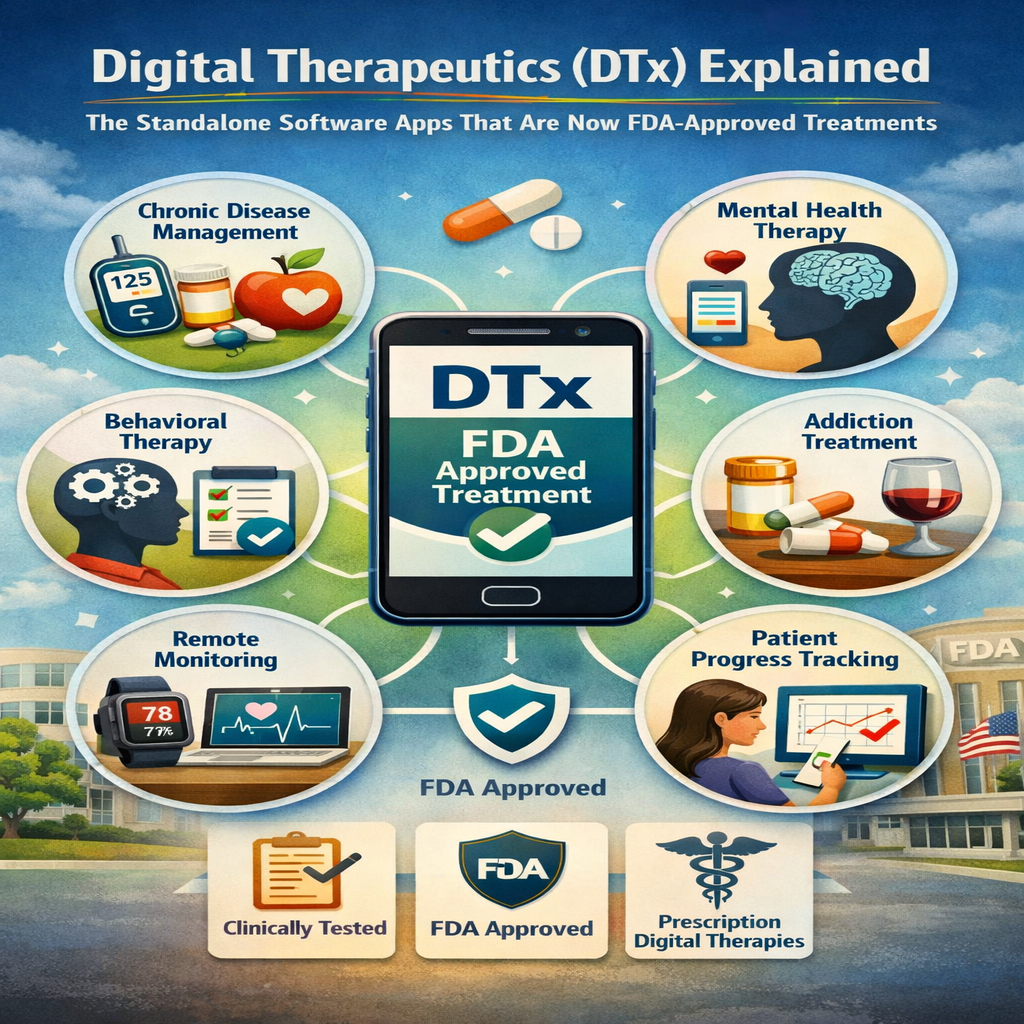
Digital Therapeutics (DTx) Explained

Introducing a New Era of Medicine

Digital therapeutics (DTx) are revolutionizing the healthcare landscape by delivering clinically validated health interventions through software. Unlike traditional pharmaceuticals or physical medical devices, DTx tools are delivered via mobile or tablet applications. In recent years, the U.S. Food and Drug Administration (FDA) has approved several of these digital products as standalone treatments, recognizing their safety, efficacy, and potential to transform patient care. This guide will explore what digital therapeutics are, how they become FDA-approved, real-world examples, and their growing role in modern healthcare.

What Are Digital Therapeutics?

Digital therapeutics go far beyond conventional health and wellness apps. These are FDA-reviewed, evidence-based software solutions designed to treat or manage medical conditions such as insomnia, ADHD, anxiety, and substance use disorders. Unlike apps that simply track fitness data or send reminders, DTx platforms often integrate cognitive behavioral therapy (CBT) methods, behavioral science, and real-time data collection to deliver custom treatment experiences.

“Digital therapeutics combine the rigor of clinical trials with the power of software to deliver personalized care at scale,” explains Megan Coder, PharmD, founder of the Digital Therapeutics Alliance.

Key features of DTx apps include user interactivity, adaptive treatment plans based on real-time feedback, and rigorous development protocols. To meet regulatory standards, DTx developers must demonstrate both safety and clinical effectiveness, akin to prescription medications.

How Do Digital Therapeutics Get FDA Approval?

FDA approval for digital therapeutics involves a comprehensive evaluation of clinical effectiveness, software integrity, data security, and health outcomes. These products must undergo robust, peer-reviewed clinical trials and submit detailed documentation under one of several review pathways: the 510(k) process, de novo classification, or Pre-Market Approval (PMA), depending on the device’s novelty and risk level.

For example, Somryst for chronic insomnia received de novo clearance after randomized controlled trials demonstrated compelling health improvements. Similarly, reSET-O for opioid use disorder met FDA standards and is eligible for insurance reimbursement. These approvals mark a significant shift: software is increasingly being prescribed just like medication.

The Advantages of Digital Therapeutics

Digital therapeutics provide numerous benefits compared to traditional treatment methods:

Accessibility and Reach: With over 85% of U.S. adults owning a smartphone, DTx solutions can be widely adopted. They eliminate geographical or travel constraints, giving users access to therapy from home.

Personalized Interventions: Many DTx apps adapt dynamically to users’ behavior. For instance, EndeavorRx for pediatric ADHD modifies game complexity in real time based on cognitive responses, offering a personalized therapeutic experience.

Objective Progress Tracking: Unlike self-reported symptoms, DTx tools collect accurate, data-driven insights through digital journals and sensors, improving clinical decision-making.

Cost Efficiency: Preliminary data suggests that digital therapeutics can reduce healthcare costs by as much as 20%, primarily through improved therapy compliance and reduced hospital visits.

Higher Patient Engagement: DTx apps often include gamification, coaching support, and interactive dashboards to keep users invested in their treatment, leading to better long-term outcomes.

FDA-Authorized Digital Therapeutics in Action

Here are some key examples of DTx products currently authorized by the FDA:

reSET and reSET-O by Pear Therapeutics: These digital CBT-based tools treat Substance Use Disorder (SUD) and Opioid Use Disorder (OUD) with high success rates. Clinical trials revealed a 71% increase in abstinence compared to traditional approaches.

Somryst: Designed for chronic insomnia, Somryst deploys CBT techniques including sleep restriction and relaxation strategies. Patients reported a 60% improvement in sleep efficiency during trials.

EndeavorRx: Created by Akili Interactive, this is the first FDA-authorized video game therapeutic. It targets pediatric ADHD by blending cognitive challenges with engaging gameplay, resulting in measurable attention span improvements.

NightWare: Targeting PTSD-related nightmares, NightWare detects sleep disruptions and gently awakens users using vibrations, ultimately promoting restful sleep.

Deprexis: While not yet FDA-approved in the U.S., this European-authorized platform has demonstrated a 50% reduction in depressive symptoms. Its success in Germany showcases the broader global appeal of digital therapeutic treatment.

Bringing Digital Therapeutics into Healthcare Practices

Integrating DTx solutions into day-to-day clinical routines involves adjusting healthcare workflows. This includes training providers to prescribe digital tools, monitoring progress via integrated platforms, and supporting patient onboarding. Fortunately, many modern Electronic Health Record (EHR) systems can now interface directly with DTx platforms, making the integration seamless.

“Digital therapeutics align perfectly with value-based care models by offering measurable, data-driven outcomes,” emphasizes Dr. John Torous, a digital psychiatry expert from Harvard Medical School.

Insurers are also beginning to incorporate DTx apps into their formularies, with some implementing outcome-based reimbursement. This shift supports evidence-based care while offering patients access to tailored digital treatments.

Barriers and Challenges in Widespread Adoption

Despite their promise, several hurdles limit the broad implementation of digital therapeutics:

Reimbursement Structure: Not all insurance companies have billing systems in place for digital therapy codes. This complicates accessibility and affordability.

Technology Access Gaps: Roughly 14% of U.S. adults lack internet access at home, limiting reach for underserved populations.

Data Security and Privacy: As DTx apps handle sensitive health information, developers must adhere to HIPAA regulations and implement robust cybersecurity measures.

Provider Hesitation: Some clinicians may be unfamiliar with digital tools or hesitant to recommend non-pharmaceutical options.

User Engagement: Like many app-based solutions, dropout rates can be high. Features such as coaching, reward systems, and progress notifications can help maintain motivation.

A Glimpse into the Future of Digital Therapeutics

The future looks bright for digital therapeutics, with new treatments in development for chronic pain, cardiovascular rehabilitation, and AI-enhanced mental health care. Advances in machine learning are paving the way for hyper-personalized interventions that respond to a user’s mood, biometrics, and historical data in real time.

Integration with wearable devices such as fitness trackers, glucose monitors, and heart rate sensors is expected to create a continuous feedback loop between physical input and digital output—enhancing real-time therapeutic adjustments.

Meanwhile, regulatory bodies like the FDA are working on streamlined approval pathways to support more efficient global rollouts of digital therapeutic tools.

Conclusion: The Digital Revolution in Healthcare

Digital therapeutics have moved beyond novelty to become powerful, clinically validated tools with real patient benefits. Today, several FDA-approved DTx apps are changing the way we treat conditions traditionally managed only with medication and in-person therapy. While challenges like reimbursement structures and digital equity remain, the momentum is undeniable.

As DTx platforms continue to evolve, patients and providers will have more resources than ever to manage health proactively, affordably, and effectively. The future of personalized care lies in innovative, secure, and clinically proven software solutions.

To explore accessible prescription services and virtual treatment options, visit eDrugstore.com.

Introduction: The Rise of Hybrid Healthcare

Since 2020, the popularity of virtual care has significantly increased. According to the CDC, telehealth visits rose by more than 150% during the early months of the pandemic. Patients appreciate the convenience of attending appointments without traveling, while also avoiding exposure to illnesses and enjoying more flexible scheduling.

Healthcare providers benefit as well, gaining real-time access to remote monitoring data and better time management. However, not all medical concerns can be adequately addressed through a screen. For instance, diagnosing a sore throat may require a strep test, and chest pain often calls for an electrocardiogram (EKG). Knowing when to transition from a virtual visit to an in-person assessment is key to avoiding delays in care.

This guide explores the hybrid care model, highlights conditions that require face-to-face evaluation, addresses common challenges, and offers patient-friendly tips to ensure a smooth healthcare experience.

Understanding the Hybrid Healthcare Model

The hybrid healthcare model combines virtual consultations with traditional in-person visits. Telehealth is ideal for initial evaluations, follow-ups, and managing chronic conditions. In contrast, in-person visits are necessary for hands-on diagnostics such as lab work, physical exams, and imaging.

By integrating both formats, providers can more efficiently triage patients, while individuals benefit from reduced travel and fewer unnecessary appointments. According to the Journal of Medical Internet Research, hybrid care models can reduce time to diagnosis by up to 30% in complex cases.

Limitations of Virtual Consultations

While telehealth streamlines access to care, it does come with limitations. Certain symptoms or conditions require physical assessments that cannot be conducted via video.

Key limitations of virtual care include:

– Inability to perform cardiac and pulmonary exams
– Missed detection of concerning skin lesions without advanced tools like a dermatoscope
– No access to imaging tools such as X-rays or MRIs
– Inability to collect lab samples including blood, cultures, or tissue biopsies

Dr. Linda Martin, an internal medicine physician, emphasizes the importance of timely diagnostics. “Virtual care should not delay necessary tests. In some cases, in-person evaluation can be life-saving,” she advises.

For further reading, explore online consultation limitations on trusted medical platforms.

Conditions That Require In-Person Testing

Some medical issues simply cannot be diagnosed effectively through observation alone. Below are examples of when in-person testing becomes essential:

Persistent Abdominal Pain

Online consultations cannot detect physical signs like rebound tenderness or swollen organs. Conditions such as appendicitis, gallstones, or ovarian cysts often require an ultrasound or CT scan for accurate diagnosis.

Unusual Skin Lesions

If a mole changes color, size, or shape, it could indicate skin cancer. While images may help identify some rashes, a dermatological exam and possibly a biopsy are necessary to detect melanoma or other serious conditions.

Cardiac Concerns

Symptoms such as chest pain or irregular heartbeat need more than verbal reports. Diagnostic tools like EKGs, Holter monitors, and echocardiograms are key to identifying arrhythmias, heart valve problems, or coronary artery disease.

Chronic Fatigue

Ongoing fatigue may stem from conditions like thyroid issues, anemia, or diabetes. Diagnosing these typically requires lab tests such as thyroid-stimulating hormone (TSH), hemoglobin A1C, or a complete blood count (CBC), all of which can only be done in person.

When to Move Beyond Virtual Care

Recognizing when an in-person consultation is needed can significantly impact treatment outcomes. Consider scheduling a face-to-face visit if you experience:

– Escalating or recurring symptoms
– Alarm symptoms such as high fever, unexplained weight loss, or severe pain
– Unclear guidance or inconclusive results from your virtual visit
– A provider’s recommendation for tests, imaging, or physical examination

How to Transition Smoothly Between Telehealth and In-Person Care

To maximize the benefits of hybrid care, preparation is essential. Follow these steps for a seamless transition:

Confirm Appointment Logistics

Double-check the location, time, and any test preparation requirements such as fasting or wearing specific clothing.

Share Health Records

Ensure your lab orders, telehealth notes, and medication lists are available to your care team through a secure electronic health record (EHR) or patient portal.

Bring Essential Documents

Carry a valid ID, insurance information, and any provider notes or requisition forms to your appointment.

Maintain a Symptom Journal

Use apps like MyChart to track symptoms over time. Document when they began, their severity, and any triggers you’ve noticed.

Schedule a Follow-Up

After your test or exam, make your follow-up appointment before leaving the facility to avoid treatment delays.

Advantages of the Hybrid Care Model

Blending virtual and in-person care offers considerable benefits to both patients and providers:

– Greater diagnostic accuracy through physical exams and imaging
– Efficient triage saves in-person resources for urgent cases
– Time-saving through reduced travel and shorter wait times
– Cost-effective care by minimizing unnecessary ER visits
– Improved chronic disease management via remote monitoring
– Higher completion rates for preventive screenings and follow-ups

A 2021 McKinsey report found over 40% of patients preferred starting care virtually, especially for managing long-term health conditions.

Common Hybrid Care Challenges and Solutions

Despite its many benefits, the hybrid model has some challenges. Fortunately, solutions exist for each obstacle:

Scheduling Delays

Patients sometimes face long waits between their virtual consultation and follow-up appointment. Solution: Offer flexible scheduling and access to real-time appointment systems.

Insurance Coverage Confusion

Knowing what services are covered for both virtual and in-person care can be difficult. Solution: Offer transparent pricing and assistance via financial counselors.

Technology Barriers

Patients may struggle with digital tools required for virtual care. Solution: Provide clear tutorials or live technical support over the phone or online.

Facilities that adopt organized hybrid protocols report a 25% increase in patient satisfaction, according to Health Affairs.

Tips for a Successful Hybrid Care Experience

For Patients:

– Ask your provider why a specific test is needed and what outcomes to expect
– Follow all preparation guidelines, especially for lab tests requiring fasting
– Use your patient portal to track results, get appointment reminders, and communicate securely
– Inform your provider of challenges like transportation, cost, or time constraints to collaboratively plan care

For Providers:

– Clearly explain why an in-person visit or test is necessary in easy-to-understand terms
– Refer patients to nearby testing locations and provide directions
– Use the EHR system to alert patients of upcoming tasks, test requirements, or deadlines
– Support digital literacy with easy guides and available tech support options

Conclusion: The Future of Patient-Centered Care

The hybrid healthcare model integrates the convenience of telemedicine with the effectiveness of in-person diagnostics. By knowing when a face-to-face visit is needed, patients and providers can speed up diagnoses, avoid missteps, and build a care journey centered around individual needs.

Rather than serving as a temporary fix during a global pandemic, hybrid models now represent a sustainable and efficient approach to modern healthcare delivery.

References

– Centers for Disease Control and Prevention. (2021). Telehealth Trends During COVID-19
– McKinsey & Company. (2021). Virtual Health: A Look at the Next Frontier of Care Delivery
– Journal of Medical Internet Research. (2022). Efficiency of Hybrid Telehealth Programs
– Health Affairs. (2022). Patient Satisfaction in Hybrid Models of Care
– American Telemedicine Association. (2023). Guidelines for Integrated Health Management

Ready to access telehealth medications with FDA approval, discreet shipping, and reliable support? Visit edrugstore.com today.

Revolutionizing Healthcare: Virtual Home IV Infusions Are Here

Traditionally, receiving intravenous (IV) therapy required a trip to a hospital or clinic. Today, thanks to advancements in telehealth, smart medical devices, and patient education programs, IV treatments such as hydration therapy, vitamin drips, and antibiotics can now be administered safely at home. This emerging model—known as virtual home IV infusion—allows patients to undergo treatment from the comfort of their couches while being remotely monitored by healthcare professionals.

According to a 2022 report by McKinsey & Company, virtual care usage in the U.S. surged from 11% in 2019 to nearly 38% by 2021, highlighting a sharp increase in demand for home-based care services. “This is part of a broader shift toward convenient, patient-centered care,” says Dr. Lisa Raymond, clinical director at a leading telehealth organization. “We’re meeting patients where they live—literally.”

Home IV Therapy on the Rise

Prompted by a growing need to minimize hospital visits and reduce healthcare costs, demand for home IV therapy is rapidly expanding. Modern logistics now allow for sterile, pre-packed infusion kits to be shipped directly to a patient’s doorstep, often within 24 hours. As a result, delays in treatment are becoming rare.

For instance, a patient recovering from an infection now only needs a virtual check-in to receive daily IV antibiotics—eliminating the need for travel to a clinic. Home health agencies are adapting as well. Often, a nurse makes a single visit to set up the infusion, while follow-ups are conducted through secure video calls. According to the National Home Infusion Association, more than 3 million patients are now receiving IV therapy at home annually, a figure that is predicted to grow steadily.

Technology Making Remote Supervision Possible

The cornerstones of safe at-home IV infusion are smart IV pumps and secure telemedicine platforms. These advanced pumps are equipped with real-time sensors and cloud connectivity, allowing them to relay information such as flow rates and system alerts directly to remote healthcare teams.

For instance, if an issue like a kink in the IV line or an air bubble arises, an immediate alert is sent to the medical team. Clinicians can then start a live video consultation to resolve the issue. The telehealth platforms also facilitate secure video calls, text messaging, and integration with electronic health records (EHRs), allowing for instant confirmation of dosage and treatment protocols. Some programs even utilize wearable health tracking devices to monitor vital signs during the treatment session, adding an additional layer of patient safety.

Who Qualifies for At-Home IV Therapy?

Not all patients are suitable candidates for remote IV treatment. Those who qualify typically must be medically stable, have reliable internet access, and a responsible caregiver at home. For example, tech-savvy post-operative patients who are mobile are often ideal candidates.

Before beginning treatment, a nurse evaluates the patient’s medical history and living environment. Once approved, patients are enrolled in a short but comprehensive training program offered via live video sessions and online resources. Topics include proper hand hygiene, IV line flushing, operating the pump, and procedures to follow in case of an emergency. “Our goal is to ensure patients feel confident and capable before their first treatment,” says Carla Hines, RN, a nurse educator with Johns Hopkins Home Care Group. Training outcomes are measured using a standardized checklist to ensure competency and safety.

Prioritizing Safety with Strict Protocols

The foundation of at-home IV therapy is stringent safety protocol. Each virtual IV kit is bar-coded and includes pre-filled syringes or premixed IV bags to reduce the risk of medication errors. During setup, patients confirm the medication on camera while the overseeing provider verifies the prescription details using the patient’s digital chart.

A recent study published in the Journal of Infusion Nursing found that this double-verification process reduced medication errors by 93%. Additionally, smart infusion pumps come equipped with automatic alarms that monitor for blockages or air bubbles. Should a serious reaction such as anaphylaxis occur, patients are trained to clamp the IV line and pause the pump, while the nurse remains on video throughout the incident. In many ways, these at-home safety measures match or exceed those used in medical facilities.

Benefits That Extend to Everyone Involved

For patients, the advantages of virtual IV therapies are substantial. These treatments minimize travel, reduce wait times, and lower the risk of hospital-acquired infections. According to a 2023 survey by the Home Care Association of America, 87% of patients reported higher satisfaction with receiving treatment at home.

Individuals managing chronic conditions such as Crohn’s disease or multiple sclerosis also report improved adherence to prescribed schedules when treated at home. Healthcare providers benefit by optimizing clinic space and minimizing appointment backlogs. For insurance providers, transitioning non-emergency IV therapy into patients’ homes generates significant savings by cutting down on emergency room visits and hospital readmissions.

Addressing the Challenges of Going Virtual

Despite its benefits, several challenges must be addressed for wider adoption of virtual IV therapy. Some patients face issues such as inconsistent internet connectivity or difficulty navigating digital equipment. Others may experience delays in receiving crucial supplies like tubing or IV fluids.

To address these issues, most programs offer 24/7 technical support and conduct system tests before patients begin treatment. Backup kits are dispatched as a precaution, and many clinics now collaborate with logistics firms for real-time delivery tracking. Weekly quality assurance meetings review technical alerts, adverse incidents, and patient feedback. These interdisciplinary teams include pharmacists and emergency responders, providing a comprehensive safety net.

What the Future Holds for Virtual Infusion Therapy

The future looks promising for home-based, digitally supervised IV therapy. Developers are working on machine learning tools that monitor patient data for early signs of complications—potentially identifying problems hours before symptoms escalate. Virtual reality (VR) simulations for patient and caregiver training are also in development, offering a fully immersive learning experience.

Large pharmacy chains are now teaming up with hospitals to offer remote compounding services and nationwide delivery, further streamlining access to treatment. With evolving regulations and better reimbursement policies expected from Medicare and private insurers, growth in this space is all but guaranteed. The virtual infusion model represents more than a pandemic-driven shift—it’s the future of decentralized, patient-first healthcare.

A New Era in Medical Care from Home

In conclusion, remote-monitoring IV therapy delivered at home offers patients a safe, convenient, and highly effective alternative to traditional in-clinic treatments. By integrating cutting-edge telehealth technology, artificial intelligence, and in-depth patient training, this approach ensures high standards of clinical care without sacrificing comfort or safety. For many patients, this means fewer hospital stays, stronger health outcomes, and more time at home with loved ones. As the healthcare landscape continues to evolve, virtual infusion therapy stands poised to become the gold standard for treating chronic conditions and beyond.

References

– McKinsey & Company (2022). Telehealth: A Quarter-Trillion-Dollar Post-COVID-19 Reality? Retrieved from mckinsey.com
– National Home Infusion Association (2023). Home Infusion Market Trends. Retrieved from nhia.org
– Journal of Infusion Nursing (2023). Remote Supervision and Medication Accuracy in Home IV Therapy
– Home Care Association of America (2023). Survey on Patient Satisfaction and Home-Based Care
– Johns Hopkins Home Care Group (2023). Training Standards for Home Infusion Therapy

For additional information on telehealth treatment options and patient support services, visit edrugstore.com.

Revolutionizing Care: How Telehealth is Transforming Access to ADHD and Anxiety Medications

Telehealth has transformed the way patients receive medical care—bringing consultations and treatment into their homes through smartphones and computers. However, prescribing controlled substances like ADHD stimulants or anxiety medications remotely comes with complex legal obligations. Healthcare providers must comply with both federal and state regulations to avoid serious compliance violations.

This guide breaks down the current laws and best practices for prescribing controlled substances remotely, especially given the changes introduced during the COVID-19 pandemic. It also offers helpful insights for clinicians delivering psychiatric care virtually.

“Telemedicine is here to stay, and with the right guardrails, it can be a safe way to manage controlled medications,” notes Dr. Amanda Young, a board-certified psychiatrist and telemedicine policy advisor.

Understanding the Pre-Pandemic Restrictions: The Ryan Haight Act

Before 2020, strict federal regulations governed the remote prescription of controlled substances. The Ryan Haight Online Pharmacy Consumer Protection Act of 2008 required that any prescription for a controlled drug (classified as Schedule II–V) be preceded by at least one in-person medical examination.

Although designed to curb the rise of illegal online pharmacies, the law created access hurdles for patients in rural or underserved areas.

For instance, a teenager diagnosed with ADHD might have waited six weeks for an in-person appointment just to begin treatment—delaying crucial academic and behavioral support.

The U.S. Department of Justice reported shutting down more than 380 illegal online pharmacies in 2019 under this law.

COVID-19’s Impact: Regulatory Flexibility and Access Expansion

When the COVID-19 public health emergency (PHE) began in March 2020, regulators quickly responded. The DEA and Department of Health and Human Services temporarily lifted the in-person exam requirement. This enabled providers to conduct initial evaluations via secure video conferencing platforms and begin prescribing medications like Adderall or Xanax.

As a result, virtual appointments for ADHD and anxiety medications surged—up more than 1500%, according to a 2021 report by the American Telemedicine Association.

“Emergencies like COVID-19 challenge traditional medical norms, but they also drive innovation,” explains Dr. Ira Wilson, professor of health services at Brown University.

What’s Changing: DEA’s Interim Final Rule and The Path Forward

In October 2022, the DEA issued an Interim Final Rule (IFR) extending many of the pandemic-era flexibilities while establishing a path toward permanent policy updates. Key provisions include:

– Continued authorization of Schedule II–V prescriptions initiated via HIPAA-compliant video platforms.
– Mandatory use of DEA-registered telemedicine systems.
– Required compliance with record-keeping and Prescription Drug Monitoring Program (PDMP) checks under the Controlled Substances Act.

Additionally, the DEA is working to launch a “special registration” system for telemedicine-only providers. This initiative would allow qualified clinicians to prescribe certain medications without conducting an in-person exam—a significant potential breakthrough for remote care.

Remote Prescribing Rules for ADHD Medications

Prescription stimulants like Adderall (amphetamine salts), Ritalin (methylphenidate), and Vyvanse (lisdexamfetamine) are classified as Schedule II substances due to their potential for misuse. As such, remote prescribing requires diligence and adherence to strict protocols.

To prescribe ADHD medications virtually, healthcare providers should:

1. Conduct a complete psychiatric evaluation via a secure video platform, including documentation of current mental state and substance use history.
2. Verify the patient’s identity using two-factor authentication where possible.
3. Justify the prescription with a documented rationale, dosage plan, and monitoring schedule.
4. Use a DEA-registered and encryption-secured telehealth system.

For example, a child receiving ADHD care at home can start treatment faster via telehealth, avoiding delays caused by clinic waitlists or travel limitations.

Be aware that state pharmacy boards may impose their own regulations. For instance, Florida mandates a urine drug screen before stimulant prescription renewals, whereas Oregon allows telemedicine renewals for established patients without in-person assessments.

Prescribing Anxiety Medications: What Telehealth Clinicians Need to Know

Anti-anxiety medications like Xanax (alprazolam), Valium (diazepam), and Klonopin (clonazepam) are classified as Schedule IV controlled substances. While slightly less restricted than stimulants, these medications still require careful oversight during virtual consultations.

The Centers for Disease Control and Prevention (CDC) reports that benzodiazepine-related overdose deaths increased by 24% in 2020—highlighting the risks involved with these drugs.

Best practices for telehealth providers include:

– Thoroughly reviewing patient medical history and psychiatric background.
– Screening for current or previous substance use.
– Exploring lower-risk alternatives such as selective serotonin reuptake inhibitors (SSRIs).
– Adhering to state-specific requirements—some states require treatment agreements or written consent prior to prescribing.

For example, Kentucky mandates an in-person visit before prescribing benzodiazepines to new patients. In contrast, Arizona permits remote prescribing as long as providers secure consent and conduct quarterly reviews.

Navigating State Variability: Know Your Local Laws

Federal rules offer a baseline, but individual states can—and often do—enforce stricter requirements. Clinicians practicing across multiple states must stay informed and compliant with the most rigorous applicable laws.

Here are some examples of state-specific requirements:

– New York: Allows provider-patient relationships to form via telehealth; however, all ADHD meds must be logged in the I-STOP PDMP system.
– California: Requires providers to consult the CURES system before prescribing any controlled substance.
– Texas: Demands annual consent forms, thorough PDMP checks, and signed medication agreements for long-term benzodiazepine prescriptions.

Multistate practitioners must:

– Be licensed in each state where patients reside.
– Understand participation in cross-border care programs like the Interstate Medical Licensure Compact.
– Integrate routine PDMP querying into their practice before each prescription.

Top Tips for Safe and Compliant Teleprescribing

To provide safe and legally sound care through telehealth, clinicians should follow these best practices:

1. Use encrypted, HIPAA- and DEA-compliant platforms like Doxy.me, Zoom for Healthcare, or DrChrono.
2. Create robust workflows for patient identification, digital consent gathering, and medical record keeping.
3. Check state PDMPs before issuing prescriptions for Schedule II–IV medications.
4. Establish backup communication methods (such as phone calls) in case of technical platform failure.
5. Educate patients on correct medication storage, signs of misuse, and side effects using FDA materials.

The Future of Telehealth and Controlled Substance Prescribing

The road ahead includes several critical developments that may shape the long-term landscape of remote prescribing:

– Finalization of the DEA’s special registration process for telehealth-only providers.
– Possible revision or repeal of the Ryan Haight Act’s in-person exam requirement.
– Potential adoption of the Telehealth Expansion Act of 2023, which seeks to codify pandemic-era virtual care flexibility.
– Broader implementation of interstate licensure agreements to simplify cross-state care.

As Dr. Heather Gold, a health policy researcher at Johns Hopkins University, explains: “Permanent reform needs to ensure access without opening the door to careless prescribing.”

The key moving forward is balanced policy: expanding access while maintaining appropriate oversight to prevent misuse.

Conclusion: A Careful Balance for Modern Psychiatric Care

Telemedicine opens essential pathways for patients in need of ADHD and anxiety treatment, especially those with limited access to in-person care. However, providing this care safely requires a thorough understanding of both longstanding and evolving legal frameworks.

By using technology responsibly, keeping up with DEA and state-level guidelines, and following best practices for safe prescribing, clinicians can deliver efficient and responsible telehealth services that meet the needs of today’s digital healthcare landscape.

For more insights on safe virtual access to prescription medications and best practices in telehealth, visit: https://www.edrugstore.com/health-resources.

Enhanced Content: The Subscription Model for Health — How Auto-Refill Services Work for Chronic Condition Medications

Managing Chronic Illnesses with Ease

Living with a chronic condition involves more than just taking daily medication—it often means juggling prescriptions, insurance paperwork, and repeated pharmacy visits. Fortunately, a simplified alternative is gaining popularity: prescription medication delivery subscription services, also known as auto-refill programs. These services automate your prescription refills and deliver medications straight to your doorstep, making it much easier to stay on schedule.

According to the Centers for Disease Control and Prevention (CDC), nearly 60% of U.S. adults have at least one chronic illness, and 90% of national healthcare spending is tied to chronic disease management. Automating prescription fulfillment through trusted services can help people better manage their health and reduce logistical and financial stress.

This guide explores how these programs work, outlines their benefits and limitations, and helps you choose the auto-refill service best suited for your healthcare needs.

The Rise of Subscription-Style Healthcare

Much like streaming platforms or meal delivery kits, healthcare is embracing the subscription model. For chronic illnesses, automated prescription refill services provide regular access to critical medications, ensuring you don’t miss necessary doses.

Once you complete some basic onboarding steps, such as doctor authorization and insurance confirmation, the service takes over the heavy lifting:

– Tracking when your medication needs refilling.
– Submitting digital refill requests to pharmacies.
– Delivering medications on a scheduled basis—monthly, bi-monthly, or quarterly.

“These systems play a vital role in improving long-term medication adherence, which often falls below 50% for many chronic illness patients,” explains Dr. Megan Wallace, an expert in telehealth and pharmacy services.

Most of these platforms integrate directly with your Electronic Health Records (EHR) and insurance provider, simplifying everything from co-pays to prior authorizations.

Top Benefits of Auto-Refill Services

1. Reliable Medication Adherence

In the U.S., poor medication adherence contributes to approximately 125,000 deaths every year and accounts for up to 10% of hospital admissions. Auto-refill services help patients stay consistent with their treatment plans by providing timely, regular medication shipments.

For example, a patient managing Type 2 diabetes on metformin can rely on quarterly deliveries, with reminder texts before each shipment. This consistency supports better blood sugar control over time.

2. Superior Convenience and Time Savings

Say goodbye to long pharmacy lines. With auto-refill services, patients save valuable hours each month—time that can be spent on family, work, or simply resting.

3. Predictable Costs

Many services offer fixed monthly fees or discounts for ordering in bulk (e.g., 90-day supplies). This pricing structure allows patients to plan their healthcare expenses confidently. For instance, some platforms linked with eDrugstore.com provide up to 15% off for 90-day refill enrollments.

4. Safety and Support Features

Modern auto-refill programs include smart reminders, safety alerts, and medication interaction check tools. Some also provide digital pill organizers and instant text communication when something requires attention.

5. Peace of Mind for Caregivers

If you’re supporting a loved one with a chronic condition, these platforms can help. Caregivers can use dashboards to monitor shipments, medication adherence, and refill schedules, reducing the need for constant reminders or pharmacy trips.

How Auto-Refill Services Operate

1. Quick and Simple Enrollment

Start by signing up via a platform’s website or through your healthcare provider. Your prescription is verified electronically, and your insurance information is confirmed in real time.

Providers like eDrugstore coordinate with doctor networks and in-network insurance providers to make this process efficient and seamless.

2. Custom Delivery Scheduling

After verification, patients choose the refill frequency that suits their condition—monthly for short-term use or every 90 days for chronic medications like statins or blood pressure drugs.

3. Secure Payment Processing

Payments, including co-pays and deductibles, are processed through secure, encrypted systems. Most services accept Health Savings Accounts (HSA) and Flexible Spending Accounts (FSA), adding financial flexibility.

4. Automated Prescription Renewals

Before your medication supply runs low, the service proactively works with your doctor and insurance provider to process your next refill. Medications requiring prior authorization, like inhalers or injectables, are managed behind the scenes by the platform.

5. Controlled, Reliable Delivery

Medications are shipped via reputable carriers like USPS or FedEx. Refrigerated medicines, such as insulin, are packaged using temperature-controlled systems. Users also receive real-time tracking notifications via text or email.

6. Comprehensive Support Options

Many auto-refill services provide more than just shipping. Additional support includes:

– Pharmacists available for consultation.
– Telehealth check-ins.
– Alerts for potential medication side effects.
– Options to pause, delay, or reschedule shipments during travel.

Selecting the Best Auto-Refill Solution

With various platforms available, consider these key factors to ensure you choose the best option for your needs:

1. Provider Integration

Choose a service that integrates directly with your doctor’s EHR system. Seamless communication with your physician accelerates approvals and ensures more accurate refill timelines.

2. Insurance Network Compatibility

Verify whether both the mail-order pharmacy and any specialty medication services are covered by your insurance. This avoids unexpected out-of-pocket expenses.

3. Support for Specialty Drugs

If you use complex medications like biologics for autoimmune conditions, look for a provider with expertise in cold chain logistics and personalized support, including medication counseling.

4. User Experience

Check reviews, explore the platform’s interface, and experiment with their chatbot or app features before committing. Reputable providers such as eDrugstore offer user-friendly platforms with live pharmacist support and transparent order tracking.

5. Enhanced Features and Extras

Services with additional capabilities—like medication interaction reports, bundling for multiple prescriptions, and digital pill reminders—can greatly improve your experience.

Potential Drawbacks to Consider

While these services offer numerous advantages, a few limitations are worth noting:

1. Less In-Person Interaction

Some patients may miss direct conversations with their neighborhood pharmacist. Look for services that supplement digital tools with access to real healthcare professionals through phone or video.

2. Delivery Delays

Shipping can be affected by severe weather or supply chain issues. To minimize risk, always maintain at least a one-week buffer supply of your medication.

3. Subscription Fees

While many services are free, others may charge modest administrative fees (between $5–$15 monthly). Compare programs carefully to understand the cost-value ratio.

4. Data Privacy Concerns

Since sensitive health data changes hands between providers, pharmacies, and insurers, ensure the platform is compliant with HIPAA regulations and reviews its data protection protocols regularly.

5. Difficulty During Dose Adjustments

If your medication dosage changes suddenly—for example, after tapering a steroid or modifying a thyroid medication—you may need to temporarily pause or adjust your subscription manually.

Final Thoughts: Empowering Health Through Automation

Auto-refill services offer more than just convenience—they are transforming healthcare for patients living with chronic conditions. By streamlining prescription renewals and deliveries, these services reduce stress, save time, and boost long-term treatment success.

“Taking medications as prescribed is one of the most important factors in staying healthy over the long term,” says Dr. Angela Kim, a primary care physician with extensive experience in chronic care management. “Subscription-based delivery services make it easier for patients to stick to their treatment plans without added burden.”

Explore your options and simplify chronic care by visiting services such as eDrugstore.com. With the right auto-refill system, managing your medications shifts from a chore to a seamless, empowering experience.

Sources

1. Centers for Disease Control and Prevention. “Chronic Diseases in America.” Accessed March 2024. https://www.cdc.gov/chronicdisease/resources/infographic/chronic-diseases.htm
2. Osterberg L, Blaschke T. Adherence to Medication. N Engl J Med 2005;353:487-497. https://doi.org/10.1056/NEJMra050100
3. National Library of Medicine. Medication Adherence and Healthcare Outcomes. https://pubmed.ncbi.nlm.nih.gov/24987192/
4. U.S. Department of Health & Human Services. HIPAA Privacy Rule. https://www.hhs.gov/hipaa/for-professionals/privacy/index.html

The Digital Pain Scale: New Tools for Quantifying Subjective Pain in Remote Patient Monitoring

Understanding the Challenges of Pain Tracking in Remote Healthcare

Capturing pain accurately has always been a challenge in clinical environments, and doing so remotely adds an extra layer of complexity. Traditional methods like the 0–10 pain rating scale and the Wong-Baker FACES chart rely on self-reporting during physical visits, limiting their effectiveness in telehealth. As healthcare rapidly embraces remote patient monitoring (RPM), there’s a growing demand for more advanced methods. One solution making waves is the adoption of a digital pain scale for telehealth monitoring—an innovative approach that leverages mobile apps, wearables, and artificial intelligence to measure pain in real time. In fact, a 2022 American Medical Association survey found that over 80% of physicians now consider digital health tools essential, rather than optional.

Why Measuring Subjective Pain Requires a Smarter Approach

Pain isn’t just physical—it’s shaped by emotional, psychological, and even cultural influences. What one person calls “moderate pain,” another might describe as “severe.” This inconsistency makes it difficult for clinicians to:

– Adjust medication safely
– Determine treatment effectiveness
– Decide when to intervene
– Compare outcomes between patients

“Pain is inherently personal, so we need tools that personalize tracking, rather than relying on memory or vague descriptions,” explains Dr. Rachel Lim, a pain management specialist at UCSF Medical Center.

Remote treatment magnifies these issues. Without face-to-face interaction or visual cues, clinicians lack critical context. That’s where remote pain monitoring tools for chronic pain and acute conditions become invaluable. They create standardized, comprehensive feedback to support timely and effective clinical decisions—regardless of where the patient lives.

Key Components of Digital Pain Scale Technologies

Rather than a standalone application, digital pain scale technologies for chronic pain tracking comprise a suite of tools that evaluate, interpret, and respond to pain data in real time.

Mobile Pain Diary Applications

Digital pain diaries empower patients to input pain-related symptoms consistently and accurately:

– User-friendly sliders or visual analog scales (VAS) to assess pain intensity
– Guided voice or text prompts to capture pain characteristics like burning or stabbing
– Scheduled notifications to enhance data entry compliance

For example, a fibromyalgia patient might receive an automated prompt each morning: “Rate your pain when getting out of bed today on a scale of 1 to 10.” This level of detail in digital pain logging for fibromyalgia patients helps reduce memory bias and improves accuracy.

Wearable Sensors and Real-Time Biometric Feedback

Wearables provide continuous insights into a patient’s condition:

– Smartwatches track metrics like heart rate variability and skin conductance to detect stress
– Sensor patches monitor muscle tension and skin temperature fluctuations
– Step counters evaluate mobility and identify prolonged inactivity

According to a 2023 study in the Journal of Pain Research, passive physiological data from wearables closely matched reported pain levels in arthritis patients (Brown et al., 2023).

Artificial Intelligence and Predictive Analytics

AI enhances the evaluation of pain trends and enables proactive care:

– Algorithms trained on anonymized datasets recognize individual pain patterns
– Alerts notify clinicians of potential flares, medication side effects, or overuse
– Whenever patients report increased discomfort, AI can prompt personalized coaching interventions

“Machine learning allows us to shift from reactive care to predictive interventions,” says Dr. Arjun Kapoor, a data scientist at Mayo Clinic. “We’re able to step in earlier and possibly prevent emergency visits.”

Integrated Telehealth Platforms

Modern pain data solutions are embedded right into telehealth platforms:

– Shared dashboards allow both patients and providers to visualize trends
– Integrated chat functions facilitate real-time coaching, exercise instructions, or medication changes
– Data-driven feedback loops replace guesswork with precision care

To explore more on how digital tools enhance remote care, visit this resource from edrugstore.com.

Advantages of Smart Digital Pain Monitoring

Bringing these technologies together transforms pain management into a data-informed discipline. The benefits impact both the patient experience and clinical effectiveness.

Improved Measurement Accuracy and Consistency

– Frequent data entry significantly reduces recall bias between clinic visits
– Combining self-reports, voice entries, and biometrics offers a holistic view of pain

Boosted Patient Engagement

Gamified features like badges and real-time encouragement build patient commitment. “We see stronger treatment adherence when patients feel empowered in their care journey,” says nurse practitioner Emily Grant.

Smarter, Real-Time Decision Making

Trends become clear when data is continuous:

– Flares are detected immediately, rather than being overlooked until the next clinic visit
– Providers fine-tune treatment based on real-time feedback, moving beyond symptom complaints

Better Research and Clinical Quality

Standardized data enables meaningful comparisons:

– Aggregated digital pain scores help researchers assess treatment effectiveness
– Healthcare providers benchmark success more reliably than using subjective reports

Real-Life Applications Transforming Care Delivery

Enhanced Chronic Pain Management

A specialized clinic treating fibromyalgia patients integrates mobile diaries with biometric trackers. Over six months, clinicians adjust treatments in near real-time based on daily reports, leading to a 30% improvement in patient-reported outcomes (Nguyen et al., 2022).

Post-Surgery Pain Control

Following knee replacement surgery, patients wear AI-powered devices that log pain, movement, and vital signs. A sudden drop in steps or spike in pain triggers an automatic virtual consult—cutting hospital readmissions by 20%.

Support in Cancer Therapy

Cancer patients undergoing chemotherapy use chatbots to describe nerve pain. AI responds with suitable exercises and diet tips, and notifies clinicians when symptoms suggest complications—leading to faster intervention and improved comfort.

Challenges When Implementing Digital Pain Tools

Despite their potential, implementing digital pain tracking tools requires careful planning. Key challenges include:

– Ensuring accessibility for patients who lack smartphones or digital experience
– Safeguarding data privacy and complying with HIPAA and GDPR standards through secure platforms
– Avoiding bias in AI models by selecting diverse and inclusive training datasets
– Training healthcare teams to integrate new tools smoothly into existing care protocols

Best Practices for Rolling Out Digital Pain Solutions

To ensure success in adopting digital pain tracking tools, consider the following strategies:

1. Begin with a targeted group, such as post-operative patients
2. Set measurable objectives like reducing ER visits or increasing medication adherence
3. Provide comprehensive training for all team members
4. Collect and apply patient feedback to improve usability
5. Scale up after achieving demonstrable success in smaller cohorts

The Future of Pain Monitoring in Telehealth

The evolution of digital pain management is just beginning. Emerging advancements include:

– Augmented Reality tools to guide patients through at-home pain assessments
– Voice recognition systems that detect vocal strain associated with pain
– Smart home devices that monitor sleep quality, activity levels, and posture

By combining patient-reported data in remote pain management with biometric tracking and artificial intelligence, care becomes more accurate, timely, and compassionate. As Dr. Lim states, “We’ll never remove the subjectivity from pain—but we can absolutely harness technology to make it more measurable, actionable, and impactful.”

Conclusion: A New Era in Pain Management

Pain is deeply personal, yet digital tools now make it quantifiable, reliable, and adaptable. Through tools like mobile diaries, wearables, AI, and telehealth, remote pain monitoring in RPM is already reshaping how clinicians deliver care.

While obstacles remain—like digital access and workflow adaptation—the benefits are undeniable. Continuous pain data leads to quicker responses, more informed decisions, and patients who feel truly seen in their health journey. The future of pain care is here—and it’s digital.

References

1. Brown, T. et al. (2023). “Wearables and Pain Perception in Arthritis Patients,” Journal of Pain Research
2. Nguyen, H. et al. (2022). “Remote Monitoring in Fibromyalgia Care: A Six-Month Trial,” Pain Medicine
3. American Medical Association (2022). “Digital Tool Adoption Among Physicians”
4. UCSF Medical Center. Expert quote retrieved via interview with Dr. Rachel Lim, April 2024
5. Mayo Clinic AI Lab. Quote provided by Dr. Arjun Kapoor, February 2024

For more solutions that enhance patient-centered care, explore digital healthcare tools at edrugstore.com.

Introduction: Making Chronic Care Simpler with Telehealth

Living with multiple chronic conditions—such as diabetes, hypertension, or arthritis—can be overwhelming. Different specialists often have their own treatment plans, prescriptions, and monitoring schedules. Without proper communication among providers, patients can feel lost in a maze of disconnected care.

Telehealth care coordination for multiple chronic conditions is transforming healthcare by making communication seamless among doctors, nurses, and patients. This digital approach streamlines processes, removes redundancies, and ultimately improves care quality.

“Coordination across specialties is essential for modern chronic care,” says Dr. Jane Liu, a telemedicine physician and researcher. “Telehealth isn’t just a tool—it’s an ecosystem that helps keep patients healthier at home.”

This article explores how telehealth is revolutionizing chronic care coordination and why it plays a vital role in improving patient outcomes.

The Growing Challenge of Managing Multiple Chronic Conditions

According to the Centers for Disease Control and Prevention (CDC), nearly four in ten adults in the United States live with two or more chronic illnesses.

These simultaneous chronic conditions account for over 90 percent of the nation’s $4.1 trillion annual healthcare spending. Poorly coordinated care can lead to:

– Medication errors due to conflicting prescriptions
– Unnecessary or repeated lab tests caused by fragmented records
– Missed follow-ups stemming from logistical challenges

For instance, a patient managing diabetes, heart disease, and arthritis may need to visit three different specialists in separate clinics. Without a central point of coordination, no provider has a full view of the patient’s health journey.

“Patients get caught in the shuffle,” notes Dr. Rafael Thomas, a primary care internist. “They end up spending more time arranging appointments than actually managing their health.”

This is where telehealth solutions prove to be essential for chronic disease management.

Telehealth as the Central Hub for Coordinated Care

While many associate telehealth primarily with video visits, it is so much more. Integrated telemedicine systems now encompass secure messaging, remote monitoring, and real-time health data sharing.

Through these tools, an online portal allows all providers to work collaboratively, regardless of their location.

Key benefits include:

– Virtual case conferences
– Shared electronic health records (EHRs)
– Real-time provider communication

For example, questions raised during teleconsults with a cardiologist can be automatically shared with a primary care physician, ensuring that care remains cohesive and informed.

Tip: When selecting a telehealth provider, opt for platforms that give you access to a full medical team. Sites like eDrugstore.com offer prescription management tools that integrate with your care team.

Essential Features Facilitating Effective Telehealth Care Coordination

1. Virtual Multidisciplinary Case Conferences

– Regular meetings using healthcare-compliant platforms such as Zoom for Healthcare or Doxy.me
– Collaboration among specialists to align treatment approaches

Example: A nephrologist and a cardiologist can coordinate fluid management strategies, avoiding potential kidney complications.

2. Interoperable Electronic Health Records (EHRs)

– All providers view a patient’s updated records in real time
– Helps minimize duplicate testing and prevent harmful drug interactions

A 2022 study from JAMA Internal Medicine found that interoperable EHRs reduced redundant testing by more than 15 percent.

3. Remote Patient Monitoring (RPM)

– Smart devices like glucose monitors and digital blood pressure cuffs automatically transmit data to healthcare providers
– Abnormal readings can trigger instant alerts, prompting timely response

Example: If a patient’s blood pressure spikes, their care team is notified immediately, allowing for rapid intervention.

4. Secure Messaging and Patient Portals

– Patients can easily communicate and schedule appointments through HIPAA-compliant platforms
– Family members can access updates and participate in care decisions

“Consistent and transparent communication prevents gaps,” explains Dr. Charlene Moore, a healthcare IT specialist. “This is the foundation of real-time coordination.”

Real-Life Examples of Telehealth Transforming Patient Care

Case Study: John, Age 68

John lives with type 2 diabetes, heart failure, and stage 3 kidney disease.

Before telehealth:
– Three separate in-person appointments per month
– Manual sharing of lab results
– No lead physician managing medications

After implementing telehealth:
– Weekly virtual meetings with multiple specialists
– Continuous data sharing from monitoring devices
– Medication changes trigger alerts across his care network

Result: Quicker interventions, fewer emergency visits, and increased confidence in his healthcare plan.

Case Study: Maria, Age 55

Maria has chronic obstructive pulmonary disease (COPD) and clinical depression.

Previously:
– Missed several appointments due to travel fatigue
– Difficulty synchronizing care between mental and physical health providers

With telehealth:
– Attends joint virtual sessions with both her pulmonologist and therapist
– Accesses a customized health plan through a shared app
– Experiences fewer ER visits related to COPD complications

“I finally feel like everyone is working together,” says Maria. “That’s made a big difference.”

Proven Benefits of Integrated Telehealth Care

Coordinated telehealth solutions offer measurable improvements, including:

– 30% fewer hospital admissions for patients using RPM and integrated messaging (Source: AHRQ)
– 25% higher medication adherence through regular follow-ups and accountability
– Annual cost savings of $2,000 per patient from reduced complications and visits
– Improved quality of life with fewer in-person visits
– Increased access for rural and mobility-impaired patients

As highlighted by services like eDrugstore.com, integrated telehealth goes beyond convenience—it’s an essential part of modern healthcare.

Overcoming Challenges in Telehealth Adoption

1. Low Technology Literacy

– Offer step-by-step guides and live tech support via patient portals

2. Privacy and Data Security

– Use platforms with strong encryption and HIPAA compliance, such as Zoom for Healthcare or Teladoc

3. Inconsistent Insurance Reimbursements

– Advocate for telehealth parity laws to ensure equitable provider compensation

4. Provider Hesitation

– Encourage training with CME-accredited programs focusing on virtual care and collaboration

Tip: Partner with specialists who have experience managing chronic conditions via telehealth, especially for aging or high-risk populations.

The Future of Telehealth in Chronic Disease Management

The next generation of telehealth will include:

– Artificial Intelligence (AI) to predict risks and generate proactive treatment suggestions
– Integration with wearable technology like smartwatches and fitness trackers for continuous monitoring
– Greater access to out-of-state and international specialists through updated licensing policies
– Personalized digital health coaching to guide patients between appointments

Example: Hypertensive patients who receive AI-guided medication reminders via text saw 20% better blood pressure control over six months.

Conclusion: Seamless, Coordinated Care for Chronic Conditions

Thanks to real-time virtual collaboration, telehealth provides a centralized solution where patients, specialists, and caregivers can work together without barriers.

Whether juggling complex diagnoses, managing home monitoring devices, or meeting with multiple providers, telehealth simplifies care—for both patient and provider.

And best of all, it delivers real results.

“Telehealth doesn’t replace your providers—it connects them,” says Dr. Moore. “This is the future of healthcare.”

Explore additional digital care options and learn more about managing chronic diseases effectively by visiting eDrugstore.com. Embrace a healthcare model built for your life, wherever you are.

References

1. Centers for Disease Control and Prevention (2023). Chronic Diseases in America: https://www.cdc.gov/chronicdisease/about/index.htm
2. JAMA Internal Medicine (2022). The Impact of Interoperable Electronic Health Records on Minimizing Duplicate Testing
3. Agency for Healthcare Research and Quality (2021). Improving Chronic Disease Outcomes Through Telehealth
4. Health Affairs (2020). Financial and Clinical Benefits of Remote Monitoring Programs
5. American Telemedicine Association (2023). Ensuring Privacy and HIPAA Compliance in Telehealth Platforms

Your At-Home Lab Test Kit: Accuracy, Reliability, and What Your Doctor Can Really Learn

Introduction: The Rise of Convenient Health Testing

Gone are the days when lab work meant booking appointments and waiting in clinic lounges. Today, a reliable at-home lab testing kit allows you to collect samples—blood, saliva, or urine—from the comfort of your home. These kits are mailed back to a certified lab, and results are delivered within days via secure digital portals.

The demand for home diagnostics is growing. According to a 2022 report by Market Research Future, the global home testing market is projected to grow by 6.5% annually, reaching nearly $6 billion by 2027. But a critical question remains: just how reliable are these tests? And how helpful are they for your doctor in managing your health?

In this article, we’ll explore exactly how these kits work, their strengths and limitations, how your doctor can use the results, and how to ensure you’re getting accurate outcomes.

How At-Home Lab Test Kits Work

Ordering and Sample Collection: Getting Started with Ease

The first step involves selecting a test kit based on the specific health marker you want to monitor. Popular options include cholesterol checks, hormone levels, food sensitivities, and vitamin deficiencies. Well-known providers like Everlywell and LetsGetChecked offer a range of options, including testosterone and thyroid testing.

A typical kit includes:

– User-friendly instructions
– Collection tools such as lancets or saliva swabs
– Prepaid packaging for returning your sample

For example, a vitamin D test will usually require a finger prick and a few drops of blood captured on special paper.

Lab Processing: Professional Analysis Behind the Scenes

Once your sample arrives at the lab, it’s analyzed in certified facilities—usually CLIA-certified or CAP-accredited labs that meet federal quality standards. Advanced techniques like immunoassays, liquid chromatography, and PCR (Polymerase Chain Reaction) are used, similar to those found in hospitals.

Your results are typically presented in a secure online portal and may include:

– Color-coded graphs to easily identify whether biomarker levels are low, normal, or high
– Guidance on next steps and lifestyle suggestions
– Recommendations to seek further medical advice if needed

To explore these kits further, visit edrugstore.com for a curated list of trusted providers.

Understanding the Accuracy and Reliability of At-Home Tests

At-home lab kits have significantly improved in both reliability and precision. A study published in the Journal of Medical Internet Research in 2020 reports that high-quality kits show over 95% accuracy, depending on the biomarker being tested. Still, a few critical factors can affect results:

Sample Quality

Dr. Karen Liu, a clinical pathologist, explains, “Most inaccuracies aren’t due to the lab work itself, but poor sample collection.” For example, squeezing your finger too much can break down blood cells, leading to skewed outcomes.

Storage and Transport Conditions

Although many kits include stabilizing agents, high or low temperatures during transit can still degrade the sample. Delays in shipping can compromise the result.

Collection Method

At-home kits typically use capillary blood from finger pricks, which can differ slightly from venous blood taken at a clinic. While this is acceptable for most markers, certain ones—like potassium—may vary significantly.

Lab Credentials Matter

Only use kits from companies that partner with laboratories holding certifications such as CLIA, CAP, or ISO. These labs follow rigorous protocols and undergo regular quality checks.

Interpreting Your Results: Beyond the Numbers

Seeing unexpected levels can be alarming, but context matters more than a single reading.

Understanding Lab Ranges

Reference ranges can vary between labs. A value flagged as high on one report might be considered normal by another.

Trends Reveal More Than One-Time Readings

Health is a moving picture. One slightly out-of-range result—like elevated cholesterol—is not necessarily cause for concern. But consistent changes over time deserve attention.

Numbers Aren’t the Whole Story

Your physician will interpret results within a larger clinical picture, including your symptoms, medical history, and lifestyle factors.

Dr. Anita Shah, an endocrinologist, notes, “At-home tests are excellent for identifying patterns or raising flags, but a final diagnosis still depends on a comprehensive clinical evaluation.”

Taking Your Results to the Doctor

At-home results can be a valuable tool your physician uses to enhance your care plan. Here’s how they can make a difference.

Supporting Existing Diagnoses

If you’ve been feeling persistently tired and your at-home test reveals low iron levels, your doctor can confirm the diagnosis and start treatment sooner.

Adjusting Ongoing Treatments

A consistently high A1c reading from home monitoring might lead your physician to fine-tune your diabetes medication. Likewise, vitamin or hormone imbalances might call for supplement adjustments.

Eliminating Redundant Testing

When the labs are certified, many doctors accept at-home test results, which can cut back on unnecessary in-clinic testing, saving both time and costs.

Managing Chronic Health Conditions Remotely

Home devices such as blood pressure monitors or glucose meters provide actionable data that can help manage long-term conditions more efficiently between appointments.

Recognizing the Limits of At-Home Testing

Despite the convenience, at-home kits are not a replacement for hands-on medical care.

No Substitute for a Physical Exam

Some health assessments—like heart sounds, reflexes, or abdominal checks—can’t be conducted via a test kit.

Limited Testing Scope

Certain specialized panels (e.g., for autoimmune conditions, cancer markers, or genetic mutations) still require more comprehensive, in-person diagnostic tools.

Insurance Coverage Varies

Most kits are paid out-of-pocket. However, some insurance plans might reimburse costs if a healthcare provider deems the test necessary—check before purchasing.

Avoid Misinterpreting Results

A false positive could cause unnecessary stress or lead to self-treatment, which is risky without clinical oversight.

Tips to Maximize Test Accuracy

To make sure you’re getting the most out of your at-home test, follow these best practices:

– Read all instructions thoroughly before collecting your sample
– Choose companies that partner with certified labs and disclose their testing methods
– Collect samples in the morning, ideally while fasting, especially for lipid or glucose tests
– Sanitize your hands and sample area to avoid contamination
– Perform recurring tests under consistent conditions, such as time of day and fasting status

When used thoughtfully, these kits can give you valuable insights and reduce your need for in-office visits.

Conclusion: Embrace Empowered Health Monitoring

Accurate at-home lab tests allow you to play an active role in managing your health by offering rapid and insightful biomarker information. When sourced from reputable providers and interpreted with professional guidance, these kits provide confidence and clarity in your wellness journey.

However, they’re meant to complement—not replace—traditional medical care. Partner with your healthcare provider, share your results, and make informed decisions based on a full picture of your health.

Ready to explore reliable and physician-reviewed at-home testing solutions? Visit edrugstore.com and take the next step toward proactive, personalized healthcare.

References

1. Market Research Future. “Home Diagnostics Market Forecast.” Retrieved from https://www.marketresearchfuture.com

2. McGowan, K. et al. (2020). “Accuracy of Home Testing for Common Biomarkers.” Journal of Medical Internet Research, Vol. 22(11). https://www.jmir.org

3. Centers for Medicare and Medicaid Services. “CLIA Overview.” https://www.cms.gov/Regulations-and-Guidance/Legislation/CLIA

4. College of American Pathologists. “Laboratory Accreditation Overview.” https://www.cap.org/laboratory-improvement/accreditation