From Rural to Urban: Why City Patients Are Now Driving Telehealth Growth
Urban Demand is Reshaping Telehealth’s Landscape
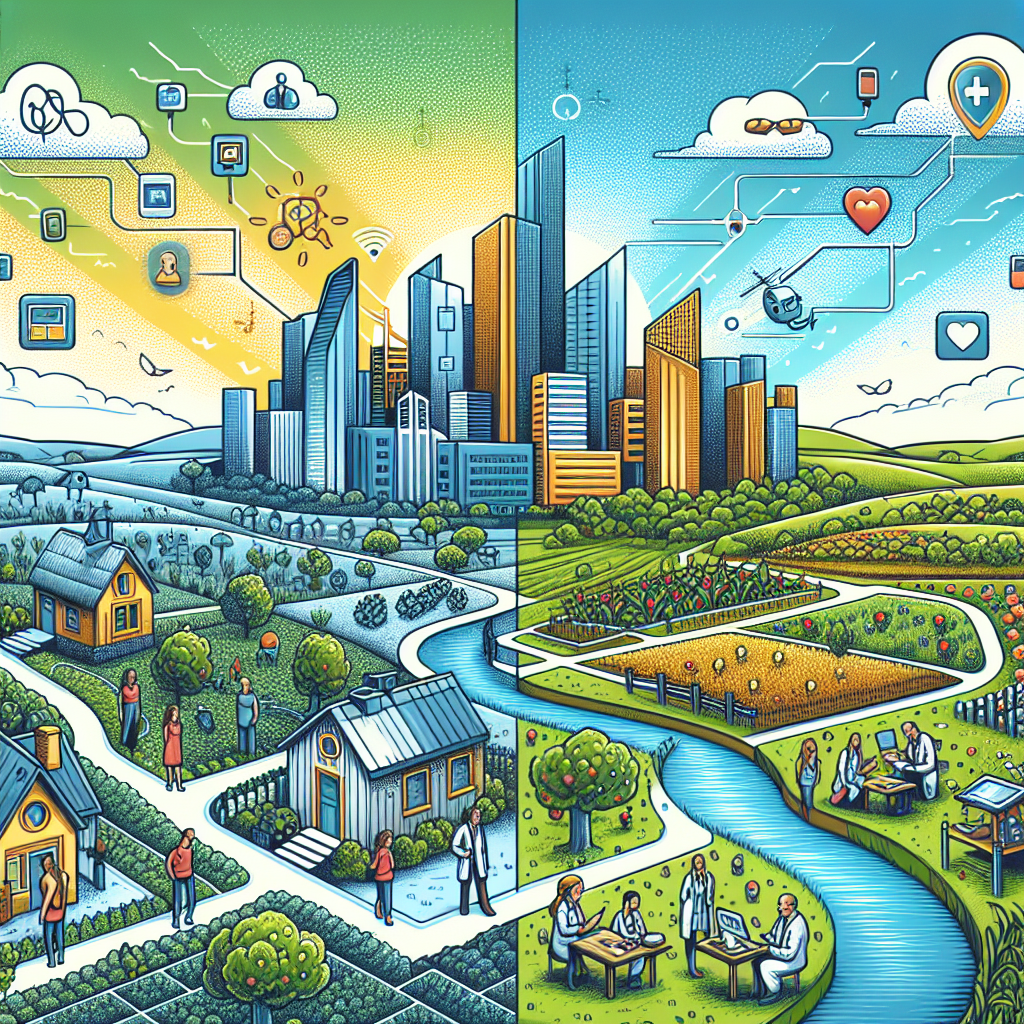
For years, telehealth was primarily a lifeline for rural patients, helping them avoid long commutes and get timely care despite a shortage of local providers. But in 2024, the spotlight has shifted. Urban residents—once assumed to have ample access to doctors—are now leading the surge in virtual healthcare. According to the Health Innovation Association, telehealth use in cities has jumped more than 60% over the past three years. This evolving trend marks a transformative change in how city dwellers manage their health.
In this article, we delve into the rise of urban telehealth, explore the key catalysts behind this growth, discuss its benefits, and examine the challenges that lie ahead. We also highlight how digital healthcare is becoming a fundamental element of urban life.
More City Dwellers Turn to Virtual Care
Contrary to the early belief that dense urban centers had little need for remote medical services, telehealth is now thriving in cities. A 2024 Health Innovation Association survey revealed that 62% of adults in urban areas used telehealth services in the past year, up from 39% in 2021. Major metropolitan areas like New York, Los Angeles, and Chicago have experienced more than a twofold increase in virtual appointment volumes.
“Urban telehealth growth is not only real—it’s redefining how and when care happens,” explains Dr. James Lin, Director of Digital Health at the Urban Health Collaborative. “Patients in cities now expect the same convenience from healthcare that they enjoy with services like ride-sharing and online food delivery.”
Top Drivers of Urban Telehealth Expansion
Convenience Meets Urban Lifestyles
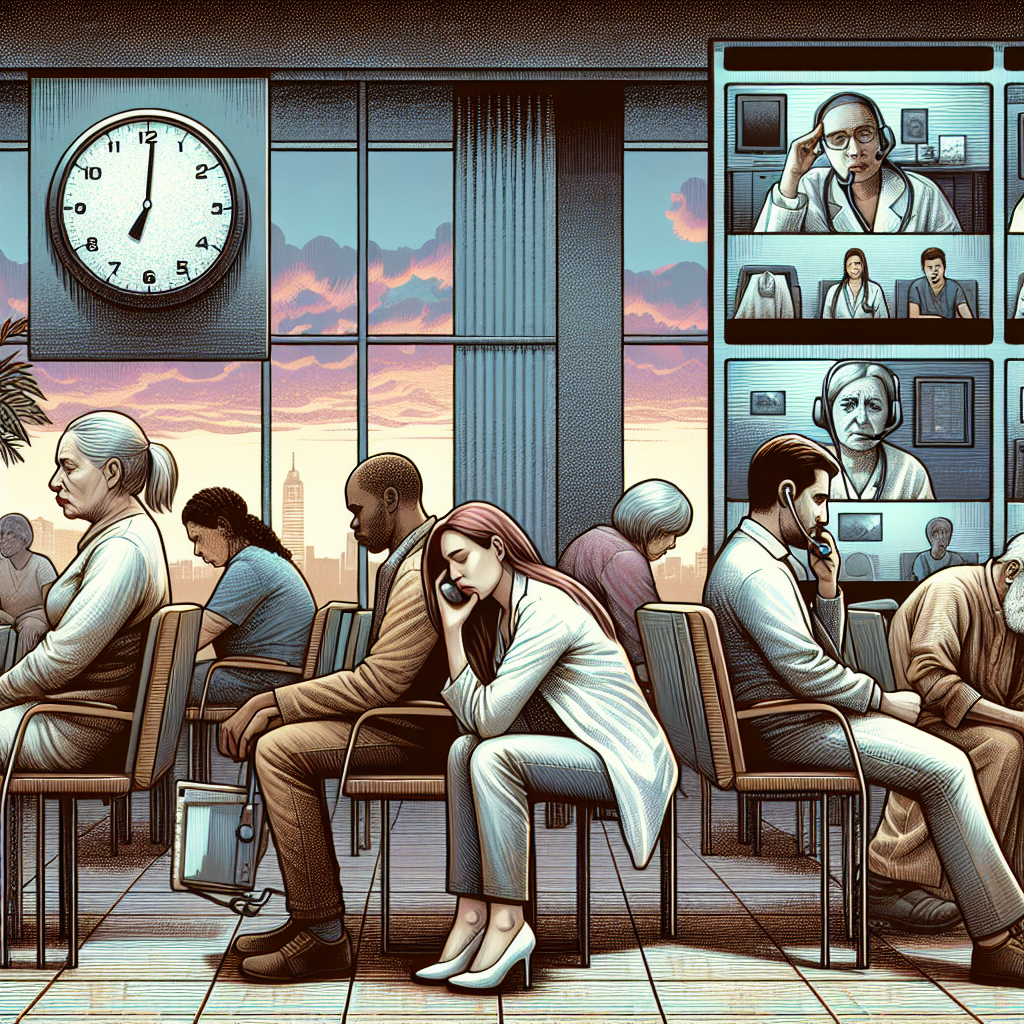
City life often involves traffic congestion, packed schedules, and long waits at clinics. Telehealth allows urban residents to bypass these headaches. A quick video consultation during lunch can replace hours spent traveling to and from a doctor’s office. Many practices now offer extended telehealth hours, including mornings, evenings, and weekends, catering to the nonstop pace of city life.
Tech Comfort Post-Pandemic
The COVID-19 pandemic normalized virtual experiences, including everything from remote work to online therapy. Urban populations quickly adapted, thanks to widespread familiarity with apps and digital interfaces. Healthcare providers followed suit, investing in secure, user-friendly platforms to simplify telehealth scheduling and communication.
A 2023 McKinsey & Company report found that 73% of urban adults under 45 now prefer digital-first healthcare when available.
Broadening the Scope of Telehealth Services
Telemedicine is no longer limited to treating urgent concerns like colds or allergies. City-based digital clinics now handle everything from mental health counseling and dermatology to nutrition support and chronic disease management. Patients can upload skin photos for virtual analysis or speak to therapists from the privacy of home.
“Modern telehealth is no longer limited to the flu or a rash,” says Dr. Sarah Nguyen, pediatrician at CityHealth Online. “We’re diagnosing ADHD, managing hypertension, and conducting post-operation check-ins—all virtually.”
Employer and Insurance Support
With many major corporations headquartered in cities, employer-sponsored digital health plans have become more common. These plans give working professionals easy access to virtual primary care, therapy, and chronic condition management—without leaving their desks.
Mercer’s 2024 Health Benefits Survey found that 67% of urban employers now fully or partially subsidize telehealth visits to support wellness and reduce absenteeism.
Benefits That Matter for Urban Residents
Greater Access with Lower Costs
Telehealth visits often cost less than in-person consultations, especially for those facing steep co-pays or costly transportation. City residents also avoid expenses like parking fees, rideshares, and time lost to long clinic waits.
For example, a working mother in Boston can consult her daughter’s pediatrician via tablet while cooking dinner—no commuting, no time off work, and no need for childcare.
Faster Access to Mental Health Support
Urban living often comes with high stress, social isolation, and overstimulation—all known contributors to anxiety and depression. Teletherapy has emerged as a crucial solution, offering quick access to psychologists and psychiatrists for ongoing treatment.
In a 2024 National Alliance on Mental Illness study, 78% of urban teletherapy users said remote care helped them stay consistent with treatment schedules.
Continuous Care for Chronic Conditions
City residents managing chronic conditions like diabetes or high blood pressure need regular, ongoing care. Thanks to remote monitoring tools—including smart scales, blood pressure cuffs, and glucose meters—urban patients can now share real-time data with clinicians during telehealth visits.
“With remote monitoring, I can address a blood pressure spike before it becomes an emergency,” says Dr. Angela Reid, an internal medicine provider in San Francisco. “This is proactive care that prevents costly outcomes.”
Telehealth’s Urban Challenges—And Emerging Solutions
Gaps in Digital Access
While urban areas are generally well-wired, not everyone has reliable broadband. Pew Research reports that 21% of lower-income city households still lack consistent internet access. To bridge this gap, public spaces like libraries, schools, and clinics are beginning to offer private telehealth booths and free Wi-Fi zones.
Lack of Insurance Parity
Despite growing acceptance, not all insurance plans cover telehealth services equally. In specialties like dermatology or physical therapy, coverage may still fall short of in-person reimbursement. Advocates continue to push for federal policies that enforce payment parity for remote care.
Licensing Limits Across State Lines
Some patients in large cities look beyond their local networks for specialists, but outdated licensing laws can prevent doctors from providing cross-border virtual care. Programs like the Interstate Medical Licensure Compact are working to simplify interstate practice rules by broadening provider eligibility and reducing bureaucratic delays.
What the Future Holds for Urban Telehealth
Hybrid Care Becomes the Norm
The future is blended. Patients might begin with a virtual consultation for symptoms and be referred for in-person testing or treatment only when needed. Preventive care, follow-ups, and counseling may remain fully remote.
Smarter Tools and Ongoing Monitoring
Wearables such as Apple Watches and Fitbits will soon sync directly with provider systems. That means real-time heart rate, blood pressure, and sleep data can guide treatment and allow for early intervention—with fewer clinic visits.
AI-Powered Healthcare Journeys
Artificial intelligence is starting to shape how care is delivered, from triaging symptoms to recommending appropriate care next steps. Smart platforms will help patients decide whether to self-monitor, seek a telehealth appointment, or book an in-person visit—saving time and improving outcomes.
Conclusion: Telehealth Goes Urban—and Stays There
What began as a rural necessity is now a central part of urban healthcare. Technology, convenience, and cost-effectiveness are fueling record-level adoption in cities. Virtual care is now an everyday solution for busy professionals, families, and patients with ongoing medical needs.
To maximize the potential of telehealth in urban environments, cooperation is vital. Policymakers must ensure all patients have equal digital access and that telehealth receives fair reimbursement coverage. Healthcare systems must invest in inclusive platforms, and employers should continue supporting digital wellness programs.
With the right policies and infrastructure, telehealth has the power to offer city residents fast, affordable, and comprehensive care—delivered straight to their fingertips.
Resources and References
– Health Innovation Association. Urban Telehealth Use Survey, 2024.
– McKinsey & Company. Healthcare Consumer Survey, 2023.
– National Alliance on Mental Illness (NAMI). Teletherapy Usage Report, 2024.
– Mercer. Health Benefits Survey, 2024.
– Pew Research Center. Broadband Access Among Urban Households, 2023.
– Interstate Medical Licensure Compact. Licensing Data and Program Overview, 2024.
Looking for Discreet Telehealth Solutions?
Explore convenient and confidential telehealth options for sensitive health concerns, including erectile dysfunction or hair loss treatments. Visit edrugstore.com to learn more about secure online consultations and prescription services tailored to your needs.