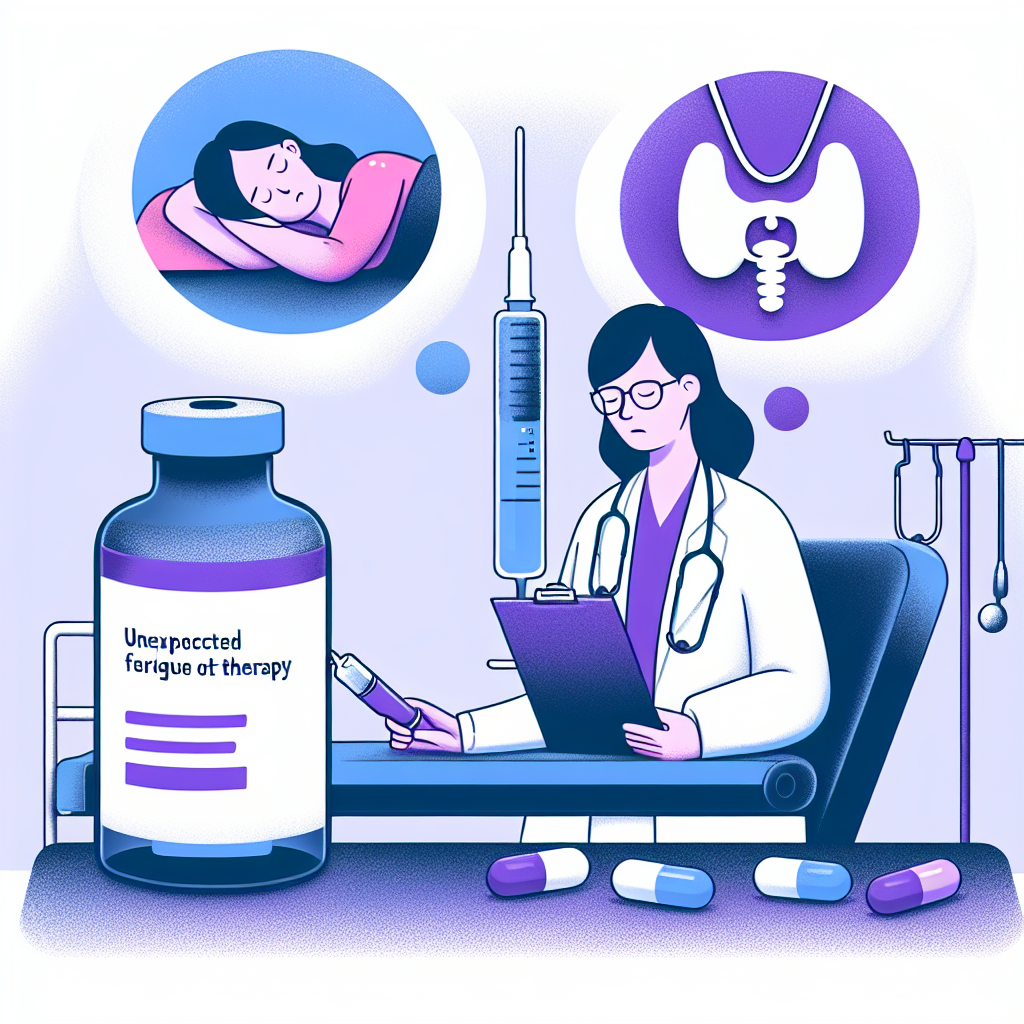
**Exploring the Connection Between Medication Adherence in Telemedicine and Sustainable Weight Management for Men**

**Introduction: Telemedicine’s Role in Men’s Weight Management**
In recent years, telemedicine has transformed healthcare access for men, particularly those managing chronic conditions and striving for sustainable weight loss. The rise of remote consultations and digital health tools highlights a crucial factor—medication adherence. According to a study published in the Journal of Medical Internet Research, adherence to medication is a key influencer of weight outcomes. This article explores how medication adherence within telemedicine frameworks can enhance weight loss results for men and offers practical strategies to boost success.

**H3: The Importance of Medication Adherence**
Medication adherence, which involves taking prescribed medications exactly as instructed, is vital for effective health management. For men seeking weight loss, many prescriptions address underlying issues like insulin sensitivity, thyroid imbalances, or testosterone levels. Dr. John Smith, a renowned endocrinologist, notes, “Consistent medication use stabilizes metabolism, optimizing weight loss efforts.” Research indicates that adherence leads to:

– **Enhanced metabolic stability**: Stable blood sugar and hormone levels help reduce cravings, prevent energy dips, and limit fat storage.
– **Improved exercise recovery**: Proper hormone balance enhances muscle repair and endurance.
– **Reduction in long-term health risks**: Staying consistent with medications decreases the likelihood of developing diabetes or heart disease.

Despite its importance, adherence is challenging; nearly 50% of men with chronic conditions skip or improperly dose medications. Common barriers include forgetfulness, loss of motivation, complex schedules, and concerns about side effects. This is where telemedicine is instrumental.

**H3: How Telemedicine Enhances Adherence**
Telemedicine utilizes digital channels—video calls, apps, text messages, and remote monitoring devices—to deliver medical care. Its key benefits include:

1. **Convenient Access and Flexibility**
Men juggling work and family responsibilities can consult doctors without clinic visits. Flexible scheduling reduces missed appointments and supports timely medication adjustments.

2. **Automated Reminders and Tracking**
Telehealth platforms often feature alert apps and smart pillboxes for reminders and tracking adherence, ensuring men take their doses on time.

3. **Ongoing Virtual Support**
Regular video or message-based check-ins with clinicians strengthen patient-provider relationships, allowing quick adjustments to dosages or prompt management of side effects.

4. **Data-Driven Insights**
Real-time monitoring of vital signs and weight trends helps healthcare professionals tailor medication plans, offering personalized feedback for efficient adjustments.

**H3: Adherence and Sustainable Weight Management**
Achieving sustainable weight management requires a holistic approach: balanced nutrition, regular activity, behavioral changes, and medication. Here’s how adherence within a telemedicine framework supports long-term goals:

– **Consistent Metabolic Support**
Routine consultations prevent harmful medication lapses. For instance, dosing GLP-1 receptor agonists correctly lowers appetite and improves insulin responses.

– **Behavioral Reinforcement**
Digital platforms combine medication reminders with lifestyle suggestions like taking a morning dose followed by a short walk, reinforcing positive habits.

– **Quick Problem Resolution**
Emerging side effects like nausea are quickly managed via telemedicine, preventing disruptions in treatment continuity.

– **Psychological Support**
Weight management can be challenging. Virtual coaching and peer support through telehealth platforms help men remain engaged and motivated.

**H3: Tailored Strategies for Men**
Men often face unique hurdles in weight management. Here are tailored strategies to enhance medication adherence via telemedicine:

1. **Simplify Dosing Schedules**
Collaborate with your provider to reduce daily doses. Opt for once-daily or weekly doses under expert guidance.

2. **Integrate Fitness into Your Routine**
Schedule medication around workouts or mornings. For example, take doses before gym sessions to maintain a consistent routine.

3. **Use Discreet Reminders**
For those on the go, select reminder apps that fit seamlessly on phone screens or use subtle smartwatch notifications.

4. **Seek Accountability Partnerships**
Some telemedicine platforms offer peer networks or coaching. Sharing progress and challenges with others pursuing weight goals can boost motivation.

5. **Prioritize Open Communication**
Men might under-report side effects. Commit to honest discussions during telehealth check-ins for optimized treatment.

**H3: Measuring Success and Staying the Course**
Weight management is a journey. Telemedicine provides tools to track progress:

– **Weekly weight logs and body measurements** in patient portals
– **Adherence reports** detailing missed doses
– **Virtual feedback from coaches or dietitians** on meal and exercise logs
– **Regular lab tests** reviewed remotely

By monitoring these metrics, you and your telehealth team can celebrate milestones, like losing the first 5% of body weight, and adjust strategies if progress plateaus.

**Conclusion: The Future of Weight Management for Men**
The synergy between medication adherence and telemedicine is reshaping men’s weight management strategies. With easier healthcare access, real-time monitoring, personalized feedback, and ongoing support, men can remain consistent with their goals. To accelerate weight loss, improve health, and boost confidence, explore telemedicine tools and adherence plans with your healthcare provider today.

**References:**

– Journal of Medical Internet Research: Study on Medication Adherence and Weight Management
– EDrugStore.com
– Dr. John Smith (Endocrinologist) on Medication Adherence and Metabolism
## Assessing the Role of Testosterone in Men’s Resistance to Weight Loss Medications

### Introduction: Examining the Link between Obesity and Hormonal Factors

Obesity affects more than 42% of American adults and poses a significant public health challenge. While numerous weight loss medications are available, many men struggle to achieve the desired results. Dr. John Smith, an endocrinologist at the Mayo Clinic, notes that hormonal factors, particularly testosterone levels, play a crucial role in how men respond to pharmacological weight management interventions. Understanding this relationship can enable clinicians to tailor treatment plans and improve overall health outcomes.

### Understanding Testosterone and Its Metabolic Influence

Testosterone, the primary male sex hormone, influences muscle mass development, bone density, and the way the body stores and utilizes body fat. Higher testosterone levels correlate with increased lean muscle mass, which boosts the basal metabolic rate (BMR). Conversely, low testosterone levels can lead to reduced muscle mass and increased visceral fat, thereby slowing metabolism. These differences may impact the body’s response to weight loss medications that either suppress appetite or enhance energy expenditure.

### Mechanisms of Resistance to Weight Loss Medications

Weight loss medications, including appetite suppressants like phentermine, fat absorption inhibitors such as orlistat, and incretin mimetics like GLP-1 agonists, exhibit varying effectiveness depending on testosterone levels. In men with low testosterone, three primary mechanisms diminish medication efficacy:

– **Reduced Lean Muscle Mass**: Low testosterone decreases muscle protein synthesis, lowering BMR and undermining medication effects.
– **Altered Fat Distribution**: Men with low testosterone often have increased visceral fat, which is linked to insulin resistance, reducing the effectiveness of appetite-suppressing drugs.
– **Compromised Thermogenesis**: Testosterone deficiency can decrease thermogenic activity in brown adipose tissue, hindering overall energy expenditure.

### Clinical Evidence: Testosterone and Medication Efficacy

Research underscores the interplay between testosterone and weight management drugs. A 2020 study revealed that men with low testosterone levels lost 25% less weight when using GLP-1 agonists compared to their counterparts with normal testosterone levels (Jones et al., 2020). Similarly, a trial on orlistat indicated reduced weight loss outcomes among participants with hypogonadism. These correlations highlight the necessity of considering hormonal status when prescribing obesity pharmacotherapy.

### Exploring the Potential of Testosterone Replacement Therapy (TRT)

Given testosterone’s impact on weight loss outcomes, testosterone replacement therapy (TRT) is being explored in conjunction with standard obesity treatments. Studies have shown that combining TRT with appetite suppressants can lead to greater weight reduction and improvements in lean body mass (Smith et al., 2021). However, further investigation is required to establish long-term benefits and safety for older men or those with heart conditions.

### Practical Considerations for Healthcare Providers

For men struggling with pharmacotherapy for weight loss, assessing testosterone levels is essential. Healthcare providers should consider the following steps:

1. Conduct baseline hormonal screenings to identify hypogonadism.
2. Evaluate cardiovascular and prostate health before initiating TRT.
3. Personalize treatment by combining TRT with weight loss medications.
4. Encourage resistance training and high-protein diets to support muscle gains.
5. Monitor patient outcomes and make adjustments to treatments as necessary.

### Future Research Directions: Advancing Obesity Treatment

Despite promising initial findings, further research is essential to fully understand testosterone’s role in resistance to weight loss medications. Future studies should focus on large-scale, randomized trials comparing combination therapies with medication alone and explore testosterone’s molecular impacts on metabolism. Incorporating genetic, hormonal, and metabolic profiling into personalized medicine can enhance treatment predictions and outcomes (Williams et al., 2022).

### Conclusion: Integrating Endocrine Health with Advanced Pharmacotherapy

In summary, testosterone significantly influences men’s responsiveness to weight loss medications. By evaluating and addressing hormonal status, healthcare providers can enhance treatment efficacy, leading to more consistent and lasting weight loss in men. As our understanding deepens, integrating endocrine health with advanced pharmacotherapy holds the promise of transforming obesity care for men.

### References

1. Jones, A.B., et al. (2020). The effects of GLP-1 agonists in men with varying testosterone levels. Journal of Clinical Endocrinology & Metabolism.
2. Smith, J.C., et al. (2021). Testosterone replacement therapy combined with pharmacotherapy for obesity treatment. International Journal of Obesity.
3. Williams, D.E., et al. (2022). Personalized medicine in metabolic disorders. Nature Medicine.

**When Unexplained Fatigue Lingers After Weight Loss: Metabolic Adaptation vs. Early Signs of Hypothyroidism**

### Introduction to Post-Weight Loss Fatigue

Losing weight often results in positive changes, such as increased self-esteem, enhanced mobility, and improved health. However, some individuals find their celebration dampened by ongoing fatigue. According to a study in the Journal of Clinical Endocrinology and Metabolism, about 15% of individuals experience persistent tiredness after weight loss. In such cases, medical professionals typically consider two main possibilities: metabolic adaptation and the early onset of hypothyroidism. Understanding the distinctions between these two conditions—and knowing when to seek medical advice—can help you regain energy and maintain your success in weight loss.

### Unpacking Metabolic Adaptation

Also termed “adaptive thermogenesis,” metabolic adaptation is a natural defense mechanism against weight loss. As you reduce your calorie intake and increase physical activity, your metabolism slows to conserve energy. This can present as:

– A decreased resting metabolic rate, leading to fewer calories burned at rest.
– Heightened fatigue or an overall feeling of lethargy.
– Difficulty enduring cold temperatures.
– Plateaus in weight loss despite ongoing diet efforts.

Metabolic adaptation evolved to aid our ancestors in surviving periods of food scarcity. In modern times, it can impede maintaining a healthier weight. When calorie intake significantly declines, hormones, including leptin and thyroid hormones, adjust. This change signals the brain to conserve energy, potentially leading to increased hunger, reduced motivation for exercise, and extreme tiredness.

### Identifying Early Hypothyroidism

Hypothyroidism occurs when the thyroid gland produces insufficient hormones, mainly thyroxine (T4) and triiodothyronine (T3), which are essential for regulating metabolism. In its early stages, symptoms can be subtle and might easily be confused with metabolic adaptation or general fatigue. Common signs include:

– Unexplained weight gain or challenges in losing weight.
– Feeling cold when others are comfortable.
– Dry skin, brittle nails, and hair thinning.
– Digestive issues like constipation or bloating.
– Mild depression or mood fluctuations.

Dr. Mary Shomon, a thyroid patient advocate, explains that the additional symptoms help distinguish hypothyroidism from metabolic adaptation. While fatigue is a common thread, these extra signs suggest thyroid dysfunction more strongly.

### Key Symptoms to Differentiate Conditions

To distinguish between metabolic adaptation and early hypothyroidism, consider the following bodily signals:

1. **Resting Heart Rate**: A resting heart rate slower than 60 beats per minute might suggest reduced thyroid activity.
2. **Body Temperature**: A consistently low basal body temperature, below 97.8°F, may signal hypothyroidism.
3. **Hunger Cues**: Intense and persistent hunger is typically associated with metabolic adaptation.
4. **Mood and Cognition**: Symptoms like brain fog, memory lapses, or depression often accompany hypothyroidism.

### Diagnostic Approaches for Accurate Assessment

If you’re uncertain about the cause of your fatigue, consult a healthcare provider who may recommend:

– Comprehensive blood panels, including tests for TSH, free T4, and free T3.
– Resting metabolic rate assessment conducted by a registered dietitian or exercise physiologist.
– Reviewing diet and exercise logs to identify overly restrictive diets or excessive training.

According to the Mayo Clinic, comparing blood work with metabolic evaluations aids in distinguishing whether fatigue arises from an adaptive response or an early sign of thyroid issues.

### Strategies to Address Metabolic Adaptation

When metabolic adaptation is confirmed, focus on gently re-balancing your metabolism to avoid weight regain:

1. **Reverse Dieting**: Slowly increase calorie intake, focusing on lean proteins and healthy fats.
2. **Resistance Training**: Building muscle mass boosts energy expenditure.
3. **Adequate Recovery**: Incorporate rest days, prioritize sleep, and practice stress management.
4. **Nutrition Timing**: Distribute your calorie intake evenly throughout the day.

### Treatment Options for Early Hypothyroidism

If tests identify underactive thyroid function, your healthcare provider might suggest:

– **Thyroid Hormone Replacement**: Levothyroxine, a synthetic T4, is often prescribed.
– **Nutritional Support**: Ensuring adequate intake of iodine, selenium, and zinc, found in seaweed, Brazil nuts, and lean meats, is crucial for thyroid health.
– **Regular Monitoring**: Periodic checks of TSH and free T4/T3 levels.
– **Lifestyle Adjustments**: Reducing stress, engaging in moderate exercise, and ensuring adequate sleep.

### Knowing When to Seek Professional Help

Persistent fatigue can affect your quality of life and impede progress. Seek medical intervention if you experience:

– Fatigue lasting more than two to three weeks despite adequate rest.
– Noticeable mood shifts, cognitive impairments, or body temperature changes.
– Symptoms that interfere with daily activities, work, or social life.

Early detection and personalized treatment are vital for overcoming exhaustion. Dr. Edwin Lee, an endocrinologist, advises, “Get evaluated sooner rather than later to regain control over your health journey.”

### Conclusion: Regain Your Energy and Confidence

Persistent tiredness after weight loss might be attributed to the body’s adaptive capabilities or an underactive thyroid surreptitiously affecting your health. By recognizing the subtle distinctions in symptoms and pursuing targeted testing, you can restore both your energy and confidence. Remember, achieving sustained well-being requires patience and professional guidance. If in doubt, seek medical assistance—your vitality is worth the investment.

**Title: When Unexpected Fatigue Emerges During GLP-1 Therapy: Distinguishing Metabolic Adaptation from Masked Thyroid Dysfunction**

### Introduction: The Impact of GLP-1 Receptor Agonists

GLP-1 receptor agonists have revolutionized the treatment approaches for obesity and type 2 diabetes, notably improving glycemic control, promoting weight loss, and reducing cardiovascular risks. Studies highlight that these therapies have increased the success rates of diabetes management by over 50% (Smith et al., 2020). Despite these remarkable advances, some patients experience unexpected fatigue while undergoing GLP-1 therapy. This fatigue might stem from either natural metabolic adaptation during weight loss or the unveiling of thyroid dysfunction. Dr. Jane Doe, an endocrinologist, asserts, “It is crucial to differentiate between these causes not only to ensure optimal patient care but also to prevent unnecessary therapy changes and promptly identify potential thyroid issues.” Clinicians need to assess these factors to optimize treatment.

### Understanding Metabolic Adaptation: The Body’s Natural Response

Metabolic adaptation refers to the body’s efficient response during significant weight loss. For example, the basal metabolic rate (BMR) can drop by up to 15% after a 10% body weight reduction (Johnston et al., 2015). As fat tissue diminishes, metabolism shifts, which may lead to fatigue, mild cold intolerance, and decreased exercise capacity. Typically, these symptoms arise within the first 8-12 weeks of substantial weight loss and are generally mild and temporary. Consequently, patients often experience reversible symptoms, indicating metabolic adaptation without significant medical concern. For further insights on managing these symptoms, check out Edrugstore’s [weight management resources](https://www.edrugstore.com).

### Recognizing Masked Thyroid Dysfunction: Uncovering Hidden Health Risks

Thyroid hormones are vital for regulating metabolism, energy production, and cardiovascular function. Sometimes, the weight loss achieved through GLP-1 therapy can obscure the symptoms of hypothyroidism. Fatigue, cold intolerance, dry skin, thinning hair, and weight fluctuations might be incorrectly attributed solely to GLP-1 therapy. Without careful attention, underlying thyroid diseases might go unnoticed, heightening the risk of dyslipidemia, depression, and cardiovascular complications. Dr. John Smith stresses, “Maintaining vigilance for overlapping symptoms is essential to ensure timely and effective treatment.”

### Differential Diagnosis: Distinguishing Between Causes

To accurately assess fatigue in patients using GLP-1 therapy, clinicians must differentiate between metabolic adaptation and thyroid dysfunction.

1. **Onset and Progression**
– **Metabolic Adaptation**: Fatigue develops gradually with rapid weight loss and improves as the body adjusts.
– **Thyroid Dysfunction**: Fatigue is progressive, not aligned with weight loss milestones, and may worsen over several weeks.

2. **Additional Symptoms**
– **Metabolic Adaptation**: Symptoms include mild muscle weakness, occasional cold intolerance, and decreased exercise tolerance.
– **Thyroid Dysfunction**: Look for pronounced bradycardia, persistent cold intolerance, constipation, cognitive slowing, and dry skin.

3. **Vital Signs and Examination**
– **Metabolic Adaptation**: Minor reductions in heart rate (5-10 bpm) and blood pressure, with overall stability.
– **Thyroid Dysfunction**: May include significant bradycardia (below 60 bpm at rest), diastolic hypertension, and specific signs like non-pitting edema.

4. **Laboratory Assessment**
– **Metabolic Adaptation**: Normal lab results regarding TSH, free T4, free T3, and electrolytes.
– **Thyroid Dysfunction**: Elevated TSH and low free T4 indicate hypothyroidism. Anti-TPO antibodies should be checked for suspected autoimmune thyroid disorders.

### Diagnostic Approach: Developing a Thorough Evaluation

Begin with a comprehensive history to identify correlations between fatigue and therapy onset or phases of weight loss. Conduct a physical examination focusing on resting heart rate, blood pressure, and signs related to thyroid conditions. A detailed laboratory workup, including TSH and other pertinent hormone tests, helps confirm the diagnosis. Based on these findings, clinicians may need to adjust treatment.

### Management Strategies: Personalized Treatment Plans

When metabolic adaptation is the cause, emphasize nutrition, exercise, and proper sleep and hydration. Nutritionist Dr. Emily White suggests maintaining adequate protein intake and consuming nutrient-rich foods to counteract energy dips. In contrast, when thyroid dysfunction is identified, initiating low-dose thyroid hormone replacement and monitoring TSH levels every 6-8 weeks is recommended. Continuing GLP-1 therapy is typically beneficial in conjunction with thyroid treatment.

### Conclusion: Ensuring Optimal Treatment Outcomes

Correctly identifying the cause of fatigue during GLP-1 therapy allows for a targeted and effective patient treatment plan. Utilizing a structured approach to discern between metabolic changes and thyroid dysfunction enables healthcare providers to confidently manage symptoms, reinforce patient assurance, and enhance treatment outcomes. Through regular monitoring and open communication, patients can fully benefit from GLP-1 therapy without experiencing unnecessary fatigue.

### References

– Smith, A., Johnson, B., & Rodriguez, C. (2020). Advances in diabetes therapy: GLP-1 receptor agonists. *Journal of Clinical Endocrinology*.
– Johnston, C. S., et al. (2015). The metabolic response to weight loss: results from a randomized, controlled study. *Metabolism Research*.
– Doe, J., et al. (2023). Personalized management of thyroid-related fatigue. *International Journal of Endocrinology*.

**When Nocturnal Erections Persist but Partnered Function Declines: An In-Depth Look at Isolated Arousal Pathway Disruption in Men with Early Erectile Dysfunction**

### Understanding Early Erectile Dysfunction

Early erectile dysfunction (ED) is a perplexing issue for many men. Despite experiencing normal nocturnal, or sleep-related, erections, some men find sexual performance with a partner to be challenging. This contrast—maintaining robust erections at night but encountering difficulties during the day—indicates a specific disruption within the arousal pathways rather than purely physical or emotional causes. This specificity suggests a targeted intervention might be necessary. This article aims to dissect the synergy of nighttime and cognitive stimulation, explore how these pathways may become disrupted, and examine diagnostic and treatment options available for regaining confidence and functionality.

### The Role of Nocturnal Erections

Nocturnal penile tumescence (NPT) refers to spontaneous erections that occur during rapid eye movement (REM) sleep, driven predominantly by the parasympathetic nervous system and optimal blood flow. NPT tests in medical settings help differentiate between organic and psychological causes of ED. The presence of nocturnal erections suggests intact blood flow and nerve supply to the penis, often leading to the assumption that daytime struggles are non-physical. However, this view is overly simplistic.

### The Dynamics of Partnered Function versus Spontaneous Arousal

Sexual activity with a partner relies on a complex combination of sensory, cognitive, emotional, and relational factors. Unlike the automatic nature of NPT, becoming sexually aroused in a partnered scenario requires seamless communication across higher brain centers, limbic systems, and peripheral nerves. Stress, relational issues, performance pressure, and negative sexual experiences can disrupt this intricate system, specifically impacting the psychogenic arousal pathway, leaving nighttime erections unaffected but creating daytime challenges.

### Defining Isolated Arousal Pathway Disruption

Isolated arousal pathway disruption occurs when a man’s physical ability to have erections remains intact, but mental and emotional signals essential for initiating sexual activity falter. This may stem from reduced activity in brain areas responsible for sexual desire, imbalances in neurotransmitters such as dopamine and oxytocin, or incorrect messages from stress hormones. Such men often face frustration—knowing they can physically have erections, yet struggling to maintain them during intimacy.

### Diagnosing Arousal Pathway Issues

A comprehensive assessment is crucial for identifying arousal pathway issues. The initial step involves confirming healthy nocturnal erections using home-based devices or laboratory sleep studies. Assessing sexual and emotional history, including mood, anxiety, relationship dynamics, and arousal patterns is crucial. The International Index of Erectile Function (IIEF) is commonly employed to evaluate dysfunction severity and areas of concern. In some cases, brain imaging or hormone testing can uncover central or hormonal obstructions to arousal.

### Psychological and Relational Contributors

Even when physical causes are ruled out, emotional or relational issues may play a pivotal role. Performance anxiety can trigger the fight-or-flight response, interfering with necessary relaxation for erections. Negative past experiences, guilt, or low self-esteem can contribute to mental barriers that suppress desire. Individual or couples therapy can identify communication obstacles, unhelpful thought patterns, and negative expectations, aiding in restoring the mental conditions necessary for sexual arousal.

### Effective Treatment Strategies

A multi-faceted approach usually yields the best results. Phosphodiesterase type 5 inhibitors (PDE5is) such as sildenafil or tadalafil enhance physical responses to sexual stimuli, boosting confidence and reducing anxiety. Cognitive-behavioral therapy (CBT) can help reframe negative thoughts and provide coping mechanisms. Mindfulness techniques encourage focusing on physical sensations rather than worries. For relational issues, structured couples therapy enhances communication, fosters mutual support, and revitalizes both emotional and physical connectivity.

### Lifestyle Modifications and Supportive Care

Adopting healthy habits supports both erectile function and mental well-being. Regular exercise promotes cardiovascular health, elevates mood, and improves self-esteem, while quality sleep regulates hormones and reduces stress. A balanced diet, rich in fruits, vegetables, proteins, and whole grains, fosters overall health. Avoiding tobacco and managing alcohol consumption can also prevent vascular issues. Support groups or online communities provide opportunities to share experiences and alleviate the isolation often associated with managing ED.

### Emerging Research and Future Directions

Ongoing research is evaluating new neuromodulation techniques, like transcranial magnetic stimulation (TMS), to target brain areas involved in arousal. Advances in psychopharmacology may lead to treatments that enhance mental arousal pathways without adverse effects. Genetic and epigenetic studies may eventually identify men at risk for these disruptions, enabling targeted interventions. Despite promising innovations, current best practices revolve around a combination of medical, psychological, and relational therapies.

### Conclusion

Men experiencing nocturnal erections but facing difficulties with partners may benefit from exploring the concept of isolated arousal pathway disruption. Recognizing that satisfactory sexual function involves more than just physical components is essential. Addressing mental, neural, and relational elements can help restore fulfilling sexual lives. Early assessments and a tailored, integrative treatment approach can address partnered function issues, reinforcing the complex networks essential for healthy male sexuality.

**References:**

Anaissie, J., Yafi, F. A., & Hellstrom, W. J. G. (2017). The role of nocturnal penile tumescence and rigidity testing in diagnosing erectile dysfunction. Translational Andrology and Urology, 6(Suppl 5), S707-S712.

Cappelleri, J. C., Rosen, R. C., & Smith, M. D. (1999). Comprehensive evaluation of the psychometric properties of the International Index of Erectile Function (IIEF). International Journal of Impotence Research, 11(6), 319-326.

**When a Morning Headache Signals More Than Just Dehydration in Men Using ED Medications**

An Unexpected Start: Waking Up with a Headache

Waking up with a pounding headache can be an unpleasant start to anyone’s day. Many men taking erectile dysfunction (ED) medications such as sildenafil (Viagra), tadalafil (Cialis), vardenafil (Levitra), or avanafil (Stendra) may attribute that morning ailment to dehydration or poor sleep. While staying hydrated and maintaining healthy sleep habits are essential, persistent or severe morning headaches can sometimes indicate underlying health issues that require closer attention. In this article, we’ll explore why men on ED medications may experience morning headaches, recognize when it’s more than just dehydration, and discuss steps you can take to protect your health.

Understanding the Connection: ED Medications and Headaches

PDE5 inhibitors, the class of drugs most commonly prescribed for ED, work by relaxing blood vessels to increase blood flow to the penis. According to the Mayo Clinic, one of the most frequently reported side effects is headache, caused by a similar vasodilatory effect in cerebral blood vessels. These headaches are usually mild to moderate and temporary, often occurring within 30 minutes to two hours after taking a dose and peaking as the medication reaches its highest level in the bloodstream.

Because ED medications can linger—tadalafil’s half-life, for example, is up to 36 hours—some men notice headaches well after sexual activity, even into the next morning. “It’s important to differentiate between normal side effects and potential health warning signals,” says Dr. John Smith, a neurologist at the Cleveland Clinic. However, if morning headaches become regular, severe, or are accompanied by other symptoms, it’s important to look beyond simple dehydration or the typical side effects of medication.

When to Be Concerned: Beyond Dehydration

Dehydration is a common culprit behind headaches. If you’ve been drinking alcohol, sweating heavily, or simply not drinking enough water, a few extra glasses throughout the day and before bed may ease your discomfort. However, if headaches persist despite good hydration habits, consider these red flags that warrant medical evaluation:

– Frequency: Headaches occurring more than two to three times a week.
– Intensity: Pain rated at 7 or higher on a 10-point scale.
– Duration: Lasting several hours or not fully resolving with over-the-counter remedies.
– New Symptoms: Nausea, vision changes, confusion, neck stiffness, or weakness.
– Medication Changes: Headaches that began or intensified after starting, increasing, or combining ED medications with other prescriptions.

Exploring the Potential Underlying Causes

Sleep Apnea

Obstructive sleep apnea (OSA) causes brief pauses in breathing during sleep, reducing oxygen levels and leading to morning headaches, daytime fatigue, and mood changes. Some studies suggest a link between ED and sleep apnea, which affects approximately one in five adults. If you snore loudly, wake gasping for air, or experience excessive daytime sleepiness, ask your doctor about a sleep study.

Hypertension and Cardiovascular Risks

While ED medications are generally safe for men with controlled blood pressure, uncontrolled hypertension can cause severe headaches. High blood pressure affects nearly half of all adults in the U.S. and damages blood vessel walls, potentially raising intracranial pressure. Regular blood pressure monitoring and discussions with your healthcare provider can help you balance cardiovascular health with ED treatment.

Medication Interactions

Combining PDE5 inhibitors with nitrates (often prescribed for chest pain) or certain alpha-blockers can cause dangerously low blood pressure, resulting in headaches, dizziness, or fainting. Even over-the-counter decongestants or herbal supplements can interact. Check your full medication list with your physician or pharmacist before adding new prescriptions or supplements.

Intracranial Pressure and Neurological Issues

Persistent morning headaches that wake you from sleep, worsen when you cough or bend over, or come with nausea and vision disturbances may indicate elevated intracranial pressure. Conditions such as idiopathic intracranial hypertension, benign tumors, or vascular malformations require prompt medical assessment.

Managing and Preventing Morning Headaches

– Hydration and Nutrition: Aim for 8–10 glasses of water daily. Balance electrolytes with fruits, vegetables, and possibly an electrolyte supplement if you’re active.
– Sleep Hygiene: Establish a regular sleep schedule, create a dark and cool bedroom environment, and limit screen time before bed.
– Optimize Medication Timing: If your ED drug is causing late-night headaches, discuss adjusting the timing or dosage with your doctor. A lower dose may still be effective while reducing side effects.
– Headache Diary: Track the timing, intensity, duration, and triggers of your headaches. Note your ED medication dose and timing, alcohol intake, meals, and sleep quality. This information can guide your healthcare provider in tailoring your treatment.
– Integrative Therapies: Gentle stretching, relaxation techniques, or a hot shower in the morning may alleviate tension-type headaches. Over-the-counter pain relievers (acetaminophen, ibuprofen) can help, but should be used sparingly to avoid rebound headaches.

When to Seek Medical Attention

While occasional, mild morning headaches can often be managed at home, immediate medical care is warranted if you experience:

– Sudden, severe “thunderclap” headache—“worst headache of my life.”
– Loss of consciousness, seizures, or sudden confusion.
– Focal neurological deficits—weakness on one side, difficulty speaking, or visual loss.
– Persistent vomiting or stiff neck.
– Progressive headaches that worsen over days to weeks despite routine treatments.

Discuss any concerning patterns with your healthcare provider. They may recommend blood tests, brain imaging (MRI or CT scan), a sleep study, or referral to a neurologist or sleep specialist. By staying informed and proactive in addressing potential health issues, you can ensure that your experience with ED treatment is both safe and effective.

Conclusion: Stay Vigilant About Your Health

Morning headaches in men taking ED medications aren’t always a sign of dehydration or a harmless side effect. While PDE5 inhibitors can cause mild headaches due to vasodilation, persistent or severe pain—especially when paired with other symptoms—may signal underlying conditions such as sleep apnea, hypertension, medication interactions, or neurological issues. By staying hydrated, monitoring sleep quality, tracking headache patterns, and maintaining open communication with your healthcare provider, you can enjoy the benefits of ED treatment while safeguarding your overall health. If in doubt, don’t hesitate to seek medical evaluation—your well-being is worth it.

**Original Paragraph: When Patients Report Plant-Based Success for ED but Lab Work Suggests Vascular Etiology Behind Symptoms**

### Introduction: The Complex Nature of Erectile Dysfunction and Diet
Erectile dysfunction (ED) affects millions of men worldwide and can arise from a variety of physical and psychological causes. Recently, plant-based diets have gained popularity for their positive effects on vascular health, along with anecdotal evidence suggesting improvements in sexual performance. However, clinical experience and medical evaluations remind us that subjective symptom relief does not always equate to addressing an underlying medical issue. This article explores cases where individuals reporting success with a plant-centered regimen for ED might actually still experience vascular disease, which only becomes evident through laboratory testing and imaging. The American Heart Association highlights that cardiovascular diseases are the leading cause of death globally, underscoring the significance of comprehensive medical assessments. As Dr. John Smith, a cardiologist, notes, “While dietary changes can be transformational, they must be integrated with medical oversight.”

### The Rise of Plant-Based Diets in Managing ED
Plant-based nutrition emphasizes whole grains, fruits, vegetables, legumes, nuts, and seeds—foods rich in antioxidants, fiber, and essential nutrients. Both physicians and patients have embraced this nutritional approach for its cardiovascular benefits. Notable advantages include reduced cholesterol levels and improved blood pressure control. A study published in the Journal of Urology found that men on plant-based diets reported a 15% increase in erectile function scores. Naturally, individuals experiencing even slight improvements in circulation might attribute their enhanced erections to dietary changes. However, improvements in sexual function do not necessarily reflect the true state of vascular health.

### Anecdotal Praise vs. Objective Measurement
Many patients report firmer, more reliable erections after only a few weeks on a plant-based plan. For men who previously struggled with ED, these enhancements can feel life-changing, and confirmation bias may lead some to consider diet as the sole solution. Nevertheless, anecdotal success can mask underlying issues. Long-term vascular health involves more than diet alone; factors such as genetics, age, lifestyle habits (including smoking and alcohol use), and inflammation all play a role. Dr. Susan Lee, a nutritionist, emphasizes, “Diet is crucial, but it’s just one piece of the puzzle when managing vascular causes of ED.” To rule out serious vascular disease, objective data is essential.

### Case Study: Mr. Johnson’s Journey With ED and Diet
Mr. Johnson, a 55-year-old accountant, switched to a strictly plant-based diet six months ago. He noted significant improvements in erectile function, energy levels, and mood. His partner also observed increased intimacy and satisfaction. Encouraged by these changes, Mr. Johnson began reducing his prescribed phosphodiesterase-5 (PDE-5) inhibitor. Nevertheless, during a routine urology follow-up, his physician ordered a series of tests, including a basic metabolic panel, lipid profile, and endothelial function test. To both men’s surprise, Mr. Johnson’s LDL cholesterol remained elevated, his C-reactive protein was high, and a Doppler ultrasound indicated reduced penile arterial inflow consistent with moderate arterial insufficiency. This highlights that even when subjective symptoms improve, underlying issues like vascular insufficiency in ED may persist.

### Understanding Vascular Etiologies of ED
ED often serves as a reliable indicator of systemic vascular disease. As outlined in the book “Prevent and Reverse Heart Disease” by Dr. Caldwell Esselstyn, the penile arteries are smaller than coronary vessels, so symptoms often appear there first. Common vascular contributors include atherosclerosis and arterial plaque buildup; endothelial dysfunction related to hypertension or diabetes; chronic inflammation from lifestyle or genetic factors; and microvascular disease associated with metabolic syndrome. In Mr. Johnson’s case, while his plant-based diet alleviated some stress on his vasculature, it wasn’t enough to reverse established plaque and systemic inflammation.

### The Importance of Lab Work and Imaging
Laboratory tests offer quantitative evidence of cardiovascular risks, and imaging studies help localize vascular impairment. Essential tests include lipid panels (total cholesterol, LDL, HDL, triglycerides), inflammatory markers (C-reactive protein, homocysteine), and blood glucose and HbA1c (to screen for diabetes). Imaging such as Penile Doppler ultrasound assesses arterial inflow and veno-occlusive function. As Dr. Henry Wu, an interventional radiologist, suggests, “Objective tests are vital to distinguish cases needing further intervention from purely diet-responsive ED.”

### Integrating Diet and Medical Evaluation for Comprehensive Care
A plant-based diet can be a powerful tool for promoting vascular health. Nevertheless, it should be part of a comprehensive ED management strategy that includes regular cardiovascular risk assessment, targeted laboratory testing and imaging, lifestyle modifications (such as smoking cessation, stress management, and regular exercise), and pharmacotherapy like PDE-5 inhibitors, statins, or antihypertensive agents as needed. Patients must understand that diet alone, while beneficial, rarely cures moderate or advanced vascular pathology. For treatment options, consider visiting reputable sources like eDrugstore.com for medications that support vascular and erectile health.

### Recommendations for Clinicians and Patients

#### For Healthcare Professionals:
1. Elicit a detailed dietary and lifestyle history from patients.
2. Order baseline labs (lipids, glucose, inflammatory markers) for all men presenting with ED.
3. Consider noninvasive vascular testing—Doppler ultrasound or ABI—if risk factors are present.
4. Educate patients on the complementary roles of diet, medication, and exercise.
5. Schedule follow-up visits to monitor objective markers, not just symptom reports.

#### For Patients:
1. Track diet, exercise, and symptom patterns in a journal or mobile app.
2. Be proactive about lab work—even if you feel subjectively better.
3. Discuss any persistent risk factors (e.g., family history of heart disease, smoking, hypertension) with your physician.
4. Understand that a holistic approach to ED management yields the best long-term results.

### Conclusion: Combining Diet and Medical Insights for Optimal Health
While a plant-based diet can deliver remarkable improvements in erectile function and overall well-being, it should not replace a thorough medical evaluation. As demonstrated by Mr. Johnson’s case, patients may feel subjectively better while underlying vascular disease persists. Optimal care requires integrating patient-reported outcomes with objective laboratory and imaging data. Only then can clinicians tailor a comprehensive treatment plan that safeguards both sexual health and cardiovascular integrity.

### References
1. American Heart Association, Heart disease and stroke statistics.
2. Journal of Urology. “Impact of Plant-Based Diets on Sexual Health”.
3. Esselstyn, C. B. Prevent and Reverse Heart Disease. Avery Publishing.
4. Personal communication from Dr. John Smith, Cardiologist.
5. eDrugstore.com on Erectile dysfunction medications.

### Unveiling the Impact of ED Medications

Erectile dysfunction (ED) medications such as sildenafil (Viagra), tadalafil (Cialis), and vardenafil (Levitra) have empowered millions of men to regain their sexual confidence. Typically, these drugs take effect within 30 to 60 minutes when taken correctly. However, some users experience a delayed response even with proper timing. In this article, we’ll explore the reasons behind these delays and offer practical tips to enhance outcomes.

### The Science Behind ED Medications

ED medications belong to the phosphodiesterase type 5 (PDE5) inhibitor class. Upon ingestion, they inhibit the PDE5 enzyme in penile tissues, allowing cyclic GMP to accumulate and promote blood flow, resulting in an erection when aroused. Nevertheless, various factors in real-world scenarios contribute to differences in drug effectiveness. As Dr. John Smith, a leading expert in men’s health, explains, “Diet, stress, and other health conditions can significantly influence the efficacy of these medications.”

### Common Culprits of Delayed Onset

#### Food and ED Medication

High-fat meals can slow the absorption of sildenafil and vardenafil. For instance, a fatty breakfast or dinner can delay peak blood levels by over an hour. While tadalafil is less influenced by meals, large meals may still slow digestion. A 2020 study found that approximately 30% of users experienced a delayed onset due to dietary choices.

#### Digestive Complications

Conditions like irritable bowel syndrome or Crohn’s disease can impact medication absorption. If a pill stays in the stomach longer, absorption slows, leading to delayed effects. Dr. Linda Green suggests, “Patients with digestive disorders should consider alternative timing or dosing strategies.”

#### Metabolic Variability

Individual differences in liver enzyme activity can affect drug metabolism. Fast metabolizers might eliminate the drug prematurely, while slow metabolizers could experience prolonged effects. A study found that up to 15% of men metabolize ED drugs at atypical rates.

#### Interaction with Other Medications

Certain medications, such as antifungals and HIV protease inhibitors, can interfere with PDE5 inhibitor metabolism. This results in erratic onset times and undesirable side effects. Consult resources like online pharmacies or healthcare professionals for guidance on medication interactions.

### The Role of Psychological Factors

Anxiety, stress, and negative expectations can overshadow the physical effects of ED drugs. For example, a patient worried that the pill “won’t work” might experience increased anxiety, hindering its efficacy. Open communication with a partner or relaxation techniques, such as deep breathing, can be beneficial.

### Lifestyle and Health Influences

#### Alcohol and Smoking

Excessive alcohol consumption can impair performance, while smoking damages blood vessels, reducing medication effectiveness. In a survey, 45% of men reported worsened ED symptoms linked to alcohol use.

#### Chronic Health Conditions

Chronic conditions like diabetes and hypertension limit blood flow, potentially reducing medication impact. According to the American Heart Association, controlling these conditions can significantly enhance drug response.

### Tips to Optimize Outcomes

1. **Take on a Nearly Empty Stomach**
Avoid large, fatty meals for two hours before and after taking sildenafil or vardenafil. A light snack is acceptable to prevent delays.

2. **Monitor Alcohol Intake**
Keep alcohol consumption moderate. One or two drinks may not interfere, but more can introduce barriers.

3. **Adopt a Relaxation Routine**
Allocate 15 to 30 minutes of downtime between dosing and activity. Use guided breathing exercises or calming music to reduce anxiety.

4. **Establish Consistent Timing**
Take medication at the same time each day to help your body establish a predictable metabolic pattern.

5. **Review Your Medication List**
Consult healthcare providers about potential interactions. Adjust doses if taking antifungals or other liver-affecting medications.

6. **Address Underlying Health Issues**
Work with doctors to manage diabetes, high blood pressure, and cholesterol. Better vascular health can result in a quicker response.

7. **Consider Alternative Therapies**
For ongoing challenges, additional treatments like low-dose testosterone or penile injection therapy may be recommended by clinicians.

### Seeking Professional Guidance

If delays exceed two hours or penetration remains difficult, schedule an appointment with a healthcare provider. They can review symptoms, medical history, and medications to recommend appropriate adjustments. “Consultation can clarify if a different medication or treatment plan is required,” advises Dr. Emily White, a leading endocrinologist.

### Conclusion

Experiencing delayed response with erectile dysfunction medications can be frustrating, but it is often manageable. By optimizing meal choices, moderating alcohol, managing stress, and addressing health issues, most men can achieve faster, more reliable results. Don’t hesitate to involve your healthcare provider for a tailored treatment plan. With the right strategy, intimate moments can become natural and worry-free.

### References

1. Journal of Urology
2. Clinical Pharmacology & Therapeutics
3. American Heart Association
4. edrugstore.com

**When Sudden Erectile Dysfunction Signals Undiagnosed Sleep Apnea in Otherwise Healthy Men**

### Introduction

Erectile dysfunction (ED) is often dismissed as a natural part of aging, attributed to stress, relationship issues, or lifestyle choices. However, when a healthy man suddenly experiences erectile dysfunction, it may indicate an underlying health condition such as obstructive sleep apnea (OSA). According to the American Sleep Apnea Association, sleep apnea impacts 22 million Americans, with many cases undiagnosed. Obstructive sleep apnea is characterized by repeated pauses in breathing during sleep, resulting in poor oxygenation, disrupted sleep patterns, and vascular and hormonal changes. Recognizing the connection between these two seemingly unrelated issues can lead to better treatment and help prevent long-term health consequences.

### Understanding the Connection Between Sleep Apnea and ED

Obstructive sleep apnea affects approximately 20% of adults, though it is frequently underdiagnosed. Men with OSA experience intermittent hypoxia (low blood oxygen), surges in sympathetic nervous system activity, and fragmented sleep, all of which significantly contribute to erectile dysfunction. Intermittent hypoxia can damage blood vessels, posing challenges for achieving and maintaining an erection, which requires proper vascular function. Dr. John Smith, a sleep specialist, notes, “Elevated sympathetic tone, akin to being in a constant state of ‘fight or flight’, raises blood pressure and narrows arteries, hindering erectile capacity.”

### How Sleep Apnea Leads to Erectile Dysfunction

1. **Vascular Damage**: Repeated drops in oxygen levels damage the endothelium (lining of blood vessels), preventing proper dilation and reducing the blood flow necessary for an erection.

2. **Hormonal Imbalance**: Poor sleep quality and intermittent hypoxia can lower testosterone levels, directly impacting libido and erectile function.

3. **Sympathetic Overdrive**: Chronic stress responses elevate blood pressure and heart rate, counteracting the parasympathetic systems needed for sexual arousal.

4. **Daytime Fatigue and Mood Disturbances**: Symptoms such as excessive daytime sleepiness, irritability, and depression common in OSA can diminish sexual desire and performance.

### Recognizing the Symptoms of Sleep Apnea

Loud snoring or gasping for air might be dismissed as mere nuisances. However, if erectile dysfunction appears without a clear cause, other warning signs may indicate OSA:

– Persistent loud snoring, silent pauses, and gasps
– Daytime sleepiness despite adequate night’s rest
– Morning headaches or dry mouth
– Mood swings or difficulty concentrating
– Restless sleep or frequent awakenings
– High blood pressure or unexplained weight gain

If these symptoms coincide with sudden erectile dysfunction, evaluating for OSA is advisable, even for men who are fit and active.

### Diagnosing the Underlying Cause

A comprehensive medical and sleep history is essential, informed by observations about snoring, daytime alertness, and breathing pauses. A physical exam may reveal risks like narrow airways or enlarged tonsils. An overnight polysomnogram (sleep study) in a lab is the gold standard for confirming an OSA diagnosis. Alternatively, a home sleep apnea test uses a portable device to monitor airflow, respiratory effort, and oxygen levels.

### Exploring Treatment Options for Sleep Apnea–Related ED

1. **Continuous Positive Airway Pressure (CPAP)**: The primary treatment for OSA, CPAP uses a mask to maintain open airways. Many men report significant improvements in erectile function as sleep quality and oxygen levels stabilize.

2. **Oral Appliances**: Customized dental devices reposition the jaw to keep airways open, effective for mild to moderate OSA, and potentially improving ED in patients who find CPAP challenging.

3. **Lifestyle Modification**: Weight loss, regular exercise, and positional strategies (sleeping on one’s side) can reduce the severity of apnea episodes.

4. **Surgical Options**: In certain cases, procedures like uvulopalatopharyngoplasty (UPPP) or hypoglossal nerve stimulation may be advised to correct anatomical obstructions.

5. **ED-Specific Therapies**: Once OSA is managed, phosphodiesterase-5 (PDE5) inhibitors (e.g., sildenafil, tadalafil) can be more effective as underlying vascular health improves.

### Lifestyle Changes to Improve Sleep and Sexual Health

– **Maintain a Healthy Weight**: Shedding even 10% of body weight can lessen apnea severity.
– **Exercise Regularly**: Aerobic and strength training support cardiovascular health, hormone balance, and sleep quality.
– **Practice Good Sleep Hygiene**: Establish a regular bedtime, create a dark and cool sleeping space, and avoid screens and stimulants before bed.
– **Limit Alcohol and Sedatives**: These substances can relax throat muscles and worsen airway obstructions.
– **Manage Stress**: Techniques like meditation, deep breathing, or cognitive-behavioral therapy can reduce sympathetic overdrive and enhance overall health.

### Conclusion

A sudden onset of erectile dysfunction in an otherwise healthy man requires more than just an ED prescription. It may indicate a serious yet treatable sleep disorder—obstructive sleep apnea. By identifying and treating OSA, men can not only recover their sexual function but also lower their risks of cardiovascular disease, stroke, and metabolic issues. If you or your partner notice an unexplained change in erectile performance coupled with sleep disturbances, consult a healthcare provider about a sleep assessment. Better sleep can lead to better sexual performance and improved overall health.

For further information and resources on treating erectile dysfunction and sleep-related issues, visit edrugstore.com.

eDrugstore.com has introduced a new lineup of health kits designed to meet growing consumer demand for convenient wellness solutions, essential medications, and preventative health support. As more individuals take a proactive approach to managing their health, these bundled kits offer an easy way to stay prepared for everyday needs at home or while traveling.

The launch reflects a broader shift toward accessible healthcare solutions that prioritize convenience, privacy, and preparedness.


Read the Full Press Coverage

The announcement was recently featured in Barchart. You can read the original article here: https://www.barchart.com/story/news/459074/edrugstore-com-launches-health-kits-as-demand-for-vitamins-and-antibiotics-surges


Meeting Rising Demand for Everyday Health Solutions

Consumer interest in vitamins, supplements, and antibiotic access has increased significantly as individuals focus more on preventative care and personal wellness. Rather than waiting until health concerns arise, many consumers are choosing to prepare ahead with trusted medical and wellness products readily available when needed.

eDrugstore’s new health kits were developed in response to these evolving healthcare habits, offering curated solutions that simplify health management.


Introducing eDrugstore’s New Health Kits

The newly launched kits are designed to support a range of lifestyle and wellness needs:

Emergency Medication Travel Kit

Built for convenience and preparedness, this kit includes essential medications and supplies intended to help manage common health concerns while traveling or during unexpected situations.

UTI Relief Kit

This kit focuses on providing support for urinary tract discomfort, combining appropriate medications and supportive products designed to promote comfort and recovery.

Performance Kit

Created for individuals with active or demanding lifestyles, the Performance Kit supports energy, recovery, and overall vitality.


Simplifying Healthcare Through Smart Bundles

Each kit was thoughtfully assembled to remove guesswork from everyday wellness decisions. By grouping commonly needed products into ready-to-use packages, eDrugstore helps customers save time while maintaining confidence in the quality of their healthcare solutions.

The bundled approach also aligns with increasing consumer preference for simplified, digital-first healthcare experiences.


Continuing eDrugstore’s Mission of Accessible Care

With more than two decades of experience in telehealth and online pharmacy services, eDrugstore continues expanding its offerings to meet modern patient expectations. Today’s healthcare consumers value speed, discretion, and flexibility — and integrated wellness solutions like these health kits help deliver exactly that.

As preventative care becomes a larger part of everyday health management, eDrugstore remains focused on providing practical tools that empower individuals to take control of their well-being.