Take Control of Your Health with At-Home Health Screening Tests for Men

Many men delay routine doctor visits, often ignoring minor symptoms until they become serious health issues. But preventative health screenings can identify problems early—when they’re easier to treat. According to the CDC, nearly 60% of men skip annual check-ups, putting themselves at risk for undiagnosed chronic illnesses.

Thanks to advances in telemedicine and direct-to-consumer diagnostic tools, staying on top of your health has never been more convenient. “The best medicine is early detection,” says Dr. Michael Lutz, President of the Michigan Institute of Urology Men’s Health Foundation. “At-home tests play a huge role in getting ahead of disease.”

Whether you prefer privacy, need flexibility, or are simply short on time, today’s home test kits let you track essential health markers from the comfort of your home. Discover the at-home tests every man should consider—without sitting in waiting rooms or taking time off work.

The Growing Trend of Direct-to-Consumer At-Home Health Kits

Over the past decade, mail-in health testing kits have transformed how men manage their health. From cholesterol screenings to complete STD panels, many essential tests are now available online. You can order a kit, collect a sample using a finger prick, saliva swab, or stool sample, and return it in a prepaid envelope.

Results are generally delivered in a secure digital format within 3 to 5 days. Many services—such as those found on edrugstore.com—also connect you with telehealth providers for follow-up care.

“No labs, no lines, no hassle,” says Dr. Amanda Perkins, an internist and digital health advocate. Especially helpful for remote workers and those cautious about in-person visits, at-home testing offers a discreet, efficient way to stay informed and proactive about your health.

Stay Ahead of Heart Problems with Home Cardiovascular Testing Kits

Heart disease is the leading cause of death for men in the United States, according to the American Heart Association, accounting for 1 in 4 male deaths. Fortunately, you’re not without options.

With the right at-home tools, you can monitor key indicators of heart health, including:

– Digital blood pressure monitors for men that store readings, adjust automatically, and sync with mobile apps
– Cholesterol tests using just a drop of blood to measure LDL, HDL, triglycerides, and total cholesterol
– Hemoglobin A1c tests to assess long-term blood sugar levels and identify early signs of diabetes

Tracking these numbers regularly allows you to detect trends and make lifestyle changes early. A Harvard study found that consistent monitoring could reduce your risk of heart attacks and strokes by as much as 30%.

Cancer Screening from Home

Colorectal and prostate cancers are among the most common cancers affecting men. However, their high survival rates depend on early detection.

Effective at-home screening options include:

– Fecal Immunochemical Tests (FIT), which check stool samples for hidden blood
– Cologuard multi-target DNA test, which detects both abnormal DNA and blood in the stool
– PSA blood tests that check for prostate-specific antigen levels via a simple finger prick

According to the CDC, colorectal cancer usually develops over 10 to 15 years, making early screening crucial. “These innovations are reshaping men’s preventive care,” explains Dr. Raj Gopalan, an oncologist at Mount Sinai Hospital. Always follow up abnormal results with your healthcare provider.

Check for Imbalances with At-Home Men’s Hormone Test Kits

Symptoms like fatigue, irritability, and weight gain might not just be signs of aging—they could indicate a hormonal imbalance. With at-home hormone and thyroid tests, men can conveniently check internal health markers such as:

– Comprehensive male hormone panels that measure testosterone, estradiol, cortisol, and DHEA-S
– Thyroid function tests that measure T3, T4, and TSH levels
– Metabolic panels that assess glucose levels and organ function to detect hidden issues

Low testosterone impacts about 39% of men over the age of 45, according to the Journal of Clinical Endocrinology & Metabolism. Addressing hormone imbalances can help improve mood, energy levels, and overall well-being.

Protect Yourself and Your Partner with Confidential At-Home STD Tests

Sexually transmitted infections often present no symptoms in men, yet they can cause long-term complications like infertility and organ damage. With discreet at-home STI tests, you can screen for infections quickly and privately.

Popular options include:

– Urine or swab-based tests for detecting chlamydia, gonorrhea, and trichomoniasis
– Blood spot tests for HIV, syphilis, and hepatitis
– Full-panel STI test kits that include consultations and follow-up options

The CDC reports that 1 in 2 sexually active individuals will contract an STI by the age of 25. Early detection and treatment are critical—offering peace of mind and protecting your partner. Explore confidential testing options available through platforms like edrugstore.com.

Explore Advanced At-Home Diagnostics for Targeted Insights

If you have specific health concerns or a family history of certain conditions, advanced at-home diagnostic tools can provide deeper insight. Options include:

– Remote EKG monitors that detect irregular heart rhythms like atrial fibrillation
– Sleep apnea tests that monitor breathing patterns overnight
– Genetic risk panels that assess DNA for inherited health risks such as cancer or heart disease

“These tools offer insights that go beyond standard lab work and can flag silent problems early,” says Dr. Elaine Sung, a certified genetic counselor. Be sure to review any complex test results with a qualified healthcare professional.

Build a Smarter Health Plan with Ongoing Testing and Provider Support

While home health tests are incredibly useful, they aren’t meant to replace your doctor. Instead, they should supplement your routine care. Here’s how to make the most of them:

– Create a testing calendar based on your individual health profile and family history
– Store your results in a health app or digital folder to monitor trends
– Share results with your healthcare provider or arrange a virtual consultation through services like edrugstore.com
– Use your test outcomes to guide your lifestyle—through nutrition, exercise, stress management, or medication

Preventative care is far more cost-effective than emergency interventions. By incorporating routine at-home screenings into your lifestyle, you’re taking charge of your long-term health and quality of life.

Take the First Step Toward Better Health

Are you ready to become more proactive about your well-being? Explore a wide selection of affordable, physician-approved at-home health kits at edrugstore.com. Your future self will thank you.

References

– American Heart Association. (2023). Heart Disease and Stroke Statistics
– Centers for Disease Control and Prevention (CDC). (2022). Colon Cancer Screening Guidelines
– Harvard Health Publishing. (2021). Cholesterol and Your Heart Health
– The Journal of Clinical Endocrinology & Metabolism, Vol. 106 (2021). “Prevalence of Low Testosterone in Aging Men”
– U.S. Preventive Services Task Force (USPSTF). Screening Guidelines for Prostate, Cholesterol, and Colorectal Cancer

The bedroom lights dim. The conversation that began hours ago at dinner has evolved into something more intimate. Everything feels right—the chemistry, the connection, the mutual desire. Then it happens: that first flicker of doubt. Will your body respond the way you want it to? Will you maintain your erection long enough to satisfy your new partner? Will nervousness cut the night short before it truly begins?

For many men, the first sexual encounter with a new partner represents both exciting possibility and tremendous pressure. It’s a specific moment when performance anxiety often peaks, creating a psychological burden that can manifest in very physical ways. This pressure-cooker scenario is exactly when many men could benefit from the discreet assistance of a quality cock ring.

This article explores how cock rings—like the high-quality silicone Cock Ring 4 Pack from PeakBody—can be particularly valuable during first-time encounters with new partners, addressing the unique challenges of these situations while enhancing pleasure for everyone involved.

The Psychology of First Encounters

The human mind is a powerful force, particularly when it comes to sexual performance. During first-time encounters with new partners, several psychological factors come into play:

The Performance Paradox

First sexual encounters often create what psychologists sometimes call a “performance paradox.” You desperately want to perform well, which creates pressure, which then increases the likelihood of performance issues. It’s a frustrating cycle that many men experience.

“The more importance placed on sexual performance, the more difficult it becomes to perform naturally,” explains Dr. Michael Perelman, a sex and relationship therapist at Weill Cornell Medical College. “The brain shifts from experiencing pleasure to monitoring performance, which is the opposite of what’s needed for arousal.”

This monitoring state activates stress responses in the body, potentially redirecting blood flow away from the genitals—precisely when increased blood flow is needed most.

Impression Management

With a new partner, there’s a natural desire to make a good impression. This extends to sexual performance, where men often feel they’re being evaluated not just as companions but as lovers. This added dimension of performance pressure can trigger anxiety that might not exist in established relationships where mutual trust has already been built.

First impressions matter in all aspects of new relationships, and many men place tremendous importance on establishing themselves as capable, attentive lovers from the very beginning. This self-imposed pressure, however well-intentioned, can create a psychological burden that affects physical performance.

The Unfamiliarity Factor

With established partners, you develop sexual shorthand—knowing what works, what doesn’t, and how to navigate each other’s bodies. With new partners, this familiarity is absent. You’re learning each other’s rhythms, preferences, and responses in real-time, which can create hesitation or uncertainty.

“Sexual encounters with new partners require more conscious attention to communication and feedback,” notes sex educator Emily Nagoski, Ph.D. “This cognitive load can detract from the physical experience itself if you’re not prepared for it.”

The Physiological Challenge

Performance anxiety with new partners doesn’t just exist in the mind—it manifests in very real physiological responses:

The Stress Response

Anxiety triggers the body’s stress response, releasing cortisol and adrenaline. These hormones prepare the body for “fight or flight,” diverting blood away from non-essential functions (including erection) toward large muscle groups. This biological response, while useful for escaping predators, is counterproductive for sexual performance.

Alcohol Complications

Many first encounters occur after social activities involving alcohol. While moderate alcohol consumption might reduce inhibitions, it’s also a vasodilator that can make achieving and maintaining erections more difficult. This creates a double-bind: the social lubricant that helped facilitate the encounter may potentially hinder performance.

The Timing Pressure

First encounters often happen under time constraints or less-than-ideal circumstances. Maybe it’s late, you’re tired, or you’re in an unfamiliar environment. These factors can add physical challenges on top of psychological ones.

Enter the Cock Ring: The First Night Ally

This is precisely where cock rings show their value as more than just sex toys. Quality silicone cock rings, like those in the PeakBody 4 Pack, offer multiple benefits specifically relevant to the challenges of first-time encounters:

Physiological Support When It Matters Most

Cock rings work through straightforward physiology: they restrict blood outflow from the penis while allowing blood inflow. This creates firmer, longer-lasting erections—exactly what’s needed when nervousness might otherwise interfere with natural function.

The science is simple but effective. By gently compressing the base of the penis (and in some designs, the testicles as well), cock rings help trap blood in the erectile tissue. This creates not just harder erections but often more sensitive ones, as the increased blood pressure enhances nerve sensitivity throughout the penis.

For first encounters where performance anxiety might affect blood flow, this mechanical assistance provides a reliable backup system that works regardless of psychological state. It’s like having training wheels for those moments when balance might otherwise be lost.

Confidence Through Security

Perhaps the most valuable benefit during first encounters is psychological. Knowing you have physiological support reduces anxiety, creating a positive cycle: less worry about performance leads to better natural performance, which is then enhanced by the cock ring’s effects.

“Sexual confidence is often self-reinforcing,” explains sex therapist Ian Kerner, Ph.D. “Tools that provide physical reassurance can reduce performance anxiety, allowing men to be more present and responsive during intimate encounters.”

This confidence benefit extends beyond erection quality. Many men report that wearing a cock ring helps them feel more physically present and focused during sex, countering the “spectator” mindset that often plagues first encounters.

Extended Stamina for Memorable Impressions

First encounters aren’t just about achieving erection—they’re about maintaining it through what may be a longer sexual session as new partners explore each other. Cock rings excel at extending stamina, helping ensure the encounter doesn’t end prematurely.

The gentle pressure of a well-fitted cock ring can help delay ejaculation for many men, allowing more time to focus on mutual pleasure. This is particularly valuable during first encounters, where excitement levels may be higher than usual, potentially leading to quicker climax.

Enhanced Sensations for Both Partners

The increased blood flow and engorgement created by cock rings often result in more pronounced sensations for the wearer. This heightened sensitivity can help counteract any mild desensitization from nervousness or alcohol, ensuring the experience remains pleasurable.

Many cock ring designs, including some in the PeakBody 4 Pack, feature textures or protrusions that provide additional stimulation for partners. This thoughtful design element can enhance pleasure for everyone involved, creating a more memorable first encounter.

Cock Ring 4 Pack Reusable

Cock Ring 4 Pack Reusable

Original price was: $10.00.Current price is: $5.00.

Choosing the Right Ring for First Encounters

When selecting a cock ring for first-time encounters with new partners, several considerations come into play:

Material Matters

Silicone rings, like those in the PeakBody 4 Pack, offer important advantages for first encounters:

  • Flexibility: Silicone provides enough stretch for comfort while maintaining effective compression
  • Skin-safety: Premium silicone is hypoallergenic and body-safe, important when impressions matter
  • Temperature response: Silicone warms quickly to body temperature, creating a more natural feel
  • Durability: Quality silicone maintains its elasticity through repeated use, unlike cheaper materials that may lose effectiveness

The resilience of silicone also means the ring can be quickly adjusted or removed if needed, an important consideration when exploring with a new partner where communication about preferences is still developing.

Size and Style Considerations for New Encounters

The PeakBody 4 Pack offers various designs, which is ideal for first encounters where you might not know which style will work best:

  • Simple bands: Offer straightforward functionality without potentially distracting elements
  • Textured rings: Provide additional stimulation that may enhance the experience for both partners
  • Perineum stimulators: More advanced designs that can enhance pleasure for the wearer
  • Testicular rings: Designs that encircle both the penis and testicles for additional support and sensation

Having options available allows you to gauge the atmosphere and choose accordingly. A more adventurous partner might appreciate the novelty of a textured design, while a simple band might be appropriate for more traditional first encounters.

Discreet Preparation

For first encounters, discretion is often appreciated. The compact design of modern cock rings, particularly silicone ones, allows for unobtrusive storage in a wallet or jacket pocket. This enables preparation without presumption—having options available should the evening progress toward intimacy.

Practical Application: The First Night Scenario

To understand how cock rings fit specifically into first encounters, consider this typical scenario:

The Lead-Up

After several dates or perhaps even a first meeting with exceptional chemistry, you find yourself moving toward intimacy with a new partner. As clothes begin to come off, a brief moment alone—perhaps a trip to the bathroom—provides the perfect opportunity for discreet preparation.

The Application

In private, you can quickly:

  1. Select the appropriate ring from options like the PeakBody 4 Pack
  2. Apply a small amount of water-based lubricant to the inside of the ring (if needed)
  3. With partial or full erection, gently stretch the ring and slide it over the penis to the base
  4. For designs that include testicular rings, carefully maneuver the testicles through one at a time

The entire process takes seconds but sets the stage for significantly enhanced performance.

The Experience

As intimacy progresses, the cock ring works silently in the background, maintaining firmer erection and potentially delaying ejaculation. Rather than focusing on performance concerns, you can remain present in the moment, attentive to your partner’s responses and pleasure.

Many men report that this assistance allows them to focus more on their partner’s enjoyment rather than monitoring their own performance, creating a more connected, satisfying experience for both people.

The Aftermath

After climax, the cock ring can be discreetly removed during a natural pause. Many new partners may not even realize you’ve used one, attributing the enhanced performance to natural chemistry—though open communication about sexual preferences is always encouraged in developing relationships.

Beyond the First Night: Building Authentic Connection

While cock rings can significantly enhance first encounters, they serve best as part of a broader approach to new relationships:

Communication Remains Essential

Physical aids like cock rings complement rather than replace open communication. As relationships develop beyond first encounters, honest conversation about preferences, desires, and expectations creates the foundation for truly satisfying sexual connection.

Transitioning to Confidence

Many men find that the confidence gained from successful early encounters—supported by cock rings—gradually reduces performance anxiety naturally. Over time, dependency on such aids often diminishes as comfort with a new partner increases.

This progression reflects healthy sexual development within new relationships: using appropriate tools when needed while building toward natural confidence and comfort.

When Privacy Creates Freedom

The private nature of cock ring use during first encounters offers a unique advantage: the freedom to ensure performance without requiring discussion in potentially vulnerable moments. Unlike other performance solutions that might require explanation or negotiation, cock rings can be incorporated seamlessly into intimate encounters.

This privacy allows men to address performance concerns proactively without drawing attention to anxieties during delicate new relationship stages. For many, this represents the perfect balance—taking responsible steps to ensure mutual satisfaction while maintaining the spontaneous, natural flow of new intimacy.

The Versatility Advantage of Quality Products

Products like the PeakBody Cock Ring 4 Pack offer particular advantages for first encounters through their versatility. With multiple designs in one package, you can select the appropriate style based on the specific dynamics of the encounter as it unfolds.

This adaptability is valuable in new relationships where preferences remain undiscovered. The varied textures, sizes, and designs accommodate different comfort levels and desired effects, allowing customization to each unique situation.

Beyond Performance: Enhanced Experience

While much of this discussion focuses on performance anxiety, quality cock rings offer benefits even when anxiety isn’t present. The enhanced sensations, prolonged erection, and increased stamina they provide can make already good first encounters even more memorable.

Many men who initially try cock rings to address anxiety continue using them for their pleasure-enhancing properties long after performance concerns have faded. In this way, what begins as a solution to first-night nerves often becomes a welcome addition to ongoing sexual exploration.

Conclusion: Confidence in the Moment That Matters

First sexual encounters with new partners represent unique moments—full of potential, charged with expectation, and sometimes complicated by performance pressure. In these specific situations, quality cock rings like the PeakBody 4 Pack offer valuable support, helping ensure that nervousness doesn’t prevent the connection from deepening as desired.

By addressing the physiological challenges of performance anxiety while enhancing pleasure for all involved, these simple devices can transform potentially stressful situations into confident expressions of desire and connection. They provide security when it matters most, allowing authentic intimacy to develop naturally from that crucial first encounter.

In a world where sexual confidence is often equated with masculine identity, tools that bridge the gap between expectation and biology serve an important purpose. They recognize the reality that even the most self-assured men sometimes experience anxiety in new sexual situations—and that preparing for success represents wisdom rather than weakness.

For that pivotal first night with someone special, the discreet support of a quality cock ring might make all the difference between an awkward memory and the beautiful beginning of sexual compatibility. When the chemistry is right but nerves threaten to interfere, having this protective circle ready can ensure the night unfolds as hoped—with pleasure, connection, and the promise of more to come.

Introduction: The Rise of Telemedicine in Men’s Health

Telemedicine is changing the way men approach healthcare. With a few clicks, individuals can now connect with board-certified providers, receive prescriptions, and access follow-up care—all from the comfort of home. While much of the early attention has focused on treating erectile dysfunction (ED) and hair loss, telehealth has expanded to cover a wide range of men’s health concerns. From mental health to chronic conditions, virtual care offers privacy, speed, and convenience for issues that often go neglected. Here’s how telemedicine is helping men get the care they need.

Erectile Dysfunction and Hair Loss: Opening the Door to Better Health

Treating intimate concerns like ED and male pattern baldness has become more accessible thanks to online clinics. With user-friendly platforms, men can obtain FDA-approved medications such as sildenafil (Viagra), tadalafil (Cialis), and finasteride. According to the National Institutes of Health, more than 30 million men in the U.S. experience ED.

“When men see positive results in treating ED and hair loss through virtual care, it builds trust,” says Dr. Michael Abrams, MD, a family medicine specialist. “That trust encourages them to address other, often more serious health concerns.”

These services often act as a springboard to broader care, including mental health support, preventive screenings, and hormone therapy.

Mental Health and Emotional Well-Being: Breaking the Silence

Men traditionally seek mental health support less frequently than women. Data from the CDC reveals that only one in four men with mental health symptoms consult a healthcare professional. Teletherapy is changing this trend by offering:

– Private video sessions with licensed therapists
– Flexible scheduling, including evenings and weekends
– Access to specialists nationwide

Virtual cognitive behavioral therapy (CBT), for example, allows men to address issues like anxiety and work stress discreetly—from their own homes.

“Virtual psychiatry helps break down long-standing barriers,” says Dr. Sandra Lee, a clinical psychologist. “Men who’ve often been reluctant to seek help now feel more comfortable starting treatment.”

Managing Chronic Conditions: Real-Time Support Without the Wait

Conditions such as high blood pressure, diabetes, and high cholesterol frequently go undiagnosed or untreated in men until complications occur. Telehealth platforms now allow for:

– Remote monitoring through smart blood pressure cuffs and glucose meters
– Real-time health data uploads to secure portals
– Fast medication adjustments and lifestyle coaching

This technology empowers men to stay engaged in their own care and helps prevent emergency health events.

Nearly 48% of adults in the U.S. live with cardiovascular disease, with men at greater risk, according to the American Heart Association.

For instance, a patient tracking morning glucose levels at home can have insulin doses adjusted during a video consultation—no need for in-person visits or long waits.

Sexual Health and STD Testing: Confidential, Convenient, and Effective

Men often delay addressing sexual health concerns such as low libido, premature ejaculation, and STI prevention due to embarrassment or time constraints. Modern telemedicine platforms offer:

– Online risk assessments and contraceptive consultation
– Confidential at-home STD testing kits for HIV, syphilis, chlamydia, and gonorrhea
– Remote result reviews and treatment initiation

For example, a man who suspects recent STI exposure can order a test, receive results within days, and start treatment—all without taking time off work.

The CDC recommends annual STD screening for all sexually active individuals, a guideline made easier to follow with telehealth access.

Hormone Replacement and Advanced Wellness

Low testosterone—known as low-T—can negatively impact energy, mood, sleep, and libido. Telehealth platforms now provide complete testosterone replacement therapy (TRT) services:

– Online evaluations and health history reviews
– Blood tests through local labs or at-home kits
– Ongoing virtual consultations for safe dosing adjustments

These services often go beyond testosterone and include assessments for thyroid, cortisol, and adrenal function, offering a comprehensive look at hormonal health.

“Hormone balance affects more than sexual function—it shapes mental clarity, physical strength, and emotional well-being,” explains Dr. Raj Patel, a specialist in hormone therapy.

Sports Injuries and Physical Therapy: Rehab on Your Schedule

From amateur athletes to weekend enthusiasts, sports injuries are common. Telehealth helps treat and rehabilitate these conditions with:

– Virtual assessments for strains, sprains, and minor injuries
– Live demonstrations of physical therapy routines
– Wearable fitness device integration for real-time progress tracking

For instance, someone recovering from ACL surgery can complete physical therapy exercises at home while their healthcare provider monitors effectiveness remotely.

This approach reduces travel and time off while preserving quality of care—ideal for those with busy schedules or limited access to specialist care.

Dermatology and Cosmetic Concerns: Clear Skin from Home

Whether it’s acne, psoriasis, or an unexplained rash, men can now receive dermatologist care without visiting a clinic. Tele-dermatology options include:

– Secure image sharing to diagnose skin conditions
– Quick prescriptions sent to local or mail-order pharmacies
– Ongoing care for chronic skin issues like eczema and rosacea

Cosmetic inquiries such as acne scarring, skin resurfacing, and even tattoo removal are now addressed via virtual consults.

The American Academy of Dermatology notes that nearly 60 million Americans deal with acne—many of them adult men—making this a highly demanded service.

Sleep Disorders and Wellness Coaching: Restoring Rest

Sleep issues—from snoring to sleep apnea—are deeply tied to men’s overall health but often overlooked. Telemedicine opens new doors to better rest with:

– Virtual evaluations for insomnia, snoring, and fatigue
– At-home sleep tests with digitally delivered feedback
– Remote access to nutritionists, fitness trainers, and lifestyle coaches

For example, a partner’s complaint about loud snoring might lead someone to take a sleep assessment. In just a few days, they may be diagnosed with sleep apnea and prescribed a CPAP machine—all from home.

“Our virtual sleep care program helps detect unseen conditions that fuel fatigue,” says Dr. Elaine Moss, a board-certified sleep specialist. “It usually starts with a simple self-assessment.”

Why Men Are Turning to Telemedicine

Telemedicine offers several clear advantages for men:

Privacy and Comfort

– No waiting rooms or face-to-face discomfort
– Discreet discussions about sensitive topics

Convenience and Flexibility

– Providers available across time zones
– Evening and weekend appointments

Continuity and Organization

– Centralized health records and follow-up reminders
– Integrated care from different specialists

Cost Savings

– Fewer missed workdays
– Subscription models and insurance-friendly pricing

Addressing Challenges and Building Better Access

While telehealth offers many benefits, some challenges remain:

– Limited broadband access in certain areas
– Licensing laws that restrict cross-state consultations
– The need for occasional in-person imaging or testing

To bridge these gaps, a hybrid care model is emerging—combining in-person diagnostics with digital follow-up and education.

Conclusion: The Future of Men’s Health Is Online

The days of ignoring health issues due to time constraints or embarrassment are fading. Telemedicine is expanding the scope of men’s healthcare, offering modern, discreet, and effective solutions—from mental health to hormone therapy and beyond. With a virtual-first approach, men now have the tools to take control of their well-being on their own terms.

Want to begin your own health journey from home? Visit edrugstore.com today and explore the personalized virtual care options available to support the most important thing in your life: your health.

References

– Centers for Disease Control and Prevention (CDC). Men and Mental Health. 2021.
– National Institutes of Health (NIH). Erectile Dysfunction Fact Sheet. 2022.
– American Heart Association (AHA). Heart Disease and Stroke Statistics. 2023 Update.
– American Academy of Dermatology Association (AAD). Skin Conditions by the Numbers. 2022.
– U.S. Department of Health & Human Services. Telehealth and You. HealthIT.gov.

The Testosterone Timeline: What Every Man Should Know About Hormonal Changes by Decade

Understanding Testosterone and Aging

Testosterone is more than a gym buzzword—it’s the key hormone responsible for a man’s energy, mood, muscle mass, sexual performance, and long-term health. While it typically peaks in early adulthood, testosterone levels naturally start to decline by about 1% per year after the age of 30. Yet many men are unaware of these changes or the steps they can take to manage them.

This decade-by-decade guide helps men anticipate hormonal shifts and make informed lifestyle changes to maintain vitality at every stage of life. Whether you’re entering adulthood or approaching retirement, understanding your testosterone trajectory is essential.

In Your 20s: Building the Foundation for Lifelong Health

Your 20s mark the peak of testosterone production, typically ranging from 600 to 700 ng/dL. This is when your body is optimized for muscle development, high libido, and overall vitality. More importantly, the choices you make during this decade set the tone for hormonal health in the decades to come.

Key health priorities:

– Get 7 to 9 hours of quality sleep. Testosterone production peaks during REM sleep.
– Eat a diet rich in lean protein, healthy fats (like omega-3s), and essential nutrients such as zinc and vitamin D.
– Incorporate strength training two to three times a week with exercises like squats and deadlifts.
– Manage stress proactively through exercise, meditation, or outdoor activities to keep cortisol levels in check.

Dr. Todd Jacobs, an endocrinologist at Johns Hopkins Medicine, emphasizes that “men who establish healthy lifestyle habits in their 20s are more likely to maintain hormonal balance long-term.”

Heading into Your 30s: Beginning of the Subtle Decline

Once you hit your 30s, your testosterone levels begin to decrease gradually, typically at a rate of about 1% per year. While the effects might seem minor at first, they can influence your energy, body composition, and mood over time.

Common early signs of testosterone decline:

– Reduced energy, especially in the afternoons.
– Slower muscle gains and a harder time maintaining definition.
– Accumulation of belly fat due to a slowing metabolism.
– Mild mood changes and decreased sexual drive.

How to stay on track:

– Focus on a whole-food diet low in sugar and processed ingredients.
– Stay active with at least 150 minutes of moderate to intense exercise weekly.
– Prioritize high-protein, high-fiber foods to keep your metabolism steady.

Feeling off? Consider a testosterone blood test that measures both total and free testosterone. If your levels are lower than normal and symptoms persist, consult your healthcare provider or explore safe, expert-reviewed treatment pathways via telehealth platforms.

In Your 40s: Addressing Noticeable Changes

By your 40s, your testosterone may have declined by 20 to 30% from its peak. The drop becomes more evident with changes in your body, emotions, and even sexual health.

Symptoms to watch for:

– Increased abdominal fat, especially visceral fat.
– Difficulty maintaining muscle mass and reduced performance during workouts.
– Emotional changes including mood swings, stress intolerance, or low motivation.
– Early signs of sexual dysfunction or decreased libido.

Effective lifestyle adjustments:

– Incorporate high-intensity interval training (HIIT) and regular resistance workouts.
– Manage stress through yoga, outdoor walks, or mindfulness practices.
– Prioritize sleep hygiene with a consistent bedtime routine and reduced screen time.

According to Dr. Abraham Morgentaler, a urologist at Harvard and author of Testosterone for Life, “testosterone levels affect everything from how you sleep and recover to how you emotionally connect with others.”

If symptoms persist despite healthy habits, comprehensive hormone testing can determine if testosterone replacement therapy (TRT) is appropriate.

In Your 50s: Balancing Hormones and Health Risks

During your 50s, testosterone levels dip further, increasing the risk of related health issues. According to a study published in the Journal of Clinical Endocrinology & Metabolism, low testosterone is linked to a 52% higher chance of developing metabolic syndrome.

Health concerns linked to lower testosterone:

– Increased insulin resistance and fluctuating blood sugar levels.
– Loss of bone density, raising the risk of osteoporosis.
– Changes in prostate function, including more frequent urination.
– Cognitive issues such as brain fog or reduced mental clarity.

Recommended strategies:

– Participate in weight-bearing exercises like hiking or resistance training to maintain bone health.
– Adopt a Mediterranean-style diet rich in vegetables, lean proteins, and healthy fats.
– Schedule regular health screenings for glucose, cholesterol, and PSA levels.

TRT may be beneficial for certain men if symptoms are confirmed by proper diagnostics. “Testosterone therapy can transform quality of life for the right individual—but it must be carefully tailored,” warns Dr. Morgentaler.

In Your 60s and Beyond: Quality of Life Over Quantity

As you enter your 60s and later years, testosterone stabilizes at a lower but steady level. Rather than chasing peak performance, the goal shifts to maintaining physical independence, mental clarity, and overall quality of life.

Wellness strategies in your 60s and beyond:

– Focus on functional fitness through activities like chair squats, swimming, tai chi, or water aerobics.
– Protect your joints with low-impact exercises and consider supportive supplements like glucosamine or turmeric.
– Stimulate your brain with puzzles, group learning, hobbies, and regular social engagement.
– Adapt your diet to age-specific needs—higher protein intake and increased focus on calcium and vitamin B12.

Regular bone scans (DEXA), hormone check-ins, and dietary counseling can help you stay ahead of age-related decline. Even without testosterone therapy, consistent movement and proper nutrition offer substantial long-term benefits.

Conclusion: A Proactive Approach to Longevity

Understanding how testosterone shifts over each decade empowers men to be proactive rather than reactive. By aligning your lifestyle, nutrition, exercise, and medical care with your body’s natural hormonal changes, you can maximize vitality and health well into your later years.

Don’t assume testosterone is just for bodybuilders or aging men—it’s a cornerstone of well-being throughout life. If you’re experiencing symptoms of hormonal imbalance, consult a healthcare professional for guidance before self-diagnosing or pursuing treatment.

For expert-vetted information on TRT and screening options, explore reputable telehealth platforms like eDrugstore.com/testosterone.

Because aging shouldn’t just be about getting older—it should be about getting stronger, smarter, and more energized with every decade.

References

– Harman SM et al. (2001). “Longitudinal effects of aging on serum total and free testosterone levels in healthy men.” Journal of Clinical Endocrinology & Metabolism, 86(2), 724–731.
– Mayo Clinic Staff. “Low testosterone (male hypogonadism).” MayoClinic.org.
– Urology Care Foundation. “What is Testosterone?”
– Journal of Clinical Endocrinology & Metabolism. “Testosterone and metabolic syndrome. (2016)”
– Morgentaler, Abraham. Testosterone for Life. McGraw Hill Education, 2009.
– Harvard Health Publishing. “The Truth About Testosterone Therapy.”

This content is optimized for publishing online and makes for an ideal article on wellness blogs, men’s health portals, or telemedicine platforms.

The Hidden Threat of Inflammation in Everyday Health

Chronic inflammation is more than just a passing ache or swelling—it’s a hidden driver behind many common and serious health conditions. The Cleveland Clinic reports that inflammation is implicated in at least seven of the top ten causes of death in the United States, including heart disease, stroke, and diabetes. While short-term (acute) inflammation is the body’s way of healing, persistent, low-level inflammation can damage tissues and organs over time.

Unlike basic painkillers that temporarily mask pain, there is a growing interest in over-the-counter options that address inflammation at its source. Many consumers are turning to OTC anti-inflammatory products that treat chronic conditions, offering both symptom relief and healing support.

What Is Inflammation and Why Should You Care?

Inflammation is essentially the body’s emergency response system. When your immune system detects injury, stress, or an infection, it triggers a defense mechanism that causes redness, heat, swelling, and pain in order to protect and repair the affected area.

However, problems arise when this response doesn’t shut off. Poor diet, obesity, chronic stress, and lack of physical activity can cause the body to remain in a constant state of low-grade inflammation. This ongoing condition often presents no immediate symptoms until it contributes to more serious health issues.

Chronic inflammation is frequently linked to conditions such as:

– Arthritis and osteoarthritis
– High blood pressure and heart disease
– Type 2 diabetes
– Irritable bowel syndrome (IBS) and Crohn’s disease
– Skin disorders like eczema and psoriasis

As Dr. Mark Hyman, physician and author of The UltraMind Solution, states: “Chronic inflammation is the root cause of nearly all disease.”

This insight helps explain why many newer OTC options focus on over-the-counter inflammation support supplements designed to treat the causes, not just the symptoms.

Effective OTC Products for Inflammation Relief

Walk into any pharmacy and you’ll find a range of products claiming to reduce inflammation. These generally fall into two primary categories:

1. Topical products applied directly to affected areas
2. Oral supplements or medications that work systemically

Let’s examine which options are effective and how they work.

NSAIDs: The Go-To for Immediate Pain and Inflammation Relief

Non-steroidal anti-inflammatory drugs, or NSAIDs, are often the first choice for treating inflammation. They offer fast, effective relief for many painful conditions.

Common OTC NSAIDs include:

– Ibuprofen (Advil, Motrin IB)
– Naproxen sodium (Aleve)
– Aspirin (Bayer, Bufferin)

How they work: NSAIDs block enzymes called COX-1 and COX-2 that produce prostaglandins—chemicals responsible for inflammation and pain.

Key benefits of these NSAIDs for joint pain and inflammation relief:

– Rapid relief within 30 to 60 minutes
– Effective for arthritis, menstrual cramps, headaches, and back pain
– Widely accessible at most pharmacies

Risks and precautions:

– Long-term use can lead to gastrointestinal bleeding, ulcers, or cardiovascular problems
– Always take with food to reduce stomach irritation
– May interact with blood pressure medications or blood thinners

Example: If you strain your back while doing yard work, using ibuprofen for a few days can help manage the inflammation and pain, as long as dosages and duration are kept within safe limits.

Need guidance on trusted OTC brands? Visit edrugstore.com for curated and licensed options with detailed ingredient information.

Topical Creams and Gels: Targeted Pain Relief

For localized pain and inflammation, topical treatments are ideal. They deliver relief without impacting your digestive system or overall physiology.

Popular topical products include:

– Diclofenac gel (Voltaren Arthritis Pain)
– Methyl salicylate blends (Icy Hot, Bengay)
– Lidocaine patches and creams (Salonpas, Aspercreme)

How they work:

– Diclofenac gel acts like ibuprofen but is absorbed through the skin for targeted joint and muscle relief
– Methyl salicylate products create a warming sensation that distracts from pain
– Lidocaine numbs nerve endings to reduce pain directly

Top uses for these topical pain relief creams for arthritis:

– Best for joints such as knees, wrists, shoulders, and lower back
– Minimal risk to internal organs
– Excellent for older adults or those sensitive to oral medications

Application tips:

– Apply only to healthy, unbroken skin
– Wash hands thoroughly after use
– Voltaren gel may be used up to four times daily on the same area for consistent relief

Natural Supplements That Address the Root of Inflammation

Many individuals prefer a natural supplement for chronic inflammation relief. Several plant-based compounds and nutrients have research-backed anti-inflammatory effects with fewer side effects than long-term NSAID use.

Top anti-inflammatory supplements include:

Turmeric (Curcumin)

– Active compound, curcumin, blocks inflammatory enzymes COX-2 and NF-κB
– Recommended dose: 500 to 1,000 mg daily, ideally with black pepper extract for better absorption
– Clinical research shows curcumin eases joint stiffness and lowers inflammation markers like CRP

Omega-3 Fatty Acids (Fish Oil)

– Contain DHA and EPA which reduce inflammatory compounds throughout the body
– Effective dose: 1,000 to 2,000 mg of combined EPA and DHA daily
– Well-documented benefits for heart health and inflammatory joint conditions

Boswellia Serrata (Frankincense)

– Blocks 5-lipoxygenase, another pro-inflammatory enzyme
– Dose: 100 to 300 mg of active boswellic acids two to three times a day
– Proven to relieve stiffness, swelling, and joint pain particularly in arthritis

Other beneficial supplements include:

– Ginger: Supports both inflammation reduction and digestive health
– Green tea extract (EGCG): Natural antioxidant with anti-inflammatory impact
– Resveratrol: Found in red grapes; helps limit oxidative stress
– Bromelain: An enzyme from pineapple that may assist in post-injury recovery

Always choose high-quality supplements that are third-party verified. Look for certification seals from USP, NSF, or ConsumerLab to ensure product integrity.

Safe and Smart Use of OTC Inflammation Fighters

Over-the-counter solutions can be powerful, but responsible use is key to ensuring safety and effectiveness. Keep these best practices in mind:

Check for drug interactions:

– NSAIDs may interact with blood thinners, ACE inhibitors, and alcohol
– Supplements such as fish oil can increase bleeding risk when combined with certain medications

Start slow:

– Introduce only one new product at a time
– Allow two to four weeks for your body to adjust

Consult a healthcare provider:

– Always speak with a doctor if you are pregnant, nursing, have chronic health conditions, or are currently on prescription medications

Support with lifestyle:

– A balanced anti-inflammatory lifestyle includes antioxidant-rich foods, daily movement, stress management strategies like meditation, and adequate sleep

Final Takeaway: Control Inflammation to Protect Your Health

Chronic inflammation may be silent, but its impact on your health is strong and far-reaching. By taking advantage of over-the-counter inflammation relief products and making intentional lifestyle changes, you can reduce or even reverse its effects.

Whether you’re reaching for an NSAID, applying a topical cream, or adding a turmeric supplement to your day, your goal remains the same—relieve inflammation, regain comfort, and support long-term health.

To ensure you’re choosing the best and safest OTC options, consult a healthcare provider and explore trusted resources like edrugstore.com for expert-approved product recommendations.

For many men, the conversation around sexual health remains shrouded in unnecessary secrecy and embarrassment. This is particularly true when it comes to premature ejaculation (PE), a condition that affects approximately 30% of men across all age groups. Despite its prevalence, many men suffer in silence, allowing this treatable condition to impact their self-confidence, intimate relationships, and overall wellbeing.

This comprehensive guide aims to shed light on this common concern while presenting practical, effective solutions—including specialized products like the Premature Ejaculation Kit—that can help men regain control and confidence in their sexual experiences.

Understanding Premature Ejaculation: The Basics

Premature ejaculation is generally defined as ejaculation that occurs sooner than desired, either before or shortly after penetration, causing distress to one or both partners. While there’s no strict time threshold that defines PE, clinical guidelines often use a benchmark of ejaculation that consistently occurs within one minute of penetration.

It’s important to emphasize that occasional early ejaculation is completely normal and happens to most men at some point. It’s when the issue becomes persistent and distressing that it’s classified as PE.

Types of Premature Ejaculation

Medical professionals typically recognize two main categories:

  1. Lifelong (Primary) PE: Present from the first sexual experiences and persists throughout life
  2. Acquired (Secondary) PE: Develops after previously having normal ejaculatory control

Some experts also identify situational PE (occurring only in specific situations or with certain partners) and subjective PE (perception of rapid ejaculation despite normal duration).

The Hidden Impact of Premature Ejaculation

The effects of PE extend far beyond the physical aspect of sexual encounters:

Psychological Effects

  • Diminished self-esteem and confidence: Men with PE often report feelings of inadequacy and embarrassment
  • Performance anxiety: Creates a vicious cycle where anxiety about PE makes the condition worse
  • Depression and distress: Chronic sexual dissatisfaction can contribute to broader mental health challenges

Relationship Impact

  • Communication barriers: Many men avoid discussing the issue with partners
  • Decreased intimacy: Some men begin avoiding sexual encounters altogether
  • Partner dissatisfaction: While often overstated, mismatched expectations can create relationship tension
  • Reproductive challenges: For couples trying to conceive, PE can sometimes complicate the process

Understanding these broader impacts highlights why addressing PE proactively is so important for overall wellbeing.

The Science Behind Premature Ejaculation

PE results from a complex interplay of biological and psychological factors, which explains why comprehensive treatment approaches tend to be most effective.

Physiological Factors

  • Hypersensitivity: Some men naturally have more sensitive penile tissue
  • Hormonal imbalances: Abnormal levels of hormones like testosterone or thyroid hormones
  • Neurotransmitter variations: Particularly involving serotonin, which plays a key role in ejaculation
  • Inflammation or infection: Conditions like prostatitis can sometimes contribute to PE
  • Erectile dysfunction: Some men rush to ejaculate due to anxiety about maintaining erection

Psychological Contributors

  • Anxiety and stress: General life stress as well as specific sexual performance anxiety
  • Relationship issues: Unresolved conflicts or poor communication with partners
  • Conditioning: Early sexual experiences that rewarded quick ejaculation
  • Depression: Can both contribute to and result from sexual difficulties
  • Unrealistic expectations: Often influenced by misleading portrayals in adult content

Understanding your personal PE triggers is an important step toward finding effective solutions.

Comprehensive Solutions for Premature Ejaculation

The good news for men dealing with PE is that modern approaches offer multiple effective pathways to improvement. Success rates typically exceed 75% when treatments are appropriately matched to individual circumstances.

Behavioral Techniques

These self-help strategies have proven effective for many men:

The Stop-Start Method

  1. Begin sexual stimulation until you feel approaching the “point of no return”
  2. Stop all stimulation completely until the sensation subsides
  3. Resume stimulation and repeat the cycle 3-4 times
  4. With practice, this helps build awareness and control of pre-ejaculatory sensations

The Squeeze Technique

  1. When approaching ejaculation, firmly squeeze the head of the penis where it meets the shaft
  2. Hold the squeeze for about 20 seconds, focusing pressure on the frenulum (underside)
  3. Allow the urge to ejaculate to diminish before resuming stimulation
  4. Repeat 2-3 times before allowing ejaculation

Pelvic Floor Exercises

  1. Identify your pelvic floor muscles (the ones used to stop urination midstream)
  2. Contract these muscles for 3 seconds, then relax for 3 seconds
  3. Repeat 10 times, 3 times daily
  4. Advanced version: Practice rapid “flutter” contractions
  5. Stronger pelvic floor muscles can significantly improve ejaculatory control

Mindfulness and Psychological Approaches

The mind-body connection is particularly relevant for sexual function:

  • Deep breathing: Controlling breathing during arousal helps manage excitement levels
  • Sensate focus: Non-goal-oriented intimacy exercises that reduce performance pressure
  • Mindfulness practice: Learning to stay present rather than becoming anxious about performance
  • Cognitive-behavioral therapy: Working with a therapist to change negative thought patterns
  • Stress management: Reducing overall life stress often improves sexual function

The Premature Ejaculation Kit: A Comprehensive Solution

For men seeking an immediate, effective approach to PE, specialized products like the Premature Ejaculation Kit offer a multi-faceted solution. This particular kit combines several proven elements to address PE from multiple angles.

What’s Included in the Premature Ejaculation Kit

The Premature Ejaculation Kit typically contains:

  1. Delay Wipes/Sprays: These contain mild desensitizing agents that temporarily reduce penile sensitivity without eliminating pleasure
  2. Specialized Condoms: Thicker condoms that provide an additional barrier to reduce sensation
  3. Performance Enhancing Lubricants: Designed to balance sensation while improving overall experience
  4. Cock Rings: Help maintain firmer erections and can assist with ejaculatory control
  5. Instructional Materials: Guidance on maximizing the effectiveness of the kit components

How the Premature Ejaculation Kit Works

The kit offers a comprehensive approach by addressing multiple factors simultaneously:

1. Sensitivity Management

The delay wipes/sprays in the kit work by temporarily modulating nerve sensitivity in the penis. Unlike older products that could cause numbness, these modern formulations provide balanced desensitization—reducing hypersensitivity while maintaining pleasurable sensations.

The active ingredients typically include benzocaine or lidocaine in carefully calibrated concentrations. These compounds work as mild topical anesthetics, slightly raising the threshold required for ejaculation without eliminating sensation.

Application is straightforward:

  • Remove a wipe from its sealed package
  • Apply to the most sensitive areas of the penis (typically the glans and frenulum)
  • Allow 5-10 minutes for absorption before intimate contact
  • Wash hands thoroughly after application

Many men report an immediate improvement in ejaculatory control, with duration increases of 3-5 times being common.

2. Physical Barriers

The specialized condoms in the kit serve dual purposes:

  • Providing additional physical barrier to reduce sensitivity
  • Incorporating design elements specifically for PE management

Some premium delay condoms include inner linings with mild desensitizing agents, providing targeted sensitivity reduction where it matters most.

3. Circulation Enhancement

The cock rings included in many kits work by:

  • Restricting blood outflow from the penis, maintaining firmer erections
  • Creating a mild pressure sensation that can distract from ejaculatory urges
  • Potentially delaying ejaculation through physiological mechanisms

These should be used according to instructions and never worn for more than 20-30 minutes at a time.

4. Enhanced Lubrication

The specialized lubricants in PE kits are formulated to:

  • Provide optimal glide that reduces friction-based stimulation
  • Create a balanced sensory experience
  • Sometimes incorporate mild cooling or warming elements that can distract from ejaculatory sensations

5. Comprehensive Approach

What makes the kit particularly effective is the synergistic combination of these elements. Users can experiment with different combinations to find the approach that works best for their specific situation—for example, pairing delay wipes with cock rings for maximum control.

Premature Ejaculation Kit 10 Uses

Premature Ejaculation Kit 10 Uses

Original price was: $29.00.Current price is: $14.50.

Advantages of the Premature Ejaculation Kit

The kit offers several benefits over single-approach solutions:

  • Immediate results: Unlike behavioral techniques that require practice, the kit provides same-day improvement
  • No prescription required: Available without the need for doctor visits
  • Discrete packaging: Allows for private addressing of the concern
  • Multi-faceted approach: Addresses several PE factors simultaneously
  • Partner-friendly: Designed to enhance experience for both partners
  • Portable solution: The compact kit can be taken anywhere for confidence in any situation
  • Customizable experience: Components can be used individually or in combination
  • Cost-effective: More economical than prescription medications when used as directed

Practical Usage Tips

To maximize the effectiveness of the Premature Ejaculation Kit:

  1. Test before important occasions: Try the components individually first to understand how your body responds
  2. Communication is key: Discuss with your partner how you’re addressing PE
  3. Combine with techniques: Use the kit alongside behavioral methods for even better results
  4. Follow directions precisely: Particularly regarding timing of application for delay products
  5. Stay consistent: Regular use often leads to improved baseline control even without the kit

Beyond Products: Building a Comprehensive PE Management Plan

While the Premature Ejaculation Kit offers an excellent immediate solution, integrating it into a broader approach can yield even better long-term results.

Lifestyle Adjustments

Several everyday habits can influence ejaculatory control:

  • Regular exercise: Improves blood flow, hormonal balance, and reduces stress
  • Adequate sleep: Poor sleep patterns can disrupt hormonal balance and worsen PE
  • Moderate alcohol consumption: While a small amount might temporarily help through anxiety reduction, excess alcohol often worsens PE
  • Balanced diet: Proper nutrition supports overall sexual health
  • Hydration: Dehydration can negatively impact all aspects of sexual function

Communication Strategies

Open dialogue with your partner about PE can transform it from a source of tension to an opportunity for deeper intimacy:

  • Choose a relaxed, non-sexual moment to discuss the issue
  • Frame it as a physical response you’re addressing, not a personal failing
  • Involve your partner in the solution when appropriate
  • Remember that many partners are less concerned about duration than you might assume

Medical Interventions

For more persistent cases, these approaches may be recommended by healthcare providers:

  • SSRIs: Certain antidepressants have a side effect of delayed ejaculation
  • Topical prescription anesthetics: Stronger versions of over-the-counter options
  • PDE5 inhibitors: Medications like sildenafil may help, especially when ED is also present
  • Pain medications: Certain pain medications have shown effectiveness for PE in studies

Always consult with a healthcare provider before starting any medication.

When to Seek Professional Help

Consider consulting a healthcare provider if:

  • PE is causing significant distress despite trying self-help measures
  • The condition develops suddenly after previously normal function
  • You experience other sexual or urinary symptoms alongside PE
  • Self-help measures haven’t yielded improvement after several months

Healthcare providers specializing in sexual medicine, urologists, and sex therapists can offer tailored guidance based on your specific situation.

The Journey to Better Control: A Realistic Timeline

Improvement in PE management typically follows this pattern:

  1. Immediate relief: Products like the Premature Ejaculation Kit can provide same-day results
  2. Short-term strategies: Mastering techniques like stop-start usually takes 2-4 weeks
  3. Medium-term improvement: Pelvic floor strengthening shows results after 4-6 weeks
  4. Long-term management: Combining approaches leads to lasting improvement over 3-6 months

Many men find that even after achieving good control, keeping tools like the PE Kit available provides confidence and security.

Debunking Common PE Myths

Several misconceptions about PE can hinder effective treatment:

Myth: PE is just a mental issue. Reality: It’s typically a combination of physical and psychological factors.

Myth: Only inexperienced men deal with PE. Reality: PE affects men of all experience levels and ages.

Myth: Partners are always dissatisfied when PE occurs. Reality: Many partners are less concerned about duration than men assume.

Myth: You need prescription medication to treat PE. Reality: Many men achieve excellent results with over-the-counter solutions like the PE Kit.

Myth: PE gets worse with age. Reality: Many men actually gain better control as they age.

Embracing a Positive Sexual Future

With modern solutions like the Premature Ejaculation Kit and a comprehensive approach to management, PE doesn’t need to limit your sexual satisfaction or confidence. The combination of immediate solutions and longer-term strategies puts satisfying sexual experiences well within reach.

Remember these key takeaways:

  1. PE is extremely common and treatable
  2. Multi-faceted solutions like the Premature Ejaculation Kit offer immediate improvement
  3. Combining approaches yields the best results
  4. Communication with partners transforms PE from a source of shame to a shared challenge
  5. Consistency and patience lead to lasting improvement

The journey to better ejaculatory control is one taken by millions of men worldwide. With the right tools—like the comprehensive Premature Ejaculation Kit—and techniques at your disposal, you can join the ranks of men who have successfully overcome this challenge and reclaimed their sexual confidence.

In the realm of men’s sexual health, few topics generate as much concern and yet remain as underdiscussed as premature ejaculation (PE). The reality is that this condition affects approximately 30% of men worldwide at some point in their lives, making it one of the most common sexual concerns men face. Despite its prevalence, many suffer in silence, allowing PE to impact their self-confidence, intimate relationships, and overall quality of life.

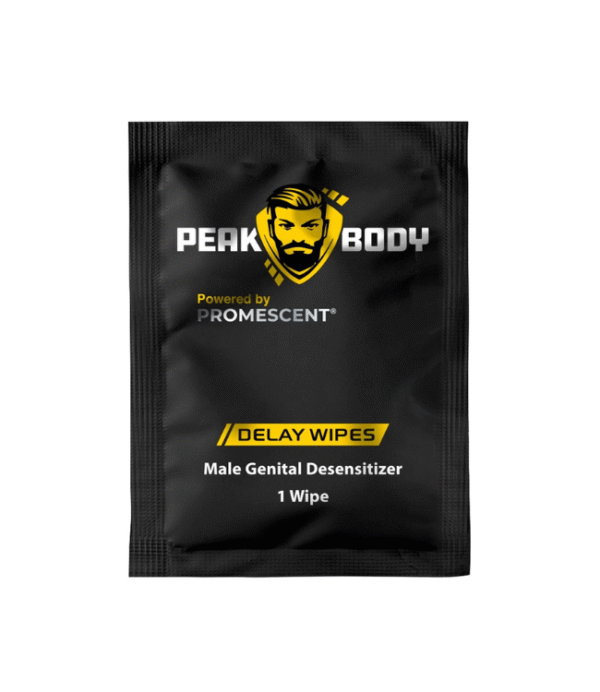
This comprehensive guide aims to break down the barriers surrounding this sensitive topic, offering evidence-based information, practical strategies, and effective solutions—including innovative products like Peakbody Delay Wipes—that can help you regain control and confidence in the bedroom.

Understanding Premature Ejaculation: More Common Than You Think

Before diving into solutions, it’s important to understand what PE actually is. Clinically speaking, premature ejaculation occurs when a man consistently ejaculates sooner than desired during sexual activity, typically within one minute of penetration, and is accompanied by negative personal consequences such as distress or frustration.

The key word here is “consistently”—occasional instances of early ejaculation are completely normal and shouldn’t be cause for concern. It’s when the pattern becomes persistent that it may be classified as PE.

Types of Premature Ejaculation

Medical experts generally recognize two types of PE:

  1. Lifelong (Primary) PE: Present from the first sexual experiences and persists throughout life.
  2. Acquired (Secondary) PE: Develops after previously having normal ejaculatory control.

Understanding which type affects you can help determine the most appropriate treatment approach, as the underlying causes may differ.

The Psychology and Physiology Behind PE

Premature ejaculation stems from a complex interplay of psychological and physiological factors. Contrary to popular belief, it’s rarely “all in your head” or purely physical in nature.

Psychological Factors

  • Performance anxiety: Perhaps the most common psychological contributor, the pressure to perform sexually can create a cycle of anxiety that worsens PE.
  • Relationship issues: Unresolved conflicts, poor communication, or unrealistic expectations can manifest as sexual difficulties.
  • Early sexual experiences: Rushed early sexual encounters (perhaps due to fear of discovery) can condition rapid ejaculation.
  • Sexual trauma: Past negative sexual experiences can influence current sexual function.
  • Depression and stress: Both can significantly impact sexual performance and satisfaction.

Physiological Factors

  • Hormonal imbalances: Abnormal levels of certain hormones, including testosterone, may contribute to PE.
  • Neurotransmitter irregularities: Particularly involving serotonin levels in the brain.
  • Inflammation or infection: Prostatitis or urethritis can sometimes lead to PE.
  • Erectile dysfunction: Some men may rush to ejaculate due to anxiety about maintaining an erection.
  • Hypersensitivity: Some men naturally have more sensitive genital tissue.

Identifying which factors may be contributing to your experience with PE is the first step toward finding effective solutions.

Beyond the Myths: The Real Impact of PE

The effects of premature ejaculation extend far beyond the physical aspect of sexual performance. Men who struggle with PE often report:

  • Diminished self-esteem: Feeling inadequate or “less than” due to perceived sexual shortcomings.
  • Relationship strain: Partners may feel unsatisfied or believe they’re no longer attractive to you.
  • Avoidance of intimacy: Many men begin to avoid sexual encounters altogether to prevent embarrassment.
  • Depression and anxiety: The psychological burden can contribute to broader mental health challenges.
  • Reproductive difficulties: For couples trying to conceive, PE can sometimes complicate the process.

Understanding these wider impacts highlights why addressing PE proactively is so important—it’s not just about better sex but about overall wellbeing and relationship health.

Taking Control: Effective Strategies for Managing PE

The good news is that premature ejaculation is highly treatable. Modern approaches offer multiple pathways to improvement, often with success rates exceeding 85% when treatments are appropriately matched to individual circumstances.

Behavioral Techniques

These time-tested methods can be practiced at home and have helped countless men gain better control:

The Stop-Start Technique

  1. Begin sexual stimulation until you feel you’re approaching the point of ejaculatory inevitability.
  2. Stop all stimulation completely and allow the sensation to subside.
  3. Once the urgency passes (typically 30-60 seconds), resume stimulation.
  4. Repeat this cycle 3-4 times before allowing ejaculation.
  5. With practice, this helps train your body to recognize and manage pre-ejaculatory sensations.

The Squeeze Technique

  1. Similar to stop-start, but when approaching ejaculation, you (or your partner) firmly squeeze the head of the penis where it meets the shaft.
  2. Apply pressure for about 20 seconds, focusing on the frenulum (the underside where the glans meets the shaft).
  3. The urge to ejaculate should diminish temporarily.
  4. Resume stimulation and repeat 2-3 times before allowing ejaculation.

Pelvic Floor Exercises (Kegels)

These exercises strengthen the muscles involved in ejaculation control:

  1. Identify your pelvic floor muscles by stopping urination midstream (though don’t regularly practice during urination).
  2. Contract these muscles for 3-5 seconds, then relax for 3-5 seconds.
  3. Repeat 10-15 times, 3 times daily.
  4. Advanced version: Practice “fluttering” contractions – rapid contractions and relaxations.
  5. With consistent practice, these exercises can significantly improve ejaculatory control.

Mindfulness and Psychological Approaches

The mind-body connection plays a crucial role in sexual function:

  • Deep breathing techniques: Practicing controlled breathing during sexual activity can reduce anxiety and delay ejaculation.
  • Mindfulness practice: Learning to stay present during intimacy rather than becoming an anxious spectator to your own performance.
  • Cognitive-behavioral therapy (CBT): Working with a therapist to identify and change negative thought patterns about sexual performance.
  • Sensate focus exercises: Non-goal-oriented intimacy exercises that reduce performance pressure.

Topical Solutions: Delay Products

For immediate assistance with PE, topical desensitizing products have become increasingly popular due to their effectiveness and ease of use. Products like Peakbody Delay Wipes represent the latest evolution in this category.

Peakbody Delay Wipes offer several advantages over traditional desensitizing options:

  • Precise application: The wipe format allows for targeted application only where needed.
  • Convenient single-use packaging: Discrete, portable, and ready whenever you are.
  • Partner-friendly formulation: Unlike some sprays or creams, the formulation is designed to minimize transfer to your partner.
  • Rapid absorption: Works quickly so it doesn’t interrupt the natural flow of intimacy.
  • Balanced sensitivity: Reduces hypersensitivity without causing numbness, maintaining pleasure while extending duration.

Using Peakbody Delay Wipes is straightforward:

  1. Open the single-use packet 5-15 minutes before sexual activity.
  2. Wipe the head and shaft of the penis, focusing on the most sensitive areas.
  3. Allow to dry completely before intimate contact.
  4. Enjoy extended performance without the distraction of hypersensitivity.

The active ingredients work by temporarily modulating nerve sensitivity in the applied areas, effectively raising the threshold for ejaculation while maintaining pleasurable sensations.

Medical Interventions

For more persistent cases, these medical approaches may be recommended:

  • Selective serotonin reuptake inhibitors (SSRIs): Originally developed for depression, certain SSRIs have a side effect of delayed ejaculation that can benefit PE treatment.
  • Topical anesthetics: Prescription-strength options are available when over-the-counter solutions aren’t sufficient.
  • Phosphodiesterase-5 inhibitors: Medications like sildenafil (Viagra) may help with PE, especially when erectile dysfunction is also present.
  • Tramadol: This pain medication has shown effectiveness for PE in some studies, though it’s not typically a first-line treatment.

Always consult with a healthcare provider before starting any medication, as these options carry potential side effects and contraindications.

Beyond Quick Fixes: Building a Comprehensive Approach

While products like Peakbody Delay Wipes can provide immediate relief and confidence, addressing PE holistically often yields the best long-term results. Consider this multi-faceted approach:

Communication Is Key

Open dialogue with your partner about PE can transform it from a source of shame to a shared challenge that brings you closer:

  • Choose a neutral, non-sexual moment to discuss your concerns.
  • Frame it as a physical response you’re working on managing, not a personal failing.
  • Invite your partner to be involved in the solution, which can include exploring new techniques together.
  • Remember that many partners are less concerned about duration than you might assume—intimacy encompasses far more than penetration.

Lifestyle Adjustments That Make a Difference

Several everyday habits can influence ejaculatory control:

  • Regular exercise: Improves blood flow, hormonal balance, and reduces stress—all beneficial for sexual function.
  • Stress management: Practices like meditation, yoga, or even regular hobbies can reduce anxiety that contributes to PE.
  • Limited alcohol consumption: While a small amount might seem to help by reducing inhibition, excess alcohol can worsen PE.
  • Adequate sleep: Poor sleep patterns can disrupt hormonal balance and exacerbate PE.
  • Balanced diet: Proper nutrition supports overall sexual health and function.

When to Seek Professional Help

Consider consulting a healthcare provider if:

  • PE is causing significant distress or relationship problems
  • The condition develops suddenly after previously normal function
  • Self-help measures haven’t yielded improvement after several months
  • PE occurs alongside other sexual or urinary symptoms

Healthcare providers specializing in sexual medicine, urologists, or sex therapists can offer tailored guidance based on your specific situation.

Peakbody Delay Wipes 15 Pack

Peakbody Delay Wipes 15 Pack

Original price was: $39.00.Current price is: $19.50.

Reclaiming Your Confidence: The Path Forward

Premature ejaculation, while challenging, doesn’t need to define your sexual experiences or self-worth. The journey to better control typically involves:

  1. Acknowledgment: Recognizing PE as a common physiological response, not a character flaw.
  2. Education: Understanding your body’s unique patterns and responses.
  3. Experimentation: Finding which combination of techniques and products works best for you.
  4. Patience: Improvement often comes gradually rather than overnight.
  5. Partnership: Involving your partner in the process when appropriate.

Many men find that combining immediate solutions like Peakbody Delay Wipes with longer-term strategies such as pelvic floor exercises and mindfulness techniques offers the most comprehensive improvement.

The Bottom Line

Premature ejaculation may be common, but living with its effects on your confidence and relationships doesn’t have to be your reality. By understanding the condition, exploring evidence-based solutions like Peakbody Delay Wipes, and potentially working with healthcare professionals, you can take meaningful steps toward more satisfying intimate experiences.

Remember that sexual health is an integral component of overall wellbeing—addressing PE isn’t just about lasting longer but about reclaiming a fulfilling aspect of human experience. The combination of modern solutions like Peakbody Delay Wipes and time-tested techniques puts that goal well within reach.

Taking the first step—whether it’s trying a product like Peakbody Delay Wipes, practicing control techniques, or speaking with a healthcare provider—is often the hardest part. But countless men before you have successfully navigated this challenge, and with the right approach, you can too.

Medical-Grade at Home: OTC Products That Deliver Prescription-Level Results

The Rise of High-Performance OTC Skincare

Over-the-counter skincare has evolved dramatically. Thanks to advancements in ingredient science and formulation, many OTC products now offer prescription-level results—without requiring a doctor’s visit. A 2022 Mintel report revealed that 67% of consumers trust OTC skincare as much as prescription solutions for everyday skin concerns such as acne and aging.

“Consumer demand has pushed the skincare industry to make high-performance products more accessible,” explains Dr. Alicia Moore, a board-certified dermatologist. “We’re now seeing formulas with clinically validated ingredients for acne, pigmentation, and aging—many of which are available without a prescription.”

Curious how these products compare to professional treatments? Read on as we explore the ingredients, benefits, and routines that put OTC skincare in a league of its own.

What Does “Medical-Grade” Actually Mean?

Although the term “medical-grade” may sound official, it’s not regulated by the FDA. In the skincare world, however, it generally refers to products that include:

– Higher concentrations of active ingredients
– Advanced delivery systems that ensure deeper penetration
– Clinical testing that supports the product’s effectiveness

Previously reserved for dermatology offices and med spas, medical-grade skincare is now widely available in OTC form—with comparable results when used correctly.

For instance, prescription retinoids like tretinoin once required close supervision. Now, top OTC products featuring encapsulated retinol at 1% strength offer professional-level wrinkle reduction at home.

What’s behind this shift? Enhanced formulation technology. “Microencapsulation and time-release systems have made potent actives more tolerable to the skin,” says Dr. Emma Collins, a cosmetic chemist. “This development has significantly improved the tolerability and performance of non-prescription exfoliants and retinoids.”

Top OTC Ingredients Mimicking Prescription Strength

Today’s OTC skincare formulations feature high-performance ingredients that closely match the results of prescription treatments. Here are some standouts:

Retinoids (Retinol and Retinaldehyde)

Although tretinoin remains the prescription standard, modern OTC formulations with 0.5% to 1% retinol or retinaldehyde have shown impressive results.

A 12-week study published in the Journal of Cosmetic Dermatology found that daily application of 0.5% pure retinol led to a 46% improvement in fine lines.

Encapsulated versions reduce irritation, making them a great choice for beginners. Product examples include CeraVe Skin Renewing Retinol Serum and other wrinkle-targeting options available at edrugstore.com.

Hydroquinone Alternatives

Due to the FDA’s 2020 withdrawal of OTC hydroquinone products, several effective and safer alternatives have emerged, including:

– Tranexamic acid (1–5%), which reduces melanin production
– Kojic acid, which helps brighten skin tone
– Niacinamide (5–10%), which improves tone and strengthens the skin barrier

A study featured in the Journal of Drugs in Dermatology found that 5% niacinamide reduced melasma pigmentation significantly within 8 weeks.

Consider OTC serums like The Ordinary’s Alpha Arbutin 2% + Niacinamide to address discoloration without a prescription.

Exfoliating Acids (AHAs, BHAs, PHAs)

Modern exfoliants now effectively refine skin texture and tone using a range of acids:

– Glycolic acid (5–10%) promotes brighter, smoother skin
– Salicylic acid (0.5–2%) penetrates pores and combats acne
– PHAs such as gluconolactone offer gentle exfoliation for sensitive skin

According to a user study from InStyle Beauty Lab, 73% of participants who used PHAs twice weekly for six months experienced noticeable improvements in skin texture and discoloration.

Always follow with an SPF 30+ product, as these acids increase your skin’s sun sensitivity.

Peptides and Growth Factors

Anti-aging peptides are increasingly common in OTC serums and are recognized for their ability to boost collagen synthesis. These amino acid chains signal skin cells to renew, firm, and smooth the complexion.

Brands such as Olay and SkinMedica include peptides and growth factors like TGF-Beta, with several formulas backed by peer-reviewed research indicating reduced wrinkles and improved elasticity.

These are ideal for those seeking to improve fine lines, skin firmness, and maintain a healthy skin barrier without professional treatments.

Azelaic Acid

Formerly available by prescription only, azelaic acid in 10–20% concentrations is now accessible in many OTC formulations.

This multi-functional ingredient helps treat:

– Acne
– Rosacea
– Hyperpigmentation

Azelaic acid calms inflammation, clears bacteria, and evens out skin tone. Consider products like The Ordinary Azelaic Acid Suspension 10%, or browse options for rosacea-prone skin at edrugstore.com.

How to Choose Medical-Grade OTC Skincare for Your Skin Concern

Pairing the right ingredients with your specific skin concern can help you build a routine that delivers noticeable results:

✔ For Acne:
Ingredients like benzoyl peroxide (2.5–10%), salicylic acid (0.5–2%), sulfur, and niacinamide effectively reduce oil production and combat breakouts. Try PanOxyl 4% Acne Wash or Paula’s Choice BHA Liquid.

✔ For Wrinkles and Fine Lines:
Use products with encapsulated retinol, peptides, and vitamin C (10–20%). Apply retinol at night and peptides in the morning.

✔ For Dark Spots:
Choose serums with niacinamide, tranexamic acid, and kojic acid. Incorporate PHAs to exfoliate gently and enhance results.

✔ For Rosacea or Sensitive Skin:
Opt for soothing agents like azelaic acid and centella asiatica. Support your skin barrier with ceramide-rich moisturizers from brands like La Roche-Posay or CeraVe.

How to Maximize Results from Medical-Grade OTC Skincare

Consistency and technique are key to unlocking the full potential of OTC skincare. Keep these dermatologist-recommended tips in mind:

– Introduce new actives gradually—start with 2–3 times per week
– Always perform a patch test before full-face application
– Use a broad-spectrum SPF 30+ daily to protect your skin from UV sensitivity
– Be patient—most treatments take 6 to 12 weeks to show visible results

“Think of your skincare like a fitness program,” says Dr. Moore. “You won’t see abs in a week—but with consistency, you will see results.”

The Future of At-Home Medical-Grade Skincare

The skincare industry is quickly progressing. With innovations such as AI-powered skin analysis, teledermatology, and personalized active blends, tailored skincare is becoming more accessible than ever before.

Many brands now invest in transparency, clinical backing, and personalization. Expect to see more bespoke, high-performance serums delivered right to your door.

You no longer have to choose between expensive clinic visits and ineffective products. With a smart, prescription-strength OTC skincare routine, radiant skin is more attainable than ever—from the comfort of your home.

Explore dermatologist-formulated solutions and starter kits at edrugstore.com to begin your journey toward healthier, more confident skin.

Important Reminder

Always consult with a licensed dermatologist before beginning any new regimen, especially if you have underlying skin concerns or conditions. This article is meant for informational purposes only and is not intended as medical advice.

References

1. Mintel Group Ltd. (2022). “Consumer Attitudes Toward OTC Skincare.”

2. Kafi et al. (2007). “Improvement of naturally aged skin with vitamin A (retinol).” Archives of Dermatology.

3. U.S. Food & Drug Administration – “Hydroquinone Market Withdrawal (2020).” https://www.fda.gov

4. Navarrete-Solís, J., et al. (2011). “A double-blind, randomized clinical trial of niacinamide 4% vs hydroquinone 4% in melasma.” Journal of Drugs in Dermatology.

5. InStyle Beauty Lab. (2022). “Consumer Test Results: OTC Acids.”

6. Gorouhi, F., & Maibach, H. (2009). “Role of growth factors and cytokines in wound healing.” Dermatologic Therapy.

Medical-Grade Skincare at Home: OTC Products That Deliver Prescription-Level Results

The Rise of At-Home Skincare Solutions

In the past, getting clear and youthful skin often required a trip to the dermatologist and an expensive prescription. Fortunately, times have changed. Today, more people are choosing medical-grade skincare products available over the counter to get real results—right from the comfort of home.

According to Statista, the global skincare market reached $187.6 billion in 2023. Much of this growth is fueled by the demand for prescription-strength skincare without needing a doctor’s visit. Thanks to advancements in science and product formulation, many over-the-counter (OTC) skincare products now include the same active ingredients found in prescriptions.

“Consumers are smarter and more ingredient-savvy than ever,” says Dr. Shereene Idriss, a board-certified dermatologist in New York City. “Many OTC products today genuinely compete with their prescription counterparts in terms of results.”

This guide will explain what defines a medical-grade product, highlight the top OTC ingredients, share dermatologist-recommended options, and give you expert tips for using these products effectively at home.

What Does “Medical-Grade” Skincare Mean?

“Medical-grade skincare” refers to products that contain higher concentrations of active ingredients and are developed with clinical testing to back up their effectiveness. While the term is not officially regulated by the FDA, these types of products typically:

– Contain pharmaceutical-grade ingredients
– Are supported by clinical research
– Penetrate deeper layers of the skin for faster, long-lasting results

Even without a prescription label, many high-performance OTC skincare products offer comparable benefits to professional treatments. For example, consistent use of OTC retinol serums can lead to results similar to prescription tretinoin over time, according to the American Academy of Dermatology.

If you’re unsure where to find reliable products, trusted platforms like edrugstore.com offer dermatologist-recommended solutions and detailed product information.

Powerful Active Ingredients That Make an Impact

To achieve skin transformation at home, look for OTC skincare products that include ingredients commonly found in dermatology offices. Here are some of the most effective ones:

Retinoids (Retinol, Retinaldehyde, Adapalene)

Retinoids are considered the gold standard for fighting acne, reducing wrinkles, and improving skin texture. While prescription tretinoin is powerful, retinol and adapalene (available OTC) offer similar results with less irritation.

✓ Example: Differin Gel (adapalene 0.1%) is FDA-approved and helps reduce acne by unclogging pores and calming skin inflammation.

Vitamin C (L-Ascorbic Acid)

Vitamin C is a brightening antioxidant that evens skin tone and supports collagen production. Serums with 15–20% L-ascorbic acid have been shown to improve collagen levels by up to 22% after 12 weeks.

✓ Example: SkinCeuticals C E Ferulic combines antioxidants that combat environmental skin damage from UV rays and pollution.

Chemical Exfoliants (AHAs & BHAs)

Alpha Hydroxy Acids (AHAs) such as glycolic acid and Beta Hydroxy Acids (BHAs) like salicylic acid exfoliate the skin, fight acne, and reduce fine lines.

✓ Example: The Ordinary’s AHA 30% + BHA 2% Peeling Solution offers a professional-grade exfoliation at home. Use infrequently and with care due to its high strength.

Peptides and Growth Factors

Peptides help firm the skin by supporting collagen and elastin production. They are increasingly found in wrinkle-reducing OTC creams.

✓ Example: Olay Regenerist uses peptides and niacinamide to enhance skin texture and reduce visible fine lines in 28 days.

Niacinamide (Vitamin B3)

Niacinamide is a versatile ingredient that reduces redness, improves uneven skin tone, and strengthens the skin barrier. It’s especially useful for oily, rosacea-prone, or acne-prone skin.

✓ Example: Paula’s Choice 10% Niacinamide Booster is gentle yet effective and works well with other actives like retinol.

Top Over-the-Counter Skincare Products That Work Like Prescriptions

Here are some of the top-performing, dermatologist-approved OTC skincare products that offer results similar to in-office treatments:

Differin Gel (Adapalene 0.1%)

Previously available only by prescription, this retinoid fights acne and improves skin over time. It’s FDA-approved and available without a prescription. Find it on edrugstore.com.

SkinCeuticals C E Ferulic

Though on the pricier side, this antioxidant-rich serum significantly enhances skin tone and firmness with daily use.

The Ordinary AHA 30% + BHA 2%

This high-strength exfoliant minimizes dullness and pore size. Due to its potency, limit use to once or twice a week.

Paula’s Choice 2% BHA Liquid Exfoliant

Effective for treating blackheads and clogged pores, this leave-on exfoliant delivers smoother skin in as little as two weeks.

Olay Regenerist Retinol 24 Night Moisturizer

A beginner-friendly option that uses retinol and niacinamide to reduce fine lines and dark spots without causing irritation.

Neutrogena Rapid Wrinkle Repair

Combines stabilized retinol with glucose complex. Clinical studies show improvement in crow’s feet and skin tone within one week of use.

Do You Still Need a Dermatologist?

Yes, for serious skin conditions such as cystic acne, melasma, and rosacea, it’s still essential to consult a dermatologist. Treatments like laser therapy or prescription medication may be needed for more advanced care.

However, medical-grade OTC skincare products can help maintain and boost the results from professional treatments. Think of them as your daily skin defense—working consistently to support skin health and beauty.

Tips for Safe and Effective Use at Home

For best results, it’s important to use medical-grade products correctly. Here are some expert tips:

Start Slowly

Introduce one product at a time, especially if using retinoids or exfoliating acids. Begin with two or three applications per week and gradually increase as your skin adjusts.

Always Patch Test

Before using any new product on your entire face, apply a small amount to a discreet area (like your jawline) and wait 24–48 hours to check for any reaction.

Use Sunscreen Daily

Active ingredients can make your skin more sensitive to sunlight. Always apply broad-spectrum sunscreen with SPF 30 or higher—even when it’s cloudy.

✓ Example: La Roche-Posay Anthelios Melt-In Sunscreen offers reliable protection and suits all skin types.

Keep Skin Hydrated

Moisturizing is essential, especially when using strong active ingredients. Opt for products with hydrating agents like hyaluronic acid, ceramides, or glycerin to prevent dryness and maintain your skin barrier.

The Future of Skincare Is in Your Hands

You no longer need a prescription to achieve healthy, glowing skin. With the rise of medical-grade OTC skincare products, it’s easier than ever to treat common problems like acne, wrinkles, dark spots, and dullness from home.

As product innovation continues to evolve, expect even more powerful and accessible skincare solutions. Platforms such as edrugstore.com offer easy access to high-quality, clinically tested products without requiring a prescription—making it simple to take control of your skincare routine.

Share Your Skincare Wins

What medical-grade OTC skincare products have worked best for you? Let us know in the comments—we’d love to hear about your journey and share your success story with our community!

References

– American Academy of Dermatology Association (2022). “Retinoids: Are They Right for You?” https://www.aad.org
– Statista Research Department (2023). “Skincare Market Value Worldwide.” https://www.statista.com
– Journal of Clinical and Aesthetic Dermatology (2017). “The Effects of Topical Vitamin C on Skin Appearance.”
– U.S. Food and Drug Administration (FDA). “Compliance & Regulation in OTC Skincare.” https://www.fda.gov
– SkinCeuticals Clinical Studies Archive. https://www.skinceuticals.com
– La Roche-Posay Research & Innovation. https://www.laroche-posay.us

Pharmacists Reveal Their Go-To OTC Medications

When you’re faced with endless shelves of over-the-counter (OTC) products at the pharmacy, choosing the right one can feel overwhelming. With so many options promising fast relief for everything from headaches to heartburn, how do you know what really works?

Fortunately, pharmacists—trained experts in medication—navigate these choices every day. Even more reassuring, they often use the very same trusted OTC medications for their own families.

We spoke with licensed pharmacists across the U.S. to find out which products they keep in their home medicine cabinets. Their insights can help you make informed, safe, and effective decisions for your family.

Reliable Pain Relief: Acetaminophen and Ibuprofen

For pain management, acetaminophen (Tylenol) and ibuprofen (Advil, Motrin) remain the top choices among pharmacists.

“These are my go-to medications for everything from headaches to fevers,” says Dr. Alicia Mendel, PharmD, a clinical pharmacist in Denver, Colorado.

– Acetaminophen is excellent for reducing fever and alleviating mild to moderate pain without irritating the stomach.
– Ibuprofen, a nonsteroidal anti-inflammatory drug (NSAID), is more effective for pain involving inflammation, such as sprains or sinus pressure.

For children, many pharmacists recommend alternating between acetaminophen and ibuprofen under a pediatrician’s guidance, especially for stubborn fevers.

According to the American Academy of Pediatrics, about 70% of parents use both medications to manage childhood fever—but always consult a healthcare provider before doing so.

Best for Heartburn and Indigestion: Famotidine (Pepcid)

When heartburn or acid reflux strikes, many pharmacists reach for famotidine (Pepcid), an H2 blocker known for lasting relief and minimal side effects.

“Famotidine is more effective and safer compared to older medications like ranitidine, which was removed from the market due to contamination concerns,” explains James Lee, RPh, from Seattle.

Unlike proton pump inhibitors (PPIs) such as omeprazole—often intended for long-term use—famotidine provides quicker relief and doesn’t interfere with nutrient absorption when taken occasionally.

If you find yourself needing antacids more than twice a week, talk to your healthcare provider to assess the cause.

Cough and Cold Relief: Keep It Simple

When cold and flu symptoms strike, pharmacists avoid complex multi-symptom formulas and favor simple, effective ingredients.

“I recommend plain dextromethorphan for dry cough and guaifenesin (Mucinex) for chest congestion,” says Megan Rowe, PharmD, a clinical pharmacist in Orlando, Florida. “These single-ingredient medications work well without the extra additives such as sedatives or stimulants.”

Pharmacists also recommend the following home remedies alongside medications:

– Saline nasal sprays for congestion
– Warm tea with honey to soothe a sore throat
– Plenty of rest and hydration

According to the Centers for Disease Control and Prevention (CDC), most viral colds resolve within 7 to 10 days. Medications aim to relieve symptoms, not cure the illness.

First Aid Necessities: Infection and Itch Relief

For treating minor cuts, scrapes, and skin irritations, pharmacists rely on a set of basic but effective tools:

– Triple antibiotic ointment (like Neosporin) to help prevent infections
– 1% hydrocortisone cream to reduce itching, swelling, and inflammation

“These two are essential in my home,” shares Jessica Alvarez, PharmD, a hospital pharmacist. “They cover most minor injuries and skin reactions.”

Other first aid staples include adhesive bandages, alcohol wipes, and tweezers. Use hydrocortisone cream for insect bites or allergic rashes, but avoid applying it to open wounds.

Children’s Medicine Must-Haves: Liquid Tylenol and Motrin

When it comes to children’s medications, pharmacists favor easy-to-measure, palatable liquid forms of acetaminophen and ibuprofen.

“Accurate dosing is critical,” explains Dr. Darnell Price, PharmD, a pediatric pharmacy specialist. “Name brands like Tylenol and Motrin provide measuring syringes that reduce the risk of dosing errors—and kids are more likely to tolerate the flavors.”

According to Safe Kids Worldwide, over 50,000 children under age five visit emergency rooms each year due to accidental medication overdoses. Always store medications out of children’s reach and use the included measuring tools.

Everyday Allergy Relief: Cetirizine and Loratadine

For daily, non-drowsy allergy relief, most pharmacists use cetirizine (Zyrtec) or loratadine (Claritin).

“Zyrtec typically works faster and is better for moderate to severe allergy symptoms,” says Lisa Chan, a pharmacy technician supervisor. “Claritin is a great option for mild symptoms and almost never causes drowsiness.”

Both options are available in child-friendly formats such as flavored syrups and chewable tablets.

Tip: For kids with hay fever or seasonal allergies, a morning dose of cetirizine can provide relief all day long.

Digestive Support: Miralax and Fiber for Regularity

When managing constipation, pharmacists often recommend polyethylene glycol (Miralax) for short-term relief.

“It’s gentle, tasteless, and non-cramping. A great option for both adults and children,” notes Tom Hwang, PharmD, of Los Angeles.

For long-term digestive support, soluble fiber supplements such as psyllium (found in Metamucil) are preferred to maintain regularity and overall gut health.

One easy tip: Add a scoop of Metamucil to your morning smoothie to help with daily fiber intake and support heart and gut health.

Straightforward Advice from the Experts

Pharmacists consistently choose products that are backed by science and proven results, avoiding fads and flashy marketing claims.

“OTC medications are helpful tools, not solutions to every problem,” says Dr. Alicia Mendel. “If symptoms persist, you should always consult a healthcare provider.”

In summary, when it comes to managing minor health issues at home, keep your choices simple, effective, and guided by expert recommendation. And when in doubt, don’t hesitate to ask your pharmacist—they’re likely using the same trusted brands at home.

Stay Informed and Share the Knowledge

Looking to make more informed decisions the next time you’re in the pharmacy aisle? Bookmark this guide and share it with family and friends. A smart tip today could make all the difference tomorrow.

For more expert-approved OTC guidance, visit: edrugstore.com/otc-guides

Disclaimer

This article is for educational purposes only and is not a substitute for professional medical advice, diagnosis, or treatment. Always talk with your healthcare provider before taking any medications, including over-the-counter products.

References

1. U.S. Food and Drug Administration (2021). FDA Requests Removal of All Ranitidine Products (Zantac) from the Market. https://www.fda.gov/news-events/press-announcements

2. American Academy of Pediatrics (2021). Fever and Pain Medicine: Dosing for Infants and Children. https://www.healthychildren.org

3. Centers for Disease Control and Prevention (CDC). Common Colds: Protect Yourself and Others. https://www.cdc.gov/features/rhinoviruses/index.html

4. Safe Kids Worldwide. Medicine Safety for Children. https://www.safekids.org/medsafety

5. Mayo Clinic. Over-the-Counter Medication Safety Tips. https://www.mayoclinic.org/healthy-lifestyle/consumer-health/in-depth/over-the-counter-drugs/art-20045438

© 2024 eDrugstore.com – All rights reserved.