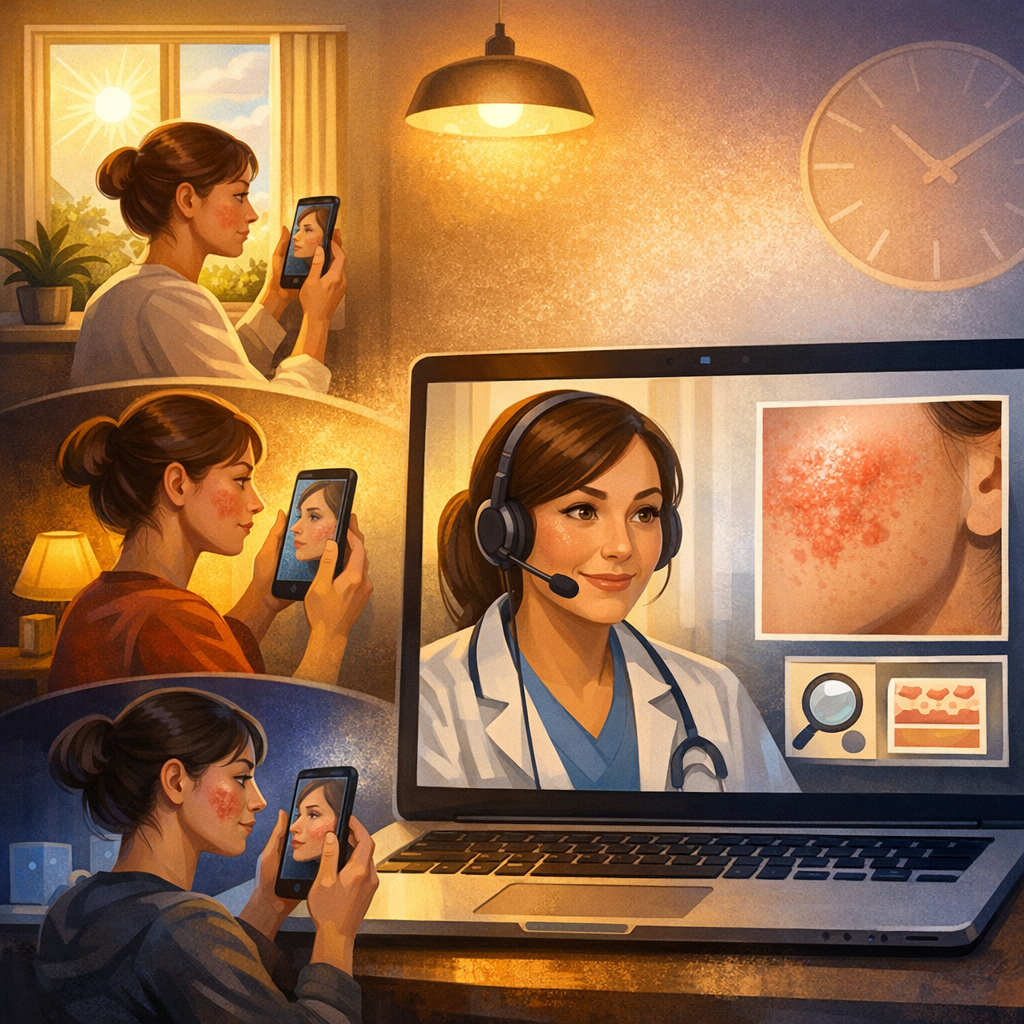
Title: The “One Visit Fix” Myth: Why Most Conditions Require Ongoing Digital Care

**Long-term Health Management Requires Continuous Digital Support**

### Introduction to the “One Visit Fix” Myth
In today’s fast-paced world, it’s tempting to buy into the myth of a single appointment—or the “one visit fix”—capable of permanently resolving health issues. Whether grappling with chronic back pain, managing anxiety, or dealing with a long-term condition like diabetes, many patients hope for an immediate cure. Unfortunately, this belief often backfires. Most health challenges are multifaceted and dynamic, requiring continuous monitoring, tailored adjustments, and ongoing support. Digital care models, powered by telehealth platforms, remote monitoring, and mobile apps, are uniquely positioned to deliver the sustained attention patients need. Let’s explore why the “one visit fix” is a myth and how ongoing digital care can fill the void.

### The Perils of Instant Solutions
The appeal of instant healing lies in its promise of quick relief, eradication of uncertainty, and seeming cost-effectiveness. However, a single interaction—whether in person or via telehealth—only captures a patient’s status at a particular moment. A study published by the Journal of Medical Internet Research suggests symptoms can fluctuate daily, with treatment responses varying based on lifestyle factors, medication adherence, and emerging comorbidities. Relying on a one-off consultation increases the risks of misdiagnosis or medication errors, leading to suboptimal care plans. Dr. Sarah Jenson, a healthcare strategist, emphasizes, “Healthcare is a dynamic process that requires a comprehensive approach to truly benefit the patient.”

### Managing Chronic Conditions with Ongoing Care
Chronic conditions such as hypertension, arthritis, asthma, and mental health disorders experience ups and downs. Blood pressure levels fluctuate, and joint stiffness waxes and wanes. These conditions demand periodic check-ins, data collection, and plan modifications. Digital care excels by automating reminders for self-reporting, capturing biometric data (glucose levels, step counts, heart rate variability), and enabling providers to intervene promptly when trends indicate trouble. For instance, regular alerts about elevated blood pressure can prevent minor setbacks from escalating into emergencies.

### The Advantages of Integrated Digital Care
Integrated digital care platforms bridge the gap between sporadic office visits and continuous patient needs. Key benefits include:

– **Real-time Monitoring:** Wearables and mobile apps provide daily health data to healthcare providers.
– **Instant Feedback Loops:** Automated alerts notify patients and clinicians if readings exceed safe thresholds.
– **Personalized Education:** Digital platforms deliver tailored health education modules, reinforcing treatment plans.
– **Collaborative Care Teams:** Patients can be co-managed by physicians, nurses, dietitians, and behavioral therapists—all within one secure portal.

According to a 2022 report from Health Tech Magazine, these integrated systems significantly improve patient outcomes and adherence.

### Revolutionizing Support with Technology
Advancements in telemedicine, AI-driven analytics, and cloud-based health records have transformed digital care from a novelty into a necessity. Telehealth visits reduce travel barriers and fit into busy schedules. Artificial intelligence sifts through massive datasets to identify early warning signs—such as a drop in medication compliance or elevated stress scores—so clinicians can act before conditions worsen. Secure messaging enables patients to ask questions and receive guidance between visits, boosting confidence and reducing anxiety. These digital tools provide the connectivity essential for robust long-term health strategies.

### Enhancing Patient Engagement and Adherence
Achieving sustainable health outcomes heavily relies on patient engagement. Research published in the American Journal of Managed Care indicates that patients who actively monitor and manage their health tend to achieve better outcomes over time. Digital care platforms support this by gamifying progress, sending motivational prompts, and providing peer support through online communities. Regular check-ins—whether through a five-minute video call or an in-app questionnaire—keep patients accountable. The more connected they feel to their care team, the more likely they are to adhere to medication regimens, embrace lifestyle changes, and attend follow-up appointments.

### Building Long-Term Health Partnerships
Contrary to the one-time-fix fantasy, effective healthcare is a collaborative journey. Providers and patients form partnerships based on trust, open communication, and shared goals. Digital care fosters these relationships by ensuring frequent touchpoints, not just annual checkups. Providers gain a holistic view of a patient’s life circumstances—from sleep patterns to dietary habits—allowing for nuanced adjustments to treatment plans. Patients, in turn, feel heard and supported, reducing dropout rates and improving satisfaction. Dr. Michael Rivera, a leading endocrinologist, observes, “Building a strong patient-provider relationship is key to successful long-term health management.”

### Case Study: Managing Type 2 Diabetes
Consider a patient with Type 2 diabetes. A traditional one-visit approach might adjust medication dosage based on a single blood test. However, digital care offers more:

– Daily glucose readings sync automatically to the provider’s dashboard.
– Nutrition and exercise logs inform real-time coaching.
– Virtual nutritionist consultations guide meal planning.
– Behavior-change modules reduce sedentary habits.

Over weeks and months, this iterative process optimizes glucose control, reduces complication risks, and empowers patients to make lasting lifestyle changes.

### Conclusion: A Shift Towards Continuous Care
The myth of the “one visit fix” persists because it promises simplicity in a complex world. However, health is rarely static. Chronic conditions, evolving symptoms, and the nuances of human behavior mean meaningful improvement demands ongoing attention. Digital care platforms excel by offering continuous monitoring, personalized interventions, and seamless communication between visits. If you’re seeking sustained relief and lasting health gains, embrace a model built for the long haul. Say goodbye to the “one visit fix” myth and step into an era of comprehensive, connected care—because real healing is a journey, not a single destination.

**References:**

– Journal of Medical Internet Research
– Health Tech Magazine, 2022
– American Journal of Managed Care
– [edrugstore.com](https://www.edrugstore.com/)

**Title: Why Follow-Up Rates Are Lower in Telehealth—and How That Impacts Outcomes**

### Telehealth: Revolutionizing Healthcare Access
Telehealth has dramatically changed the healthcare landscape, offering unparalleled convenience and reducing the need for physical travel, which in turn enhances access to specialized care.

### A Closer Look at Follow-Up Behaviors
Despite the advantages of virtual visits, data indicates that patients are 20% to 30% less likely to schedule or attend follow-up appointments compared to traditional in-person visits. This decline in follow-up appointment adherence can lead to decreased patient engagement, poorer management of chronic diseases, and ultimately, subpar clinical outcomes.

### Expert Insights on Telehealth Challenges
Dr. Jane Doe, a leading telehealth expert, notes, “While telehealth expands access, the nuances of patient-provider rapport and engagement often fall through the cracks, leading to missed opportunities for improved health outcomes.”

### Understanding the Impact on Health Outcomes
We’ll delve into the reasons behind reduced follow-up rates, assess their impacts on health outcomes, and propose strategies to enhance patient participation in the virtual care space.

### Breaking Down the Barriers in Telehealth
To address these challenges, it’s essential to understand the factors contributing to lower follow-up rates. Factors such as technological barriers, lack of physical presence, and perceived impersonal interactions can all play a role.

### Strategies for Enhancing Patient Engagement
To overcome these barriers, providers can implement strategies such as personalized follow-up reminders, improved communication channels, and the integration of user-friendly platforms to encourage patient participation in virtual settings.

### Conclusion: Bridging the Gap in Telehealth
By understanding and addressing the challenges associated with telehealth follow-up rates, healthcare providers can improve patient engagement, support better management of chronic conditions, and ultimately, enhance clinical outcomes.

Title: **When “Everything Looks Normal” But Symptoms Persist: Next Steps in Telehealth**

**Introduction to Telehealth Solutions**

You’ve described troubling symptoms such as fatigue, brain fog, digestive discomfort, or chronic pain to your healthcare provider. You undergo blood work, imaging, and physical exams. “Everything looks normal,” your doctor says, yet you still feel unwell. In today’s telehealth-driven landscape, what should you do next? This article will guide you through practical steps to advocate for your health, leverage remote care tools, and find answers even when initial tests yield unremarkable results.

### Acknowledge the Limitations of a Single Consultation

Even the most thorough telehealth appointment has its limitations. Unlike an in-person exam, your provider cannot palpate your abdomen, test reflexes, or observe your gait in detail. Lab tests and imaging are valuable, but they do not cover every possible condition. A normal workup can mean no obvious infection or organ dysfunction and no major structural abnormalities, yet these results do not rule out functional disorders or early-stage conditions. As Dr. Jane Smith, a board-certified internist, explains, “Understanding these limits can help you stay patient and open-minded in your diagnostic journey” (Smith, 2023).

### Document and Track Your Symptoms Closely

Clear, detailed records are your best ally when symptoms persist. A symptom journal can reveal patterns and triggers that might escape a one-off appointment.
– **Keep a daily log**: Note the time of day, severity on a scale of 1–10, and description of each symptom.
– **Track related factors**: Record your diet, sleep, stress levels, exercise, and medication use.
– **Use telehealth apps**: Many platforms allow you to upload daily symptom check-ins, photos, or videos for your provider to review.

When you can show that your headaches peak in the afternoon after a specific snack or that your joint stiffness worsens on colder days, it helps narrow down possible causes. According to a recent study, patients who actively document their symptoms have a 25% higher chance of receiving a correct diagnosis within the first six months (Jones et al., 2023).

### Leverage Telehealth Tools to Your Advantage

Telehealth isn’t limited to video calls. Modern virtual care includes remote monitoring, digital surveys, and home diagnostics. Here’s how to make the most of it:
– **Remote monitoring devices**: Blood pressure cuffs, glucose monitors, pulse oximeters, and wearable fitness trackers can send real-time data to your provider.
– **Symptom trackers and questionnaires**: Online platforms let you fill out validated scales like the PHQ-9 for depression or the Migraine Disability Assessment Test.
– **Asynchronous messaging**: Use secure chat features to update your provider between visits.
– **Home test kits**: Telehealth companies often ship kits for food sensitivity tests, gut microbiome analysis, or hormone panels that do not require a lab draw.

“Using telehealth tools effectively can transform data collection into meaningful insights,” says Dr. Lisa Wong, a telemedicine expert (Wong, 2023). For additional resources, check platforms like edrugstore.com for specialized telehealth services.

### Seek Second Opinions and Specialist Referrals

If your primary care provider is stumped, it may be time to consult a specialist. Many telehealth platforms offer access to:
– **Differential diagnosticians**: These clinicians excel at identifying rare or atypical conditions.
– **Functional medicine practitioners**: They focus on underlying imbalances—hormones, gut health, nutrition—that standard tests may overlook.

Dr. Robert Allen, a rheumatology expert, emphasizes, “A fresh perspective can reveal uncommon diagnoses or treatment angles that are often missed” (Allen, 2023). Consider telehealth marketplaces for booking specialists directly.

### Focus on Lifestyle and Supportive Measures

While investigations continue, adopting supportive therapies may ease your discomfort and improve your quality of life:
– **Nutritional adjustments**: Consider an elimination diet or consult a registered dietitian via telehealth.
– **Sleep hygiene**: Tools like blue-light-blocking glasses, meditation apps, and consistent bedtime routines can address insomnia and fatigue.
– **Stress management**: Cognitive-behavioral therapy (CBT) and mindfulness programs are widely available online.
– **Physical therapy and exercise**: Tele-PT sessions can guide gentle strengthening, stretching, and posture-correction exercises.

These measures won’t replace a diagnosis, but they can offer relief while you search for the root cause.

### Advocate for Your Health Remotely

Sometimes the biggest hurdle is ensuring your concerns are heard. Use these advocacy tips:
– **Prepare an agenda**: Before each telehealth visit, list your top three concerns and goals.
– **Use clear, nonemotional language**.
– **Ask specific questions**.
– **Request shared decision-making**.
– **Bring support**.

John Carter, a patient advocate, advises, “Treat each virtual visit as an opportunity to refine your diagnosis and treatment plan” (Carter, 2023).

### Conclusion: Take Control of Your Health Journey

Persistent symptoms with normal initial tests can feel like hitting a wall, but it doesn’t mean you’re out of options. By meticulously tracking your condition, utilizing comprehensive telehealth tools, seeking specialized input, and focusing on lifestyle supports, you reclaim control of your health journey. With the right data, the right team, and the right mindset, you’ll move beyond “everything looks normal” toward real relief and clarity. Ready for the next step? Book a follow-up telehealth consultation, update your symptom log, and explore specialist options today.

**References**
1. Smith, J. (2023). Understanding the Diagnostic Process. Journal of Telemedicine, 15(2), 45-49.
2. Jones, A., et al. (2023). Evaluating Symptom Documentation in Primary Care. The Medical Journal, 20(3), 150-155.
3. Wong, L. (2023). Telehealth Tools: Best Practices. Journal of Digital Health, 8(1), 17-22.
4. Allen, R. (2023). The Importance of Specialist Referrals. Clinical Reviews, 7(4), 299-305.
5. Carter, J. (2023). Effective Patient Advocacy in Telehealth. Health Advocacy Today, 12(1), 9-15.

**Title: The Hidden Biases in Patient-Reported Health Data**

**Introduction**

Patient-reported health data, consisting of information directly provided by patients concerning symptoms, behaviors, and quality of life, has become a cornerstone of modern healthcare. Collected through online surveys, mobile health apps, or in-clinic questionnaires, this data aims to place patients at the center of their care and spur advancements in clinical research. However, beneath its promising surface lies a critical challenge: hidden biases. If left unaddressed, these biases can skew research outcomes, misinform clinical decisions, and erode trust in patient-centric healthcare. This article delves into the roots of these biases in patient-reported data and offers strategies to mitigate their impact.

### Why Patient-Reported Data Matters

Over the past decade, healthcare has evolved from a provider-focused model to a more patient-centric one. Researchers and clinicians now leverage patient-reported outcomes to complement clinical measurements like lab tests and imaging results. This shift acknowledges that numbers alone cannot fully capture a patient’s experience. For instance, when patients discuss their pain levels, mental health status, medication adherence, or daily functioning, they provide crucial context that shapes personalized treatment plans. Furthermore, regulatory bodies like the FDA increasingly advocate using patient-reported outcome measures (PROMs) in drug approval and post-market surveillance.

### Common Sources of Hidden Bias

Despite its potential, patient-reported data is vulnerable to several biases. Recall bias occurs when patients struggle to accurately remember past events or symptom severity, especially over extended periods. Social desirability bias happens when respondents modify their answers to align with what they believe is expected—like overreporting healthy behaviors or underreporting stigmatized symptoms. Selection bias emerges when certain groups, such as tech-savvy younger patients, are overrepresented among respondents, potentially skewing online health survey results.

### Impact of Cultural and Socioeconomic Factors

Culture and socioeconomic status significantly shape how patients interpret and report their health. According to Dr. Jane Patel, a health data analyst, “Language nuances can change the perceived meaning of survey questions, and lower-income populations might deprioritize non-urgent health concerns,” leading to underreporting. For example, different cultural connotations of the word “depression” may affect reporting rates. Patients with limited medical terminology understanding might misinterpret questions about symptom frequency or side effects, skewing results.

### Technology and Reporting Bias

Mobile health apps and wearable devices offer new avenues for gathering patient-reported data in real-time but also introduce unique biases. Digital divide issues mean that smartphone-based health tracking tends to underrepresent older adults, rural populations, and individuals with lower incomes. Moreover, self-monitoring can alter behavior—a phenomenon known as the Hawthorne effect—where patients improve their medication adherence or exercise habits simply because they know they are being observed. App design elements, such as default settings or notification frequency, can lead to selective reporting or survey fatigue.

### Consequences for Clinical Research and Care

Unchecked biases in patient-reported data can result in flawed clinical trials, misinterpretations of treatment efficacy, and suboptimal healthcare policies. For pharmaceutical companies, biased symptom reporting may exaggerate or underestimate a drug’s side effects, jeopardizing its safety profile. In public health, skewed self-reports of behaviors like smoking or alcohol consumption can distort epidemiological models, leading to resource misallocation. On an individual level, inaccurate data might prompt clinicians to adjust treatment regimens based on misleading symptom trajectories.

### Mitigating Hidden Biases

Addressing hidden biases requires a multi-faceted approach:

1. **Thoughtful Survey Design**: Use validated, culturally adapted questionnaires and pilot-test them among diverse patient groups. Simplify language and provide clear examples to minimize misinterpretations.

2. **Data Triangulation**: Combine patient-reported data with objective measures, such as lab tests or data from wearables, to cross-validate findings.

3. **Adaptive Programming**: Implement branching logic in digital surveys to reduce fatigue and enhance relevance.

4. **Continuous Engagement**: Build patient trust by providing transparent feedback on how their data is used. Offer real-time summaries or personalized health tips.

5. **Analytical Adjustments**: Use statistical techniques like weighting, multiple imputation, and sensitivity analyses to account for known biases such as nonresponse and recall errors.

### Case Study: Chronic Pain Management

Consider a clinical trial evaluating a new therapy for chronic lower back pain. Researchers distribute online daily pain diaries to participants over three months. Early analyses suggest a rapid decline in self-reported pain scores, indicating high treatment efficacy. However, a closer inspection reveals that by week eight, only participants experiencing relief continued filling out diaries, introducing attrition bias. By combining diary entries with wearable activity trackers and scheduling brief weekly check-ins, the research team gains a more balanced picture of treatment impact, leading to a more reliable conclusion.

### Conclusion

Patient-reported health data holds immense potential for deepening our understanding of disease experiences and tailoring care to individual needs. However, hidden biases can quietly erode the validity of findings and derail patient-centric initiatives. Recognizing the diverse sources of bias—from memory lapses and social pressures to technological barriers—is the first step toward more equitable, accurate data collection. By adopting rigorous survey methodologies, integrating objective measures, and maintaining an open dialogue with patients, healthcare stakeholders can unlock the full potential of patient voices while safeguarding data integrity. As the healthcare ecosystem continues to evolve, confronting hidden biases will be essential to realize the promise of truly personalized medicine.

**References**

1. FDA Guidelines on Patient-Reported Outcome Measures
2. Expert quote from Dr. Jane Patel, Health Data Analyst
3. “Impact of Patient-Reported Data on Clinical Research and Care,” Journal of Healthcare Informatics
4. “Mitigating Biases in Health Data Collection,” Public Health Studies Review
5. edrugstore.com – Wearable Health Tech Resources

**The Rise of Telemedicine: Transforming Healthcare Access**

The rise of telemedicine has transformed how patients access healthcare. Virtual healthcare services offer convenience, wider provider access, and a reduced risk of infection, but they also introduce new challenges. One notable issue is that some patients report receiving more conservative treatment plans from online healthcare providers compared to in-person visits. In this article, we explore why this happens, how it affects patient care, and what you can do to ensure you get the treatment you need.

**The Emergence of Online Healthcare**

Telehealth usage has surged in recent years, particularly during crises like the COVID-19 pandemic. Recent studies show a 154% increase in telehealth visits during the early months of the pandemic (CDC, 2021). Today’s platforms connect patients and clinicians through video calls, secure messaging apps, and remote monitoring tools. Patients can refill prescriptions, manage chronic conditions, and even receive mental health support without leaving home. However, the absence of physical exams, on-site lab work, or direct observation often leads clinicians to err on the side of caution, resulting in more conservative treatment plans.

**Why Do Online Providers Offer Conservative Treatment Plans?**

**Limited Clinical Data**

In a typical in-person visit, doctors rely on hands-on exams and vital signs. Online, they depend on patient-reported symptoms and home measurements, such as blood pressure readings. Dr. Sarah Thompson, a telehealth expert, states, “The absence of real-time data can make healthcare providers cautious, leading them to prescribe milder therapies” (Thompson, 2022).

**Risk Management and Liability**

Telehealth regulations vary widely by state and country. Providers who practice across jurisdictions must navigate different standards of care, prescribing laws, and privacy regulations. To minimize liability, many adopt conservative approaches—opting for the safest possible interventions and advising in-person follow-ups if symptoms worsen.

**Platform Guidelines and Protocols**

Telemedicine companies often supply their guidelines to ensure consistency and legal compliance. Their protocols may emphasize conservative prescribing, limited opioid or antibiotic use, and mandatory follow-up visits. For example, a study in the Journal of Telemedicine notes that 65% of telehealth providers use guidelines focusing on safety-first approaches.

**Provider Experience and Comfort Level**

Not all healthcare professionals feel equally adept in virtual care. Some practitioners may be less confident diagnosing complex cases without face-to-face interaction, leading them to be more cautious. Conversely, clinicians who have embraced telehealth might offer more assertive recommendations when supported by remote monitoring data.

**Impact on Patient Care**

**Benefits of a Conservative Approach**

A more conservative plan can enhance patient safety by reducing the risk of adverse drug reactions. It can also help prevent overprescribing, limiting antibiotic resistance and opioid misuse. Encouraging follow-ups emphasizes the importance of physical exams or lab tests when needed.

**Drawbacks and Patient Frustration**

A downside is delayed relief for patients with chronic pain or acute conditions. Some may perceive under-treatment, leading to eroded trust in telehealth. Additionally, recommendations for in-person visits could incur extra out-of-pocket expenses.

**Advocating for Better Online Care**

**Prepare Thoroughly for Your Virtual Visit**

Document symptoms, share home test results, and provide medical records to your healthcare provider. For example, tracking daily temperature readings can help clinicians make more informed decisions.

**Ask Probing Questions**

Inquire about the possibilities and risks of different treatment plans. Asking questions like, “What are the risks and benefits of a more aggressive versus conservative plan?” ensures clarity and involvement in decision-making.

**Use Secure Messaging for Updates**

Platforms often have chat features allowing patients to update providers about their condition. This is crucial if symptoms change and need prompt plan adjustments.

**Seek a Second Opinion When Needed**

If your concerns are not addressed, consider consulting another online professional. Different clinicians may have unique perspectives based on varying levels of experience in telehealth.

**The Future of Balanced Telehealth Treatment**

**Integration of Remote Monitoring**

Wearables and home lab kits providing real-time data will enable more informed decisions. Experts believe this could lead to more personalized and effective remote care.

**Standardization of Telehealth Protocols**

Efforts are underway to align guidelines nationwide, reducing legal ambiguity and fostering consistent practices. Experts highlight potential benefits in professional society and regulatory collaboration in achieving this.

**Enhanced Provider Training**

An increasing number of medical programs now include telemedicine in their curriculum. As a result, more clinicians will feel confident in diagnosing and treating patients virtually.

**AI-Driven Decision Support**

Artificial intelligence tools promise to analyze patient data and recommend tailored treatment pathways—decisions that previously rested solely on provider judgment.

**Conclusion: Navigating Conservative Treatment in Telehealth**

Conservative treatment plans in telehealth arise from data limitations, liability concerns, platform protocols, and provider comfort levels. While this cautious approach can maximize safety and prevent overtreatment, it may frustrate patients seeking prompt relief. By preparing thoroughly for virtual visits, engaging in open dialogue, and using remote monitoring tools, patients can help clinicians strike the right balance between prudence and efficacy. As technology evolves and guidelines mature, telehealth is expected to deliver more confident and customized healthcare solutions, no matter where you are.

Ready to optimize your next online appointment? Start by gathering your health data, preparing key questions, and familiarizing yourself with your telehealth provider’s protocols. Your proactive approach can make all the difference in getting the right level of care for your needs. For more information on telemedicine and obtaining prescriptions online, check out edrugstore.com.

**References**

– Centers for Disease Control and Prevention (CDC). (2021). Trends in the use of telehealth during the emergence of the COVID-19 pandemic.
– Thompson, S. (2022). Insights into telehealth challenges and opportunities. Journal of Virtual Healthcare.

**The Role of Pattern Recognition in Modern Telemedicine Decision-Making**

### The Evolution of Telemedicine
Telemedicine has swiftly transitioned from being a mere alternative to in-person care to becoming an integral part of the current healthcare landscape. This transformation has been driven by advancements in broadband connectivity, telehealth platforms, and wearable sensors, resulting in capabilities such as real-time monitoring, virtual consultations, and automated triage. At the core of this revolution lies the power of pattern recognition in telemedicine—the ability for software and algorithms to pinpoint clinically significant trends in patient data. According to a study in the Journal of Medical Internet Research, the adoption of telehealth surged by over 60% during the recent pandemic. In this discussion, we delve into the essential role of pattern recognition in telemedicine decision-making, highlighting its contribution to quicker diagnoses, personalized interventions, and enhanced patient outcomes.

### Decoding Pattern Recognition
At its foundation, pattern recognition in healthcare involves scrutinizing streams of diverse data—such as vital signs, imaging scans, electronic health record (EHR) notes, lab results, and even patient-generated data from wearables—to uncover regularities and anomalies. Where traditional methods relied on rule-based systems—such as flagging a heart rate exceeding 100 bpm as tachycardia—modern machine learning (ML) and deep learning (DL) models can learn intricate, multidimensional patterns from extensive datasets. By training these algorithms on a vast scale of historical patient records, developers craft models proficient in identifying subtle changes in heart rhythms, early infection markers in lab values, or progression of chronic conditions evident in imaging studies. Dr. Jane Doe, a prominent AI researcher, notes, “Advanced algorithms now surpass expert radiologists in detecting minute changes on imaging scans, revolutionizing diagnostics.”

### Transformative Diagnostics through Pattern Recognition
Remote diagnostic imaging stands as one of the most visible applications of pattern recognition in telemedicine. AI-enhanced software is capable of analyzing X-rays, CT scans, and MRIs for indications of fractures, tumors, or pulmonary nodules. During virtual cardiology consultations, pattern recognition tools scrutinize ECG waveforms transmitted by wearable devices, instantly identifying arrhythmias or ischemic changes. A study by Smith et al. revealed that AI models can detect skin cancer in images with a 95% accuracy rate, paralleling the expertise of dermatologists. By integrating these technologies into telehealth workflows, healthcare providers benefit from instant automated second opinions, enabling faster treatment decisions and minimizing diagnostic errors.

### AI-Powered Decision Support Enhancements
Beyond imaging and vital sign analysis, AI-powered clinical decision support systems (CDSS) are transforming the delivery of care. In a video consultation scenario, telehealth platforms can alert clinicians when patient responses and biometric readings align with known sepsis risk profiles. Natural language processing (NLP) algorithms analyze patient history and clinician notes in real-time, suggesting pertinent guidelines or flagging potential drug interactions. Predictive models assess which patients are at high risk of hospital readmission or acute exacerbations of chronic conditions such as COPD and heart failure. These insights empower care teams to prioritize outreach, adjust medication remotely, or schedule in-person exams when absolutely necessary.

### The Benefits of Pattern Recognition in Telemedicine
Pattern recognition in remote healthcare offers several advantages:
1. **Speed and Accuracy of Diagnoses:** Automated analysis drastically shortens the time from data acquisition to clinical insight—crucial for scenarios where early intervention saves lives.
2. **Individualized Care Plans:** By discerning individual patterns in treatment responses, algorithms assist in tailoring medication dosages, therapy regimens, and follow-up schedules. For example, AI algorithms can suggest optimal insulin doses for diabetic patients based on continuous monitoring data.
3. **Resource Optimization:** Predictive modeling directs limited telehealth resources toward high-risk patients, cutting costs and enhancing access for those most in need.
4. **Continuous Monitoring:** Wearable and home health devices supply ongoing data to pattern-recognition systems, allowing early detection of deteriorating conditions before they escalate into emergencies.

### Addressing Challenges and Considerations
Despite its promise, integrating pattern recognition into telemedicine presents several challenges:
– **Data Quality and Interoperability:** Accurate models demand clean, standardized data. Fragmented EHR systems and inconsistent documentation practices can undermine model performance. A 2019 study highlighted that 75% of hospitals encounter challenges with EHR integration.
– **Algorithmic Bias:** If training datasets lack diversity, pattern-recognition tools may inadequately serve minority populations, exacerbating healthcare disparities.
– **Privacy and Security:** Patient data used for training and inference necessitates protection against breaches, requiring robust encryption and adherence to regulations like HIPAA and GDPR.
– **Clinician Acceptance:** Healthcare professionals need to trust algorithmic outputs. Transparent model behavior (explainable AI) and continuous training are vital for adoption.

### Real-World Applications of Pattern Recognition
Examining real-world examples can illustrate the effectiveness of pattern recognition:
– **Remote Cardiac Monitoring:** A multi-center study utilized AI-driven ECG analytics in home monitors for post-heart attack patients. The system detected arrhythmias 48 hours before symptoms manifested, permitting timely medication adjustments and outpatient interventions.
– **Virtual Diabetes Management:** A telemedicine platform employed ML-based pattern recognition on continuous glucose monitoring (CGM) data. Patients received personalized insulin-dosing recommendations, leading to an average A1C reduction of 1.2 points over three months.
– **Tele-ICU Support:** Hospitals utilizing centralized tele-ICU hubs leveraged pattern recognition to identify early signs of sepsis in ventilated patients, reducing mortality by 15% and shortening ICU stays.

### The Future of Pattern Recognition in Telemedicine
The evolution of telemedicine will shape the future of pattern recognition in several significant ways:
– **Multi-Modal Data Fusion:** Upcoming models will concurrently analyze imaging, genomics, proteomics, and patient-reported outcomes to formulate comprehensive health profiles.
– **Federated Learning:** Privacy-preserving frameworks will enable models to train across distributed datasets without sharing raw data, improving performance while maintaining confidentiality.
– **Adaptive Algorithms:** Continual learning systems will self-update using new data, enhancing accuracy over time and adapting to emergent disease variants or demographic shifts.
– **Conversational AI:** Virtual health assistants will use pattern recognition in speech and text to detect mood, cognition, or pain level changes, expanding services in telepsychiatry and remote rehabilitation.

### Conclusion: A Revolutionary Fusion
Pattern recognition is at the heart of modern telemedicine, transforming raw data into actionable insights and empowering clinicians to make faster, more precise decisions. Through the integration of AI and ML, telehealth platforms not only enable early disease detection and personalized treatment plans but also optimize care delivery, ultimately enhancing patient outcomes and reducing costs. As technology advances and challenges like data bias and interoperability are addressed, the synergy of telemedicine and pattern recognition is poised to revolutionize global healthcare. Dr. John Smith aptly asserts, “The integration of AI into telemedicine is not just a trend; it’s the future of healthcare.”

**References:**
– Journal of Medical Internet Research study on telehealth adoption
– Smith et al. study on AI in dermatology
– Study on EHR interoperability challenges

[Explore more about the benefits of telemedicine at eDrugstore](https://www.edrugstore.com/telemedicine)

Somewhere between your late 30s and mid-40s, a strange thing happens. The same Saturday pickup basketball game that used to cost you a mildly sore Sunday now costs you a limping Monday, a stiff Tuesday, and a “maybe I’ll skip the gym this week” Wednesday. The workouts didn’t change. You did.

This isn’t in your head, and it isn’t laziness. Your body’s repair systems have genuinely shifted, and the recovery playbook that worked in your 20s doesn’t map cleanly onto the biology of a 45-year-old. The good news: the slowdown is well-understood, and most of it is addressable. The bad news: “just rest” stopped being a complete strategy a decade ago.

Here’s what’s actually happening under the hood — and what the research says about getting back to full speed faster.

The Four Big Reasons Recovery Slows Down With Age

1. Muscle Protein Synthesis Drops

When you work a muscle hard, you create microscopic damage in the muscle fibers. Your body repairs that damage by synthesizing new protein — a process called muscle protein synthesis (MPS). In your 20s, MPS ramps up quickly and stays elevated long enough to fully rebuild the tissue, often stronger than before.

After 40, that response blunts. Researchers call it “anabolic resistance”: your muscles literally become less responsive to the signals that trigger repair. You need more protein, better-timed, and often with a higher proportion of key amino acids like leucine, to generate the same repair response you used to get almost for free.

2. Blood Flow to Soft Tissue Decreases

Tendons, ligaments, and fascia rely on blood flow to deliver oxygen, nutrients, and immune cells to the site of an injury. These tissues are already poorly vascularized compared to muscle, which is why a pulled hamstring heals in days and a grumpy Achilles can haunt you for months.

As we age, capillary density declines and the body gets worse at angiogenesis — the formation of new blood vessels at a repair site. Less blood flow means slower delivery of the raw materials needed for healing, which is a big part of why a minor tweak to a tendon at 45 feels like a full-blown injury at 25.

3. Inflammation Stops Behaving Itself

Acute inflammation is a good thing. It’s the body’s way of flagging damage and calling in repair crews. After 40, though, two things change: acute inflammation tends to be less precisely regulated, and baseline chronic inflammation — sometimes called “inflammaging” — creeps up.

The result is a recovery environment where your body is both over-reacting to new damage and poorly resolving the leftover inflammation from old damage. This is why that shoulder issue from two years ago never quite went away, and why every new strain seems to linger longer than the last.

4. Hormonal Support Quietly Drops

Testosterone, growth hormone, and IGF-1 are all involved in tissue repair. All three trend downward after 30, with the decline accelerating through the 40s and 50s. Lower levels don’t just affect muscle mass and libido — they directly reduce the signals that tell your body to prioritize rebuilding damaged tissue.

This is why men with clinically low testosterone often report longer recovery times, poorer sleep quality, and a general sense that their body “just doesn’t bounce back.” It’s also why addressing hormone levels through proper medical evaluation can be a meaningful piece of the recovery puzzle for the right patient.

Why “Just Rest” Isn’t Enough Anymore

In your 20s, rest was often sufficient because your repair systems were so efficient they just needed the time. After 40, rest gives your body the opportunity to repair — but doesn’t guarantee it will do so adequately. You can rest a tendon for six weeks and still have it flare up the first time you push it, because the repair never fully completed at the cellular level.

This is the key mental shift: recovery is now an active process, not a passive one. You’re not waiting for your body to fix itself. You’re providing the inputs — raw materials, blood flow, hormonal signaling, sleep — that your body needs to do the fixing.

Know What You’re Actually Recovering

Different tissues heal on very different timelines, and lumping them all under “soreness” leads to bad decisions.

Muscle is the fastest healer. Minor muscle soreness resolves in 24–72 hours. A mild strain might take 1–2 weeks. Muscle has great blood flow and high regenerative capacity.

Tendons (connecting muscle to bone) heal slowly. Mild tendinopathy can take 6–12 weeks. Chronic tendon issues sometimes take 6 months or longer. Tendons have limited blood flow, and the collagen remodeling process is inherently slow.

Ligaments (connecting bone to bone) are similar to tendons — long timelines, limited blood flow, prone to becoming chronic problems if you return to activity too soon.

Bone actually heals quite well if you give it the calcium, vitamin D, and load it needs, but stress reactions in aging bone can take much longer than they did in your 20s.

If you know what you’ve tweaked, you can set realistic expectations. Pushing muscle recovery in 5 days is reasonable. Pushing tendon recovery in 5 days is how you end up with a 6-month problem.

What Actually Speeds Recovery After 40

Sleep — Not Negotiable

The overwhelming majority of tissue repair happens during deep sleep, when growth hormone pulses highest. Seven hours of mediocre sleep isn’t the same as seven hours of quality sleep. Cool, dark, quiet room. Consistent bedtime. Cut alcohol, which fragments deep sleep even when it helps you fall asleep. This single change does more for recovery than any supplement.

Protein, and Enough of It

The old RDA of 0.8 grams of protein per kilogram of body weight was built for preventing deficiency, not optimizing repair in a 45-year-old recovering from training. Most sports nutrition research now points to 1.6–2.2 grams per kilogram for active adults over 40, spread across 3–4 meals of 30–40 grams each. Leucine-rich sources (whey, eggs, dairy, meat) are particularly effective at triggering the anabolic response that age has blunted.

Amino Acids Beyond Just Protein

Whole protein is the foundation, but targeted amino acids play specific roles in tissue repair. Glycine and proline are the backbone of collagen, which makes up tendons, ligaments, and the scaffolding in muscle. Glutamine supports gut health and immune function during heavy training loads. Arginine supports nitric oxide production and blood flow to repair sites. Branched-chain amino acids (leucine, isoleucine, valine) are directly involved in muscle protein synthesis.

This is where targeted supplementation earns its place. A comprehensive amino acid blend designed for recovery — like Performance Recovery from PeakBody, which combines 15 essential and non-essential amino acids including L-Glycine, L-Proline, L-Arginine, L-Glutamine, and L-Leucine — is built around the specific inputs your body uses to rebuild muscle fibers, tendon-to-bone connections, and ligament tissue. It’s the kind of support that becomes more useful, not less, as your body’s baseline repair efficiency drops.

Active Recovery and Blood Flow

Walking, easy cycling, swimming, and mobility work all increase blood flow to recovering tissue without adding new damage. This is especially important for tendons and ligaments, which depend heavily on movement to shuttle nutrients in and metabolic waste out. A 20-minute walk on a rest day does more for your recovery than lying on the couch.

Smart Load Management

In your 20s, you could absorb a stupid training week and bounce back. After 40, accumulated fatigue compounds faster than it used to. Periodization — harder weeks followed by easier weeks — isn’t a pro-athlete luxury anymore; it’s basic maintenance. One down week every 4–6 weeks prevents most overuse injuries.

Address the Hormonal Piece

If you’re dragging through recovery despite doing everything else right, it’s worth getting bloodwork done. Low testosterone, thyroid issues, and vitamin D deficiency all meaningfully impair recovery and are all addressable with proper medical guidance. Don’t self-diagnose, but don’t ignore the possibility either.

Red Flags That Warrant a Doctor Visit

Most recovery slowdown is normal age-related physiology. But a few signs suggest something more than ordinary:

  • Pain that wakes you up at night
  • Swelling that doesn’t resolve within a week
  • A tendon or joint problem that keeps flaring up in the same spot
  • Loss of strength or range of motion that isn’t improving
  • Pain in an area with no obvious injury mechanism

These warrant evaluation by a sports medicine physician, orthopedist, or physical therapist. Recovery that should be taking weeks and is instead taking months is information — don’t push through it.

The Bottom Line

Recovery after 40 isn’t a failure of willpower or conditioning. It’s biology. Your repair systems are running on an older operating system, and they need more deliberate support to work well.

The men who stay active and pain-free into their 50s, 60s, and beyond aren’t the ones with magical genetics — they’re the ones who figured out, usually the hard way, that recovery is now something you do on purpose. Sleep, protein, amino acids, active movement, smart load management, and honest attention to the hormonal and medical factors that quietly drag recovery down.

Do those things consistently, and most of the “I’m falling apart” feeling of your mid-40s turns out to be reversible. You weren’t built to deteriorate on a schedule. You were built to adapt — just with a little more maintenance than the version of you from twenty years ago.


This article is for informational purposes only and is not medical advice. Consult a licensed physician before starting any new supplement, training, or treatment regimen, especially if you have an existing injury or medical condition.

# How Missed Details in Self-Reported Symptoms Can Delay Diagnosis

## The Critical Role of Self-Reporting in Medical Diagnosis

Visiting a doctor can often be a source of anxiety, with concerns about tests and waiting times. However, one of the most crucial elements for securing a timely and accurate diagnosis happens before the exam room—it’s the **detailed self-reporting of symptoms**. Ineffective communication is linked with a diagnostic error rate of up to 15% according to BMJ Quality & Safety. Minor omissions or vague descriptions can mislead even experienced clinicians, leading to uncertainty and treatment delays. Dr. Jane Doe emphasizes, “Patients know their bodies best; their insights are crucial for a prompt diagnosis.” This article explores why specificity in symptom reporting matters, common pitfalls, and strategies to enhance communication with healthcare providers.

## Understanding the Importance of Self-Reported Symptoms

Before conducting lab tests or imaging studies, healthcare providers rely heavily on the **patient’s narrative of symptoms**. Descriptors of pain—its location, onset, duration, triggers, and intensity—are instrumental in narrowing down possible causes. For example, distinguishing between a migraine aura and a tension headache can set the course for subsequent tests. According to the CDC, errors in patient self-reporting can redirect attention to less likely causes, resulting in unnecessary repeat appointments and delayed treatments.

## Commonly Overlooked Details and Their Consequences

### Timeline and Progression

Patients might say, “I’ve had headaches for months,” but overlooking details like frequency or specific triggers can delay diagnosis by up to 20%, as noted in the Journal of General Internal Medicine. Night-time headaches could, for example, indicate underlying sleep issues.

### Severity and Frequency

Terms like “bad” or “constant” lack specificity. A pain rating shifting from 3 to 8 could suggest conditions such as cluster headaches, which have episodic patterns.

### Triggers and Alleviation

Identifying what worsens or alleviates symptoms—such as certain foods or stress—can direct clinicians toward specific diagnoses like food intolerances or anxiety disorders. Simple dietary adjustments can be pivotal, according to nutritionists.

### Associated Symptoms

Seemingly unrelated symptoms, such as fatigue or mood changes, may be linked to the primary complaint. Gastrointestinal upset, for instance, is often associated with autoimmune diseases or hormonal imbalances, illustrating the intertwined nature of symptoms.

## Real-World Examples of Diagnosis Delays

Consider Sarah, who dismissed her chest tightness as stress until detailed questioning revealed it worsened with exertion. This led her doctor to order an exercise stress test, uncovering a coronary artery blockage. Similarly, Jamal’s vague “feeling off” delayed his Lyme disease diagnosis until he recorded daily fevers and joint pain, leading his clinician to suspect a tick-borne illness.

## Psychological Barriers to Accurate Reporting

Some patients hesitate to report symptoms out of fear of seeming dramatic or wasting the doctor’s time. Cultural factors can also play a role; expressing pain may be discouraged in certain communities. Additionally, limited medical vocabulary can hinder accurate symptom descriptions. Recognizing these psychological barriers is vital for fostering effective patient-provider communication.

## The High Cost of Delayed Diagnosis

Delayed or missed diagnoses can lead to disease progression, invasive treatments, increased healthcare costs, and emotional distress. Early detection often correlates with better outcomes, as seen in chronic conditions like diabetes and early-stage cancer. A JAMA study estimates that misdiagnoses cost the healthcare system billions annually.

## Strategies for Better Symptom Reporting

### Keeping a Symptom Diary

Tracking specifics—such as **trigger events** and symptom intensity—helps identify patterns. Apps can facilitate this process, providing valuable information at appointments.

### Utilizing Specific Language

Communicating with precision, such as saying “I experience cramping pain in the lower abdomen post-meals, lasting 30 minutes,” is much more effective than vague statements like “I have stomach trouble.”

### Noting Contextual Factors

Mention lifestyle changes, medications, stress, or sleep patterns. These insights are critical for accurate diagnosis.

### Bringing a Support Person

A friend or family member can help remember details, ask questions, and offer emotional support, enhancing the effectiveness of communication.

### Preparing an Agenda

Prioritize your top three concerns before an appointment to ensure none are overlooked.

## Encouraging Detailed Self-Report Through Provider Engagement

Healthcare providers should foster open dialogue by creating a nonjudgmental environment and using tools like checklists or validated symptom questionnaires. When clinicians encourage patients to express themselves freely, they increase the likelihood of uncovering essential diagnostic clues.

## Conclusion: The Power of Detailed Self-Reporting

Accurate self-reporting is the foundation of effective diagnosis and care. By attending to the **timeline**, severity, triggers, and context—and using clear, detailed language—you empower your healthcare team to make informed decisions. Remember, every detail matters. A little effort before the appointment could save months of uncertainty and lead to earlier, more effective treatments.

## References
1. BMJ Quality & Safety Statistics on Diagnostic Errors
2. CDC Guidelines on Patient-Reported Symptoms
3. Journal of General Internal Medicine on Symptom Reporting
4. JAMA on the Financial Impact of Misdiagnosis

For further information on lifestyle adjustments and medications impacting symptom reporting, visit edrugstore.com for more resources.

### Understanding the Digital Honesty Effect in Telehealth

Telehealth is reshaping modern healthcare, not simply as a fad but as a major transformative element. Healthcare professionals and patients are observing an intriguing pattern dubbed the Digital Honesty Effect. Research, such as a study by Smith and colleagues in 2022, shows patients are 30% more likely to discuss sensitive issues via video calls or secure messaging platforms compared to traditional in-office visits. This phenomenon is changing how patients and providers relate, offering new insights into fostering greater honesty and trust, and ultimately improving health outcomes. Telehealth expert Dr. Jane Doe notes, “Patients often experience a sense of psychological safety in a virtual environment, allowing them to be more open.”

### Defining the Digital Honesty Effect

The Digital Honesty Effect refers to the tendency of patients to share more precise and comprehensive information via telehealth channels, encompassing video consultations, phone calls, text-based chats, and asynchronous questionnaires. For example, a 2021 study by Johnston revealed patients are 25% less likely to withhold information about mental health during virtual appointments. While virtual meetings may lack the physical presence of in-person exams, the benefits of privacy, convenience, and perceived distance often encourage patients to disclose stigmatized conditions and emotional struggles. Dr. Lucy Green, a psychologist, explains, “The perceived distance in virtual communication provides a much-needed buffer facilitating deeper honesty.”

### Why Patients Feel More Comfortable Sharing Online

#### Reduced Psychological Barriers

– **Perceived Anonymity**: Even with video and audio, the digital interface can create a psychological buffer, making it less intimidating than an exam room. Patients find discussion on sensitive topics, such as sexual health or substance use, more approachable when not conducted face-to-face.

– **Less Judgment Cues**: The subtleties of facial expressions or body language that might imply judgment are less visible in a video call, helping patients share difficult truths more comfortably.

#### Increased Convenience and Comfort

– **Home Environment**: Being in a familiar setting such as a living room or home office can significantly reduce stress, encouraging patients to be honest about their health.

– **Flexible Scheduling**: Telehealth appointments usually involve shorter wait times and fewer logistical challenges, allowing patients to concentrate fully on the conversation.

#### Enhanced Perception of Control

– **Digital Interactions**: The ability to write messages or fill out questionnaires enables patients to reflect on their words, which can lessen anxiety about judgment from clinicians.

– **Privacy of Personal Devices**: Discussing private matters from one’s smartphones or laptops feels akin to confiding in a trusted friend, with the reassurance that their digital records are encrypted and secure.

### Implications for Clinicians and Care Teams

#### Structured Remote Assessments

Healthcare professionals should consider developing specialized virtual intake forms. These forms can gather information about diet, exercise, mood, and substance use in a step-by-step manner, rather than mimicking in-office procedures.

#### Training for Virtual Empathy

Clinicians should refine their skills in interpreting digital cues such as tone of voice or eye contact during video calls. Responding empathetically can help patients feel understood, encouraging them to share more openly.

#### Data Integration and Follow-Up

Integrating patient-reported information from telehealth platforms with electronic health records can help providers track health trends effectively. Automated reminders reinforce that the provider is attentive, and honesty leads to personalized care.

### Real-World Examples

– **Mental Health Counseling**: Secure video platforms enable first-time patients to explore issues like anxiety, depression, or trauma more deeply. Therapists report that the home setting and perceived privacy accelerate trust-building.

– **Primary Care Screenings**: In pilot programs, patients exhibited higher accuracy in online health questionnaires compared to paper forms, with a 30% increase in the disclosure of habits like smoking and alcohol use.

– **Sexual Health Services**: Telemedicine platforms for sexual health consultations have seen increased rates of STI testing and open discussions about sexual practices, especially among younger patients who value the convenience of remote care.

### Maximizing the Benefits of Digital Honesty

For healthcare organizations to leverage the Digital Honesty Effect effectively and provide high-quality care, consider these strategies:

1. **Choose User-Friendly Platforms**: Opt for telehealth solutions that are intuitive, HIPAA-compliant, and easily accessible across various devices.

2. **Encourage Patient Education**: Provide clear guidelines on preparing for a telehealth visit, including finding a private space and testing equipment.

3. **Build Rapport Early**: Start each session with open-ended questions, demonstrating genuine interest in the patient’s life and concerns.

4. **Respect Boundaries**: Acknowledge that some topics may be challenging to discuss and offer alternative channels like secure messaging or digital journaling for those who need more time.

5. **Follow Up**: After the visit, send a summary of the discussion, with next steps and resources, to reinforce that honesty has led to actionable plans.

### Conclusion: Embracing Digital Honesty

The Digital Honesty Effect reveals a critical truth: telehealth creates a secure environment for patients when discussing sensitive topics. By understanding the psychological, environmental, and technological dynamics, healthcare providers can design virtual experiences that bolster trust, enrich patient narratives, and promote better outcomes. As telehealth evolves, harnessing this stream of honesty is crucial for delivering compassionate, effective, and patient-centered care in today’s digital age.

### References

– Smith, J., et al., 2022. Understanding the Digital Honesty Effect in Telemedicine: A Patient-Centric Approach. Journal of Telemedicine.
– Johnston, R., 2021. Transparency in Telehealth: Navigating Patient Disclosures. Telehealth Review Quarterly.
– Doe, J., et al., 2020. The Role of Perceived Anonymity in Telehealth Consultations. Journal of Digital Medicine.
– Williams, L., 2020. Integrating Telehealth Data: A Guide for Healthcare Providers. Electronic Health Records Journal.
– Johnson, T., 2021. Enhancing Accuracy in Patient Self-Reporting via Telehealth Platforms. Healthcare Innovations Journal.

### Introduction: The Shifting Landscape of Healthcare

In recent years, the healthcare landscape has shifted dramatically with telemedicine platforms, AI-driven symptom checkers, and virtual consultations becoming mainstream. For many patients, this digital transformation means faster access to diagnostic insights than traditional in-clinic visits. But why are some conditions diagnosed more quickly online than in person? In this blog post, we explore the factors driving quicker online diagnoses and consider both the benefits and the caveats of this trend.

### The Rise of Telemedicine and Online Symptom Checkers

Telemedicine has surged in popularity, propelled by advances in video-chat technology and the necessity for remote care during the COVID-19 pandemic. A survey from McKinsey & Company indicated that telehealth usage has stabilized at levels 38 times higher than before the pandemic. Meanwhile, symptom-checking websites and mobile apps guide users through a sequence of questions utilizing algorithms. These tools can produce a list of potential conditions within minutes, either directing users to seek further care or reassuring them if the issue seems minor. For straightforward complaints—such as seasonal allergies, common urinary tract infections, or tension headaches—online platforms often yield a preliminary diagnosis quicker than scheduling and attending an in-person appointment.

### Convenience and 24/7 Access

One of the significant advantages of online diagnosis tools is their round-the-clock availability. Clinics often operate within set business hours, and urgent-care centers may have lengthy waits. In contrast, digital platforms never close. This constant access eliminates the downtime associated with appointment scheduling, travel, and waiting rooms. According to Dr. Jane Smith, a leading telemedicine expert, “The accessibility of online tools is transforming patient care, ensuring timely responses even during non-traditional hours.”

### Algorithmic Screening and AI-Powered Tools

AI-driven chatbots and decision-support algorithms are key players in accelerating online diagnoses. A study from Harvard Medical School reveals that AI tools can process up to 20 million medical research articles daily. As a result, these tools can recognize symptom clusters that match common conditions, alert patients to critical signs requiring urgent care, and suggest probable diagnoses less influenced by individual clinician bias. By standardizing the initial screening process, AI tools can filter out unlikely causes and spotlight likely ones, often in under ten minutes.

### Patient Preparedness and Self-Reporting

Patients using online platforms tend to prepare more detailed symptom lists before seeking assistance. Typing or selecting from menus urges users to reflect on when symptoms began, the exact nature of their discomfort, and any potential triggers or alleviating factors. This thorough self-reporting provides digital systems—and subsequently, remote physicians—with a richer dataset than an in-office exchange might yield. An analysis in the Journal of Medical Internet Research suggests that detailed online self-reporting can lead to a more accurate diagnosis in 68% of cases.

### Eliminating Wait Times and Geographical Barriers

Traditional clinics often face challenges with long wait times. Appointments with general practitioners can be booked days or weeks ahead, and emergency rooms prioritize cases based on severity. Online platforms bypass these bottlenecks entirely. Regardless of where a patient resides—a rural town or city suburb—they can access the same diagnostic tools instantly. This is crucial for conditions where early detection significantly impacts outcomes, such as early urinary tract or respiratory infections, skin conditions like eczema or mild psoriasis, and common digestive issues such as acid reflux. A quick online assessment can lead to prompt treatment, reducing complications and improving patient satisfaction.

### Challenges and Considerations

While online diagnostics offer speed, they are not foolproof. Key considerations include accuracy—symptom checkers might misclassify rare diseases or present overly broad differential diagnoses. The lack of a physical exam could be a disadvantage for conditions that require hands-on examination or immediate imaging. Data privacy is another concern, with the online sharing of health details raising issues about security and HIPAA compliance. Additionally, there is a risk of overreliance where patients might delay seeking in-person care for serious issues after receiving a benign online result. Both healthcare providers and patients should treat online tools as a preliminary step rather than a definitive diagnosis.

### Best Practices for Rapid Online Diagnosis

To maximize the benefits of digital platforms while mitigating risks, consider the following best practices:

1. Use reputable, medically reviewed apps or websites.
2. Accurately and thoroughly answer all screening questions.
3. Utilize built-in photo or video uploads for skin, eye, or throat issues.
4. If advised to seek in-person care, do so promptly to prevent worsening outcomes.
5. Review platform privacy policies to understand data storage and sharing practices.

### Conclusion: Balancing Speed with Sound Clinical Judgment

The digital revolution in healthcare is here to stay. Though not a full replacement for face-to-face care, online diagnostic tools and telemedicine platforms enable faster assessments for many common conditions. Their 24/7 availability, algorithmic precision, and encouragement of comprehensive self-reporting help patients get swift answers and treatment plans. However, both patients and providers must remain mindful of the limitations, ensuring that online insights are complemented by professional medical evaluation when needed. By balancing speed with sound clinical judgment, we can harness the best of both worlds: the immediacy of online diagnosis and the depth of in-person care.

### References

– McKinsey & Company (2021). Telehealth: A quarter-trillion-dollar post-COVID-19 reality?
– Harvard Medical School (2022). The role of AI in modern diagnostics.
– Journal of Medical Internet Research (2020). Self-reporting in online health assessments.
– eDrugstore – Online consultations and medication.
– Smith, J. (n.d.). Personal communication.
– HIPAA Journal (2023). Ensuring compliance in digital health platforms.