### Understanding Hormonal Shifts in Aging Men
As men age, gradual hormonal changes can lead to a variety of subtle health issues. Among these, declining testosterone levels—often referred to as “andropause” or “male menopause”—can go unnoticed as their symptoms develop slowly. Studies indicate that testosterone levels decrease by about 1% each year after age 30 according to the National Institute on Aging. In response to these changes, virtual consultations have become a convenient, confidential method for aging men to recognize these symptoms and receive timely evaluation. “Telehealth can bridge the gap in accessing care for conditions like low testosterone,” says Dr. John Smith, an endocrinologist at the Endocrine Society. This article explores how to identify low testosterone symptoms and use telehealth for effective testosterone treatment through precise assessment and management.
### Recognizing the Subtle Symptoms of Low Testosterone
Low testosterone rarely makes itself known through dramatic events. Instead, it manifests through a group of subtle, seemingly unrelated changes such as persistent fatigue, reduced sexual desire, and mood swings. Some men might notice a loss of muscle mass while experiencing an increase in body fat, particularly around the midsection. These individual symptoms might be dismissed as normal aging, workplace stress, or lifestyle factors. However, when multiple signs appear together, they could suggest declining testosterone. According to the American Urological Association, low testosterone affects around 2 in 100 men.
### Why Symptoms Often Go Unnoticed
Several factors contribute to the underdiagnosis of low testosterone: the gradual onset of symptoms, conditions that overlap like stress or thyroid issues, and societal stigma. Limited access to healthcare services due to busy schedules or long wait times can also deter men from visiting a doctor in person. “Men often hesitate to discuss issues related to sexual or mental health, leading to delays in treatment,” explains psychologist Dr. Emily Brown.
### The Rise of Telehealth as a Modern Solution
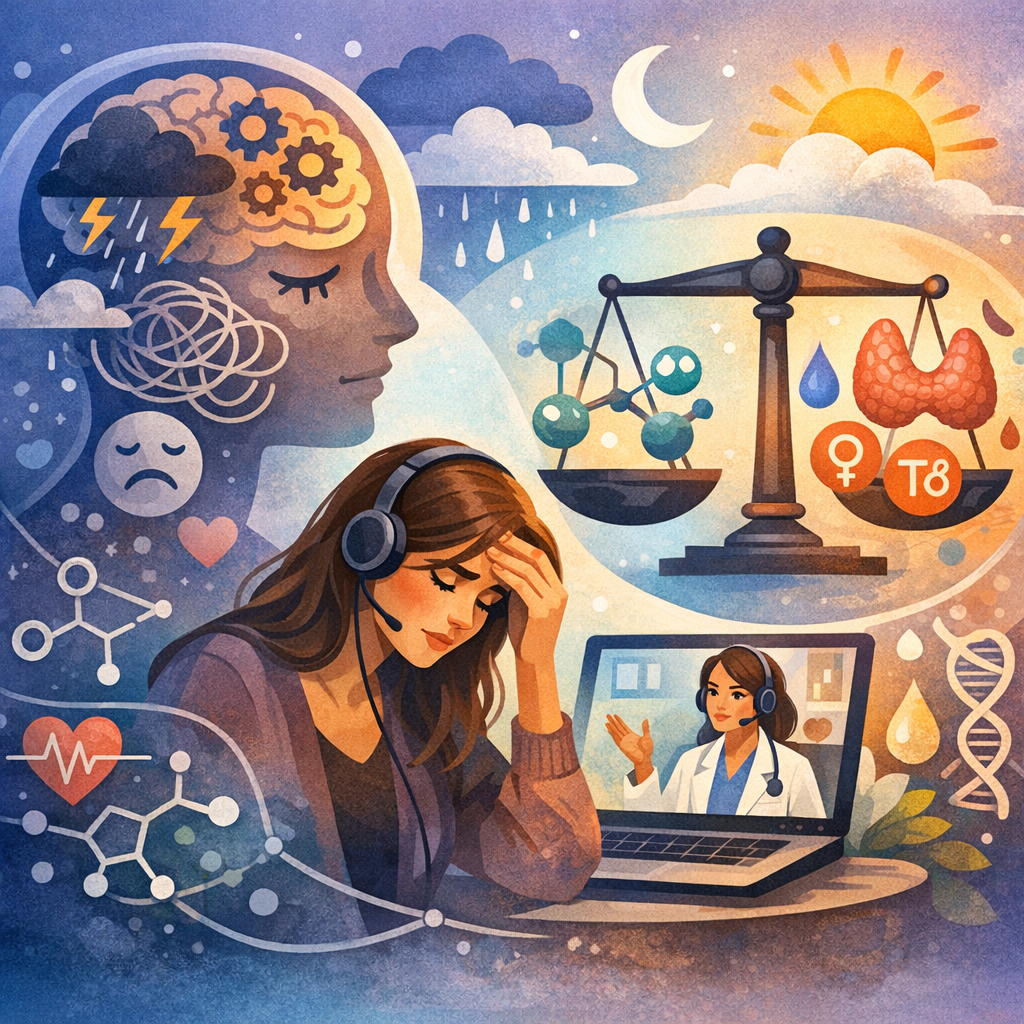
Telehealth platforms have transformed healthcare access by allowing patients to connect with qualified clinicians from the comfort of home or office. For men concerned about low testosterone, a virtual consultation offers convenience, privacy, and timely access to care. These platforms often include secure messaging, enabling continuous communication with healthcare providers.
### Key Symptoms to Monitor for Remote Consultations
Before a virtual visit, take note of your most pressing symptoms. Track their frequency and severity over one to two weeks. Focus on energy levels, libido and sexual function, mood patterns, and sleep quality. Maintaining a detailed record assists your clinician in differentiating low testosterone from other potential causes. For example, documenting daily energy levels on a scale of 1 to 10 can underscore persistent fatigue that warrants further examination.
### Steps to an Effective Virtual Assessment
1. **Choose a Reputable Telehealth Provider:** Look for licensed endocrinologists or urologists with expertise in men’s health. Verify insurance coverage or out-of-pocket expenses in advance.
2. **Prepare Your Medical History:** Compile information on past illnesses, surgeries, and any family history of hormonal disorders.
3. **Complete Pre-Visit Questionnaires:** Many practices send digital health surveys to streamline your appointment. Answer them honestly and thoroughly.
4. **Share Symptom Data and Vital Signs:** Provide your recorded energy, mood, and sleep patterns. If possible, offer recent readings from a home blood pressure monitor or digital scale.
5. **Discuss Lab Testing Options:** Your clinician may recommend at-home blood tests or refer you to a local lab for a morning testosterone panel.
### The Advantages of Telehealth for Testosterone Treatment
Telehealth minimizes overhead costs and reduces hidden facility charges while enabling faster intervention. Early detection can prevent more serious complications, such as osteoporosis and cardiovascular issues. Through telehealth, clinicians can provide personalized care, integrating lifestyle coaching on nutrition, exercise, and sleep hygiene into treatment strategies.
### Tips for Preparing Your Virtual Visit
To make the most of your telehealth appointment, find a quiet, well-lit space with a reliable internet connection. Have your list of symptoms, questions, and concerns ready, and ensure privacy during the consultation. Treat the virtual visit with the same importance as an in-person appointment by dressing comfortably yet professionally.
### Conclusion: Taking Charge of Your Health
Low testosterone in aging men often lurks behind common complaints like low motivation, mood swings, or weight gain. Identifying these silent symptoms early can preserve your long-term health and quality of life. Virtual consultations offer a discreet, efficient gateway to hormonal evaluation and customized treatment plans. By tracking your symptoms, preparing for digital visits, and working with a qualified telehealth provider, you can unveil the subtle signs of low testosterone. If you’ve noticed persistent changes, consider scheduling a virtual consultation today—your future self will thank you.
### References
1. National Institute on Aging. Hormones and the Aging Male.
2. American Urological Association. Diagnosis of Low Testosterone.