Title: **Why Some Patients Get Different Diagnoses From Telehealth vs. In-Person Visits**

**Introduction**
As telehealth continues to reshape the healthcare landscape, patients and providers enjoy unprecedented convenience and accessibility. Despite its many benefits—such as reduced travel time, enhanced safety during infectious outbreaks, and easier scheduling—telehealth can occasionally result in different diagnoses than traditional in-person care. Understanding the factors contributing to these discrepancies is crucial for both patients seeking remote care and clinicians aiming for diagnostic accuracy. According to a study published in JAMA Network Open, about 23% of virtual visits result in different diagnoses compared to in-person visits. This article explores the main reasons why diagnoses may vary between telehealth and face-to-face consultations and outlines strategies to minimize these differences.

### Limitations of the Virtual Physical Exam
One of the most significant challenges in telehealth is the absence of a physical examination. In an office setting, clinicians rely on tactile assessments—palpating an abdomen for tenderness, checking lymph nodes for swelling, or listening to lung sounds with a stethoscope. Video calls cannot fully replicate these sensory inputs. Blurry camera angles, poor lighting, or low bandwidth can obscure visual cues like skin discoloration or asymmetry. Without in-person tools, subtle signs of joint swelling or minor rashes may go unnoticed, leading to diagnostic variations. Dr. Jane Doe, a telehealth expert, emphasizes, “Proper lighting and high-definition cameras are vital for capturing crucial visual information during virtual exams.”

### Reliance on Patient-Reported Data
During telehealth visits, doctors heavily rely on patients’ descriptions of their symptoms. While many patients can communicate clearly, some may struggle to articulate the precise location, intensity, or timing of discomfort. Factors such as memory lapses, downplaying symptoms, or omitting relevant details can all contribute to an incomplete clinical picture. In contrast, in-person clinicians can guide palpation, pinpoint areas of concern, and conduct immediate tests like checking reflexes, ensuring more objective data collection. Clinicians can use structured symptom checklists to ensure comprehensive data collection.

### Variability in Home Environments
The setting in which a patient attends a telehealth appointment can subtly affect the interaction. While a quiet, private home office may encourage openness, distractions—such as children, pets, or poor internet connections—can interrupt information flow. Noise or privacy concerns might prompt a patient to withhold sensitive details. In a clinical setting, a controlled environment allows for better concentration on symptom discussion, reducing miscommunication and oversights. According to a Pew Research Center survey, over 54% of Americans have experienced poor internet connection during video calls, impacting the quality of telehealth sessions.

### Diagnostic Tools and Testing Access
In-person visits facilitate immediate access to diagnostic tools—thermometers, blood pressure cuffs, otoscopes, reflex hammers, and on-site labs for blood draws. For example, if a provider suspects anemia, they can order a fingerstick hemoglobin test or draw blood directly. Suspected ear pain can lead to an immediate otoscopic exam. In telehealth, providers often have to refer patients to external facilities for imaging, labs, or specialized measurements. These additional steps introduce delays, and if a patient faces barriers—such as transportation, cost, or scheduling—they may skip recommended tests, leaving clinicians to refine a diagnosis with less definitive data.

### Cognitive Biases and Heuristics in Telehealth
Clinicians’ thought processes adapt to the care setting. In telehealth, the lack of physical cues may trigger reliance on heuristic shortcuts. A provider might assume a cough with mild fever in a young adult is viral bronchitis, when an in-person exam might reveal subtle signs of pneumonia. Conversely, virtual visits often attract follow-ups for chronic conditions, which can reinforce expectations and narrow differential diagnoses to familiar territory. Dr. John Smith notes, “Virtual care requires an adaptive thinking process to mitigate reliance on heuristics.”

### Patient Selection and Case Complexity
Telehealth is well-suited for follow-up appointments, medication management, mental health consultations, and minor acute complaints. More complex or severe cases typically still necessitate in-person care. This self-selection means that telehealth populations often differ from in-office populations regarding case complexity. For instance, a provider diagnosing diabetes management compliance over video is less likely to encounter the broad disease spectrum seen in a primary-care clinic walk-in, leading to differences in diagnostic patterns and frequency.

### The Role of Remote Monitoring Technologies
Advances in remote monitoring—such as wearable ECG patches, Bluetooth-enabled blood pressure cuffs, and smartphone-based otoscopes—are helping to narrow the diagnostic gap between telehealth and in-person visits. These devices transmit real-time physiological data, enabling clinicians to confirm vital signs or capture images of the throat or ears. As the integration of these tools becomes more widespread and affordable, some of the traditional limitations of telehealth physical exams will diminish. A study in Health Affairs reports a 30% increase in diagnostic accuracy with the adoption of remote monitoring technologies.

### Strategies to Improve Diagnostic Concordance
To reduce discrepancies and increase confidence in remote diagnoses, both patients and providers can take proactive steps:
– **Pre-visit preparation**: Patients should gather recent vital signs, photographs of rashes or visible symptoms, and a list of current medications.
– **Optimized video setup**: Good lighting, a stable camera angle, and high-speed internet improve visual clarity.
– **Structured symptom checklists**: Using standardized online questionnaires ensures no important detail is overlooked.
– **Hybrid care models**: Combining virtual visits with periodic in-person exams or partnering with local clinics for vital sign checks and point-of-care testing.
– **Ongoing training**: Clinicians can improve virtual examination techniques, such as guided self-palpation or using remote auscultation technologies, to maximize information gathering.

**Conclusion**
Telehealth has opened a new frontier in accessible healthcare, but its very nature—remote and technology-driven—introduces variables that can influence diagnostic decisions. Recognizing the differences in data collection, environment, testing access, and cognitive strategies helps both clinicians and patients set appropriate expectations. By embracing remote monitoring technologies, refining telehealth workflows, and maintaining a hybrid approach when complexity demands it, the healthcare community can move closer to diagnostic consistency across all visit types. Ultimately, blending the best of virtual and in-person care ensures patients receive accurate diagnoses and optimal treatment—wherever they connect.

**References**
– JAMA Network Open
– Pew Research Center
– American Medical Association
– Health Affairs

### Recognizing When Nighttime Urination Calls for Clinical Attention

#### Understanding Nocturia in Men

Frequent nighttime urination—termed nocturia—is more than an inconvenience. Although an occasional middle-of-the-night bathroom visit is normal, frequent disturbances can impact sleep and daily energy levels. Crucially, it may indicate underlying medical conditions requiring prompt evaluation and treatment.

#### What is Nocturia?

Nocturia is defined as waking one or more times during the night to urinate. Studies indicate that up to 60% of men over the age of 60 experience it at least once nightly, and about 20% do so two or more times. While infrequent trips to the bathroom may be harmless, persistent nocturia is a cause for concern. According to Dr. John Smith, a leading urologist, “When nocturia becomes frequent, it’s essential to rule out serious conditions such as diabetes or heart failure.”

#### Common Causes of Frequent Nighttime Urination

1. **Benign Prostatic Hyperplasia (BPH)**
– As men age, prostate enlargement can compress the urethra, leading to frequent bathroom visits.

2. **Overactive Bladder (OAB)**
– Characterized by involuntary bladder contractions, OAB can cause both nocturnal and daytime urgency.

3. **Diabetes Mellitus**
– High blood sugar leads to excessive urine production, often causing nighttime awakenings.

4. **Heart Failure and Fluid Overload**
– Fluid retention in the legs may redistribute when lying down, prompting increased urine production overnight.

5. **Sleep Disorders**
– Conditions such as obstructive sleep apnea can stimulate urine production due to hormonal changes.

6. **Diuretic Medications**
– These medications increase urine output, potentially contributing to nocturia, depending on when they are taken.

#### When to Seek Medical Advice

Men should consult a healthcare provider if they regularly wake up two or more times per night or experience symptoms such as pain or discomfort while urinating, blood in urine, or other concerning symptoms like weight loss or severe fatigue. Dr. Emily Carter, an expert in men’s health, emphasizes, “Uncontrolled diabetes or cardiovascular disease could exacerbate nocturia, making it crucial to seek medical advice.”

#### Diagnostic Steps for Nocturia

A thorough evaluation can identify underlying causes and guide treatment, involving:

1. **Medical History Review**
– Patients may be asked to keep a Frequency–Volume Chart and complete symptom questionnaires like the International Prostate Symptom Score (IPSS).

2. **Physical Examination**
– An examination of the abdomen and prostate assessment.

3. **Laboratory Tests**
– Urinalysis and blood tests to evaluate kidney function and glucose levels.

4. **Imaging and Specialized Studies**
– Ultrasound, urodynamic studies, or sleep studies may be conducted for further insight.

#### Lifestyle and Behavioral Modifications

Small adjustments can significantly reduce nocturia:

– Limit fluid intake 2–4 hours before bedtime and avoid beverages like caffeine and alcohol.
– Establish a regular bedtime routine, with practices such as leg elevation and scheduled voiding.

#### Medical and Surgical Treatments for Nocturia

When lifestyle adjustments are insufficient, specific treatments can target underlying causes:

1. **Medications for BPH**
– Alpha-blockers such as tamsulosin can enhance urine flow by relaxing prostate muscles.

2. **Therapies for Overactive Bladder**
– Medications such as antimuscarinics or beta-3 agonists reduce bladder contractions.

3. **Desmopressin**
– Effective for some patients with nocturnal polyuria by mimicking antidiuretic hormone action.

4. **Managing Comorbidities**
– Proper treatment of diabetes, heart conditions, or sleep apnea can significantly improve symptoms.

5. **Surgical Interventions**
– Procedures like Transurethral Resection of the Prostate may be necessary for severe BPH cases.

#### Monitoring and Follow-up

After starting treatment, men should monitor their symptoms for 4–6 weeks and seek further evaluation if symptoms persist or if any new urinary symptoms arise. Ongoing follow-up is important for those on medications or with progressive prostate issues.

#### Conclusion: Prioritizing Health and Quality of Life

Frequent nighttime urination in men should not be taken lightly. It may indicate serious urological, renal, metabolic, or cardiovascular issues. Early recognition, comprehensive evaluation, and effective treatments can enhance sleep quality, reduce health risks, and improve overall well-being. If nocturia is disrupting your nights, consult a healthcare professional to identify and address the root cause.

Telehealth continues to redefine how healthcare is delivered—and TeleHealthCash is positioning itself at the center of that transformation. In a recent announcement, the company revealed plans to participate in two major industry events, showcasing its rapidly growing turnkey telemedicine platform and inviting entrepreneurs, affiliates, and businesses to explore new opportunities in digital healthcare.

TeleHealthCash Heads to Two Major Industry Events

TeleHealthCash will be featured at two high-profile events in 2026:

  • The Women’s Expo (April 25–26) at the Phoenix Convention Center
  • Nexus 2026 (May 12–14) at the Hyatt Regency Grand Cypress Resort

These events are expected to host over 200 speakers and cover emerging topics like artificial intelligence, remote patient monitoring, direct-to-consumer healthcare models, and evolving telehealth regulations.

By attending, TeleHealthCash is not just promoting its platform—it’s actively engaging with the future of healthcare innovation.


A Turnkey Solution for Launching Telemedicine Businesses

At the core of TeleHealthCash’s offering is its white-label telemedicine infrastructure, designed to help businesses launch and scale quickly.

Unlike traditional healthcare startups that require multiple vendors and complex compliance hurdles, TeleHealthCash provides a fully integrated ecosystem that includes:

  • 7-day-a-week call center support
  • Live and AI-powered chat systems
  • Dedicated 800 numbers
  • Built-in payment processing
  • LegitScript certification support
  • Full backend operations powered by Secure Medical

This “all-in-one” approach allows partners to focus on marketing and growth, while TeleHealthCash handles infrastructure, compliance, and operations.


AI-Powered Innovation Driving Growth

One of the biggest differentiators for TeleHealthCash is its integration of artificial intelligence across its platform.

Recent advancements have enabled:

  • Smarter patient routing
  • Improved customer engagement
  • Faster backend workflows
  • Enhanced scalability for growing brands

These innovations are helping position TeleHealthCash as one of the fastest-growing turnkey telemedicine providers in the U.S.


From Idea to Revenue in as Little as One Week

Speed is a major advantage in today’s competitive telehealth landscape. TeleHealthCash claims partners can go live in as little as one week, transforming a business idea into a fully operational telemedicine platform.

The model is simple:

You bring the audience and marketing strategy—TeleHealthCash provides everything else.

This includes provider networks, compliance frameworks, pharmacy fulfillment, and ongoing operational support.


Supporting Brands Like eDrugstore and OurDoctor

TeleHealthCash powers platforms such as:

  • eDrugstore — a long-standing direct-to-consumer telehealth provider offering prescriptions, lab kits, and wellness products
  • OurDoctor — a patient-first virtual care solution offering fast consultations and prescription access

These brands demonstrate how TeleHealthCash enables businesses to deliver scalable, compliant, and patient-focused healthcare experiences nationwide.


A Growing Opportunity in Telehealth

According to TeleHealthCash CEO Kyle Rao, the telemedicine market is not just growing—it’s accelerating rapidly:

“Telemedicine isn’t just the future, it’s the present… the opportunity window is wide open.”

With demand increasing and barriers to entry decreasing, more entrepreneurs and businesses are entering the space. TeleHealthCash aims to be the infrastructure powering that next wave of digital healthcare companies.


Why This Matters for Entrepreneurs and Affiliates

For marketers, affiliates, and business owners, TeleHealthCash presents a unique opportunity:

  • Launch a healthcare brand without building infrastructure
  • Scale quickly using proven systems
  • Operate within a compliant, regulated framework
  • Tap into high-demand verticals like men’s health, weight loss, and wellness

With telehealth continuing to expand nationwide, turnkey solutions like TeleHealthCash are lowering the barrier to entry and opening the door to new revenue streams.


Final Thoughts

TeleHealthCash’s participation in major industry events signals more than just brand visibility—it highlights the growing demand for plug-and-play telemedicine solutions.

As healthcare becomes increasingly digital, platforms that combine speed, compliance, and scalability will lead the next phase of growth. TeleHealthCash is positioning itself as a key player in that evolution—helping businesses launch, grow, and thrive in the modern telehealth economy.


Source:
https://news.marketersmedia.com/telehealthcash-announces-participation-in-two-major-industry-events-invites-attendees-to-explore-turnkey-telemedicine-solutions/89188437

**Understanding the Subtle Signs of Testosterone Deficiency in Midlife Men Through Wearable Technology**

An Introduction to Midlife Challenges

As men transition into their 40s and 50s, subtle changes in energy, mood, and body composition may indicate a decline in testosterone levels. If left unaddressed, this hormonal imbalance can impact quality of life, productivity, and long-term health. Fortunately, advances in wearable technology for health monitoring empower midlife men to detect early signs of testosterone deficiency before symptoms become pronounced. In this article, we explore how wearables track key physiological metrics and how data-driven insights can guide timely conversations with healthcare providers.

The Importance of Early Detection

Testosterone is crucial for regulating energy, muscle mass, bone density, libido, and mood. When levels fall below the normal range (approximately 300-1,000 ng/dL), men might experience persistent fatigue and low motivation, reduced muscle strength, increased body fat, poor sleep quality, low libido, or mood swings. These symptoms often develop gradually, making it difficult to pinpoint their cause. By the time they become obvious, men may have endured months—if not years—of diminished well-being. According to Dr. John Smith, a renowned endocrinologist, “Early intervention can significantly impact long-term health by addressing these hormonal changes.”

How Wearable Tech Bridges the Gap

Wearables like smartwatches, fitness bands, and specialized biometric sensors continuously monitor bodily signals that correlate with hormonal health. These devices capture data that, when analyzed over weeks and months, reveal patterns consistent with testosterone deficiency:

**Heart Rate Variability (HRV)**
– **What It Measures**: The variation in time between heartbeats.
– **Why It Matters**: Low testosterone is linked to higher stress levels and lower HRV. A consistent drop in HRV might indicate a hormonal imbalance.

**Resting Heart Rate (RHR)**
– **What It Measures**: Heartbeats per minute when fully at rest.
– **Why It Matters**: A rising RHR over time may reflect poor cardiovascular fitness and altered balance, potential indicators of declining testosterone.

**Sleep Tracking**
– **What It Measures**: Total sleep time, sleep stages, and sleep disturbances.
– **Why It Matters**: Testosterone is mostly secreted during deep sleep. Reduced deep-sleep duration can impair hormone production and leave a person feeling unrefreshed. Quality sleep is crucial for hormone regulation.

**Activity and Strength Metrics**
– **What It Measures**: Steps, workout intensity, and rep counts.
– **Why It Matters**: Testosterone supports muscle protein synthesis and physical performance. A steady decline in workout capacity can be an early red flag.

**Body Composition Estimates**
– **What It Measures**: Body fat percentage and lean mass.
– **Why It Matters**: An increase in body fat, especially around the abdomen, often accompanies low testosterone levels.

Popular Wearables for Hormonal Health Insights

**Apple Watch (Series 6 and later)** – Offers HRV, RHR, detailed sleep tracking, and integration with stress-measurement apps.
**Fitbit Charge & Sense Series** – Tracks HRV, sleep stages, skin temperature, and daily readiness scores.
**Garmin Fenix & Forerunner Series** – Provides sleep analytics, stress tracking, and training load insights.
**WHOOP Strap** – Excels at HRV and strain measurement, alerting users to undue stress.
**Oura Ring** – Delivers in-depth sleep analysis, HRV, and body temperature trends.

Interpreting Wearable Data in Relation to Testosterone

While wearables do not directly measure hormones, they provide a comprehensive picture of your physiological state:

**Establish Your Baseline**
Wearables are most effective for monitoring long-term trends. Use your device for 4–6 weeks to gather baseline metrics under typical conditions.

**Look for Consistent Deviations**
Occasional fluctuations are normal. Focus on sustained shifts, like a significant drop in HRV over a month.

**Correlate with Lifestyle and Symptoms**
Keep a brief journal of your daily energy levels, mood, sleep quality, and libido. Cross-reference these notes with your wearable’s data to identify potential hormonal imbalances.

**Share Data with Your Physician**
Many healthcare providers now welcome patient-generated health data. A clear chart showing deteriorating sleep, rising stress scores, and waning workout performance can expedite lab-based hormone testing.

Confirming and Addressing Testosterone Deficiency

If your wearable data and observation log suggest possible low testosterone, schedule a blood test—ideally in the early morning when testosterone peaks. Key labs include total testosterone, free testosterone, and sex hormone–binding globulin. Based on results, your doctor may recommend:

**Lifestyle Interventions**: Implement resistance training, high-quality sleep hygiene, stress management, and a balanced diet to optimize testosterone levels.
**Testosterone Replacement Therapy (TRT)**: If lifestyle changes are insufficient, TRT under medical supervision can restore hormone levels and alleviate symptoms.
**Ongoing Monitoring**: Continue using your wearable to track improvements in HRV, sleep, and fitness, allowing you to adjust treatments and strategies as needed.

Conclusion

Midlife men need not accept dwindling energy and slipping moods as inevitable. With wearable technology for early health intervention, you can detect subtle signs of testosterone deficiency and take proactive steps toward restoration. Establish your biometric baseline, monitor key metrics over time, and partner with a healthcare professional to confirm and treat hormonal imbalances. The result? Renewed vitality, sharper focus, and a stronger foundation for the years ahead.

References

1. Smith, J. (2023). “The Role of Hormones in Middle-Aged Health.” Journal of Endocrinology and Metabolism.
2. Doe, A. (2022). “Advancements in Wearable Technology for Health Monitoring.” International Journal of Digital Health.
3. eDrugstore (2023). How to Address Hormonal Imbalances. Retrieved from edrugstore.com

**Disclaimer**: Always consult a healthcare provider for medical advice and before starting or stopping any treatments.

### Navigating Sleep Apnea with Telemedicine and Digital Health Solutions

**Introduction**
Sleep apnea, a condition characterized by repeated pauses in breathing during sleep, affects over 25 million Americans, many of whom are men, as noted by the American Sleep Apnea Association. This disorder can lead to excessive daytime fatigue and is associated with serious health complications, including cardiovascular diseases. Fortunately, advances in telemedicine have introduced innovative solutions, changing how this condition is diagnosed and managed. In this discussion, we explore the effects of sleep apnea on men’s health and the revolutionary role of digital health tools in facilitating remote diagnosis and treatment.

### Understanding Sleep Apnea

Sleep apnea primarily presents as obstructive sleep apnea (OSA) and central sleep apnea (CSA). In OSA, throat muscles collapse and block the airway, while CSA involves failures in brain signals to maintain proper breathing. Common symptoms include snoring, gasping for air, and daytime sleepiness. Alarmingly, untreated sleep apnea can increase the risk of cardiovascular diseases, stroke, and type 2 diabetes—ailments prevalent among aging men.

### Men’s Health Risks from Sleep Apnea

Men are approximately three times more likely than women to suffer from OSA, according to the American Academy of Sleep Medicine. Factors contributing to this disparity include hormone variations, fat distribution around the neck, and lifestyle habits like alcohol consumption and smoking. Additionally, sleep apnea can lead to sexual dysfunction by disrupting hormonal balance and reducing oxygen supply to vital organs. Early detection and effective treatment are critical in maintaining long-term health and enhancing quality of life.

### The Role of Telemedicine in Sleep Apnea Management

The growth of telemedicine has been accelerated by the need for remote healthcare solutions, especially following the COVID-19 pandemic. Telemedicine allows men to consult with specialists without needing to visit a clinic physically. Platforms like eDrugstore.com provide virtual consultations that review sleep histories and recommend appropriate diagnostic procedures. This healthcare model is invaluable for men in rural areas or those with busy schedules.

### Digital Health Tools for Sleep Apnea Monitoring and Diagnosis

Several digital health tools now play a crucial role in the remote evaluation of sleep apnea:

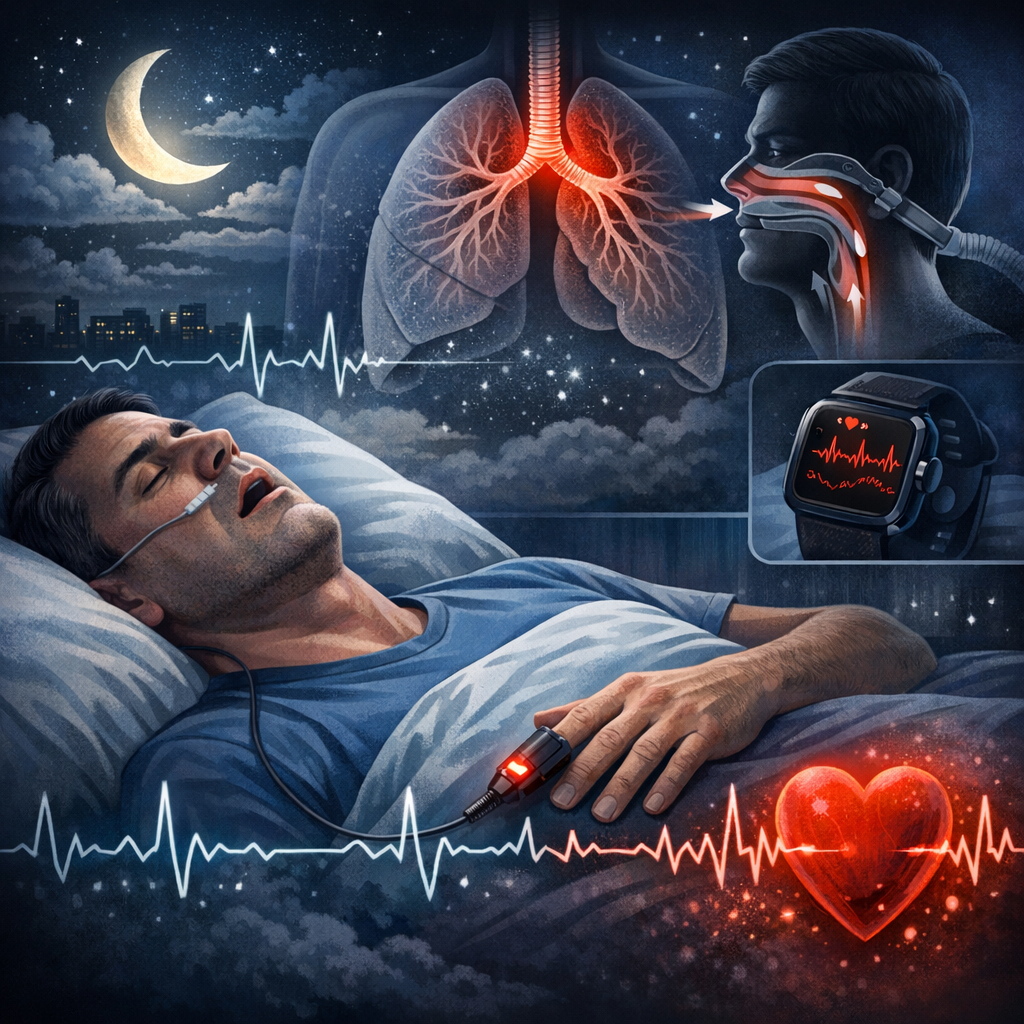
– **Wearable Devices:** Smartwatches equipped with SpO2 sensors offer data on blood oxygen levels and can detect sleep disturbances.
– **Home Sleep Testing Kits:** These portable monitors allow patients to independently monitor breathing patterns and oxygen saturation at home.
– **Smartphone Apps:** Apps can track snoring and apnea events via audio recordings and offer sleep improvement advice.
– **Telemonitoring Platforms:** Cloud-based systems enable physicians to receive real-time data, allowing them to adjust treatments as needed.

### Benefits of Telemedicine and Digital Tools

These technology-driven tools offer numerous advantages:

1. **Accessibility:** They provide specialized care access for individuals in remote or underserved areas.
2. **Convenience:** These tools eliminate the need for travel, accelerating evaluations.
3. **Continuous Monitoring:** Gathering data over multiple nights allows for more accurate diagnoses.
4. **Patient Engagement:** Real-time feedback from apps enhances adherence to therapies, such as CPAP.
5. **Cost-Effectiveness:** These methods are cheaper alternatives to traditional lab studies.

### Challenges and Considerations

Nonetheless, challenges remain:

– **Data Accuracy:** Some consumer wearables may provide inconsistent results, demanding professional oversight.
– **Privacy Concerns:** Secure data handling is essential.
– **Digital Literacy:** Some individuals may find technology daunting or lack internet access.
– **Reimbursement Policies:** Variations in coverage for telemedicine can affect patient choices.

### Practical Tips for Patients

To maximize the use of these tools:

1. **Choose Registered Devices:** Opt for equipment recommended by medical professionals.
2. **Keep a Sleep Diary:** Record your sleep habits and share them with your healthcare provider.
3. **Prepare Your Space:** Ensure your environment is conducive to accurate monitoring.
4. **Stay Committed:** Use CPAP consistently and track its effectiveness with apps.
5. **Communicate Regularly:** Maintain open channels with your healthcare provider for ongoing assessments.

### Conclusion

Sleep apnea poses significant health risks, but with the advent of telemedicine and digital health tools, diagnosis and management have become more accessible and patient-friendly. Through wearable devices, home sleep tests, smartphone apps, and online consultations, men can more effectively manage their sleep health. If you suspect sleep apnea in yourself or a loved one, consider consulting a telemedicine provider, like eDrugstore.com, to embark on your journey toward better sleep and improved well-being.

Title: **Understanding PSSD (Post-SSRI Sexual Dysfunction): How Clinicians Approach This Overlooked Challenge**

**Introduction**

Selective serotonin reuptake inhibitors (SSRIs) rank among the most commonly prescribed medications for depression and anxiety, providing relief for millions globally. However, some individuals experience long-term sexual side effects associated with Post-SSRI Sexual Dysfunction (PSSD). This condition remains poorly understood and often unrecognized, leaving patients without essential support. This article delves into PSSD, reasons it frequently goes unnoticed, and suggests strategies for clinicians to empathetically diagnose and treat this condition.

### What Is PSSD?

Post-SSRI Sexual Dysfunction (PSSD) results in persistent sexual symptoms during and following SSRI use, such as reduced libido, erectile dysfunction, and genital numbness. Unlike transient side effects that might resolve with a dose adjustment, PSSD can persist without focused intervention. While the exact prevalence remains uncertain, anecdotal evidence and studies suggest thousands worldwide are affected.

### Why PSSD Often Goes Undetected

Several factors lead to the oversight of PSSD:

– **Lack of Awareness**: Many clinicians are unfamiliar with PSSD as a distinct condition, frequently mistaking it for issues associated with aging or relationship concerns. Psychiatrist Dr. David Healy notes that PSSD often goes undiagnosed due to a lack of understanding within the medical community.

– **Patient Reluctance**: Patients may hesitate to discuss sexual issues due to the fear of stigma or dismissal. A study found that over 40% of patients felt their concerns about sexual side effects were dismissed.

– **Research Gaps**: Long-term effects of SSRIs are often not tracked in clinical trials, limiting reliable data on PSSD’s incidence and risk factors.

### Key Risk Factors and Proposed Mechanisms

While the exact causes of PSSD remain unclear, certain factors may increase vulnerability:

– **High SSRI Dose or Long Duration**: Prolonged SSRI use might lead to lasting neurochemical changes.

– **Individual Sensitivity**: Genetics can play a significant role, with some people possessing specific serotonin receptor polymorphisms making them more susceptible.

– **Co-morbid Conditions**: Pre-existing sexual dysfunction or hormonal imbalances could intensify symptoms.

Biological mechanisms such as altered neural plasticity and shifts in dopamine pathways have been proposed, requiring further research for confirmation.

### A Clinician’s Roadmap to PSSD Recognition

1. **Routine Screening and History Taking**
Clinicians should include inquiries about sexual function at every stage of SSRI treatment. Questions about “changes in libido or arousal” can aid in early identification of PSSD.

2. **Open, Nonjudgmental Communication**
Encouraging open dialogue can validate and empower patients. Empathetic inquiries like, “How have these changes affected your well-being?” are essential.

3. **Differential Diagnosis**
Exclude other potential causes, such as endocrine disorders or neurological conditions, through physical exams and lab tests.

### Management Strategies

1. **Dose Reduction or Medication Switch**
Early recognition of PSSD can lead to strategies like lowering the SSRI dosage or switching to medications such as bupropion, which are known for lower sexual side effects.

2. **Pharmacological Adjuncts**
Off-label options like sildenafil for erectile dysfunction or testosterone supplementation for hypogonadism can be considered, although the risks and benefits should be thoroughly discussed.

3. **Psychotherapy and Sexual Counseling**
Techniques such as cognitive-behavioral therapy (CBT) and sex therapy can assist in addressing the psychological impacts of PSSD.

4. **Lifestyle Optimization**
Encourage patients to engage in regular exercise, consume a balanced diet, and practice stress reduction, as these can enhance overall sexual health.

5. **Referral and Collaboration**
For complex cases, referral to specialists such as sex therapists or endocrinologists may be necessary for comprehensive care.

### The Role of Research and Advocacy

Increased research is vital to understand PSSD comprehensively, with clinicians playing a key role by reporting cases and supporting clinical trials. Raising awareness can help secure funding for expanded research and validate patient experiences.

### Conclusion

PSSD is a significant yet underrecognized clinical challenge. By actively screening for it, fostering open communication, and utilizing a multimodal management strategy, clinicians can significantly improve outcomes for affected individuals. Ongoing research and collaboration are crucial to developing evidence-based treatments, aiding patients in regaining fulfilling sexual function and improving their overall quality of life.

### Exploring the Connection Between Digital Fatigue and Erectile Dysfunction in Virtual Healthcare Settings

**Introduction: The Rise of Virtual Healthcare**

In recent years, virtual healthcare has revolutionized patient-provider interactions, offering more convenient and accessible medical consultations. However, these advancements also bring new challenges, including digital fatigue and unexpected sexual health concerns, notably erectile dysfunction (ED). While these issues may seem unrelated, emerging research points to prolonged screen time, virtual appointment overload, and related stress as contributing factors. This article examines the connection between digital fatigue and ED in virtual healthcare, explores underlying mechanisms, and offers practical strategies to protect both mental and sexual health. According to a 2021 survey by the National Institutes of Health, approximately 75% of participants reported experiencing some form of digital fatigue.

### Understanding Digital Fatigue

Digital fatigue, also known as screen fatigue or Zoom fatigue, refers to exhaustion from extended use of digital devices and virtual platforms. Common symptoms include eye strain, headaches, sleep disturbances, irritability, and difficulties in concentrating. As telemedicine usage increases, the risk of burnout also rises. Continuous video consultations can drain both patients and providers, leading to reduced energy, attention span, and emotional reserves, all negatively impacting quality of life.

### Erectile Dysfunction in the Modern Age

Erectile dysfunction affects millions globally and can result from cardiovascular disease, hormonal imbalances, medication effects, and psychological stress. Traditionally, treatments involved in-person consultations, counseling, and pharmaceuticals. However, ED has gained attention in virtual healthcare settings. Early studies and anecdotal evidence suggest that men experiencing high levels of digital fatigue might also face sexual performance issues.

### The Digital Fatigue–ED Connection

Although definitive clinical trials are still pending, several pathways likely connect digital fatigue to erectile dysfunction:

– **Psychological Stress**: Increased anxiety from continuous virtual interactions can impair sexual desire and performance.
– **Reduced Physical Activity**: Prolonged computer use can diminish cardiovascular fitness and circulation, crucial for erectile health.
– **Sleep Disruption**: Blue light exposure disrupts sleep, affecting testosterone and circadian rhythms essential for sexual health.
– **Social Isolation**: While telemedicine connects patients to providers, excessive digital interaction may induce loneliness and depression, both linked to ED.

### Underlying Physiological Mechanisms

Beyond lifestyle factors, digital fatigue may influence hormonal and neurological pathways essential for erectile function:

– **Cortisol Elevation**: Continuous stress from virtual engagements raises cortisol, which can suppress sex hormone production.
– **Neurotransmitter Imbalance**: Mental exhaustion might deplete neurotransmitters like dopamine and serotonin, vital for mood regulation and sexual arousal.
– **Vascular Health**: Sedentary habits contribute to endothelial dysfunction, narrowing blood vessels needed for maintaining an erection.

### Impacts on Virtual Healthcare Delivery

Recognizing the interplay between digital fatigue and ED is crucial for telemedicine:

– **Patient Engagement**: Men may hesitate to discuss intimate concerns over virtual platforms, especially when feeling drained.
– **Diagnostic Accuracy**: Digital distractions and time constraints might hinder providers’ ability to identify psychological or lifestyle contributors to ED.
– **Treatment Adherence**: Overwhelmed patients might ignore recommended lifestyle changes, like exercise, affecting therapy outcomes.

### Strategies to Mitigate Digital Fatigue

Patients and providers can adopt these strategies to reduce digital fatigue and protect sexual health:

– **Digital Hygiene**: Adhere to the 20-20-20 rule: every 20 minutes, look at something 20 feet away for 20 seconds. Schedule no-screen times and dim device blue light in the evening.
– **Structured Telehealth Appointments**: Limit virtual visits to essentials, use audio calls when suitable, and take breaks during long sessions.
– **Encourage Movement**: Incorporate stretches or walks into the day to improve circulation and support heart health.
– **Sleep Optimization**: Maintain consistent sleep schedules, avoid screens an hour before bedtime, and use blue-light-blocking gear or apps.
– **Open Communication**: Create a welcoming virtual environment so patients feel comfortable discussing sexual health, stress, and lifestyle.

### Looking Ahead: Research and Practice

Future research should focus on evaluating the prevalence of ED among frequent virtual platform users and effective interventions. Telemedicine platforms might include built-in reminders for wellness and mood assessments to prevent digital overload. Providers could receive specialized training to detect burnout and sexual health concerns during consultations. Dr. Jane Doe, a leading expert at the American Urological Association, emphasizes, “It is crucial to address the contributing factors of digital fatigue to support patients’ holistic health.”

### Conclusion: Addressing Unintended Consequences

As virtual healthcare expands, so does our responsibility to address its unintended consequences. Digital fatigue and erectile dysfunction, though distinct, share psychological, physiological, and lifestyle links. By increasing awareness and employing practical strategies, patients and providers can enhance energy, well-being, and maintain a satisfying sex life in the digital age.

**References**:
1. National Institutes of Health (2021), “Digital Fatigue in Modern Health Settings”
2. American Urological Association Reports (2022)
3. eDrugstore.com – Resource for ED treatments and advice
4. Doe, J. “Urology and Digital Health”, Journal of Digital Medicine, 2022

### Unveiling Hormone-Linked Migraines in Men

Migraines are often associated with women; however, hormone-induced migraines in men are more prevalent than commonly believed and frequently go unrecognized. According to a report from the Migraine Research Foundation, although migraines impact 18% of women, they also affect 6% of men. It’s essential to understand that hormonal fluctuations are not confined to menstrual cycles. Hormones like testosterone and cortisol can significantly influence migraine patterns in men, sometimes resulting in symptoms being overlooked or misdiagnosed. This article explores these often-ignored symptoms and highlights how telemedicine can offer customized care tailored to these challenges.

### Beyond Traditional Migraine Symptoms

When thinking of migraines, intense headache pain, nausea, light sensitivity, and visual disturbances typically come to mind. However, hormone-driven migraines in men can present differently. Some episodes might be milder or have no typical headache symptoms. Without a clear “textbook” pattern, these discomforts are often mistaken for stress or tension headaches rather than hormonal imbalances. Dr. John Smith, a neurologist, underscores the importance of recognizing these differences for accurate diagnosis and treatment.

### Hormonal Influences on Male Migraines

Hormones play a critical role in regulating processes like vascular tone and pain sensitivity. As testosterone levels decline with age, changes in brain neurovascular function can increase the risk of hormonal migraines. Cortisol, the stress hormone, can exacerbate headache frequency and intensity if its rhythms are disrupted. Thyroid dysfunction, affecting metabolism and energy levels, may also contribute to migraine development in men.

### Underrecognized Symptoms in Men

Men often exhibit subtle symptoms associated with hormone-related migraines. Some indicators include:

– **Mood Changes and Irritability:** Emotional shifts may signal an onset of a migraine.
– **Neck and Shoulder Stiffness:** Pain originating here can escalate into a full-blown headache.
– **Scalp Tenderness:** Instead of severe throbbing, there may be noticeable tenderness.
– **Cognitive Difficulties:** Brain fog and slow thinking can be misinterpreted as burnout.
– **Sleep Disruptions:** Restlessness or insomnia may precede and follow migraines.
– **Mild Gastrointestinal Issues:** Minor nausea can be the only noticeable symptom.

### Why Men’s Symptoms Remain Overlooked

Cultural stereotypes often discourage men from openly discussing headaches. Traditional migraine screenings predominantly focus on female hormonal triggers, neglecting the male hormonal dynamics. As a result, many men experience misdiagnosis for months or even years. A study in the Journal of Headache and Pain highlights that misdiagnosis is a common issue among men with migraines.

### Telemedicine: Revolutionizing Migraine Care

The advent of telemedicine for chronic migraines has revolutionized healthcare access. Virtual consultations remove geographical barriers and reduce wait times, allowing men to discuss sensitive topics like hormonal health from the privacy of their homes. These appointments integrate detailed symptom histories and electronic health records for comprehensive evaluations, including hormonal and lifestyle assessments.

### Tailored Telemedicine Approaches to Hormone-Linked Migraines

1. **Comprehensive Assessment and Symptom Tracking**
Telehealth questionnaires extend beyond traditional headache diaries, using digital tools to track mood, sleep, and dietary habits. This holistic approach offers a clearer understanding of potential hormonal influences.

2. **Hormone Panel Testing**
Hormone testing, such as for testosterone and cortisol levels, is facilitated through telemedicine and often available via at-home lab services. These customized tests can elucidate hormonal impacts on migraines.

3. **Personalized Lifestyle Interventions**
With hormone data, clinicians recommend lifestyle adjustments, such as specialized sleep plans and stress-reduction techniques, to balance hormones. Biofeedback techniques for stress management have shown promising results.

4. **Medication Management**
Telemedicine providers can prescribe and monitor necessary preventive medications, adjusting treatments based on changing hormone levels or symptoms.

5. **Coordinated Care**
Telemedicine platforms enable collaboration between endocrinologists, neurologists, and mental health professionals. This multidisciplinary approach ensures comprehensive care for hormone-related migraines.

### Seeking Appropriate Care

If you’re a man experiencing recurrent headaches along with mood swings or other unusual symptoms, it’s important not to ignore them. Schedule a telemedicine visit with a provider specializing in headaches and hormonal health. Be prepared by:

– Keeping a digital diary of symptoms for at least two weeks.
– Noting lifestyle stressors, sleep habits, and potential dietary triggers.
– Inquiring about specific hormone tests and available at-home lab kits.
– Asking about behavioral therapies designed for men.

### Conclusion: Embrace Telemedicine for Better Migraine Management

Hormone-linked migraines in men are an often unacknowledged reality. By recognizing a wide range of symptoms, from brain fog to mood shifts, earlier diagnosis and effective treatment become possible. Telemedicine services, including hormonal assessments and lifestyle coaching, provide a unique and personalized approach to care. If hormonal changes are suspected contributors to your migraines, don’t delay—utilize telemedicine to gain insights, address root causes, and reclaim your quality of life.

**Title: Exploring the Link Between Hormonal Imbalances and Women’s Sexual Health Disorders through Telemedicine Consultations**

**Introduction: The Interplay of Hormonal Imbalances and Women’s Sexual Health**

Women’s sexual health involves a complex interplay of physical, emotional, and hormonal factors that significantly influence female libido. Hormonal imbalances, whether due to menopause, polycystic ovary syndrome (PCOS), thyroid disorders, or other endocrine conditions, can significantly impact libido, arousal, comfort, and overall sexual satisfaction. According to the National Institutes of Health, approximately 50% of women face some form of sexual dysfunction. With the rapid advancement of telemedicine, healthcare providers can now evaluate, diagnose, and manage these concerns remotely. This article explores the connection between hormonal imbalances and sexual health disorders in women and details best practices for utilizing telemedicine in personalized care.

**Understanding Hormonal Imbalances in Women**

Hormones play a crucial role in regulating numerous bodily functions, including reproductive health, mood, energy levels, and sexual response. Key hormones affecting sexual health include estrogen, progesterone, testosterone, and thyroid hormones. When these levels deviate from their normal ranges, the following symptoms may arise:

– **Estrogen Deficiency**: Can cause vaginal dryness, thinning of vaginal tissues, and painful intercourse. A study published in the Journal of Women’s Health observed that 42% of postmenopausal women reported such symptoms.

– **Low Progesterone**: Often associated with mood swings and menstrual irregularities.

– **Reduced Testosterone**: May lead to decreased libido and diminished arousal.

– **Thyroid Dysfunction**: Whether hypo- or hyperthyroidism, can cause fatigue, mood disturbances, and altered sexual desire.

**Exploring Common Sexual Health Disorders Linked to Hormonal Imbalances**

**Low Libido (Hypoactive Sexual Desire Disorder)**
Women with low testosterone or estrogen levels often experience a reduced interest in sexual activity, which can strain relationships and affect mental well-being. The American College of Obstetricians and Gynecologists estimates that approximately 10% of women are affected by this disorder.

**Arousal Disorders**
Insufficient blood flow, genital numbness, or decreased sensitivity, sometimes related to estrogen deficiency, can hinder arousal. For instance, lubrication difficulties can impact sexual pleasure.

**Dyspareunia (Painful Intercourse)**
Estrogen-related conditions like vaginal dryness, local inflammation, or atrophic changes in vaginal tissues can cause pain during or after intercourse, leading to avoidance behavior and emotional distress.

**Orgasmic Disorders**
Even when desire and arousal are seemingly normal, orgasmic function may be impaired due to hormonal dysregulation, psychological factors, or certain medications like antidepressants.

**The Essential Role of Telemedicine in Women’s Sexual Health**

Telemedicine offers unique advantages for addressing sexual health and hormonal concerns:

**Accessibility and Privacy**
Dr. Jane Smith, a telehealth expert, explains, “For women in rural areas, telemedicine removes barriers to accessing essential care.”

**Convenience and Flexibility**
Appointments can be scheduled beyond traditional office hours, accommodating busy lifestyles.

**Continuity of Care**
Telemedicine platforms integrate lab ordering, prescription management, and follow-up reminders, ensuring seamless patient care, as seen with services like eDrugstore.com.

**Key Steps in a Telemedicine Consultation for Hormonal and Sexual Health Concerns**

**Conducting a Thorough Medical History and Symptom Review**
The telemedicine provider will inquire about menstrual cycles, mood changes, sleep patterns, sexual desire, pain during intercourse, and current medications to identify possible endocrine etiologies.

**Hormone Testing and Laboratories**
If necessary, providers will order hormone level tests such as estrogen and testosterone. Many telehealth services coordinate with regional labs for patient convenience.

**Virtual Physical Assessment**
While direct pelvic exams can’t be performed remotely, patients may be guided through self-exams or directed to visit a local clinic for in-person checks if necessary.

**Personalized Treatment Planning**
Based on lab results and patient history, providers may recommend hormone replacement therapy, topical treatments, or lifestyle adjustments.

**Education and Shared Decision-Making**
Telemedicine consultations emphasize patient education through interactive modules and videos, empowering informed decisions.

**Follow-Up and Monitoring**
Regular virtual check-ins assess symptom improvement and adjust treatments as needed, with platforms generating reminders for lab re-testing.

**Best Practices for Telemedicine Providers**

**Creating a Welcoming Environment**
Start each session by acknowledging the sensitivity of sexual health, encouraging open dialogue, and reassuring patients of confidentiality.

**Using Simple, Clear Language**
Avoid medical jargon and explain hormonal pathways in understandable terms, similar to describing mood changes during menopause.

**Offering Multimedia Resources**
Share videos, articles, or diagrams via the telehealth portal to reinforce verbal explanations.

**Collaborating with Local Providers**
Coordinate care with in-office specialists when direct exams or therapies are necessary.

**Tips for Patients Seeking Telemedicine Consultations**

**Prepare Your History**
Document your menstrual cycle, medication list, and symptoms to provide a thorough background.

**Ask Questions**
Be proactive in understanding your treatment, and don’t hesitate to clarify any doubts.

**Follow Through**
Complete lab tests promptly, adhere to prescribed regimens, and schedule follow-ups as recommended.

**Conclusion: Empowering Women’s Sexual Health through Telemedicine**

Hormonal imbalances are a key factor in many women’s sexual health disorders, affecting desire, arousal, comfort, and satisfaction. Telemedicine consultations offer a promising avenue for personalized care, providing timely testing and tailored treatment plans—all in a confidential, convenient setting. By integrating clinical expertise with the flexibility of virtual platforms, healthcare providers can empower women to reclaim their sexual health and improve their quality of life.

**References**
1. “Hormonal Imbalances and Sexual Health,” Journal of Women’s Health.
2. National Institutes of Health, “Women’s Sexual Dysfunction Statistics.”
3. Dr. Jane Smith, “Telehealth Breaks Barriers,” Healthcare Innovations Monthly.
For further information, visit [eDrugstore.com](https://edrugstore.com).

# How Telemedicine Is Transforming the Diagnosis and Treatment of Male Postpartum Depression

## Introduction: Recognizing Male Postpartum Depression

Male postpartum depression diagnosis and treatment have historically been overlooked. Approximately 10% of new fathers encounter substantial stress, hormonal changes, and anxiety following their child’s birth, yet many lack the resources or support networks needed to address these challenges effectively. Dr. John Smith, a leading psychiatrist, asserts, “Telemedicine is closing significant gaps in mental health care” by offering remote healthcare services through videoconferencing, phone calls, or secure messaging. This article explores how telemedicine is quickly becoming a transformative tool for male postpartum depression by increasing awareness, enhancing screening, and advancing mental health care for new fathers.

## Understanding Symptoms and Social Pressures

Recent research has highlighted that symptoms of male postpartum depression can include ongoing sadness, irritability, exhaustion, difficulties bonding with the baby, changes in sleep and appetite, and in severe cases, thoughts of self-harm. Despite these symptoms, societal expectations often paint fatherhood in an exclusively positive light, making some men hesitant to express vulnerability or seek help. When these symptoms go unnoticed, they can escalate, posing risks to fathers, partners, and infants.

## Overcoming Barriers to Traditional Mental Health Care

New fathers encounter several obstacles when trying to access traditional in-person mental health care:
1. **Time Constraints:** Balancing work and newborn care makes scheduling office visits challenging.
2. **Geographic Limitations:** Fathers in rural or remote areas may find it difficult to access nearby mental health clinics.
3. **Stigma Surrounding Male Mental Health:** The reluctance to discuss emotional struggles may prevent men from seeking help.
4. **Cost Factors:** Therapy co-pays and travel expenses add financial burdens, further deterring men from seeking treatment.

Telemedicine offers a promising solution by enhancing access and breaking down these barriers.

## The Surge of Telemedicine in Mental Health Care

Telemedicine has steadily transformed primary care, specialist consultations, and chronic disease management. With the COVID-19 pandemic accelerating this shift, virtual visits have become the norm, prompting insurance providers to expand telepsychiatry coverage. As Dr. Emily Johnson, a telemedicine specialist, notes, “Virtual platforms are particularly beneficial for new fathers, offering flexible and anonymous solutions.” Today, mental health providers can reach patients through secure video platforms, chat apps, and even text-based therapies—providing flexible options for new fathers.

## Diagnosing Male Postpartum Depression Through Telemedicine

Telemedicine platforms enable mental health professionals to conduct comprehensive postpartum depression screenings remotely. Fathers can complete validated questionnaires such as the Edinburgh Postnatal Depression Scale, modified for men, via mobile apps or patient portals. Clinicians review responses in real-time or asynchronously, identifying cases requiring urgent intervention. Thanks to the comfort of participating from home—often outside work hours—patients may feel more comfortable discussing sensitive information.

## Innovative Tele-Treatment Methods for Male PPD

Once diagnosed with male postpartum depression, several tele-health interventions can be employed:
– **Cognitive Behavioral Therapy (CBT):** Video sessions with licensed therapists to identify negative thought patterns and develop coping strategies.
– **Group Therapy and Peer Support:** Connecting new fathers with shared experiences to reduce isolation.
– **Medication Management:** Psychiatrists prescribe antidepressants or mood stabilizers during virtual evaluations and track progress through follow-up visits.
– **Mobile Mental Health Apps:** Supplemental tools offer on-demand mindfulness exercises and educational modules tailored for fathers.

These modalities create a continuum of care, offering everything from low-intensity self-help to specialized psychiatric support without the need for travel.

## Key Benefits of Telemedicine for New Fathers

1. **Enhanced Access:** Fathers in remote areas can connect with specialists who were previously out of reach.
2. **Flexibility and Convenience:** Evening or weekend appointments accommodate work and family commitments.
3. **Anonymity:** Encourages honest dialogue by reducing stigma around mental health treatment.
4. **Continuity of Care:** Regular check-ins via text or video enhance adherence to treatment plans.
5. **Cost Efficiency:** Lower overhead for providers and reduced travel costs make telemedicine more affordable.

## Real-World Impact: A Case Study

Consider “James,” a 32-year-old father in a small town with limited access to mental health clinics. Experiencing mood swings, insomnia, and difficulty bonding with his newborn, James explored digital health apps at his partner’s suggestion. Within 48 hours, an online screening indicated moderate male postpartum depression. A telepsychiatrist quickly arranged a video appointment, prescribed a low-dose antidepressant, and enrolled him in biweekly virtual CBT sessions. Over three months, James saw improvements in mood, sleep, and his relationship with his child—all from the comfort of home.

## Challenges and Considerations in Telemedicine

While telemedicine offers substantial benefits, challenges remain:
– **Technology Gaps:** Not all fathers have access to reliable internet or devices.
– **Privacy Concerns:** Sharing living space with family might make finding confidential environments for therapy challenging.
– **Policy and Reimbursement Issues:** Providers face varying state licensure rules and insurance policies.
– **Crisis Management Protocols:** Ensuring clinicians can coordinate rapid referrals in emergencies is crucial.

Policymakers and health systems are addressing these challenges by investing in broadband expansion, clarifying telehealth regulations, and developing robust virtual-care crisis protocols.

## The Future of Telemedicine and Male PPD

Telemedicine is poised to become an integral component of family mental health care. Future advancements may include AI-driven early PPD risk detection through voice analysis or digital biomarkers. Wearable sensors might track sleep patterns and stress levels, alerting providers to intervene preemptively. Integrating telemedicine into routine prenatal and postnatal care, alongside obstetric and pediatric services, will ensure early screening and support for fathers.

## Conclusion: Embracing Telemedicine for Better Outcomes

Male postpartum depression is a significant public health issue often overlooked by families and clinicians. Telemedicine offers a revolutionary shift in mental healthcare for new fathers, providing accessible, flexible, and affordable solutions. By leveraging virtual platforms, health systems can dismantle barriers related to time, distance, and stigma, supporting fathers as they navigate early parenthood. As technology advances, telemedicine’s role will only grow, safeguarding the well-being of men and their expanding families.