

# How Online Health Content Shapes Patient Expectations Before Consults
## The Internet: A Hub for Medical Information
In recent years, the internet has become the initial destination for countless individuals seeking comprehensive medical information. A study by the Pew Research Center reveals that 72% of internet users have searched online for health-related information within the past year. From symptom checkers and blog posts to social media videos and patient forums, online health content is pervasive. While this easily accessible information can empower patients and encourage greater involvement in their own healthcare, it can also distort expectations and introduce misconceptions. Dr. John Smith, an expert in digital health, notes, “The internet can be a valuable resource, but patients must learn to differentiate between credible and non-credible sources.” This article examines how the digital health landscape shapes patient mindsets before they visit a doctor’s office—and what clinicians can do to guide these informed yet sometimes misinformed visitors toward better outcomes.
## The Surge in Digital Medical Resources
The proliferation of digital medical content can be attributed to several factors:
– **Ubiquitous Access:** Smartphones and high-speed internet have made information accessible around the clock. About 77% of Americans own a smartphone, allowing constant access to online data.
– **Varied Platforms:** Health apps, podcasts, YouTube channels, and wellness blogs cater to all age groups and interests.
– **Community Building:** Patient advocacy groups and influencers share personal experiences, creating communities around specific conditions.
– **Pre-consultation Tools:** Affordable telemedicine and symptom-checking websites encourage users to self-diagnose before seeking professional advice.
Consequently, patients often attend appointments armed with Google searches, forum anecdotes, and treatment “hacks.” Dr. Jane Doe from the National Health Institute asserts, “This wealth of information can foster proactive health management, but it also raises the bar for clinicians who must now navigate and correct inaccurate or incomplete online content.”
## Empowering Patients Through Online Resources
One major advantage of online health resources is patient empowerment. Well-sourced, evidence-based articles that explain complex conditions in simple terms enable patients to:
– Understand medical terminology
– Track symptoms and their triggers
– Compare different treatment options
– Prepare questions for their healthcare provider
– Adhere to lifestyle changes or medication regimens
In this context, the internet serves as an educational platform. Patients who learn about disease mechanisms, risk factors, and preventive measures tend to be more engaged in their care plans. They arrive at consultations ready to collaborate and make informed decisions, improving adherence, satisfaction, and overall outcomes.
## Navigating the Double-Edged Sword of Information Accessibility
Despite its benefits, online health content can perpetuate myths, disseminate unverified “cures,” and provoke anxiety. Key pitfalls include:
– **Misinformation:** Articles or social posts lacking peer review can promote miracle diets, unproven supplements, or dangerous home remedies.
– **Confirmation Bias:** Patients may accept information that confirms their fears—ignoring professional advice that contradicts their online findings.
– **Overdiagnosis:** Symptom checkers often list serious diseases first, leading patients to assume the worst-case scenario.
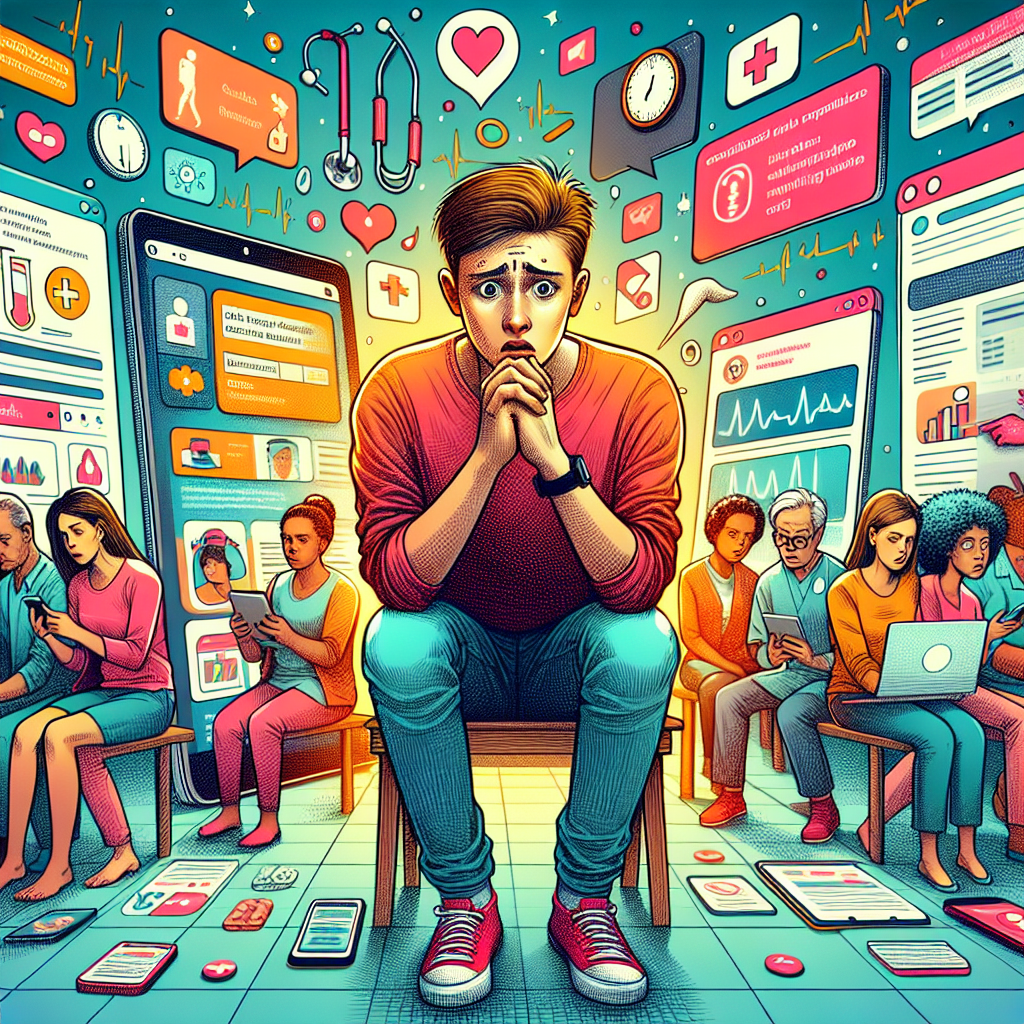
– **Anxiety and Cyberchondria:** Endless scrolling through medical sites can exacerbate health worries rather than alleviate them.
These challenges can heighten tensions during consultations. For example, a patient convinced they have a rare autoimmune disorder may feel frustrated by a physician’s more common diagnosis. Conversely, someone who self-diagnoses as “healthy” might disregard legitimate symptoms and delay seeking care.
## Redefining Patient-Physician Interactions
Online health content influences patient-provider dynamics in several ways:
– **Time Management:** Clinicians must allocate additional time to address online research—debunking myths and acknowledging valid concerns.
– **Communication Style:** Providers who use empathetic, explanatory approaches rather than dismissive responses tend to build more trust with informed patients.
– **Shared Decision-Making:** Physicians can utilize reliable online resources, worksheets, or videos to collaborate on treatment plans.
– **Expectations Management:** If patients expect an in-office procedure or test based on what they’ve read, clinicians must correct misunderstandings diplomatically.
Dr. Sarah Green, a healthcare communication specialist, emphasizes, “The ideal scenario is a partnership: patients arrive informed, and clinicians validate accurate insights while gently correcting errors. This approach improves satisfaction and reduces the risk of legal disputes fueled by unmet expectations.”
## Strategies for Healthcare Providers
To leverage the advantages of online health content while mitigating its drawbacks, clinicians can:
– **Curate a Resource Library:** Maintain a vetted list of reputable websites, videos, and patient-friendly journals to share during consultations or via practice newsletters.
– **Enhance Health Literacy:** Use plain language, employ analogies, and verify patient comprehension instead of relying solely on medical jargon.
– **Acknowledge Patient Research:** Start consultations by asking what they’ve read online and what they’d like to discuss—this signals respect for their initiative.
– **Set Realistic Goals:** Clearly outline expected treatment timelines, potential side effects, and follow-up steps to align or adjust patient expectations.
– **Utilize Digital Tools:** Offer practice-branded blogs, FAQs, or short explainer videos to counter common misconceptions and reinforce medical advice.
By guiding patients toward trustworthy sources, providers can empower them with accurate information and strengthen the patient-physician alliance. Dr. Lisa Brown concludes, “Empowered patients with accurate knowledge are essential allies in healthcare.”
## Conclusion: Facing the Digital Health Revolution
The digital revolution in healthcare information presents both opportunities and challenges. Online health content can inspire patient engagement, accelerate learning, and foster a collaborative treatment journey. However, unchecked misinformation and fear-inducing algorithms can set unrealistic expectations—leading to frustration, miscommunication, and delayed care. By understanding how patients use and interpret online resources, clinicians can adapt their communication strategies, curate reliable content, and build more satisfying, effective consultations. Ultimately, an informed patient is a powerful partner in health—and it’s up to healthcare professionals to steer that knowledge in the right direction.