

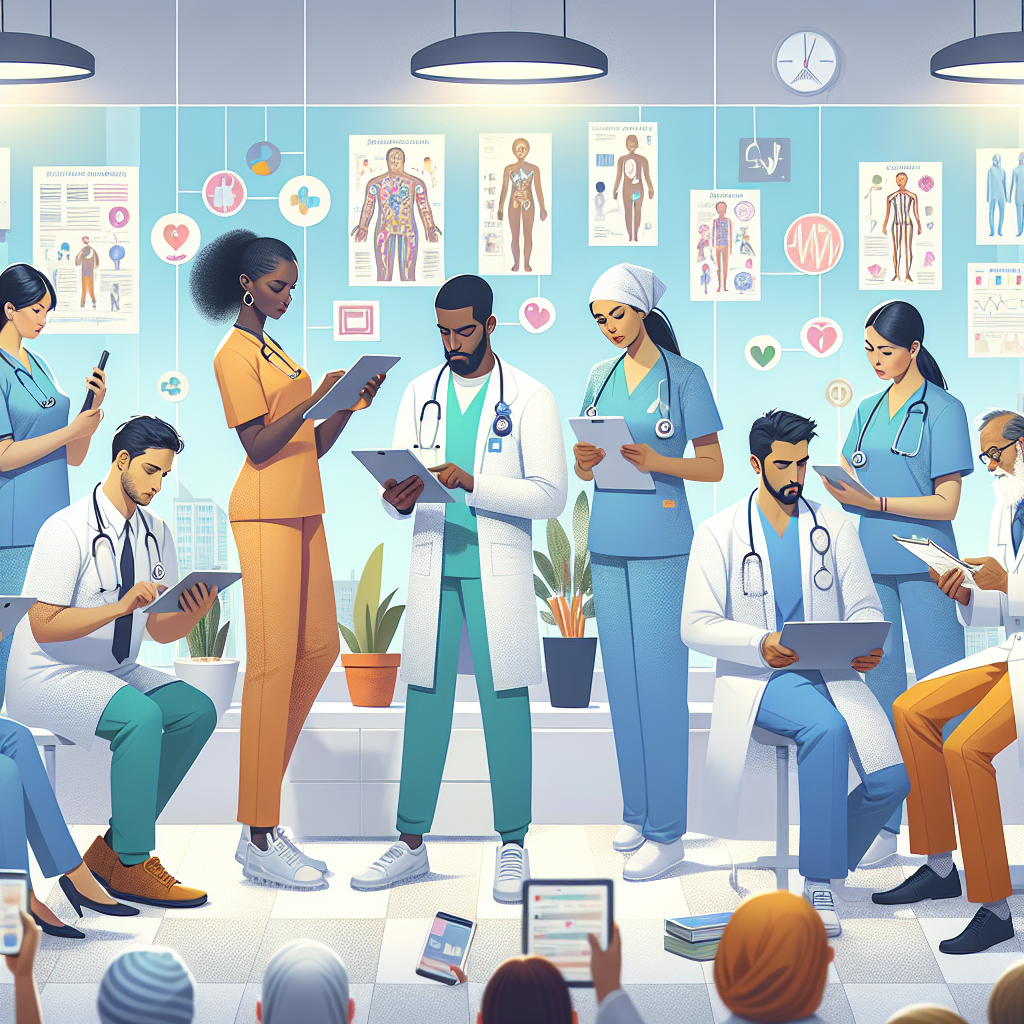
### Introduction: Navigating the Era of Over-Informed Patients
In today’s digital age, patients often arrive at medical appointments not only presenting symptoms but also armed with the latest medical research, health blogs, and anecdotes from online support groups. Access to health information empowers individuals to manage their health proactively, but it also presents new challenges for physicians. These “over-informed” patients might come with preconceived notions, self-diagnoses, or a preference for unverified treatments. This shift compels doctors to adapt their communication strategies, embrace shared decision-making, and leverage digital tools to guide patients effectively toward reliable sources and better health outcomes.
### The Power of Information: Transforming Patient Experience
The internet offers a vast trove of health-related information, which has transformed the patient experience. People now have the ability to:
– Discover information about rare diseases and emerging therapies
– Compare treatment side effects and success rates
– Connect with others who share similar health challenges
This wealth of online health information encourages patient engagement. Studies indicate that informed patients often adhere more closely to treatment plans and report higher satisfaction. As Dr. John Smith, a health communications expert at Harvard Medical School, states, “When patients understand the ‘why’ behind a recommendation, it fosters trust and collaboration.” This trust is crucial for a successful doctor-patient relationship.
### Challenges for Physicians: Navigating Misinformation and Expectations
However, doctors face several hurdles when dealing with over-informed patients:
– Misinformation: Not all online content is accurate. Patients might cite fringe studies or unverified testimonials, leading to unrealistic expectations.
– Time Constraints: Explaining why a patient’s self-diagnosis might be flawed can be time-consuming, especially in busy clinics.
– Eroded Authority: Physicians may feel their expertise is questioned when patients present conflicting data.
– Legal Risk: If a patient insists on skipping a standard procedure in favor of an unproven alternative, the doctor must carefully navigate liability concerns.
These challenges can strain the doctor-patient relationship if not managed thoughtfully. Dr. Lisa Brown, a practicing internist, notes that “patients often mean well but can be misled by persuasive but inaccurate descriptions online.”
### Strategies for Adaptation: Enhancing Communication and Patient Engagement
To turn potential conflict into constructive dialogue, doctors are adopting several key strategies:
1. Active Listening: Starting every consultation with, “What have you learned so far?” allows physicians to gauge the patient’s understanding and concerns.
2. Acknowledging Effort: A simple, “I appreciate that you’ve done the research,” builds rapport and opens the door to correcting misconceptions.
3. Providing Reliable Resources: Offering curated lists of trustworthy websites, such as the Mayo Clinic, helps patients distinguish fact from fiction.
4. Setting Boundaries: Framing the conversation with, “I’m here to interpret the evidence together,” clarifies that while patient input is valued, the physician’s experience and clinical training guide care decisions.
### Embracing Shared Decision-Making: Towards Collaborative Care
The era of paternalistic medicine—where the doctor makes all decisions—has evolved into shared decision-making. In this model, clinicians and patients collaborate on care plans that align with the patient’s values, lifestyle, and risk tolerance. This includes:
– Explaining Options: Doctors outline both standard treatments and emerging therapies, discussing benefits, risks, and unknowns.
– Eliciting Preferences: Patients express their goals and priorities, such as the importance of symptom relief versus the acceptance of side effects.
– Reaching Consensus: Together, they select a pathway, scheduling follow-ups to reassess and adjust as new information emerges.
This model has been linked to improved adherence, reduced decisional conflict, and higher patient satisfaction.
### The Role of Digital Tools: Enhancing Medical Care and Communication
Physicians are not just countering misinformation—they’re also harnessing technology to enhance care. Popular digital health tools include:
– Telemedicine Platforms: Virtual visits allow doctors to review online findings with patients in real time.
– Patient Portals: Secure messaging and document libraries enable physicians to upload tailored educational materials directly to a patient’s account.
– Decision Aids: Interactive apps help patients understand risk calculators, side-effect profiles, and cost comparisons.
– Social Listening: Some practices monitor patient forums and social media to identify trending misconceptions and address them proactively.
By integrating these tools, doctors can meet patients where they are—online—steering them toward evidence-based care.
### Looking Ahead: The Evolution of Patient-Doctor Relationships
As artificial intelligence, big data analytics, and wearable devices continue to generate more health information, the role of the physician will evolve. Future priorities include:
– Data Interpretation: Doctors will guide patients in translating personal data into actionable insights.
– Personalized Education: AI-driven platforms may tailor learning to individual health literacy levels.
– Ethical Stewardship: With the rise of direct-to-consumer genetic testing, physicians will counsel patients on privacy and data security.
– Community Engagement: Partnering with patient advocacy groups, doctors can disseminate accurate information before myths take root.
### Conclusion: Building a Stronger Doctor-Patient Partnership
The rise of over-informed patients is an opportunity to redefine the doctor-patient partnership. By listening attentively, validating patient initiative, and guiding individuals through the maze of digital information, physicians can strengthen trust and achieve better health outcomes. Embracing shared decision-making and leveraging modern tools ensures that clinical expertise and patient empowerment work hand in hand. In this collaborative era, well-informed patients and adaptable doctors together chart the course towards personalized, evidence-based care.
_For more reliable information on health resources, visit edrugstore.com._