Hormone Replacement Therapy by Mail: Is It Safe and Effective?

Understanding the Rise of Mail-Order Hormone Therapy

As healthcare continues transitioning into the digital age, more adults are turning to the convenience of hormone replacement therapy by mail. This innovative solution offers privacy, reduced cost, and accessibility from the comfort of your home. But with hormones influencing critical bodily functions like metabolism, mood, sexual health, and bone density, many question the safety and effectiveness of mail-delivered treatment. This guide explores the benefits and limitations of mail-order hormone therapy to help you make an informed decision.

How Mail-Order Hormone Therapy Works

Mail-order HRT services typically begin with an online intake form followed by a virtual consultation with a licensed medical professional. Based on your symptoms, health history, and lab results, providers can prescribe synthetic or bioidentical hormones such as estrogen, progesterone, testosterone, or thyroid medications. These treatments are shipped directly to your doorstep and come in various forms, including capsules, gels, patches, or injectables.

For instance, a woman managing perimenopause may receive a personalized estrogen patch with detailed usage instructions. Treatment plans differ case by case, depending on individual health goals and hormone levels. A study published in the Journal of Telemedicine and Telecare found that 87% of telehealth patients were satisfied with online care, including hormone therapy services.

Convenience and Accessibility of Virtual Hormone Therapy

One of the leading advantages of telehealth hormone therapy is convenience. Whether you live in a remote area, work nontraditional hours, or simply prefer the privacy of home-based care, virtual services remove many barriers to treatment.

According to Dr. Michele Keller, an endocrinologist at Johns Hopkins Medicine, “Convenience shouldn’t come at the expense of quality. But when monitored correctly, virtual HRT can be both safe and effective.” Platforms like eDrugstore.com even offer automatic refills and discreet delivery, minimizing interruptions in your therapy routine.

Comparing the Cost: Online vs. In-Person HRT

Traditional hormone therapy through local clinics often comes with high costs for appointments, testing, and custom compounding. In contrast, many online HRT platforms use subscription-based pricing models, bundling virtual consultations, lab work, and monthly medication into fixed monthly fees ranging between $99 and $299. This is noticeably more affordable than in-clinic services averaging over $400 monthly.

For self-pay patients or those without insurance, accessing affordable hormone therapy online can be a practical solution. Additionally, bypassing multiple pharmacy trips means even more savings over time. Services such as eDrugstore.com offer transparency in pricing and FDA-approved medications, allowing you to compare options confidently.

Risks of At-Home Hormone Treatment

Despite the appeal, hormone therapy by mail is not without risks. Without a physical exam, virtual providers depend exclusively on your self-reported data, which can miss warning signs like cardiovascular issues, clotting disorders, or early signs of cancer.

The use of compounded bioidentical hormones, which are not regulated by the FDA, also poses concerns about consistency and safety. A 2020 study published in the journal Menopause found that nearly 60% of compounded hormone products analyzed were inconsistent in hormone concentrations.

“There’s no substitute for clinical lab testing or adherence to pharmaceutical standards,” cautions Dr. Susan Rayner, a women’s health expert at Mayo Clinic. To minimize risks, ensure your selected provider conducts routine lab testing and monitors your health throughout treatment.

Effectiveness When Properly Managed

When guided by current lab results and adjusted dosages, online hormone therapy programs can successfully address symptoms such as mood swings, low libido, fatigue, and hot flashes. The key to success lies in selecting a provider who performs regular testing and offers ongoing support.

According to research from The Endocrine Society, platforms that monitor hormone levels every three to six months—testing levels of estradiol, testosterone, and thyroid hormones—deliver significantly better outcomes in symptom management. For example, a man with low testosterone may start with a topical gel but switch to injections for better results based on lab data.

Follow Best Practices to Stay Safe

To ensure a safe experience with hormone replacement therapy by mail, it is important to follow several essential guidelines:

– Use a provider staffed with licensed doctors and pharmacists
– Ensure medications follow FDA dosing guidelines
– Complete all required lab testing and health screenings
– Follow storage and usage instructions as provided
– Avoid adjusting dosages on your own
– Report any symptoms like chest pain, mood changes, or unusual swelling right away

Platforms such as eDrugstore.com also recommend journaling symptoms and attending regular virtual follow-ups for continued safety and effectiveness.

Quality Control and Medication Safety

Not all hormone therapies are created equal. Compounded hormones, commonly tailored for individual cases, often come from pharmacies that are not held to the same rigorous standards as large pharmaceutical manufacturers. While the U.S. Pharmacopeia and state boards provide oversight, these hormones often lack the consistency and testing associated with FDA-approved medications.

For the best protection, consider providers who only distribute FDA-approved treatments. Providers like eDrugstore.com clearly disclose the origin and quality standards of the hormones they prescribe, helping patients make safe, informed choices.

“As a pharmacist, I always advise patients to look for medications manufactured in facilities that meet federal quality standards,” explains Dr. Alex Brennan from the Cleveland Clinic.

What Real Patients Are Saying

Many people turn to online hormone treatment programs due to the privacy, quicker access to care, and reduced costs. Patients undergoing menopause or managing low testosterone often report symptom improvements within a few weeks of beginning treatment.

Yet, not every experience is seamless. Some patients mention shipping delays or lack of personalized care. Online reviews can offer insights, but a better approach is to engage with condition-specific forums on platforms like Reddit or HealthUnlocked, where you can hear firsthand feedback from others navigating similar therapies.

One patient shared that transitioning from a chain pharmacy to a specialized mail-in program helped resolve her thyroid hormone imbalance more effectively due to improved lab coordination and better provider responsiveness.

Is Online HRT a Good Fit for You?

Online hormone therapy can be a suitable option if you are in overall good health and open to receiving care virtually. It’s particularly effective for those with:

– Mild menopausal symptoms or age-related hormonal shifts
– The ability to schedule and complete regular lab tests
– Preference for home delivery and private consultations

However, individuals with complex or high-risk conditions such as uncontrolled hypertension, history of stroke, clotting disorders, or cancer should consider consulting a local endocrinologist or gynecologist for more comprehensive care.

Discussing your options with your primary care doctor can provide additional clarity, ensuring that your choice between virtual and in-person HRT is both safe and appropriate.

Final Thoughts: Making the Smart Choice in Modern Hormone Care

Hormone replacement therapy by mail offers a convenient, cost-effective alternative for those looking to manage their hormonal health discreetly. With proper provider oversight, routine laboratory monitoring, and patient compliance, it can be just as effective and safe as traditional methods.

When selecting a program, prioritize platforms that emphasize medical professionalism, transparency, and safety standards, such as eDrugstore.com. Making an informed decision today can lead to balanced hormones—and an improved quality of life—tomorrow.

References

1. Koonin, L. M., et al. (2020). Trends in the use of telehealth during the emergence of the COVID-19 pandemic — United States, January–March 2020. MMWR.
2. Doyle, S. (2022). Telehealth pricing comparison: Subscription vs in-clinic. Healthline.
3. Santoro, N., et al. (2020). Compounded menopausal hormone therapy: identifying unmet needs. Menopause Journal.
4. Endocrine Society. (2021). Guidelines on hormone therapy access via telemedicine.
5. U.S. Food and Drug Administration (2023). Compounded Bioidentical Hormones: Identifying Risks.

For more information on hormone therapy and how to begin an FDA-approved treatment plan, visit eDrugstore.com.

Enhanced Guide: GLP-1 Injection at Home — Training, Monitoring, and Results

Understanding GLP-1 Agonists

Administering GLP-1 injections from the comfort of your home has become a practical and increasingly popular option for managing type 2 diabetes and supporting medical weight loss. These medications—such as semaglutide and liraglutide—mimic the effects of a naturally occurring hormone known as glucagon-like peptide-1 (GLP-1).

By activating GLP-1 receptors, these medications:

– Trigger insulin production in response to elevated blood sugar
– Slow down digestion, reducing blood sugar spikes after meals
– Decrease appetite by enhancing the feeling of fullness

These mechanisms lead to improvements in blood glucose levels and promote weight loss. One landmark study published in The New England Journal of Medicine in 2021 revealed that people using semaglutide experienced an average weight loss of 14.9% over 68 weeks.

According to Dr. Karen Weiss, MD, an endocrinologist specializing in metabolic health, “GLP-1 agonists are more than diabetes treatments—they’ve transformed the way we approach long-term weight control.”

Common GLP-1 treatments include Wegovy, Ozempic, and Saxenda, often administered once a week through a self-injection device.

Getting Ready to Self-Inject at Home

Preparing for at-home GLP-1 injections is vital to ensure effectiveness and maintain safety. Here’s a helpful checklist:

1. Consult Your Healthcare Provider
Start by visiting your doctor. They will assess your health, explore your medication interactions, and create a dosing schedule tailored to your needs.

2. Assemble the Necessary Supplies
You’ll need:

– Prefilled pens or vials with compatible syringes
– Alcohol pads for skin sanitization
– An FDA-approved sharps disposal container
– Refrigeration (36–46°F or 2–8°C) for storage of unused medication

All of these can be sourced from local pharmacies or trusted services like eDrugstore.com.

3. Review the Instructions Carefully
Each medication has its own preparation and storage requirements. Some pens need priming before use, while others do not.

For instance, unopened Ozempic pens must be refrigerated but can be kept at room temperature (not exceeding 86°F) for up to 56 days after opening.

Mastering the Injection Technique

Becoming confident with self-injection is a learning process, but with repeated practice, it becomes second nature. Here’s how to ensure a safe and effective injection:

– Choose an Injection Site: The lower abdomen, outer thighs, or upper arms are common sites. Be sure to avoid injecting too close to the navel and rotate the area regularly to prevent tissue damage known as lipodystrophy.

– Stick With Clean Techniques:
– Wash your hands thoroughly with soap and water
– Sanitize the injection area with an alcohol pad and allow it to dry

– Prepare Your Dose:
– Using a pen? You may need to prime it first, then dial in the correct dose and attach a new needle.
– Using a vial? Insert air into the vial using a sterile syringe before drawing out the medication.

– Administer the Injection:
– For most people, a 90-degree angle is appropriate
– If you’re lean, use a 45-degree angle
– Insert the needle, and hold it in place for 5 to 10 seconds
– Withdraw gently and press the site with a clean swab (don’t rub)

– Dispose Safely:
Place used needles in a sharps container. Never throw them in regular trash or recycling.

Janet Torres, RN, a Certified Diabetes Care and Education Specialist, recommends rotating your injection sites to improve medication absorption and minimize skin irritation.

Tracking Your Progress Effectively

Monitoring your response to GLP-1 therapy is essential for staying on track and reinforcing your health goals. Here’s how to stay in control:

– Monitor Glucose Levels:
Diabetic users should check blood sugar regularly as instructed by their provider. Continuous glucose monitors (CGMs) can provide seamless insights throughout the day.

– Track Weight and Body Measurements:
Weigh yourself once a week under similar conditions, such as using the same scale at the same time of day. Measuring your waist once monthly can uncover fat loss not visible on the scale.

– Note Side Effects:
It’s common to experience mild symptoms when starting, such as:
– Nausea or bloating
– Low energy or headaches
– Redness or discomfort at the injection site

Be alert for severe symptoms such as persistent vomiting or abdominal pain, which could indicate a rare condition like pancreatitis. Contact your healthcare provider if these occur.

– Schedule Regular Check-Ups:
Appointments every 4 to 12 weeks allow your provider to run necessary lab tests—including A1c, kidney, and liver function panels—to evaluate the success and safety of your treatment.

Understanding the Timeline of Results

GLP-1 medications produce results gradually. Consistency and healthy lifestyle choices make a big difference. Here’s a general outline of what to expect:

Week 1 to 4:
– Appetite typically decreases
– Digestive changes such as bloating or nausea may occur
– Initial weight loss of 1 to 3 pounds is common

Week 5 to 12:
– Appetite is more manageable
– Weekly weight loss may average between 1 to 2 pounds
– Blood sugar improvements begin to show in diabetic patients

Month 3 to 6:
– Significant cumulative weight loss ranging from 5% to 15% of your starting weight
– Better blood sugar regulation and lower A1c readings (as advised by your doctor)

Beyond 6 Months:
– Many users switch to a maintenance dose
– Some continue losing weight or maintaining progress depending on diet and routine

Dr. Kim Nolan, MPH and obesity researcher at Johns Hopkins University, reminds users that “GLP-1 medications aren’t overnight solutions—they’re most effective when integrated into a long-term wellness plan.”

Staying Safe and Following Best Practices

Adopting smart practices can optimize your results and keep your routine safe:

– Keep a Consistent Injection Schedule:
Set a weekly alarm or phone reminder to maintain steady blood levels of the medication.

– Store Your Medication Properly:
– Keep unused medication refrigerated at 36–46°F (2–8°C)
– Follow specific storage directions once opened—most can stay at room temperature temporarily

– Stay Hydrated:
Drinking plenty of water helps reduce potential nausea and supports digestion.

– Promote Healthy Habits:
– Engage in moderate physical activity (minimum 150 minutes weekly)
– Focus on nutrient-rich foods such as lean proteins, vegetables, and whole grains

– Build a Support System:
Sharing progress with friends, family, or support groups keeps you motivated and accountable.

Each step you take builds a stronger foundation for long-term health.

Wrapping It Up: A Healthier Path Forward

Administering GLP-1 injections at home is more than just convenient—it’s a strategic move toward managing chronic conditions and enhancing your well-being. With the right training, careful monitoring, and realistic goals, you can achieve meaningful outcomes in blood sugar control, weight loss, and overall health.

Stay in close communication with your healthcare provider to make necessary adjustments, monitor progress, and ensure long-term safety.

For expert advice, prescription services, and discreet medication delivery, visit eDrugstore.com.

Take control of your health—one injection and one decision at a time.

References

– American Diabetes Association. (2023). Statistics About Diabetes. https://www.diabetes.org/about-us/statistics/about-diabetes
– Wilding, J.P.H., et al. (2021). Once-Weekly Semaglutide in Adults with Overweight or Obesity. The New England Journal of Medicine, 384(11), 989-1002. https://doi.org/10.1056/NEJMoa2032183
– Centers for Disease Control and Prevention. (2023). Diabetes and Your Health. https://www.cdc.gov/diabetes/basics/index.html

August 21, 2025 – United States – eDrugstore.com, a trusted leader in online prescription services and telemedicine for over two decades, has announced a groundbreaking partnership with OurDoctor.com to launch an AI-powered, fully integrated virtual healthcare platform. This innovative collaboration aims to transform the way patients access care—delivering faster, smarter, and more personalized healthcare experiences around the clock.

A New Era of AI-Enhanced Digital Health

By uniting eDrugstore.com’s extensive pharmaceutical expertise with OurDoctor.com’s cutting-edge digital health infrastructure, this partnership creates a seamless ecosystem that adapts to each patient’s unique needs in real-time. The platform integrates artificial intelligence, telehealth services, and connected care tools, enabling:

  • 24/7 Access to Care – Patients can connect with healthcare professionals anytime, anywhere.
  • Data-Driven Personalization – AI technology tailors treatment pathways based on individual health profiles.
  • Faster, More Accurate Care – Automation and predictive analytics reduce wait times and improve outcomes.

“This partnership represents a major leap forward in delivering convenient, high-quality healthcare. Together, we’re breaking down barriers and bringing next-generation medical services directly to patients’ fingertips,” said Kyle Rao, spokesperson for eDrugstore.com.

Why This Matters

Healthcare accessibility has long been a challenge, with many patients facing delays, limited availability, or high costs. The eDrugstore.com & OurDoctor.com alliance directly addresses these issues by:

  • Improving Speed & Efficiency – Immediate consultations and streamlined prescription fulfillment.
  • Expanding Reach – Serving patients across the U.S. regardless of location.
  • Ensuring Quality & Safety – Combining professional oversight with advanced tech-driven care delivery.

Looking Ahead

This AI-powered platform is poised to reshape the digital healthcare landscape, setting a new standard for accessible, reliable, and patient-focused telemedicine. With a shared mission of enhancing healthcare experiences, eDrugstore.com and OurDoctor.com are committed to empowering individuals to take control of their health like never before.

Learn more about our services and upcoming innovations at www.eDrugstore.com.

When it comes to men’s health, reproductive wellness often gets overlooked until problems arise. However, taking a proactive approach can make a significant difference—not only in fertility but also in overall vitality and confidence. Semen volume, sperm quality, and libido are all important indicators of male reproductive health. Here’s what you should know.

Why Semen Volume Matters

Semen volume isn’t just a number; it plays a vital role in fertility and sexual satisfaction. A higher volume can indicate healthier sperm production, which is essential for conception. Low seminal fluid may point to nutritional deficiencies, hormonal imbalances, or lifestyle factors like stress, poor diet, and lack of exercise.

Key Nutrients for Male Reproductive Wellness

Optimal reproductive health relies on proper nutrition. Certain vitamins and minerals directly impact semen quality and sexual function:

  • Zinc – Crucial for sperm formation and testosterone regulation.
  • L-Arginine – Supports blood flow, essential for erectile and ejaculatory health.
  • Maca Root – An adaptogenic herb known to enhance libido and stamina.
  • Antioxidants (Vitamin C, E, Selenium) – Protect sperm from oxidative stress.

Combining these nutrients with a balanced diet, regular exercise, and sufficient sleep can help support natural reproductive function.

Lifestyle Habits That Make a Difference

While supplements can help, lifestyle changes remain the foundation of reproductive health:

  • Stay Active – Exercise improves circulation and hormone balance.
  • Maintain a Healthy Weight – Obesity can lower testosterone and sperm quality.
  • Manage Stress – Chronic stress impacts libido and hormone levels.
  • Avoid Excessive Alcohol & Smoking – Both can damage sperm production.

Supplement Spotlight: Semen Volume Maximizer by eDrugstore

For men seeking an extra boost, Semen Volume Maximizer (60 Tablets) from eDrugstore.com is a natural supplement designed to support semen production and sexual vitality. Formulated with maca root, L-arginine, and zinc, it promotes:

  • Increased Seminal Fluid – Supporting reproductive function.
  • Enhanced Sperm Quality – Potentially improving fertility.
  • Elevated Libido & Stamina – For greater sexual satisfaction.

Its discreet ordering process, free doctor consultation, and secure delivery make it a trusted choice for men looking to optimize their reproductive health safely.

Semen Volume Maximizer

Original price was: $29.00.Current price is: $14.50.

Why Source Matters: Beware of Counterfeits

Counterfeit or low-quality supplements can be harmful and ineffective. Always purchase from reputable suppliers like eDrugstore, which offers authentic products manufactured by trusted pharmaceutical companies. This ensures both efficacy and safety—critical when dealing with your reproductive health.

Final Thoughts

Improving semen volume and male reproductive health is rarely about quick fixes. It’s about sustaining healthy habits, providing your body with the right nutrients, and, when needed, using trusted supplements to fill the gaps. Whether your goal is to enhance fertility, improve performance, or simply feel more confident, focusing on overall wellness is the best path forward.

Online STD Treatment Flow: From Test to Rx in 24 Hours

Modern Solutions for Sexual Health

Sexually transmitted infections (STIs) remain a major public health challenge, with nearly one in five Americans currently living with an STI, according to the CDC. Unfortunately, many individuals delay or avoid getting tested due to embarrassment, time constraints, or lack of access to nearby clinics.

Thanks to recent advances in telemedicine and at-home diagnostic technology, however, you can now complete an entire STI testing and treatment process from the comfort of your home—often in as little as 24 hours.

This guide walks you through a simple, five-step online STD treatment workflow that ensures discreet, fast, and effective care, from test ordering to medication delivery.

Why Online STD Treatment Is Changing the Game

Online STD treatment is transforming how people manage their sexual health. Here are some of the top advantages:

  • Private and secure at-home STD testing—no need for clinic visits or uncomfortable conversations
  • Fast results—most people receive their lab results and treatment recommendations within 24 to 48 hours
  • Highly accessible—perfect for those in remote locations or juggling busy schedules
  • Professional oversight—all results are reviewed by licensed healthcare providers who can prescribe medication if needed

Dr. Jane Li, a board-certified telehealth physician, states: “Reducing barriers to STI detection is key to managing the epidemic. When you give people accessible, private testing from home, they’re more likely to catch infections early and prevent spread to others.”

Step 1: Order an At-Home STD Test Kit

Begin your journey by selecting a reputable telehealth provider, such as eDrugstore.com, which specializes in at-home STD testing and treatment. You’ll complete a brief, secure health intake form to outline any symptoms, sexual history, and preferences to help determine which test is best for you.

Choose between different testing panels, such as:

  • Basic Panel: typically screens for chlamydia and gonorrhea
  • Comprehensive Panel: includes a full range of STI tests such as HIV, herpes (HSV-2), syphilis, and trichomoniasis

If you’re unsure which tests to select, a comprehensive panel is a smart choice. The CDC notes that many STIs are asymptomatic but still transmittable.

Test kits are shipped discreetly, with shipping options ranging from standard to same-day delivery.

Key points to consider:

  • Choose your delivery timeline to fit your urgency
  • Check if insurance covers the test or prepare for out-of-pocket costs (typically $79–$229)
  • Ensure your kit uses FDA-approved tests from CLIA-certified labs

Step 2: Collect Your Sample and Send It to the Lab

Once your test kit arrives, follow the clean, easy-to-follow instructions to collect your sample. Common sample types include:

  • Urine samples for testing chlamydia and gonorrhea
  • Throat, vaginal, or rectal swabs depending on sexual exposure
  • Finger-prick dried blood spot for HIV and syphilis

Most users complete this process in under 15 minutes. For added assurance, many platforms offer optional telehealth video coaching to walk you through the collection steps.

Helpful tips:

  • Use first-morning urine for more accurate results
  • Label everything carefully before inserting into sealed biohazard bags
  • Return your sample using the prepaid mailer via USPS or your nearest courier

Mike, a 29-year-old from Austin, shared, “It took me less than 15 minutes to collect and pack everything—it was honestly easier than grabbing coffee.”

Step 3: Lab Processing and Results in 24 to 48 Hours

Your specimens are processed in CLIA- and CAP-accredited laboratories using high-sensitivity techniques like PCR (polymerase chain reaction) and immunoassay analysis. Results become available within 24–48 hours.

You’ll receive a secure email or SMS prompt to access your personalized patient portal where you can view:

  • Clear digital lab results with reference ranges
  • Plain-language summaries explaining the findings
  • Recommendations and notes from board-certified providers

If your test is positive, the portal may highlight the result and guide you on how to schedule a virtual consultation.

According to a 2023 Simple Health study, over 85% of users receive their full results within two days of lab processing.

Step 4: Virtual Medical Review and Prescription

If your test is positive, a licensed healthcare provider will review your entire intake—including symptoms, allergies, and medical history—then prescribe the CDC-recommended treatment.

Here are some common medications:

  • Chlamydia: Doxycycline or azithromycin
  • Gonorrhea: Injectable ceftriaxone, sometimes with oral azithromycin
  • Herpes (HSV-2): Acyclovir or valacyclovir

Prescriptions can be sent directly to your local pharmacy or delivered to your home in unmarked packaging via mail-order options like those through eDrugstore.com.

In most states, expanded telehealth laws allow for rapid teleprescribing with little to no delays. Be sure to check your state’s eligibility.

Step 5: Treatment Delivery and Continued Support

Once your prescription is issued, you can choose either local pickup or discreet delivery, which usually arrives within 24 to 48 hours.

Most platforms provide added care through:

  • Email or SMS reminders to ensure full medication adherence
  • Optional retesting, particularly for bacterial STIs like gonorrhea, to confirm the infection has cleared
  • Educational materials about safe sex and future prevention
  • Secure messaging portals for ongoing questions or concerns

Additionally, some services include tools that allow you to notify partners anonymously—an essential feature recommended by the CDC to help stop the spread of STIs.

According to recent data published in the Journal of Telemedicine, 92% of patients reported complete symptom resolution within two weeks post-treatment.

Your Health, On Your Terms

Online STI testing and treatment are reshaping the healthcare landscape. Safe, convenient, and confidential, this approach empowers you to take charge of your sexual health on your schedule.

From ordering your at-home test to receiving effective treatment, the entire journey can be completed in as little as 24 hours. Whether you have symptoms or simply need routine screening, telehealth platforms like eDrugstore.com offer comprehensive, user-friendly services designed to protect your privacy and health.

Don’t delay care. Early detection and treatment are essential for preventing complications and protecting your partners. Embrace this modern option to stay proactive, protected, and informed.

References

  • Centers for Disease Control and Prevention. (2023). Sexually Transmitted Disease Surveillance. https://www.cdc.gov/std/statistics
  • Journal of Telemedicine. (2023). Efficacy and Adherence in Online STI Treatment Programs
  • Simple Health Platforms Data Report. (2023)
  • eDrugstore.com. (2024). At-home STD Test Kits and Prescription Services. https://www.edrugstore.com

Blood Pressure at Home: How Remote Monitoring Is Replacing In-Clinic Checks

Understanding the Shift to Home Blood Pressure Monitoring

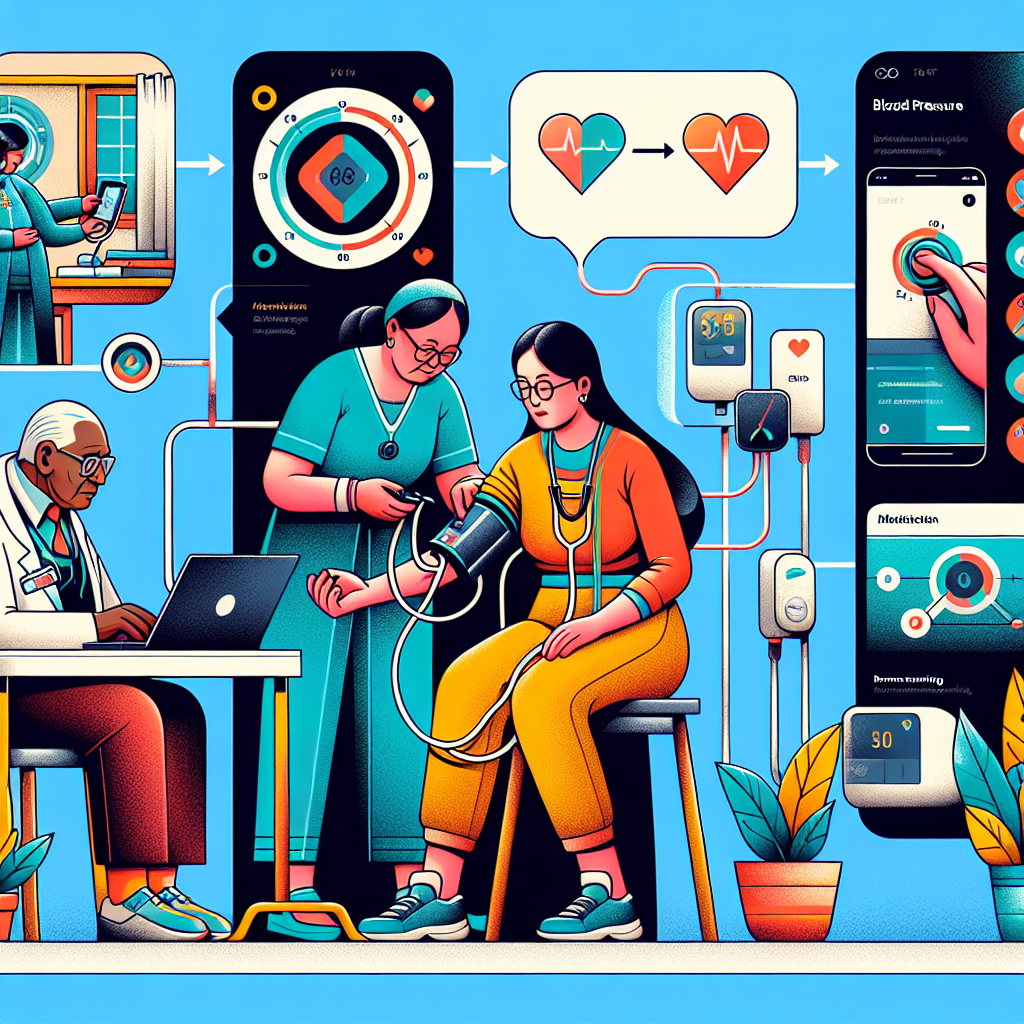
Nearly 1 in 2 U.S. adults—about 120 million people—struggle with high blood pressure, according to the Centers for Disease Control and Prevention (CDC). Historically, managing this condition meant frequent visits to the doctor for blood pressure checks. However, advancements in digital health tools are transforming that approach.

Thanks to the availability of FDA-approved home blood pressure monitors and telehealth connectivity, patients now manage hypertension more effectively from the comfort of home. These innovations not only improve care outcomes but also reduce healthcare costs and enhance patient empowerment.

“Remote monitoring increases the quantity and quality of blood pressure data, giving us better clinical insight,” says Dr. Karen Mitchell, cardiologist at Johns Hopkins Medicine. “It’s a win for patient outcomes and system efficiency.”

Why Monitoring Your Blood Pressure at Home Matters

Frequent, consistent blood pressure tracking reveals what single clinic visits can miss. Home monitoring allows for:

– Increased data collection: Continuous tracking gives a more comprehensive view of cardiovascular health.
– Reduced “white coat” spikes: Many patients experience elevated readings in clinics due to anxiety. Home readings reflect a more accurate baseline.
– Earlier treatment opportunities: Trend data can reveal problems sooner, prompting timely interventions.

Research from the American Heart Association reports that patients using home monitoring with doctor feedback lowered systolic pressure by up to 10 mmHg.

Key Benefits of Home Blood Pressure Monitoring

There are multiple advantages to managing blood pressure at home:

– Convenience: Eliminate the need for appointments or travel—simply press “Start” on your device.
– Real-time feedback: Tracking your numbers helps fuel healthier habits like exercising and eating less salt.
– More personalized care: Doctors can adjust treatments based on ongoing data, not just annual visits.
– Financial savings: Fewer in-office appointments mean lower out-of-pocket costs.

A 2022 Health Affairs report estimates remote patient monitoring could save the U.S. healthcare system $3 billion annually. If you’re looking for a monitor, eDrugstore.com offers comprehensive buying guides and product reviews for dependable home monitors.

How to Choose the Right Home Blood Pressure Monitor

Not all monitors are created equal. To find a reliable, doctor-recommended blood pressure monitor with Bluetooth capabilities, consider:

– Cuff Type: Upper-arm cuffs provide the most accurate readings. Wrist cuffs should only be used when arm measurements are not possible.
– Certification: Choose devices validated by reliable organizations like the American Heart Association or the British and Irish Hypertension Society.
– User-friendly interface: Features such as large displays, comfortable cuffs, and simple controls encourage regular use.
– Connectivity: Look for wireless syncing features. Companion apps can help track trends and share data with providers.

One popular option is the Omron Platinum Blood Pressure Monitor, which is AHA-certified and cloud-integrated—perfect for both tech-savvy users and seniors.

Essential Tips for Accurate Home Readings

To ensure precise measurements, follow these at-home blood pressure tips:

– Sit quietly for five minutes before measuring.
– Keep your feet flat, back supported, and arm level with your heart.
– Use a bare upper arm and avoid tight sleeves.
– Take multiple readings one minute apart and record the average.
– Note relevant context like time of day, recent physical activity, or caffeine intake.

Even small mistakes like talking or crossing your legs can distort results by 10 points or more, according to the Mayo Clinic.

Enhancing Results with Telehealth Integration

One of the most significant advancements is the ability to sync home blood pressure readings directly with electronic health records (EHR). This allows for:

– Real-time updates: Physicians can review your latest readings without waiting for an in-person visit.
– Virtual consultations: Adjustments to treatment plans can be done quickly over video.
– Medication tools: Many systems offer reminders and tips to help with adherence and education.

A 2023 JAMA Internal Medicine study found that patients using remote BP monitoring tools showed a 50% improvement in medication adherence within six months. For a step-by-step guide on connecting your device to telehealth platforms, visit eDrugstore.com.

Staying Safe: Data Security and Health Privacy

When using connected blood pressure monitors with cloud syncing, take the following precautions:

– Use end-to-end encryption to protect your health information.
– Choose platforms that comply with HIPAA standards.
– Set strong passwords, enable two-step authentication, and avoid sharing login credentials.

“Treat your digital health devices like an online bank account—secure, private, and encrypted,” advises cybersecurity expert Dr. Sonya Patel.

Common Challenges with Remote Hypertension Care

While home monitoring offers clear benefits, users may encounter challenges:

– Technical difficulties: Some older patients may require assistance. Many health systems now provide tutorials or hands-on support.
– Insurance uncertainties: Not all plans cover devices or virtual services. Contact your provider to clarify.
– Information overwhelm: Providers may receive too much data. Smart monitors with customizable alerts help prioritize crucial readings.

Some wearable devices now include artificial intelligence to notify doctors when readings exceed preset thresholds, helping to prevent complications.

What’s Next for Blood Pressure Monitoring?

Looking ahead, expect technology to continue reshaping hypertension care:

– Wearable integration: Smartwatches like Apple Watch and Fitbit are developing cuff-free options for continuous monitoring.
– AI-powered insights: Machine learning algorithms will soon identify patterns and alert physicians to emerging issues.
– Public health benefits: Aggregated, anonymous data can support targeted prevention campaigns within communities.

According to Dr. Elaine Chen of the Mayo Clinic, “The fusion of AI and wearables has the potential to revolutionize heart disease prevention in the next five years.”

The Future Is in Your Hands

With nearly 50 percent of American adults affected by hypertension, at-home monitoring has become more than a convenience—it’s a medical necessity. The integration of remote monitoring devices with telehealth platforms offers a powerful way to improve heart health and maintain control.

Ready to begin your journey toward improved blood pressure management? Head over to eDrugstore.com to browse top-rated blood pressure monitors that support telehealth features.

By selecting the right device, learning how to use it properly, and integrating it into your care plan, you can take control of your heart health—right from home.

References

1. American Heart Association. (2022). Remote Monitoring in Hypertension Management. https://www.heart.org
2. Health Affairs. (2022). Health Care Savings from Remote Patient Monitoring in Hypertension. https://www.healthaffairs.org
3. Mayo Clinic. (2023). Tips for Accurate Blood Pressure Monitoring at Home. https://www.mayoclinic.org
4. JAMA Internal Medicine. (2023). Impact of Home BP Monitoring on Medication Adherence. https://jamanetwork.com
5. eDrugstore.com. (2023). How to Choose the Best Home Blood Pressure Monitor. https://www.edrugstore.com

Digital CBT and Therapeutic Apps: Are They Effective for Anxiety and Depression?

Understanding the Growing Need for Mental Health Solutions

According to the World Health Organization (WHO), over 264 million people globally live with depression, while nearly 284 million face anxiety disorders. Despite this growing need, many individuals struggle to access traditional therapy due to cost, time limitations, stigma, or remote locations.

In response, digital cognitive behavioral therapy (CBT) apps for anxiety and depression have surged in popularity, offering accessible, affordable alternatives. But how effective are these mental health apps? In this article, we explore how digital CBT works, assess its effectiveness, weigh the benefits and challenges, and share expert advice on choosing the best app for your needs.

What Is Digital CBT and How Does It Work?

Cognitive Behavioral Therapy (CBT) is a structured, evidence-based therapeutic approach that helps individuals identify and change negative thought patterns and behaviors. Digital CBT delivers this methodology via mobile apps or web platforms, making therapy more accessible than ever before.

For instance, apps like MoodMission guide users through journaling and mindfulness exercises to manage anxiety, while CBT Thought Diary helps users recognize cognitive distortions and reframe their thinking.

Licensed psychologist Dr. Lauren Rego notes, “CBT empowers individuals to become their own therapists. Digital tools expand that empowerment by offering flexible and convenient access.”

Types of Mental Health Apps

Not all digital therapeutic tools are created equal. Mental health apps typically fall into three categories, offering varying levels of support:

– Self-guided apps (e.g., MoodKit, CBT Thought Diary): Ideal for those who prefer solo exploration, allowing users to work through exercises at their own pace.
– Coach-assisted apps (e.g., Woebot, Wysa): Combine artificial intelligence or trained coaches for emotional support and basic cognitive restructuring.
– Clinician-supported platforms (e.g., SilverCloud, Amwell): Connect users with licensed therapists for personalized guidance, goal-setting, and progress tracking.

Some platforms, such as Amwell, even integrate with healthcare services like digital pharmacies (e.g., Edrugstore.com), offering a more comprehensive mental health mechanism that blends therapy and medication.

What the Research Says: Are These Apps Effective?

A growing body of research supports the effectiveness of digital CBT. A 2018 meta-analysis in the Journal of Anxiety Disorders found that self-guided CBT provided moderate symptom relief for anxiety and depression (effect size d = 0.42–0.65). Meanwhile, a 2020 study in JAMA Psychiatry concluded that guided online CBT can be equally effective as traditional in-person therapy over 12 weeks.

However, user engagement remains a consistent challenge. Studies show as few as 20 to 40 percent of users complete full program modules.

Dr. Michael Tanzer, a behavioral health expert from the University of Washington, says, “Without face-to-face interaction, it’s easy for users to lose motivation. Digital tools need to account for sustained engagement.”

Top Advantages of Digital Therapy Apps

The digital mental health industry is poised to exceed $17.5 billion globally by 2030. Here are the key reasons why therapy apps are gaining momentum:

– Accessibility: Available anytime and anywhere—perfect for busy parents, remote workers, and those in underserved areas.
– Affordability: With subscription costs ranging from $5 to $50 per month, these apps are significantly more cost-effective than traditional therapy, which may run $100 to $250 per session.
– Anonymity: Allows users to open up without fear of stigma or judgment.
– Convenience: No travel required, and some apps feature reminders, trackers, and automated support.
– Consistency: Delivers structured therapy programs with fewer variations in quality than traditional care.

Challenges and Limitations of Therapeutic Apps

Despite their promise, therapy apps may not be suitable for every individual:

– Low engagement: Many users abandon programs early due to lack of accountability.
– Not suitable for severe conditions: Individuals with bipolar disorder, suicidal ideation, or substance abuse should seek in-person care.
– Limited personalization: These apps may not adequately address complex or culturally specific emotional needs.
– Data privacy risks: Some platforms may collect user data for marketing purposes. Always check the privacy policy.
– Technological barriers: Many people, especially older adults or those without reliable internet, may find these platforms hard to use.

To create a comprehensive mental health plan that includes both therapy and medication, platforms like Edrugstore.com offer prescription management alongside behavioral support tools.

How to Choose the Right Therapy App for You

Selecting the right app depends on your mental health goals, preferred learning style, and symptom severity. Use this checklist to make a more informed decision:

– Look for scientific validation: Prioritize apps backed by peer-reviewed studies. Platforms like SilverCloud and Happify often publish clinical trial results.
– Identify the level of support needed: Decide if you need basic exercises, chatbot guidance, or personalized therapist interaction.
– Check user reviews: Go beyond ratings and look for detailed feedback on interface design, emotional impact, and ease of use.
– Try free versions: Many apps offer limited free trials so you can test how engaging and helpful the platform is before subscribing.
– Review privacy features: Ensure the app complies with HIPAA and offers secure data storage and sharing options.
– Coordinate with your current treatment: Some apps are designed to sync with your existing healthcare providers. Discuss integration possibilities with your doctor or therapist.

The Bottom Line: Are Therapy Apps Worth It?

Digital CBT therapy for anxiety and depression offers a compelling alternative for individuals with mild to moderate symptoms who are looking for flexible, cost-effective solutions. While these apps aren’t a substitute for in-person care in severe cases, they present a valuable supplement or even a starting point for many.

With expert-backed content, structured strategies, and on-demand access, the right mental health app can empower users to take proactive steps toward emotional well-being.

Always remember, if you are experiencing serious symptoms such as suicidal thoughts, acute anxiety, or profound hopelessness, contact emergency services or a mental health professional immediately.

For those exploring holistic mental health options, including integrated treatment and medication support, consider trusted services like Edrugstore.com to streamline both therapy and prescription needs.

References

– Karyotaki, E., et al. (2020). Efficacy of guided internet-based cognitive behavioral therapy for depression: A meta-analysis. JAMA Psychiatry.
– Andrews, G., et al. (2018). Computer therapy for anxiety and depression disorders is effective, acceptable and practical healthcare: A meta-analysis. Journal of Anxiety Disorders.
– World Health Organization. (2021). Depression and Other Common Mental Disorders: Global Health Estimates.
– American Psychological Association. (2020). The Future of Telepsychology and Digital Therapeutic Tools.

For a long time, conversations about self-pleasure lived in the shadows. It was treated as something awkward, taboo, or even shameful. But today, attitudes have shifted. Modern science and wellness experts agree: solo intimacy isn’t just normal—it can be a vital part of physical and mental health.


The Science of Self-Pleasure

Research has shown that masturbation can provide a surprising range of health benefits:

  • Stress Relief – Orgasms release endorphins and oxytocin, which help reduce anxiety and boost mood.
  • Better Sleep – A natural way to promote relaxation before bed.
  • Improved Sexual Awareness – Exploring what feels good helps improve partnered intimacy.
  • Circulatory Benefits – Increased blood flow supports sexual health and vitality.

Far from being frivolous, self-pleasure can actually play a role in confidence, emotional balance, and even long-term wellness.


Pleasure Products and the Rise of Solo Innovation

The adult wellness industry has evolved dramatically in the past decade. What was once limited to basic products has grown into a space filled with innovative designs, body-safe materials, and textures engineered for heightened sensation.

These advancements have normalized the idea that pleasure tools aren’t just novelties—they’re practical additions to a healthy lifestyle.


Featuring the WankO 3 Pack Solo Pleasure

One playful example of this new wave of products is the WankO 3 Pack Solo Pleasure, designed for men who want variety and simplicity in their routine.

  • Three Unique Textures – Wavy, Boxy, and Bumpy sleeves offer a different feel every time.
  • Realistic Silicone Design – Mimics the sensation of intercourse for a natural experience.
  • One-Time Use Convenience – Easy to enjoy, easier to discard.
  • Affordable Variety – At just $15 for the pack, it’s a cost-effective way to explore solo wellness.

This makes the WankO 3 Pack perfect for men who value both discretion and exploration.


Why Variety Matters

Variety isn’t just fun—it’s healthy. Trying different sensations keeps the nervous system engaged, prevents over-familiarity, and can even help men improve stamina and control. Much like cross-training in fitness, switching things up in your self-care routine can enhance results and make the experience more enjoyable.


The Bigger Picture: Confidence and Connection

Self-pleasure isn’t about replacing intimacy—it’s about enhancing it. When men become more comfortable with their bodies, they often bring more confidence and openness into relationships. This shift can strengthen both physical and emotional intimacy with a partner.

Solo wellness also teaches self-awareness: knowing what feels good, what doesn’t, and how to communicate those preferences.

WankO 3 Pack Solo Pleasure

Original price was: $15.00.Current price is: $7.50.

Final Thoughts

Pleasure is an essential part of human wellness—just like nutrition, sleep, and exercise. Embracing solo intimacy not only reduces stress but can also build confidence and improve overall quality of life.

For men curious about adding variety and convenience to their self-care, the WankO 3 Pack Solo Pleasure offers a lighthearted yet practical option—proving that self-pleasure can be healthy, affordable, and fun.

Treating Chronic Pain Remotely: What You Can Do Without an Office Visit

Understanding Chronic Pain and Virtual Solutions

Chronic pain affects over 1.5 billion people worldwide, with about 20% of adults suffering at any given time, according to the World Health Organization (2021). For many, mobility challenges, long commute times, and packed schedules make frequent office visits difficult. Thankfully, technological advancements in telehealth and digital care offer effective alternatives—enabling patients to manage chronic pain remotely.

This guide will walk you through a complete range of remote care options, including telemedicine consultations, digital therapeutics, virtual physical therapy, and more. You’ll also find expert insights, success stories, and actionable tips for getting the most out of your remote care experience.

Telehealth Consultations: Meet Your Virtual Pain Specialist

Secure video platforms now make it easier than ever to connect with a board-certified virtual pain specialist. These specialists can:

– Review your full medical and pain history
– Observe movement patterns to assess mobility issues
– Update or initiate treatment plans
– Offer recommendations on sleep hygiene, posture, and other lifestyle factors

According to Dr. Jennifer Murphy of the Center for Pain Management, “Virtual visits don’t just replicate what happens in an office—they allow more convenient check-ins and provide opportunities for real-time behavior tracking.”

Pro Tip: Before your telehealth appointment, list your pain triggers, all medications you take (including supplements), and any specific questions you have.

Remote Physical Therapy: Move Towards Relief

Movement is critical in managing chronic pain, and remote physical therapy delivers personalized care from licensed professionals—without leaving your home. Platforms like Hinge Health and Physera offer:

– Tailored exercise programs for posture, strength, and mobility
– Real-time motion feedback
– On-demand video tutorials and progress tracking tools
– Continuous encouragement through messaging from coaches or therapists

A 2020 study in the Journal of Telemedicine and Telecare revealed that 70% of chronic pain patients using virtual PT improved in function within 12 weeks.

For optimal results, choose a clutter-free space, ensure a stable internet connection, and work with providers experienced in remote therapy for chronic pain.

Digital Therapeutics for Pain Relief

Digital therapeutics are clinically-proven apps—many FDA-approved—that deliver structured, therapeutic tools. These programs support pain relief between clinical visits. Popular options include:

– Curable: Uses neuroscience education and cognitive behavioral therapy (CBT)
– Kaia Health: Offers movement routines, guided meditation, and coaching
– Happify Health: Provides mindfulness-based strategies and mood support

These tools may include:

– Breathing exercises to manage pain perception
– Positive thought pattern training through CBT
– Biofeedback integrations to monitor stress responses and pain levels

Pain psychologist Dr. Rachel Zoffness says, “Digital therapeutics empower patients to develop healthier thought habits and gain better control of their pain, one day at a time.”

Pro Tip: Choose apps that integrate with your provider’s system for seamless care. Learn how to combine digital therapies with medication management at edrugstore.com.

Virtual Therapy: Supporting Mental and Emotional Well-being

Chronic pain often worsens due to stress, persistent anxiety, and depression. Thankfully, effective behavioral therapies are accessible through secure video platforms. Popular virtual approaches include:

– Cognitive Behavioral Therapy (CBT)
– Acceptance and Commitment Therapy (ACT)
– Mindfulness-Based Stress Reduction (MBSR)

Research has shown that people receiving CBT for chronic pain via teletherapy experienced a 30% drop in pain interference scores compared to those receiving standard care (Archives of Internal Medicine, 2012).

Remote therapy can help you:

– Reframe negative thoughts linked to pain
– Improve emotional coping skills
– Alleviate stress-related symptoms like insomnia and anxiety

Use directories like Psychology Today to find licensed therapists who specialize in virtual care for chronic conditions.

Efficient Medication Management Through E-Prescriptions

Medications such as NSAIDs, antidepressants, and nerve pain medications remain fundamental in chronic pain treatment plans. With telemedicine, your healthcare provider can:

– Review and adjust your current prescriptions
– Electronically send updated prescriptions to your pharmacy
– Develop or supervise a tapering plan if needed
– Minimize prescription errors with digital records

The Centers for Disease Control and Prevention (CDC) reports that one in five prescriptions in the U.S. is now issued electronically.

Pro Tip: Maintain an accurate list of all medications and supplements. To refill medications securely and confidentially, visit edrugstore.com.

Wearable Tech: Track Your Progress, Inform Your Care

Thanks to wearable devices such as smartwatches and EMG sensors, individuals can now track their physical activity and biological signals related to pain in real time.

These devices can monitor:

– Daily activity levels
– Heart rate variability (a key pain and stress signal)
– Sleep quality and duration
– Muscle tension through neurofeedback wearables

This data helps your healthcare provider tailor your treatment plan, detect early signs of a flare-up, and highlight progress in areas like improved mobility or better sleep.

Pro Tip: Choose wearable devices that are compatible with pain management apps to streamline data sharing with your care team.

Online Communities: The Value of Peer Support

Support from people who truly understand what you’re going through can be incredibly healing. Virtual communities offer safe spaces to exchange stories, gain insights, and feel supported.

Popular options include:

– MyChronicPainTeam – Social networking for chronic pain sufferers
– Reddit’s r/ChronicPain – Forum featuring educational discussions
– Facebook’s “Living with Chronic Pain” – Moderated group for peer exchange

These communities provide:

– Emotional encouragement
– Tips for navigating tough days
– Access to webinars and pain management resources

Pro Tip: Join groups with active moderators committed to respectful, evidence-based discussion.

Understand the Limits of Remote Care

While virtual care offers extensive benefits, it’s not a perfect solution for every situation. Consider the following challenges:

– Some treatments like trigger point therapy or joint manipulation require in-person visits
– Technology issues such as unreliable internet connections
– Limited coverage of telehealth by certain insurance plans
– Potential privacy concerns when using digital health tools

To avoid hiccups, test your devices before sessions, ask upfront about costs, and read the privacy terms of any apps or software you use.

The Future of Remote Chronic Pain Care

The landscape of remote healthcare is evolving rapidly, bringing even more advanced pain management tools into homes everywhere. Up-and-coming innovations include:

– Artificial intelligence that adjusts therapy in real time
– Virtual reality platforms for distraction-based pain relief and rehab
– Predictive analytics to forecast flare-ups before they occur
– Enhanced collaboration tools for providers across different specialties

“Remote care tools allow us to bring together multiple treatment elements, creating a seamless and comprehensive approach to managing chronic pain,” says Dr. Afton Hassett of the University of Michigan’s Chronic Pain & Fatigue Research Center.

Take Control of Your Pain Journey—From Anywhere

Remote chronic pain care offers real, comprehensive solutions—and not just temporary workarounds. Whether through virtual visits, mobile-friendly apps, or supportive online communities, innovative digital tools are helping patients take control of their treatment from home.

Explore your options, communicate openly with your care team, and build a personalized plan tailored to your lifestyle and condition. Relief is possible—with the right remote tools and a supportive treatment network, you’re never alone in your journey.

References

– World Health Organization. (2021). Chronic Pain Statistics
– Journal of Telemedicine and Telecare. (2020). Outcomes of Remote Physical Therapy for Chronic Back Pain
– Archives of Internal Medicine. (2012). Long-Term CBT Outcomes for Chronic Pain
– Zoffness, R. (2020). The Pain Management Workbook. New Harbinger Publications
– Hassett, A., University of Michigan – Chronic Pain & Fatigue Research Center
– Centers for Disease Control and Prevention (CDC). (2021). E-Prescribing Trends in the U.S.
– edrugstore.com. Chronic Pain Medication Guide – Accessed 2024

For more insights into managing prescriptions and medications for chronic pain, visit edrugstore.com.

Smartphone Solutions That Help You Stick to Your Medication

Staying on top of your medication schedule isn’t always easy. Between hectic routines, hard-to-follow instructions, or simply forgetting a pill, many people struggle to take their medications as prescribed. According to the CDC, about 50% of Americans do not follow their medication regimen correctly, leading to approximately 125,000 preventable deaths each year.

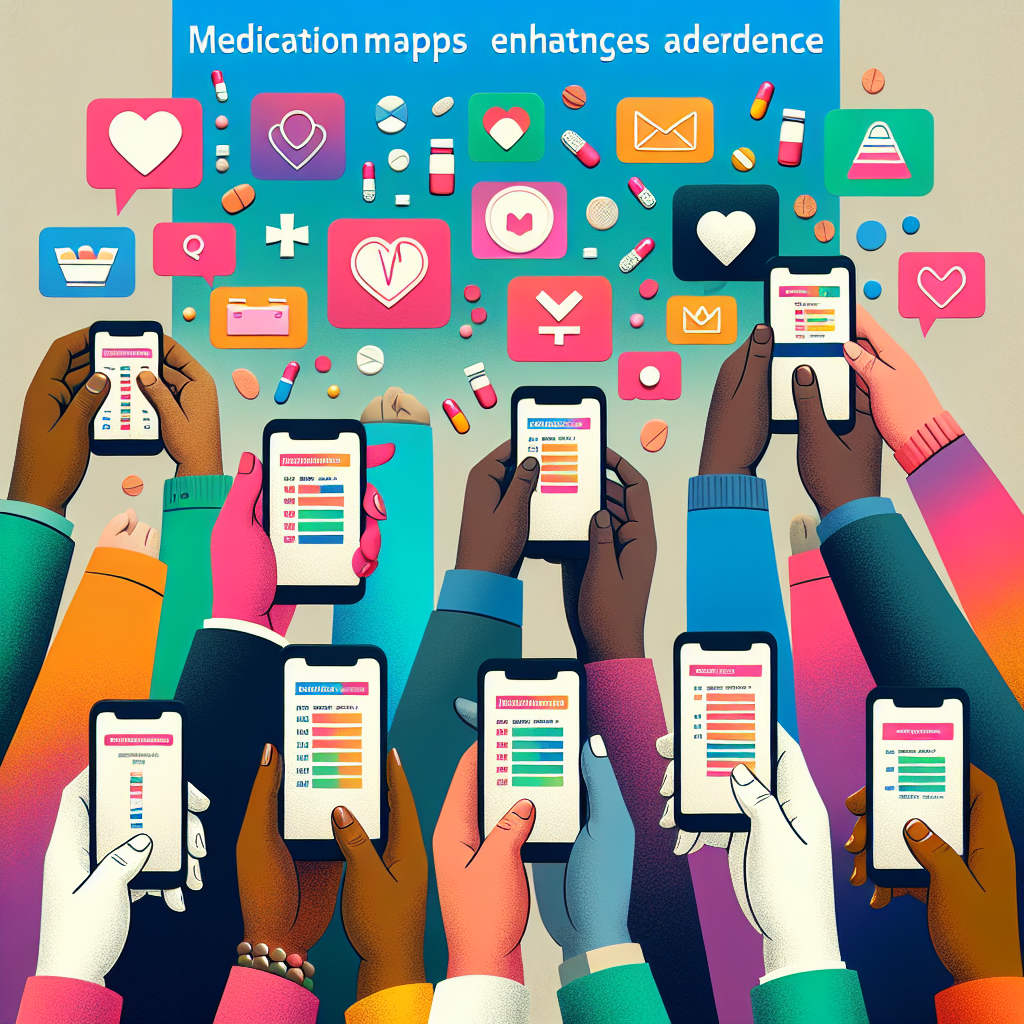
Thankfully, the rise of modern medication management apps provides helpful tools to keep users on track. These apps offer more than just basic reminders—they help monitor missed doses, provide personalized health insights, and improve routine habits. But with so many choices, how do you know which one is worth your time? This guide will help you find the best medication reminder app for your needs, examine the reasons people struggle with adherence, and recommend the top-rated tools backed by data and real-life use.

Why Sticking to Medication Really Matters

Not taking your medication as directed—what professionals call “poor adherence”—can lead to serious health issues. The World Health Organization reports that only half of patients with chronic conditions consistently follow their ongoing treatment plans.

Why this matters:
– Unmanaged health issues can spiral out of control, such as worsening high blood pressure or diabetes.
– Medication nonadherence accounts for about 10% of all hospital admissions in the U.S.
– It costs the healthcare system over $300 billion each year.
– Quality of life drops, and the risk of serious complications rises.

“Nonadherence directly undermines treatment success,” says Dr. Angela Liu, PharmD. “It’s like expecting a plant to thrive without regular water.”

To address this widespread issue, many patients now turn to digital tools such as a mobile app for medication adherence. These apps support users with alerts, health tracking, and educational features that improve consistency.

Common Challenges That Impact Medication Adherence

Medication adherence is a bigger challenge than simply setting a reminder. Understanding the most common obstacles can help you choose an app that solves your specific issues.

Here are some frequent barriers:

– Complex routines: Managing multiple prescriptions at various times can become overwhelming, especially for people with chronic conditions.
Example: A person with diabetes may need to take insulin injections in the morning and evening while also managing three additional medicines during the day.

– Forgetting a dose: With busy lifestyles, taking a pill can simply slip people’s minds.

– Side effects: If a medication leads to side effects like nausea, dizziness, or fatigue, people may stop taking it altogether.

– Financial burden: Nearly 29% of adults skip or delay filling a prescription due to cost, according to a Kaiser Family Foundation report.

– Lack of noticeable results: If someone doesn’t see or feel benefits quickly, they may lose motivation.

– Limited health knowledge: Some patients may not fully understand the purpose of their medication or how to take it properly.

The ideal medication tracker app should address multiple barriers by offering clear reminders, user-friendly design, and educational content that keeps patients informed and engaged.

Features to Look for in a Medication Tracking App

Not every app delivers the same experience. When selecting a smartphone app to manage your medications, look for these key features:

– Custom medication reminders and refill alerts: Get timely prompts not only to take your dose but also to refill prescriptions before they run out.

– Easy-to-use interface: Intuitive design helps users quickly enter and track medications, making it accessible for older adults or people new to tech.

– Built-in medication database: Safely search for and add medications without manually entering long names or doses.

– Medication tracking reports: Create clear logs that can be shared with your doctor or loved ones.

– Drug interaction alerts: Keep yourself safe by checking for interactions between your current medications.

– Educational content: Learn about your prescriptions—what they do, how to take them, and what to expect.

– Secure cloud backup: Sync your data across devices and ensure privacy and accessibility.

Looking for reliable access to medications? Visit edrugstore.com, a licensed online pharmacy providing safe, discreet prescription services delivered to your door.

Top 5 Medication Management Apps Recommended by Experts

Here are the best apps available today for helping users consistently take their medications, backed by real evidence and positive user feedback.

Mango Health

– Best for: Users who enjoy earning rewards and staying motivated.
– Key features: Reward points for taking your meds on time, health facts, and daily tips.
– Evidence: A clinical trial published in 2020 found a 45% drop in missed doses using this app.
– Why it works: “Mango Health makes medication feel rewarding rather than like a chore,” says nurse Sarah Jensen.

MediSafe

– Best for: Families or caregivers coordinating multiple prescriptions.
– Key features: Caregiver alerts, visual pill ID, and refill reminders.
– Results: Studies show MediSafe users have a 30% better adherence rate than those who don’t use any app.
– Example: A post-surgery heart patient used MediSafe to remain consistent with blood pressure and cholesterol medications.

MyTherapy

– Best for: People managing both health conditions and lifestyle.
– Features: Tracks not just medications but also vital stats like blood pressure or glucose, plus doctor visits.
– Data: European users had 20% better adherence and fewer flare-ups, according to a 2020 survey.
– Expert opinion: “MyTherapy turns your phone into a personal health assistant,” says Dr. Lena Hartmann.

CareZone

– Best for: Caregivers managing medications for several family members.
– Features: Scan pill bottles, cloud-based journal, shared accounts for families.
– Insight: CareZone users improved consistency by 25% and rated the app highly for managing group care.
– Example: A busy mom managed prescriptions for elderly parents and a child with ADHD all in one place.

Round Health (for iOS)

– Best for: People who prefer minimalist apps with simple reminders.
– Features: Smart reminder windows, snooze option, and easy scheduling.
– Feedback: Rated highly by college students and working professionals aiming for consistent, low-stress medication routines.

Getting the Most Out of Your Medication App

Downloading the app is just the beginning. To truly benefit, follow these expert tips:

– Select an app that matches your life: If you have diabetes, use one that tracks glucose.

– Schedule reminders realistically: Set alerts that align with your morning or nighttime habits.

– Double-check medication entries: Accuracy matters, especially with dosage.

– Enable clear notifications: Use sound and visual cues to avoid missing doses.

– Involve caregivers or family: Let someone you trust keep an eye on your medication history for added support.

– Review the app regularly: If your doctor adjusts your treatment, update the settings right away.

Final Thoughts: Find the Right App and Stay Consistent

Medication management apps offer more control than ever before. With smart notifications, education, health tracking, and personalized features, they take the stress out of daily regimens. A 2022 study published in the Journal of the American Medical Informatics Association found that users of medication tracking apps were 19% more likely to follow their treatment plans over six months.

While these tools don’t replace your doctor, they truly help make medication routines easier, whether you’re managing a chronic illness, supporting a loved one, or just aiming to stay healthy.

For more reliable prescription options, visit edrugstore.com—your go-to site for safe and confidential online medication services.

References

1. Centers for Disease Control and Prevention (CDC). (2020). Medication Adherence Statistics.
2. World Health Organization. (2003). Adherence to Long-Term Therapies.
3. Viswanathan et al. (2012). Interventions to Improve Adherence to Self-administered Medications. Annals of Internal Medicine.
4. Kaiser Family Foundation. (2021). Prescription Drug Costs and Decision Making.
5. Mango Health Clinical Study. (2020). Behavioral Economics and Medication Adherence.
6. MediSafe Case Study. (2019). Impact on Cardiac Medication Adherence.
7. MyTherapy User Study. (2020). Longitudinal European Assessment.
8. CareZone Caregiver Satisfaction Survey. (2018). Family Medication Management Trends.
9. iOS App Store User Reviews. (2021). Round Health App Feedback.
10. Journal of the American Medical Informatics Association (JAMIA). (2022). Systematic Review of Mobile Health Apps and Adherence.