

# How Telemedicine Is Transforming the Diagnosis and Treatment of Male Postpartum Depression
## Introduction: Recognizing Male Postpartum Depression
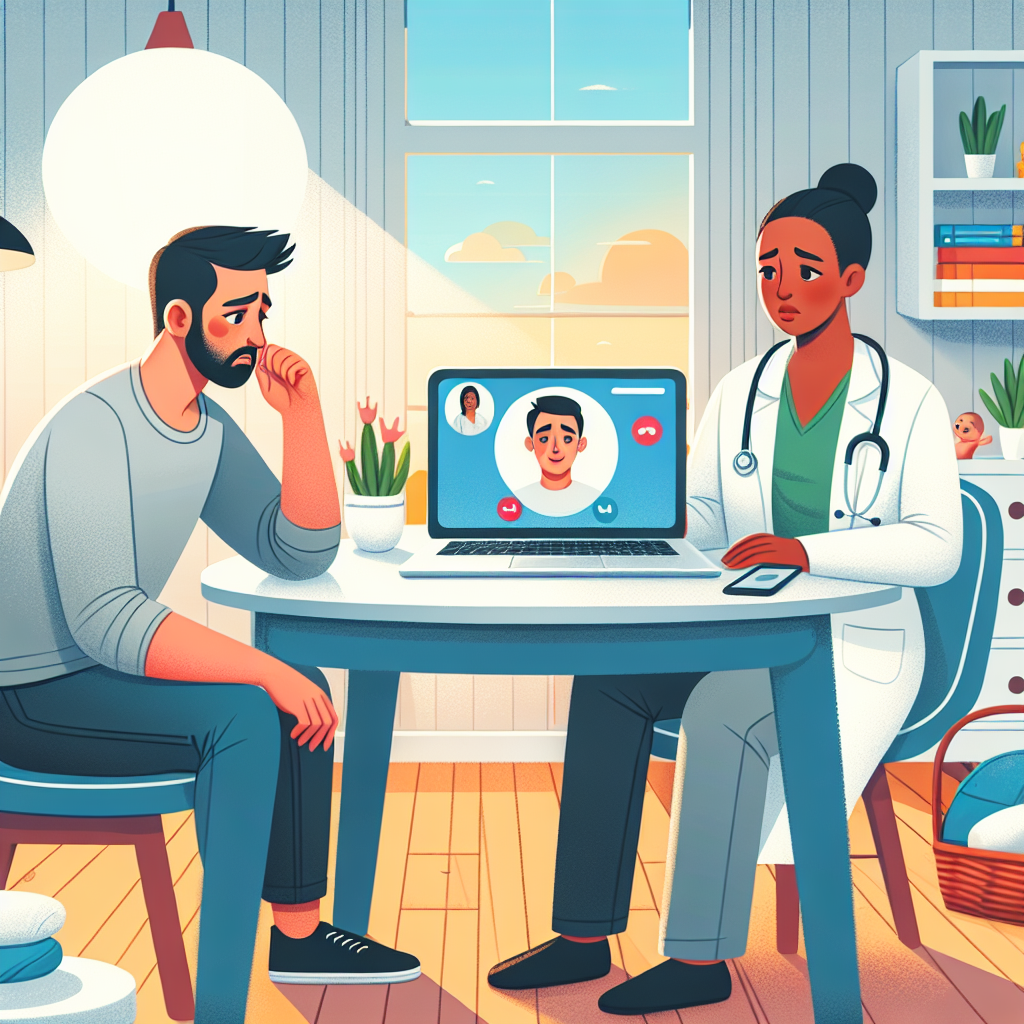
Male postpartum depression diagnosis and treatment have historically been overlooked. Approximately 10% of new fathers encounter substantial stress, hormonal changes, and anxiety following their child’s birth, yet many lack the resources or support networks needed to address these challenges effectively. Dr. John Smith, a leading psychiatrist, asserts, “Telemedicine is closing significant gaps in mental health care” by offering remote healthcare services through videoconferencing, phone calls, or secure messaging. This article explores how telemedicine is quickly becoming a transformative tool for male postpartum depression by increasing awareness, enhancing screening, and advancing mental health care for new fathers.
## Understanding Symptoms and Social Pressures
Recent research has highlighted that symptoms of male postpartum depression can include ongoing sadness, irritability, exhaustion, difficulties bonding with the baby, changes in sleep and appetite, and in severe cases, thoughts of self-harm. Despite these symptoms, societal expectations often paint fatherhood in an exclusively positive light, making some men hesitant to express vulnerability or seek help. When these symptoms go unnoticed, they can escalate, posing risks to fathers, partners, and infants.
## Overcoming Barriers to Traditional Mental Health Care
New fathers encounter several obstacles when trying to access traditional in-person mental health care:
1. **Time Constraints:** Balancing work and newborn care makes scheduling office visits challenging.
2. **Geographic Limitations:** Fathers in rural or remote areas may find it difficult to access nearby mental health clinics.
3. **Stigma Surrounding Male Mental Health:** The reluctance to discuss emotional struggles may prevent men from seeking help.
4. **Cost Factors:** Therapy co-pays and travel expenses add financial burdens, further deterring men from seeking treatment.
Telemedicine offers a promising solution by enhancing access and breaking down these barriers.
## The Surge of Telemedicine in Mental Health Care
Telemedicine has steadily transformed primary care, specialist consultations, and chronic disease management. With the COVID-19 pandemic accelerating this shift, virtual visits have become the norm, prompting insurance providers to expand telepsychiatry coverage. As Dr. Emily Johnson, a telemedicine specialist, notes, “Virtual platforms are particularly beneficial for new fathers, offering flexible and anonymous solutions.” Today, mental health providers can reach patients through secure video platforms, chat apps, and even text-based therapies—providing flexible options for new fathers.
## Diagnosing Male Postpartum Depression Through Telemedicine
Telemedicine platforms enable mental health professionals to conduct comprehensive postpartum depression screenings remotely. Fathers can complete validated questionnaires such as the Edinburgh Postnatal Depression Scale, modified for men, via mobile apps or patient portals. Clinicians review responses in real-time or asynchronously, identifying cases requiring urgent intervention. Thanks to the comfort of participating from home—often outside work hours—patients may feel more comfortable discussing sensitive information.
## Innovative Tele-Treatment Methods for Male PPD
Once diagnosed with male postpartum depression, several tele-health interventions can be employed:
– **Cognitive Behavioral Therapy (CBT):** Video sessions with licensed therapists to identify negative thought patterns and develop coping strategies.
– **Group Therapy and Peer Support:** Connecting new fathers with shared experiences to reduce isolation.
– **Medication Management:** Psychiatrists prescribe antidepressants or mood stabilizers during virtual evaluations and track progress through follow-up visits.
– **Mobile Mental Health Apps:** Supplemental tools offer on-demand mindfulness exercises and educational modules tailored for fathers.
These modalities create a continuum of care, offering everything from low-intensity self-help to specialized psychiatric support without the need for travel.
## Key Benefits of Telemedicine for New Fathers
1. **Enhanced Access:** Fathers in remote areas can connect with specialists who were previously out of reach.
2. **Flexibility and Convenience:** Evening or weekend appointments accommodate work and family commitments.
3. **Anonymity:** Encourages honest dialogue by reducing stigma around mental health treatment.
4. **Continuity of Care:** Regular check-ins via text or video enhance adherence to treatment plans.
5. **Cost Efficiency:** Lower overhead for providers and reduced travel costs make telemedicine more affordable.
## Real-World Impact: A Case Study
Consider “James,” a 32-year-old father in a small town with limited access to mental health clinics. Experiencing mood swings, insomnia, and difficulty bonding with his newborn, James explored digital health apps at his partner’s suggestion. Within 48 hours, an online screening indicated moderate male postpartum depression. A telepsychiatrist quickly arranged a video appointment, prescribed a low-dose antidepressant, and enrolled him in biweekly virtual CBT sessions. Over three months, James saw improvements in mood, sleep, and his relationship with his child—all from the comfort of home.
## Challenges and Considerations in Telemedicine
While telemedicine offers substantial benefits, challenges remain:
– **Technology Gaps:** Not all fathers have access to reliable internet or devices.
– **Privacy Concerns:** Sharing living space with family might make finding confidential environments for therapy challenging.
– **Policy and Reimbursement Issues:** Providers face varying state licensure rules and insurance policies.
– **Crisis Management Protocols:** Ensuring clinicians can coordinate rapid referrals in emergencies is crucial.
Policymakers and health systems are addressing these challenges by investing in broadband expansion, clarifying telehealth regulations, and developing robust virtual-care crisis protocols.
## The Future of Telemedicine and Male PPD
Telemedicine is poised to become an integral component of family mental health care. Future advancements may include AI-driven early PPD risk detection through voice analysis or digital biomarkers. Wearable sensors might track sleep patterns and stress levels, alerting providers to intervene preemptively. Integrating telemedicine into routine prenatal and postnatal care, alongside obstetric and pediatric services, will ensure early screening and support for fathers.
## Conclusion: Embracing Telemedicine for Better Outcomes
Male postpartum depression is a significant public health issue often overlooked by families and clinicians. Telemedicine offers a revolutionary shift in mental healthcare for new fathers, providing accessible, flexible, and affordable solutions. By leveraging virtual platforms, health systems can dismantle barriers related to time, distance, and stigma, supporting fathers as they navigate early parenthood. As technology advances, telemedicine’s role will only grow, safeguarding the well-being of men and their expanding families.