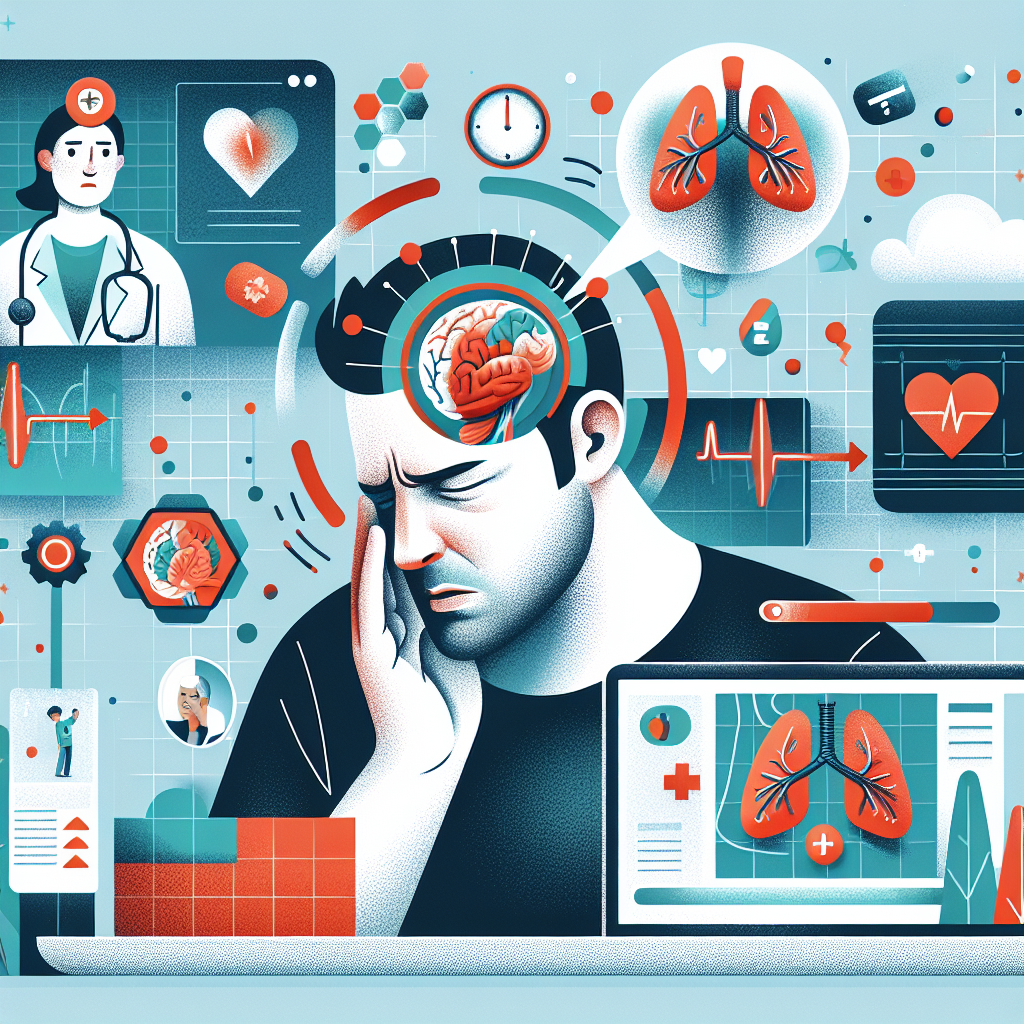
### Unveiling Hormone-Linked Migraines in Men
Migraines are often associated with women; however, hormone-induced migraines in men are more prevalent than commonly believed and frequently go unrecognized. According to a report from the Migraine Research Foundation, although migraines impact 18% of women, they also affect 6% of men. It’s essential to understand that hormonal fluctuations are not confined to menstrual cycles. Hormones like testosterone and cortisol can significantly influence migraine patterns in men, sometimes resulting in symptoms being overlooked or misdiagnosed. This article explores these often-ignored symptoms and highlights how telemedicine can offer customized care tailored to these challenges.
### Beyond Traditional Migraine Symptoms
When thinking of migraines, intense headache pain, nausea, light sensitivity, and visual disturbances typically come to mind. However, hormone-driven migraines in men can present differently. Some episodes might be milder or have no typical headache symptoms. Without a clear “textbook” pattern, these discomforts are often mistaken for stress or tension headaches rather than hormonal imbalances. Dr. John Smith, a neurologist, underscores the importance of recognizing these differences for accurate diagnosis and treatment.
### Hormonal Influences on Male Migraines
Hormones play a critical role in regulating processes like vascular tone and pain sensitivity. As testosterone levels decline with age, changes in brain neurovascular function can increase the risk of hormonal migraines. Cortisol, the stress hormone, can exacerbate headache frequency and intensity if its rhythms are disrupted. Thyroid dysfunction, affecting metabolism and energy levels, may also contribute to migraine development in men.
### Underrecognized Symptoms in Men
Men often exhibit subtle symptoms associated with hormone-related migraines. Some indicators include:
– **Mood Changes and Irritability:** Emotional shifts may signal an onset of a migraine.
– **Neck and Shoulder Stiffness:** Pain originating here can escalate into a full-blown headache.
– **Scalp Tenderness:** Instead of severe throbbing, there may be noticeable tenderness.
– **Cognitive Difficulties:** Brain fog and slow thinking can be misinterpreted as burnout.
– **Sleep Disruptions:** Restlessness or insomnia may precede and follow migraines.
– **Mild Gastrointestinal Issues:** Minor nausea can be the only noticeable symptom.
### Why Men’s Symptoms Remain Overlooked
Cultural stereotypes often discourage men from openly discussing headaches. Traditional migraine screenings predominantly focus on female hormonal triggers, neglecting the male hormonal dynamics. As a result, many men experience misdiagnosis for months or even years. A study in the Journal of Headache and Pain highlights that misdiagnosis is a common issue among men with migraines.
### Telemedicine: Revolutionizing Migraine Care
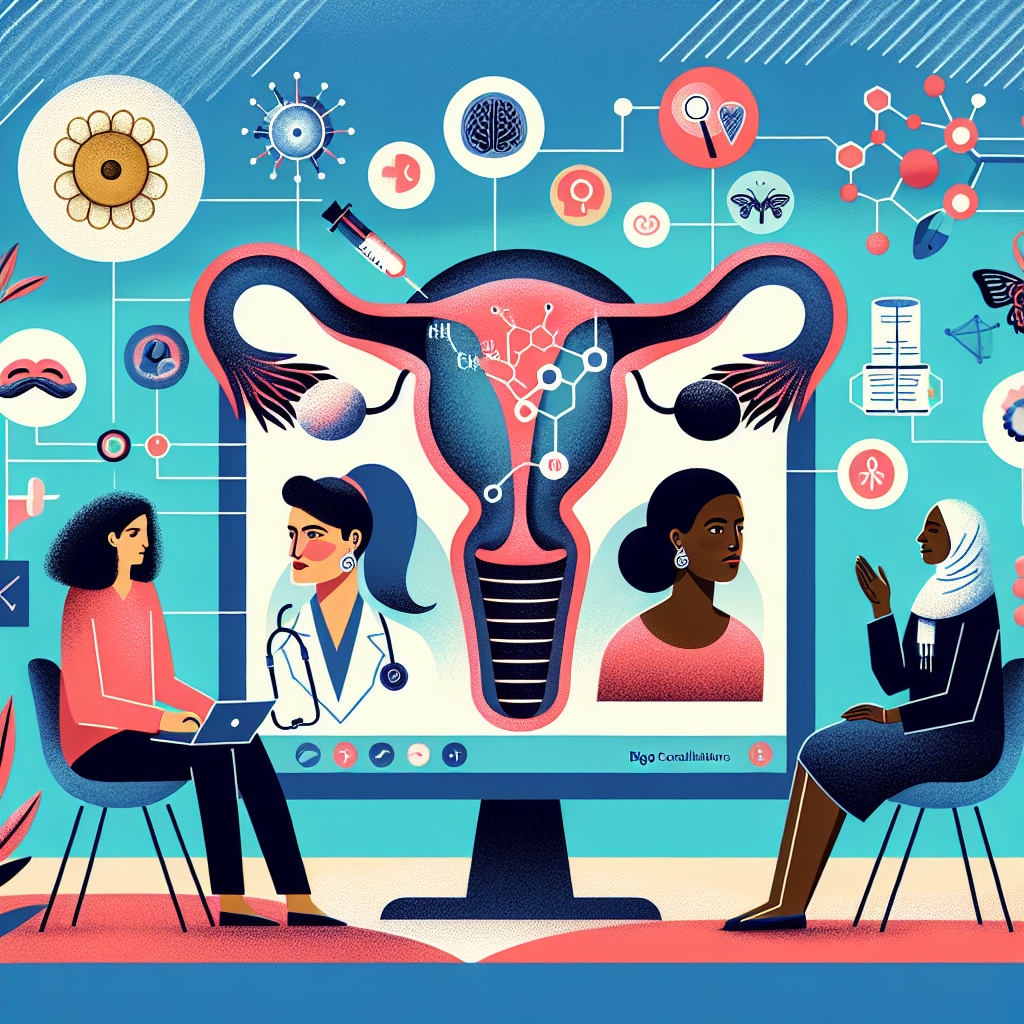
The advent of telemedicine for chronic migraines has revolutionized healthcare access. Virtual consultations remove geographical barriers and reduce wait times, allowing men to discuss sensitive topics like hormonal health from the privacy of their homes. These appointments integrate detailed symptom histories and electronic health records for comprehensive evaluations, including hormonal and lifestyle assessments.
### Tailored Telemedicine Approaches to Hormone-Linked Migraines
1. **Comprehensive Assessment and Symptom Tracking**
Telehealth questionnaires extend beyond traditional headache diaries, using digital tools to track mood, sleep, and dietary habits. This holistic approach offers a clearer understanding of potential hormonal influences.
2. **Hormone Panel Testing**
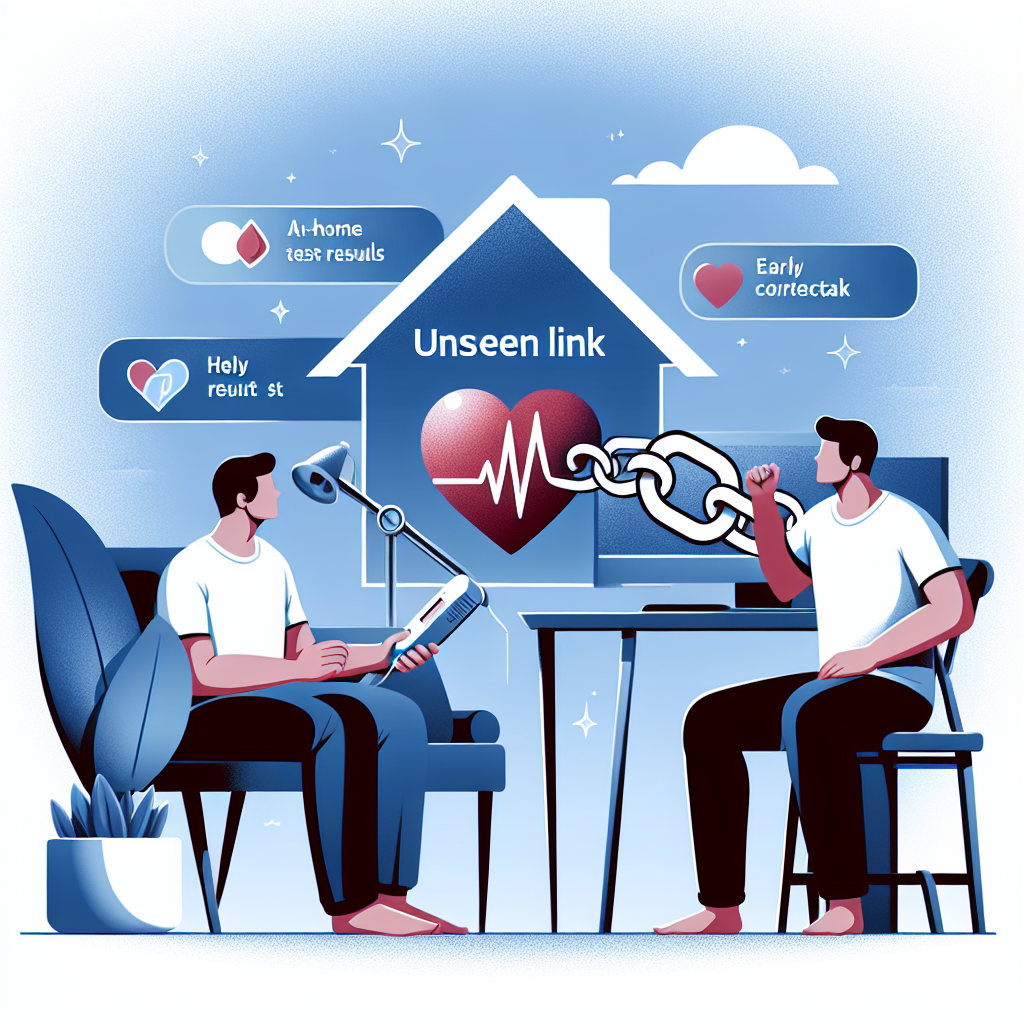
Hormone testing, such as for testosterone and cortisol levels, is facilitated through telemedicine and often available via at-home lab services. These customized tests can elucidate hormonal impacts on migraines.
3. **Personalized Lifestyle Interventions**
With hormone data, clinicians recommend lifestyle adjustments, such as specialized sleep plans and stress-reduction techniques, to balance hormones. Biofeedback techniques for stress management have shown promising results.
4. **Medication Management**
Telemedicine providers can prescribe and monitor necessary preventive medications, adjusting treatments based on changing hormone levels or symptoms.
5. **Coordinated Care**
Telemedicine platforms enable collaboration between endocrinologists, neurologists, and mental health professionals. This multidisciplinary approach ensures comprehensive care for hormone-related migraines.
### Seeking Appropriate Care
If you’re a man experiencing recurrent headaches along with mood swings or other unusual symptoms, it’s important not to ignore them. Schedule a telemedicine visit with a provider specializing in headaches and hormonal health. Be prepared by:
– Keeping a digital diary of symptoms for at least two weeks.
– Noting lifestyle stressors, sleep habits, and potential dietary triggers.
– Inquiring about specific hormone tests and available at-home lab kits.
– Asking about behavioral therapies designed for men.
### Conclusion: Embrace Telemedicine for Better Migraine Management
Hormone-linked migraines in men are an often unacknowledged reality. By recognizing a wide range of symptoms, from brain fog to mood shifts, earlier diagnosis and effective treatment become possible. Telemedicine services, including hormonal assessments and lifestyle coaching, provide a unique and personalized approach to care. If hormonal changes are suspected contributors to your migraines, don’t delay—utilize telemedicine to gain insights, address root causes, and reclaim your quality of life.