

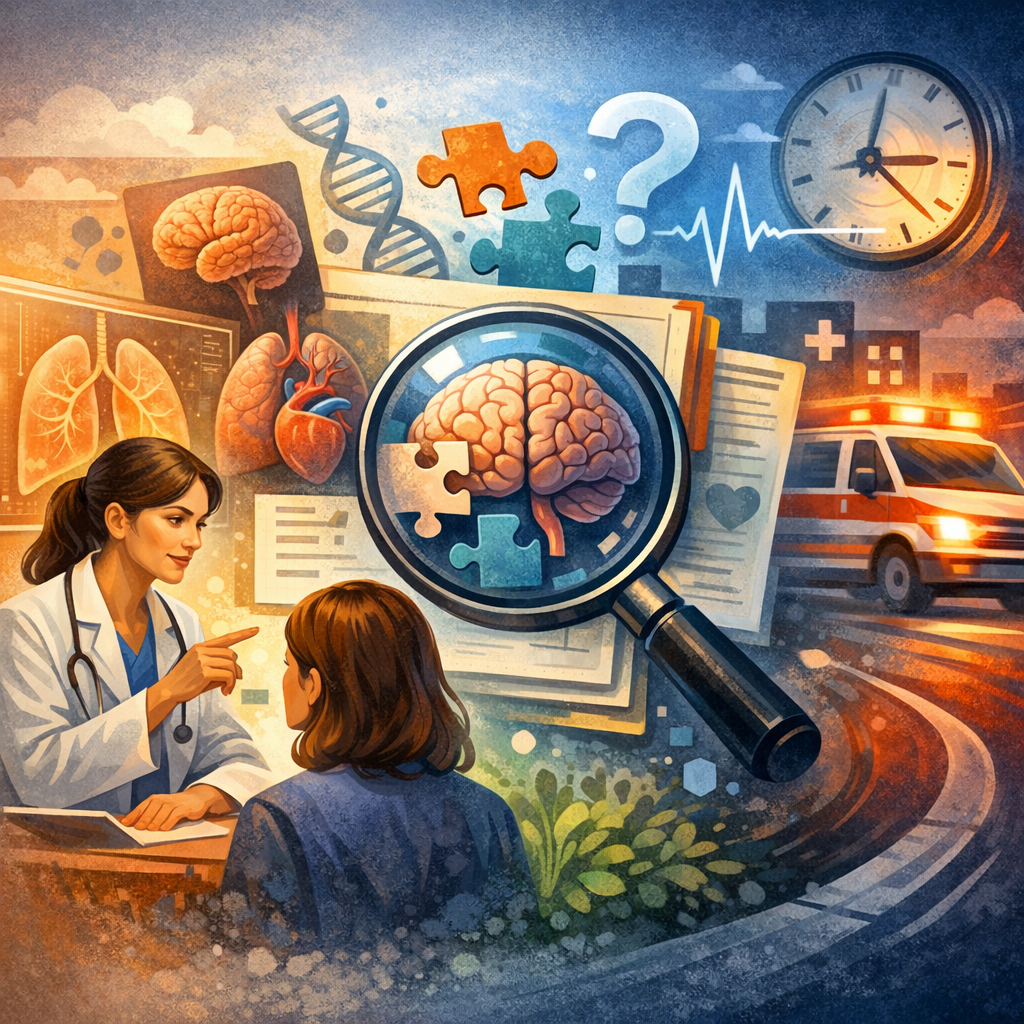
### The Importance of Accurate Diagnosis in Healthcare
In today’s fast-paced healthcare environment, it’s a common misconception that the quickest route to treatment is the most effective. Many patients aim for rapid interventions and expedited appointments, hoping to address concerns swiftly. While timely care is essential, the accuracy and clarity of a diagnosis play a more critical role in ensuring long-term health outcomes. According to a study by the National Academy of Medicine, diagnostic errors contribute to about 10% of patient deaths. Understanding your condition empowers you to make informed decisions, engage actively in treatment plans, and avoid unnecessary procedures. As Dr. Lisa Sanders, a diagnostic expert, states, “A correct diagnosis is essential to the right therapy.”
### The Risks of Rushed Diagnoses
Hasty diagnoses can lead to a cascade of issues, including the potential for misdiagnosis and delayed recovery. For instance, assuming all chest pain is cardiac-related may overlook conditions like gastroesophageal reflux disease (GERD). A premature diagnosis can result in ineffective or harmful treatment plans, with data suggesting that 12 million U.S. adults experience diagnostic errors annually. Correcting these mistakes often consumes more time and resources than conducting a thorough initial evaluation.
Additionally, focusing solely on obvious symptoms might lead to overlooking underlying health issues. Treating persistent headaches as mere migraines, for instance, could mask conditions such as hypertension. Missing these underlying issues can result in neglected comorbidities that require simultaneous treatment.
Moreover, the financial and emotional costs of hasty medical decisions can be significant. Unnecessary tests and treatments add to healthcare costs, with the average waste in U.S. healthcare estimated at over $200 billion annually. Emotional stress often escalates as patients cope with confusing or conflicting medical information, underscoring the necessity of a comprehensive diagnosis.
### Empowerment Through Knowledge
Understanding your diagnosis enables you to engage in informed consent and shared decision-making. This means you can ask precise questions about treatment risks, benefits, and alternatives. Dr. Atul Gawande highlights that “Medicine is fundamentally about human interaction and communication,” emphasizing the value of understanding your condition and fostering a collaborative relationship with healthcare providers.
Knowledgeable patients also actively participate in their care. For instance, comprehension of each treatment step can improve adherence to medication schedules, lifestyle recommendations, and follow-up appointments. A study by Osterberg and Blaschke showed that medication adherence rates improve when patients understand their treatment plans.
Furthermore, being informed about your body’s condition can reduce anxiety. A well-communicated diagnosis builds trust in healthcare providers, alleviating fears of the unknown, and enhancing overall well-being.
### Crafting Effective Treatment Plans
A precise diagnosis allows healthcare providers to tailor therapies to individual needs. Whether adjusting medication doses or implementing dietary changes, customized treatments consider individual differences in age, lifestyle, and comorbidities, aligning with findings that personalized medicine often results in more favorable outcomes.
To avoid over- or under-treatment, understanding diagnostic criteria is crucial. Patients who comprehend their condition are less likely to undergo unnecessary surgeries or rely on invasive tests, preventing unnecessary interventions while ensuring crucial symptoms are addressed.
Once treatment is underway, awareness of what is being addressed enables accurate monitoring of progress. This feedback loop promotes necessary adjustments in therapies, enhancing recovery prospects and health maintenance.
### Emotional and Psychological Benefits
Knowing your diagnosis can significantly reduce health-related stress. Ambiguity often leads to catastrophic thinking, but understanding your condition aids in maintaining realistic expectations and fostering emotional resilience.
Clear diagnosis also simplifies communication with your support system, including family, friends, and caregivers, facilitating targeted assistance. This clarity enables loved ones to offer practical support and emotional backing.
Finally, understanding your diagnosis opens doors to specific support groups and counseling services. These networks offer coping strategies and community insights, accelerating emotional and psychological healing.
### Navigating the Healthcare System
Advocating for comprehensive evaluations is fundamental when navigating the healthcare system. Don’t hesitate to ask about test results or alternative diagnoses, and insist on clear explanations of medical jargon. Understanding these can prevent miscommunication and enhance care quality.
Utilizing patient portals to review your medical information ensures you’re informed and able to spot inconsistencies. Having records accessible allows proactive follow-up rather than passive dependence on healthcare providers.
Seeking specialists when necessary is another critical step. A thorough workup might lead you to a neurologist for complex headaches or a rheumatologist for autoimmune concerns, effectively targeting treatment and streamlining the path to recovery.
### Conclusion: Knowledge as a Powerful Tool
In the quest for optimal health, speed should never come at the expense of understanding. Emphasizing the importance of a thorough, accurate diagnosis is crucial as it lays the foundation for effective treatment, emotional well-being, and long-term success. By taking the time to understand every aspect of your condition, you become an empowered partner in your own care, leading to better medical outcomes, greater peace of mind, more efficient use of healthcare resources, and a stronger support network. Remember, in healthcare as in life, knowledge is power—and ultimately, it’s healing.
### References
– National Academy of Medicine. (2015). Improving Diagnosis in Health Care.
– Berwick, D. M., & Hackbarth, A. D. (2012). Eliminating Waste in US Health Care. JAMA.
– Gawande, A. (2014). Being Mortal: Medicine and What Matters in the End.
– Osterberg, L., & Blaschke, T. (2005). Adherence to Medication. The New England Journal of Medicine.
– Sanders, L. (2020). Every Patient Tells a Story: Medical Mysteries and the Art of Diagnosis.
– Schleidgen, S. et al. (2013). The application of personalized medicine requires a balanced approach. EMBO Reports.
– Singh, H. (2014). Diagnostic Errors: Impact on Health Outcomes. BMJ Quality & Safety.