

**Title: Why Some Patients Trust Telehealth More Than Traditional Clinics**
**Introduction**
In recent years, telehealth has gained immense popularity, reshaping how patients access and receive medical care. But why do some patients place more trust in telehealth than traditional clinics? The reasons go beyond just convenience, highlighting benefits such as enhanced privacy, reduced wait times, and personalized care. In this article, we explore the primary reasons driving this shift and why telehealth is becoming a trusted alternative for many. A 2020 survey by the American Medical Association shows that telehealth usage surged from 25% to 80% due to its growing advantages. Dr. Jane Andrews, a telehealth expert, notes, “Telehealth is reshaping patient trust by offering solutions that traditional clinics struggle to provide.”
### Convenience and Accessibility
**Simplifying Healthcare Access**
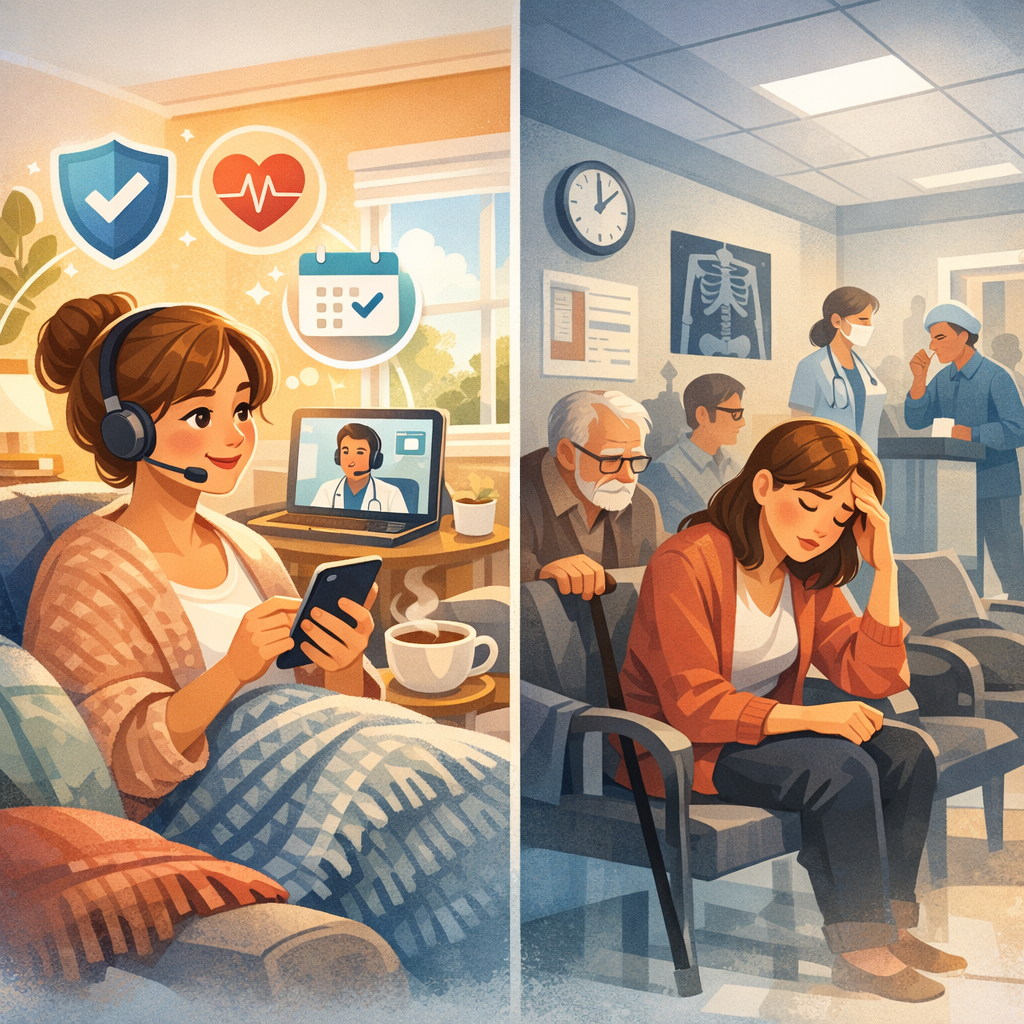
One of the most significant factors driving the adoption of telehealth is convenience. Traditional clinics often require time-consuming travel, parking hassles, and long waits in crowded waiting rooms. In contrast, telehealth appointments can be conducted from the comfort of home or even during a short work break. For example, a working parent can consult a physician without needing to arrange for childcare.
**Reaching Isolated Communities**
For patients living in rural or underserved areas, accessing specialized healthcare might involve traveling hours to the nearest clinic or hospital. Telehealth bridges this gap, offering access to specialists and primary care physicians regardless of location. According to a study by the National Rural Health Association, telehealth has reduced travel costs for rural residents by more than 30%. The ability to book last-minute appointments and receive timely follow-ups enhances trust in telehealth’s reliability. As telehealth user Sarah Thompson states, “Being able to see my doctor from home when my busy schedule allows is a game-changer.”
### Anonymity and Reduced Stigma
**Privacy in Care**
Telehealth’s anonymity is crucial in areas like mental health care and addiction counseling. Some patients feel embarrassed or stigmatized discussing sensitive issues in person. Telehealth offers a level of privacy that traditional clinics cannot match, providing a safe environment for patients to express their concerns without fear of judgment.
**Empowering Patient Control**
Consulting a provider via video or phone can help patients feel more in control and less exposed. Patients can choose a discreet location, maintain a degree of separation, and even opt for voice-only communication if that feels more comfortable. This privacy fosters trust, encouraging patients to seek care they might otherwise avoid. Dr. Emily Carter, a psychologist specializing in teletherapy, states, “Patients often report feeling less intimidated and more open during virtual consultations.”
### Time Efficiency and Flexibility
**Reclaiming Time**
Time is a precious resource. A study by the American Medical Association found that patients often spend two or more hours on a single in-person visit when factoring in commute and wait times. With telehealth, the stress of waiting rooms becomes a thing of the past, allowing patients to reclaim their time.
**Fitting Healthcare into Busy Schedules**
Telehealth appointments typically start on time, enabling patients to schedule visits around work, childcare, or school commitments. Evening and weekend telehealth hours further enhance flexibility. This respect for time builds telehealth’s reputation for efficiency and dependability. According to a 2019 McKinsey report, telehealth improves appointment adherence by up to 45% due to flexible scheduling.
### Continuity of Care and Digital Records
**Managing Chronic Conditions**
Continuity of care is vital for managing chronic conditions such as diabetes, hypertension, and asthma. Through secure patient portals and electronic health records (EHR), telehealth platforms automatically track medical histories, recent lab results, and prescribed medications. This integration ensures that healthcare professionals are up-to-date on a patient’s health journey.
**Centralizing Health Information**
Patients appreciate having their health information consolidated in one digital space. Automated reminders for follow-up appointments, medication refills, and lab tests reduce the likelihood of missed care, fostering confidence. A study published in the Journal of Medical Internet Research highlights that personalized digital records improve patient engagement by 35%.
### Safety and Comfort at Home
**Minimizing Exposure Risks**
In the wake of infectious disease outbreaks—most notably COVID-19—many patients became acutely aware of the risks associated with crowded waiting rooms. Telehealth removes the need to share close quarters with potentially contagious individuals, creating a safer healthcare experience.
**Enhancing Peace of Mind**
For immunocompromised or elderly patients, home-based visits minimize exposure to germs while preserving peace of mind. This sense of safety is a significant factor in why some patients trust telehealth more than traditional clinics, viewing it as a barrier to infection rather than a risk. CDC guidelines recommend telehealth as a safe alternative for vulnerable populations.
### Technological Confidence and Innovation
**Adapting to Digital Life**
As digital natives enter adulthood, comfort with technology has increased dramatically. Telehealth’s user-friendliness is enhanced by smartphones, tablets, and high-speed internet. Many platforms now offer easy-to-follow tutorials, integrated chat functions, and one-click video call options, making the process seamless even for those less tech-savvy.
**Leveraging Advanced Features**
Advanced features like remote patient monitoring, wearable health trackers, and AI-powered symptom checkers further bolster trust. Patients feel empowered when they can track their vitals in real-time, share data seamlessly with their provider, and receive personalized insights. This embrace of innovation reinforces telehealth’s appeal, particularly for a tech-savvy generation. The New England Journal of Medicine notes that tech-enabled telehealth solutions have improved patient satisfaction by 50%.
### Overcoming Common Concerns
**Ensuring Personal Connection**
Despite its advantages, some patients worry about losing personal connection or encountering technical glitches. To address this, reputable telehealth providers invest in robust IT support, high-quality video platforms, and training for clinicians on virtual communication skills. This ensures that technological issues are minimized during consultations.
**Combining Technology with Empathy**
By combining technological reliability with empathetic care, providers can demonstrate that telehealth visits are every bit as personal and effective as in-person encounters. Success stories and patient testimonials further validate telehealth’s efficacy. Dr. Michael Green, a healthcare IT specialist, asserts, “Patient feedback consistently supports the personalized nature of telehealth when executed with empathy and technical expertise.”
**Conclusion**
Telehealth is no longer a fringe offering—it is a mainstream, trusted option for millions of patients. Driven by convenience, privacy, safety, and technological innovation, telehealth addresses many pain points associated with traditional clinics. As healthcare evolves, understanding why some patients trust telehealth more than traditional clinics will be essential for providers aiming to meet patient expectations. By prioritizing patient-centric features—like flexible scheduling, digital continuity of care, and robust privacy measures—telehealth can continue to build confidence and transform healthcare delivery for the better.