

**Revolutionizing Patient Care Across Borders: Telehealth’s Transformative Role**
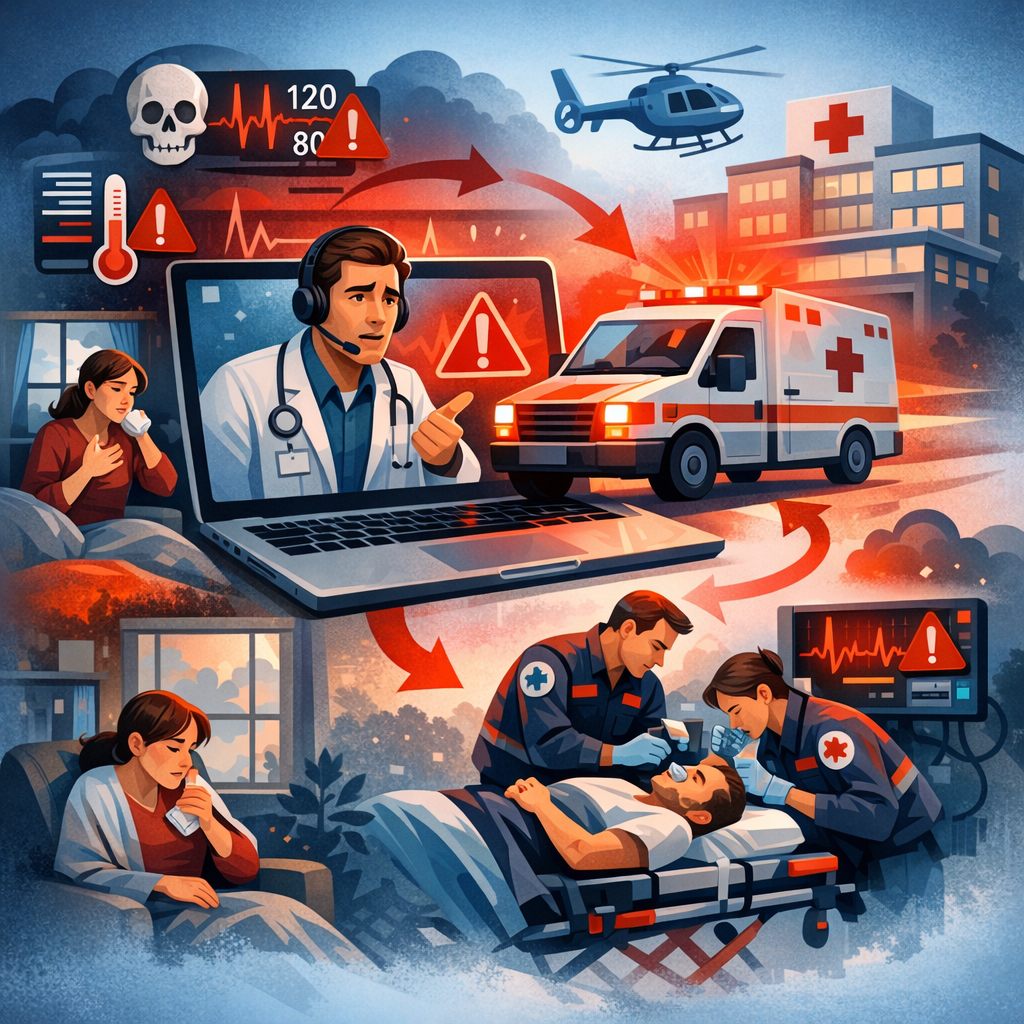
Telehealth has fundamentally changed how patients access healthcare, providing unmatched convenience and continuity of care across geographic boundaries. This allows a patient in rural Montana to consult a specialist in New York City easily. However, virtual visits have inherent limitations. “While telehealth offers significant opportunities to expand access, it’s crucial for both clinicians and patients to recognize when in-person evaluation becomes necessary,” advises Dr. Emily Smith, a leading expert in digital health. In this article, we will explore critical red flags in telehealth encounters, explain when it becomes necessary to escalate care, and share best practices to ensure a safe transition for the patient.
### Telehealth’s Rapid Growth
The onset of the COVID-19 pandemic massively accelerated the adoption of telehealth, making tools like video visits, remote monitoring, and asynchronous messaging the new norm. Today, telehealth services span a range of areas including primary care, mental health, specialty consultations, and even urgent care. The benefits of telehealth are profound, enabling patients to enjoy reduced travel time and quicker access to care, while providers benefit from increased scheduling flexibility and additional revenue streams. A survey revealed that telehealth usage surged by 154% in March 2020 compared to the previous year according to the CDC. However, there are certain conditions that telehealth cannot adequately address.
### The Benefits of Telehealth
– **Increased Accessibility:** Patients in rural or underserved areas can connect with specialists, significantly improving health outcomes.
– **Enhanced Convenience:** Virtual visits eliminate the need for commuting, arranging childcare, and enduring long waiting times.
– **Cost-Effectiveness:** Clinics benefit from reduced overhead expenses, and patients often face lower co-pays.
– **Continued Disease Management:** Chronic diseases can be managed and medications adjusted without necessitating office visits.
### Recognizing the Limitations of Telehealth
Despite the advantages telehealth offers, there are distinct challenges:
– **Physical Exam Barriers:** Hands-on assessments are necessary for evaluating conditions related to the abdomen, chest, or orthopedic concerns.
– **Technology Gaps:** Some patients experience unreliable internet connections or lack essential health devices, such as accurate home scales.
– **Delayed Diagnostics:** Detecting subtle signs like murmurs, rashes, or joint warmth remains difficult via video.
– **Emergency Scenarios:** Immediate in-person care is crucial for situations like urgent chest pain or acute trauma.
### Critical Red Flags to Watch For
Even experienced professionals in virtual care must remain watchful for situations when virtual care becomes unsafe or insufficient:
1. **Vital Sign Abnormalities**
– Sudden changes like high blood pressure (over 180/120 mmHg) or significant drops (below 90/60 mmHg) require immediate attention.
– It’s important to ensure the reliability of devices to avoid errors and advise visiting a clinic or emergency department if in doubt.
2. **Severe or Uncontrolled Pain**
– Descriptions of severe pain, especially in the chest or abdomen, can indicate conditions like heart attacks.
– Persistent pain unresponsive to initial treatments necessitates prompt escalation for proper assessment.
3. **Neurological Red Flags**
– Sudden weakness or paralysis, particularly on one side, may suggest a stroke where every moment counts.
– Immediate intervention is crucial as highlighted by Dr. Mark Chen: “Time lost is brain lost.”
4. **Mental Health Emergencies**
– Intentions for self-harm or hallucinations require activating crisis resources immediately.
– If danger is imminent, contact local emergency services without delay.
5. **Signs of Serious Infection**
– High fever over 102°F accompanied by neck stiffness or severe headache can suggest meningitis, requiring urgent medical evaluation.
6. **Uncontrolled Chronic Conditions**
– Conditions like diabetic ketoacidosis, marked by excessive thirst and fruity breath, or hypertensive crises with severe headaches demand swift medical attention.
### Best Practices for Escalation
1. **Thorough Documentation**
– Keep detailed records of all reported symptoms and vital signs, justifying the need for escalation.
2. **Clear Communication**
– Clearly explain why an in-person visit is necessary, using straightforward language.
3. **Coordinate Referrals**
– Proactively arrange appointments or follow-up calls to ensure consistent care.
4. **Routine Follow-Up**
– Confirm that the patient received appropriate care and understands the follow-up plan.
### Communicating Next Steps
Ensuring clarity and empathy in communication is vital. Provide specific instructions such as: “Given your blood pressure readings and current symptoms, it’s important to visit the nearest emergency department or call 911 if you feel any worse.” Offer contact details for urgent care locations or mental health hotlines to ensure patients have all necessary resources.
### Conclusion
Telehealth has expanded access to essential medical care, yet it cannot completely replace the depth of a physical evaluation in certain scenarios. Recognizing critical red flags—like vital sign deviations and severe pain—is crucial for patient safety. By establishing clear escalation protocols, documenting actions carefully, and communicating with compassion, telehealth providers can ensure patients receive timely, appropriate care wherever they are.