

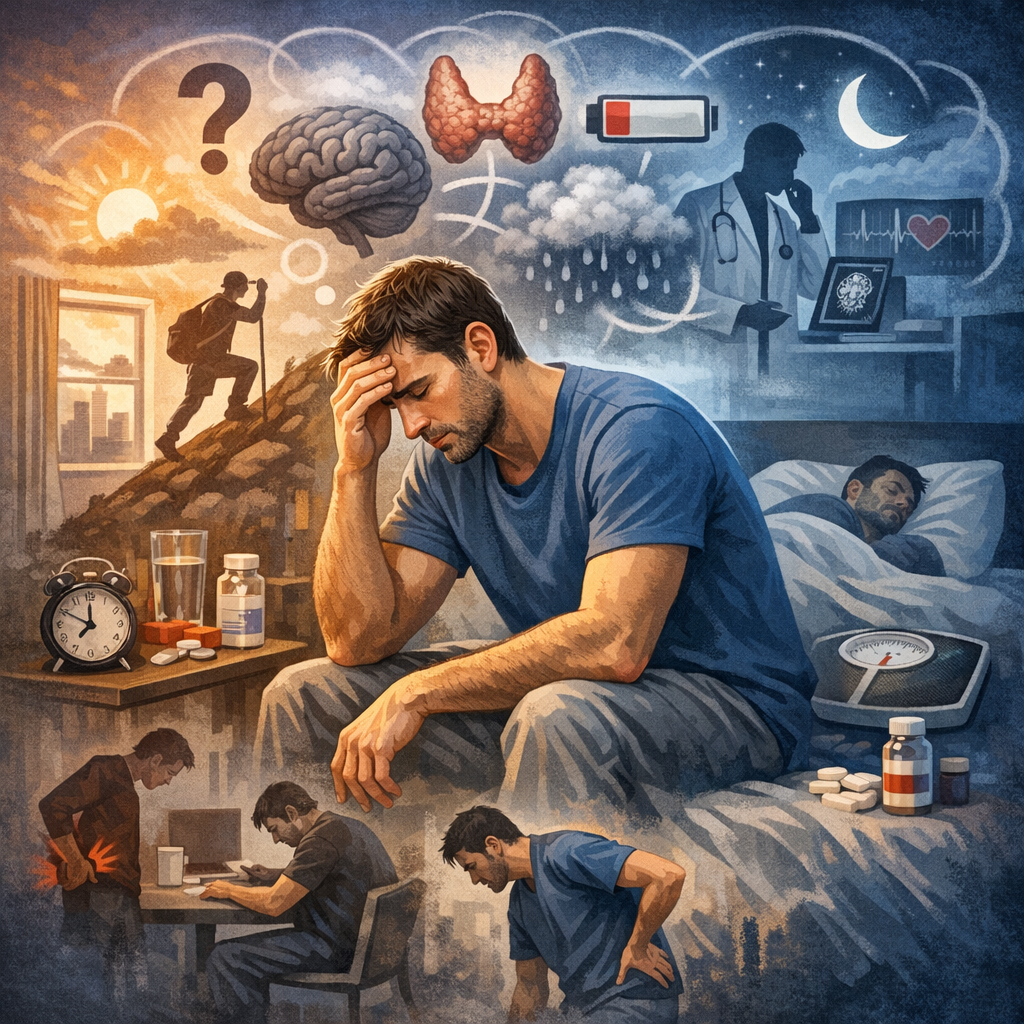
### Understanding Unexplained Fatigue in Men: When It’s More Than Just Stress
#### Introduction
Fatigue is a widespread issue among men of all ages, often brushed aside as stress. However, when this persistent tiredness sticks around despite good sleep hygiene and a balanced diet with regular exercise, it may point to a deeper health problem. Unexplained fatigue can impact energy levels, mood, and overall quality of life. Identifying when fatigue surpasses mere stress is crucial in finding solutions and enhancing long-term health. In this article, we will explore common and hidden causes of fatigue, highlight warning signs that require medical attention, and provide guidance on diagnosis and management.
#### Common Causes of Fatigue in Men
**1. Psychological Stress and Anxiety**
Chronic pressure from work or personal issues can lead to mental exhaustion. Stress hormones like cortisol remain elevated, disrupting sleep and energy cycles. Dr. John Smith from the National Institute of Mental Health confirms, “Chronic anxiety can severely impact one’s energy and mood.”
**2. Poor Sleep Hygiene**
Irregular bedtime routines, excessive screen time, and a noisy environment can undermine restorative sleep. Viewing screens before bed often reduces melatonin production, resulting in poor sleep quality.
**3. Sedentary Lifestyle**
A lack of physical activity can weaken muscles, reduce cardiovascular efficiency, and increase feelings of lethargy. Interestingly, the CDC reports that moderate exercise boosts energy by enhancing oxygen circulation and releasing endorphins.
**4. Nutritional Deficiencies**
Deficiencies in iron, vitamin B12, vitamin D, and magnesium can lead to fatigue. Nutritionist Jane Doe advises, “Focusing on a balanced diet is essential for maintaining optimal energy levels.”
Let’s transition to exploring when fatigue could indicate a more serious issue.
#### When Fatigue Signals a Deeper Issue
If unexplained fatigue persists for more than two weeks despite lifestyle changes, it’s wise to consider medical causes:
**A. Sleep-Related Disorders**
– **Sleep Apnea:** Characterized by repeated interruptions in breathing, causing poor sleep quality and daytime drowsiness.
– **Restless Legs Syndrome:** An uncontrollable urge to move the legs, disrupting sleep.
**B. Endocrine and Metabolic Conditions**
– **Hypothyroidism:** An underactive thyroid gland slows metabolism, often leading to weight gain and fatigue.
– **Diabetes:** Fluctuating blood sugar levels can cause energy crashes and excessive tiredness.
**C. Cardiovascular Health**
– **Heart Disease:** Reduced heart function lowers blood flow to muscles and organs, causing weakness and fatigue with minimal exertion.
– **Anemia:** A deficiency in healthy red blood cells impairs oxygen delivery, leading to breathlessness and exhaustion.
**D. Mental Health Disorders**
– **Depression**: Beyond sadness, it often presents as chronic fatigue, low motivation, and sleep disturbances.
– **Anxiety Disorders:** Persistent worry can be mentally exhausting, interfering with sleep, and causing daytime fatigue.
**E. Chronic Infections and Autoimmune Diseases**
Conditions like mononucleosis or chronic fatigue syndrome cause long-lasting tiredness. Autoimmune disorders (e.g., rheumatoid arthritis, lupus) involve system-wide inflammation that drains energy.
Understanding these deeper issues highlights the importance of recognizing symptoms and seeking help.
#### Lifestyle Factors Beyond Stress
Even if stress isn’t the main cause, certain habits might worsen fatigue:
**1. Diet and Hydration**
A diet high in processed foods, simple sugars, and saturated fats can trigger energy crashes. Additionally, dehydration— even mild levels—impairs cognitive and physical performance, adding to tiredness.
**2. Alcohol and Substance Use**
Alcohol disrupts sleep architecture, leading to non-restorative rest. While things like caffeine might temporarily mask fatigue, they often worsen sleep quality.
**3. Overtraining in Exercise**
Intense workouts without adequate recovery can lead to chronic fatigue, muscle soreness, and reduced immunity. Experts recommend a balanced routine with rest days to maintain energy levels.
#### Recognizing Warning Signs
A professional evaluation is warranted if you notice:
– Fatigue lasting more than two weeks despite rest and healthy habits.
– Unintentional weight changes.
– Persistent shortness of breath, chest pain, or palpitations.
– New or worsening aches, joint pain, or muscle weakness.
– Memory problems, difficulty concentrating, or mood swings.
– Changes in appetite, sleep patterns, or gastrointestinal function.
If these accompany your fatigue, consulting a healthcare provider promptly is essential.
#### Diagnosis and Tests
A comprehensive medical assessment typically involves:
**1. Detailed Medical History and Physical Exam**
A review of lifestyle factors, sleep habits, family health history, and stressors, followed by a physical examination to check vital signs, heart and lung function, and signs of potential nutrient deficiencies.
**2. Laboratory Tests**
– A Complete Blood Count (CBC) screens for anemia or infection.
– Thyroid Function Tests (TSH, T3, T4) rule out hypothyroidism.
– A metabolic panel assesses liver and kidney function, blood glucose, and electrolytes.
**3. Sleep Studies and Specialized Exams**
Polysomnography is used for suspected sleep apnea or other sleep disorders. If heart disease is a concern, an Electrocardiogram (ECG) or stress test may be warranted.
Moving from diagnosis, we explore the treatment and management options.
#### Treatment and Management
**1. Address Underlying Conditions**
– Medication or hormone replacement therapy for thyroid disorders.
– Iron supplements or dietary adjustments for anemia.
– CPAP therapy for sleep apnea to improve breathing and energy levels.
**2. Lifestyle Modifications**
– Establishing a consistent sleep schedule, optimizing the bedroom environment, and limiting screen time before bed.
– Incorporating at least 150 minutes of moderate exercise per week, including cardio and strength training.
**3. Stress Management and Mental Health Care**
Techniques like mindfulness meditation, yoga, or deep-breathing exercises can lower stress hormones. Cognitive Behavioral Therapy (CBT) and counseling help tackle anxiety or depression, contributing to fatigue.
**4. Support and Accountability**
Enlist friends, family, or support groups to maintain healthy habits. Regular follow-up with healthcare providers to monitor progress and tailor treatment.
#### Conclusion
Unexplained fatigue in men isn’t just an inconvenience; it might be a warning sign for significant health issues that need attention. Even as stress and lifestyle factors often contribute, persistent tiredness should prompt a comprehensive evaluation. By recognizing signs, seeking a proper diagnosis, and adopting targeted treatments, you can regain your energy, improve well-being, and avoid long-term complications. If you or someone you know struggles with unexplained fatigue, don’t hesitate to seek professional guidance—it could be the first step toward renewed vitality.
—
For more information on how to address fatigue-related issues, please visit [edrugstore.com](https://www.edrugstore.com).