

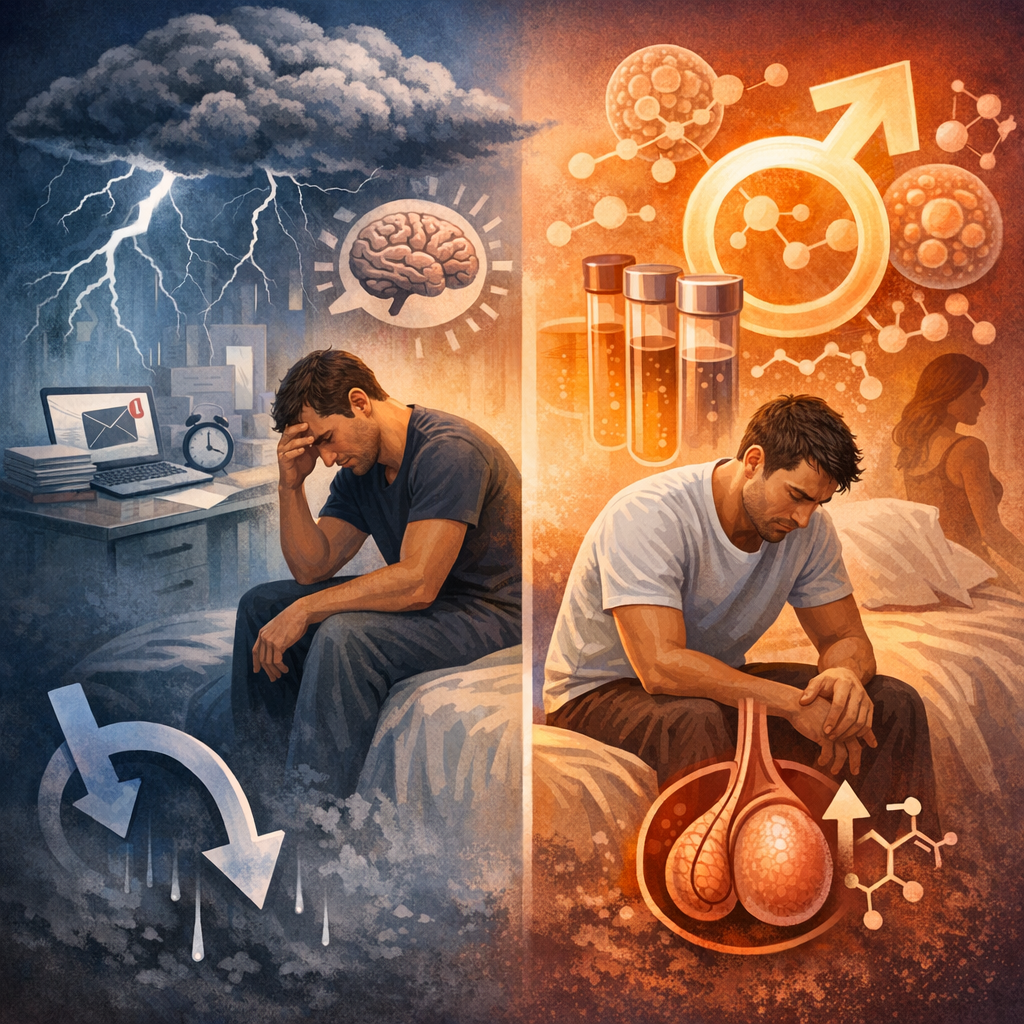
## Understanding the Subtle Differences Between Stress-Induced and Hormonal Erectile Dysfunction in Men’s Health
### Introduction
Erectile dysfunction (ED) affects millions of men worldwide, impacting their self-esteem and intimate relationships. Although the primary issue—the difficulty in achieving or maintaining an erection—remains consistent, the underlying causes can vary significantly. Two main categories are **stress-induced erectile dysfunction** and **hormonal imbalances contributing to ED**. Identifying the root cause is crucial for selecting the most effective treatment. This article explores the nuanced differences between these two types of ED, discussing their causes, symptoms, and treatment strategies to help men regain control over their sexual health.
### Stress-Induced ED: The Mind-Body Connection
Stress-induced ED is often tied to psychological factors such as work-related stress, financial concerns, and relationship issues. According to the Anxiety and Depression Association of America, stress significantly impacts sexual health. Stress triggers the release of **cortisol and adrenaline**, redirecting blood flow away from non-essential functions like erections to prepare for perceived threats. Over time, this can lead to persistent issues with sexual arousal. Stress-induced ED can fluctuate and often coincides with periods of high tension.
For example, a man facing immense work pressure may experience ED during stressful periods but regain normal function when the stress subsides. This transient nature is a key indicator of stress-related ED.
### Hormonal ED: The Role of Testosterone and Beyond
Conversely, hormonal ED is caused by imbalances in essential sex hormones, such as **testosterone**. The Endocrine Society notes that testosterone is vital for libido and erectile function. Low testosterone levels can lead to reduced sexual interest, weaker erections, and symptoms like fatigue and mood changes, including irritability or depression. Unlike stress-induced ED, hormonal ED symptoms develop gradually and are often accompanied by other physical changes like decreased muscle mass or increased body fat.
### Symptoms and Signs: Recognizing the Differences
While some symptoms overlap, specific signs lean more toward stress-induced causes. For instance, an individual who can achieve erections in non-stressful situations but struggles during **partnered intimacy** may have stress-induced ED. In contrast, hormonal imbalances generally cause a consistent reduction in libido and erection quality across all situations. Other indicators of hormonal issues, such as thinning hair or persistent fatigue, suggest an endocrine origin.
### Diagnosis: What to Expect
The diagnostic process begins with a detailed **medical history and physical examination**. Doctors often request blood tests to evaluate hormone levels, including testosterone and thyroid-stimulating hormone. For suspected stress-induced ED, tools like the International Index of Erectile Function (IIEF) are used, alongside discussions about psychological factors.
### Treatment Approaches Tailored to the Cause
Effective ED management depends on addressing the root cause. For stress-induced ED, strategies include:
– **Psychotherapy or counseling**, such as cognitive behavioral therapy
– **Stress-reduction techniques** like mindfulness and meditation
– Behavioral strategies, such as open communication with a partner
For hormonal ED, treatments may involve:
– **Testosterone replacement therapy** with gels or injections
– Addressing secondary hormonal issues (such as hypothyroidism)
– Medications like phosphodiesterase-5 inhibitors to improve blood flow
### Lifestyle Modifications and Self-Care
Regardless of the cause of ED, maintaining healthy habits supports sexual health. **Regular exercise** enhances blood flow, while a balanced diet rich in magnesium can improve hormonal health. Quality sleep and limiting alcohol and tobacco consumption contribute to optimal hormone production.
### When to Seek Professional Help
Persistent erectile issues warrant a consultation with a healthcare professional, as untreated ED could signal serious conditions like cardiovascular disease or diabetes. According to the American Urological Association, timely intervention can restore sexual health and reveal underlying health risks. Being open with your healthcare provider ensures an accurate diagnosis and effective treatment plan.
### Conclusion
Understanding the differences between stress-induced and hormonal erectile dysfunction is essential for restoring confidence and intimacy. While **stress-related ED** often responds well to psychological and lifestyle interventions, **hormonal ED** benefits from hormone-specific treatments and lifestyle changes. Collaborating with healthcare professionals and applying evidence-based interventions can lead to long-term sexual health and well-being.
For more information or to explore treatment options, visit [EDrugstore.com](https://www.edrugstore.com).