

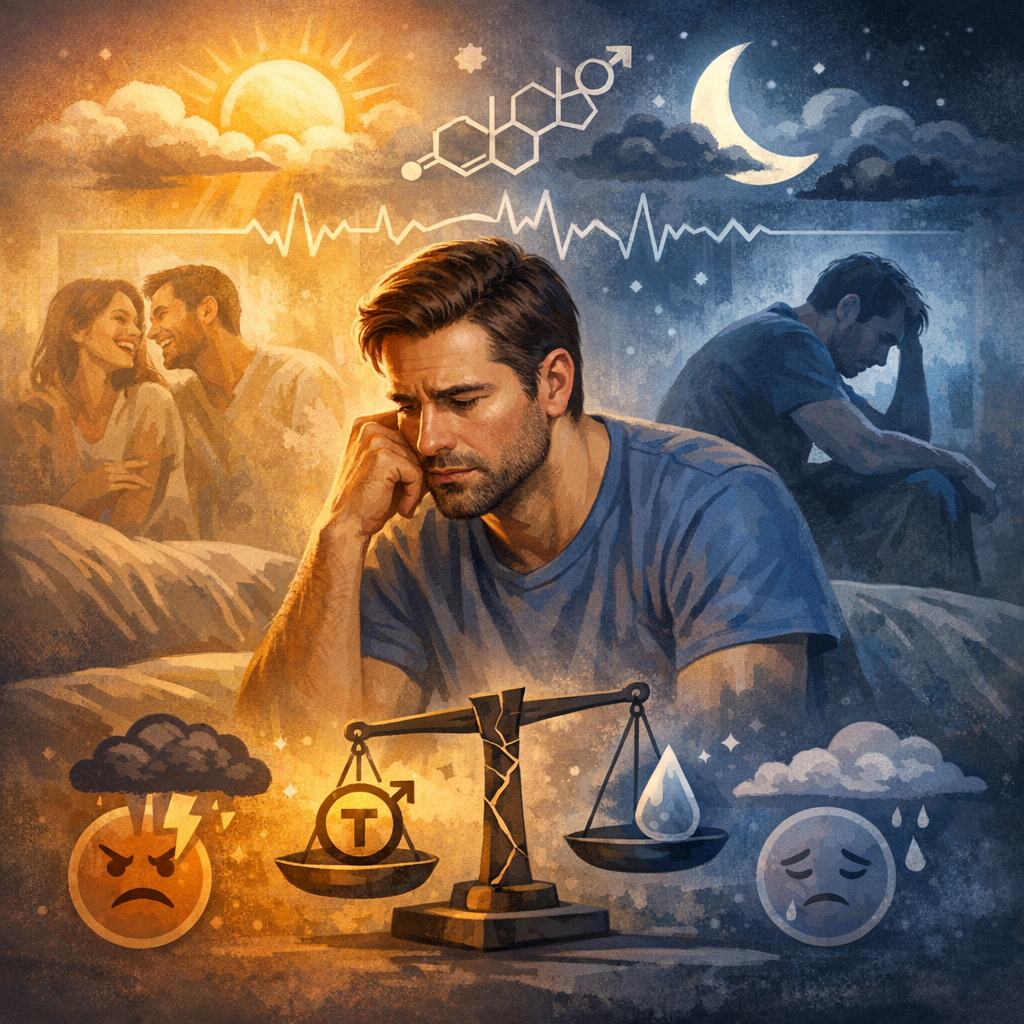
**Understanding the Silent Symptom: How Subtle Mood Changes Can Signal Men’s Early-Onset Hormonal Imbalance**
**Introduction**
It’s easy to attribute sudden irritability during rush-hour traffic or an unexplained afternoon slump to mere stress or lack of sleep. However, for some men, these mood fluctuations may actually signal an early-onset hormonal imbalance. Hormones like testosterone, cortisol, and thyroid hormones are crucial in regulating mood, energy, and motivation. When these hormones become imbalanced, subtle emotional cues may serve as the first—and often silent—symptoms. According to Dr. John Smith, a hormone specialist, recognizing these early signs can significantly improve your quality of life. This article will help you identify these early warning signs, understand their potential causes, and explore steps to restore hormonal harmony.
**Why Early Detection Matters**
Hormonal imbalances affect more than just libido or muscle mass; they can undermine mental well-being, impair work performance, and strain relationships. According to the American Psychological Association, approximately 20% of men suffer from undiagnosed hormone-related mood disorders. These imbalances, if left unchecked, can escalate from minor mood swings to anxiety disorders, depression, chronic fatigue, or cardiovascular concerns. Spotting these changes early allows for lifestyle adjustments, nutritional support, or medical interventions before symptoms evolve into more severe health complications.
**The Role of Testosterone and Other Key Hormones**
• **Testosterone:** Beyond its known role in driving sex life and muscle strength, testosterone stabilizes neurotransmitters like serotonin and dopamine, which govern mood and motivation. Low testosterone can appear as irritability, a lack of focus, and a reduced sense of well-being.
• **Cortisol:** Known as the “stress hormone,” cortisol aids in reacting to challenges. However, chronically elevated cortisol—often due to ongoing stress—can lead to anxiety, sleep disturbances, and emotional exhaustion. Dr. Emily Clark, an endocrinologist, notes that monitoring cortisol levels is essential for maintaining mental clarity and emotional stability.
• **Thyroid Hormones:** The thyroid gland regulates metabolism. An underactive thyroid (hypothyroidism) can sap energy, slow cognitive processing, and trigger depressive feelings, while an overactive thyroid (hyperthyroidism) may cause anxiety and restlessness.
**Recognizing Subtle Mood Changes**
Men often suffer silently, dismissing emotional shifts as mere stress. However, here are small but telling signs that something more may be amiss:
1. **Irritability and Low Patience:**
When minor annoyances—such as traffic delays, co-worker interactions, or household chores—suddenly provoke disproportionate frustration, your hormonal balance may be disrupted. Testosterone and cortisol directly influence how you process stress and control impulses.
2. **Afternoon or Evening Fatigue:**
Consistently feeling a drag in the late afternoon, despite adequate sleep, could indicate imbalanced cortisol rhythms or suboptimal thyroid function. This fatigue is more than regular tiredness; it’s a persistent heaviness that even sleep can’t fully relieve.
3. **Anxiety, Brain Fog, and Difficulty Concentrating:**
Trouble focusing on routine tasks or experiencing scattered thoughts could be linked to low testosterone’s impact on dopamine or high cortisol levels disrupting memory and attention.
4. **Depressive Feelings and Emotional Flatness:**
A lack of joy in activities you once enjoyed—accompanied by a sense of emotional numbness—warrants a deeper look at endocrine function.
**Common Underlying Causes**
• **Chronic Stress and Poor Sleep:** Elevated cortisol levels and disrupted sleep patterns fuel each other, perpetuating mood disturbances.
• **Diet and Nutrient Deficiencies:** Inadequate intake of healthy fats, zinc, magnesium, or vitamin D can hinder testosterone production and thyroid health.
• **Sedentary Lifestyle:** Exercise boosts testosterone, stimulates endorphins, and reduces cortisol. Lack of movement commonly signals hormonal decline.
• **Medical Conditions and Medications:** Conditions such as diabetes, obesity, and pituitary disorders, as well as certain antidepressants and opiate painkillers, can interfere with hormone levels.
**When to Seek Professional Help**
If you’ve noticed consistent mood changes for several weeks—especially alongside reduced libido, muscle loss, or sleep problems—consider consulting a healthcare professional. A simple blood panel can measure testosterone, free testosterone, cortisol, TSH (thyroid-stimulating hormone), and vitamin D levels. According to the Mayo Clinic, these tests provide crucial objective data, enabling your doctor to recommend targeted interventions.
**Strategies to Support Hormonal Health**
1. **Optimize Sleep Hygiene:**
Aim for 7–9 hours of quality sleep each night. Maintain a cool, dark bedroom environment, limit screen time before bed, and try relaxation techniques such as deep breathing.
2. **Prioritize Stress Management:**
Practices such as mindfulness meditation, yoga, or regular leisure activities can significantly lower cortisol levels. Schedule short breaks throughout the day to reset and decompress.
3. **Embrace Regular Strength Training and Cardio:**
Resistance exercise spikes testosterone production, while aerobic workouts reduce stress hormones. A balanced fitness routine of three to five sessions per week can maintain endocrine health.
4. **Eat a Nutrient-Rich Diet:**
Focus on whole foods: lean proteins, healthy fats like olive oil and fatty fish, complex carbohydrates, and plenty of vegetables. Consider supplements—after consulting your doctor—for vitamin D, magnesium, or fish oil if dietary intake falls short.
5. **Explore Medical or Natural Therapies:**
For clinically low testosterone, hormone replacement therapy (HRT) may be appropriate under professional supervision. Herbal adaptogens like ashwagandha and rhodiola have also shown promise in balancing cortisol and supporting mood.
**Conclusion**
Subtle mood shifts may seem trivial, but they can serve as a silent alarm for early-onset hormonal imbalances in men. By paying attention to irritability, unexplained fatigue, anxiety, or emotional flatness—and addressing lifestyle factors—you can restore balance before severe issues arise. If these strategies don’t fully remedy your symptoms, don’t hesitate to seek medical evaluation. Early intervention is key to maintaining both hormonal health and emotional resilience, empowering you to thrive in every aspect of your life.