

### Understanding the Silent Risks
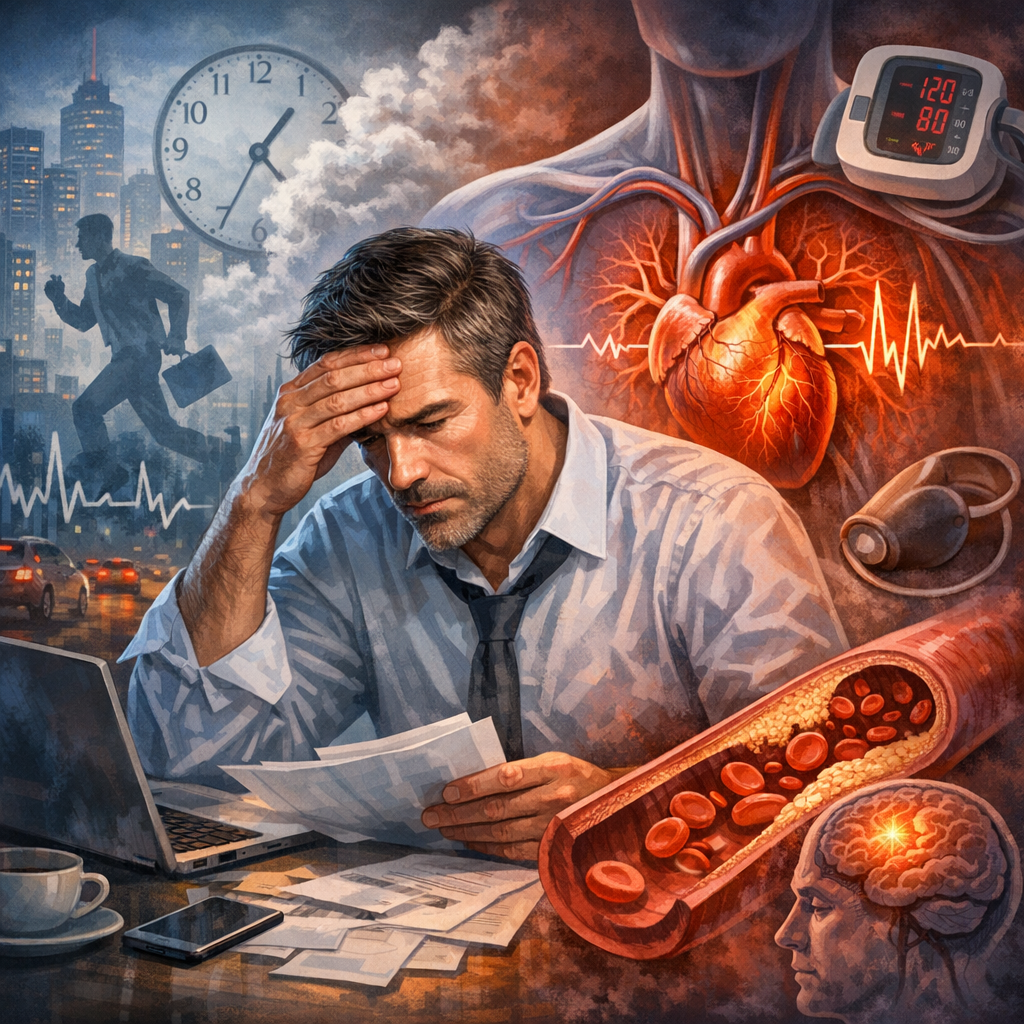
In today’s fast-paced world, many men juggle demanding careers, family responsibilities, and social commitments. While stress is often perceived as a mental or emotional burden, its impact on cardiovascular health is frequently underestimated. According to the World Health Organization, prolonged high stress can trigger physiological changes that remain silent for years, quietly increasing the risk of heart disease, hypertension, and stroke. Dr. Anthony Smith, a cardiologist, explains, “Chronic stress can be a silent driver of cardiovascular disease due to its sustained physiological impacts.” This article will explore how stress affects the heart and circulatory system in men, highlight common silent conditions, and offer strategies for prevention and early intervention.
### The Hidden Danger of Stress
Stress activates the body’s “fight or flight” response, releasing hormones like cortisol and adrenaline. In short bursts, this reaction can be lifesaving. However, when stress becomes chronic, these hormones remain elevated, leading to prolonged increases in heart rate, blood pressure, and inflammation. According to the American Psychological Association, 66% of men report work as a significant source of stress, yet many view stress as “just part of the job,” potentially ignoring warning signs and missing opportunities for early intervention. This oversight can lead to severe health consequences, illustrating the importance of effective stress management.
### Impact of High Stress on the Cardiovascular System
#### Elevated Blood Pressure
Chronic stress causes arteries to constrict and blood vessels to narrow, forcing the heart to work harder. This sustained pressure can damage arterial walls, accelerating atherosclerosis, or the hardening of the arteries.
#### Inflammation
Stress hormones stimulate the release of inflammatory markers in the bloodstream. Inflammation is a key driver of plaque formation, which can eventually rupture and cause a heart attack or stroke.
#### Unhealthy Coping Mechanisms
Under stress, men are more likely to engage in smoking, excessive alcohol consumption, poor dietary habits, and reduced physical activity. Each of these behaviors independently raises cardiovascular risk, compounding the effects of stress itself.
#### Autonomic Imbalance
The autonomic nervous system regulates heart rate and blood vessel tone. Chronic stress shifts the balance toward sympathetic (fight or flight) dominance and suppresses parasympathetic (rest and digest) activity, reducing heart rate variability—a strong predictor of cardiovascular mortality.
### Silent Cardiovascular Conditions in Men
#### Hypertension (High Blood Pressure)
Known as the “silent killer,” hypertension often presents no obvious symptoms until severe complications arise.
#### Atherosclerosis
Plaque buildup in the coronary arteries can progress without symptoms, especially in men who remain physically active despite narrowing vessels.
#### Silent Myocardial Ischemia
Reduced blood flow to the heart may occur without typical angina, leading to unrecognized heart muscle damage.
#### Arrhythmias
Stress can trigger irregular heartbeats that may go unnoticed, increasing the risk of stroke and sudden cardiac events.
### Stress-Related Risk Factors
#### Workload and Job Insecurity
High-pressure roles and fear of job loss elevate stress hormones and disrupt healthy routines.
#### Sleep Deprivation
Poor sleep quality undermines cardiovascular recovery, raises blood pressure, and worsens metabolic health.
#### Social Isolation
Men are less likely than women to seek social support, increasing vulnerability to chronic stress.
#### Personality Traits
Perfectionism, competitiveness, and Type A behavior correlate with greater stress reactivity and higher cardiac risk.
#### Financial Pressure
Worry over finances can persist day and night, maintaining a state of heightened arousal that strains the heart.
### Recognizing the Signs and Symptoms
Although many stress-induced cardiovascular issues progress quietly, some warning signs should never be ignored, such as persistent fatigue or shortness of breath during routine activities, unexplained chest discomfort, or palpitations. If you experience any of these symptoms, especially in combination with a high-stress lifestyle, consult a healthcare professional for a thorough evaluation. Early detection can prevent severe complications.
### Prevention and Management Strategies
#### Stress Reduction Techniques
– **Mindfulness and Meditation**: Practices like deep breathing, progressive muscle relaxation, and guided imagery lower cortisol levels and improve heart rate variability.
– **Cognitive Behavioral Therapy (CBT)**: Therapy can help reframe negative thought patterns and build healthier coping strategies.
#### Lifestyle Modifications
– **Regular Exercise**: Aim for at least 150 minutes of moderate-intensity aerobic activity per week. Exercise lowers blood pressure, reduces inflammation, and enhances mood.
– **Heart-Healthy Diet**: Focus on fruits, vegetables, whole grains, lean proteins, and healthy fats. Limit sodium, added sugars, and processed foods.
– **Sleep Hygiene**: Establish a consistent bedtime routine, reduce screen time before sleep, and create a restful environment.
#### Social Support and Work–Life Balance
– **Cultivate Relationships**: Share concerns with friends, family, or support groups. Social connection is a powerful buffer against stress.
– **Boundaries at Work**: Learn to delegate tasks, prioritize assignments, and disconnect after work hours to protect personal time.
#### Medical Monitoring
– **Regular Checkups**: Schedule routine exams to measure blood pressure, cholesterol, and blood sugar. Early detection allows for prompt intervention.
– **Stress Biomarkers**: Consult your doctor about screening for cortisol levels or inflammatory markers if living a particularly high-stress life.
### Conclusion
High-stress lifestyles can silently undermine cardiovascular health in men, paving the way for severe conditions that often go unnoticed until they become life-threatening. By understanding the mechanisms linking stress to heart disease, recognizing early warning signs, and adopting stress-reduction and lifestyle strategies, men can protect their hearts before complications arise. Combating stress is not a luxury—it’s a critical investment in long-term health and well-being. Start today by taking small, consistent steps toward a balanced lifestyle and schedule an appointment with your healthcare provider for personalized guidance. Your heart will thank you.
#### References
– World Health Organization
– Centers for Disease Control and Prevention
– American Psychological Association
– Insight from Dr. Anthony Smith, Cardiologist
For more information on how to manage stress and improve cardiovascular health, visit [eDrugstore.com](https://www.edrugstore.com).