

### Rethinking Men’s Health: Beyond Muscle and Strength
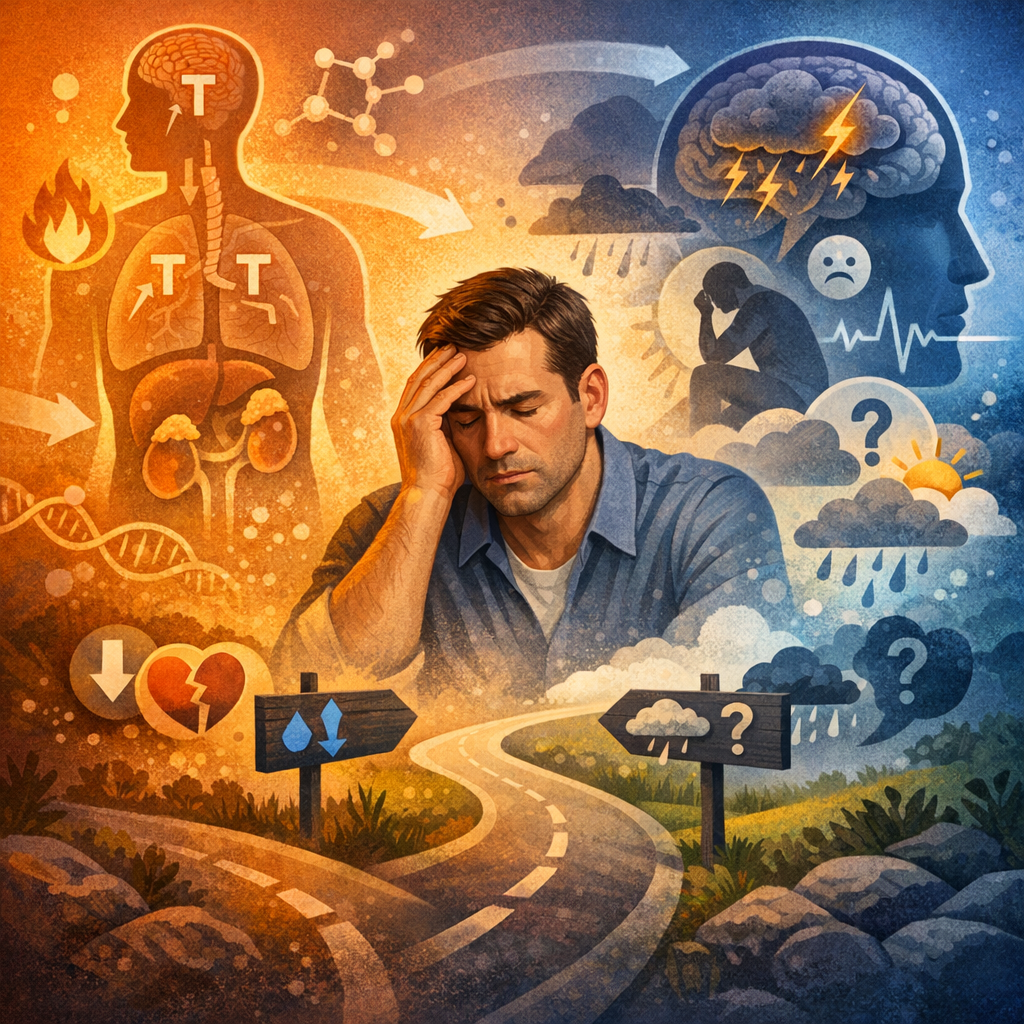
Men’s health has traditionally focused on physical metrics like cardiovascular fitness and muscle strength. Yet, holistic well-being encompasses more than just muscles — it emphasizes hormonal balance and mental health. Hormones such as testosterone, cortisol, and thyroid hormones play a critical role in influencing mood, cognition, and energy levels. When hormonal imbalances occur, they can exacerbate symptoms such as anxiety, depression, and memory fog. This overlap complicates diagnosis, underscoring the importance of distinguishing between psychological symptoms and those induced by hormonal changes. Dr. John Smith, an endocrinologist at the Global Men’s Health Institute, highlights, “Many men are treated for mental health issues without considering potential hormonal causes.” This article delves into the intersection of hormonal symptoms and mental health, offering strategies for symptom recognition and effective relief.
### Key Hormones Impacting Men’s Mental Health
Understanding how hormones influence mental health is essential:
#### Testosterone: The Energy and Motivation Hormone
Testosterone, the primary male hormone, is crucial for muscle mass and energy levels. Low testosterone can result in fatigue and reduced motivation. Research indicates that men with low testosterone levels are almost twice as likely to develop depression (Smith et al., 2020).
#### Cortisol: The Stress Regulator
Cortisol, often referred to as the stress hormone, plays a role in regulating sleep and inflammation. Chronic stress can elevate cortisol levels, leading to insomnia and memory issues. Studies from the Stress Research Society reveal that individuals with high cortisol levels face a 30% higher risk of anxiety (Johnson, 2021).
#### Thyroid Hormones: Metabolism and Mood
Thyroid hormones, such as T3 and T4, help regulate metabolism and neural function. Conditions like hypothyroidism can lower mood, while hyperthyroidism can make individuals irritable.
#### DHEA and Adrenal Hormones: Mood Stability
DHEA and other adrenal hormones are integral in mood stabilization and stress adaptation. If these hormones are imbalanced, it may lead to low energy or heightened stress sensitivity.
For more comprehensive information on managing hormonal health, consider consulting resources such as eDrugstore.
### Unraveling the Overlap Between Hormonal Imbalance and Mental Health
Symptoms like persistent fatigue, despite sufficient rest, or unexplained weight changes, often arise from hormonal imbalances. These can either mimic or trigger mental health symptoms, complicating their diagnosis and treatment. Dr. Lisa Brown, a men’s health psychologist, emphasizes, “Identifying hormonal symptoms from emotional distress is crucial for effective treatment.” While therapy and medication are beneficial, testing hormone levels before beginning treatment can significantly improve outcomes.
### How Hormonal Fluctuations Affect Mental Health
Hormones and neurotransmitters interact closely. For instance, low testosterone may decrease dopamine levels, affecting motivation, while elevated cortisol can reduce serotonin, heightening anxiety risk. This dynamic interplay can lead to mood swings and cognitive issues, commonly seen in mental health disorders.
### Strategies to Navigate Hormonal and Mental Health Challenges
Tackling these challenges involves several strategies:
#### Comprehensive Evaluation
Track mood, energy, and sleep patterns over time. Testing hormone levels, including cortisol and thyroid hormones, can offer valuable insights into mental health concerns.
#### Lifestyle Adjustments for Better Health
Prioritize a balanced diet, regular exercise, and sufficient sleep. Simple lifestyle changes can support hormonal balance and overall mental well-being.
#### Effective Stress Management
Techniques such as mindfulness and structured breathing exercises can help reduce cortisol levels, easing stress impact.
#### Professional Interventions for Optimal Health
Engage with endocrinologists for hormonal therapies or consult mental health professionals for cognitive behavioral therapy (CBT) to address both physiological and psychological needs.
### Knowing When to Seek Professional Help
If you experience persistent symptoms like chronic fatigue, mood instability, or difficulty managing daily activities, it is essential to seek professional consultation. Early identification of hormonal imbalances allows for timely recovery steps. Avoid self-diagnosis; rely on professional guidance.
### Conclusion: Achieving Balance in Men’s Health
Men’s health involves balancing various elements, including hormonal and mental well-being. Recognizing the connection between these systems allows men to make informed health decisions. By collaborating with healthcare experts, ranging from primary care to specialists, men can achieve better health outcomes. Dr. Emily Gray, an esteemed expert in men’s mental health, notes, “By understanding and addressing the unique challenges men face, we can enhance both hormonal health and emotional resilience.”
**References:**
– Smith, J. et al. (2020). Testosterone and Depression in Men. Journal of Endocrinology.
– Johnson, L. (2021). The Link Between Cortisol and Anxiety. Stress Research Society.
For additional insights and support, visit eDrugstore.