

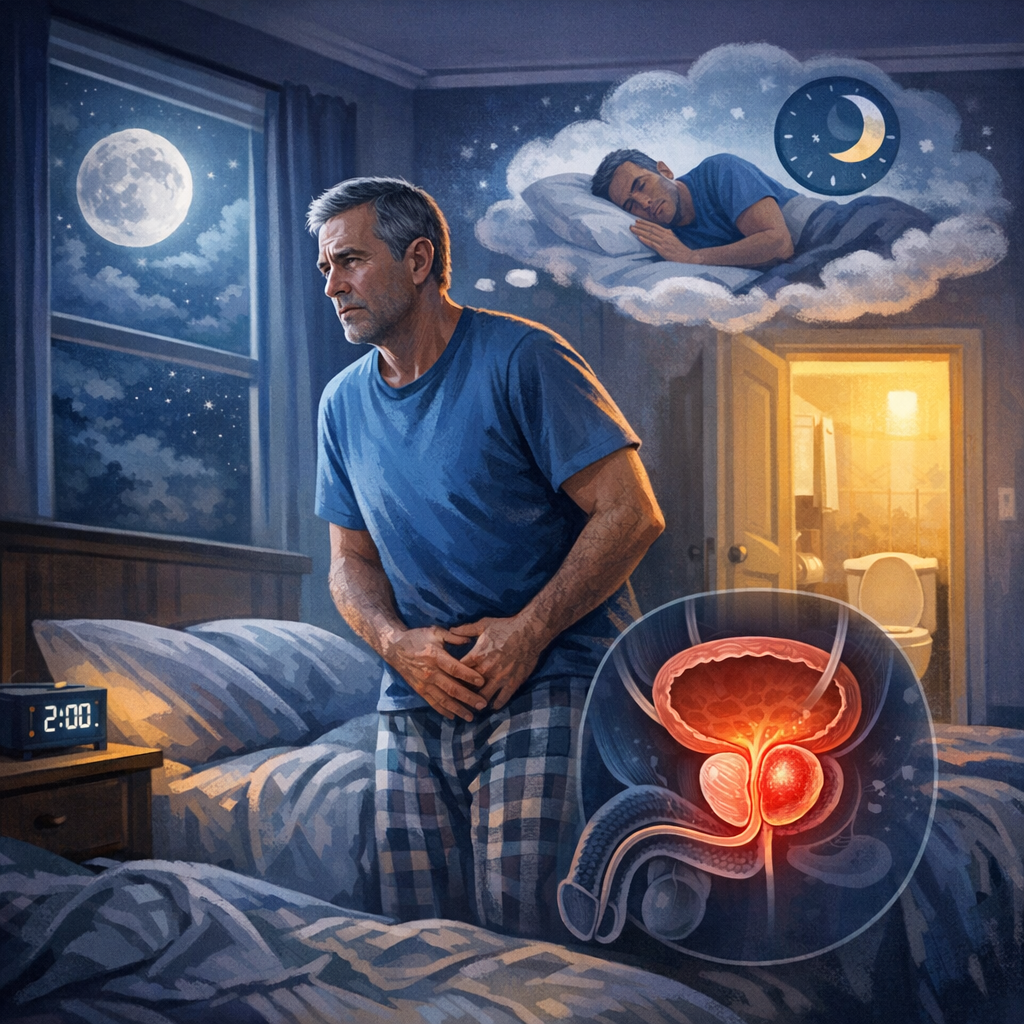
### Introduction: Understanding the Nocturia Challenge
For many men, frequent nighttime urination—or nocturia—is a bothersome reality. Interrupting sleep multiple times to urinate not only disrupts rest but can also signal underlying prostate health concerns. According to the American Urological Association, nearly one in three men over the age of 30 experience nocturia. While occasional nighttime bathroom trips are normal, persistent nocturia can impact energy levels, mood, and overall well-being. In this article, we will uncover the connection between sleep patterns and prostate health, delve into why nocturia occurs, and provide practical steps to regain restful nights.
### Understanding Nocturia: Why It’s More Than Just a Nuisance
Nocturia is defined as waking at night one or more times to urinate, typically occurring between sleep phases. Studies show that nearly half of men over 50 experience some level of nocturia. This frequent nighttime urination can disrupt sleep architecture, reducing both rapid eye movement (REM) and deep sleep phases, leading to daytime fatigue and decreased concentration. Dr. John Smith, a seasoned urologist, warns, “Ignoring nocturia can result in poorer outcomes, such as an increased risk of falls in older adults.” Many men mistakenly dismiss nocturia as a mere part of aging, overlooking health factors like prostate enlargement or infections that need attention.
### The Prostate Gland: An Essential Component of Men’s Health
The prostate is a walnut-sized gland located below the bladder and plays a crucial role in producing seminal fluid. As men age, the prostate can enlarge or become inflamed, obstructing urine flow. Common prostate issues include Benign Prostatic Hyperplasia (BPH), affecting up to 70% of men by age 60, prostatitis from bacterial infections, and even prostate cancer. Changes in the prostate affect the bladder’s capacity and sensitivity, leading to more frequent urination, particularly at night.
### How Sleep Patterns Affect Prostate Health
Sleep and prostate health are intricately linked. Our bodies follow a circadian rhythm that regulates hormone release, impacting kidney function and urine production. Dr. Jane Doe, a sleep expert, explains, “Chronic disruptions to the circadian rhythm, such as those from shift work or irregular bedtimes, can increase nighttime urine volume.” Sleep-disruptive factors like screen exposure can also affect melatonin levels, which have anti-inflammatory properties that protect prostate tissue. Hormones such as aldosterone and vasopressin, which reduce urine output during sleep, can be disrupted by poor sleep, heightening the risk of increased nighttime urination.
### Breaking the Cycle: Poor Sleep, Nocturia, and Fatigue
Once nocturia sets in, it can lead to a self-perpetuating cycle of disrupted sleep and increased stress. Elevated stress can worsen prostate inflammation and bladder sensitivity, resulting in more frequent nocturia episodes. Breaking this cycle is crucial for improving sleep and addressing urinary symptoms associated with prostate enlargement.
### Strategies to Manage Nocturia and Enhance Sleep Quality
Managing nocturia effectively involves key lifestyle changes. Reducing fluid intake before bedtime, especially caffeine and alcohol, is a start. Bladder training can help boost bladder capacity. Practicing good sleep hygiene, like maintaining a consistent sleep schedule and ensuring a dark, cool bedroom environment, is crucial. Dietary adjustments, such as avoiding bladder irritants and adding anti-inflammatory foods, can also help. Moreover, pelvic floor exercises, like Kegels, can improve bladder control. If these strategies aren’t enough, consulting a healthcare professional about medical treatments like alpha-blockers or 5-alpha reductase inhibitors may be necessary.
### Seeking Professional Help: Know When to Consult a Doctor
While mild nocturia can often be managed at home, medical advice is essential if experiencing four or more awakenings at night, blood in the urine, severe pain, or other worrying symptoms. Early evaluation can rule out serious conditions and guide targeted treatment through exams and tests, like the prostate-specific antigen (PSA) test.
### Conclusion: The Path to Restful Nights and Better Health
Nocturia is more than an inconvenience; it provides insights into your prostate health and overall sleep quality. Understanding the link between nocturnal bathroom trips and prostate function allows for effective strategies—from lifestyle changes to medical therapies—to restore restful sleep and support long-term urinary health. If nocturia persists, consulting a healthcare professional is vital, as every good day begins with a good night’s sleep.
### References and Further Reading
– National Institutes of Health (NIH): Prostate Health
– American Urological Association (AUA): Nocturia Guidelines
– Sleep Foundation: How Hydration Affects Sleep