

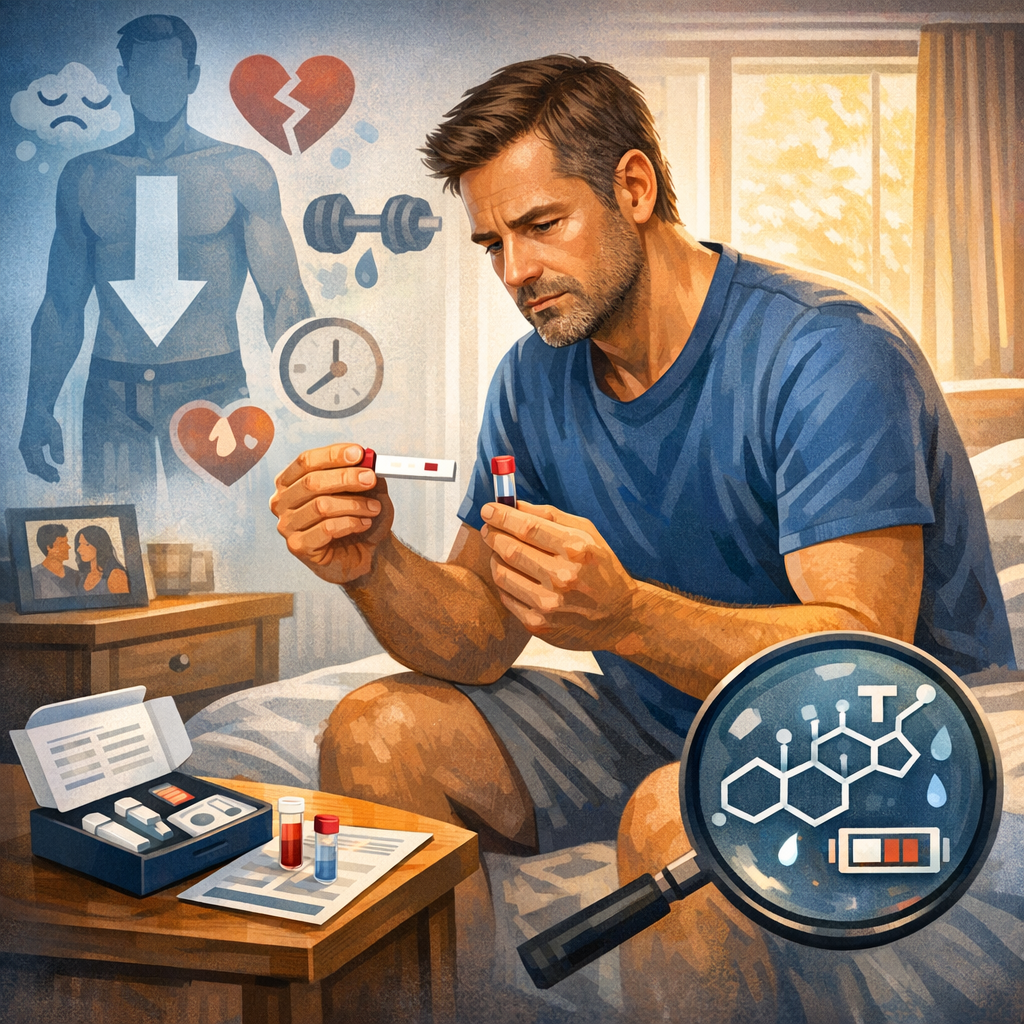
### Introduction to Men’s Hormonal Health
Men’s health is increasingly gaining attention as awareness of hormone-related conditions grows. Hypogonadism in men, characterized by low testosterone levels, often goes unnoticed due to its subtle symptoms, which are frequently attributed to aging and stress. However, untreated hypogonadism can seriously affect mood, energy, muscle mass, and overall quality of life. According to the American Urological Association, approximately 2% of men have low testosterone, significantly impacting their well-being. Advances in home testosterone testing kits now allow men to conveniently monitor their hormone levels, empowering them to identify issues early and consult healthcare professionals. This article explores how home testing can reveal hidden symptoms of hypogonadism and offers practical tips for accurate results and next steps. “Empowering men to take control of their health is crucial, especially with accessible tools like home testing kits,” says Dr. John Smith, an endocrinologist with over 20 years of experience.
### Understanding Male Hypogonadism
Hypogonadism occurs when the testes produce insufficient testosterone or when the body does not effectively respond to brain hormone signals. Primary hypogonadism, originating in the testes, may result from genetic conditions, injury, or infection. Secondary hypogonadism involves the hypothalamus or pituitary gland, responsible for hormonal signaling. Testosterone plays a vital role in sexual function, muscle growth, bone density, fat metabolism, mood regulation, and cognitive focus. When levels dip below the normal reference range—approximately 300–1,000 ng/dL in adult men—a series of physical and psychological changes can undermine well-being. For instance, low testosterone can hinder gym performance, making it difficult to achieve personal fitness goals.
### Recognizing Hidden Symptoms of Low Testosterone
Identifying the subtle symptoms of low testosterone in men can be challenging. Many report general or gradual changes such as persistent fatigue unrelieved by rest, reduced motivation, and a slight but steady loss of muscle tone. Notably, increased body fat without significant changes in diet or exercise, along with difficulty concentrating or mild mood swings, can also indicate low testosterone levels. A significant decrease in libido or unexplained erectile dysfunction may further signal concern. These symptoms often overlap with stress, lifestyle factors, and normal aging, causing delays in seeking evaluation until more disruptive issues arise. A simple at-home hormone test can help determine if low testosterone is a contributing factor. As Dr. Emily Johnson, a respected hormone specialist, emphasizes, “Early detection through home testing can mitigate long-term health impacts.”
### The Rise of Home Testosterone Testing
Recently, direct-to-consumer diagnostic kits have surged in popularity, offering convenient testosterone testing at home through blood spot or saliva-based measurements sent to a laboratory. Most kits require a small sample collection—typically a few drops of blood from a fingertip or a saliva swab—sent via prepaid packaging. Within days, users receive an online report showing their total and sometimes free testosterone levels, compared against age-specific reference ranges. This accessible model reduces barriers to testing, including scheduling phlebotomy appointments, dealing with insurance, or navigating clinic hours. According to eDrugstore.com, the convenience of home testing aligns with modern healthcare trends prioritizing patient empowerment and accessibility.
### Advantages of Home Testing for Men
Home testosterone tests provide several unique benefits: they offer convenience with sample collection occurring at home, privacy as health data remain confidential, and cost-effectiveness, as many kits are less expensive than lab copays. Importantly, they allow for early detection, periodically identifying downward trends in testosterone levels before severe symptoms surface. Moreover, these tests empower men to take ownership of their health, facilitating informed conversations with healthcare providers. Tracking testosterone over weeks or months can reveal how lifestyle modifications—improved sleep, exercise, or dietary changes—affect hormone balance. “The ability to monitor testosterone levels from home empowers men to manage their health proactively,” Dr. Smith reiterates.
### Interpreting Results and Taking Action
Once you receive your home test report, consider these steps: Review your levels against the reference range provided and note whether they are borderline or substantially below average. Analyze symptom correlation by reflecting on any hidden or overt symptoms and how they might align with low testosterone. Given hormone levels fluctuate daily, a second test might be necessary for confirmation. Consulting a clinician with your findings is crucial to order comprehensive testing, including luteinizing hormone (LH) and follicle-stimulating hormone (FSH) levels. Discuss treatment options if confirmed, which might include lifestyle changes, testosterone replacement therapy (TRT), or addressing underlying causes such as obesity or medication side effects.
### Collaborating with Healthcare Professionals
While home testing is an excellent screening tool, it does not replace a clinical evaluation. A licensed provider can interpret results in context, identify contraindications, and tailor a treatment plan. They can order advanced tests to determine the type of hypogonadism and monitor therapy safely. Regular follow-ups ensure testosterone levels remain healthy and that treatment goals—like improved energy, muscle mass, and mood—are met. According to the National Institutes of Health, collaboration with healthcare providers enhances treatment outcomes and ensures patient safety. This partnership ensures men can confidently and effectively manage their hormonal health.
### Tips for Accurate Home Testing
To ensure accurate home testosterone testing, follow these guidelines: Collect samples between 7–10 a.m. when testosterone peaks, strictly follow the instructions provided, and utilize only the provided materials. Avoid confounding factors by postponing testing if experiencing acute illness or significant physical stress. Track lifestyle variables like sleep and exercise to contextualize hormone readings, and maintain the recommended sample storage and shipping timeline to preserve integrity.
### Closing Thoughts
Home testosterone testing represents a vital first step for men to uncover hidden symptoms of hypogonadism and take proactive control of their hormonal health. By combining convenient screening with professional medical support, men can address low testosterone before severe complications arise. If you suspect your energy, mood, or muscle mass isn’t what it used to be, consider a home hormone test—then partner with a healthcare provider to chart the most effective path forward. Ensuring balanced testosterone levels can restore vitality, confidence, and overall quality of life. As highlighted by the Endocrine Society, “Proactive health management begins with awareness and access to vital information.”
### References
1. American Urological Association. (n.d.). Clinical Practice Guidelines: Testosterone Deficiency.
2. National Institutes of Health. (n.d.). Testosterone: What It Does and Doesn’t Do.
3. The Endocrine Society. (n.d.). Hormone Health Network: Testosterone.
4. eDrugstore.com. (n.d.). The Role and Benefits of At-Home Testosterone Testing Kits.