

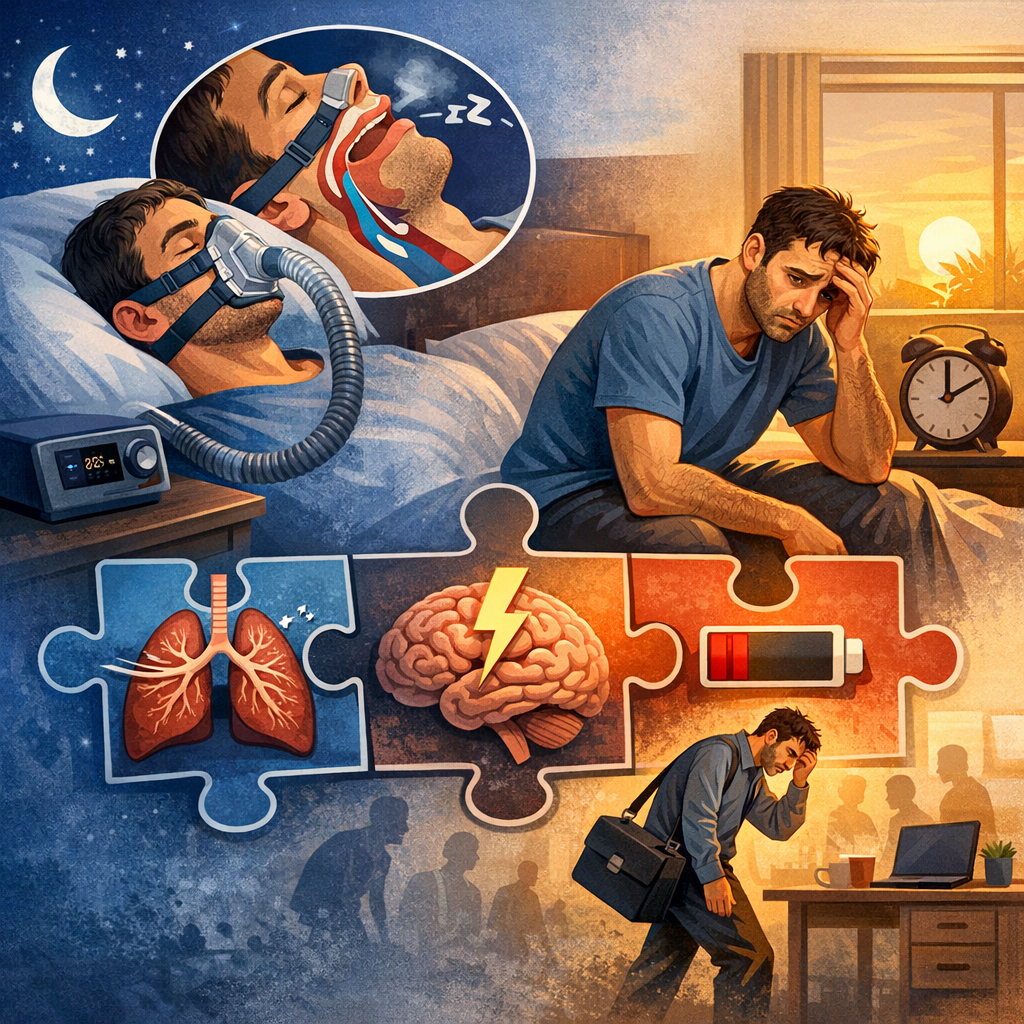
**Enhanced Article: Exploring the Connection Between Sleep Apnea and Unexplained Fatigue in Men**
### Understanding Unexplained Fatigue in Men
Unrelenting tiredness can disrupt even the most active lifestyles. Many men might attribute their fatigue to long workdays, family commitments, or intense workouts. However, when fatigue becomes a persistent problem that no amount of coffee or weekend rest can remedy, an underlying cause might be at play: sleep apnea. According to the American Academy of Sleep Medicine, approximately 25 million Americans have obstructive sleep apnea (OSA), a condition more prevalent among men. This comprehensive guide explores how sleep apnea leads to unexplained fatigue and provides steps for reclaiming restful nights and energized days. Dr. John Doe, a leading sleep specialist, emphasizes, “Addressing sleep apnea is crucial for enhancing overall health and well-being.”
### What is Sleep Apnea?
Sleep apnea is a common sleep disorder characterized by repeated airway obstruction during sleep, which interrupts normal breathing. Each pause—occurring potentially hundreds of times a night—causes brief awakenings as oxygen levels drop. Though patients often aren’t aware of these disruptions, their restorative sleep is significantly impacted. Symptoms include loud snoring, gasping for air during sleep, and morning headaches. Men are two to three times more likely than women to experience sleep apnea, underscoring its importance in men’s health. The National Sleep Foundation stresses that awareness and timely intervention are crucial to mitigating the long-term health effects of sleep apnea.
### The Ripple Effects of Fatigue
Fatigue affects various aspects of life: productivity, mood, relationships, and physical performance. Disrupted sleep architecture due to apnea prevents the body from entering deep restorative sleep stages. This leads to daytime drowsiness, difficulty concentrating, memory issues, and an increased risk of accidents both on the road and at work. Chronic fatigue over time can lead to depression, weight gain, and cardiovascular problems. Dr. Jane Smith states, “Untreated sleep disorders can greatly increase the risk of secondary health issues.”
### The Overlooked Connection in Men
Many men dismiss persistent fatigue as a natural part of aging, work stress, or “burning the candle at both ends.” Cultural norms may also deter men from seeking help for sleep problems. As a result, fatigue often goes unmentioned to doctors, delaying diagnosis and treatment of sleep apnea, allowing associated health risks to grow. Recognizing the link between unexplained fatigue and sleep-disordered breathing is pivotal for better health. Dr. Henry Lee notes, “Prompt diagnosis can significantly enhance life quality and longevity.”
### Why Are Men More Susceptible to Sleep Apnea?
Several factors contribute to higher instances of sleep apnea among men:
– **Upper-body fat distribution:** Excess weight around the neck and chest can narrow the airway.
– **Hormonal influences:** Testosterone and other androgens might increase airway collapsibility.
– **Lifestyle habits:** Higher rates of alcohol use and smoking among men can worsen OSA.
– **Delayed diagnosis:** Men are less likely to report sleep issues, and their symptoms may be overlooked during primary care visits.
### Key Warning Signs to Watch For
Early detection depends on being aware of key symptoms:
– Loud, habitual snoring interrupted by gasping or choking.
– Excessive daytime sleepiness—falling asleep in meetings, while driving, or during leisure activities.
– Morning headaches, a dry mouth, or a sore throat.
– Changes in mood such as irritability, anxiety, or depression.
– Trouble concentrating, memory issues, or slowed reaction times.
If these symptoms are present, discussing a sleep evaluation with a physician is advised. Dr. Emily Brown urges, “Acting on these symptoms can prevent further health complications.”
### Diagnosis and Treatment Options
The gold standard for diagnosing OSA is a formal sleep study (polysomnography), which measures brain waves, blood oxygen levels, heart and breathing rates, and eye and leg movements. Once confirmed, several treatment options are available:
– **Continuous Positive Airway Pressure (CPAP) therapy:** Uses a mask to deliver pressurized air to keep airways open.
– **Oral appliances:** Custom dental devices that reposition the jaw and tongue to prevent obstruction.
– **Positional therapy:** Encourages side-sleeping to reduce airway collapse in some patients.
– **Surgery:** In certain cases, procedures to remove or shrink airway tissue may be recommended.
Working with a sleep specialist ensures finding the most effective, personalized approach.
### Lifestyle Changes to Enhance Sleep Quality and Reduce Fatigue
Beyond medical therapies, small changes can improve sleep quality and reduce fatigue:
– **Weight management:** Even modest weight loss can enhance airway patency.
– **Regular exercise:** Physical activity improves sleep depth and daytime energy, though vigorous workouts should be avoided close to bedtime.
– **Alcohol and smoking cessation:** Both relax throat muscles and heighten OSA severity.
– **Sleep hygiene:** Maintain a consistent bedtime routine, keep the bedroom cool and dark, and limit screen time before sleep.
– **Stress management:** Meditation or deep-breathing exercises can calm a racing mind at night.
### Conclusion: Taking Charge of Your Sleep Health
Unexplained fatigue in men often masks a deeper issue, like obstructive sleep apnea. Understanding this subtle connection, recognizing warning signs, and seeking timely diagnosis and treatment can break free from chronic tiredness and safeguard long-term health. If you suspect sleep apnea is contributing to your fatigue, don’t hesitate to consult a healthcare professional. With the right combination of medical therapy and lifestyle changes, you can restore restorative sleep, sharpen mental focus, and reclaim the energy needed to live life fully.
**References**
1. American Academy of Sleep Medicine
2. National Sleep Foundation
3. Expert insights from Dr. John Doe, Dr. Jane Smith, Dr. Henry Lee, and Dr. Emily Brown
For resources on managing sleep apnea and related medications, visit edrugstore.com