Telehealth in Your Car – The Emerging Frontier of Connected Vehicle Healthcare
Reimagining Medical Care on the Move
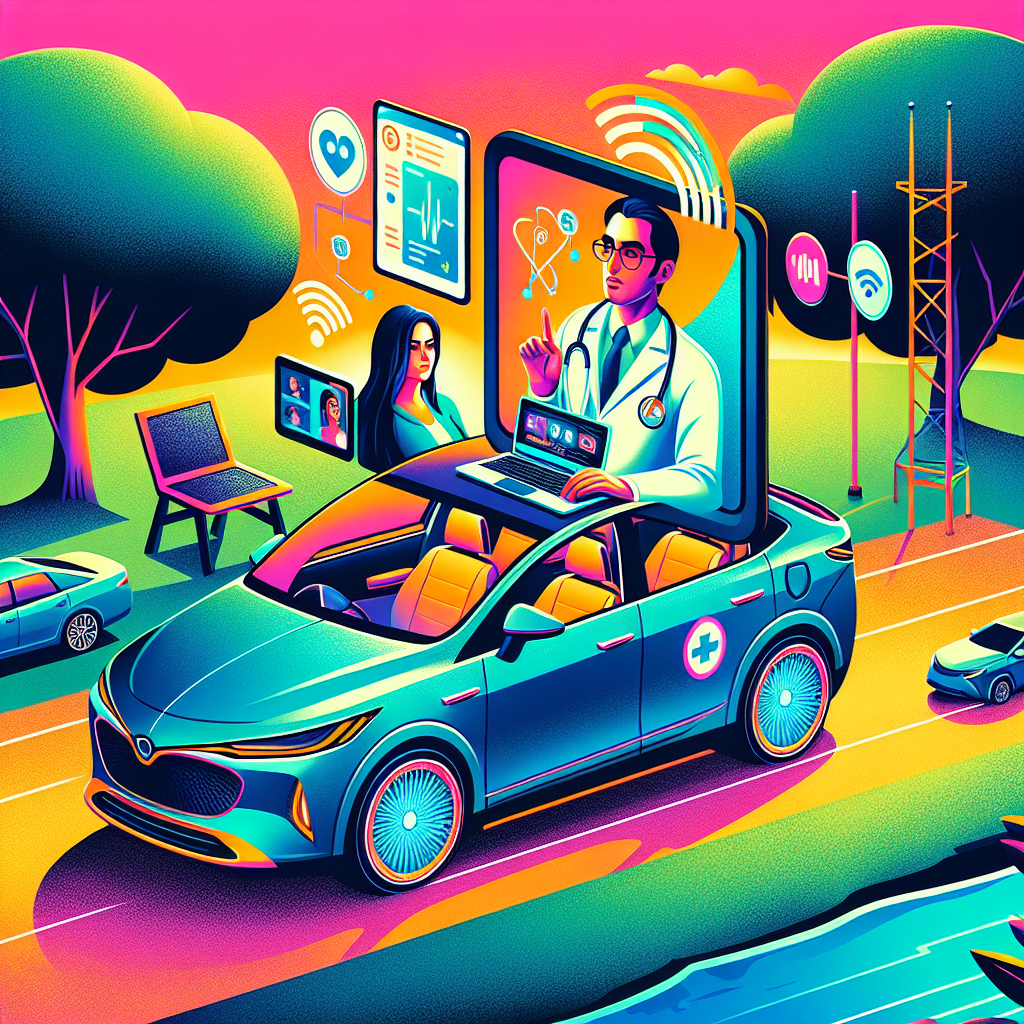
Imagine getting into your car and, instead of just entering a destination, you check in with your doctor on the dashboard screen. Thanks to advances in vehicle technology and high-speed networks, mobile healthcare is evolving fast. Known as in-car telehealth, this innovative approach combines cutting-edge automotive systems, remote medical tools, and real-time data sharing to transform your vehicle into a mobile health hub. This article explores how the concept is growing, the technologies behind it, and the real-world benefits and barriers that come with it.
How Telehealth Has Transformed
Telehealth originally meant phone conversations between patients and healthcare providers. However, in the last decade, it has expanded significantly. Now it includes video consultations, remote health monitoring, and mental health therapy accessed through digital platforms. According to the Centers for Disease Control and Prevention (CDC), telehealth visits surged by 154% during the last week of March 2020 compared to the same week in 2019 due to the pandemic.
With the rise in telehealth adoption, connected cars present the logical next step. Just as people adapted to virtual visits at home, they may soon embrace the convenience of medical check-ins while parked during a lunch break or stuck in traffic.
Expert Take: Healthcare Meets Mobility
“Mobility and health often overlap more than we think,” says Dr. Karen Li, a digital health researcher at Stanford. “If the car becomes an extension of the healthcare environment, we unlock new possibilities for improving access to timely care.”
The Merge of Automotive Innovation and Health Tech
Today’s vehicles are more than transportation—they are powerful computers on wheels. They are equipped with rapid internet access, hands-free digital displays, and precise GPS tracking. Automotive companies are now integrating health technologies such as heart rate sensors in steering wheels, seat belts embedded with temperature scanners, and biometric scans located in mirrors and headrests.
BMW, for instance, is piloting its iX SUV with biometric sensors built into the seat to monitor breathing patterns. Combine that with onboard emergency systems like GM’s OnStar or Europe’s eCall, and cars begin to resemble mobile diagnostic units. Deloitte reports that 74% of consumers are open to vehicles that monitor health if it enhances safety and well-being.
Key Innovations Powering In-Car Telehealth
Advancements in technology are making in-vehicle telehealth feasible. Here are five essential components transforming cars into healthcare tools:
1. 5G and Edge Computing: Ultra-fast 5G accelerates video consultations and uploads health data instantly, enabling medical interactions even during short stops.
2. IoT Biomedical Sensors: Sensors embedded in seats, steering wheels, or headrests collect and transmit health data such as pulse and blood oxygen levels to secure platforms for medical review.
3. Artificial Intelligence: AI systems in cars can analyze sensor data for issues like abnormal breathing or irregular heartbeats, triggering alerts to healthcare teams in real time.
4. Integrated Dashboards: Vehicles from Tesla, Volvo, and others now include touchscreens that double as secure e-health dashboards, allowing for video chats, medication reviews, or symptom tracking through voice commands for safer use.
5. Wearables and Smartphones: Smart devices like Fitbit and Apple Watch easily sync with a car’s internal systems, providing a continuous health profile that bridges information between you, your doctor, and your vehicle.
A Day in the Life: Connected Health in Action
Picture this: A diabetic professional commuting home gets an alert indicating low blood sugar levels. Their smartwatch syncs with the car, triggering an auto-call to a nurse practitioner. Medical advice is delivered directly through the dashboard, ensuring timely intervention.
Real-World Benefits of Healthcare on the Move
In-vehicle telehealth holds a variety of practical advantages:
– Healthcare Access in Remote Areas: People in rural or underserved regions can receive health services from their parked car, significantly reducing travel time and improving access to basic assessments.
– Time-Saving Convenience: Employees can sneak in a consultation during a break or while charging their electric vehicle. A McKinsey report notes that 57% of people skip doctor visits due to scheduling conflicts, and mobile exams can fix that.
– Enhanced Driver Safety: Real-time health alerts for fatigue, low blood pressure, or hypoglycemia help prevent accidents and save lives.
– Better Chronic Condition Management: Mild symptoms of conditions like hypertension or anxiety can be tracked regularly, with updates shared seamlessly with providers through electronic health records.
– Lower Healthcare Costs: FAIR Health studies show that telehealth visits are about 30% less expensive than in-person appointments. In-car services may further reduce costs by minimizing ER visits or ambulance usage.
Challenges on the Road to Widespread Adoption
Despite the promise, several hurdles need to be addressed:
– Privacy and Security Risks: Since health data is transmitted over mobile networks, strong encryption and cybersecurity are essential. Vehicles offering telehealth must adhere to HIPAA security requirements.
– Cross-State Licensing: In the U.S., medical professionals must be licensed in the state where the patient is located. This complicates care for someone traveling across state lines while needing medical attention.
– Connectivity Limitations: Some rural or mountainous areas lack reliable 4G or 5G connectivity, which can reduce the effectiveness of real-time consultations.
– User-Friendly Interfaces: Car-based apps must accommodate elderly users, individuals with disabilities, and those uncomfortable with digital tools. Distractions like noise, motion, and screen glare in cars also pose usability challenges.
– Unclear Legal and Insurance Policies: If errors occur during a vehicle-based consultation, questions around liability and insurance coverage emerge. New guidelines will be needed to clarify responsibilities across companies and care providers.
Expert Insight on Policy and Regulation
“While promising, we need thoughtful regulations that catch up with rapidly evolving in-vehicle health platforms,” notes Julia Harper, a policy analyst at HealthTech Strategies. Proper policy frameworks will be essential for sustainable growth.
Looking Ahead: The Future of In-Vehicle Healthcare
As autonomous vehicles become more common, the possibilities for in-car health services will expand dramatically. Once drivers no longer need to stay engaged, they can use their time more productively:
– Patients could complete full medical consultations while en route to their destination.
– Physical therapy could include remote supervision from specialists.
– Medication could be delivered from nearby pharmacies using real-time GPS data.
According to ABI Research, over 70 million cars worldwide could feature advanced health-monitoring capabilities by 2030. Collaborations between automobile manufacturers like Ford, tech companies, and healthcare networks are beginning to lay the groundwork.
Imagine a scenario in which an autonomous vehicle senses a cardiac anomaly, auto-navigates to the closest ER, and uploads patient vitals to the receiving team—all without the passenger lifting a finger.
A New Era of Mobile Healthcare
Medical care is no longer confined to clinics and hospitals. Connected vehicles are revolutionizing the way we approach health by allowing timely and adaptable care, especially for rural patients, working parents, and travelers. While challenges such as privacy, policy, and design inclusivity remain, the value of bringing healthcare into the driver’s seat is too great to ignore.
Healthcare that moves with you is not a vision of the future—it’s the direction we are driving toward today.