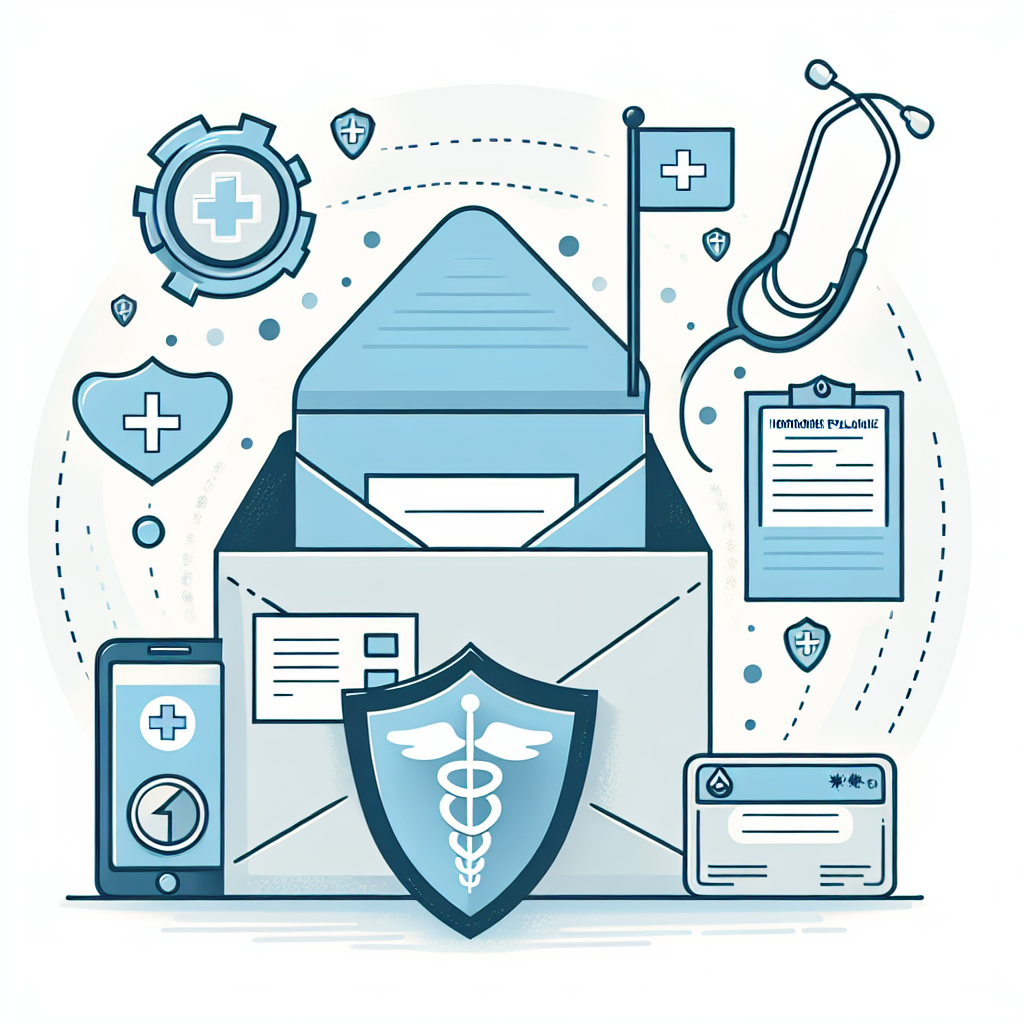
Mail-Order Medication Safety: How to Avoid Counterfeits and Delays

Convenience Meets Caution: Is Your Prescription Safe?

More and more people are getting prescriptions delivered right to their doorstep. It’s easy and often saves money, but it’s essential to ask: Is your medication safe and arriving on schedule?

According to the Kaiser Family Foundation, over 26 million Americans have used mail-order prescription services—a number that’s steadily growing. But with this convenience comes risk. Issues like counterfeit drugs or shipment delays can put your health in danger.

In this guide, learn how to protect yourself by choosing the right pharmacy, checking for medication authenticity, preventing delivery issues, and managing your prescription properly after it arrives.

The Growth of Online Pharmacies

Today, many insurance plans promote using online mail-order pharmacies, especially for routine or ongoing medications. These services often offer 90-day supplies and automated refills, which help people stay on track with their treatment plans.

Dr. Sarah Bennett, a board-certified pharmacist, points out, “Mail-order can be a smart solution for people with chronic conditions like high blood pressure or diabetes. But patients need to be careful about where they order from.”

While convenient, not all online pharmacies are safe. Some may sell counterfeit or expired medications, which poses a major risk to your health.

Looking for a safe provider? eDrugstore.com is a licensed pharmacy that follows strict safety guidelines.

Common Risks with Mail-Order Prescriptions

Counterfeit medications are a growing issue worldwide. The World Health Organization (WHO) reports that one out of every ten medical products in certain regions is fake or substandard—and these fake products are making their way into mail-order channels.

These counterfeit drugs may contain improper ingredients, no active ingredients, or even toxic substances.

In addition to fake medicines, delivery delays are a serious concern. A late shipment—due to customs, weather, address errors, or lost packages—can cause you to miss doses. For certain conditions, even a short break in treatment can cause complications, increased symptoms, or resistance to the medication.

Planning ahead and choosing reputable sources can help you avoid these dangerous situations.

How to Choose a Safe Pharmacy Online

Before placing an order, take a few moments to make sure the pharmacy is trustworthy. Unsafe websites often have “too good to be true” prices or lack proper contact information.

Here’s how to confirm a pharmacy is legitimate:

– Licensing and Accreditation: Choose sites certified by groups like the National Association of Boards of Pharmacy (NABP). Look for the Verified Internet Pharmacy Practice Sites (VIPPS) seal or check their tool at safe.pharmacy.

– Domain Checks: Authentic pharmacies may use domain names ending in “.pharmacy.” For instance, eDrugstore.com includes proper certification and transparent contact details.

– Clear Contact Info: Reliable pharmacies list physical addresses and phone numbers—not just an email form.

– Online Reviews: Look at independent review platforms like Trustpilot. Search the FDA’s site to see if there are any prior warnings about the pharmacy.

Example: If a website offers deeply discounted drugs and ends in “.biz,” and only displays a support email address, that’s a warning sign you should avoid.

How to Confirm Your Medication Is Real

When your prescription arrives, take time to check everything. According to the FDA, fake prescription drugs often have incorrect packaging, unclear markings, or unusual looking pills.

Look for the following:

– Tamper Seals: Make sure bottle seals are untouched and not broken.

– Accurate Labels: The drug name, dosage, expiration date, and batch number should be printed clearly and match your prescription.

– Pill Match: Use resources like Drugs.com to compare the appearance of your pills with official images.

– QR or Barcodes: Many packages have scannable codes to confirm a medication’s authenticity. If it’s missing or doesn’t scan correctly, contact your pharmacist.

Always trust your instincts. If something looks, smells, or feels off—don’t take the medicine. Call your healthcare provider or pharmacist right away.

Tips to Prevent Delivery Delays

Avoiding delays is equally as important as avoiding fake medications. Here are tips to ensure your prescription arrives on time:

– Order Early: Request refills at least 10 to 14 days before running out. Delays can happen during holidays or bad weather.

– Double-Check Address Details: Make sure your address includes correct spelling, apartment number, and zip code.

– Use Tracked Shipping: Choose delivery options that allow tracking. Some pharmacies, like eDrugstore.com, also offer express delivery.

– Provide Delivery Notes: If it’s hard to reach your door or mailbox, include instructions like “Leave with the front desk” or “Call upon arrival.”

– Monitor the Shipment: Track your package online. If there’s a delay longer than 48 hours, contact the shipping company or your pharmacy.

Real-life tip: A man in Ohio waited until the last minute to reorder his insulin during a snowstorm. The delay caused him to go without medication. Ordering early helps prevent this.

The Right Way to Store Your Medication

Getting your medication is just the first step. Storing it properly is necessary for safety and effectiveness. Poor storage can damage medicine even if it comes from a reliable source.

Here’s how to do it:

– Inspect Again: Make sure bottles are sealed and nothing was damaged during delivery. If a box arrived wet or broken, call your pharmacy.

– Temperature Matters: Store medicine in a cool, dry place like a drawer. Avoid bathrooms, where heat and humidity can cause problems.

– Refrigeration: Some prescriptions, like insulin or vaccines, must be refrigerated. Ask your pharmacist if you’re unsure.

– Keep It Secure: Use childproof containers and store medicine away from children and pets.

– Stay Organized: Keep a log with expiration dates, batch numbers, and quantities. Use older medication first to avoid waste.

What to Do If Something Feels Wrong

If you suspect there’s a problem with your medicine, stop and ask for help. Speak to your doctor, pharmacist, or the medication manufacturer if anything looks suspicious.

You can also file a report with the FDA’s MedWatch program at www.fda.gov/medwatch. This helps protect others by alerting health officials about potential dangers.

Dr. Anthony Ramirez, a clinical pharmacologist, emphasizes, “Consumers have every right to speak up. A quick call could literally save lives.”

Most trustworthy pharmacies offer replacement orders or consultations if there’s an issue. Don’t take chances with your health.

Smart Steps Make Online Prescriptions Safer

Mail-order prescriptions offer convenience, but safety should always come first. By using certified pharmacies like eDrugstore.com, checking your prescriptions carefully, placing refill orders early, and storing your medication correctly, you can minimize risks and protect your health.

Follow these steps so that your online prescription process stays smooth, secure, and stress-free.

References

– World Health Organization. Substandard and Falsified Medical Products. https://www.who.int
– U.S. Food and Drug Administration. MedWatch Safety Reporting. https://www.fda.gov/medwatch
– Kaiser Family Foundation. “10 Things to Know About Mail Order Pharmacy Use in the U.S.” https://www.kff.org
– National Association of Boards of Pharmacy. Safe.Pharmacy Program. https://safe.pharmacy
– eDrugstore.com – About Us. https://www.edrugstore.com/about-us
– Drugs.com Pill Identifier. https://www.drugs.com/imprints.php

The pursuit of healthy, youthful skin has never been more popular, but achieving it doesn’t always require expensive spa treatments or invasive procedures. Today’s beauty market offers effective, science-backed solutions that you can use right at home—one of the most promising being microneedling.

Why Collagen Is the Foundation of Youthful Skin

Collagen is the structural protein that keeps skin firm, smooth, and elastic. As we age, natural collagen production declines, resulting in:

  • Fine lines and wrinkles
  • Loss of firmness
  • Uneven texture
  • Slower skin renewal

Stimulating collagen production is key to reversing these signs of aging and maintaining a radiant complexion.

What Is Microneedling and How Does It Work?

Microneedling involves creating microscopic channels in the skin using tiny, precise needles. These micro-injuries trigger the skin’s natural healing process, resulting in:

  • Increased collagen and elastin production
  • Improved absorption of serums and active ingredients
  • Reduced appearance of scars, fine lines, and pigmentation
  • Smoother, more refined skin texture

The best part? When done correctly at home, microneedling can deliver results similar to professional treatments—at a fraction of the cost.

Product Spotlight: Derma Stamp Anti-Aging

One standout option for at-home microneedling is the Derma Stamp Anti-Aging, available from eDrugstore.com. Designed for both beginners and skincare enthusiasts, it combines professional-grade results with ease of use:

  • Beginner-Friendly 0.25mm Needles – Gentle enough for first-time users while still effective.
  • Premium Titanium Construction – Ensures durability and precise application.
  • Ergonomic Wide Handle – Provides superior control for accurate treatment.
  • Portable and Travel-Ready – Perfect for maintaining your routine anywhere.

When paired with your favorite anti-aging serum, the Derma Stamp can elevate your nightly skincare ritual, enhancing absorption and accelerating results.

How to Incorporate Microneedling into Your Routine

To get the most out of at-home microneedling:

  1. Cleanse Thoroughly – Start with a clean, dry face.
  2. Use the Derma Stamp 1–2 Times Weekly – Focus on areas with fine lines or uneven texture.
  3. Apply a Serum Post-Treatment – Vitamin C, hyaluronic acid, or peptides work best after microneedling.
  4. Moisturize and Protect – Follow with a nourishing moisturizer and daily SPF.

Consistency is key—regular use can lead to visibly smoother, firmer, and more radiant skin within weeks.

Why Choose a Trusted Tool?

Not all microneedling devices are created equal. Using poorly made tools can damage your skin or deliver subpar results. The Derma Stamp Anti-Aging is built with high-quality titanium needles and designed for safety, comfort, and optimal effectiveness, making it a smart choice for at-home users.

Final Thoughts

Healthy, youthful skin isn’t about expensive treatments—it’s about giving your skin what it needs to thrive. With a quality device like Derma Stamp Anti-Aging, you can take control of your skincare, boost collagen production, and enjoy professional-level results from the comfort of your own home.

Can You Adjust Your Medication Dosage Online? Here’s What the Law and Your Doctor Say

Telehealth and Dosage Adjustments: What’s Allowed?

In today’s digital health era, adjusting your medication dosage online is becoming more common. But many people wonder: is it legal to change your prescription through a telehealth platform?

The answer? It depends. Your ability to change dosages virtually is influenced by factors such as your state’s laws, the type of medication in question, and your doctor’s approval.

A 2023 report by the American Medical Association revealed that over 80% of physicians in the U.S. now offer some form of virtual care. But offering care doesn’t automatically mean your medication can be changed online. Let’s explore how virtual medication changes work, what doctors say, and how to do it safely.

Understanding State-by-State Telemedicine Laws

Telemedicine laws vary widely across the country. Some states require doctors to see patients in person before any prescription or dosage changes can be made. Others allow for virtual adjustments as long as the healthcare provider is licensed in that state.

“Many patients assume that telemedicine is a legal gray zone, but in reality, it’s highly regulated—especially when it comes to prescriptions,” says Dr. Hannah Seo, a board-certified internist and telehealth advisor.

One key regulation is the Ryan Haight Online Pharmacy Consumer Protection Act. This federal law requires providers to conduct at least one in-person exam before prescribing controlled substances. Exceptions can apply during cases like national health emergencies, but these are time-limited.

If you’re unsure whether your medication qualifies, check your state’s medical board website or review Telehealth Policy updates on eDrugstore.com.

How Your Doctor Approves Dosage Changes Online

Even when you seek care through a telehealth platform, a licensed provider must review your health status before adjusting your dosage. This typically involves looking over your medical history, digital symptom reports, recent lab results, and any vitals you submit—such as blood pressure or heart rate.

If you’re a returning patient, doctors may feel more comfortable modifying your dosage virtually. For example, if you’ve been taking blood pressure medication for six months and your at-home readings show consistent improvements, your provider might agree to lower the dose via a video visit.

“If it’s your first time using that medication, we may ask for lab work or a video consultation before making any changes,” explains Dr. Maya Leland, clinical director at a leading telehealth platform.

What the Law Says About ePrescribing

Whether you can receive a dosage change online largely hinges on whether the medication is a controlled substance. Under the Controlled Substances Act, medications like opioids, ADHD drugs, and anti-anxiety treatments typically require an in-person evaluation before issuing or adjusting prescriptions.

During the height of the COVID-19 pandemic, many of these in-person requirements were temporarily lifted. However, with those waivers expiring, the DEA has reported a 350% increase in controlled substance prescriptions via telehealth from 2020 to 2022—prompting tighter oversight.

For non-controlled drugs (such as antibiotics, antidepressants, and blood pressure medications), most laws defer to state policy. Many states require a legitimate provider-patient relationship, often established through a real-time video consultation.

Breaking these rules isn’t just a risk—it could result in license suspension or legal penalties for your provider. Always work with certified platforms that follow state and federal prescribing guidelines.

How Telehealth Platforms Handle Online Medication Management

Today’s online health services offer increasingly smart systems for medication tracking and dosage adjustments. These platforms may include features like secure messaging with doctors, digital health logs, and automated appointment reminders.

For example, on eDrugstore.com, the process for requesting a dose change typically follows these steps:

– Fill out a detailed digital health form
– Share symptoms and details about the medication you’re using
– Submit relevant vital signs, such as blood pressure or glucose readings

Once your provider reviews the data, they will either approve the new dosage and send the prescription directly to your pharmacy or request additional information like lab tests or an in-person consultation.

It’s essential to use HIPAA-compliant services that are licensed in your state. Read the service terms carefully to understand response times, follow-up care, and prescription limitations.

Step-by-Step Guide to Changing Your Medication Dose Online

Before making any adjustments, follow this guide to ensure it’s done safely:

1. Review your medication information: Visit trustworthy sites like MedlinePlus.gov or product resources at eDrugstore.com for standard dosage information.
2. Monitor your symptoms: Keep a health journal for at least one week, noting side effects and the timing or severity of your symptoms.
3. Submit health data: Sharing your vitals, such as blood pressure and heart rate, gives your provider valuable insights.
4. Describe your symptoms clearly: Instead of vague statements like “I feel bad,” be specific. For example, say “I’ve been experiencing daily headaches and feeling sluggish since the dose was increased.”
5. Follow your provider’s instructions precisely: If told to increase medication every two days, do not increase daily. Skipping or accelerating doses can be harmful.

When You Should Seek In-Person Care Instead

Some situations are too serious or complex for virtual management. Seek immediate in-person care if you experience:

– Chest pain or shortness of breath
– Signs of an allergic reaction
– Severe dizziness or fainting

Other cases where in-person care is better include:

– You’re taking multiple high-interaction medications
– You’ve just received a complex diagnosis like diabetes or kidney disease
– Your lab results show abnormal liver or kidney function

Telehealth providers are trained to recognize these red flags and will refer you to a nearby clinic if needed.

The Dangers of DIY Medication Adjustments

Never attempt to change your medication dosage without medical consultation. Self-adjusting your dose—no matter how minor it may seem—can lead to serious consequences.

Examples include:

– Increasing ADHD medication, which can increase heart rate or cause dependency
– Abruptly discontinuing mental health medications, which may cause severe emotional or physical withdrawal
– Taking extra diabetes medication, which can dangerously lower blood sugar

“There’s really no safe way to adjust medications without medical oversight,” says Dr. Leland. “You’d be surprised how many people take advice from forums instead of trained providers.”

For your safety, always discuss medication concerns with a licensed professional.

Best Practices for Safe Online Dosage Adjustments

To protect your health while using telehealth platforms, follow these best practices:

✔️ Use a single, trustworthy telehealth provider for prescription continuity
✔️ Choose only HIPAA-compliant and state-licensed platforms like eDrugstore.com
✔️ Maintain a current health log tracking symptoms and side effects
✔️ Stay informed about your state’s laws, especially concerning controlled substances
✔️ Contact your provider at the first sign of side effects or worsening symptoms

Conclusion: Regulating Online Medication Adjustments Safely

Virtual healthcare has made managing prescriptions more convenient than ever. Adjusting your medication dose online is possible in many cases, but it must be done responsibly.

Controlled medications follow stricter legal rules, while non-controlled medications offer more flexibility—though still within state guidelines. Your healthcare provider is your best ally for safe, effective medication use, whether the visit is in person or online.

With the right telehealth platform, ongoing communication, and proactive symptom tracking, you can safely manage dose changes and maintain your well-being. When unsure, consult a licensed provider before making any changes to your medication plan.

For personalized assistance, visit eDrugstore.com and begin a secure consultation today.

References

– American Medical Association – 2023 Telehealth Trends Report
– DEA – Controlled Substance e-Prescribing Waiver Data (2022)
– Ryan Haight Online Pharmacy Consumer Protection Act Overview (FDA.gov)
– eDrugstore.com – Online Medication Management for Telehealth
– National Conference of State Legislatures – Telehealth Policy Trends
– MedlinePlus.gov – Drug Information and Side Effect Guidelines

Enhanced Version: Managing Diabetes Through Telemedicine

Introduction: A New Era in Diabetes Management

Managing diabetes has always required a balance of consistent glucose monitoring, proper medication, and lifestyle adjustments. In today’s digital age, however, remote diabetes care through telemedicine is transforming how patients and doctors interact. By integrating connected diabetes devices, real-time data sharing, and seamless collaboration between healthcare professionals and patients, telemedicine empowers individuals to take more control of their diabetes management—while reducing strain on healthcare systems.

“Telemedicine has proven especially valuable for chronic illnesses like diabetes, where ongoing monitoring and frequent check-ins are key,” explains Dr. Laura Henderson, a seasoned endocrinologist and digital health expert.

Below, we explore the tools enabling virtual diabetes care, how personalized data is revolutionizing treatment, and how strong doctor-patient communication can thrive—even remotely.

The Rise of Virtual Diabetes Care

While the COVID-19 pandemic accelerated the use of virtual consultations, endocrinologists were already exploring telemedicine options for years. For the nearly 11.3 percent of Americans living with diabetes (CDC, 2023), regular in-person appointments can be time-consuming and challenging.

Telemedicine brings diabetes care into patients’ homes by offering:

– Scheduled video visits for medication reviews and support
– Secure messaging through patient portals
– Continuous glucose monitoring systems that send real-time alerts to doctors

According to the American Diabetes Association, telehealth has helped reduce missed appointments for follow-up care by 25 percent (ADA, 2022). This model allows healthcare providers to care for more patients without sacrificing quality.

Key Takeaway: Real-Time Data Drives Smart Care

At the core of effective telemedicine are the innovative devices that collect and share patients’ data in real time.

Smart Devices Empowering Remote Diabetes Monitoring

Advanced diabetes technology helps patients and healthcare providers stay informed and proactive. Here are the essential tools reshaping remote care:

Continuous Glucose Monitors (CGMs)

Devices like the Dexcom G7 and FreeStyle Libre 3 automatically track blood sugar levels every 1–5 minutes. Readings are sent directly to a smartphone and can alert users to dangerously high or low glucose levels, even during the night, allowing for immediate intervention.

Smart Insulin Pens and Pumps

Modern devices such as the InPen record insulin usage by time, dosage, and type. This information is accessible for both patients and providers, ensuring accurate adjustments during virtual consultations.

Bluetooth-Enabled Glucose Meters

Upgraded fingerstick glucose meters now sync readings to cloud-based applications. This enables easy pattern recognition—such as recurring post-breakfast spikes—leading to better-informed diet or medication adjustments.

Activity and Diet Tracking Tools

Fitness devices like Fitbit monitor physical activity and heart rate, while apps like mySugr allow users to log meals. These details, when cross-referenced with glucose data, offer a complete picture of how lifestyle choices affect blood sugar.

Interested in exploring options? Visit eDrugstore.com for a comprehensive guide on diabetes tools and medications.

Using Data to Personalize Diabetes Treatment

Collecting data is only the first step. The power lies in turning that data into meaningful insights and timely action. Through secure digital platforms, healthcare providers can analyze trends and create targeted strategies customized to each patient.

Identifying Trends

Digital analytics highlight recurring issues, such as consistent blood sugar spikes after dinner. This data supports informed decisions—like modifying insulin timing or adjusting meal portions.

Proactive Alerts

Some systems use artificial intelligence to predict and warn patients of potential glucose imbalances before they occur. A pattern of morning highs might prompt the app to recommend pairing breakfast carbs with protein.

Integrated Health Dashboards

Comprehensive dashboards provide a unified view of glucose readings, insulin use, sleep habits, and activity levels. These tools simplify appointment preparation and flag issues requiring attention.

Tailored Tips and Coaching

Based on individual data, smart platforms deliver customized suggestions such as “Have a protein snack at bedtime to avoid overnight lows” or “Adjust insulin 15 minutes earlier for better post-meal control.”

Building Strong Virtual Doctor-Patient Relationships

Technology alone isn’t enough—effective communication and team-based support are essential for successful remote diabetes care. Here are proven ways to optimize virtual collaboration:

Upload Data Before Appointments

Patients should send device data—like CGM logs and insulin reports—at least 48 hours before their virtual visits. This enables providers to identify trends ahead of time and make each session more productive.

Structured Remote Consults

Even in a virtual setting, appointments should follow a defined agenda. Providers can walk through data trends, discuss recent symptoms, and evaluate goals—for example, adjusting a nighttime insulin dose to prevent hypoglycemia.

Ongoing Communication Between Visits

Encrypted messaging platforms allow patients to ask quick questions or clarify concerns—such as interpreting unusual glucose values—without waiting for their next appointment. This reduces emergency room visits and enhances patient confidence.

Team-Based Virtual Care

Modern telemedicine systems allow input from dietitians, nurse educators, and primary care providers. With shared access to data, everyone involved can coordinate care and prevent mix-ups.

“Successful tele-diabetes management depends on building a connected care network that shares resources and responsibility,” notes Dr. Kim Patel, a clinical health IT expert.

Telehealth Pros and Cons in Diabetes Care

Key Benefits

– Broader access to specialized diabetes care for patients in rural or underserved communities
– Convenient follow-ups without long commutes
– Higher engagement through immediate feedback and intuitive data apps
– Early warning of complications thanks to continuous monitoring

Common Challenges

– Limited internet access and digital literacy can exclude some patients (Pew Research Center, 2023)
– Providers may be overwhelmed by large amounts of incoming data
– Data privacy must align with HIPAA standards during device syncing and data storage
– Insurance reimbursement policies differ by state and provider plan

Need help with online prescriptions or medication delivery? Visit eDrugstore.com for reliable support.

The Future of Diabetes Care: Integration and Intelligence

Looking ahead, telemedicine will become even more powerful with artificial intelligence and smart automation.

Closed-Loop Insulin Systems

Known as artificial pancreas technology, these systems automatically adjust insulin delivery using CGM inputs and predictive algorithms. By managing background insulin levels independently, they reduce hypo- and hyperglycemia—especially useful overnight or during physical activity.

Predictive AI Coaching

Machine learning models can spot evolving patterns and tailor recommendations accordingly. One study published by JAMA (2023) found that AI interventions reduced hypoglycemic episodes by 30 percent among insulin-dependent patients.

Virtual Diabetes Coaches

Chatbots are becoming common in diabetes apps, reminding users to take medications, interpret data, or suggest quick walks during inactivity—all contributing to better daily outcomes without replacing human care.

Conclusion: Empowering Smarter, More Accessible Diabetes Management

From smart monitoring tools to AI-powered analytics, virtual diabetes care offers a comprehensive, high-tech, and patient-friendly approach to managing this chronic condition. By enhancing patient autonomy and streamlining provider workflows, telemedicine is helping improve health outcomes across the board.

As Dr. Laura Henderson emphasizes: “We’re empowering patients not just to track, but to truly understand and act on their diabetes data—that’s the future of care.”

Whether you’re newly diagnosed or experienced with diabetes management, exploring digital tools and virtual healthcare can lead to more stable glucose control, fewer complications, and a better quality of life.

Ready to take control of your diabetes care? Discover accessible prescription tools and diabetes resources at eDrugstore.com.

References

– Centers for Disease Control and Prevention (2023). National Diabetes Statistics Report
– American Diabetes Association (2022). Improving Care with Telehealth
– Pew Research Center (2023). Internet Access and Digital Inclusion
– JAMA Network (2023). Impact of AI Tools on Insulin Management
– Interview with Dr. Laura Henderson, Endocrinologist
– Interview with Dr. Kim Patel, Clinical Health IT Specialist

For more resources, visit: https://www.edrugstore.com/resources/diabetes

Hormone Replacement Therapy by Mail: Is It Safe and Effective?

Understanding the Rise of Mail-Order Hormone Therapy

As healthcare continues transitioning into the digital age, more adults are turning to the convenience of hormone replacement therapy by mail. This innovative solution offers privacy, reduced cost, and accessibility from the comfort of your home. But with hormones influencing critical bodily functions like metabolism, mood, sexual health, and bone density, many question the safety and effectiveness of mail-delivered treatment. This guide explores the benefits and limitations of mail-order hormone therapy to help you make an informed decision.

How Mail-Order Hormone Therapy Works

Mail-order HRT services typically begin with an online intake form followed by a virtual consultation with a licensed medical professional. Based on your symptoms, health history, and lab results, providers can prescribe synthetic or bioidentical hormones such as estrogen, progesterone, testosterone, or thyroid medications. These treatments are shipped directly to your doorstep and come in various forms, including capsules, gels, patches, or injectables.

For instance, a woman managing perimenopause may receive a personalized estrogen patch with detailed usage instructions. Treatment plans differ case by case, depending on individual health goals and hormone levels. A study published in the Journal of Telemedicine and Telecare found that 87% of telehealth patients were satisfied with online care, including hormone therapy services.

Convenience and Accessibility of Virtual Hormone Therapy

One of the leading advantages of telehealth hormone therapy is convenience. Whether you live in a remote area, work nontraditional hours, or simply prefer the privacy of home-based care, virtual services remove many barriers to treatment.

According to Dr. Michele Keller, an endocrinologist at Johns Hopkins Medicine, “Convenience shouldn’t come at the expense of quality. But when monitored correctly, virtual HRT can be both safe and effective.” Platforms like eDrugstore.com even offer automatic refills and discreet delivery, minimizing interruptions in your therapy routine.

Comparing the Cost: Online vs. In-Person HRT

Traditional hormone therapy through local clinics often comes with high costs for appointments, testing, and custom compounding. In contrast, many online HRT platforms use subscription-based pricing models, bundling virtual consultations, lab work, and monthly medication into fixed monthly fees ranging between $99 and $299. This is noticeably more affordable than in-clinic services averaging over $400 monthly.

For self-pay patients or those without insurance, accessing affordable hormone therapy online can be a practical solution. Additionally, bypassing multiple pharmacy trips means even more savings over time. Services such as eDrugstore.com offer transparency in pricing and FDA-approved medications, allowing you to compare options confidently.

Risks of At-Home Hormone Treatment

Despite the appeal, hormone therapy by mail is not without risks. Without a physical exam, virtual providers depend exclusively on your self-reported data, which can miss warning signs like cardiovascular issues, clotting disorders, or early signs of cancer.

The use of compounded bioidentical hormones, which are not regulated by the FDA, also poses concerns about consistency and safety. A 2020 study published in the journal Menopause found that nearly 60% of compounded hormone products analyzed were inconsistent in hormone concentrations.

“There’s no substitute for clinical lab testing or adherence to pharmaceutical standards,” cautions Dr. Susan Rayner, a women’s health expert at Mayo Clinic. To minimize risks, ensure your selected provider conducts routine lab testing and monitors your health throughout treatment.

Effectiveness When Properly Managed

When guided by current lab results and adjusted dosages, online hormone therapy programs can successfully address symptoms such as mood swings, low libido, fatigue, and hot flashes. The key to success lies in selecting a provider who performs regular testing and offers ongoing support.

According to research from The Endocrine Society, platforms that monitor hormone levels every three to six months—testing levels of estradiol, testosterone, and thyroid hormones—deliver significantly better outcomes in symptom management. For example, a man with low testosterone may start with a topical gel but switch to injections for better results based on lab data.

Follow Best Practices to Stay Safe

To ensure a safe experience with hormone replacement therapy by mail, it is important to follow several essential guidelines:

– Use a provider staffed with licensed doctors and pharmacists
– Ensure medications follow FDA dosing guidelines
– Complete all required lab testing and health screenings
– Follow storage and usage instructions as provided
– Avoid adjusting dosages on your own
– Report any symptoms like chest pain, mood changes, or unusual swelling right away

Platforms such as eDrugstore.com also recommend journaling symptoms and attending regular virtual follow-ups for continued safety and effectiveness.

Quality Control and Medication Safety

Not all hormone therapies are created equal. Compounded hormones, commonly tailored for individual cases, often come from pharmacies that are not held to the same rigorous standards as large pharmaceutical manufacturers. While the U.S. Pharmacopeia and state boards provide oversight, these hormones often lack the consistency and testing associated with FDA-approved medications.

For the best protection, consider providers who only distribute FDA-approved treatments. Providers like eDrugstore.com clearly disclose the origin and quality standards of the hormones they prescribe, helping patients make safe, informed choices.

“As a pharmacist, I always advise patients to look for medications manufactured in facilities that meet federal quality standards,” explains Dr. Alex Brennan from the Cleveland Clinic.

What Real Patients Are Saying

Many people turn to online hormone treatment programs due to the privacy, quicker access to care, and reduced costs. Patients undergoing menopause or managing low testosterone often report symptom improvements within a few weeks of beginning treatment.

Yet, not every experience is seamless. Some patients mention shipping delays or lack of personalized care. Online reviews can offer insights, but a better approach is to engage with condition-specific forums on platforms like Reddit or HealthUnlocked, where you can hear firsthand feedback from others navigating similar therapies.

One patient shared that transitioning from a chain pharmacy to a specialized mail-in program helped resolve her thyroid hormone imbalance more effectively due to improved lab coordination and better provider responsiveness.

Is Online HRT a Good Fit for You?

Online hormone therapy can be a suitable option if you are in overall good health and open to receiving care virtually. It’s particularly effective for those with:

– Mild menopausal symptoms or age-related hormonal shifts
– The ability to schedule and complete regular lab tests
– Preference for home delivery and private consultations

However, individuals with complex or high-risk conditions such as uncontrolled hypertension, history of stroke, clotting disorders, or cancer should consider consulting a local endocrinologist or gynecologist for more comprehensive care.

Discussing your options with your primary care doctor can provide additional clarity, ensuring that your choice between virtual and in-person HRT is both safe and appropriate.

Final Thoughts: Making the Smart Choice in Modern Hormone Care

Hormone replacement therapy by mail offers a convenient, cost-effective alternative for those looking to manage their hormonal health discreetly. With proper provider oversight, routine laboratory monitoring, and patient compliance, it can be just as effective and safe as traditional methods.

When selecting a program, prioritize platforms that emphasize medical professionalism, transparency, and safety standards, such as eDrugstore.com. Making an informed decision today can lead to balanced hormones—and an improved quality of life—tomorrow.

References

1. Koonin, L. M., et al. (2020). Trends in the use of telehealth during the emergence of the COVID-19 pandemic — United States, January–March 2020. MMWR.
2. Doyle, S. (2022). Telehealth pricing comparison: Subscription vs in-clinic. Healthline.
3. Santoro, N., et al. (2020). Compounded menopausal hormone therapy: identifying unmet needs. Menopause Journal.
4. Endocrine Society. (2021). Guidelines on hormone therapy access via telemedicine.
5. U.S. Food and Drug Administration (2023). Compounded Bioidentical Hormones: Identifying Risks.

For more information on hormone therapy and how to begin an FDA-approved treatment plan, visit eDrugstore.com.

Enhanced Guide: GLP-1 Injection at Home — Training, Monitoring, and Results

Understanding GLP-1 Agonists

Administering GLP-1 injections from the comfort of your home has become a practical and increasingly popular option for managing type 2 diabetes and supporting medical weight loss. These medications—such as semaglutide and liraglutide—mimic the effects of a naturally occurring hormone known as glucagon-like peptide-1 (GLP-1).

By activating GLP-1 receptors, these medications:

– Trigger insulin production in response to elevated blood sugar
– Slow down digestion, reducing blood sugar spikes after meals
– Decrease appetite by enhancing the feeling of fullness

These mechanisms lead to improvements in blood glucose levels and promote weight loss. One landmark study published in The New England Journal of Medicine in 2021 revealed that people using semaglutide experienced an average weight loss of 14.9% over 68 weeks.

According to Dr. Karen Weiss, MD, an endocrinologist specializing in metabolic health, “GLP-1 agonists are more than diabetes treatments—they’ve transformed the way we approach long-term weight control.”

Common GLP-1 treatments include Wegovy, Ozempic, and Saxenda, often administered once a week through a self-injection device.

Getting Ready to Self-Inject at Home

Preparing for at-home GLP-1 injections is vital to ensure effectiveness and maintain safety. Here’s a helpful checklist:

1. Consult Your Healthcare Provider
Start by visiting your doctor. They will assess your health, explore your medication interactions, and create a dosing schedule tailored to your needs.

2. Assemble the Necessary Supplies
You’ll need:

– Prefilled pens or vials with compatible syringes
– Alcohol pads for skin sanitization
– An FDA-approved sharps disposal container
– Refrigeration (36–46°F or 2–8°C) for storage of unused medication

All of these can be sourced from local pharmacies or trusted services like eDrugstore.com.

3. Review the Instructions Carefully
Each medication has its own preparation and storage requirements. Some pens need priming before use, while others do not.

For instance, unopened Ozempic pens must be refrigerated but can be kept at room temperature (not exceeding 86°F) for up to 56 days after opening.

Mastering the Injection Technique

Becoming confident with self-injection is a learning process, but with repeated practice, it becomes second nature. Here’s how to ensure a safe and effective injection:

– Choose an Injection Site: The lower abdomen, outer thighs, or upper arms are common sites. Be sure to avoid injecting too close to the navel and rotate the area regularly to prevent tissue damage known as lipodystrophy.

– Stick With Clean Techniques:
– Wash your hands thoroughly with soap and water
– Sanitize the injection area with an alcohol pad and allow it to dry

– Prepare Your Dose:
– Using a pen? You may need to prime it first, then dial in the correct dose and attach a new needle.
– Using a vial? Insert air into the vial using a sterile syringe before drawing out the medication.

– Administer the Injection:
– For most people, a 90-degree angle is appropriate
– If you’re lean, use a 45-degree angle
– Insert the needle, and hold it in place for 5 to 10 seconds
– Withdraw gently and press the site with a clean swab (don’t rub)

– Dispose Safely:
Place used needles in a sharps container. Never throw them in regular trash or recycling.

Janet Torres, RN, a Certified Diabetes Care and Education Specialist, recommends rotating your injection sites to improve medication absorption and minimize skin irritation.

Tracking Your Progress Effectively

Monitoring your response to GLP-1 therapy is essential for staying on track and reinforcing your health goals. Here’s how to stay in control:

– Monitor Glucose Levels:
Diabetic users should check blood sugar regularly as instructed by their provider. Continuous glucose monitors (CGMs) can provide seamless insights throughout the day.

– Track Weight and Body Measurements:
Weigh yourself once a week under similar conditions, such as using the same scale at the same time of day. Measuring your waist once monthly can uncover fat loss not visible on the scale.

– Note Side Effects:
It’s common to experience mild symptoms when starting, such as:
– Nausea or bloating
– Low energy or headaches
– Redness or discomfort at the injection site

Be alert for severe symptoms such as persistent vomiting or abdominal pain, which could indicate a rare condition like pancreatitis. Contact your healthcare provider if these occur.

– Schedule Regular Check-Ups:
Appointments every 4 to 12 weeks allow your provider to run necessary lab tests—including A1c, kidney, and liver function panels—to evaluate the success and safety of your treatment.

Understanding the Timeline of Results

GLP-1 medications produce results gradually. Consistency and healthy lifestyle choices make a big difference. Here’s a general outline of what to expect:

Week 1 to 4:
– Appetite typically decreases
– Digestive changes such as bloating or nausea may occur
– Initial weight loss of 1 to 3 pounds is common

Week 5 to 12:
– Appetite is more manageable
– Weekly weight loss may average between 1 to 2 pounds
– Blood sugar improvements begin to show in diabetic patients

Month 3 to 6:
– Significant cumulative weight loss ranging from 5% to 15% of your starting weight
– Better blood sugar regulation and lower A1c readings (as advised by your doctor)

Beyond 6 Months:
– Many users switch to a maintenance dose
– Some continue losing weight or maintaining progress depending on diet and routine

Dr. Kim Nolan, MPH and obesity researcher at Johns Hopkins University, reminds users that “GLP-1 medications aren’t overnight solutions—they’re most effective when integrated into a long-term wellness plan.”

Staying Safe and Following Best Practices

Adopting smart practices can optimize your results and keep your routine safe:

– Keep a Consistent Injection Schedule:
Set a weekly alarm or phone reminder to maintain steady blood levels of the medication.

– Store Your Medication Properly:
– Keep unused medication refrigerated at 36–46°F (2–8°C)
– Follow specific storage directions once opened—most can stay at room temperature temporarily

– Stay Hydrated:
Drinking plenty of water helps reduce potential nausea and supports digestion.

– Promote Healthy Habits:
– Engage in moderate physical activity (minimum 150 minutes weekly)
– Focus on nutrient-rich foods such as lean proteins, vegetables, and whole grains

– Build a Support System:
Sharing progress with friends, family, or support groups keeps you motivated and accountable.

Each step you take builds a stronger foundation for long-term health.

Wrapping It Up: A Healthier Path Forward

Administering GLP-1 injections at home is more than just convenient—it’s a strategic move toward managing chronic conditions and enhancing your well-being. With the right training, careful monitoring, and realistic goals, you can achieve meaningful outcomes in blood sugar control, weight loss, and overall health.

Stay in close communication with your healthcare provider to make necessary adjustments, monitor progress, and ensure long-term safety.

For expert advice, prescription services, and discreet medication delivery, visit eDrugstore.com.

Take control of your health—one injection and one decision at a time.

References

– American Diabetes Association. (2023). Statistics About Diabetes. https://www.diabetes.org/about-us/statistics/about-diabetes
– Wilding, J.P.H., et al. (2021). Once-Weekly Semaglutide in Adults with Overweight or Obesity. The New England Journal of Medicine, 384(11), 989-1002. https://doi.org/10.1056/NEJMoa2032183
– Centers for Disease Control and Prevention. (2023). Diabetes and Your Health. https://www.cdc.gov/diabetes/basics/index.html

August 21, 2025 – United States – eDrugstore.com, a trusted leader in online prescription services and telemedicine for over two decades, has announced a groundbreaking partnership with OurDoctor.com to launch an AI-powered, fully integrated virtual healthcare platform. This innovative collaboration aims to transform the way patients access care—delivering faster, smarter, and more personalized healthcare experiences around the clock.

A New Era of AI-Enhanced Digital Health

By uniting eDrugstore.com’s extensive pharmaceutical expertise with OurDoctor.com’s cutting-edge digital health infrastructure, this partnership creates a seamless ecosystem that adapts to each patient’s unique needs in real-time. The platform integrates artificial intelligence, telehealth services, and connected care tools, enabling:

  • 24/7 Access to Care – Patients can connect with healthcare professionals anytime, anywhere.
  • Data-Driven Personalization – AI technology tailors treatment pathways based on individual health profiles.
  • Faster, More Accurate Care – Automation and predictive analytics reduce wait times and improve outcomes.

“This partnership represents a major leap forward in delivering convenient, high-quality healthcare. Together, we’re breaking down barriers and bringing next-generation medical services directly to patients’ fingertips,” said Kyle Rao, spokesperson for eDrugstore.com.

Why This Matters

Healthcare accessibility has long been a challenge, with many patients facing delays, limited availability, or high costs. The eDrugstore.com & OurDoctor.com alliance directly addresses these issues by:

  • Improving Speed & Efficiency – Immediate consultations and streamlined prescription fulfillment.
  • Expanding Reach – Serving patients across the U.S. regardless of location.
  • Ensuring Quality & Safety – Combining professional oversight with advanced tech-driven care delivery.

Looking Ahead

This AI-powered platform is poised to reshape the digital healthcare landscape, setting a new standard for accessible, reliable, and patient-focused telemedicine. With a shared mission of enhancing healthcare experiences, eDrugstore.com and OurDoctor.com are committed to empowering individuals to take control of their health like never before.

Learn more about our services and upcoming innovations at www.eDrugstore.com.

When it comes to men’s health, reproductive wellness often gets overlooked until problems arise. However, taking a proactive approach can make a significant difference—not only in fertility but also in overall vitality and confidence. Semen volume, sperm quality, and libido are all important indicators of male reproductive health. Here’s what you should know.

Why Semen Volume Matters

Semen volume isn’t just a number; it plays a vital role in fertility and sexual satisfaction. A higher volume can indicate healthier sperm production, which is essential for conception. Low seminal fluid may point to nutritional deficiencies, hormonal imbalances, or lifestyle factors like stress, poor diet, and lack of exercise.

Key Nutrients for Male Reproductive Wellness

Optimal reproductive health relies on proper nutrition. Certain vitamins and minerals directly impact semen quality and sexual function:

  • Zinc – Crucial for sperm formation and testosterone regulation.
  • L-Arginine – Supports blood flow, essential for erectile and ejaculatory health.
  • Maca Root – An adaptogenic herb known to enhance libido and stamina.
  • Antioxidants (Vitamin C, E, Selenium) – Protect sperm from oxidative stress.

Combining these nutrients with a balanced diet, regular exercise, and sufficient sleep can help support natural reproductive function.

Lifestyle Habits That Make a Difference

While supplements can help, lifestyle changes remain the foundation of reproductive health:

  • Stay Active – Exercise improves circulation and hormone balance.
  • Maintain a Healthy Weight – Obesity can lower testosterone and sperm quality.
  • Manage Stress – Chronic stress impacts libido and hormone levels.
  • Avoid Excessive Alcohol & Smoking – Both can damage sperm production.

Supplement Spotlight: Semen Volume Maximizer by eDrugstore

For men seeking an extra boost, Semen Volume Maximizer (60 Tablets) from eDrugstore.com is a natural supplement designed to support semen production and sexual vitality. Formulated with maca root, L-arginine, and zinc, it promotes:

  • Increased Seminal Fluid – Supporting reproductive function.
  • Enhanced Sperm Quality – Potentially improving fertility.
  • Elevated Libido & Stamina – For greater sexual satisfaction.

Its discreet ordering process, free doctor consultation, and secure delivery make it a trusted choice for men looking to optimize their reproductive health safely.

Semen Volume Maximizer

Original price was: $29.00.Current price is: $14.50.

Why Source Matters: Beware of Counterfeits

Counterfeit or low-quality supplements can be harmful and ineffective. Always purchase from reputable suppliers like eDrugstore, which offers authentic products manufactured by trusted pharmaceutical companies. This ensures both efficacy and safety—critical when dealing with your reproductive health.

Final Thoughts

Improving semen volume and male reproductive health is rarely about quick fixes. It’s about sustaining healthy habits, providing your body with the right nutrients, and, when needed, using trusted supplements to fill the gaps. Whether your goal is to enhance fertility, improve performance, or simply feel more confident, focusing on overall wellness is the best path forward.

Online STD Treatment Flow: From Test to Rx in 24 Hours

Modern Solutions for Sexual Health

Sexually transmitted infections (STIs) remain a major public health challenge, with nearly one in five Americans currently living with an STI, according to the CDC. Unfortunately, many individuals delay or avoid getting tested due to embarrassment, time constraints, or lack of access to nearby clinics.

Thanks to recent advances in telemedicine and at-home diagnostic technology, however, you can now complete an entire STI testing and treatment process from the comfort of your home—often in as little as 24 hours.

This guide walks you through a simple, five-step online STD treatment workflow that ensures discreet, fast, and effective care, from test ordering to medication delivery.

Why Online STD Treatment Is Changing the Game

Online STD treatment is transforming how people manage their sexual health. Here are some of the top advantages:

  • Private and secure at-home STD testing—no need for clinic visits or uncomfortable conversations
  • Fast results—most people receive their lab results and treatment recommendations within 24 to 48 hours
  • Highly accessible—perfect for those in remote locations or juggling busy schedules
  • Professional oversight—all results are reviewed by licensed healthcare providers who can prescribe medication if needed

Dr. Jane Li, a board-certified telehealth physician, states: “Reducing barriers to STI detection is key to managing the epidemic. When you give people accessible, private testing from home, they’re more likely to catch infections early and prevent spread to others.”

Step 1: Order an At-Home STD Test Kit

Begin your journey by selecting a reputable telehealth provider, such as eDrugstore.com, which specializes in at-home STD testing and treatment. You’ll complete a brief, secure health intake form to outline any symptoms, sexual history, and preferences to help determine which test is best for you.

Choose between different testing panels, such as:

  • Basic Panel: typically screens for chlamydia and gonorrhea
  • Comprehensive Panel: includes a full range of STI tests such as HIV, herpes (HSV-2), syphilis, and trichomoniasis

If you’re unsure which tests to select, a comprehensive panel is a smart choice. The CDC notes that many STIs are asymptomatic but still transmittable.

Test kits are shipped discreetly, with shipping options ranging from standard to same-day delivery.

Key points to consider:

  • Choose your delivery timeline to fit your urgency
  • Check if insurance covers the test or prepare for out-of-pocket costs (typically $79–$229)
  • Ensure your kit uses FDA-approved tests from CLIA-certified labs

Step 2: Collect Your Sample and Send It to the Lab

Once your test kit arrives, follow the clean, easy-to-follow instructions to collect your sample. Common sample types include:

  • Urine samples for testing chlamydia and gonorrhea
  • Throat, vaginal, or rectal swabs depending on sexual exposure
  • Finger-prick dried blood spot for HIV and syphilis

Most users complete this process in under 15 minutes. For added assurance, many platforms offer optional telehealth video coaching to walk you through the collection steps.

Helpful tips:

  • Use first-morning urine for more accurate results
  • Label everything carefully before inserting into sealed biohazard bags
  • Return your sample using the prepaid mailer via USPS or your nearest courier

Mike, a 29-year-old from Austin, shared, “It took me less than 15 minutes to collect and pack everything—it was honestly easier than grabbing coffee.”

Step 3: Lab Processing and Results in 24 to 48 Hours

Your specimens are processed in CLIA- and CAP-accredited laboratories using high-sensitivity techniques like PCR (polymerase chain reaction) and immunoassay analysis. Results become available within 24–48 hours.

You’ll receive a secure email or SMS prompt to access your personalized patient portal where you can view:

  • Clear digital lab results with reference ranges
  • Plain-language summaries explaining the findings
  • Recommendations and notes from board-certified providers

If your test is positive, the portal may highlight the result and guide you on how to schedule a virtual consultation.

According to a 2023 Simple Health study, over 85% of users receive their full results within two days of lab processing.

Step 4: Virtual Medical Review and Prescription

If your test is positive, a licensed healthcare provider will review your entire intake—including symptoms, allergies, and medical history—then prescribe the CDC-recommended treatment.

Here are some common medications:

  • Chlamydia: Doxycycline or azithromycin
  • Gonorrhea: Injectable ceftriaxone, sometimes with oral azithromycin
  • Herpes (HSV-2): Acyclovir or valacyclovir

Prescriptions can be sent directly to your local pharmacy or delivered to your home in unmarked packaging via mail-order options like those through eDrugstore.com.

In most states, expanded telehealth laws allow for rapid teleprescribing with little to no delays. Be sure to check your state’s eligibility.

Step 5: Treatment Delivery and Continued Support

Once your prescription is issued, you can choose either local pickup or discreet delivery, which usually arrives within 24 to 48 hours.

Most platforms provide added care through:

  • Email or SMS reminders to ensure full medication adherence
  • Optional retesting, particularly for bacterial STIs like gonorrhea, to confirm the infection has cleared
  • Educational materials about safe sex and future prevention
  • Secure messaging portals for ongoing questions or concerns

Additionally, some services include tools that allow you to notify partners anonymously—an essential feature recommended by the CDC to help stop the spread of STIs.

According to recent data published in the Journal of Telemedicine, 92% of patients reported complete symptom resolution within two weeks post-treatment.

Your Health, On Your Terms

Online STI testing and treatment are reshaping the healthcare landscape. Safe, convenient, and confidential, this approach empowers you to take charge of your sexual health on your schedule.

From ordering your at-home test to receiving effective treatment, the entire journey can be completed in as little as 24 hours. Whether you have symptoms or simply need routine screening, telehealth platforms like eDrugstore.com offer comprehensive, user-friendly services designed to protect your privacy and health.

Don’t delay care. Early detection and treatment are essential for preventing complications and protecting your partners. Embrace this modern option to stay proactive, protected, and informed.

References

  • Centers for Disease Control and Prevention. (2023). Sexually Transmitted Disease Surveillance. https://www.cdc.gov/std/statistics
  • Journal of Telemedicine. (2023). Efficacy and Adherence in Online STI Treatment Programs
  • Simple Health Platforms Data Report. (2023)
  • eDrugstore.com. (2024). At-home STD Test Kits and Prescription Services. https://www.edrugstore.com

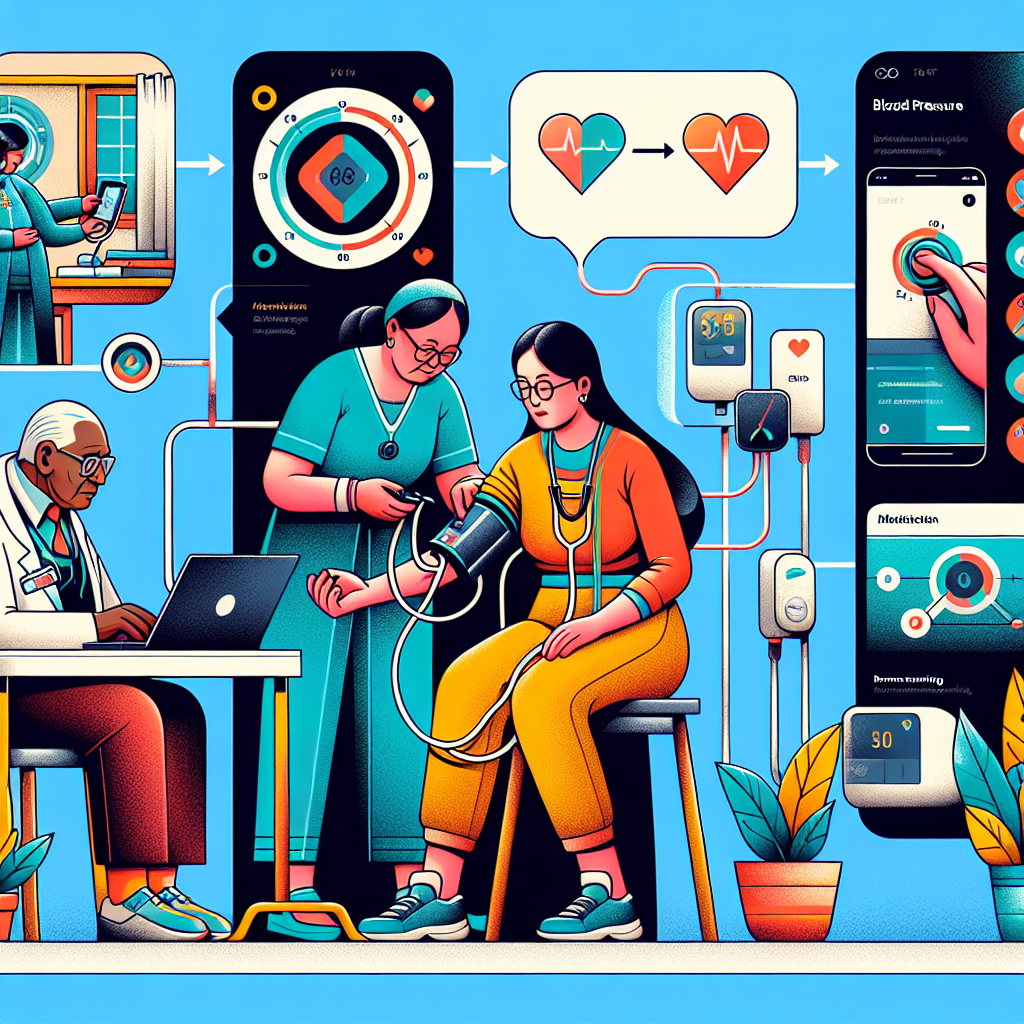
Blood Pressure at Home: How Remote Monitoring Is Replacing In-Clinic Checks

Understanding the Shift to Home Blood Pressure Monitoring

Nearly 1 in 2 U.S. adults—about 120 million people—struggle with high blood pressure, according to the Centers for Disease Control and Prevention (CDC). Historically, managing this condition meant frequent visits to the doctor for blood pressure checks. However, advancements in digital health tools are transforming that approach.

Thanks to the availability of FDA-approved home blood pressure monitors and telehealth connectivity, patients now manage hypertension more effectively from the comfort of home. These innovations not only improve care outcomes but also reduce healthcare costs and enhance patient empowerment.

“Remote monitoring increases the quantity and quality of blood pressure data, giving us better clinical insight,” says Dr. Karen Mitchell, cardiologist at Johns Hopkins Medicine. “It’s a win for patient outcomes and system efficiency.”

Why Monitoring Your Blood Pressure at Home Matters

Frequent, consistent blood pressure tracking reveals what single clinic visits can miss. Home monitoring allows for:

– Increased data collection: Continuous tracking gives a more comprehensive view of cardiovascular health.
– Reduced “white coat” spikes: Many patients experience elevated readings in clinics due to anxiety. Home readings reflect a more accurate baseline.
– Earlier treatment opportunities: Trend data can reveal problems sooner, prompting timely interventions.

Research from the American Heart Association reports that patients using home monitoring with doctor feedback lowered systolic pressure by up to 10 mmHg.

Key Benefits of Home Blood Pressure Monitoring

There are multiple advantages to managing blood pressure at home:

– Convenience: Eliminate the need for appointments or travel—simply press “Start” on your device.
– Real-time feedback: Tracking your numbers helps fuel healthier habits like exercising and eating less salt.
– More personalized care: Doctors can adjust treatments based on ongoing data, not just annual visits.
– Financial savings: Fewer in-office appointments mean lower out-of-pocket costs.

A 2022 Health Affairs report estimates remote patient monitoring could save the U.S. healthcare system $3 billion annually. If you’re looking for a monitor, eDrugstore.com offers comprehensive buying guides and product reviews for dependable home monitors.

How to Choose the Right Home Blood Pressure Monitor

Not all monitors are created equal. To find a reliable, doctor-recommended blood pressure monitor with Bluetooth capabilities, consider:

– Cuff Type: Upper-arm cuffs provide the most accurate readings. Wrist cuffs should only be used when arm measurements are not possible.
– Certification: Choose devices validated by reliable organizations like the American Heart Association or the British and Irish Hypertension Society.
– User-friendly interface: Features such as large displays, comfortable cuffs, and simple controls encourage regular use.
– Connectivity: Look for wireless syncing features. Companion apps can help track trends and share data with providers.

One popular option is the Omron Platinum Blood Pressure Monitor, which is AHA-certified and cloud-integrated—perfect for both tech-savvy users and seniors.

Essential Tips for Accurate Home Readings

To ensure precise measurements, follow these at-home blood pressure tips:

– Sit quietly for five minutes before measuring.
– Keep your feet flat, back supported, and arm level with your heart.
– Use a bare upper arm and avoid tight sleeves.
– Take multiple readings one minute apart and record the average.
– Note relevant context like time of day, recent physical activity, or caffeine intake.

Even small mistakes like talking or crossing your legs can distort results by 10 points or more, according to the Mayo Clinic.

Enhancing Results with Telehealth Integration

One of the most significant advancements is the ability to sync home blood pressure readings directly with electronic health records (EHR). This allows for:

– Real-time updates: Physicians can review your latest readings without waiting for an in-person visit.
– Virtual consultations: Adjustments to treatment plans can be done quickly over video.
– Medication tools: Many systems offer reminders and tips to help with adherence and education.

A 2023 JAMA Internal Medicine study found that patients using remote BP monitoring tools showed a 50% improvement in medication adherence within six months. For a step-by-step guide on connecting your device to telehealth platforms, visit eDrugstore.com.

Staying Safe: Data Security and Health Privacy

When using connected blood pressure monitors with cloud syncing, take the following precautions:

– Use end-to-end encryption to protect your health information.
– Choose platforms that comply with HIPAA standards.
– Set strong passwords, enable two-step authentication, and avoid sharing login credentials.

“Treat your digital health devices like an online bank account—secure, private, and encrypted,” advises cybersecurity expert Dr. Sonya Patel.

Common Challenges with Remote Hypertension Care

While home monitoring offers clear benefits, users may encounter challenges:

– Technical difficulties: Some older patients may require assistance. Many health systems now provide tutorials or hands-on support.
– Insurance uncertainties: Not all plans cover devices or virtual services. Contact your provider to clarify.
– Information overwhelm: Providers may receive too much data. Smart monitors with customizable alerts help prioritize crucial readings.

Some wearable devices now include artificial intelligence to notify doctors when readings exceed preset thresholds, helping to prevent complications.

What’s Next for Blood Pressure Monitoring?

Looking ahead, expect technology to continue reshaping hypertension care:

– Wearable integration: Smartwatches like Apple Watch and Fitbit are developing cuff-free options for continuous monitoring.
– AI-powered insights: Machine learning algorithms will soon identify patterns and alert physicians to emerging issues.
– Public health benefits: Aggregated, anonymous data can support targeted prevention campaigns within communities.

According to Dr. Elaine Chen of the Mayo Clinic, “The fusion of AI and wearables has the potential to revolutionize heart disease prevention in the next five years.”

The Future Is in Your Hands

With nearly 50 percent of American adults affected by hypertension, at-home monitoring has become more than a convenience—it’s a medical necessity. The integration of remote monitoring devices with telehealth platforms offers a powerful way to improve heart health and maintain control.

Ready to begin your journey toward improved blood pressure management? Head over to eDrugstore.com to browse top-rated blood pressure monitors that support telehealth features.

By selecting the right device, learning how to use it properly, and integrating it into your care plan, you can take control of your heart health—right from home.

References

1. American Heart Association. (2022). Remote Monitoring in Hypertension Management. https://www.heart.org
2. Health Affairs. (2022). Health Care Savings from Remote Patient Monitoring in Hypertension. https://www.healthaffairs.org
3. Mayo Clinic. (2023). Tips for Accurate Blood Pressure Monitoring at Home. https://www.mayoclinic.org
4. JAMA Internal Medicine. (2023). Impact of Home BP Monitoring on Medication Adherence. https://jamanetwork.com
5. eDrugstore.com. (2023). How to Choose the Best Home Blood Pressure Monitor. https://www.edrugstore.com