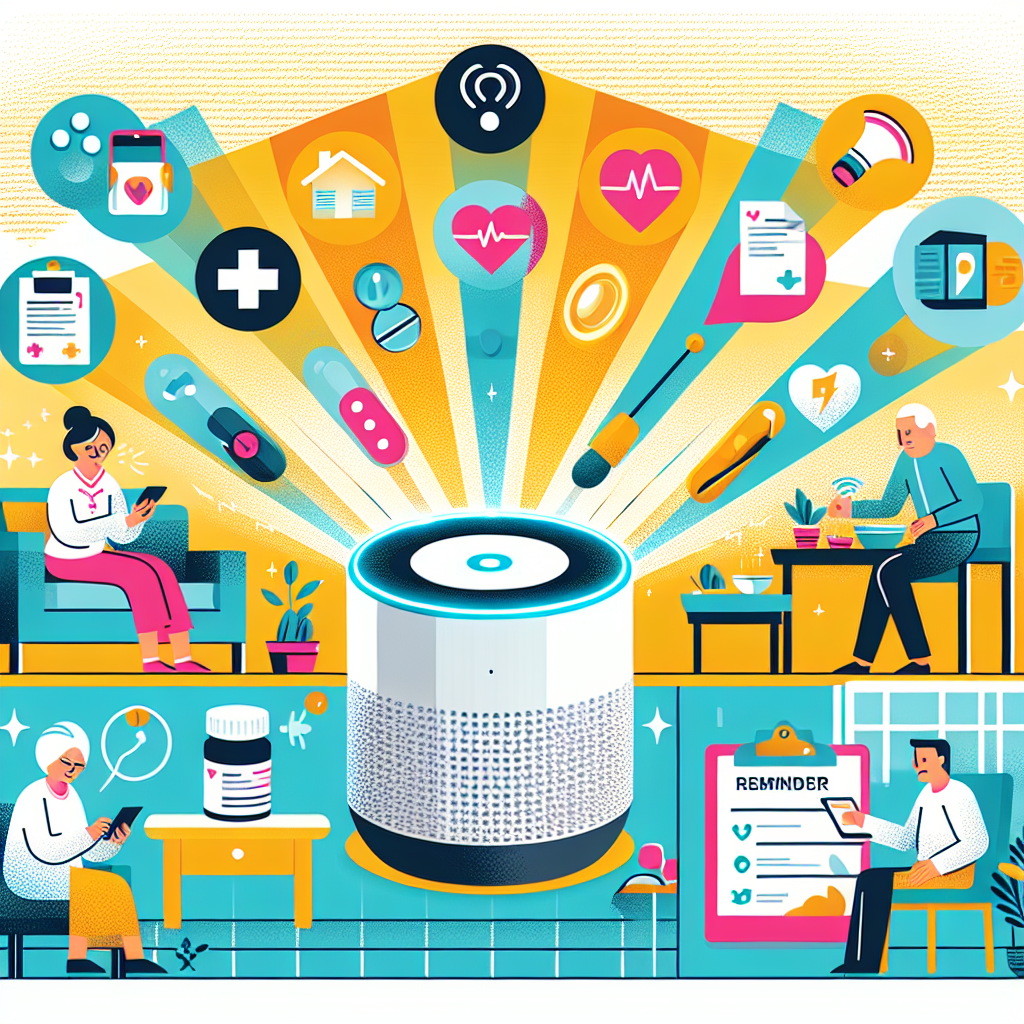
The Rise of Virtual Care for Independent Practices

In recent years, virtual care has evolved from a helpful convenience into a foundational component of healthcare delivery. According to McKinsey & Company, telehealth usage has stabilized at levels 38 times higher than before the pandemic. While large hospital systems rapidly adapted, independent medical practices often lagged behind. Limited technical experience, budget constraints, and complex compliance requirements made the shift challenging.

Fortunately, all-in-one solutions known as virtual clinic builder platforms are helping small practices bridge the gap. These tools empower healthcare providers to launch secure, professional virtual clinics—without the need for in-house developers or massive financial investment. As Dr. Susan Patel, a family physician in Texas, shares:

“Using a virtual clinic builder allowed us to offer telehealth in just a few days. It provided our patients with immediate access to care while keeping costs manageable.”

Why Telehealth is Essential for Independent Clinics

For solo and small-group providers, offering virtual healthcare services is more important than ever. According to the American Medical Association, 79 percent of patients report satisfaction with telehealth visits, praising the convenience of reduced travel, faster appointment scheduling, and improved access to specialists.

Clinicians benefit as well. Telehealth helps increase billable hours, reduce no-show rates by up to 50 percent (Health Affairs), and expand access to patients across geographic regions.

However, independent practices face significant barriers. With tight resources, limited IT support, and strict HIPAA compliance requirements, many clinics have struggled to embrace telehealth. Virtual clinic builder platforms simplify these technical and regulatory issues so that providers can stay focused on delivering personalized care.

Challenges Independent Practices Face When Going Virtual

Despite widespread benefits, launching a virtual visit platform for independent clinics presents multiple hurdles:

Technology Integration
Most small practices use EHR systems that lack native virtual visit functionality. Syncing video calls with billing, scheduling, and charting often requires costly custom development.

Regulatory Compliance
Providers must adhere to stringent privacy regulations such as HIPAA and HITECH. Secure login methods, encrypted sessions, and audit logs are essential to avoid data security violations and financial penalties.

Patient Adoption
Patients unfamiliar with technology often feel hesitant about digital care. Without clear onboarding and support, drop-off rates and missed appointments can increase.

Reimbursement Complexity
Telehealth billing remains inconsistent across Medicare, Medicaid, and private insurers, often leading to denied claims or revenue loss.

For instance, a mental health clinic using multiple disconnected tools may experience billing issues and patient frustration. In contrast, a platform like DoxyBuilder integrates video conferencing with EHR billing systems, eliminating these pain points.

What is a Virtual Clinic Builder?

A virtual clinic builder is a customizable, cloud-based solution that allows clinics to offer secure virtual care rapidly. Unlike basic video conferencing apps, a well-designed branded telehealth platform with scheduling and EHR integration includes a full suite of features tailored specifically for healthcare practices.

These features often include:

– Custom mobile apps with the clinic’s branding
– Encrypted video visits—supporting both individual and group appointments
– Seamless connections to billing and health records
– Automated intake forms, visit reminders, and post-visit communication
– Self-service appointment booking portals
– Real-time usage analytics and performance dashboards

Best of all, these platforms accelerate implementation. A survey by Software Advice found that 88 percent of users launched their virtual clinic within four weeks—much faster than developing a system in-house.

Key Features to Look for in a Virtual Clinic Builder

When comparing telehealth platforms for small medical practices, focus on these essential features:

Seamless EHR Integration
Look for platforms that provide built-in appointment scheduling, charting, and coding through APIs. This ensures your virtual care experience fits smoothly into your practice’s existing workflow.
Example: ClinicCreator integrates with widely used systems like Athenahealth and Kareo.

White-Labeling and Custom Branding
Your clinic’s identity should be front and center. Using branded patient portals for telehealth services helps reinforce professionalism and patient trust.

Security and Compliance
The solution must enable full HIPAA compliance. Features like end-to-end encryption, secure access protocols, audit logs, and the ability to sign a Business Associate Agreement (BAA) are critical.

Tools for Patient Experience
In-app guidance, multilingual support, and adaptive video quality enhance patient experience and accessibility.
Expert Insight: “Patient onboarding is often overlooked,” says Terry Lin, CIO at a digital healthcare firm. “Simplify the process and patients are far more likely to return.”

Analytics and Dashboards
Track key performance indicators using telehealth analytics tools for small clinics. Metrics may include appointment completions, revenue per visit, and common technical issues.

Top Virtual Clinic Builder Platforms to Consider

Several platforms are purpose-built for independent medical providers:

DoxyBuilder
Based on Doxy.me, this version offers custom billing, branding, and payment processing for small clinics. Ideal for practices wanting scalable, plug-and-play telehealth enhancements.

VaxaHealth
Designed for medical specialists, VaxaHealth includes tools specific to fields such as dermatology and physical therapy. Features include image sharing and customizable treatment trackers.

ClinicCreator
A no-code, drag-and-drop solution built for solo providers and small teams. Offers fast and simple EHR integration using the tools practitioners already know.

TeleWellness360
Focused on behavioral and mental health. Supports group session management, outcome tracking, and Medicare-centric billing.
For broader telehealth trends, see helpful resources such as eDrugstore’s Telehealth Blog.

Step-by-Step Guide to Launch Your Own Virtual Clinic

Here’s a simplified path to launching your virtual care practice:

Define Your Strategy
Identify which services you’ll provide (e.g., follow-ups, consults, prescription reviews). Determine patient volume and expected reimbursement rates.
Example: A podiatrist may start with virtual wound check-ins and later expand to full diagnostic appointments.

Choose the Right Platform
Request demos of shortlisted platforms. Ask about compliance, integration with your EHR system, data uptime, and user support.

Customize Your Interface
Add your branding, embedded forms, and custom workflows. Set up links to your billing and health record systems. Most platforms guide you through this process.

Train Staff
Ensure staff are trained on booking, charting, and resolving patient tech issues. Conduct mock telehealth visits and create response scripts for common questions.

Onboard Patients
Use email newsletters, text messages, physical flyers, and digital tutorials to introduce virtual care options.
Tip: Offer a getting-started video to ease patient concerns—resources like the quickstart guide at eDrugstore.com can help.

Monitor and Optimize
Track performance metrics such as show rates and patient satisfaction to identify areas for improvement. Use this data to refine your digital workflows going forward.

Benefits of Using a Turnkey Virtual Clinic Platform

Implementing a turnkey virtual clinic builder designed for small practices offers several advantages:

Faster Launch
Most practices are operational within 30 days—eliminating long development cycles.

Cost-Effective
Avoid costly IT hires and in-house software builds.

Scalable Infrastructure
Platforms can grow with your practice, supporting added services and staff.

Built-In Compliance
Security features and signed BAAs ensure you’re meeting HIPAA requirements without complexity.

Improved Patient Engagement
A consistent, high-quality patient experience encourages repeat visits and strengthens satisfaction.

Dr. Michael Anwar, an internist practicing in Chicago, remarks:

“Our patients love virtual visits—and we couldn’t have done it without a clinic builder platform. It’s significantly improved access and patient satisfaction.”

Conclusion: The Future Is Digital—And Accessible

The future of healthcare is not on the horizon—it’s already here. For independent physicians eager to stay competitive, launching virtual services is now essential, not optional. With a comprehensive virtual clinic builder tailored to small clinics, you can deliver secure, professional telehealth without technical complexity or high startup costs.

By choosing the right platform and following a structured rollout plan, your practice can meet rising patient expectations, increase revenue, and bring greater flexibility to both staff and patients—all while maintaining the personal care that defines independent medicine.

References

– McKinsey & Company, “Telehealth: A Quarter-Trillion-Dollar Post-COVID Reality?” July 2021
– American Medical Association, “2021 Telehealth Survey Report”
– Health Affairs, “Telehealth After COVID-19: Policy Implications for Providers and Patients”
– Software Advice, “Telehealth Implementation Trends in Independent Practices,” 2022
– Centers for Medicare & Medicaid Services (CMS) – Telehealth Reimbursement Resources
– eDrugstore.com – Digital Health Best Practices and Virtual Care Guides
– Office for Civil Rights (OCR), “Guidance on HIPAA and Telehealth Under the CARES Act”
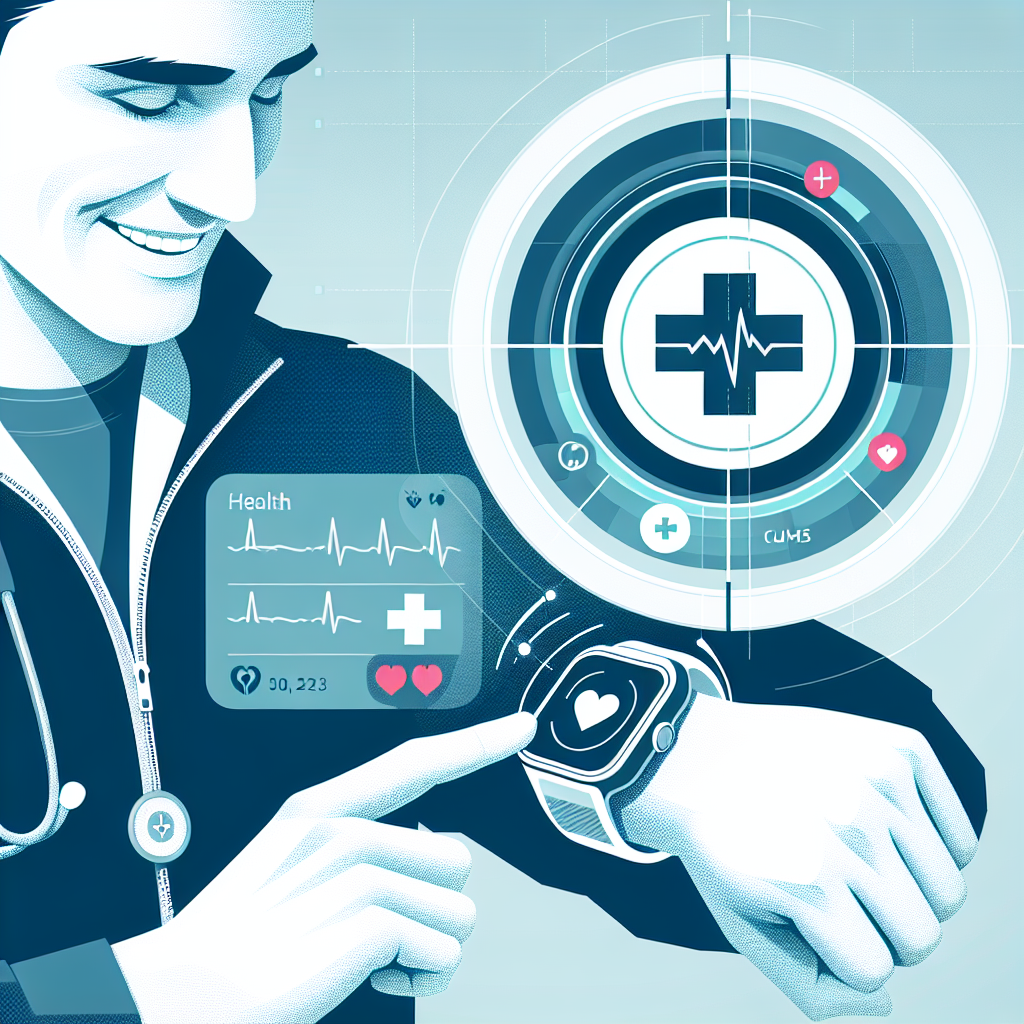
Smartwatches as Life-Saving Health Tools

Imagine a smartwatch alerting you to a heart issue before you even feel the symptoms—then sending that data directly to your doctor. This is now reality, not science fiction. Thanks to the rise of clinical-grade wearable health monitors, modern smartwatches have evolved far beyond tracking steps. These advanced devices are empowering individuals with real-time insights and enabling healthcare professionals to deliver more effective and timely interventions.

“Smart wearables are closing the gap between patients and physicians in ways we never thought possible,” says Dr. Andrea Kim, a digital health specialist at Johns Hopkins University.

The Transformation of Wearable Health Devices

Over the past decade, wearable health technology has made remarkable progress. Initially, devices like the early Fitbit could only track basic parameters such as steps and sleep. Today’s advanced wearable medical devices offer features including:

– Electrocardiograms (ECGs)
– Blood oxygen saturation (SpO₂)
– Heart rate variability (HRV)
– Continuous temperature tracking
– Blood pressure estimation

These improvements are powered by enhanced sensors, longer battery life, and sophisticated chips. A report from Deloitte showed that over 320 million health wearables were sold in 2022 alone—a number that’s consistently rising.

Machine learning now helps interpret this data, turning raw numbers into meaningful health insights. For instance, the Apple Watch Series 8 can detect atrial fibrillation and includes an FDA-cleared ECG sensor.

What Separates Clinical-Grade Data from Everyday Stats?

You might wonder: how is the data from your smartwatch different from diagnostics used in hospitals? The key is whether the device meets stringent medical standards. For data to qualify as FDA-cleared remote monitoring technology, it must:

– Be highly accurate, with minimal error rates compared to hospital-grade equipment
– Pass rigorous regulatory testing from agencies like the FDA or CE
– Offer continuous monitoring to catch issues regular checkups might miss
– Sync seamlessly with Electronic Health Records (EHRs) using standards like HL7 and FHIR

For example, the Withings ScanWatch is CE-cleared in Europe for ECG and SpO₂ tracking, making it suitable for actual medical assessments.

“Traditional diagnostics give a snapshot. Wearables provide a movie,” says Dr. Rakesh Patel, Director of Digital Health at Stanford Medicine.

Vital Health Metrics Tracked by Smart Wearables

The best smartwatches for medical monitoring now track life-critical measurements that once required a clinic or hospital visit. These include:

– ECG and Heart Rhythm: Devices like the Apple Watch and Fitbit Sense detect arrhythmias such as atrial fibrillation and tachycardia in real time.
– Oxygen Saturation (SpO₂): Watches like the Garmin Venu 3 help monitor oxygen levels, particularly beneficial for individuals with asthma or respiratory illnesses.
– Blood Pressure Monitoring: Select regions offer blood pressure estimates through optical sensors and artificial intelligence, such as those available in the Galaxy Watch.
– Continuous Glucose Monitoring (CGM): Tools like Abbott’s FreeStyle Libre or the Dexcom G7 allow diabetics to track glucose levels in real time, reducing the risk of dangerous highs or lows.
– Respiratory Rate and Body Temperature: Subtle fluctuations in these metrics, tracked by many Fitbits, can indicate illness, stress or early infection signs.

For example, someone with asthma may receive a notification if their SpO₂ drops below 92%, prompting a doctor visit before symptoms worsen.

How Wearables Are Revolutionizing Healthcare Delivery

The full potential of wearables is unlocked when they integrate with long-term care. Remote monitoring has proven to reduce hospital readmission rates by nearly 20% for heart failure patients, according to the American Heart Association.

Here are real-world uses for clinical telehealth wearables:

– Cardiac Aftercare: Devices transmit heart rate and ECGs post-surgery, enabling timely interventions.
– Diabetes Management: Real-time glucose data helps patients and doctors make better decisions around insulin delivery.
– Respiratory and Sleep Disorders: Some wearables now detect signs of sleep apnea and offer early alerts to both patients and physicians.
– Post-Surgery Monitoring: Devices can track movement and wound area temperature to identify potential infections.
– Public Health Research: Aggregated, anonymous wearable data assisted researchers in tracking COVID-19 symptoms and regional outbreaks.

Wearables are especially valuable in underserved areas. Platforms like edrugstore.com empower patients by offering telehealth consultations and savings on prescriptions from the comfort of their homes.

Keeping Your Health Data Safe and Accurate

Collecting such sensitive information raises important concerns about privacy and security. High-standard HIPAA-compliant wearable technology includes:

– End-to-end encryption of all transmitted health data
– Multi-factor authentication to prevent unauthorized access
– Informed consent tools so users control their data sharing
– Transparent, bias-free algorithms that are inclusive across all demographics

Agencies like the FDA and MHRA continue to monitor wearable tech even after its release, ensuring that it remains both safe and effective.

“Device validation and inclusivity are no longer optional—they’re essential,” emphasizes Dr. Lauren Hughes, a clinical informatics advisor at UCLA Health.

The Future: AI and Telehealth Integration

The horizon of wearable tech promises exciting advancements through AI-powered remote care platforms. Soon, we can expect:

– Predictive artificial intelligence that identifies health issues before symptoms develop—like detecting a fever trend before you feel ill
– Doctor dashboards that integrate wearable data for a fuller health picture
– AI-powered wellness coaches offering helpful reminders for hydration, exercise, or medication
– Mobile apps paired with inexpensive wearable devices that allow rural doctors to screen for conditions such as pregnancy complications or diabetes

In rural India, for example, healthcare workers now use smart wristbands with AI to detect risky pregnancies, providing lifesaving intervention well before complications arise.

Final Thoughts: Your Wearable as a Personal Health Ally

The next-generation wearable health monitors have reshaped personal healthcare. These aren’t just workout gadgets anymore—they’re potential lifesavers. With clinical-grade features, real-time tracking, and integration into professional healthcare systems, your smartwatch might just be the first medical opinion you consult.

So the next time you fasten your watch, remember—you’re arming yourself with a powerful, round-the-clock healthcare tool.

References

1. Deloitte. (2023). The Future of Wearable Technology. Industry Trends Report
2. U.S. Food and Drug Administration. (2022). Digital Health Policies and Practices. fda.gov
3. Patel, R. (2022). Integrating Wearables into Clinical Practice. Stanford Medicine Journal of Innovation
4. Kim, A., & Hughes, L. (2023). Ethical AI in Health Tech. Johns Hopkins Health Review
5. eDrugstore. (2024). Affordable Prescriptions and Telehealth Services. https://www.edrugstore.com
6. American Heart Association. (2021). Remote Monitoring and Heart Failure Care Outcomes. Circulation

The AI Translator: How Real-Time Translation Is Breaking Down Language Barriers in Virtual Consults

Revolutionizing Global Communication with Real-Time Translation

In today’s hyper-connected world, virtual consultations are transforming how professionals across healthcare, legal, and corporate sectors engage with clients around the world. However, communication becomes challenging when the client and consultant speak different languages. This challenge has been effectively addressed through the rise of the AI-powered real-time translation tool for virtual consultations.

Artificial intelligence is now making it easier than ever for people from diverse linguistic backgrounds to communicate with ease. According to Grand View Research, the global market for AI in translation reached $983 million in 2023 and is projected to grow at an annual rate of 17.5% through 2030. In this article, we’ll explore how this technology works, its key advantages, real-world applications, challenges, and future possibilities for real-time AI translation in telehealth and other remote services.

Understanding Real-Time AI Translation Technology

Real-time AI translation during virtual appointments refers to the nearly instant translation of spoken or written language from one language into another using advanced machine learning and deep neural networks.

Unlike outdated dictionary-based translation tools, modern AI systems are trained on vast datasets containing multilingual text and audio to better capture context, tone, and fluency.

Key components of this technology include:

– Speech recognition: Transcribes spoken language into text
– Natural language processing: Interprets meaning and intention
– Machine translation: Converts the message into the target language
– Text-to-speech synthesis: Delivers the translated message in a natural voice

For example, a French-speaking patient consulting with an English-speaking doctor can hear the conversation in French, while the doctor hears it in English—facilitating clear and seamless communication both ways.

Dr. Carla Jenkins, a telemedicine specialist with more than 10 years of experience, highlights the impact: “Real-time translation has allowed us to reach underserved communities where language once stood in the way of care. It promotes true health equity.”

Key Benefits of Real-Time AI Translation in Virtual Consultations

1. Expanding Access to Essential Services

More than 67 million U.S. residents speak a language other than English at home, according to the U.S. Census Bureau. Having real-time translation capabilities makes virtual care and consultations more inclusive for non-native English speakers, including immigrants and refugees.

For instance, an Afghan refugee can consult with a trauma counselor who speaks only English, thanks to real-time translation bridging the language gap effectively.

2. Reducing Costs and Saving Time

Traditional interpreters can be expensive to hire and may not always be available, especially for rare languages. By implementing AI-based live translation in healthcare or legal settings, professionals can significantly reduce dependency on third-party interpreters and accelerate service delivery.

McKinsey reports that virtual solutions incorporating AI can cut consultation time and translation expenses by up to 30%.

3. Boosting Accuracy and Consistency in Communication

AI-driven translation platforms can be optimized for specific industries such as medical, legal, or engineering, improving their ability to understand and translate technical terminology correctly.

Take, for example, a diabetes consultation in which a term like “HbA1c” is correctly translated and understood within the medical context rather than being misinterpreted, thanks to advanced contextual intelligence.

4. Improving Client Relationships

Communicating in one’s native language enhances trust, comfort, and openness. With real-time emotional-language translation in telemedicine, patients feel better understood and are more likely to engage meaningfully.

Behavioral health expert Dr. Linh Tran notes, “When clients use their native language, they become more open and emotionally engaged, leading to better treatment outcomes.”

Real-World Applications of AI Translation in Virtual Settings

Applying Translation Tools in Healthcare

Imagine a Spanish-speaking senior in New Mexico accessing psychiatric care with a doctor who only speaks English. Using AI-powered translation during the virtual appointment ensures smooth, two-way communication, improving the quality of care.

The American Telemedicine Association reports that telehealth platforms offering integrated AI translation see 38% increased patient satisfaction among those with limited English proficiency.

In mental health support and prescription consultations, AI-assisted tools also help streamline communication. To explore accessible healthcare solutions powered by advanced tech, visit edrugstore.com.

Bridging the Language Gap in Business and Legal Services

AI translators are revolutionizing how businesses communicate globally. For example, a Mandarin-speaking entrepreneur negotiating with a U.S. investor can conduct the entire meeting using dynamic real-time AI interpretation.

Similarly, legal professionals advising clients from various linguistic backgrounds can deliver services more effectively using instant AI translation tools during virtual sessions.

Enhancing Global Remote Education and Training

Virtual training sessions and educational webinars with international audiences benefit from AI translation features such as subtitles and real-time transcription. Instructors can adapt terminology to suit different dialects and regions.

For instance, during an online pharmaceutical training session, AI helps localize content for participants from India, Germany, or Brazil—ensuring consistent comprehension across borders.

Challenges to Consider with AI Translation Tools

1. Interpreting Culture and Idioms

While AI is advancing rapidly, it can still misinterpret cultural nuances, idiomatic phrases, or humor. A phrase like “kick the bucket” could be translated literally instead of conveying its intended meaning.

2. Ensuring Data Privacy and Compliance

Virtual consultations often involve exchanging sensitive data. It is essential to use HIPAA-compliant AI translation platforms that offer end-to-end encryption, especially during legal or medical sessions.

For instance, a mistranslation or data breach during an immigration case could result in serious consequences for the client.

3. Addressing Technical Limitations

Factors such as regional accents, background noise, or slow internet connections can affect accuracy. AI translators may require manual support or clarification in such situations.

4. Maintaining Human Oversight

In high-stakes settings like court proceedings or medical diagnoses, human professionals should oversee translations. AI-human hybrid models combine the speed of automated tools with the reliability of expert review.

The Future of AI Language Translation in Virtual Services

The growth of AI technology continues to enhance the capabilities of real-time translation in virtual settings. Here’s what lies ahead:

– Context-aware translation will become more refined, improving accuracy across specialized domains like pharmacy, law, or insurance.
– Emotional intelligence will enable AI systems to interpret tone and emotion, creating deeper, more human interactions.
– Offline functionality will allow translation tools to operate without internet access, ideal for regions with technological limitations.
– Multi-speaker coordination will ensure smooth interactions in group meetings or training sessions, making AI tools more versatile.

Conclusion: Breaking Barriers One Word at a Time

The rise of AI-based real-time translation for teleconsulting platforms is transforming how people interact across linguistic boundaries. Whether in healthcare, legal services, education, or business, these tools offer enhanced accessibility, reduced costs, and stronger personal connections.

Although challenges remain, continued advances in machine learning, data security, and contextual understanding are making AI translators increasingly reliable and essential.

Gartner predicts that AI-enhanced communication will improve customer outcomes by 25% within five years. For professionals seeking to serve more diverse populations, integrating AI translation into virtual interactions can be a game-changing move.

Ready to take your virtual communication global? Explore AI translation tools now or visit edrugstore.com to discover how language-enabled telehealth solutions can transform your practice.

Sources

– Grand View Research. (2023). AI in Translation Market Size, Share & Trends Report.
– U.S. Census Bureau. (2022). Language Use in the United States: 2021.
– American Telemedicine Association. (2023). Enhancing Language Access in Virtual Care.
– McKinsey & Company. (2021). Telehealth: A Quarter-Trillion-Dollar Post-COVID Reality?
– Gartner. (2023). Predicts 2024: AI-Powered Communication Will Reshape Customer Engagement.
– edrugstore.com. (2024). Secure Online Consultations and Medication Delivery Services.

Telehealth in Your Car – The Emerging Frontier of Connected Vehicle Healthcare

Reimagining Medical Care on the Move

Imagine getting into your car and, instead of just entering a destination, you check in with your doctor on the dashboard screen. Thanks to advances in vehicle technology and high-speed networks, mobile healthcare is evolving fast. Known as in-car telehealth, this innovative approach combines cutting-edge automotive systems, remote medical tools, and real-time data sharing to transform your vehicle into a mobile health hub. This article explores how the concept is growing, the technologies behind it, and the real-world benefits and barriers that come with it.

How Telehealth Has Transformed

Telehealth originally meant phone conversations between patients and healthcare providers. However, in the last decade, it has expanded significantly. Now it includes video consultations, remote health monitoring, and mental health therapy accessed through digital platforms. According to the Centers for Disease Control and Prevention (CDC), telehealth visits surged by 154% during the last week of March 2020 compared to the same week in 2019 due to the pandemic.

With the rise in telehealth adoption, connected cars present the logical next step. Just as people adapted to virtual visits at home, they may soon embrace the convenience of medical check-ins while parked during a lunch break or stuck in traffic.

Expert Take: Healthcare Meets Mobility

“Mobility and health often overlap more than we think,” says Dr. Karen Li, a digital health researcher at Stanford. “If the car becomes an extension of the healthcare environment, we unlock new possibilities for improving access to timely care.”

The Merge of Automotive Innovation and Health Tech

Today’s vehicles are more than transportation—they are powerful computers on wheels. They are equipped with rapid internet access, hands-free digital displays, and precise GPS tracking. Automotive companies are now integrating health technologies such as heart rate sensors in steering wheels, seat belts embedded with temperature scanners, and biometric scans located in mirrors and headrests.

BMW, for instance, is piloting its iX SUV with biometric sensors built into the seat to monitor breathing patterns. Combine that with onboard emergency systems like GM’s OnStar or Europe’s eCall, and cars begin to resemble mobile diagnostic units. Deloitte reports that 74% of consumers are open to vehicles that monitor health if it enhances safety and well-being.

Key Innovations Powering In-Car Telehealth

Advancements in technology are making in-vehicle telehealth feasible. Here are five essential components transforming cars into healthcare tools:

1. 5G and Edge Computing: Ultra-fast 5G accelerates video consultations and uploads health data instantly, enabling medical interactions even during short stops.

2. IoT Biomedical Sensors: Sensors embedded in seats, steering wheels, or headrests collect and transmit health data such as pulse and blood oxygen levels to secure platforms for medical review.

3. Artificial Intelligence: AI systems in cars can analyze sensor data for issues like abnormal breathing or irregular heartbeats, triggering alerts to healthcare teams in real time.

4. Integrated Dashboards: Vehicles from Tesla, Volvo, and others now include touchscreens that double as secure e-health dashboards, allowing for video chats, medication reviews, or symptom tracking through voice commands for safer use.

5. Wearables and Smartphones: Smart devices like Fitbit and Apple Watch easily sync with a car’s internal systems, providing a continuous health profile that bridges information between you, your doctor, and your vehicle.

A Day in the Life: Connected Health in Action

Picture this: A diabetic professional commuting home gets an alert indicating low blood sugar levels. Their smartwatch syncs with the car, triggering an auto-call to a nurse practitioner. Medical advice is delivered directly through the dashboard, ensuring timely intervention.

Real-World Benefits of Healthcare on the Move

In-vehicle telehealth holds a variety of practical advantages:

Healthcare Access in Remote Areas: People in rural or underserved regions can receive health services from their parked car, significantly reducing travel time and improving access to basic assessments.

Time-Saving Convenience: Employees can sneak in a consultation during a break or while charging their electric vehicle. A McKinsey report notes that 57% of people skip doctor visits due to scheduling conflicts, and mobile exams can fix that.

Enhanced Driver Safety: Real-time health alerts for fatigue, low blood pressure, or hypoglycemia help prevent accidents and save lives.

Better Chronic Condition Management: Mild symptoms of conditions like hypertension or anxiety can be tracked regularly, with updates shared seamlessly with providers through electronic health records.

Lower Healthcare Costs: FAIR Health studies show that telehealth visits are about 30% less expensive than in-person appointments. In-car services may further reduce costs by minimizing ER visits or ambulance usage.

Challenges on the Road to Widespread Adoption

Despite the promise, several hurdles need to be addressed:

Privacy and Security Risks: Since health data is transmitted over mobile networks, strong encryption and cybersecurity are essential. Vehicles offering telehealth must adhere to HIPAA security requirements.

Cross-State Licensing: In the U.S., medical professionals must be licensed in the state where the patient is located. This complicates care for someone traveling across state lines while needing medical attention.

Connectivity Limitations: Some rural or mountainous areas lack reliable 4G or 5G connectivity, which can reduce the effectiveness of real-time consultations.

User-Friendly Interfaces: Car-based apps must accommodate elderly users, individuals with disabilities, and those uncomfortable with digital tools. Distractions like noise, motion, and screen glare in cars also pose usability challenges.

Unclear Legal and Insurance Policies: If errors occur during a vehicle-based consultation, questions around liability and insurance coverage emerge. New guidelines will be needed to clarify responsibilities across companies and care providers.

Expert Insight on Policy and Regulation

“While promising, we need thoughtful regulations that catch up with rapidly evolving in-vehicle health platforms,” notes Julia Harper, a policy analyst at HealthTech Strategies. Proper policy frameworks will be essential for sustainable growth.

Looking Ahead: The Future of In-Vehicle Healthcare

As autonomous vehicles become more common, the possibilities for in-car health services will expand dramatically. Once drivers no longer need to stay engaged, they can use their time more productively:

– Patients could complete full medical consultations while en route to their destination.

– Physical therapy could include remote supervision from specialists.

– Medication could be delivered from nearby pharmacies using real-time GPS data.

According to ABI Research, over 70 million cars worldwide could feature advanced health-monitoring capabilities by 2030. Collaborations between automobile manufacturers like Ford, tech companies, and healthcare networks are beginning to lay the groundwork.

Imagine a scenario in which an autonomous vehicle senses a cardiac anomaly, auto-navigates to the closest ER, and uploads patient vitals to the receiving team—all without the passenger lifting a finger.

A New Era of Mobile Healthcare

Medical care is no longer confined to clinics and hospitals. Connected vehicles are revolutionizing the way we approach health by allowing timely and adaptable care, especially for rural patients, working parents, and travelers. While challenges such as privacy, policy, and design inclusivity remain, the value of bringing healthcare into the driver’s seat is too great to ignore.

Healthcare that moves with you is not a vision of the future—it’s the direction we are driving toward today.

Introduction: A Simpler Path to Virtual Care

The telehealth revolution has expanded dramatically in recent years, fueled by the need for easier access to care, advancements in digital infrastructure, and the global shift toward remote healthcare. Traditionally, telehealth platforms have required patients and providers to download mobile applications. However, these apps often present a range of challenges including compatibility issues, ongoing updates, and complex setup processes. The solution on the rise is browser-based telehealth—virtual care that works directly through web browsers, eliminating downloads altogether.

“Removing the need to download an app eliminates a major hurdle for patients—particularly older adults and those in underserved communities,” says Dr. Elaine Morris, digital health researcher at Johns Hopkins University. “A browser-based approach makes virtual care more equitable.”

A 2023 McKinsey & Company report found that 76% of patients rank convenience as their top priority when selecting a telehealth service. Browser-based platforms rise to this challenge, offering seamless access for both patients and clinicians.

The Drawbacks of App-Based Telehealth

Although mobile apps have brought healthcare into the digital age, they have also introduced friction and barriers.

1. App Store Confusion

Patients must search for and install the correct app—potentially across different devices and platforms such as iOS, Android, or desktop. This can confuse users and result in delayed or missed appointments. Compatibility issues across operating systems only add to the challenge.

2. Update Fatigue and System Maintenance

Healthcare apps often require frequent updates for performance and security. According to HealthIT.gov, 42% of patients reported missing appointments due to outdated apps or login complications. Providers also face increased IT responsibilities to maintain multiple app versions across platforms.

3. Complicated Onboarding

Registering on an app typically involves creating an account, verifying email addresses, and granting permissions. This process can be overwhelming, especially for users with limited tech experience. “We see a high abandonment rate during the first-time login process on app-based platforms,” adds Dr. Morris.

4. Device Limitations

Older devices may not have sufficient storage space for large healthcare apps. In rural or under-resourced areas, where shared or outdated devices are common, this becomes a significant obstacle to access. App performance can also lag, affecting the quality of care.

Switching to browser-based telehealth resolves many of these challenges by eliminating the need for downloads.

A New Era: Browser-Based Telehealth Solutions

Healthcare organizations are increasingly turning to browser-based platforms that operate seamlessly through popular web browsers like Chrome, Firefox, Safari, and Edge. With no installation required, patients can simply click a link, allow camera and microphone access, and begin their consultation. This “click-and-connect” experience removes traditional entry barriers.

“WebRTC-based platforms allow for secure, real-time video consultations with no downloads,” says Laura Nguyen, a tech analyst at Telehealth Weekly. “It’s a game-changer for patient access.”

Core Benefits of No-Download Telehealth

1. Easy and Immediate Access

Patients can join appointments in seconds via a simple link received through email or text—no need to search for or install an app. These solutions work across all devices and operating systems.

For instance, an Oklahoma clinic adopted link-based appointments and saw a 37% reduction in no-shows within just three months.

2. Reduced Technical Support Needs

With no apps to install or update, tech support teams report significantly fewer troubleshooting issues. A 2022 MGMA survey showed that healthcare IT teams received 45% fewer support tickets after switching to web-based platforms.

3. User-Friendly Patient Experience

Without the need to remember passwords or navigate confusing app interfaces, patients often feel more confident and less stressed. “My 75-year-old mother completed a virtual visit on her own for the first time. That never happened with the old app,” shares Megan R., a caregiver from Ohio.

4. Enhanced Security and Privacy Compliance

Server-side software updates ensure every user is on the most current version. Encryption protocols like TLS and WebRTC help maintain HIPAA and GDPR compliance, protecting patient data throughout each session.

5. Scalability and Cost Efficiency

Organizations no longer need to develop and manage various app versions for different platforms. A unified browser-based system serves all users, enabling faster feature development and reducing costs by up to 60%, according to Deloitte’s 2023 report on digital health trends.

The Technology Behind Seamless Virtual Care

Browser-based telehealth platforms are built on modern technologies tailored for secure, high-quality virtual healthcare services:

– WebRTC for real-time, peer-to-peer video and audio communication
– Secure authentication using single sign-on (SSO), token access, or two-factor verification
– End-to-end encryption to safeguard confidential discussions
– Adaptive bitrate streaming to maintain call quality even with slower internet connections

These tech features combine to create a telehealth experience that is both efficient and secure.

Real-World Applications of Browser-Based Telehealth

Primary Care

Patients can connect to routine wellness visits or prescription refills with a simple browser link, eliminating scheduling delays or technical confusion.

Mental Health Services

Therapists report higher attendance and engagement through embedded video counseling tools available in-browser, especially helpful for ongoing mental health treatment.

Urgent Care Triage

Clinicians can assess symptoms quickly through short video visits, helping determine necessary next steps for issues like fever, rashes, or injuries.

Telepharmacy

Many pharmacies now offer online consultations through browser-based tools linked directly from prescription refill pages. These enable patients to ask medication questions or consult pharmacists without needing an app.

Challenges to Consider

While browser-based telehealth offers numerous benefits, there are still considerations for successful implementation:

1. Browser Compatibility

Most contemporary platforms support WebRTC, but older browser versions may not. Patients should be encouraged to use updated browsers such as Chrome or Firefox for best results.

2. Internet Requirements

Low bandwidth can impact video quality. However, features like adaptive streaming help minimize disruptions. A minimum speed of 1.5 Mbps is recommended for smooth calls.

3. Data Privacy and Consent

Even cloud-based solutions must comply with local data protection laws. Practices should clearly communicate consent terms before patients begin a virtual visit.

4. Strong Patient Verification

Since patients don’t log into an app, platforms must use reliable verification methods such as tokenized links, two-factor authentication, or real-time ID confirmation to ensure correct identity.

What the Future Holds for Browser-Based Telehealth

Looking ahead, web-centric virtual care platforms will continue to shape the future of medicine. Innovations on the horizon include:

– Integration with wearables and Internet of Things (IoT) devices, such as smartwatches transmitting health metrics directly through browser interfaces
– AI-powered tools that can analyze voice patterns or screen symptoms during a video call
– Hybrid care models allowing patients to shift from in-person visits to browser-based follow-ups without changing platforms
– Expanded access to care globally, especially in communities where downloading apps is daunting or mobile data is expensive

Conclusion: Care That’s Just a Click Away

The move “Beyond the App” represents a new chapter in virtual healthcare—one where convenience, accessibility, and reliability come together in a single browser window. Browser-based telehealth platforms remove common technical barriers, making care accessible to people of all ages and tech abilities.

Whether you’re managing a large medical network or operating a solo practice, switching to browser-based virtual care can reduce missed appointments, lower IT demands, and improve patient satisfaction. The future of healthcare is just one click away—and it lives in your browser.

Sources

– McKinsey & Company (2023). The State of Telehealth
– HealthIT.gov (2022). Barriers to Consumer Action with Health IT Tools
– Telehealth Weekly (2023). Browser-Based Telemedicine: Why It Works
– Deloitte Insights (2023). Digital Health Tech: Building for the Post-App World
– MGMA Tech Trends Report (2022)
– eDrugstore.com (n.d.) HIPAA and Telehealth: What Providers Need to Know

For more best practices, including secure pharmacy integration tips, visit eDrugstore.com.

The Digital Waiting Room: How Queue Management Tools Are Streamlining Virtual Appointments

Reimagining Customer Experience in a Virtual World

As more service providers transition to digital platforms, virtual appointments are becoming a standard feature of the modern client journey. Whether it’s for telehealth, online legal consultations, remote financial advising, or educational services, today’s consumers expect effortless scheduling with minimal disruptions.

Yet challenges persist—lengthy wait times, no-shows, and poor communication can still spoil the experience. That’s where the concept of the digital waiting room for virtual appointments is transforming the game. Enhanced with intelligent queue management tools, this innovation enables businesses to provide streamlined, responsive, and satisfying online services. In this article, we explore the evolution of this technology, essential features, real-world success stories, and strategies for effective implementation.

The Surge in Virtual Appointments

In recent years, the adoption of video conferencing and cloud-based communication tools has made delivering remote services easier and more effective. The COVID-19 pandemic accelerated this trend: McKinsey & Company reported that telehealth usage surged 38 times in March to April 2020 compared to pre-pandemic levels¹. This rapid shift has underscored the need for scalable virtual appointment systems that prevent patient or client fatigue and operational strain.

Dr. Anjali Patel, a digital health consultant, explains: “Remote services provide excellent flexibility and accessibility, but without effective digital queuing, organizations risk overburdened teams and unsatisfied users.”

Why Traditional Scheduling Methods Fall Short

Shifting services online solves geographical issues, but many companies continue using rudimentary scheduling tools—manual calendars, basic booking links, or static online forms. These outdated methods often result in:

– Double bookings and appointment conflicts
– Unclear wait times and scheduling ambiguity
– Last-minute changes with insufficient communication
– Disconnected workflows between departments and individuals

According to a Salesforce study, 76% of consumers expect seamless interactions across channels and departments. When that expectation isn’t met, 57% of them stop engaging with the company². In short, traditional booking systems no longer align with today’s demand for smooth and efficient online service experiences.

What Is a Digital Waiting Room?

A digital waiting room is a dynamic virtual interface that allows clients to “check in” online before their appointment begins. Instead of logging into a blank Zoom screen and wondering when the session will start, users receive real-time updates via email, text messages, or mobile apps. With estimated wait times and consistent communication, the client experience becomes more transparent and interactive.

For example, a virtual legal firm that implemented a digital waiting room saw a 40% drop in missed consultations within just two months.

Case in Point: Integrating Queue Systems in Telehealth Services

Many telehealth companies, including online pharmacies like eDrugstore.com, are incorporating digital queue solutions into their appointment flows. By offering real-time scheduling updates, these platforms significantly enhance the prescription and teleconsultation experience. Visit eDrugstore.com to see how streamlined virtual services can transform healthcare delivery.

Core Features of Modern Queue Management Tools

Today’s queue management platforms are designed to optimize each stage of the client journey. Here are some key features that set them apart:

– Virtual Check-In Solutions: Clients verify their arrival and complete forms digitally before speaking to a provider.
– Real-Time Notifications: Automatic alerts about scheduling updates or delays help manage expectations.
– Dynamic Wait Time Estimators: Algorithms calculate real-time estimates for appointment start times.
– Multi-Service Coordination: One dashboard manages multiple services or calendars for different staff or departments.
– Performance Dashboards: Managers track vital metrics such as consultation duration, wait times, and client satisfaction.
– Software Integration: Platforms work seamlessly with tools like Google Calendar, Microsoft Outlook, CRMs, and telemedicine platforms like Doxy.me.

These features not only reduce administrative tasks but also improve communication, minimize no-shows, and keep operations running efficiently.

Shorter Wait Times Lead to Happier Clients

Clients value transparency. When they receive timely updates regarding their place in the queue and the anticipated start time, they are more likely to remain engaged and show up for their sessions. One major telemedicine provider saw a 25% reduction in session drop-offs after introducing a waiting room app that provided real-time notifications. User satisfaction scores also rose by 15 points on a 100-point scale within three months.

Sandra Lopez, Director of Patient Experience at a virtual care network, emphasizes: “When clients clearly understand what to expect, they stay prepared, reducing stress and improving outcomes.” Strong digital pre-appointment experiences can boost client retention and increase revenue per session by up to 20%.

Using Data to Drive Operational Excellence

Beyond better communication, queue systems produce actionable data with every appointment. These insights help service providers fine-tune operations by:

– Identifying peak scheduling hours
– Tracking average appointment duration
– Noticing queue abandonment patterns
– Measuring staff responsiveness

For instance, if service delays often occur on Tuesday mornings, managers can reallocate resources proactively. Historical appointment data can also guide follow-up recommendations or rescheduling strategies. Leveraging appointment analytics for virtual services enables smarter planning and more efficient operations.

Step-by-Step Guide to Implementation

To unlock the full potential of your digital waiting room, follow these best practices:

1. Map the Client Journey: Outline all steps from scheduling to follow-up.
2. Set Clear Expectations: Provide clients with onboarding materials and clear check-in instructions.
3. Train Your Team: Ensure staff fully understand how to use the queue platform and interpret analytics.
4. Continuously Optimize: Use client feedback and data reports to test and refine approaches. For instance, experiment with various notification formats to increase engagement.

One financial advisory firm reported a 30% uptick in client preparedness after including a pre-appointment checklist in its waiting room flow.

The Future Is Smart and Personalized

Next-generation digital waiting rooms are evolving beyond basic management tools. Upcoming advancements include:

– AI-Powered Triaging: Chatbots can field simple questions and properly categorize service types before appointments.
– Predictive Demand Planning: Analytics predict staffing needs and appointment bottlenecks based on usage trends.
– Custom-Branded Environments: Interactive waiting room dashboards with videos, news, tips, or promotional messages enhance engagement.

These innovations will transform scheduling from a reactive process to a proactive, personalized client management system. Embracing a future-ready digital queue strategy will be essential for any organization aiming to scale effectively while maintaining service quality.

Conclusion: From Managing Queues to Managing Expectations

The modern digital waiting room is far more than a virtual placeholder—it’s a vital component of superior service delivery. It enables well-managed appointments, greater transparency, and improved satisfaction rates. For businesses, the benefits are clear: better client relationships, fewer missed appointments, higher revenues, and sharp operational insight.

For industries like healthcare and telehealth, the impact can be even greater. Platforms such as eDrugstore.com demonstrate how implementing queue notifications and digital check-ins can make prescription delivery and medical consultations more efficient and client-centered.

In an experience-driven marketplace, success hinges on how well you manage not just time—but expectations. The digital waiting room makes that possible, one appointment at a time.

References

1. Telehealth: A Quarter-Trillion-Dollar Post-COVID-19 Reality? McKinsey & Company. May 2020. https://www.mckinsey.com/industries/healthcare/our-insights
2. State of the Connected Customer: 5th Edition. Salesforce Research. 2022. https://www.salesforce.com/resources/articles/state-of-the-connected-customer-5th-edition/
3. eDrugstore.com – Online Prescription Services Simplified. https://www.edrugstore.com

Voice-Activated Health: Leveraging Smart Speakers for Medication Reminders and Symptom Tracking

Introduction: A New Era in Home Healthcare

Smart speakers have evolved far beyond simple tasks like playing music or checking the weather. Today, they are playing a vital role in delivering healthcare right at home. With voice-activated technology, users can now effortlessly manage their health—whether it’s tracking symptoms or receiving timely medication alerts. This innovation offers hands-free convenience while being mindful of privacy and security. As of 2023, nearly 38% of adults in the United States own a smart speaker (Pew Research, 2023), making this a widely accessible solution. Whether you’re caring for a family member or managing your own chronic condition, voice-activated health tools can improve health outcomes and simplify daily routines.

The Growing Impact of Voice-Enabled Healthcare

Smart home technology is rapidly expanding, and healthcare is one of the most promising areas of impact. Devices like Amazon Echo, Google Nest, and Apple HomePod are now equipped with voice capabilities that streamline health management. According to research published in JMIR mHealth and uHealth, the use of natural language processing allows these devices to accurately interpret health-related commands, making them easy to use for all age groups.

According to Dr. Emily Chen, a digital health specialist at Stanford University, “Voice interfaces lower the barrier to accessing healthcare tools, particularly for older adults or individuals with mobility challenges.”

For caregivers, older adults, or anyone with physical limitations, voice-activated systems provide a reliable, frustration-free solution for health monitoring and task reminders.

Reliable Medication Reminders Through Voice Technology

One of the most crucial aspects of managing chronic health conditions is adhering to prescribed medication schedules. Unfortunately, studies from the World Health Organization indicate that nearly 50% of individuals with chronic illnesses fail to take their medication as directed, which can lead to complications and preventable hospitalizations.

Voice-activated reminders can change that. For example, you could simply say:

“Alexa, remind me to take my diabetes medication at 9 AM every morning.”

Here’s how smart speakers can enhance medication adherence:

– Personalized scheduling for different medications and dosage times
– Verbal confirmation prompts, such as “Did you take your medicine?” with a log entry for your answer
– Escalation alerts that notify a caregiver via text or email if a dose is missed

Most voice-activated platforms are designed with data security in mind and comply with privacy regulations, including HIPAA, utilizing end-to-end encryption to keep your information safe.

A caregiver shared with eDrugstore.com, “We use Alexa for nightly reminders. My mother hasn’t missed a dose since we set it up, and I get an alert if she forgets. It’s been a game-changer.”

Easy Symptom Tracking with Voice Commands

Monitoring symptoms is essential in managing chronic conditions, but manually recording this information can be tedious. Voice technology simplifies the process. Instead of typing into your phone or writing in a journal, users can simply say:

– “Google, log my headache at intensity six”
– “Siri, record my blood sugar as 150”
– “Alexa, note that I feel anxious today”

These inputs are recorded into a secure digital log and can be synced with third-party health platforms like Apple Health, MyFitnessPal, or even your clinical patient portal. These logs are valuable tools for doctors, allowing real-time access to trends that help tailor treatment plans.

For example, consistent recordings of elevated blood pressure may prompt your doctor to adjust your medication or recommend lifestyle changes sooner.

Protecting Your Health Data: Tips for Safe Usage

While smart speakers offer significant benefits, it’s essential to ensure your information stays secure. Here are steps to protect your data:

1. Confirm Developer Credentials
Use only applications or voice skills developed by recognized health technology companies or healthcare institutions.

2. Understand Data Permissions
Review what data each skill accesses, where it’s stored, and who has access.

3. Set Up User-Specific Controls
Many devices support voice recognition profiles and PINs to ensure only authorized users can interact with sensitive health features.

4. Keep Software Updated
Regularly updating your device ensures security patches are applied to close potential vulnerabilities.

Cybersecurity expert Maria Lopez with HealthTech USA emphasizes, “Transparency in what data is collected, stored, and shared is crucial for building user trust in medical voice technology.”

eDrugstore.com is one such platform offering trusted resources and education on digital medication management tools.

Building a Voice-Enabled Health Routine at Home

Starting a health-focused routine using a smart speaker is easier than you might think. Follow these simple steps:

Step 1: Choose a Compatible Device
Look for smart speakers that support secure data handling and have integration capabilities with health applications.

Step 2: Enable Health-Related Voice Skills
Browse the device’s application center, locate the healthcare section, and activate relevant skills for medication tracking, blood pressure logging, or emotional check-ins.

Step 3: Customize Daily Commands
Use natural phrases for your speaker to follow. Try saying, “Remind me to take my insulin after lunch,” or “Log symptoms when I say ‘Symptom A.’”

Step 4: Test the System
Run a few voice commands and see where the entries are saved—whether in an app or a linked health record—so you understand how it functions.

For added safety, you can create conditional routines like, “If I miss my 8 PM dose, alert my spouse.”

Looking Ahead: AI and Personalized Care Horizons

The future of voice-enabled healthcare is rapidly advancing with the help of artificial intelligence. These improvements will drive better personalization, earlier detection, and seamless connectivity across devices. Coming innovations may include:

– Predictive alerts that detect changes in voice tones or reported symptoms and offer early intervention
– Guided audio therapy, such as mindfulness practices or cognitive behavioral therapy, based on daily check-ins
– Full integration with wearable tech—allowing smartwatches, glucose monitors, or pill dispensers to sync with the speaker, offering a unified health dashboard at home

Deloitte predicts that enhanced voice AI may reduce emergency visits by up to 30% through real-time health monitoring and proactive suggestions.

Conclusion: Begin Your Voice-Activated Health Journey

Voice-activated tools powered by smart speakers are transforming the way individuals manage health at home. These platforms provide a practical, secure, and intelligent way to keep track of medications, monitor symptoms, and communicate with healthcare providers. With AI-driven personalization and integration with wearable devices, the future is increasingly connected and proactive.

There has never been a better time to start. Choose a smart speaker, enable trustworthy health applications, and take the first step toward a safer, more convenient approach to your well-being.

For more digital health resources and tools to support medication adherence, visit eDrugstore.com.

References

– Pew Research Center (2023). Voice Assistant Use and Smart Speakers in the U.S.
– World Health Organization (WHO) (2021). Adherence to Long-Term Therapies
– JMIR mHealth and uHealth (2022). Voice Assistants in Healthcare: A Systematic Review
– Deloitte Insights (2023). The Future of AI in Consumer Health
– eDrugstore.com – Medication Adherence Resources: https://www.edrugstore.com/

Interoperability Explained: Why Your Telehealth Platform Needs to Talk to Your Hospital’s EHR

Virtual Care’s Next Leap: The Power of Interoperable Telehealth Platforms

As virtual care becomes an essential part of modern healthcare delivery, hospitals and clinics are embracing interoperable telehealth platforms that connect seamlessly with Electronic Health Records (EHRs). Unfortunately, integration remains a significant challenge. Many healthcare providers must switch between multiple platforms, manually enter patient data, and face increased documentation risks.

A study published in the Journal of the American Medical Informatics Association found that fragmented patient information contributes to over 25% of adverse drug events. Clearly, bridging the gap between telehealth tools and EHRs is key to better patient outcomes.

This is where EHR and telehealth integration—also known as interoperability—plays a critical role. By enabling systems to communicate via standardized protocols, interoperability offers providers a full picture of the patient’s health journey. This article breaks down what interoperability means, why it matters, and how you can make it work in your healthcare setting.

What Is Interoperability and Why It Matters

Interoperability refers to the structured and secure exchange of healthcare data between digital systems. Instead of relying on outdated methods such as uploading PDFs or faxing records, interoperable platforms share real-time information using modern standards like HL7 FHIR (Fast Healthcare Interoperability Resources).

For example, during a remote diabetes check-up, a nurse can instantly access the patient’s latest lab results, medication list, and upcoming appointments directly within the telehealth interface. Simultaneously, visit notes can be uploaded into the central EHR system.

“Seamless data exchange ensures that every touchpoint contributes to a complete patient record,” says Dr. Angela Moore, a clinical informatics specialist at UCSF. “That’s critical for patient safety, care coordination, and regulatory compliance.”

Enhancing Patient Care Through Real-Time Data

Upgrading to interoperable virtual care solutions is more than just a technological shift—it has a tangible impact on patient outcomes. When clinicians have full, up-to-date access to patient information, they can make more informed and accurate treatment decisions.

Here’s an illustrative example: A cardiologist, during a virtual appointment, studies a patient’s transmitted ECG results. Since the data flows directly into the EHR, the doctor notices a meaningful variation from previous readings and can adjust medication on the spot, potentially averting a serious cardiac event.

According to the Office of the National Coordinator for Health IT, over 70% of physicians report that interoperable tools improve their ability to deliver high-quality care. Key advantages include:

– Eliminating redundant lab tests and imaging procedures
– Detecting harmful drug interactions based on current prescriptions
– Continuously monitoring chronic illnesses via connected home devices

Ultimately, interoperable healthcare systems reduce risk, improve speed, and lead to more timely, customized treatment for patients.

Streamlining Workflow and Reducing Documentation Errors

Manual data entry isn’t just inefficient—it poses a significant risk for errors. Studies indicate that nine out of ten healthcare professionals have encountered mistakes stemming from incompatible systems or incorrect manual input.

This inefficiency is eliminated when systems automatically synchronize patient data. By removing repetitive tasks and data duplication, seamless interoperability allows clinicians to focus more on patients and less on software.

Consider this: A billing coordinator in a mid-size hospital uses an EHR-integrated telehealth platform to auto-fill procedure codes following virtual visits. This not only reduces claim rejections but also speeds up reimbursement.

In fact, integrating telehealth with EHR systems can cut documentation time by up to 30%, according to research. That reclaimed time translates into better focus on patient outcomes and streamlined staff workflows.

Improved Data Security and Compliance Standards

Data security stands as a top priority in healthcare—and rightly so. Fortunately, interoperability doesn’t mean sacrificing safety. Today’s integration tools are built with essential safeguards such as:

– TLS encryption for secure data transfer
– OAuth 2.0 protocols for strong user authentication
– HIPAA-approved audit trails for compliance

“Privacy protections aren’t optional—they’re foundational,” notes Janet Vaughn, a Health IT Auditor. “Standard-based, certified interoperability shows a healthcare provider’s commitment to both security and trust.”

Platforms that adhere to federal certification guidelines further ensure compliance with HIPAA and the 21st Century Cures Act. For added convenience and clarity, digital consent forms can be offered during online appointment booking—mirroring approaches used by consumer health platforms to boost transparency and engagement.

How to Overcome Technical Barriers and Internal Resistance

Adopting interoperable systems may seem intimidating, but with the right strategy, challenges can be addressed systematically. Common obstacles include:

– Legacy systems lacking open APIs
– Hesitance from IT teams or clinical departments
– Vendor limitations or budget constraints

To begin, conduct a comprehensive needs assessment. Identify how patient data flows now and where delays or errors occur. From there, follow a phased implementation approach:

– Choose vendor partners that prioritize FHIR-based solutions
– Form a cross-functional leadership team (including IT, compliance, and clinical stakeholders)
– Launch a pilot project within a single department before organization-wide deployment
– Use early learnings to refine broader rollout strategies

For example, a pediatric practice might first link video visit functions to their EHR before expanding across all specialties.

Best Practices for Successful Interoperability Implementation

To maximize the benefits of connected care systems, consider these evidence-based best practices:

– Apply FHIR R4 or other standards-based APIs across all digital platforms
– Define clear data governance policies to regulate access and usage
– Conduct routine audits for system reliability and performance
– Build in comprehensive staff training focused on workflow changes and safety
– Secure digital consent during patient onboarding and registration

“Training sessions and sandbox testing are vital,” says Brian Thomas, CIO at Mercy Health System. “They prevent deployment issues and enhance staff buy-in across departments.”

For patients, proactive communication is key. Use simple prompts to explain what data is shared and secure explicit consent—similar to techniques used by popular digital pharmacies that prioritize transparency and trust.

Tracking Success and Measuring ROI

You can’t optimize what you don’t measure. To evaluate the return on investment from telehealth and EHR integration, monitor the following key performance indicators (KPIs):

– Average time saved on documenting patient visits
– Number of unnecessary tests or diagnostic procedures avoided
– Changes in virtual appointment no-show rates
– Patient satisfaction related to care coordination
– Reduction in claim denials due to complete and accurate documentation

For instance, simply reducing billing errors can save a mid-size hospital millions annually—demonstrating that efficient data exchange not only improves care but also enhances financial results.

Conclusion: Investing in Interoperability Is Investing in the Future

In today’s healthcare ecosystem, interoperability is no longer optional—it’s essential. As virtual and in-person care merge into hybrid models, providers must adopt solutions that connect systems, eliminate data silos, and protect patient safety.

Integrating your telehealth platform with your organization’s EHR empowers teams to deliver more responsive, informed, and personalized care. Though implementation requires planning, the long-term benefits in clinical outcomes, operational efficiency, and patient satisfaction are undeniable.

By committing to secure, real-time digital communication, you ensure that critical data reaches the right people at the right time—laying the foundation for a more connected, patient-centered healthcare system.

References:

1. Bates DW, et al. “The Relationship Between Medication Errors and Adverse Drug Events.” Journal of the American Medical Informatics Association, 2020
2. Office of the National Coordinator for Health IT. “Interoperability Technologies & Statistics,” HealthIT.gov, 2022
3. HIMSS Analytics. “2019 Survey on Electronic Medical Records and Interoperability,” HIMSS, 2019
4. KLAS Research. “Understanding the Value of Telehealth Integration,” 2021
5. RevCycle Intelligence. “How Interoperability Reduces Billing Errors,” 2023

Introduction: Why Interoperability Matters Now More Than Ever

Telehealth has experienced monumental growth, with usage increasing by over 38 times compared to pre-pandemic levels (McKinsey, 2021). As virtual care becomes a core component of modern healthcare delivery, providers face a critical challenge—managing data across multiple, often disconnected systems.

These isolated data silos can delay care, cause redundant work, and negatively impact patient outcomes. The solution lies in one essential capability: EHR and telehealth interoperability.

Simply put, interoperability allows healthcare software systems to exchange information securely and accurately in real time. A seamless connection between your telehealth platform and electronic health record (EHR) system enables medical teams to deliver faster, safer, and more personalized care. Dr. Karen DeSalvo, former National Coordinator for Health IT, summed it up best: “If you can’t get the right information at the right time to support patient care, then no matter how good your tools are, they won’t fully serve their purpose.”

What Is Interoperability? Breaking Down the Basics

Interoperability encompasses three distinct levels:

– Foundational interoperability allows systems to send data but may not interpret it.
– Structural interoperability ensures data, like lab results or diagnoses, retains its original format as it moves between systems.
– Semantic interoperability is the most advanced level because it allows systems to interpret shared data using standardized vocabularies such as SNOMED CT, LOINC, or RxNorm.

Imagine a patient undergoes lab testing after a telehealth appointment to manage diabetes. With true semantic interoperability, those lab results are automatically populated in the patient’s EHR, triggering alerts if results fall out of range—all without manual input.

Fully integrated systems allow vital records like allergies, medications, remote vitals, and billing information to flow automatically, eliminating errors and administrative burdens.

Why Seamless Data Exchange Is Critical

In facilities lacking telehealth-EHR integration, teams often resort to cumbersome manual processes—faxing documents, printing notes, or entering data twice. These outdated methods not only waste time but also create serious risks.

According to the American Medical Association, 63 percent of physicians report errors due to disconnected data systems. Conversely, organizations with integrated telehealth and EHR capabilities gain real-time access to patient records during virtual visits. During a telehealth session following a hospital discharge, for example, clinicians can quickly identify medication discrepancies, pending lab work, and discharge notes—significantly improving care transitions and outcomes.

Interoperability reduces the “data friction” that can stall timely decisions and compromise patient safety.

Improving Care Through Connected Data

At its core, telehealth-EHR integration enhances what really matters: patient outcomes. Integrated platforms make it easier to:

– Match medications accurately and trigger safety alerts using full prescription histories.
– Power smarter decision-making with AI-enabled clinical decision support tools.
– Coordinate chronic disease management, such as auto-recording remote glucose levels into the patient’s chart.

Take a hypertensive patient using a remote blood pressure monitor, for instance. With data feeds synchronized to their EHR, both their primary care doctor and specialist can view up-to-date records. This shared visibility promotes faster intervention and better long-term health.

When patients know every provider has the same information regardless of where the visit happens—in-person or online—it builds trust and supports better treatment compliance.

Streamlining Workflows and Making Life Easier for Clinicians

Interoperability doesn’t only support patient care—it also enhances workflows for healthcare professionals. With telehealth-EHR integration:

– Clinicians no longer have to toggle between systems to access lab results or previous prescriptions.
– Billing departments receive automatic CPT code suggestions based on the documentation of virtual visits.
– IT and data teams can track meaningful insights like telehealth utilization, ROI, and outcomes—all from one source of truth.

According to KLAS Research (2022), organizations using EHR-integrated telehealth systems report up to a 40 percent reduction in clinician documentation time. That means more time for patient care, reduced stress, and better clinician satisfaction.

Security and Compliance: Protecting Patient Data

Sharing sensitive health information across platforms requires strict safeguards. That’s where interoperability standards like HL7 FHIR come into play, enabling structured and encrypted data transfers that meet compliance regulations.

Secure telehealth-EHR connectivity relies on:

– HL7 FHIR and SMART on FHIR APIs for structured, consistent data transmission.
– OAuth 2.0 and OpenID Connect for secure and reliable credential verification.
– Role-based access controls and encrypted data transfers to comply with HIPAA rules.

For organizations managing medications through virtual consults, vendors who are ONC-certified and follow HIPAA and GDPR guidelines create secure, compliant care environments that instill patient confidence.

Overcoming Barriers to Integration

Despite the clear advantages, some healthcare systems delay telehealth-EHR integration due to perceived costs or complexity. Here’s how to approach the process strategically:

1. Conduct a Technology Readiness Assessment
Review your current systems. What interoperability standards—HL7, FHIR—do they already support? How are providers currently using telehealth in daily workflows?

2. Select Compatible Partners
Choose vendors with proven track records with your EHR (like Epic, Cerner, or athenahealth). Look for pre-built APIs that can expedite setup and reduce implementation costs.

3. Start with High-Impact Use Cases
Don’t try to revamp everything at once. Instead, begin with areas of high telehealth performance—post-operative follow-ups, chronic disease check-ins, or behavioral health appointments.

4. Use Standard Clinical Terminology
Standardize clinical language with frameworks like SNOMED CT for diagnoses, LOINC for labs, and RxNorm for medications. This is essential for achieving semantic interoperability.

5. Focus on Change Management
Train teams early, update standard procedures, and regularly communicate the measurable benefits—such as improved efficiency and patient safety.

Real-world example: A regional health system in Ohio implemented FHIR-enabled telehealth-EHR integration and reported a 22 percent increase in follow-up compliance and a 15 percent drop in readmissions within three months.

Take the Next Step Toward a Connected Future

In today’s healthcare landscape, integrating EHR systems with telehealth platforms is no longer optional—it’s a necessity. Failing to connect these tools can mean slower care, more errors, unhappy patients, and compliance risks.

But organizations that prioritize interoperability reap major rewards:

– Quicker, more informed decision-making
– Smoother workflows for clinicians
– Safer, more coordinated patient care
– Strong compliance and data governance

Start by evaluating your current systems, identifying integration-ready areas, and launching a targeted pilot. With the right foundation, you create a virtually connected healthcare model that delivers real-time data insights, personalized care, and elevated patient experiences.

When patients see that their in-person and virtual providers share the same information and work as a team, they’re more likely to stay engaged, follow treatment plans, and enjoy better outcomes.

Supporting Virtual Medication Access

If your organization offers virtual prescribing or medication delivery, interoperability is especially important. Ensure that your telehealth platform integrates with secure, regulation-compliant systems like edrugstore.com to facilitate e-prescriptions and safe drug distribution.

Let’s Build a Unified Digital Health Ecosystem

Every tool and every provider in your organization should be aligned through secure, real-time data sharing. Interoperability makes that possible—bringing teams together to deliver safer, smarter, and more connected care.

Are you ready to bridge the gap between your telehealth and EHR systems? Contact an interoperability expert today and take the first step toward streamlined, patient-first care.

Many women struggle with fluctuating energy, stubborn weight, or imbalanced blood sugar — often tied to hormonal changes that come with stress, age, or lifestyle. PeakBody’s Berberine with Ceylon Cinnamon offers a natural, science-backed solution designed to help women restore metabolic balance, support steady energy, and feel their best every day.

How Berberine Supports Women’s Hormonal and Metabolic Health

Berberine is a plant-based compound with powerful effects on metabolism and hormone regulation. It works by activating the body’s metabolic master switch—AMPK (adenosine monophosphate-activated protein kinase)—which helps the body use energy more efficiently and maintain healthy glucose levels.

For women, activating AMPK can:

  • Support balanced hormones and metabolism, especially during perimenopause or PCOS.
  • Promote healthy blood sugar levels after meals, helping to avoid energy crashes.
  • Encourage natural weight management by improving fat and glucose metabolism.
  • Enhance overall vitality, focus, and mood.

Berberine’s ability to support healthy insulin response makes it especially beneficial for women aiming to balance energy, reduce sugar cravings, and support long-term wellness.

Why Ceylon Cinnamon Complements Women’s Health

Often called “true cinnamon,” Ceylon Cinnamon is known for its gentle yet powerful antioxidant and blood-sugar-supporting properties. It helps stabilize energy while protecting the body from oxidative stress — a common factor in hormonal imbalance and fatigue.

Ceylon Cinnamon works synergistically with Berberine to:

  • Support healthy glucose metabolism for more consistent energy.
  • Encourage balanced insulin function, which helps regulate appetite and cravings.
  • Provide antioxidant protection, reducing oxidative stress linked to aging and hormonal shifts.

Together, these two natural ingredients promote smoother energy, better metabolic efficiency, and overall well-being.

Key Benefits for Women

  • Balances Hormones Naturally: Supports optimal metabolism and energy regulation.
  • Promotes Steady Blood Sugar: Aids the body’s natural ability to manage glucose and insulin levels.
  • Supports Weight Management: Encourages healthy fat metabolism and energy use.
  • Fights Fatigue with Antioxidants: Protects cells from oxidative stress, promoting long-term vitality.

Berberine with Ceylon Cinnamon – 60 Capsules | PeakBody

Original price was: $39.00.Current price is: $19.50.

A Natural Boost for Women’s Everyday Wellness

When combined with a balanced diet, regular activity, and stress management, PeakBody Berberine with Ceylon Cinnamon helps women take control of their energy and metabolism naturally. Whether you’re managing hormonal changes, improving fitness, or just seeking balance, this formula provides powerful, plant-based support for women’s health and wellness.