

## Why Self-Diagnosis Trends Are Changing Telemedicine Outcomes
### The Digital Evolution of Healthcare Access
The rapid expansion of telemedicine services in recent years has revolutionized how patients access healthcare. Parallel to this transformation is a growing trend: more individuals are turning to online resources like symptom-checker apps, forums, and web searches for self-diagnosis before consulting healthcare providers. A report by the Pew Research Center indicates that 80% of internet users have searched online for health-related topics. While self-diagnosis provides patients with immediate access to health information, it presents both challenges and opportunities, fundamentally altering telemedicine outcomes. This article explores the reasons behind the rise of self-diagnosis, its influence on virtual care, and how both patients and clinicians can harness its benefits while mitigating its risks.
### The Rise of Self-Diagnosis in the Digital Era
With smartphones, search engines, and a wide array of health-related apps, medical information is now as accessible as social media updates. Today’s consumers no longer have to wait weeks for a primary care appointment; they can type symptoms into symptom-checker apps or search engines and receive instant feedback. A study in the Journal of Medical Internet Research reveals that over 50% of adults use online resources to decide whether to seek medical care. This trend is driven by convenience, a desire for anonymity, and an increasing propensity for individuals to take control of their health journeys.
### The Impact on Telemedicine Consultations
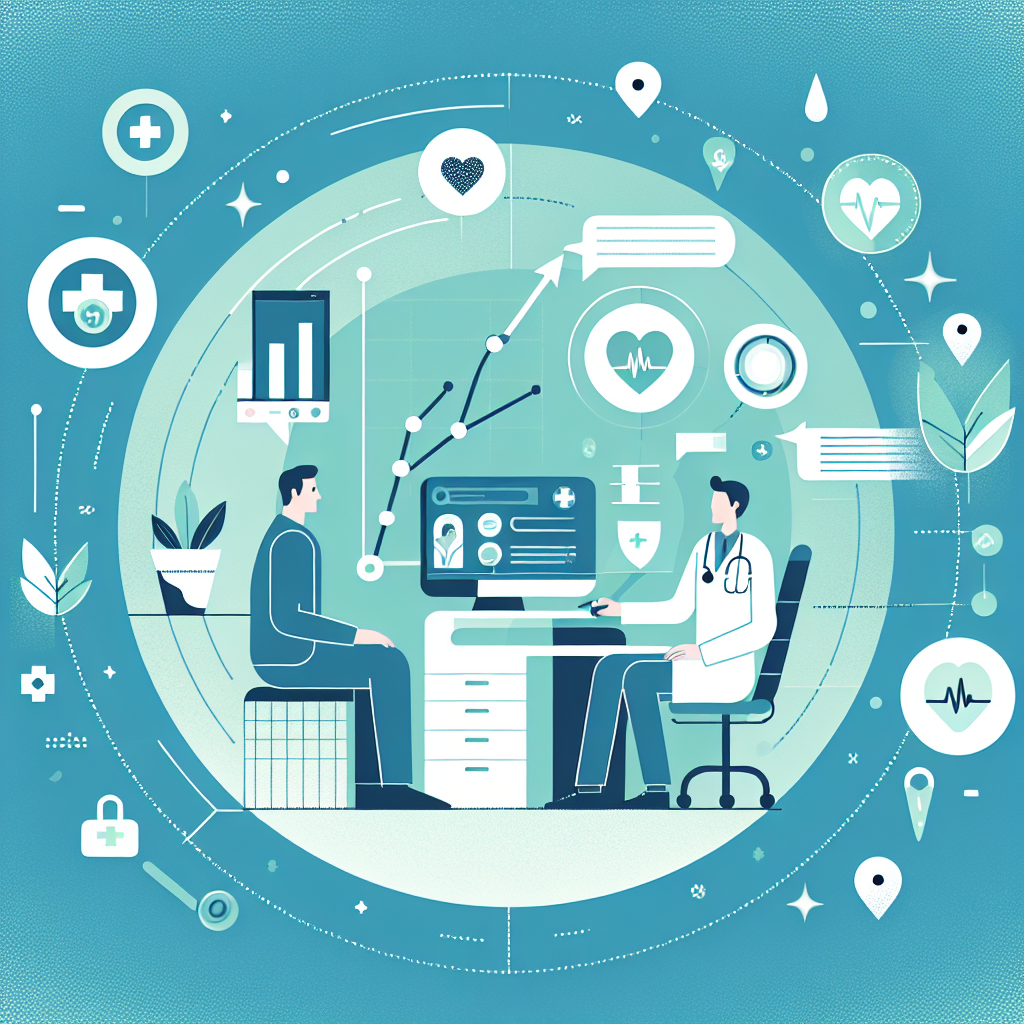
As patients arrive at telemedicine appointments armed with self-diagnoses, the dynamics of consultations have shifted noticeably. On one hand, providers gain insight into the patient’s thought process, which can guide conversations more efficiently. On the other hand, preconceived conclusions may lead to anchoring bias, where both patient and clinician focus on a single diagnosis, potentially overlooking alternative or more serious conditions. For example, a patient might delay seeking care for a persistent headache misinterpreted as a minor issue, whereas it requires immediate attention.
### Empowering Patients or Spreading Misinformation?
Self-diagnosis is a double-edged sword. When conducted responsibly—using reputable sources, cross-checking information, and acknowledging limitations—it can enhance patient engagement and preparedness. Informed patients often ask more insightful questions, adhere better to treatment plans, and experience less anxiety. Conversely, misinformation abounds online. Symptom-checkers might misclassify severe symptoms or cause unnecessary alarm. Dr. John Smith emphasizes, “While informed patients are beneficial, misinformation can lead to increased anxiety, unnecessary tests, and inappropriate treatments.”
### Telemedicine’s Response: Integrating Self-Assessment Tools
Telehealth platforms are recognizing the role of self-diagnosis and are adapting by integrating pre-visit questionnaires and AI-driven symptom triage tools. These tools help standardize data collection and assist clinicians by flagging serious symptoms early. Some apps guide users through evidence-based protocols, ensuring quality information before connecting with a clinician. These integrations aim to streamline consultations and reduce diagnostic errors, combining patient-supplied data with clinical oversight.
### Best Practices for Clinicians and Patients
To optimize outcomes in the era of widespread self-diagnosis, both providers and patients should adhere to several key principles:
1. **Acknowledge and Explore**: Clinicians should engage patients in discussions regarding any self-diagnosis they’ve made. This collaborative dialogue helps identify and address any understanding gaps.
2. **Educate and Redirect**: When misinformation is identified, providers can guide patients to credible resources such as national health websites or peer-reviewed platforms.
3. **Set Realistic Expectations**: Encourage patients to recognize the limitations of telemedicine, including when in-person evaluations, lab tests, or imaging are necessary.
4. **Leverage Technology Wisely**: Patients should opt for health apps that are transparent about their review processes and limitations. Providers can recommend vetted platforms for reliable self-assessment. For trustworthy prescriptions and medications, visit [eDrugstore.com](https://www.edrugstore.com).
### Looking Ahead: A Synergistic Future
The future of telemedicine and self-diagnosis appears promising when viewed as complementary. Advances in natural language processing and machine learning will yield sophisticated symptom triage bots capable of interpreting nuances and reducing false positives. Telehealth platforms will increasingly blur the lines between self-assessment and professional evaluation. These hybrid models will feature initial AI-driven screenings that seamlessly transition to human clinicians. As personalized medicine, remote monitoring devices, and wearable biosensors progress, self-diagnosis will become more data-driven and accurate.
### Conclusion
In today’s digital healthcare landscape, self-diagnosis trends are here to stay. When leveraged thoughtfully, they enhance patient engagement and streamline telemedicine visits, facilitating earlier interventions. However, without proper oversight, they risk spreading misinformation and complicating consultations. By acknowledging the realities of self-diagnosis, incorporating robust assessment tools, and fostering open dialogue, healthcare systems can transform these trends into valuable assets. In doing so, telemedicine can mature into a more efficient, patient-centered model, embracing informed patients as active partners in their health journey.
### References
– Atkinson, N. L., Saperstein, S. L., & Pleis, J. (2009). Using the internet for health-related activities: Findings from a national probability sample. Journal of Medical Internet Research.
– Fox, S., & Duggan, M. (2013). Health Online 2013. Pew Research Center.
– Smith, J. (2022). Expert insights on patient information and consultation accuracy. Medical Daily.
For additional resources, visit [eDrugstore.com](https://www.edrugstore.com).