

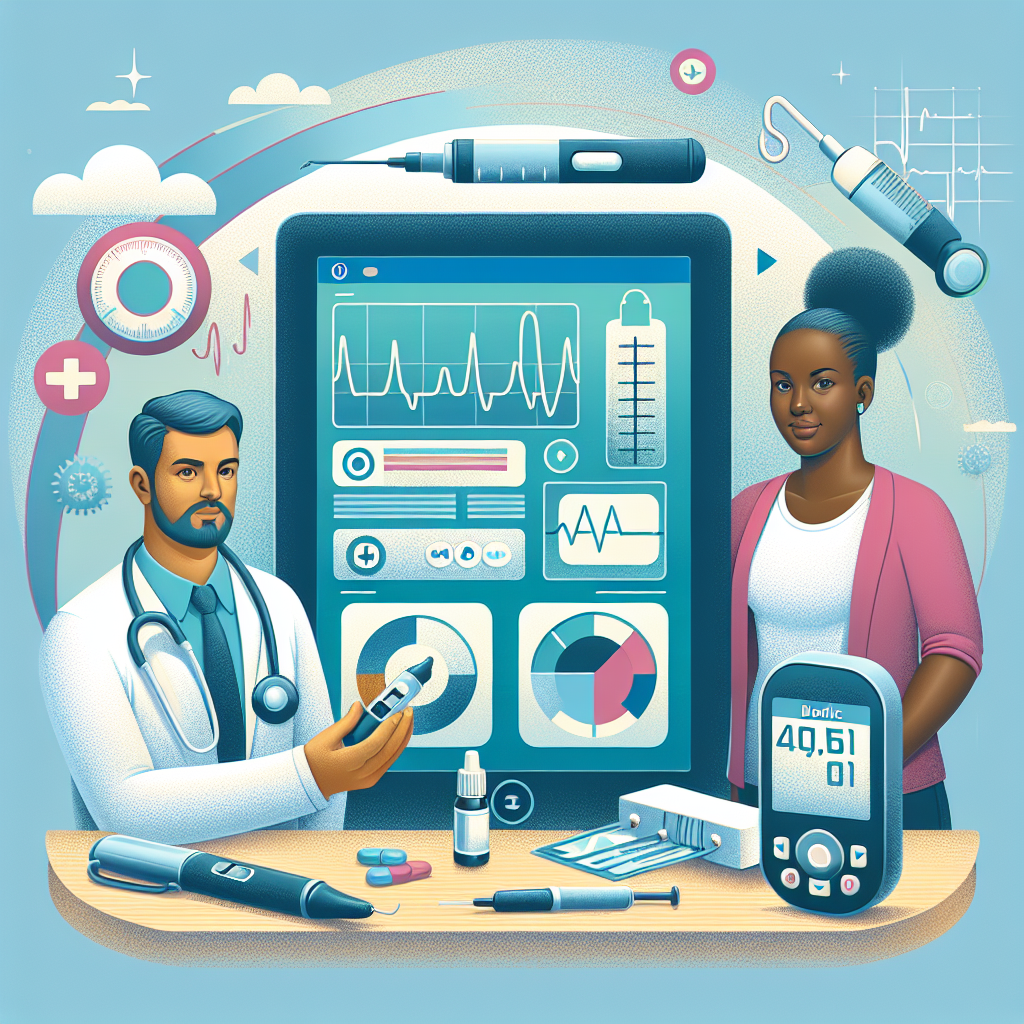
Enhanced Version: Managing Diabetes Through Telemedicine
Introduction: A New Era in Diabetes Management
Managing diabetes has always required a balance of consistent glucose monitoring, proper medication, and lifestyle adjustments. In today’s digital age, however, remote diabetes care through telemedicine is transforming how patients and doctors interact. By integrating connected diabetes devices, real-time data sharing, and seamless collaboration between healthcare professionals and patients, telemedicine empowers individuals to take more control of their diabetes management—while reducing strain on healthcare systems.
“Telemedicine has proven especially valuable for chronic illnesses like diabetes, where ongoing monitoring and frequent check-ins are key,” explains Dr. Laura Henderson, a seasoned endocrinologist and digital health expert.
Below, we explore the tools enabling virtual diabetes care, how personalized data is revolutionizing treatment, and how strong doctor-patient communication can thrive—even remotely.
The Rise of Virtual Diabetes Care
While the COVID-19 pandemic accelerated the use of virtual consultations, endocrinologists were already exploring telemedicine options for years. For the nearly 11.3 percent of Americans living with diabetes (CDC, 2023), regular in-person appointments can be time-consuming and challenging.
Telemedicine brings diabetes care into patients’ homes by offering:
– Scheduled video visits for medication reviews and support
– Secure messaging through patient portals
– Continuous glucose monitoring systems that send real-time alerts to doctors
According to the American Diabetes Association, telehealth has helped reduce missed appointments for follow-up care by 25 percent (ADA, 2022). This model allows healthcare providers to care for more patients without sacrificing quality.
Key Takeaway: Real-Time Data Drives Smart Care
At the core of effective telemedicine are the innovative devices that collect and share patients’ data in real time.
Smart Devices Empowering Remote Diabetes Monitoring
Advanced diabetes technology helps patients and healthcare providers stay informed and proactive. Here are the essential tools reshaping remote care:
Continuous Glucose Monitors (CGMs)
Devices like the Dexcom G7 and FreeStyle Libre 3 automatically track blood sugar levels every 1–5 minutes. Readings are sent directly to a smartphone and can alert users to dangerously high or low glucose levels, even during the night, allowing for immediate intervention.
Smart Insulin Pens and Pumps
Modern devices such as the InPen record insulin usage by time, dosage, and type. This information is accessible for both patients and providers, ensuring accurate adjustments during virtual consultations.
Bluetooth-Enabled Glucose Meters
Upgraded fingerstick glucose meters now sync readings to cloud-based applications. This enables easy pattern recognition—such as recurring post-breakfast spikes—leading to better-informed diet or medication adjustments.
Activity and Diet Tracking Tools
Fitness devices like Fitbit monitor physical activity and heart rate, while apps like mySugr allow users to log meals. These details, when cross-referenced with glucose data, offer a complete picture of how lifestyle choices affect blood sugar.
Interested in exploring options? Visit eDrugstore.com for a comprehensive guide on diabetes tools and medications.
Using Data to Personalize Diabetes Treatment
Collecting data is only the first step. The power lies in turning that data into meaningful insights and timely action. Through secure digital platforms, healthcare providers can analyze trends and create targeted strategies customized to each patient.
Identifying Trends
Digital analytics highlight recurring issues, such as consistent blood sugar spikes after dinner. This data supports informed decisions—like modifying insulin timing or adjusting meal portions.
Proactive Alerts
Some systems use artificial intelligence to predict and warn patients of potential glucose imbalances before they occur. A pattern of morning highs might prompt the app to recommend pairing breakfast carbs with protein.
Integrated Health Dashboards
Comprehensive dashboards provide a unified view of glucose readings, insulin use, sleep habits, and activity levels. These tools simplify appointment preparation and flag issues requiring attention.
Tailored Tips and Coaching
Based on individual data, smart platforms deliver customized suggestions such as “Have a protein snack at bedtime to avoid overnight lows” or “Adjust insulin 15 minutes earlier for better post-meal control.”
Building Strong Virtual Doctor-Patient Relationships
Technology alone isn’t enough—effective communication and team-based support are essential for successful remote diabetes care. Here are proven ways to optimize virtual collaboration:
Upload Data Before Appointments
Patients should send device data—like CGM logs and insulin reports—at least 48 hours before their virtual visits. This enables providers to identify trends ahead of time and make each session more productive.
Structured Remote Consults
Even in a virtual setting, appointments should follow a defined agenda. Providers can walk through data trends, discuss recent symptoms, and evaluate goals—for example, adjusting a nighttime insulin dose to prevent hypoglycemia.
Ongoing Communication Between Visits
Encrypted messaging platforms allow patients to ask quick questions or clarify concerns—such as interpreting unusual glucose values—without waiting for their next appointment. This reduces emergency room visits and enhances patient confidence.
Team-Based Virtual Care
Modern telemedicine systems allow input from dietitians, nurse educators, and primary care providers. With shared access to data, everyone involved can coordinate care and prevent mix-ups.
“Successful tele-diabetes management depends on building a connected care network that shares resources and responsibility,” notes Dr. Kim Patel, a clinical health IT expert.
Telehealth Pros and Cons in Diabetes Care
Key Benefits
– Broader access to specialized diabetes care for patients in rural or underserved communities
– Convenient follow-ups without long commutes
– Higher engagement through immediate feedback and intuitive data apps
– Early warning of complications thanks to continuous monitoring
Common Challenges
– Limited internet access and digital literacy can exclude some patients (Pew Research Center, 2023)
– Providers may be overwhelmed by large amounts of incoming data
– Data privacy must align with HIPAA standards during device syncing and data storage
– Insurance reimbursement policies differ by state and provider plan
Need help with online prescriptions or medication delivery? Visit eDrugstore.com for reliable support.
The Future of Diabetes Care: Integration and Intelligence
Looking ahead, telemedicine will become even more powerful with artificial intelligence and smart automation.
Closed-Loop Insulin Systems
Known as artificial pancreas technology, these systems automatically adjust insulin delivery using CGM inputs and predictive algorithms. By managing background insulin levels independently, they reduce hypo- and hyperglycemia—especially useful overnight or during physical activity.
Predictive AI Coaching
Machine learning models can spot evolving patterns and tailor recommendations accordingly. One study published by JAMA (2023) found that AI interventions reduced hypoglycemic episodes by 30 percent among insulin-dependent patients.
Virtual Diabetes Coaches
Chatbots are becoming common in diabetes apps, reminding users to take medications, interpret data, or suggest quick walks during inactivity—all contributing to better daily outcomes without replacing human care.
Conclusion: Empowering Smarter, More Accessible Diabetes Management
From smart monitoring tools to AI-powered analytics, virtual diabetes care offers a comprehensive, high-tech, and patient-friendly approach to managing this chronic condition. By enhancing patient autonomy and streamlining provider workflows, telemedicine is helping improve health outcomes across the board.
As Dr. Laura Henderson emphasizes: “We’re empowering patients not just to track, but to truly understand and act on their diabetes data—that’s the future of care.”
Whether you’re newly diagnosed or experienced with diabetes management, exploring digital tools and virtual healthcare can lead to more stable glucose control, fewer complications, and a better quality of life.
Ready to take control of your diabetes care? Discover accessible prescription tools and diabetes resources at eDrugstore.com.
References
– Centers for Disease Control and Prevention (2023). National Diabetes Statistics Report
– American Diabetes Association (2022). Improving Care with Telehealth
– Pew Research Center (2023). Internet Access and Digital Inclusion
– JAMA Network (2023). Impact of AI Tools on Insulin Management
– Interview with Dr. Laura Henderson, Endocrinologist
– Interview with Dr. Kim Patel, Clinical Health IT Specialist
For more resources, visit: https://www.edrugstore.com/resources/diabetes